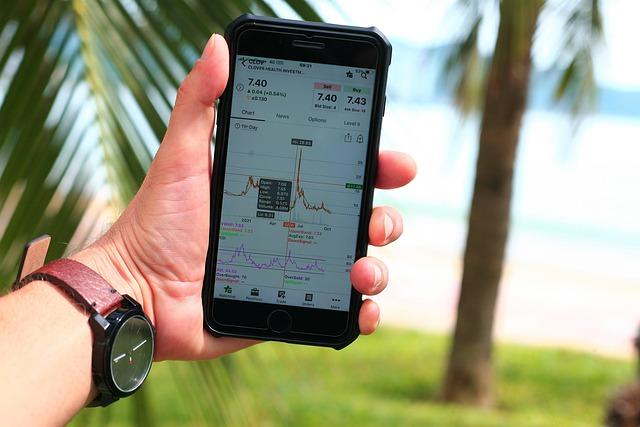
so, you're thinking about diving into the world of trading but have no clue where too start? Don't worry, you're not alone-and you've come to the right place! Trading might sound intimidating at first, with all the charts, jargon, and whatnot, but it doesn't have to be rocket science. In this blog post,we'll break down some easy,beginner-kind tips that'll help you get your feet wet and start trading confidently today. Whether you're looking to make some extra cash or just curious about how the market works, stick around-we've got you covered!
Getting to Know the Basics Before You Dive In
Before jumping headfirst into the world of trading, it helps to get a solid grip on the essentials. Think of trading as learning a new language-the more you familiarize yourself with the terms and tools, the easier it becomes to read the market's mood. Start by understanding key concepts like stocks, bonds, commodities, and ETFs. Thes are the building blocks of any trader's portfolio. Don't forget the role of market indicators and economic calendars, which help you anticipate market moves and plan your trades with confidence.
Getting the basics down also means knowing the different types of trading styles. Hear's a swift cheat sheet:
| Trading Style | Time Frame | Ideal For |
|---|---|---|
| Day Trading | Minutes to hours | Active, fast-paced traders |
| Swing Trading | Days to weeks | Those with some patience |
| Position Trading | Months to years | Long-term planners |
Also keep in mind these simple tips to keep your trading journey smooth:
- Start small: Use demo accounts or trade with small amounts.
- Keep emotions in check: Don't let fear or greed drive your decisions.
- Educate constantly: The markets evolve, so should you.

Choosing the Right Trading Platform for Your Style
Picking a platform that vibes with your personal trading flair can make all the difference between a smooth ride and a rocky start. are you the type who loves exploring data charts and technical indicators? Or do you prefer something simple that gets you straight to trading with minimal fuss? Your platform should feel like an extension of your style, whether that means robust tools, quick execution, or a super-friendly interface. Don't forget to check for features like demo accounts, mobile apps, and educational resources – they can be lifesavers as you get your feet wet.
To help you decide, here's a quick rundown of what to keep an eye on:
- User Interface: Clean and easy navigation to avoid headaches.
- Fees & Spreads: Low costs mean more room for profits.
- asset Variety: More options let you diversify your portfolio.
- Customer Support: Reliable help when you're stuck or curious.
| Platform Type | Best For | Popular Feature |
|---|---|---|
| Beginner-Friendly | New traders wanting simplicity | One-click buy & sell |
| Advanced Tools | Technical analysts & pros | Customizable charts & indicators |
| Mobile Apps | Traders on the go | Real-time alerts & trading |

Mastering Simple Strategies That Actually Work
keeping your trading approach straightforward can make all the difference when you're just starting out. Instead of overwhelming yourself with complex charts and countless indicators, focus on a few easy-to-understand tactics that offer consistency over time. For example, using simple moving averages to identify market trends or setting clear stop-loss orders to protect your capital can build a strong foundation without the stress. As your confidence grows, these basics become your trusty guideposts, helping you avoid emotional decisions and stick to your plan.
Here's a quick checklist to keep things on track:
- Start small: Use manageable amounts for each trade to minimize risk
- Stick to your strategy: Avoid chasing “hot tips” or sudden market hype
- Track your progress: Maintain a simple trading journal to learn from wins and losses
- Be patient: Growth takes time – don't rush the process
| Strategy | Why it Works | Example |
|---|---|---|
| SMA Crossover | Clear signals when trends change | Buy when 50-day SMA crosses above 200-day SMA |
| Stop-Loss Orders | Limits potential losses automatically | Set stop-loss at 3% below purchase price |
| Trade Journaling | Improves decision-making over time | Record entry/exit points and emotions |
Managing Risks Like a Pro From Day One
Jumping into trading without a solid plan to protect your capital is like skydiving without a parachute-exciting, but risky. the key to staying afloat is setting clear boundaries for your losses before you even place that first trade.Always use stop-loss orders to cap potential downturns, and don't put all your eggs in one basket-diversification across different assets can soften the blow when the market gets rough.Remember, the goal is to protect your money so you can trade another day, not to hit a jackpot overnight.
Keeping emotions in check is another hidden weapon in your risk management arsenal.Fear and greed can cloud judgment, leading to impulsive decisions that often end badly. try these simple habits to keep your cool:
- Create a trading journal: Track every trade to learn from your wins and losses.
- Set realistic goals: Avoid chasing unrealistic profits-it's a marathon, not a sprint.
- Stick to your plan: Avoid making trades based on tips or hype.
| Risk Rule | Why It Matters | Quick Tip |
|---|---|---|
| Stop-Loss Limits | Prevents big losses | Set 1-2% per trade max |
| Diversify Portfolio | Spreads risk around | Invest in 3+ assets |
| Trade Size Control | Protects capital | Never risk all in one go |
Building Confidence with Small, Smart Moves
Getting started in trading doesn't mean jumping in headfirst with big risks. Rather, aim to take small, calculated steps that build your skills and confidence over time. This approach helps you learn the ropes without the stress of large losses. begin by experimenting with a demo account or tiny investments that won't hurt your wallet if things don't go as planned. It's all about creating a solid foundation where every trade is a learning opportunity, not a gamble.
To stay on track, focus on these simple moves:
- Set realistic goals: Don't expect to double your money overnight; aim for steady, consistent growth rather.
- Create a daily routine: Track market news and your trades to spot patterns and improve your strategy.
- Use stop-loss orders: This limits potential downsides and protects your investment.
| Smart Step | Why it effectively works | Example |
|---|---|---|
| Start with $50 | Minimizes risk while learning | Buy a low-cost stock or fractional shares |
| Review trades weekly | Improves decision-making | Log wins and losses in a journal |
| Use stop loss at 5% | Prevents big losses | sell if investment drops 5% |
Q&A
Q&A: Trading for Newbies – easy Tips to Get Started today
Q: I'm totally new to trading. Where do I even begin?
A: Great question! Start by learning the basics-what stocks,forex,or cryptocurrencies are,and how markets work. There are tons of free resources online like videos, blogs (hey!), and beginner-friendly courses. Think of this as laying the foundation before building a house.
Q: Do I need a lot of money to start trading?
A: Nope! You can start with a small amount, sometimes as little as $50 or $100, depending on the platform. Some brokers even offer “demo accounts” where you can practice with fake money to get a feel for trading without risking your cash.
Q: What's the difference between investing and trading?
A: Good one! Investing is like planting a tree and watching it grow over years-it's long-term. Trading is more like surfing waves, catching short-term price movements to make quick profits. Both have their perks, but trading requires more active attention.
Q: How do I pick what to trade? Stocks? Crypto? Forex?
A: It depends on what interests you and your risk tolerance. Stocks are the classic choice, crypto is high-risk/high-reward and very volatile, and forex involves trading currency pairs and can be complex. Try reading about each and maybe pick one to start with.
Q: What's one big mistake newbie traders should avoid?
A: Overtrading and chasing quick profits! It's tempting to jump on every “hot tip” or make tons of trades, but patience and discipline go a long way. Always have a plan and stick to it.Q: Should I follow trading signals or advice from experts?
A: Use them as a learning tool, not gospel. Many “signals” can be unreliable or scams. Develop your own strategy gradually and double-check any advice before acting on it.
Q: How meaningful is learning about technical analysis?
A: Super helpful! Technical analysis involves reading charts and spotting patterns, kind of like detective work with price movements. It's not mandatory at first, but as you get comfortable, it can boost your decision-making.Q: Any quick tips to get started right now?
A: Yup! Open a demo account, stick to one market like stocks, practice making mock trades, set simple goals, and don't rush. Trading is a skill you build over time, not a magic money-making machine overnight.Q: Where do I find trustworthy trading platforms?
A: Look for well-known brokers with good reviews,clear fees,and user-friendly apps. Some popular ones include Robinhood, eToro, and TD Ameritrade. Always do your homework before committing real money.
Q: How do I handle emotions like fear or greed while trading?
A: Totally normal to feel that! The trick is to prepare and follow your plan. Set stop-loss orders to limit losses, start small, and take breaks when needed. Remember, no trade is worth losing sleep over.
Ready to take the plunge? Keep it simple, learn as you go, and have fun experimenting. Trading doesn't have to be scary-it can be your new hobby (or side hustle) in no time!
Final Thoughts
And there you have it-some simple, no-stress tips to kickstart your trading journey today! Remember, everyone starts somewhere, and the most critically important thing is to keep learning and stay patient. Don't rush the process, stick to your plan, and don't be afraid to make mistakes-they're just part of the game. Happy trading, and here's to turning those newbie steps into confident moves ahead! catch you in the next post!