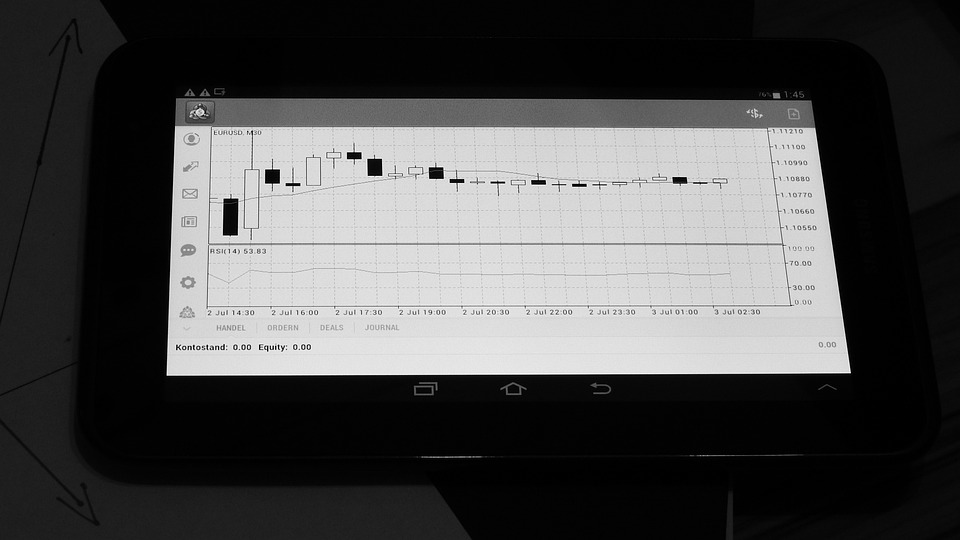



























































































































































How High Can MYX Finance Go? 🤩 MYX Crypto Token Analysis

Join Premium: https://the-bitcoin-strategy.com Public Telegram: https://t.me/bitcoinstrategychannel Trading Platform: ...
source
Best Short-Term Investment Options (for high return 🚀)

Does this sound familiar: You've got some money sitting around in cash and you want to invest it and make a decent return.
source
Best Investing Apps For Europeans

All the links to the brokers I mentioned & get a sign-up bonus here https://smartmoneywithkai.com/tools STOCK BROKERS ...
source
10 Reasons Souls Are Believed to Linger After Death

The belief that souls survive death is an enduring mystery that spans cultures, religions, and folklore. Why do certain spirits seem to refuse to move on? The reasons are as varied and complex as the societies that harbor them. From unfinished business to emotional bonds, some explanations lean heavily on spiritual beliefs, while others embrace the unexplained.

Here, we delve into ten compelling reasons why souls may linger after death.

Sudden or Traumatic Death

Image Credit: 123rf photos

When death strikes suddenly or violently, it is often believed to leave the soul in a state of confusion. The shock of an untimely or traumatic death may prevent the spirit from understanding its transition, leaving it disoriented.

Hauntings associated with accidents, murders, or other tragic events often stem from this theory. The soul’s inability to process the suddenness of death is thought to result in a spirit remaining trapped in a state of turmoil, unable to find peace.

Strong Emotional Attachments

Love, grief, regret, and anger are powerful emotions that can create unbreakable bonds between the living and the dead. A deeply attached person, whether to family, home, or even material possessions, may have difficulty letting go. It’s said that such strong emotional ties can delay a soul’s departure, as it remains close to loved ones.

In some traditions, spirits are believed to serve as protectors or silent observers, lingering in the vicinity of those they loved and who loved them. These connections, deeply ingrained in human nature, are seen as too powerful to sever immediately after death.

Fear of the Afterlife

For many, the uncertainty of what comes after death can be a source of great fear. This fear is often cited as a reason why some spirits do not transition. Souls who fear judgment, punishment, or the unknown are believed to remain in a state of limbo, unable to move forward.

Folklore frequently depicts such spirits as restless and uneasy, trapped in a perpetual state of uncertainty about their afterlife. This fear represents an internal conflict that holds the spirit back from peace.

Lack of Proper Funeral Rites

Image Credit: 123rf photos

In many cultures, funeral rites are seen as essential for guiding the soul to its final destination. When these rites are not performed, the spirit may struggle to find its way. Rituals like prayers, offerings, and symbolic acts are designed to ensure the safe passage of the soul.

Without them, the soul may wander, lost and aimless, unable to reach its final resting place. This belief highlights the importance of cultural practices in ensuring a smooth transition and protecting the soul from being trapped between realms.

Unfinished Business

One of the most common reasons cited for lingering spirits is unfinished business. This belief suggests that when a person dies with unresolved tasks or emotional baggage, they may not be able to let go of the physical world. Whether it’s unspoken words to loved ones or unfulfilled ambitions, the emotional weight of these unresolved matters could act as an anchor, keeping the spirit tethered to the living world.

Many ghost stories center on souls attempting to complete unfinished business, whether in subtle ways or through eerie, unexplained phenomena.

Desire for Justice or Revenge

Another reason why spirits may remain is a desire for justice or revenge. When a person dies as a result of betrayal, murder, or unresolved conflicts, the spirit may linger in search of closure. In many ghost stories, the lingering soul is portrayed as determined and purposeful, unwilling to rest until it has righted a wrong or revealed the truth.

The belief in moral balance and retribution suggests that even in death, the soul seeks to restore justice, preventing it from moving on until it achieves its goal.

Spiritual Confusion or Lost Identity

Some beliefs propose that souls may remain after death due to confusion or lack of awareness about their passing. Without the proper spiritual guidance or understanding, the spirit may not realize it is no longer alive.

This confusion can leave the soul stranded in limbo, wandering aimlessly. In various traditions, spiritual guides or ancestors are believed to help the soul transition into the afterlife. Without such assistance, the spirit may remain lost, unable to progress.

Attachment to Physical Locations

Image Credit: 123rf photos

Certain locations, particularly those associated with powerful memories or emotions, are thought to hold a soul’s essence. Homes, workplaces, and other significant sites can become anchors for spirits, especially if the person had strong emotional ties to them.

Many ghostly hauntings are tied to specific locations, where the soul’s energy is believed to remain imprinted, preventing it from moving on. These locations may hold the emotional or physical memories of the deceased, making it difficult for them to detach from the places that once held meaning.

Cultural and Religious Beliefs

Cultural and religious perspectives heavily influence beliefs about lingering spirits. In some traditions, it is believed that souls remain temporarily to observe the living or to undergo a transition phase before entering the afterlife. Other belief systems describe intermediate realms where souls exist before moving on to their final destination.

These cultural beliefs shape how people view the afterlife and paranormal occurrences, offering comfort and meaning in the face of the unknown. The persistence of these ideas across different societies demonstrates how deeply rooted the concept of lingering souls is in human history.

Energy Imprints and Residual Hauntings

Image Credit: 123rf photos

A more modern theory suggests that what people perceive as lingering souls may actually be residual energy imprints. Intense emotions or repetitive actions can leave behind environmental “recordings” of past events that replay under certain conditions.

These imprints are not conscious spirits but rather echoes of the past that play out when triggered. This theory, while scientific, still supports the idea that human experiences can leave lasting traces, blurring the line between memory and presence.

Conclusion

The reasons why souls are believed to linger after death are varied and complex. From emotional attachments and unresolved issues to cultural beliefs and energy imprints, the explanations reflect humanity’s need to understand death, loss, and the unknown. These enduring beliefs remind us that our relationships, experiences, and emotions can leave lasting imprints, whether spiritual, psychological, or environmental. The mystery of lingering souls continues to captivate, keeping the conversation about life after death alive for generations to come.


Source link
What Is Dollar Cost Averaging?

If the idea of putting money into the stock market makes you nervous, you are not alone. A lot of people hold back because they are afraid of buying at the wrong time. 

Dollar cost averaging is a strategy that takes that worry off the table. Instead of trying to time the market perfectly, you invest a fixed amount on a regular schedule and let time do the heavy lifting.

In this article, we will explain how dollar cost averaging works, why so many long-term investors rely on it, and how to put it into practice starting today.

What Is Dollar Cost Averaging?

Dollar cost averaging (DCA) is an investment strategy in which you invest a fixed dollar amount in a specific asset at regular intervals, regardless of market conditions. Whether the market is up, down, or flat, you invest the same amount on the same schedule.

The result is that you end up buying more shares when prices are low and fewer shares when prices are high. Over time, this can lower your average cost per share compared to making a single lump-sum investment at the wrong moment.

Most people already practice dollar cost averaging without realizing it. If you contribute to a 401(k) every time you get a paycheck, that is dollar cost averaging in action.

How Dollar Cost Averaging Works

The mechanics are straightforward. You pick an investment, decide on a fixed dollar amount, and choose a schedule. Every week, every two weeks, or every month, you invest that amount, no matter what the market is doing that day.

Because you are investing a fixed dollar amount rather than a fixed number of shares, your money automatically buys more shares when prices dip and fewer when prices climb. This built-in dynamic is what makes the strategy so useful for investors who want to build wealth steadily without spending hours watching the market.

For most people, low-cost index funds are the best vehicle for this strategy. They give you broad diversification across hundreds of companies in a single investment, and their expense ratios are far lower than actively managed mutual funds or target-date funds. That difference in fees compounds significantly over decades.

A Simple Example

Say you decide to invest $300 every month into a low-cost S&P 500 index fund. Here is what three months might look like:

  • Month 1: The share price is $50. Your $300 buys 6 shares.
  • Month 2: The market drops, and the share price falls to $30. Your $300 buys 10 shares.
  • Month 3: The market recovers, and the share price rises to $60. Your $300 buys 5 shares.

After three months, you have invested $900 and own 21 shares. Your average cost per share is $42.86. If you had invested all $900 in Month 1 at $50 per share, you would only own 18 shares. The dip in Month 2 actually worked in your favor because you had cash ready to put to work at a lower price.

This is the core idea. You stop worrying about whether today is a good day to invest and start focusing on building a consistent habit instead.

Benefits of Dollar Cost Averaging

It removes emotion from investing

One of the biggest mistakes investors make is letting fear and excitement drive their decisions. They pile in when the market is hot and pull out when it drops. Dollar-cost averaging sidesteps all of that by turning investing into a routine, like paying a bill, that runs automatically on a schedule.

It makes market downturns work for you

When markets fall, most people panic. With dollar cost averaging, a dip is simply an opportunity to buy more shares at a discount. If you stay consistent, you will naturally accumulate more of your investment when it is on sale.

It is accessible no matter your income

You do not need a large lump sum to get started. Even small, consistent contributions can grow meaningfully over time thanks to compounding. A good starting point is to aim for at least 10% of your gross income going toward investments. If that feels like a stretch right now, start with whatever you can manage and increase it over time.

It builds a long-term habit

Consistency is the real edge in personal investing. Dollar cost averaging encourages exactly that. When you automate your contributions, investing happens in the background while you get on with your life.

Want a free tool to help you keep track of your investments? Check out Empower!

Things to Keep in Mind

Dollar cost averaging is a sound strategy, but it is worth understanding its limits before you dive in.

It does not guarantee a profit

If you are investing in a low-quality asset that trends downward over time, buying it consistently will not save you. That is why what you invest in matters just as much as how you invest. Sticking to broad, low-cost index funds gives you exposure to the overall market rather than betting on a single company’s performance. Investing heavily in individual stocks introduces a level of risk that most people do not need to take on.

Alternative investments should stay small

Things like gold, cryptocurrency, and other alternative assets can have a place in a portfolio, but they should stay well under 10% of your total invested assets. These assets tend to be far more volatile and speculative than a diversified index fund, and there is no reason to let them dominate your long-term strategy.

A lump sum can outperform in a rising market

Research has shown that if you have a large sum ready to invest, putting it all in at once tends to outperform dollar cost averaging over the long run, simply because markets go up more often than they go down. That said, most people do not have a large lump sum sitting around. For those building wealth paycheck by paycheck, dollar cost averaging is the practical and sensible path.

How to Get Started

Getting started with dollar cost averaging does not require a financial advisor or a complicated setup. Here is a simple framework:

  • Open a brokerage or retirement account if you do not already have one. If your employer offers a 401(k) match, start there, since it’s essentially free money.
  • Choose a low-cost index fund. A broad U.S. or total market index fund from a provider like Vanguard, Fidelity, or Schwab is a straightforward starting point. These consistently outperform most actively managed funds over the long run after fees are factored in.
  • Decide how much to invest and when. Aim for at least 10% of your gross income. Set up automatic contributions so the money moves without you having to think about it each time.
  • Stay consistent. Do not stop contributions during market downturns. That is exactly when dollar cost averaging works best.

Summary

Dollar cost averaging is one of the most practical investing strategies available to everyday investors. It takes the guesswork out of market timing, helps you build a consistent habit, and naturally positions you to benefit from market dips over time.

The key is to pair this strategy with the right investments. Low-cost index funds are a strong foundation. They offer diversification, keep fees low, and have a long track record of rewarding patient investors. Avoid concentrating too much on single stocks or speculative alternatives, and keep contributing regularly regardless of what the market is doing on any given day.

If you stay the course and keep contributing, time becomes your greatest asset.


Source link
How to Buy Shares in Ghana: Invest in Ghana Stock Exchange

This video will show you how to invest on the Ghana stock exchange for big companies like MTN, GCB, Atlantic Lithium, and many ...
source
Investing  Kes 3,000 shares in Kenya | How Much Can You Earn in Dividends?”

In this video, I break down how you can invest KES 3000, KES 30000, and even KES 3 million in KenGen shares on the Nairobi ...
source
How to Start a Cake Shed Bakery in the UK: Legal Rules, Costs and Food Hygiene Checklist.

Cake sheds are popping up across the UK – from brownies in garden huts to honesty-box cupcakes at the end of driveways. But before you start selling, there are strict food hygiene, legal and tax rules you need to know.

To start a cake shed bakery in the UK, you must register as a food business with your local authority at least 28 days before trading, follow food hygiene rules, provide allergen information, and check landlord, mortgage and insurance permissions.MoneyMagpie has long covered practical side hustles and home businesses. This guide breaks down the cake shed trend using real UK examples and official guidance so you can get started safely and legally.

Cake shed legal checklist UK

  • Register your food business at least 28 days before trading
  • Prepare for Environmental Health inspection
  • Complete food hygiene training
  • Provide clear allergen information
  • Check landlord, mortgage and insurance permissions
  • Keep records for HMRC and the £1,000 trading allowance
  • Avoid selling high-risk chilled foods without proper storage

What is a cake shed – and why is it trending?

::contentReference[oaicite:0]{index=0}

A cake shed is a small self-serve bakery setup outside someone’s home, usually stocked with brownies, cookies, cupcakes or traybakes. Customers pay via honesty box, QR code or contactless.

The trend has grown because it combines low start-up costs with strong local demand and social media appeal. It looks simple – but legally, it counts as running a food business.

Real UK examples of cake sheds

In Oxford, The Cake Shed Boars Hill launched in May 2024, selling brownies, cookies and cake slices from a garden setup, typically priced around £2.50 per item.

Meanwhile, Lady Berry Cupcakes has published practical advice for bakers running similar setups, including tips on branding, stock rotation, hygiene and customer payments.

MoneyMagpie warning

A cake shed might feel informal, but if you are selling food regularly, you are legally running a food business. That means registration, hygiene rules and allergen laws apply.

Do I need to register to sell cakes from home?

Yes – if you are selling food as a business, you must register with your local authority.

You need to register at least 28 days before you start trading. This applies even if you:

  • only sell at weekends
  • use an honesty box
  • sell to neighbours or locally

Register your food business on GOV.UK

What happens if I sell cakes without registering?

Failing to register when required can lead to enforcement action from your local authority. It is one of the most common mistakes new home bakers make.

Will my kitchen be inspected?

Yes, it can be. Even if your shed is outside, your home kitchen is where the food is prepared.

Environmental Health may check:

  • cleanliness and surfaces
  • food storage
  • cross-contamination controls
  • allergen handling
  • pest control

Food Standards Agency guidance

Key point

It is not the shed that gets inspected – it is how and where your food is made.

Do I need a food hygiene certificate?

You must be properly trained in food hygiene. Most home bakers complete a Level 2 Food Hygiene course to meet this requirement.

Allergen rules for cake sheds

You must clearly inform customers if your products contain allergens such as milk, eggs, gluten, nuts or soya.

Read allergen guidance

Example label

Brownie – contains milk, eggs, gluten, soya

Made in a kitchen handling nuts.

Can I sell cakes from my driveway or garden?

Yes, but you may need to check:

  • planning considerations
  • local council rules
  • neighbour impact
  • signage restrictions

Can I run a cake shed if I rent?

You may need permission from your landlord. Some tenancy agreements restrict running a business from home.

How much does it cost to start a cake shed?

Item Cost
Shed/setup £100–£500+
Ingredients £40–£150
Packaging £20–£80
Insurance £50–£150/year

Typical startup

£150–£400 for a basic setup using existing equipment.

Best bakes to sell from a cake shed

  • brownies
  • cookies
  • traybakes
  • flapjacks

Is a cake shed a good side hustle?

For many people, a cake shed can be a genuinely viable side hustle – but only if it is treated like a real business rather than a casual hobby.

The biggest advantage is the low barrier to entry. Compared to opening a café or bakery, startup costs are minimal, you can work from home, and you control your hours. For confident home bakers, it can be a practical way to turn an existing skill into income without taking on major financial risk.

However, the reality is more complex than social media makes it look. Profit margins can be squeezed by rising costs of butter, eggs and chocolate, and once you factor in your time, packaging, energy use and unsold stock, earnings may be lower than expected – especially in the early stages.

There are also legal and practical responsibilities that cannot be ignored. Food hygiene rules, allergen labelling, insurance and registration requirements mean this is not a “no-rules” side hustle.

When a cake shed works best

  • You already bake regularly and confidently
  • You have a strong local community or footfall
  • You keep your menu simple and cost-controlled
  • You treat it as a business from day one

When it might not be worth it

  • You underestimate your time and costs
  • You rely on unpredictable footfall alone
  • You do not want to deal with regulations and admin
  • You price too low to compete locally

The bottom line: A cake shed can absolutely make money and grow into a small local business – but it works best as a stepping stone. The most successful setups often evolve into regular order-based baking, event catering or a broader home bakery brand.

Cake shed pricing: how much should you charge?

Typical pricing ranges from £2 to £4 per item depending on quality and location.

Always include:

  • ingredients
  • packaging
  • electricity
  • waste
  • your time

MoneyMagpie tip

Underpricing is the biggest mistake. Many cake sheds look profitable but pay less than minimum wage once all costs are included.

Before you open: your 10-point checklist

  • Register your business
  • Complete hygiene training
  • Prepare allergen info
  • Check permissions
  • Set up payments
  • Price correctly
  • Stock safely
  • Label clearly
  • Track income
  • Launch locally

The bottom line

Cake sheds are a brilliant low-cost way to start a food business, but they are not a legal shortcut. If you treat it properly from day one, it can grow into a reliable local income stream.


Source link
Top 15 Small Machines for Home Business  – That Can Make You Money

Hi, thanks for watching our video about the Top 15 Small Machines for Home Business - That Can Make You Money. In this video ...
source
The 30% Rule: Why Seniors Should Keep Housing Costs Below This Proven Affordability Threshold

The 30% Rule: Why Seniors Should Keep Housing Costs Below This Proven Affordability Threshold
Image Source: Pexels

For many seniors, retirement brings a fixed income, but rising housing costs don’t always get the memo. Whether it’s property taxes, rent increases, insurance, or maintenance, housing can quietly consume more of your monthly budget than you realize. That’s where the 30% rule housing affordability guideline becomes incredibly important.

This long-standing benchmark helps retirees avoid becoming “house poor” and ensures they still have money for essentials like healthcare, groceries, and transportation. If you’re living on Social Security or a limited income, here’s what you need to know about this rule, and what it could do for you.

What the 30% Rule Housing Affordability Standard Means

The 30% rule housing affordability guideline suggests you should spend no more than 30% of your gross income on housing costs. This includes rent or mortgage payments, property taxes, insurance, and even utilities. The standard is widely used by policymakers and financial experts to define what is considered “affordable housing.” U.S. Department of Housing and Urban Development considers households that spend more than 30% of income on housing to be “cost-burdened.”

The 30% rule housing affordability concept didn’t appear overnight. It evolved from federal housing policy. It traces back to the 1969 Brooke Amendment, which originally capped public housing rent at 25% of income before being raised to 30% in the 1980s.

Over time, this percentage became the standard used across the U.S. to measure affordability. The idea was simple: families need enough leftover income after housing to cover life’s essentials. Even today, experts rely on this guideline because it remains a practical, easy-to-understand benchmark.

Why Seniors Are Especially Vulnerable to Housing Cost Creep

Seniors face unique challenges that make the 30% rule housing affordability threshold even more critical. Most retirees live on fixed incomes, meaning they can’t easily increase earnings to offset rising costs. Meanwhile, expenses like property taxes, insurance premiums, and maintenance often increase with age.

Healthcare costs also tend to rise, putting additional pressure on budgets. When housing exceeds 30% of income, seniors are often forced to cut back on necessities like medication or food.

What Happens When You Exceed the 30% Threshold

Spending more than 30% of your income on housing puts you in what experts call “housing cost burden.” At that point, your budget becomes more fragile and less flexible. Research shows households paying above this threshold may struggle to afford basic needs like groceries, transportation, and medical care. If housing costs climb past 50%, it’s considered a “severe cost burden,” which can lead to debt or financial instability.

Some people assume the 30% rule housing affordability standard is outdated or too rigid. While it’s true that individual situations vary, the rule is meant to serve as a guideline, not a strict law. Critics argue it doesn’t account for differences in lifestyle, debt, or regional costs. However, the core principle remains valid: spending too much on housing reduces financial flexibility. Even if your ideal percentage is slightly higher or lower, the rule provides a strong starting point for budgeting.

Practical Ways Seniors Can Stay Below the 30% Limit

There are several strategies seniors can use to stay within the 30% rule housing affordability threshold. Downsizing to a smaller home or relocating to a lower-cost area can significantly reduce monthly expenses. Applying for property tax exemptions or senior housing assistance programs can also help lower costs. Refinancing or paying off a mortgage may reduce monthly payments. Even small adjustments, like reducing utility costs or eliminating unnecessary expenses, can make a meaningful difference.

Why the 30% Rule Housing Affordability Guideline Is a Retirement Lifeline

The 30% rule housing affordability benchmark isn’t just a number. It helps ensure that housing doesn’t crowd out essential expenses like healthcare, food, and transportation. While no rule fits every situation perfectly, this one has stood the test of time for a reason. In an era of rising costs and fixed incomes, staying within this threshold can mean the difference between comfort and financial stress. If your housing costs are creeping above 30%, now is the time to reassess and take action.

Are your housing costs above 30% of your income, and if so, what steps are you considering to bring them down?

What to Read Next

Struggling With Housing Costs? Oregon’s Shared‑Living Programs Are Helping Seniors Stay Independent Longer

5 Living Expenses Seniors Can’t Avoid as Housing Costs Remain Their Largest Burden

The Hidden Housing Crisis: Grandparents Raising Grandkids Find Help Through ‘Grandfamily’ Programs


Source link
6 Best Remote Jobs for New Moms and Dads in 2024!

SUBSCRIBE NOW: https://www.youtube.com/c/iamRIFLEX/ **IF THE JOB DISCUSSED IS UNAVAILABLE, YOU MAY HAVE BEEN ...
source
How to Make Money With AI Training Jobs on Neevo AI (for Beginners)

How to Make Money With AI Training Jobs on Neevo AI (for Beginners) ...
source
Money-Saving Tips: 10 Hacks to Reduce Unnecessary Spending

Saving money doesn't have to be a hard; with a few simple lifestyle changes, you can easily save up some cash! Within this video ...
source
सस्ते होंगे ये सभी अच्छे Shares ? 🔴🔴 INVEST IN BHARAT 🇮🇳

WhatsApp channel Link :- https://whatsapp.com/channel/0029VaAd6jyIiRokwzh0wT1T DISCLAIMER : This video only for ...
source
বসুন্ধরা সিটিতে ক্লিয়াররেন্স সেল অফার, ৭০% ছাড় | Clearance Sale | Bashundhara City Shopping Mall

বসুন্ধরা সিটিতে ক্লিয়াররেন্স সেল অফার, ৭০% ছাড় | Clearance Sale | Bashundhara ...
source
FINANCE Interview Questions & Answers!

FINANCE Interview Questions & Answers by Richard McMunn of: https://passmyinterview.com/finance-interview/ ...
source
Mike Vrabel Talked for Three Minutes. He Never Said Dianna Russini’s Name

Mike Vrabel spoke for three minutes on Tuesday. He stood at the Patriots podium in Foxborough, made a statement, thanked reporters for their patience, and said he had “difficult conversations” with people he cares about. He said those conversations were “positive and productive.” He said good decisions matter on and off the field. He said that it starts with him. He pivoted to the NFL Draft.

Dianna Russini’s name did not come up once.

Not in the statement. Not in the questions. Not in three minutes of accounting for a situation that helped end her job.

She exists in Vrabel’s version of this story as “everybody involved.” That is the word he chose, involved, for the woman who resigned from The Athletic, who spent weeks described as the subject of an internal investigation, who watched her reputation become a national sports media story. She is involved. He had difficult conversations. Those conversations were positive and productive. And now he would like to talk about the Draft.

What Vrabel said. And what he erased

Vrabel opened by calling this “a personal and private matter.” He noted he could have addressed it sooner, but wanted to talk to his players first. He said he told them that good decisions are required on and off the field. He said the conversations he had with team officials, his family, his staff, and his players would stay private. He said he didn’t want the situation to take attention away from the Draft, which begins Thursday. He said he cares deeply about this football team.

That is the complete public accounting.

Russini resigned from The Athletic two weeks ago after the New York Post published photos of her and Vrabel at a Sedona resort, holding hands and hugging poolside, taken before the NFL meetings. The Athletic opened an internal investigation. Within a week, Russini was gone. ESPN reported that Russini and Vrabel had coordinated their responses to the Post before publication, and that Russini had appealed to New York Times CEO Meredith Kopit Levien. Crissy Froyd lost her USA Today contract for posting about Russini. The NFL decided Vrabel’s behavior didn’t warrant a review under the personal conduct policy.

One woman resigned. One woman lost her job. One man had difficult conversations.

On Tuesday, that man stepped to the podium and declined to name either of them.

This is how the story was always going to end

This column has tracked this story across three pieces. The first documented that journalism punishes appearances while football punishes outcomes; Russini was under investigation for the optics of the situation, while Vrabel kept coaching. The second showed USA Today fired Froyd for saying out loud what its own columnist had already published in polished form. The third showed the NFL drew a line around what constitutes a football problem and put Vrabel on the safe side of it.

Tuesday’s statement is the final chapter of all three arguments.

Russini became the story. Vrabel stayed the coach. Credit: Dianna Russini/Instagram

The journalism side produced a resignation, a firing, a national controversy, and weeks of coverage. The football side produced a three-minute statement with no names, a reference to difficult conversations, and a pivot to draft picks. Vrabel told reporters he has to lead. What leading looked like on Tuesday was thanking reporters for their patience with his private matter, declining to name the woman whose job imploded because of it, and then answering questions about the 31st overall pick.

That is the system working as designed, not an accident.

The name he didn’t say

A public figure stood at a podium to address a controversy and refused to name the person most affected by it. Vrabel did not forget Dianna Russini’s name. He has known it since 2018, when she covered his Titans teams. He chose not to say it in the only public moment that mattered.

That choice erased her from his version of the story. In his telling, there was a situation, difficult conversations, and a private matter he did not want distracting from the Draft. Russini survived only as a gap, the unnamed cause of unnamed conversations that were, somehow, still positive and productive.

Crissy Froyd doesn’t exist in it at all.

Froyd lost her contract for saying the quiet part out loud. Credit: Crissy Froyd/Instagram

The NFL Draft starts Thursday. Vrabel has the 31st pick. His general manager said last week that he had been in the draft room “a little more than he was last year.”

One woman resigned. One woman lost her job. One man lost nothing except a little privacy about his difficult conversations.

Vrabel addressed the controversy on Tuesday.

He still never said Dianna Russini’s name.


Source link
My Top 9 Investments to Get Rich in 2025

These aren't just good stocks to buy, these are the ONLY stocks I'm buying every single month. I'll reveal my highest conviction ...
source
Can This App Help You Pay Off Debt Faster?

Debbie is a debt payoff app built around a truth most people already understand but rarely see addressed in finance tools: paying off debt is not just about numbers, it is about behavior. And if behavior is the real challenge, motivation matters more than spreadsheets.

That is where Debbie stands out.

Most personal finance apps track balances and interest rates and then stop there. Debbie goes a step further by rewarding people for making progress. When you do the right things consistently, you do not just see your debt go down. You actually get something back.

What Makes the Debbie App Different

Many debt payoff journeys fail in the same place. Not at the beginning, when motivation is high, but in the middle, when progress feels slow, and life gets in the way. Debbie is designed specifically for that phase.

After connecting your credit cards, student loans, or other debts, the app creates a personalized payoff plan based on your balances and payment history. The plan is realistic and focused on consistency rather than extreme sacrifices.

As you make payments and reduce balances, Debbie rewards you for that progress.

Rewards can include things like:

• Cash rewards
• Gift cards
• Partner offers tied to financial milestones

These rewards are not meant to eliminate debt on their own. They exist to reinforce the habit of showing up and sticking with the plan.

Key Features of the Debbie App

Debbie App Connect Accounts

Debt Tracking in One Place

Debbie gives users a clean dashboard showing:

  • Total debt
  • Individual balances
  • Progress over time

This reduces the mental stress of juggling multiple accounts.

Reward-Based Motivation

Debbie App Rewards

Unlike most personal finance apps, Debbie pays users for progress, which helps reinforce positive habits.

Simple, Clean Interface

The app is intentionally designed to be:

  • Easy to understand
  • Non-overwhelming
  • Focused on action, not spreadsheets

This makes it beginner-friendly, even for people new to budgeting or debt payoff.

Strengths and Limitations

Debbie works best for people who need accountability and encouragement. If you already know what to do but struggle to stay consistent, this app fills an important gap.

The biggest strengths are:

• Rewards that reinforce good financial behavior
• A clean, easy to understand interface
• A focus on progress instead of perfection
• Motivation during the hardest part of the journey

There are also a few limitations to keep in mind. Debbie is not a replacement for a full budgeting system, and the rewards alone will not move the needle if you are carrying very large balances. You still have to do the work. The app simply makes it easier to keep going.

You will also need to link your financial accounts, which is standard for most modern finance apps but worth noting.

Who the Debbie App Is Best For

Debbie is a strong fit for people who feel overwhelmed by debt, burned out on traditional budgeting apps, or frustrated that they are doing the right things but still don’t feel any momentum.

It is especially helpful for:

  • Credit card debt
  • Personal loans
  • Student loans
  • Early-stage debt payoff journeys
  • Anyone who needs extra motivation to stay consistent

If you are already highly disciplined and managing everything with detailed spreadsheets, you may not need the additional reinforcement. For most people, though, motivation is the missing piece.

Is the Debbie App Legit?

Yes. Debbie is a legitimate personal finance app built around a behavior-driven debt payoff model. While it won’t magically erase debt, it helps users stay engaged, which is often the biggest missing piece in successfully paying off debt.

Summary

Paying off debt is rarely about knowledge. Most people already know what they should be doing. The real challenge is sticking with the plan month after month, even when progress feels slow.

Debbie helps solve that problem by rewarding progress, reinforcing positive habits, and making the journey feel less discouraging. It will not magically erase debt. But it can absolutely help you stay consistent long enough to change your financial life.


Source link
10 Frugal Swaps to Save Up to ,200 Per Month

The other day I saw a thread on Reddit about frugal swaps, and it got me curious.

I clicked in to see how much people were actually saving with these little changes. Some of the ideas were pretty niche like doing all your errands on the drive home instead of going out later.

Others were the obvious ones, like thrifting or picking up free furniture.

The more I read, the more I realized most of those tips sound good in theory, but they don’t really fit real life for a lot of us. If you’re juggling work, kids, and everything else, you’re not going to drive across town to save a few dollars or spend hours hunting for free stuff online.

So I decided to put together a list of frugal swaps that actually make sense. Simple changes you can fit into your routine that save money without making your life harder.

Grocery Swaps That Add Up Fast

Food is one of the easiest places to cut costs. Small changes here can save more than you’d expect.

Switching from brand-name products to store brands can shave off $30–$80 per month, especially if you shop regularly for a family. Swapping fresh produce for frozen (for things like veggies and fruit used in cooking) can save another $20–$50, mainly by reducing waste.

One of the biggest wins is cutting back on convenience. Pre-cut fruits, packaged meals, and takeout cost a premium. Cooking simple meals at home instead of ordering out even a few times per week can easily save $100–$300 per month.

Potential monthly savings: $150–$400

Household Swaps That Reduce Waste

A lot of everyday household spending comes from habits rather than necessity.

Replacing paper towels with reusable cloths can save around $10–$25 per month. Making your own cleaning products using basic ingredients like vinegar and baking soda cuts costs by another $10–$20.

If you use a dryer often, switching to air drying even part of your laundry can lower electricity costs by $15–$40 monthly, depending on usage. Even small swaps like using bar soap instead of liquid versions can add another $5–$10 in savings.

Potential monthly savings: $40–$90

Subscription and Lifestyle Swaps

Subscriptions quietly drain money because they feel small individually but stack up quickly.

If you’re paying for multiple streaming services, rotating just one at a time can save $20–$60 per month. Swapping book purchases for library use or free digital options can save another $10–$30.

Gym memberships are another big one. If you’re not using it consistently, switching to home workouts or walking can save $20–$80 monthly. Adding a simple rule like waiting 24 hours before buying non-essential items can realistically prevent $50–$150 in impulse spending.

Potential monthly savings: $100–$300

Clothing and Shopping Habits

Clothing is often an underestimated expense because purchases feel occasional—but they add up over time.

Shopping secondhand instead of buying new can cut clothing costs by $30–$100 per month (averaged out over the year). Focusing on a simple wardrobe instead of chasing trends reduces unnecessary purchases even more.

Repairing clothes instead of replacing them, and shopping clearance or off-season, can realistically save another $20–$60 monthly.

Potential monthly savings: $50–$160

Everyday Money Leaks You Can Fix

Some of the biggest savings come from fixing small, repeated habits.

Walking instead of driving short distances can save $20–$60 per month on fuel. Driving more smoothly (less aggressive acceleration and braking) can reduce fuel costs by another $10–$30.

Planning meals ahead and packing lunch instead of buying it can easily save $100–$250 per month, depending on how often you eat out.

Potential monthly savings: $130–$300

Lower Energy Use Without Changing Your Lifestyle

Energy bills are one of those expenses that creep up without you noticing. The good news is you don’t need to sit in the dark to save money.

Lowering your thermostat slightly in winter (even by 1–2°F) or using fans instead of blasting AC in warmer months can cut your bill right away. Another easy win is unplugging devices you’re not using TVs, chargers, and kitchen appliances still draw power even when turned off.

Switching to LED bulbs and being mindful about turning off lights when leaving a room also adds up over time.

Potential monthly savings: $20–$80

Bottled Drinks

Grabbing drinks on the go feels cheap in the moment, but it builds into a serious monthly expense.

If you’re buying bottled water, soda, or juices regularly, switching to tap water (or using a simple filter) can save a surprising amount. Making your own iced tea, coffee, or flavored water at home costs just a fraction of store-bought options.

Even replacing one or two daily purchases can make a difference by the end of the month.

Potential monthly savings: $30–$100

Brand-Name Medications

This is one of the easiest swaps because it doesn’t require changing your habits at all.

Most over-the-counter medications like pain relievers, allergy tablets, or cold medicine have generic versions with the same active ingredients. The packaging is different, but what’s inside is often identical.

If you regularly buy these, switching to generics can cut your cost significantly without sacrificing quality.

Potential monthly savings: $10–$40

Paid Apps and Tools

Subscriptions aren’t just streaming services. Many people pay for apps they barely use.

Budgeting tools, photo editors, cloud storage, and productivity apps often have free versions that work just fine. In many cases, you’re paying for features you don’t even need.

Going through your subscriptions and canceling or downgrading even a couple of them can instantly lower your monthly expenses.

Potential monthly savings: $10–$50

Rethink Gift Spending (Without Looking Cheap)

Gifts can quietly blow up your budget, especially if you’re buying for multiple people throughout the year.

Instead of last-minute, full-price gifts, planning ahead makes a big difference. Buying during sales, setting a fixed budget per person, or giving something simple but thoughtful (like homemade treats or a small experience) keeps costs under control.

When you spread those savings across the year, the impact is bigger than it seems.

Potential monthly savings (averaged): $20–$100

How Much Can You Save in Total?

When you put all these swaps together, the numbers start to look pretty decent. The key is that you’re not relying on one big change you’re stacking small savings across different areas of your life.

If You Only Do the Basics

If you stick to the easiest changes like cooking at home a few more times a week, switching to store brands, cutting one or two subscriptions, and packing lunch occasionally you’ll already notice a difference. These are low-effort swaps that don’t really change your lifestyle, but they quietly reduce everyday spending.

With just these basics, you’re realistically looking at saving around $250–$500 per month, which adds up to $3,000–$6,000 per year. That’s a decent cushion without feeling like you’re sacrificing much.

If You’re Somewhat Consistent

Once you start layering in a few more habits like meal planning, cutting impulse purchases, being more mindful with energy use, and shopping smarter you move into a more intentional way of spending. You’re not restricting yourself, just being more aware of where your money goes.

At this level, monthly savings can reach $500–$900, or about $6,000–$10,800 per year. This is where most people land when they start taking saving seriously but still want flexibility in their lifestyle.

If You Go All-In

If you apply most of the swaps consistently rarely eating out, keeping subscriptions minimal, avoiding waste, and thinking through purchases you eliminate most of the common money leaks. You’re still living comfortably, just without unnecessary spending.

In this case, savings can climb to around $900–$1,500 per month, which is $10,800–$18,000 per year. That’s a significant shift, and it can completely change how your finances feel month to month.

What This Looks Like in Real Life

For most people, the sweet spot sits somewhere in the middle. You don’t need to do everything to see results. Even a mix of simple and moderate changes can realistically save $400–$800 per month without making life feel restrictive.

That kind of money can cover a vacation, build an emergency fund quickly, or just take pressure off your budget. The biggest difference comes from consistency, not perfection – once you plug the small leaks, the savings start to build on their own.


Source link
Cash App Invest Beginners Guide 2025

Cash App Invest Beginner's Guide Open a Cash App account: https://trufinancials.com/cashapp Click “Show More” to see my ...
source
How to Invest for Beginners in 2026 (Investing in Nigerian Stocks)

This is how you can become a shareholder and get paid by companies like Zenith, Dangote, MTN etc ✓Join us on August 2nd, ...
source
Warren Buffett's Advice to Investors for 2026

Thanks to Storyblocks for sponsoring this video! Get 2 extra months free with annual plans for a limited-time only: ...
source
Seniors 60+ Are the Top Targets for Fake ‘Dropped Cash’ Scams at Grocery Stores

Seniors 60+ Are the Top Targets for Fake ‘Dropped Cash’ Scams at Grocery Stores
Image Source: Shutterstock

You’re standing at the checkout, focused on your groceries, when someone taps your shoulder and says, “You dropped some cash.” It sounds harmless (even helpful), but in many cases, it’s the start of a fast-moving scam targeting older adults. Across the U.S., police are warning about “dropped cash” or “cash drop” scams happening in grocery stores and parking lots. These scams are especially dangerous because they rely on distraction, speed, and trust. Older adults already lose billions annually to fraud, making them a prime target for these types of schemes. Here’s what you need to know about this scam and how to best protect yourself.

The Scam Starts With a “Helpful” Stranger

The “dropped cash” scam almost always begins with someone appearing helpful. A scammer will point to money on the ground or claim you dropped something, creating a moment of confusion. This tactic is designed to lower your guard and make you trust the person quickly. In reality, the money is often planted intentionally as part of the setup.

Sometimes, a second person joins in, acting like a bystander to reinforce the illusion. This teamwork makes the situation feel more believable. By the time you realize something is wrong, the scam is already in motion.

Distraction Is the Real Goal

While the dropped money grabs your attention, it’s not the real objective. The goal is to distract you long enough to steal something more valuable, usually your debit card or wallet. In many reported cases, victims bend down to pick up the “cash” while the scammer quickly removes their card from the reader.

This happens in seconds, often before the victim even realizes what’s missing. Some scammers also watch as you enter your PIN beforehand, making the theft even more damaging. Once they have both your card and PIN, they can drain your account quickly. This is why the distraction is so carefully timed.

Seniors Are Specifically Targeted for a Reason

Scammers don’t choose victims randomly. They look for people they believe are easier to approach and trust. Seniors are often targeted because they are seen as polite, helpful, and less suspicious of strangers. Many also rely heavily on debit cards, which can be drained faster than credit cards.

Unfortunately, older adults are also more likely to suffer larger financial losses once targeted. Scammers know that even a single successful attempt can result in thousands of dollars stolen.

The Scam Often Happens at Self-Checkout

Self-checkout areas are one of the most common locations for this scam. These areas are busy, fast-paced, and often lack close supervision from employees. Shoppers are focused on scanning items, entering PINs, and bagging groceries, all while trying to move quickly. This creates the perfect environment for distraction-based theft.

Scammers take advantage of this chaos to move in and out without being noticed. By the time the victim finishes their transaction, the damage is already done. The combination of distraction and speed makes self-checkout a prime target zone.

It Can Escalate Into Larger Financial Losses

What starts as a small distraction can quickly turn into a major financial problem. Once scammers have your card and PIN, they often purchase gift cards or withdraw cash immediately. In some cases, victims have lost thousands of dollars within hours. Because debit transactions happen instantly, recovering the money can be difficult. For anyone living on a fixed income, even a single incident can disrupt an entire monthly budget or retirement plan.

Warning Signs You Should Never Ignore

While scams catch many people off guard, there are several warning signs you shouldn’t ignore. Here’s what to look out for…

  • If a stranger suddenly points out dropped money or tries to rush you, take a step back.
  • Be especially cautious if more than one person is involved or if the situation feels staged.
  • Another warning sign is someone trying to distract you while you’re entering your PIN.
  • Trust your instincts. If something feels off, it probably is.

Avoid engaging and focus on securing your belongings immediately. You can also cover your keypad when entering your PIN, especially at self-checkout. Always keep your card in hand until the transaction is complete and never leave it unattended. And if someone tries to distract you, stop what you’re doing and check your belongings first. It’s also advisable to use a credit card instead of a debit card for added protection.

If you notice any suspicious behavior, always report it to store staff as soon as possible. This will not only keep you safe but also potentially save others from massive financial loss.

Have you ever experienced or witnessed a scam at a grocery store? What tips would you share to help others stay safe? Let us know in the comments.

What to Read Next

Android Users Alert: Scam Pop-Ups Posing as Google Are Targeting Older Adults

Social Security Warning: 3 New Scams Retirees Must Avoid Immediately

Medicare Alert: Scammers Are Mailing Seniors ‘Updated Benefits Cards’ — They’re After Your SSN

New Scam Targets Seniors With Fake Medical Devices — Here’s How to Spot It

Social Security Scam Surge: Ask This One Question Before You Give Your Number


Source link
Hidden Cash in Your Driveway, Unlock Cash from Scrapping Your Old Car

Make Money Baking – Everything you need to knowMake Money Baking – Everything you need to know Moneymagpie Team 17th Apr 2026

Reading Time: 2 minutes

Thousands of drivers across Hertfordshire earned an average of £268 in 2025 simply by scrapping old cars they no longer needed, according to newly released local data.

The figures come from Scrap My Car Company’s annual review, which analysed vehicles collected across the county throughout the year. While many motorists assume an ageing or non-running vehicle has little value, the data suggests there is still steady cash available – even for cars that have failed an MOT or been declared SORN.

Hidden Money on the Driveway

With the cost of living still high, scrapping an unused vehicle could provide a useful financial boost. The 2025 average payout of £268 means some households may be sitting on a few hundred pounds without realising it.

In some cases, heavier vehicles achieved significantly higher returns. Larger 4×4 models, for example, averaged over £300 due to their increased metal weight.

Meanwhile, some of the most commonly scrapped cars were everyday models such as the Ford Fiesta, Vauxhall Corsa and Ford Focus – proving you don’t need a luxury vehicle to unlock value.

Make & Model

Average Scrap Value 2024

Average Scrap Value 2025

Vauxhall Astra

£286

£295

Ford Focus

£268

£274

Vauxhall Corsa

£245

£252

Peugeot 207

£256

£266

Ford Fiesta

£242

£251

Why Do Scrap Prices Change?

Scrap values are mainly driven by:

  • Vehicle weight
  • Demand from recycling facilities
  • Current metal market prices
  • Condition and completeness

Prices can move throughout the year depending on global steel markets, meaning timing can affect how much you receive.

Is It Worth Scrapping an Old Car?

The report found the average age of scrapped vehicles in 2025 was 18 to 19 years, suggesting many owners are choosing scrappage instead of paying for costly repairs.

For drivers with unused vehicles on their driveway, scrapping could be a straightforward way to generate quick cash, while also avoiding ongoing costs such as insurance and road tax.

A full breakdown of 2025 scrap values, most scrapped models and year-on-year comparisons is available in the complete report.

Disclaimer: MoneyMagpie is not a licensed financial advisor and therefore information found here including opinions, commentary, suggestions or strategies are for informational, entertainment or educational purposes only. This should not be considered as financial advice. Anyone thinking of investing should conduct their own due diligence.


Source link
Business Machines You Can Buy Online To Make Money. 25 small business ideas!

25: Business machines under $500 that you can buy online to make money. TOP 25 small business ideas with low investment !
source
Jamie Foxx Keeps Getting Told He Looks Like Jamie Foxx, and His Response Every Time Says Everything About Where He Is Right Now

A video has been making the rounds online. Jamie Foxx is sitting in his Rolls-Royce Cullinan in Los Angeles traffic, window down, when an older man in the next car leans over to pay him a compliment. He likes the hat. He likes the look. And then: “You over there looking like Jamie Foxx.”

Foxx doesn’t correct him. He doesn’t say who he is. He keeps a straight face and delivers two lines like he’s been waiting for the setup his whole life. “Man, that’s what they told me,” he says first. Then: “I wish I had some of that Jamie Foxx money.”

The man laughs. The light changes. Both drive off. The clip, posted to X by @KollegeKidd on March 21, has racked up nearly a million views.

The man has a whole routine for this situation, because this situation keeps finding him. In another video circulating online, a different stranger tells Foxx the same thing — that he looks like Jamie Foxx — and Foxx hits them with the same punchline. Same smile. Same delivery. Nobody told him to do this. He just does this.

@mrs.mckenzie329“Over there looking like Jamie Foxx” “Mannnn. I wish I had some of that Jamie Foxx money” This fool. 😂 😭😆♬ original sound – Mrs McKenzie

The funniest man in the room who won’t tell you he’s in the room

What makes the clips land isn’t the irony — though the man is saying “I wish I had some of that Jamie Foxx money” from the driver’s seat of a Rolls-Royce. It’s the choice. He could just tell them who he is. He never does.

The instinct is pure stand-up. Foxx spent the late ’80s and early ’90s working the open mic circuit — that’s actually how he got the name, picking something gender-ambiguous after noticing female comics got called up first. Thirty-five years, an Oscar, and a Grammy later, the reflex hasn’t changed. In the traffic clip, he gives the stranger two punchlines — the setup (“that’s what they told me”) and the closer (“I wish I had some of that Jamie Foxx money”) — delivered with the same deadpan rhythm he’d use on a stage. Except the stage is La Brea Avenue, and the audience is one guy who has no idea he’s in the bit.

A man on his second chance who seems determined to enjoy every minute of it

Since surviving a brain bleed and stroke in April 2023 — an ordeal that left him unconscious for 20 days and unable to walk during recovery — Foxx has been operating with a different energy. He hasn’t come back louder. He’s come back goofier, warmer, like a man who’s decided the only wrong move is taking any of it too seriously.

He adopted “Gang Gang” by Compton rapper Chef Boy as what amounts to a personal theme song, posting video after video of himself dancing to it. He brought Chef Boy out to perform at his Halloween party in 2025. He showed up to the Fanatics Flag Football Classic in March hand-in-hand with his 17-year-old daughter Anelise. In his December 2024 Netflix special What Had Happened Was…, recounting what he told himself in the hospital while he was still learning to walk again, he said the thing that puts all the clips in context: “If I can stay funny, I can stay alive.”

@reecespeanutbutterkupGang gang♬ original sound – Reece


He told BET separately that fame itself isn’t fun anymore — “everything is scrutinized” — but called himself a “gregarious dude” who just wants to have fun. Watch him in any of these clips and it’s obvious which part he’s talking about. The fame — the recognition, the scrutiny, the cameras — that’s the tax. The random conversations with strangers in traffic, the dancing, the laughing — that’s the whole point.

“Still a clone”

After the traffic clip went viral, Foxx didn’t let the moment pass. He reposted the video himself on social media with a caption that only makes sense if you know the backstory: “They say I look like Jamie Foxx…. I’m still a clone.”

Image credit: @iamjamiefoxx/Instagram

The “clone” joke traces back to 2023, when conspiracy theorists online insisted the real Jamie Foxx had died or been replaced during his health scare. Foxx later revealed he was so heavily sedated in the hospital that he briefly believed the conspiracy himself. In his December 2024 Netflix special What Had Happened Was…, he turned the whole thing into a punchline, shouting to the crowd: “There ain’t enough clone juice in the world to clone me.”

Now a stranger in traffic tells him he looks like Jamie Foxx and he goes home and posts “still a clone” with a laughing emoji. He took the conspiracy that tried to erase him and made it a running gag. He took a near-death experience and turned it into permission to be goofier, warmer, and more present than he’s ever been in public.

Most celebrities would have corrected the man in traffic. Foxx gave him a punchline and drove off. Two years ago, he wasn’t sure he’d ever drive anywhere again.


Source link
At Home Business for Moms – A New Way to Make Money!

http://goo.gl/8ZIJn4 - At Home Business for Moms Taking care of a child can seem like a job of its own some days, but I bet you ...
source
How to Make Money Online with Online Training: Step-by-Step Guide

Learn how to make money online with online training in this comprehensive step-by-step guide. As the demand for digital ...
source
Bank Fee Alert: Why Some April Wire Transfers Are Suddenly Costing More

Bank Fee Alert: Why Some April Wire Transfers Are Suddenly Costing More
Image Source: Shutterstock

If you’ve sent a wire transfer recently and felt sticker shock, you’re not alone. Many consumers are noticing higher-than-expected charges, and it’s not just your imagination. Wire transfer costs have been quietly creeping up due to a mix of banking changes, hidden fees, and new pricing structures. That said, here is what’s changing and why there’s more money coming out of your account all of a sudden.

Why Wire Transfer Fees Are Rising in April

One major reason for the bank wire transfer fees increase is changes happening behind the scenes in the financial system. In 2026, the Federal Reserve adjusted pricing tied to wire systems like Fedwire, increasing participation and service fees for institutions.

When banks face higher operational costs, they often pass those expenses along to customers. April is when many of these updated fee structures begin showing up in real transactions. This timing has made it feel like fees suddenly jumped overnight.

The True Cost of a Wire Transfer Isn’t Always Obvious

Most people expect a simple flat fee when sending money, but that’s only part of the picture. A typical domestic wire can cost between $10 and $35, while international wires often range from $30 to $75 or more.

However, those visible fees don’t include hidden costs like exchange rate markups or intermediary bank charges. These additional fees can significantly increase the total amount you pay. In some cases, they make up the majority of the cost of a transfer.

If your wire transfer involves another country, your money often passes through multiple banks before reaching its destination. Each intermediary bank may deduct a fee, sometimes ranging from $15 to $50. These charges are rarely disclosed upfront, which makes them especially frustrating. You might send a certain amount, only to have the recipient receive less than expected.

In-Person and Faster Transfers Cost More

How you send your wire transfer also plays a role in pricing. Transactions initiated at a bank branch can cost $10 to $20 more than those completed online.
Additionally, expedited or same-day transfers often come with premium pricing. Banks charge extra for speed because these transfers require priority processing. That means convenience can come at a higher cost. Many people don’t realize they’re paying more simply based on how they initiate the transaction.

New Policies and State-Level Fees Are Emerging

In some areas, additional fees are being introduced at the state level. For example, a recent proposal in Iowa would add a fee on certain international wire transfers, including a percentage-based charge for larger amounts.

While not every state has adopted similar measures, it highlights a growing trend. Governments are exploring ways to regulate and generate revenue from financial transactions. These policies could expand to other states over time. If they do, consumers may see even higher costs in the future.

How to Avoid Paying More Than You Should

There are ways to reduce or avoid excessive wire transfer costs. Here is what you should try to do…

  • Start by comparing fees across banks before sending money.
  • Consider using online transfers instead of visiting a branch to save on extra charges.
  • You can also explore alternative payment services that may offer lower fees for certain transactions.
  • Always check whether exchange rate markups or intermediary fees apply before confirming a transfer.

The recent bank wire transfer fee increase is a reminder that not all financial transactions are as straightforward as they seem. What looks like a simple transfer can come with multiple layers of costs. As banks adjust pricing and regulations evolve, you can avoid unnecessary expenses by paying attention.

Have you noticed higher wire transfer fees recently, or found ways to avoid them? Share your experience in the comments below.

What to Read Next

10 Signs Your Adult Child Has Access to Your Bank Account

Banks Are Quietly Charging These 6 Fees Again—And Customers Are Just Now Noticing

5 ‘Senior-Friendly’ Bank Accounts That Could Be Draining Your Savings With Hidden Fees

The End of Free Checking? Why These 2 National Banks Just Hiked Monthly Maintenance Fees

A Bank Teller Told Me This Rule — Never Keep More Than $3K in Your Checking Account


Source link
The Ultimate Guide to Saving Money on a Tight Budget | Chinkee Tan

TIGHT BA BUDGET MO? Di mo na alam kung ano ang tamang diskarte? Sagot kita! You have to finish this video to find out more!
source
Invest 97L On The Verge Of Becoming Tropical Depression Five

The tropics are starting to heat up, and forecasters say Invest 97L in the Atlantic is continuing to show signs of organization and is ...
source
Bill Maher Asked Why We’re Going to the Moon Instead of Fixing ‘the Sh*t Show on Earth.’ One Launch Cost More Than the Entire Annual Budget for Veteran Homelessness

On Friday afternoon, Bill Maher stood in front of his Real Time audience and noted it was four o’clock Pacific time — about an hour from the Artemis II splashdown. Then he dismissed the entire mission. Roughly an hour later, the capsule punched through Earth’s atmosphere at 25,000 miles per hour, its heat shield absorbing temperatures hotter than lava, before splashing down in the Pacific off San Diego.

Four astronauts — Reid Wiseman, Victor Glover, Christina Koch, and Jeremy Hansen — had just completed a 10-day trip around the moon, traveling farther from Earth than any humans in history.

Maher missed the landing. He was busy calling the moon a rock.

“Let’s Fix the Sh*t Show Here on Earth”


During his monologue, Maher told his audience he didn’t understand the excitement. Everywhere he went, people asked if he’d seen the photos. He’d seen Earth before. People kept telling him the moon was a stepping stone to Mars, and he didn’t want to go there either. Nothing out there except other rocks.

Panelist Paul Rieckhoff — a veteran and founder of Independent Veterans of America who has spent years advocating for troops coming home to broken systems — pushed back. He said Artemis II inspired hope. Maher wasn’t moved. Ten more miles, he said. We’ve been to the moon before.

What One Launch Costs

Here is what it costs to send four people around the moon and bring them back: $4.1 billion. That is the per-launch price of NASA’s Space Launch System and Orion spacecraft, according to a NASA Inspector General audit. The White House’s own 2026 budget proposal called the SLS “grossly expensive” and noted it had exceeded its original budget by 140 percent.

Here is what else $4.1 billion could do.

The Department of Veterans Affairs’ entire annual budget for homeless veteran programs is $3.2 billion. That covers outreach, shelter, and supportive housing for the more than 32,000 veterans who are homeless on any given night in America. One Artemis launch exceeds that budget by nearly a billion dollars.

The Flint water crisis — a disaster that poisoned roughly 100,000 residents, many of them children — required an estimated $1.5 billion to repair the city’s water infrastructure. One launch could have fixed Flint’s pipes with $2.6 billion to spare.

At a national average of $300,000 per unit, one launch could fund the construction of more than 13,000 affordable homes.

What the Whole Program Costs

Zoom out, and the math gets louder.

Total spending on the Artemis program has exceeded $93 billion through 2025, according to a NASA Inspector General estimate. Analysts project it will surpass $100 billion as additional missions proceed.

The Department of Housing and Urban Development has estimated it would cost $20 billion to end homelessness in the United States. Less than a quarter of what has already been spent getting back to the moon’s neighborhood.

An additional $9.6 billion would provide housing placements to every household currently staying in a homeless shelter in America, according to the National Alliance to End Homelessness. That is roughly the cost of two Artemis launches.

The $15 billion the Bipartisan Infrastructure Law set aside for lead pipe replacement nationwide — covering 9 million lead service lines — expires in 2026. The Trump administration has not committed to upholding the EPA rule that requires those pipes to be replaced within a decade.

The Question Washington Is Already Fighting Over

Maher may not realize it, but he is asking the same question dividing Congress.

The Trump administration’s proposed 2027 budget would slash NASA funding by roughly 25 percent. Congress rejected nearly identical cuts for the current budget cycle, protecting Artemis with bipartisan support. The political argument rests heavily on competition with China, which has announced plans for a permanent lunar base by 2030.

Meanwhile, the same budget proposes cuts to the domestic programs that serve the people Maher says should come first.

Rieckhoff pushed back on Maher’s cynicism Friday night. But Rieckhoff has also spent his career arguing that the government isn’t doing enough for veterans who come home to find the systems waiting for them are broken. The VA’s homeless programs budget — the one that falls short of a single Artemis launch — is the system those veterans rely on.

Nobody on the panel mentioned that number. But it was sitting right there between them.


Source link
Balaji Wafers 🔥 Farmer to ₹5000 Crore Empire | Chandubhai Virani | Success Story | Live Hindi

This video is about "Balaji Wafers Farmer to ₹5000 Crore Empire | Chandubhai Virani | Success Story | Live Hindi" In this ...
source
Aerodrome Finance: SHOCKING ALTSEASON TARGET! (AERO TOKEN CRYPTO PRICE PREDICTION)

In this aerodrome finance price prediction video i go over why im so bullish on this altcoin for the upcoming crypto altseason!
source
Investment Planning in Tamil | Invest Rs 100/day and Get 1.6L/month | Best Way to Invest in SIP

Attend the Business Launchpad Program in your city - https://bit.ly/4kyEb7Y Download ffreedom app:- https://ffdm.app/awQi ...
source
🔥The BEST INVESTING APP in SA 2024: BROKSTOCK Tutorial For Beginners 📈💰

In this video, you'll discover one of the best investing apps in South Africa, BROKSTOCK. This is going to be a detailed ...
source
Storing Items at Parents’ Homes Remains Common After Moving Out

Americans either leave behind or toss 42% of their belongings when they first move away from home, according to a new survey.

The online survey of 2,000 U.S. adults living away from their childhood home, conducted by Talker Research on behalf of CubeSmart Self Storage, found the average person leaves home for the first time at age 23.

While many find the experience to be full of excitement (58%), nervousness (47%) and happiness (44%).

But 92% have left behind at least one of their belongings with their parents. On average, respondents said they only have the capacity to take 58% of their belongings with them when they move out, leaving 28% behind and tossing out the remaining 14%.

On average, people leave nine boxes or large items at home with their parents after moving out, and over a quarter (27%) said they have no plans to collect their left-behind belongings.

Ambiguous Timelines for Retrieval

Meanwhile, 30% have plans to clear out their belongings within the next year, and 44% have plans — but aren’t sure when they’ll get around to it.

Many leave their things at home with their parents for safekeeping (41%) or in case they’re needed for later use (25%).

Others said they prefer to keep things at home in case they return someday (25%), it was insisted on by their parents (24%) or they’ve completely forgotten about the existence of those left-behind items (23%).

Although most (74%) said their parents didn’t mind holding onto old things, 21% claim they’ve been hassled by their parents to come home and collect their belongings.

The findings highlight how the first move away from home often becomes a major sorting moment for young adults deciding what to keep, store or discard.

“Our survey found that the first move away from where you grew up is a big deal,” said Annette Dunleavy, SVP of Marketing at CubeSmart. “In between all the feelings of excitement and new-ness, it also might be the first time young adults are going through their things and making a tough decision on what comes with and what stays behind.”

The study found making the decision on what comes with and what gets left behind can be difficult for many. Thirty-eight percent said they only bring essential items with them, and 30% either donate or get rid of the things they no longer need.

Meanwhile, many are limited by space: 31% said they have to leave things at home because their new residence doesn’t have the space for all of their belongings, and 20% said they’re limited by how many of their belongings they can fit in the vehicle used for the move.

The Parental Perspective on Empty Nest Storage

Two in three respondents polled identified as parents, who shared their own perspective on their adult children leaving things behind.

Thirty-eight percent of parents with children that no longer live at home with them said their child still keeps some of their belongings at home.

Of them, 44% believe their child will eventually come back home to collect their left-behind belongings, although 58% said they actually don’t mind holding onto the belongings, stating they have the space.

Some even prefer it — 30% said they like having their children’s belongings at home since it gives a reason for their kids to come back home.

Half (51%) of parents with kids that no longer live at home have since moved homes themselves. Of them, 83% moved their child’s left-behind belongings with them to their new residence.

“I think for parents, having their kids’ belongings kept back at home can be as much nostalgia as it is storage,” continued Annette. “From the perspective of these young adults, it’s a way to make sure their belongings are accounted for, even when they can’t be brought with them. But for parents, it’s a physical box of memories that can be recalled and cherished. That said, there are quite a few boxes of stuff I wish my kids would come and get out of our house. ”

Research methodology:

Talker Research surveyed 2,000 Americans who have moved away from home who have access to the internet; the survey was commissioned by CubeSmart Self Storage and administered and conducted online by Talker Research between Jan. 29 and Feb. 5, 2026. A link to the questionnaire can be found here.

To view the complete methodology as part of AAPOR’s Transparency Initiative, please visit the Talker Research Process and Methodology page.


Source link
Don’t Save… INVEST Here Instead | Top 4 Safe Nigerian Money Market Funds

Don't Save… INVEST Here Instead | Top 4 Safe Nigerian Money Market Funds ============= STOP Saving Aimlessly — Start ...
source
Invest Money in 6 Assets | How to Get Rich Kannada 2025

To know more about PNB NFO https://tinyurl.com/mt2cdkd4 Share the video to your Friends help them, Like the video to ...
source
Doctors Say Seniors Are Getting the Wrong Meds

Doctors Say Seniors Are Getting the Wrong Meds
Image Source: Pexels

Mail-order pharmacies promise convenience, lower costs, and fewer trips to the store, but for many seniors, they may also come with hidden risks. Doctors and pharmacists are increasingly raising concerns about medication errors, delayed shipments, and even patients receiving the wrong prescriptions. For older adults managing multiple medications, even a small mistake can have serious consequences. In fact, research shows medication errors are already more common in seniors due to complex prescriptions and communication gaps. Add in mail delivery systems and automation, and the risks can quietly grow. Here’s what’s really happening and how to protect yourself.

Medication Errors Are Already Higher in Seniors

Older adults are more vulnerable to medication mistakes than any other age group. Studies show seniors experience drug errors at significantly higher rates due to multiple prescriptions and health conditions.

Polypharmacy (taking several medications at once) greatly increases the chances of confusion or interaction issues. Even without mail-order systems, managing medications can already be challenging. As mentioned above, adding another layer of delivery and processing can increase the risk of something going wrong.

Wrong Medications and Delays Are Real Risks

There have been documented cases of mail-order pharmacies sending incorrect medications or failing to deliver critical prescriptions on time. In some reports, patients received drugs they were no longer prescribed or missed essential medications entirely. Delays can be especially dangerous for seniors managing conditions like heart disease or diabetes. Unlike local pharmacies, fixing an error can take days or even weeks. That delay can turn a simple mistake into a serious health issue.

Automatic Refills Can Lead to Dangerous Confusion

Many mail-order pharmacies use automatic refill systems to improve “adherence.” While that sounds helpful, it can lead to seniors receiving medications they no longer need. In fact, one analysis found billions of dollars in excess medications were sent to patients, especially through mail-order services. These extra pills can pile up, increasing the risk of taking the wrong drug or incorrect dosage, which can be especially dangerous for seniors with memory or vision issues.

Lack of Face-to-Face Interaction Increases Risk

One major drawback of mail-order pharmacies is the absence of in-person pharmacist interaction. At a local pharmacy, you can ask questions, confirm medications, and catch errors immediately. Without that direct contact, mistakes are more likely to go unnoticed. Experts emphasize that clear communication is key to preventing medication errors. When that communication is reduced to phone calls or online portals, important details can slip through the cracks.

Packaging and Labeling Can Cause Mix-Ups

Mail-order prescriptions often arrive in bulk packaging, which can be confusing for seniors. Some medications may look similar, especially generic versions with different colors or shapes. Sometimes patients take the wrong medication due to look-alike packaging. Without a pharmacist physically reviewing the medication with you, these mix-ups are easier to miss. This is especially risky for those taking multiple daily prescriptions.

Shipping Conditions Can Affect Medication Quality

On top of all of that, not all medications handle shipping well, especially those requiring temperature control. Delays or improper packaging can reduce a drug’s effectiveness or even make it unsafe. Mail delivery disruptions have already raised concerns about timely and safe medication access. For medications like insulin or certain biologics, temperature changes can be critical.

When you pick up medication in person, errors are often caught immediately. With mail-order systems, mistakes may not be discovered until days later. By that time, you may have already taken the wrong medication or missed doses. Medication errors can lead to adverse health events in some cases. The delay in detection makes these errors more dangerous than they initially seem.

Don’t Trade Convenience for Safety

There are several ways you can reduce your risk when it comes to getting your prescriptions delivered.

  1. Always review every medication as soon as it arrives, checking labels, dosages, and instructions carefully.
  2. Keep an updated list of your prescriptions and compare it with what you receive.
  3. Consider using a local pharmacy for critical medications or when changes occur.
  4. Don’t hesitate to call your doctor or pharmacist if something doesn’t look right.

Mail-order pharmacies can be helpful, but they’re not risk-free. The convenience must be balanced with careful attention and oversight. Medication errors, delays, and confusion can have serious consequences if left unchecked. When it comes to your health, double-checking is always worth the effort.

Have you ever had an issue with a mail-order pharmacy, or do you prefer picking up prescriptions in person? Share your experience below.

What to Read Next

Pharmacists Warn: Mixing These 5 Common Prescriptions Can Trigger Memory Loss in Older Adults

The Pharmacy Ghost: How Scammers are Using Your Medicare Account to Fill ‘Phantom’ Prescriptions

The Charlotte Pharmacy Secret: How a ‘Cash Price’ Can Sometimes Be 50% Cheaper Than Your Insurance Copay

Pharmacy Alert: The Heart Medication Switch Behind Many Sudden Side‑Effect Complaints

7 Pharmacy Pickup Rules That Changed Without Counter Notices

Read More

  • money, financesmoney, finances

    Budgeting in retirement is a necessity, but not all budget hacks are created equal. Some…

  • pharmacy network changespharmacy network changes

    You might assume that your co-pay is determined solely by the drug you take, but…

  • drug capdrug cap

    When the $2,000 drug cap took effect in 2025, many seniors expected immediate relief at…

  • risk less and prosperrisk less and prosper

    Investing Strategy for Inflation and Asset Protection “Inflation is when you pay fifteen dollars for…

  • pharmacy prices higher in Texaspharmacy prices higher in Texas

    For seniors in Texas, the trip to the pharmacy in 2026 has become longer, harder,…

  • When people think of credit bureaus, they usually think there are only 3: Experian, Equifax,…


Source link
How to Get ,000+ in Business Credit (New LLCs) | 6 High Limit Approval Business Credit Cards

How to Get $50000+ in Business Credit (New LLCs) | 6 High Limit Approval Business Credit Cards ...
source
Woman Doesn’t Use Toilet Paper To Save Money | Extreme Cheapskates

Kate Hashimoto is determined to save herself as much money as possible. She dumpster dives for her food and furniture, washes ...
source
How To Make Money With AI Training Jobs On Stellar AI (For Beginners)

How To Make Money With AI Training Jobs On Stellar AI (For Beginners) ...
source
5 Essential Tips for Effective Money Management | Expert Financial Tips You Need

In this video, we'll explore five key strategies for successfully managing your money. Whether you're just starting or looking to ...
source
A Pocket Dial Exposed Kristi Noem’s Husband. The Public Never Saw the Vetting System Raise a Flag

A woman in an online fetish community says she identified Kristi Noem’s husband with a pocket dial and a Google search. The public never saw the vetting system do the same.

One of the women allegedly pocket-dialed him. She heard a voicemail: “Noem Insurance, leave a message.” She Googled the business. She found Kristi Noem.

That is how a woman in an online fetish community says she discovered that the man she had allegedly been communicating with under the name “Jason Jackson” was the husband of the former Secretary of Homeland Security. Not through an intelligence briefing. Not through a classified leak. Through a pocket dial and a search engine.

The woman told the Daily Mail she was stunned. “I was completely shocked,” she said. “I thought, you should care — your wife could lose everything she’s ever worked for.”

What the Daily Mail Found

The Daily Mail’s investigation, published after Noem’s DHS tenure ended, alleged that her husband Bryon had been active in an online fetish community for at least 14 months — effectively the span of her time running one of the federal government’s biggest security and law-enforcement departments. He allegedly used a pseudonym, sent photos of himself, and paid the women at least $25,000 through PayPal and Cash App.

When the Daily Mail reached Bryon by phone, he did not reportedly deny the photos or the conversations. He denied that his behavior created a national-security risk. A representative for Kristi Noem told People the family was “blindsided” and “devastated.” Trump told Entertainment Weekly he felt “badly for the family.”

None of that is the real story. The real story is what this says about the system that was supposed to surface vulnerability before it became public spectacle.

The Clearance Process Exists for Exactly This

Credit: @CSPAN/YouTube

The federal personnel-security system is supposed to catch vulnerabilities, not just crime. The SF-86 collects spousal information. The government’s adjudicative guidelines explicitly treat sexual behavior and personal conduct as security concerns when they could expose someone to coercion, exploitation, or duress.

If the Daily Mail’s reporting is accurate, Bryon Noem was allegedly using a pseudonym to communicate with women online, sending money through traceable digital platforms, and sharing photos that could have created leverage over the person overseeing ICE, CBP, the Secret Service, TSA, FEMA, and CISA.

Former CIA officer Marc Polymeropoulos told the Daily Mail that if a media organization could find this information, a hostile intelligence service almost certainly could too. Megyn Kelly said on her show that if this had been known, Kristi Noem “never would have been confirmed for that post.” The Daily Mail also cited unnamed DHS officials saying the same thing.

That is not coming only from liberal critics. It is coming from a former CIA officer, a conservative commentator, and unnamed DHS officials cited by the outlet. The vetting system either missed the issue, did not appreciate it, or never surfaced it in public.

Marc Polymeropoulos. Credit: Axess Television/YouTube

The Tip Came From Inside the System’s Own Target List

This is the detail that makes the story curdle. Daily Beast reporting on a post from Axios reporter Marc Caputo said he got a tip back in February about Bryon Noem’s online activity from what he described as an immigrant sex worker who was possibly in the country illegally. Caputo said the source wanted revenge for DHS immigration enforcement under Noem.

Read that again. The woman who oversaw ICE may have been carrying a family vulnerability that, according to Caputo’s account, first surfaced through someone in the very population her department was targeting. Caputo said he could not land the interview at the time. The Daily Mail could and did.

Credit: @MarcACaputo/X

The Question Is Not the Fetish

What Bryon Noem does in his private life is, in isolation, between him and his family. That is not what this piece is about. This piece is about the possibility that the DHS secretary’s immediate family carried a documented, traceable, and potentially exploitable vulnerability for 14 months — one involving a pseudonym, digital payments, and a photographic trail — while she held one of the most sensitive jobs in the federal government.

The family says they were blindsided. Maybe they were. But the vetting process is not supposed to be blindsided by a possible coercion risk. That is one of its core jobs. If a woman in a fetish community says she discovered the connection through a pocket dial and a Google search, and a tabloid reporter advanced it with a phone call, then the question the government needs to answer is not what Bryon Noem was doing online. The question is whether anyone in the security-vetting chain bothered to look.

Because if the answer is no, then for 14 months the person running America’s homeland security apparatus may have been carrying an undetected vulnerability that a fetish-community contact found by accident, a journalist advanced in days, and a hostile intelligence service might have exploited at any time. That is not just a scandal about a marriage. It is a stress test for the system designed to prevent exactly this.


Source link
Pres. Trump calls Apple investment ‘Largest Apple has ever made in United States’

Pres. Trump and Apple CEO Tim Cook speak in the Oval Office on Apple's latest manufacturing announcement.
source
Quit Dropshipping If You Want To Be Rich in 2025

Apply To Join My Community: https://jordanslibrary.typeform.com/ptf0001 My 30 Day Challenge Video: ...
source
14 Best Finance Books for Beginners (2026 Guide!)

How to master finance and become wealthy?

couple reading bookscouple reading books

It’s simple, you first need to educate yourself, and there’s no better way of doing so than by reading tons of great personal finance books.

The Best Financial Books for Beginners To Read

Naturally, you’ll also need to surround yourself with people in the know, who have your best interest at heart, but let’s not jump too far ahead of the story.

The problem with this tactic is that there are now thousands of financial literacy books out there, and it’s hard to choose the best ones.

Luckily for you, I already got through hundreds of them, and thus, I believe I can give out some honest recommendations from the heart.

Here are some of my personal favorites, in no particular order.

1. Adulting: How to Become a Grown-up in 468 Easy(ish) Steps

Would you be willing to accept financial advice from a 28-year-old?

If you’re anything like me, that idea seemed preposterous at first. However, I still decided to give it a go.

The young author of this book is a lady named Kelly Williams Brown, and she decided to put her own personal twist on this topic. 

Every great journey starts with a single step, and Kelly wasn’t afraid to take as many steps as she needed on her way to complete financial independence.

At the very end, she stopped at 468, a point where she was happy to declare herself as an “adult.”

I’ll be honest with you, some of these steps seemed quite trivial, but at the end of the day, some people can really appreciate the exact blueprint to follow. One thing’s for sure, you will laugh and enjoy this easy read. If you dare yourself to approach this book with an open mind, you might walk out with a completely different mindset.

And no, in case you were wondering, you don’t have to be in your teenage years to fully appreciate it.

Regardless of your age, chances are, you’ll always be coming back to this awesome read.

The best way to describe it, in my mind, is to consider it as a friend who seemingly always has all the answers.

Get it here.

2. The Wealthy Barber

Wow, what an interesting name, right?

Still, if you’ve done your research on great financial self-help reads, I’m sure this one caught your attention early on.

One thing I can appreciate about the author David Chilton is the fact that he keeps trying to improve the formula, and thus, we came to the third edition of this bestseller, which is currently available.

Unlike most of the other publications within the financial niche, Chilton didn’t focus on how to make the most money possible.

In fact, his goal was to showcase that even people with average salaries can make a fine living for themselves, just by making sound decisions ahead of time.

One other thing worth mentioning is that Chilton focused on the big picture, and also included a section on how to create your retirement plans.

If you are searching for an easy-to-comprehend read to get you into the game, this is a great place to start.

Buy it here.

3. I Will Teach You To Be Rich

A six-week training program to become financially independent?

To me, that sounded more like a fitness than a finance book, but excellent reviews practically forced me to see what the author Ramit Sethi had to say on the topic.

Luckily, I also belonged to the target audience, as this read is primarily intended for individuals between the ages of 20 to 35.

Sethi claims that the key to a stable financial plan is to approach things without guilt, allowing yourself to enjoy the journey.

At a certain point, if you start to follow his path, you will become automatic at making sound financial decisions, and the whole process will come completely naturally.

Judging from my experiences, this is a vital component, as the most complicated plans start wearing down on you after a while. You wouldn’t want to make it feel like work.

By taking a steady approach, Sethi is teaching us how to become more financially savvy one week after another.

After you complete the six-week course, you are guaranteed to walk out with a much better understanding of credit cards, how to manage your bank account, why it’s important to splurge on the stuff you have a passion for, and how to invest smartly in the process.

You can get it here.

4. If You Can: How Millennials Can Get Rich Slowly

Looking for something short and sweet? Then this read is a must!

There are no excuses this time, no matter how busy you are or how short your attention span might be, you should be able to go through this 50-page masterpiece with ease.

William J Bernstein did a great job detailing the hurdles one has to jump over in order to get into the world of investments.

Truth be told, this is not a read I would recommend to absolute beginners, but if you have at least some knowledge on this topic, you will be blown away by the quality of content found in this condensed publication.

People around the globe cannot stop raving about how terrific it is, and I would gladly support those claims.

What’s more, when it comes to financial books, this booklet is dirt cheap, and if you are being serious about your investments, you absolutely cannot miss it!

You can buy it here.

5. Personal Finance For Dummies

You’d think that being called a dummy would insult a whole lot of people, but as it turns out, these self-help books were constant bestsellers, so there must be something to it.

All jokes aside, but I don’t mind being called a dummy in order to get the best advice from a financial counselor guru such as Eric Tyson.

Are you feeling under pressure due to that impending doom is known as the high-interest debt?

Well, this book offers some techniques to help you get on top of it.

Not only that, but Personal Finance For Dummies will also teach you how to track your spending, and develop a strategy for the future.

What I like best about this publication is the simple English that the author used, without any fancy terminology that’s hardly comprehensible to the general public.

Well, it should come as no surprise, as Tyson already wrote several books for dummies. You can say that he really cracked the code.

Get it here.

6. The Simple Path to Wealth: Your road map to financial independence and a rich, free life

It’s always better to be uninformed than misinformed.

I believe it’s this exact sentence that was constantly popping up inside the head of the author JL Collins while writing this book.

It’s hard to put your trust behind a book, when you don’t even personally know the author behind it, but this publication has quite an interesting backstory.

It was constructed based on letters Collins used to send to his daughter.

Naturally, most of those letters contained financial advice, but Collins also had to wrap it all up in a neat package, as all the finances were pretty dry and boring to his, then teenage, daughter.

Besides the obvious things, such as strategies on how to amount the wealth in the first place, the author takes a deeper look behind the scenes, trying to explain why having “F-you money” is the thing we should all strive toward.

If you’re tired of all the fluff content that everyone keeps pushing upon us these days, and you’re looking for data-driven facts, definitely check out this gem.

Get it on Amazon.

7. A Random Walk Down Wall Street: The Time-Tested Strategy for Successful Investing

In case you have decided to search for this publication now, you’ve probably seen that it currently sells its ninth edition!

That’s right, it would appear that the author Burton G. Malkiel is a very detail-orientated man. Well, I guess any decent financial advisor should be.

However, being very detail-orientated can sometimes bring you the title of being very boring as well.

I won’t lie to you, this book sure has its dry bits, there’s no going around it.

Despite those sections, if you look at the whole publication, I would gladly claim that some of the information you can find here, cannot be found anywhere else.

In the world of finances, that is a rare gift that should be celebrated.

If you think that you already know everything about the stock market, prepare to have your mind blown to pieces!

After reading these battle-tested examples, nothing will ever be the same. And that’s a good thing!

Buy it on Amazon.

8. Rich Dad Poor Dad: What The Rich Teach Their Kids About Money – That the Poor and Middle Class Do Not!

Ah, finally, here’s a man who’s not afraid to talk about assets.

In a way, that message resonates through the entirety of this bestseller, written by Robert T. Kiyosaki.

Now, try to understand just how difficult of a job Mr. Kiyosaki faced, trying to tell people that they’ve been living their lives entirely wrong.

You see, most people consider their home as their most prized possession, but Kiyosaki considers it more of a wasted opportunity.

Instead, he advises his audience to invest in things such as Businesses, Real Estate, and Paper assets.

Additionally, he insists that cash flow is the king, and that net worth is a figure which has no real value anyway.

With that in mind, why would I recommend this book?

At the very least, it will give you an entirely different perspective on life, as it might lead you to alter your long-term goals and motivate you to challenge the existing order.

It’s never a bad thing to think outside the box every once in a while.

If you’ve been following my blog for a while, and you know a thing or two about my life, you probably already noticed that I didn’t exactly follow the rules provided by this book.

Still, don’t think that just because you don’t agree with the basic principle there are no valuable lessons to learn from the whole thing. Quite the contrary, in fact.

Buy it here.

9. The Millionaire Next Door: The Surprising Secrets of America’s Wealthy


The road to getting wealthy requires tons of effort, and it’s not easy to get there.

Heck, if it was, wouldn’t everybody already be there?

When you put it this way, it almost seems like a mission impossible, as if it was only meant for a specific number of people.

If you’re in this club congratulations, but if not, guess what, you ain’t never getting in there.

No, that couldn’t be the case, right?

If we were just able to draw some parallels between wealthy people, perhaps we would be able to find the pattern?

With that achieved, would it be possible to work on those things and reap massive success afterward?

All of these complicated questions can be answered if you just read this tremendous publication.

It points to seven common traits found in the wealthiest people in the world, and explains how you can get there eventually, if you start working on it today.

Are you willing to put in the work?

Get it here.

10. The Richest Man in Babylon: (The Success Secrets of the Ancients – the Most Inspiring Book on Wealth Ever Written)


A self-proclaimed most inspiring book regarding financial well-being ever?

Talk about high expectations. Luckily for the author, George S Clason, the audience worldwide tends to agree with that statement.

What most of these finance books struggle with is the problem of becoming eventually outdated.

However, chances are that the problem of procrastination will be around for as long as the human race roams the earth, so there are no worries regarding this publication.

Even though it’s published quite some time ago, this marvel still contains a bunch of useful information that can get your life back on track in an instant.

When it comes to managing personal finances, it’s generally regarded as a classic you shouldn’t miss.

Before I eventually got around to reading it, I had some prejudice, as I thought it would be just another one of those self-help motivating pieces that offered no real-world substance.

Boy, was I wrong! Even nowadays, when I’m a grown man, with many business ventures behind me, I still come back to this masterpiece from time to time, in seek of that eternal motivation. It never failed me thus far.

You can buy it here.

11. The Feminist Financial Handbook: A Modern Woman’s Guide to a Wealthy Life

A colleague of mine, Brynne Conroy, in 2018 wrote the #1 Amazon New Release The Feminist Financial Handbook.

If you’ve ever felt like all the money advice you read is for those who have already “made it,” this book is for you.

It looks at the effects intersectional oppression–whether that be classism, racism, homophobia or sexism–have on our personal economies.

But rather than having a “woe is me” attitude, the pages in this book include ways to work around the many financial obstacles you may face.

As you read, you’ll be both inspired to change the system as a whole, and inspired to take control of your personal finances as you work within that system.

It’s a source of empowerment that doesn’t diminish the real fiscal struggles everyday Americans live through.

Grab your copy here.

12. Mom and Dad, We Need to Talk: How to Have Essential Conversations With Your Parents About Their Finances

All of the books I have recommended focus on improving your own finances and growing your wealth.

But as every adult will discover, they’ll have to get involved in one way or another with their parents’ finances.

As parents age, adult children often have to step in and help them with money matters. And when parents die, the children have to deal with what’s left behind.

This book by award-winning financial journalist Cameron Huddleston helps you get over your fears of having money conversations with your parents and walks you through the process step-by-step.

There’s no other book out there like it, and it should be required reading for anyone who will have to get involved with their parents’ financial lives – which is pretty much all of us.

Get a copy here.

13. Napkin Finance: Build Your Wealth in 30 Seconds or Less

If you’re new to personal finance and the thought of diving into a long, word-heavy book is intimidating, Napkin Finance might be the best personal finance book for you to start with!

It covers basic financial concepts in bite-sized (well, napkin-sized) lessons, with simplicity and humor. Visual learners will appreciate the infographics and illustrations.

However, it’s worth repeating that this is definitely a basic book. It may be one of the best financial books for beginners, kids, and teens, or anyone who wants a simple crash course to get their financial knowledge started.

If you’re more advanced, you’ll likely find most of the information repetitive. Napkin Finance does make a perfect gift for a high schooler who’s getting interested in money.

Grab a copy here!

14. Quit Like a Millionaire: No Gimmicks, Luck, or Trust Fund Required

If JL Collins is too conservative for you then this is a must-read. This is one of those “from zero to hero” books. It is a story of how Kristy Shen achieved financial independence starting from zero with no business to support her on her way.

It is a good motivational book with a story that seems easy for anyone to replicate but some claims are questionable. Ie. she said that dividends can shield you from market volatility.

The book offers practical advice and strategies for achieving financial independence, with an emphasis on frugality, smart investing, and prioritizing experiences over material possessions.

Key principles discussed in the book include understanding the concept of ‘enough,’ which involves determining what you truly need to live a fulfilling life and learning to differentiate between wants and needs. The book also encourages saving aggressively by cutting expenses, increasing income, and investing wisely.

Investing in low-cost index funds is recommended as a passive investment strategy, which provides diversification and minimizes risk. The authors advise minimizing taxes by utilizing tax-advantaged accounts and strategies to optimize investments.

Embracing geo-arbitrage is another strategy presented in the book, which involves considering relocation to lower-cost areas, both domestically and internationally, to stretch your money further and reach financial independence faster.

Read more:


Source link
How I Pick Stocks: Investing for Beginners (Financial Advisor Explains)

Hey guys! In this video I'm going over how to choose stocks if you're completely new to investing. I hope that this video serves as a ...
source
Top 8 Short-Term Investment Options for Quick Returns (Must-Try Strategies for Fast Profit)

Explore our curated list of the top 8 short-term investment strategies designed for quick returns. This guide offers insightful tips on ...
source
MURANG INVESTMENT sa JOLLIBEE WITHIN GCASH APP | NO NEED REFFERAL KIKITA KA! 100% LEGIT AND TRUSTED

Start Investing in the Philippine Stock Market here: https://bit.ly/3FxE5dO APP MENTION IN THE VIDEO ✓Download the app ...
source
wtf do Investment Bankers even do…

the bankers responsible for keeping the colombian economy afloat since the 1980s... business inquiries: ...
source
4 Best Short-Term Investment Plans in 2025 – Where to Invest for Short-Term Goals? | 100% Safe Plans

Invest in high interest FDs upto 9.1% pa with Stable Money https://stablemoney.onelink.me/rkWL/wh7tit51 . . . . . . . . . . Attend the ...
source
How to Choose the Right Coverage for Your Needs

Make Money Baking – Everything you need to knowMake Money Baking – Everything you need to know Moneymagpie Team 25th Mar 2026

Reading Time: 5 minutes

Many people look at their bank accounts every morning and wonder where the funds go. Car insurance is often a big part of those monthly bills. You need a plan that guards you but does not break your budget. Most drivers just pick the cheapest option they see on a website. This can lead to big problems if an accident happens later. You must balance the cost with the security you get.

Understanding your own needs is the best way to start this process. Every person has a different driving history and different financial goals. Some people have perfect records while others have a few mistakes in their past. Your coverage should reflect your life as it is right now. It should also help you get to a better financial place in the future. Small changes to your agreement can lead to big savings over time.

Figuring Out Your Specific Driver Category

Insurance companies put every driver into a specific group based on risk. They look at where you live and what you drive every day. They also look at how many miles you travel each year. Your past behavior on the road tells them how much to charge you. Knowing your category helps you find the best prices available to you. It also shows you what steps to take next.

Options for Drivers with Special Requirements

Some drivers need extra help to stay legal on the road after a ticket. If you have a mark on your record, you might need specific documents. Using IIS Insurance’s SR-22 services can help you prove you have the right coverage. This filing is a promise to the state that you are insured. It helps you keep your license so you can go to work. Over time, these filings help you move back to regular insurance rates.

The Value of Staying Insured Without Gaps

Lapses in your insurance history can make your future rates go up fast. Companies like to see that you always carry at least a basic plan. Even if you do not own a car, non-owner agreements are a good idea. This shows you are a responsible person who follows the law. Continuous coverage is one of the best ways to keep your costs low. It builds a history of trust between you and the insurance provider.

Picking the Right Level of Protection

There are many different types of car insurance you can buy today. Some are required by law while others are just good to have. You need to look at what you can afford to pay out of pocket. If your car is very old, you might need less coverage. If you have a new car, you want to safeguard that investment. Balancing these choices is a major part of your personal finance plan.

Breaking Down the Main Coverage Types

Most agreements are made up of several different parts that work together. Each part covers a different kind of problem or accident. You can choose how much of each part you want to buy. Here is a list of the most common options you will see.

  • Liability insurance pays for damage you cause to other people.
  • Collision coverage helps fix your car after a crash.
  • Comprehensive insurance covers things like theft or falling trees.
  • Medical payment coverage helps pay for injuries to your passengers.

Setting Your Policy Limits Wisely

Your contract limit is the most funds the company will pay for a claim. If the bill is higher than your limit, you must pay the rest. This could mean losing your savings or even your home. You can learn more about how to save money on car insurance by checking out helpful guides. It is better to pay a little more now than a lot later. Talk to an expert to make sure your limits match your assets.

Finding Ways to Lower Your Monthly Bill

You do not have to accept the first price an insurance company gives you. There are many ways to get a discount if you know where to look. Some of these involve changing how you drive or how you pay. Others are based on your job or your grades in school. You should ask about these every time you renew your agreement. Small discounts add up to a lot of capital every year.

Changing Your Deductible Amount

The deductible is the cash you pay before the insurance company helps out. Choosing a higher deductible will make your monthly premium go down. This is a great way to save funds if you are a safe driver. You just need to make sure you have that cash saved up. You can find ways of making extra money to build your emergency fund. This ensures you are ready if you ever need to file a claim.

Common Ways to Get a Discount

Most companies offer a long list of discounts to their customers. You might already qualify for some of these without even knowing it. Always double check your plan to see if these are included.

  1. Combining your car and home insurance usually saves you funds.
  2. Taking a safety course can lead to a lower rate.
  3. Having a car with safety features like air bags helps.
  4. Paying for the whole year at once often costs less.
  5. Driving fewer miles than the average person can trigger a discount.

Protecting Your Financial Future Every Day

Insurance is a tool that keeps one bad accident from ruining your life. It shields the wealth you have worked hard to save over the years. The Federal Trade Commission shares tips on how to shop for insurance to help you stay safe. Using these resources ensures you get a fair deal every time. Do not be afraid to walk away if a deal feels wrong. You have the power to choose what is best for your family.

The National Association of Insurance Commissioners also tracks how insurance rates are determined in each state. This helps you understand why your price might be higher or lower. Use this data to compare your current rate with the average. If you pay too much, it might be time to switch. Being an informed consumer is the best way to save funds. Your insurance needs will change as you go through different life stages.

Review your plan every year to make sure it still fits your life. You might find that you no longer need certain parts of your coverage. Or you might find that you need more security than you did before. Keeping an eye on these details helps you stay on track. A good contract gives you peace of mind while you are driving. It also keeps your budget safe and your future bright.

Disclaimer: MoneyMagpie is not a licensed financial advisor and therefore information found here including opinions, commentary, suggestions or strategies are for informational, entertainment or educational purposes only. This should not be considered as financial advice. Anyone thinking of investing should conduct their own due diligence.


Source link
Business Machines You Can Buy Online To Make Money! 25 small machines for home business 2025 (№44)

44: Business machines you can buy online to make money! 25 small machines for home business 2025 (№44) Auxiliary Links: ...
source
17 Frugal Date Night ideas That Aren’t Cringe

My husband and I have been married for almost 14 years, and we were together for more than six years before that.

Even now, we still make a real effort to keep that spark in our relationship. We set aside time just for us, without the kids. Sometimes we do things we both love, and other times we take turns doing something one of us enjoys more.

We call these our date nights. Once or twice a week, we block off an evening just for the two of us, usually after the kids go to bed. We try to plan it on a night when we can sleep in the next day, so we can stay up late and actually enjoy a few uninterrupted hours together.

The most important part is that we protect that time. What we do doesn’t matter as much as the fact that we’re together, focused on each other. That’s what makes it work and what keeps our marriage strong.

Most of our date nights are simple and low cost. Over time, we’ve realized that it’s not about spending money, it’s about spending time together. Sure, going out to a nice restaurant is fun once in a while, but some of our favorite nights have been the simplest ones at home.

A lot of our date nights happen at home, mostly because we have kids. Going out usually means finding a babysitter, which adds cost and planning. Staying in just makes things easier.

Over the years, I’ve kept a list of the different date nights we’ve tried. Some we repeat often, others we tweak a bit, but they all come back to the same thing.

These nights help us stay connected. Not because every idea is special, but because we show up for each other and spend that time together.

I hope you find a few ideas here that you’ll want to try too.

Movie Night at Home

We’ll make a big bowl of popcorn and watch a movie or binge a series together under a blanket. This is our go-to date night because it’s so easy after a long day.

One of us handles bedtime while the other picks something to watch, makes the popcorn, and grabs a couple of blankets. Then we meet on the couch, settle in, and just relax together for a few hours. It’s simple, but it always feels like a reset.

Late Night Walk Together

On nights when the kids are sleeping over at friends’ houses, we take the chance to go for a long walk together. We’ll wander through the neighborhood and sometimes head a bit further out where it’s quieter, just the two of us under the night sky.

Most of the time, we’re just talking about life, random thoughts, or whatever comes up. It’s simple, but those conversations end up meaning a lot.

Baking Something Together

Sometimes we’ll make a simple treat together like cookies, bread, or scones for the next morning. We pull out the ingredients, talk while we mix everything, and let it bake while we hang out in the kitchen.

When it’s done, we’ll usually share a warm piece right away. It gives us time to talk, do something together, and enjoy something we made side by side.

Hike and Picnic Date

When we have some time without the kids, this is our default date.

We’ll pack a simple lunch in the morning, throw it in a backpack, and head to a nearby park or trail. We usually check ahead to find a nice spot to sit, whether it’s a bench, a table, or just a quiet place where we can lay out a blanket.

We take our time on the walk, talking and enjoying the scenery. Once we reach our spot, we sit down and share the meal together, then slowly make our way back. It’s one of those dates that feels like a full reset without costing much at all.

Working on a Creative Project Together

Every now and then, we’ll spend an evening working on something creative together. Not long ago, we sat down and drew a big city map for a game we play with the kids.

We went back and forth between planning streets and buildings and just talking about life. It ended up being one of our favorite nights in a long time.

We’ve done similar things before too, like painting small figures or sketching ideas. It gives us something to focus on while still having space to talk, and those conversations always end up being the best part.

Free Concert in the Park

Every now and then, there’s a free concert in our town or nearby, and we love taking advantage of it.

We’ll pack a simple picnic, grab a blanket, and head out for the evening. We sit together, eat, and listen to the music while the sun goes down.

By the time the stars come out, it just feels like one of those easy, perfect nights without spending much at all.

Board Games and a Glass of Wine

Sometimes we’ll open a bottle of wine and pull out a board game. We’ll play a few rounds, talk, laugh, and just enjoy being a little silly together.

It’s relaxed and easy, and somehow those simple nights end up being the most fun.

Reading Together on the Couch

We both love reading, so some nights we’ll just grab a big blanket, sit close on the couch, and each dive into our own book. It’s quiet, cozy, and still feels like time spent together.

Every now and then we’ll pause to share something we read or just enjoy the calm of it.

Quiet Night on the Porch

Some nights we’ll sit out on the back porch with soft music playing and a bottle of wine between us.

It’s similar to our board game nights, just slower and quieter. We talk about life, random thoughts, and whatever comes up, all while enjoying the calm and being together.

Tackling a Small Project Together

Every now and then, we’ll pick a small home task and do it together. It might be fixing something, patching a wall, or repairing one of the kids’ toys.

We figure it out as we go, with one of us taking the lead and the other helping out. It’s not glamorous, but it feels good to get something done side by side.

Doing Something Active Together

Sometimes we’ll do something active, like playing a casual game of tennis. There’s a park nearby with a court, so we’ll head over and just hit the ball back and forth, laughing at our bad shots more than anything else. It’s nothing serious, just a fun way to move and spend time together.

A lot of times, we’ll pair it with a walk afterward, especially in the evening. It’s a simple way to get out, clear our heads, and enjoy each other’s company.

Touring Open Houses for Fun

Every now and then, we’ll dress up a bit and go check out an open house, especially if it’s a really nice home. It’s fun to walk through and see how everything is designed, even if we’re not actually buying.

Most of the time, it turns into us talking about what we like and don’t like, from layouts to small details. It ends up being a surprisingly fun way to spend time together and dream a little about what we’d want in a home one day.

Going Geocaching Together

Sometimes we’ll go geocaching, especially when the weather is nice. It’s something we often do with the kids, but we enjoy it just as much on our own. We’ll look up a few nearby spots and head out to find them.

It turns into a small adventure every time. Even places we’ve seen before feel different when you’re searching for something hidden. It’s a fun way to explore, move around a bit, and spend time together without overthinking it.

Backyard Fire and Marshmallows

On cooler evenings, we’ll light a small fire in the backyard and roast marshmallows together. We both help get the fire going, then pull out a couple of chairs and sit close, watching the flames and just slowing down for a bit.

We’ll roast a few marshmallows, share them, and talk while the fire crackles in the background. It’s one of those simple nights that feels really calm and easy.

Building a Blanket Fort

This might sound a bit ridiculous, but it’s honestly one of the most fun nights we’ve had. We’ll grab every blanket in the house and turn part of the living room into a big blanket fort.

We sit inside with flashlights, fix spots when it starts falling apart, and just laugh like kids again. It’s silly, but that’s exactly what makes it so good.

Cooking a Themed Dinner Night

Every now and then, we’ll pick a theme and cook a full dinner around it. It could be Italian, Mexican, or even something we’ve never tried before. We’ll split the tasks, put on some music that matches the vibe, and figure it out as we go.

It turns into more than just cooking. We’re talking, tasting, adjusting things, and laughing when something doesn’t go as planned. Then we sit down and enjoy the meal together, knowing we made it side by side.

Looking Through Old Photos and Memories

Some nights we’ll pull out old photos or scroll through pictures on our phones. We’ll sit together and go through trips, holidays, and random moments we forgot about.

It usually turns into stories, laughter, and remembering things we haven’t talked about in years. It’s simple, but it brings back a lot of good feelings and reminds us how much we’ve been through together.


Source link
America’s Cheapest Mother | Extreme Cheapskates

Utah housewife Jordan manages to only spend $1400 a month for her family of five by rationing everything and asking her ...
source
How to Cut Your Cell Phone Bill by ,100 a Year

This article is brought to you by our sponsor, T-Mobile. We only partner with brands of the highest quality that we believe are a good fit for our audience.

It wasn’t too long ago that you typically had to pay top dollar for reliable cell phone coverage in both urban and rural areas. In an age of ever-rising prices, T-Mobile is challenging the status quo by allowing families to pay $100 less per month while still enjoying fast, reliable data and a host of premium perks.

1. Switch to a Family Plan

Sharing a plan with family and friends with straightforward pricing is one of the easiest ways to spend less money, as each additional line provides. Family plans tend to offer better multi-line discounts for comparable benefits.

Few things are more frustrating than signing up for a cell phone plan that seems like a good deal up front but ends up with hidden fees, pricey add-ons, and strict contract terms.  

Thankfully, T-Mobile’s Better Value Plan provides a competitive monthly base rate and no hidden fees for unlimited talk, text, and data. Family and friends enjoy greater discounts to access T-Mobile’s 5G Ultra Capacity speeds for less than the carrier’s other flagship plans.

Specifically, Better Value Plan families pay less than $50 per line (before fees and taxes). Similar postpaid plans typically cost $10 more per month before adding any optional features.

Here’s a quick monthly cost comparison for four lines plus popular streaming and travel perks:

T-Mobile Value PlanVerizon Wireless Unlimited UltimateAT&T Unlimited Premium PL
Base Monthly Cost for 4 Lines$170$220$203.96
Hulu with Ads$0$10$11.99
Netflix Standard with Ads$0$10$7.99
Apple TV+$3$12.99$12.99
MLB.TV$0$12.49$12.49
Canada & MexicoUnlimited talk, text, and up to 30GB of high-speed dataTalk, text, and 2GB of daily high-speed dataTalk, text, and data in Canada and Mexico
International DataUnlimited text and up to 30GB in 215+ countriesTalk, text, and 15GB data in 210+ countriesNo roaming in 20+ Latin American countries
Total Monthly Cost (plus fees and taxes)$173$265.48$249.42

*Note: These price quotes include AutoPay discounts for the base plan rate for voice, text, and data. Optional services increase your monthly carrier and differ by carrier.

As a result, you’re more likely to pay less than other national carriers by choosing the T-Mobile Better Value Plan while getting more high-speed data and perks. For instance, you could save $92.48 per month or $1109.67 per year compared to the Verizon Unlimited Ultimate plan.

Moreover, the 5-Year Price Guarantee ensures a fixed base rate (excluding taxes and fees) for a period substantially longer than that offered by other national carriers. For instance, Verizon Wireless offers the next-best price protection period, which lasts only three years.

In addition to being cheaper than the competitors, The Better Value Plan is also more affordable than T-Mobile’s flagship Experience Beyond plan. You receive similar data allowances and streaming benefits, saving $45 per month on a four-line plan.  

2. Compare High-Speed Data Limits

Unlimited data plans start throttling heavy data usage at widely different thresholds. As a heavy data user, you’re essentially forced to either choose a more expensive plan to avoid slower speeds or stay with a cheaper yet flawed plan.

It’s crucial to look beyond the sticker price and compare the monthly limits and streaming capabilities. Unfortunately, low-cost prepaid and traditional plans are the first to experience slower speeds during peak network congestion. 

Instead of encountering data anxiety, T-Mobile’s Better Value Plan delivers notably higher limits than competing plans at a lower price. As a result, you may likely never experience throttling again if you’re perpetually relying on cellular data. 

Better Value Plan members enjoy these unlimited data perks:

  • Unlimited 5G and 4G LTE phone data for each line
  • 250GB of high-speed mobile hotspot data
  • 30GB of international high-speed data in 215+ countries
  • 4K UHD streaming capability
  • T-Satellite connectivity

In the past, many households avoided switching to T-Mobile because of nationwide coverage issues. Despite generous data limits, the budget-friendly plans were not worth the headache, and you were forced to pay more with another traditional carrier just to have coverage.

However, consumer sentiment is changing with T-Mobile winning multiple awards for network performance in 2025. Specifically, this is the first time that J.D. Power designated T-Mobile as #1 for network reliability.

In most situations, multiple customer reviews confirm that this is no longer the case. Longtime customers who switched in the past decade repeatedly report that coverage quality and data speeds have significantly improved in many areas of the country.

There are also multiple accounts of new customers who tried the T-Mobile network in the past and left displeased due to inconsistent data speeds or spotty coverage. Many are impressed with the improvements, especially since 2023. 

You may also appreciate T-Mobile’s 30-day risk-free period to test the network’s coverage quality for your daily usage before leaving your current carrier.

3. Compare Ongoing Costs to New Customer Offers

Replacing a phone can be expensive, and constantly switching plans to secure the best signup offers may result in paying more over time.

Instead of reserving the best phone deals only for new customers, T-Mobile offers them to all customers. Timing your phone upgrade becomes less urgent, so you can focus on finding the most affordable plan for your long-term needs rather than which carrier offers the cheapest device.

As a reminder, T-Mobile’s 5-Year Price Guarantee makes predicting your monthly base rate easier so you can focus on other financial priorities.

You automatically become upgrade-ready every two years and pay the same price as new customers. The carrier also lets you trade in your current device and take advantage of financing offers to minimize your device costs, without switching to a pricier plan or a less desirable carrier.     

Traditional phone plans may offer discounted bundles for wearable and home internet services.

For example, Better Value Plan customers enjoy these preferred rates:

  • Watch and tablet lines: $5 monthly (50% savings)
  • Home internet backup: $10 monthly ($10 monthly savings)
  • T-Satellite: Free (Usually $10 per device per month)

The complimentary T-Satellite access facilitates text messaging and satellite-ready apps. This feature becomes more valuable as more satellite-ready apps become available for communication, navigation, and email outside of the cellular network. 

The discounts from these add-on services make it easier to make a spending plan and provide peace of mind for staying connected at home or on the go.

4. Maximize Entertainment Benefits

Free streaming plans courtesy of your phone plan are another effortless way to reduce your monthly spending by at least $100 per year. Studies indicate that 89% of households pay for at least one streaming service.

You can instantly save money if you currently subscribe to the following:

  • Hulu with Ads: $11.99 monthly savings
  • MLB.TV: $149.99 yearly savings
  • Netflix Standard with Ads: $7.99 monthly savings  
  • Apple TV+: $10 monthly savings

T-Mobile is famous for taking it a step further by offering more entertainment perks than Verizon Wireless and AT&T, making it easy to enjoy over $300 in savings if you use these platforms. Your current carrier may only offer discounted rates for streaming apps.

You will enjoy throttle-free 4K Ultra HD streaming quality on capable devices where premium data speeds are available. 

The industry-leading 250GB of mobile hotspot data means you can repeatedly connect a tablet or laptop to work, stream, or surf the web while traveling or running errands without setting up a separate add-on device line.

T-Mobile periodically provides discounted and complimentary memberships to music and streaming apps through its free Magenta Status program. The carrier releases exclusive offers each Tuesday on the T-Life App. 

As a result, your annual savings compound if you’re currently paying for add-on services that Value Plan offers at no extra cost.

5. Utilize Free International Roaming 

Frequent travelers are also likely to benefit from the Better Value Plan’s built-in international travel benefits:

  • Canada and Mexico: Up to 30GB of high-speed data and then unlimited data at reduced speeds. You also get unlimited talk and text in both countries.
  • Other Destinations: Unlimited text and up to 30GB of high-speed data in over 215 countries. Other competitors may be restricted to a particular continent or substantially fewer destinations.
  • Flat-rate calling: When abroad, pay $0.25 per minute in over 215 destinations. 
  • International texting: Send and receive free texts from the United States to almost any destination in the world.

The above-average data allowances are also beneficial for longer trips or if you need to consume lots of data for navigation and video calls while abroad. 

In most situations, these features eliminate the need to buy add-on roaming packages or day passes that other plans may require to use your phone abroad. These passes may have relatively low daily usage limits to watch out for too.

Whether traveling abroad or domestically, other potential travel savings include a one-year AAA membership and up to 40% off hotels and rental cars. 

Summary

Start by analyzing your current spending habits and phone usage to calculate your savings.

T-Mobile’s Value Plan makes it easier for households to tap into award-winning 5G data coverage and multiple streaming apps at a competitive monthly cost. 


Source link
Money-Making Mindset Training – JIM ROHN MOTIVATION

Unlock the secrets to financial success with Jim Rohn's powerful advice on training your brain to make more money. Learn how ...
source
Erika Kirk Didn’t Buy the Clothes. The Smear Still Got 8 Million Views

A TikTok creator with nearly 900,000 followers posted a video this week claiming someone who worked at Alo Yoga had sent him a receipt that he said showed Erika Kirk spent over $1,000 at the store less than 24 hours after her husband, Charlie Kirk, was assassinated. The video framed it as proof she wasn’t grieving. “That is not how shock works,” the creator said. “That is not how grief works for a normal person.”

The video hit over 8 million views.

Then TPUSA staffer Elizabeth McCoy explained what actually happened. When the team got the call that Charlie had been shot at Utah Valley University, they rushed to the airport and flew to Utah with nothing but the clothes they were wearing. They slept in those clothes at the hospital. The next morning, a friend handed McCoy a credit card and she walked to the Alo down the street to buy basics for the team and for Erika. McCoy called the TikTok “a planned, manufactured attack.”

The TikTok: 8 million views. The correction: buried in replies and staffer posts that most of those 8 million people will never see.

The Legal Letters Nobody’s Obeying

The Alo leak is the most recent chapter, but it’s not the worst. On March 18, Erika Kirk’s legal team sent a cease-and-desist letter to Collin Scott Campbell of Project Constitution, accusing him of defamation over claims that she was involved in her husband’s murder and in sex trafficking tied to Jeffrey Epstein.

This was the third cease-and-desist Kirk’s team has sent. Previous letters went to Zach De Gregorio, a video podcaster who operates under the name Wolves and Finance, and to Candace Owens, who has spent months building a multi-part docuseries called “Bride of Charlie” around Erika Kirk. Both recipients publicly rejected the letters. Owens told her audience: “It’s gay to send a legal letter. You shouldn’t do it — especially when you can just pick up the phone and call someone.”

The Campbell letter also addressed a “leaked DOJ wiretap audio” clip that Project Constitution claimed captured Erika Kirk scheduling underage girls for Epstein. That post racked up 12,000 reposts and 37,000 likes before it was hit with a Community Note and later retracted. The debunk said the audio was actually a controlled call from the mid-2000s — when Kirk would still have been in high school.

Before the rumor machine fully turned on her, Erika Kirk was still being photographed as Charlie Kirk’s public partner, not its main target. Credit: Gage Skidmore/Wikimedia Commons.

What Months of Restraint Bought Her

For months after Charlie Kirk’s assassination, Erika Kirk’s public response to the conspiracy theories was narrow and intermittent, not expansive. In December, she told Fox that her silence should not be read as complacency. Later, when she was asked about Candace Owens directly, her public answer was just two words: “Just stop.” The strategic logic was obvious: don’t dignify it, don’t amplify it, don’t feed the machine.

The machine didn’t need feeding. It fed on the restraint itself. Every gap in response was repackaged as “she still hasn’t denied it.” The absence of a full-throated rebuttal became its own kind of evidence. By the time the cease-and-desists started flying, the theories had calcified into a parallel reality with its own docuseries, its own leaked audio, and its own receipt.

The Two Camps

By the time the legal letters went out, Erika Kirk was no longer being covered as a widow alone, but as an institution people wanted to read into. Credit: Xuthoria/Wikimedia Commons.

The people who believe something is wrong with Erika Kirk’s story point to the cease-and-desist letters themselves. Three letters, zero lawsuits. If the claims are defamatory, why not file suit? The theory circulating in the Owens and Project Constitution audience is that Kirk and TPUSA are afraid of discovery — that a lawsuit would open the organization’s books and communications to scrutiny they can’t afford.

The people defending Kirk point to the Alo leak as proof of how the machine works: an employee allegedly violated a customer’s privacy, a TikToker turned it into a narrative, the narrative got 8 million views, and the actual explanation — a colleague buying emergency clothes after the team flew to Utah with nothing — arrived after the damage was done. McCoy noted the receipt screenshot was taken on March 10, a full week before the video dropped. “That’s not a coincidence,” she wrote. “It’s a clear sign this was a planned, manufactured attack.”

Alo Yoga locked its X account amid the backlash. The company has not responded to questions about whether it will investigate the leak.

When the Correction Can’t Catch the Lie

Kirk’s legal team has now sent three cease-and-desist letters. All three recipients have publicly pushed back. Owens mocked the tactic on air. Others turned the letters into more content. The receipt claim was publicly disputed. The Bride of Charlie series is still running. And even after the Campbell audio post was retracted, the allegation had already traveled.

The question this story leaves isn’t whether Erika Kirk is guilty or innocent. It’s whether a correction can ever catch a lie that has a six-month head start and 8 million views — and whether cease-and-desist letters are a legal strategy or just a receipt that the smear already worked.


Source link
How I’m Saving Money in 2025 💸 🥳 (groceries, no buy, life hacks & more)

Calling for ALL YOUR TIPS of how to save money in 2025! I've been working on the rules I'll be following to spend less & utilizing ...
source
ETF Investing Free Course | Complete Exchange Traded Funds Knowledge | Share Market

Open Free Demat Account: https://upstox.com/open-account/?f=2YPX - NO AMC Charges for Lifetime. Start earning up to Rs 1200 ...
source
Get Rich with AI Before 2025 Ends: 5 EASY Business Ideas

Start designing today with Gamma for free https://gamma.app In this video, I share the top 5 ways to make money with AI, whether ...
source
EMI Card Benefits – Bajaj Finance Card Kaise Banaye | Bajaj Finserv EMI Card Apply Process

Bajaj EMI Card ⬇️ https://bitlii.cc/en/Uz6ViD Bajaj Finance Card Kaise Banaye | Bajaj Finserv EMI Card Apply Process | EMI ...
source
Safe Investment Vs Risky Investment Options | Where to Invest Money for High Returns?

In this video you will learn where to Invest your Money for High Returns?, Should You Choose Safe #Investment Options or Risky ...
source
What Every Family Should Compare Before Switching Cell Phone Companies

This article is brought to you by our sponsor, T-Mobile. We only partner with brands of the highest quality and that we believe are a good fit for our audience.

Family phone plans differ widely across many aspects, including cost, network reliability, and ongoing benefits such as mobile hotspot or complimentary streaming. Like many multi-line households, I’m continually comparing several factors to get the most perks at the best price. Here’s a look at the best family cell phone plans.

Key Things to Compare Before Switching

1. Monthly Payment

I periodically compare phone plans to make sure I’m still getting the best deal for my needs. Usually, it’s possible to switch to a cheaper plan and get more perks as plan providers get more competitive to attract cost-conscious customers.

It’s essential to weigh the ongoing monthly cost against any upfront savings you may get. For instance, T-Mobile’s Better Value Plan lets you enjoy top-tier perks at mid-tier pricing. 

It’s one of the best ways today to get one of the fastest and most luxurious plans without breaking the bank. The Better Value Plan easily offers more add-on benefits and discounts than your average traditional plan.

This flexibility makes it easier for data-heavy users and frequent travelers to find affordable all-in-one plans. 

The Better Value Plan’s benefits are nearly identical to T-Mobile’s flagship Experience Beyond plan while providing the affordability of the mid-level Experience More plan. This new offering makes it easier to enjoy one of the industry’s most benefit-packed unlimited data plans.

Some of the best perks include:

  • Unlimited premium data
  • Unlimited mobile hotspot
  • 5-Year Price Guarantee
  • Discounted wearable and tablet lines (from $5/month)
  • Free T-Satellite service (on capable phones)
  • International data and texting
  • Complimentary or discounted streaming services 
  • Competitive upgrade offers

As a result, households with at least three lines can save over $1,000 per year compared to other postpaid carriers for similar satellite and streaming perks. 

For instance, you pay $143 (with AutoPay, plus fees and taxes) for three lines on the T-Mobile Better Value Plan, saving $100 or more because Verizon Wireless or AT&T charges extra for multiple add-ons. 

In addition to multiple built-in free benefits, T-Mobile tends to charge less per month than its peers for similar unlimited talk, text, and data plan tiers. This approach helps stretch your spending power compared to sticking with your current plan. 

I also like the 5-Year Price Guarantee, which locks in your savings for at least two years longer than competing plans. 

2. Unlimited High-Speed Data

Data priority and network reliability are also critical factors when comparing carriers. After all, are the potential savings worth it if you can’t use the high-speed data when you need it for work, travel, or making a time-sensitive decision? 

I primarily base my comparison on monthly cost and data limits. Next, I review coverage maps to estimate potential speeds in the areas I use my phone most frequently. Value Plan families enjoy first access to the network’s fastest speeds. Therefore, they are the least likely customers to experience throttling during peak usage. 

Capable devices will also notice these advantages: 

  • 4K UHD streaming: Watch videos in the highest available resolution when other unlimited data plans only stream in SD quality. 
  • Unlimited mobile hotspot: Enjoy up to 250GB of monthly 5G/4G LTE hotspot data and then max 3G for the rest of the billing cycle. This is the industry’s most generous hotspot allowance, with competing top-tier plans capping out at 60GB or 200GB of data.  
  •  Satellite data: Complimentary T-Satellite text and data access ( $10/month per line) on capable devices for increased connectivity in remote areas. 

Entry-level unlimited family plans are less generous and more likely to impose monthly data caps, which can affect users who often cannot connect to Wi-Fi hotspots.

Based on tests during the second half of 2025, Ookla® Speedtest® rated T-Mobile’s 5G network as the largest and fastest in the United States. That means fewer dead spots in rural areas and more consistent 5G coverage quality nationwide.

For the first time in company history, T-Mobile ranks as #1 for network quality in a 2026 J.D. Power study. These accomplishments stem from multi-billion-dollar investments, including the acquisition of the Sprint and U.S. Cellular networks.   

Moreover, high-speed 4G LTE data is available in most areas, even where 5G isn’t yet. Approximately 99% of the nation’s population can utilize the second-fastest data speed.

Even better, you can try the T-Mobile network risk-free for 30 days before switching from your existing service to test the coverage quality for yourself.

I analyze recent real-world tests, as carriers continually add towers and increase speeds in both urban and rural areas. I’ve avoided certain providers with spotty reception and inconsistent speeds, but later switched to a better plan once the quality improved.   

3. International Talk, Text, and Data

Globetrotters and families with relatives living abroad stand to benefit greatly from a plan with free talk, text, and data allowances, avoiding the need to purchase add-on packages or pay by the minute, as entry-level plans and rival networks require.

The T-Mobile Value Plan global communication benefits include:

  • Canada and Mexico: Unlimited talk and text, plus up to 30GB high-speed data while in either country. 
  • International data and text: Unlimited text and up to 30GB high-speed data in over 215 countries and destinations.
  • International texting from home: Send and receive texts from the U.S. to most countries at no extra cost. 
  • Flat-rate calling while abroad: Pay a flat $0.25 per minute in 215+ countries.

There are no setup or roaming charges involved. This convenient feature is excellent for short-term visits and vacations, without requiring a local SIM card or relying solely on Wi-Fi. You can easily pay a $10 or more for an international day pass for overseas talk, text, and data. 

Depending on your plan, your international talk and text allowance may be limited to a specific destination or region. These restrictions increase the odds of incurring add-on charges to keep the conversation going.

Additional travel benefits include a 1-year AAA membership for in-depth travel planning resources and exclusive travel discounts. T-Mobile Travel, an online booking website, helps you save on select hotel and rental car bookings at home and abroad. 

The carrier also offers free in-flight Wi-Fi on aircraft equipped with it within the Alaska, Delta, Hawaiian, and Southwest Airlines fleets, so you can watch or work from the sky. 

4. Streaming Benefits

Multiple high-end phone plans, as well as prepaid plans, offer free streaming and entertainment benefits that help reduce your monthly spending.  

While this factor may play only a secondary role in your plan selection, it’s worth comparing your cost savings if you currently have multiple subscriptions. Consumers consistently report that T-Mobile offers the most free streaming options among traditional and prepaid plans.

You can watch on-demand content on two platforms free of charge:

  • Netflix Standard with Ads ($7.99/month value)
  • Hulu with Ads ($11.99/month value)

Apple TV is available for $3 per month. This service typically costs $10.

T-Mobile’s Magenta Status is a free loyalty program that can be easy to overlook at first but offers recurring savings throughout the year. Check out T-Mobile Tuesdays in the T-Life app to find limited-time offers for free streaming and entertainment passes.

The carrier states that the retail value for its lifestyle benefits and other perks exceeds $200 in monthly savings for its flagship Experience Beyond and Better Value plans. Different providers may offer similar perks relevant to your interests to help you choose the best fit.

5. Upgrades and Hassle-Free Switching

Most phone plans attract new customers by offering exclusive trade-in and upgrade deals that let them get the latest device at a budget-friendly price. 

Unfortunately, existing customers have historically been less likely to qualify for similar savings, and long-term relationships may ultimately lead to frustration due to future monthly payment increases and pricey upgrades that new customers don’t experience.

T-Mobile aims to help Value Plan customers pay less over the long term, with similar device offers available to both new and existing customers. Families are upgrade-ready every two years.

Once again, the 5-Year Price Guarantee locks in the same monthly plan payment (excluding taxes and fees) even after you pay off your new device. You also benefit from this guarantee when bringing your own device, as you pay a predictable rate without a rigid contract.   

Switching carriers can be a hassle, as the process can take several hours or even business days to complete. 

T-Mobile helps provide peace of mind with these onboarding perks:

  • Risk-free trial: Test drive T-Mobile for 30 days for free without canceling your existing plan.
  • Go Back Guarantee: If you’re displeased with T-Mobile service, switch back to your previous carrier within $30 days and receive a $125 rebate per eligible line.
  • Free same-day device delivery: Many new customers can receive their replacement device on the same day. The checkout process typically takes 15 minutes or less.
  • No trade-in required: You qualify for the lowest available prices even if you don’t trade in a qualifying device, as some providers require. This leeway is helpful when you have an old or damaged phone that doesn’t qualify for trade-in credit.

Summary

Each family has different plan needs and spending limits, so it’s essential to review both initial and ongoing features to choose the best family cell phone plan. T-Mobile Best Value excels at offering transparent pricing, reliable coverage, and the industry’s best 5G data speeds for worldwide use, making it an excellent choice for many families for years to come.


Source link
The BEST Investing Apps for Investing  A Day (U.S. and International)

In today's video, we dive deep into the world of investing apps. With so many out there, which one is the best fit for you? Whether ...
source
Ted Cruz Says ‘Nobody Saw’ the Last Decade of Best Picture Winners and That The Godfather Wouldn’t Qualify Today. Both Claims Are Wrong

Parasite earned $258 million on an $11 million budget. One in five South Koreans saw it in theaters. In the United States alone, Americans paid $53 million to watch the film entirely in Korean with English subtitles. It became the first non-English language film to win Best Picture, the first Korean film to win the Palme d’Or, and one of the most talked-about movies of the decade in any language.

According to Sen. Ted Cruz, nobody saw it.

Hours after the 98th Academy Awards wrapped on Sunday night, Cruz took to X with a post that racked up over 756,000 views before most of Hollywood had finished their after-parties. He listed every Best Picture winner from the past decade — Parasite, Nomadland, CODA, Everything Everywhere All at Once, Oppenheimer, and this year’s winner One Battle After Another — and offered his verdict.

“Oscars used to go to great movies, watched by millions,” Cruz wrote. “Movie-makers used to LIKE their customers. This past decade, other than Oppenheimer, nobody saw any of these movies, made to virtue signal to left-wing elites.”

He followed up by responding to the account @EndWokeness, which had posted the Academy’s diversity and inclusion standards for Best Picture eligibility. Cruz called it “utter insanity” and listed The Godfather, Casablanca, Schindler’s List, and Gladiator as classics that would no longer qualify. “None of these prior winners would qualify,” he wrote.

Two claims. Both checkable. Both dead wrong.

The films speak for themselves


Cruz gave Oppenheimer a pass — $976 million worldwide, third-highest-grossing R-rated film ever. No argument there.

But he didn’t extend the same courtesy to Everything Everywhere All at Once, which earned $143 million on a $25 million budget, became A24’s biggest release in the studio’s history, and spent 16 consecutive weekends in the domestic box office top ten. It swept seven Academy Awards. Michelle Yeoh became the first Asian woman to win Best Actress — a moment that made millions of people feel seen for the first time on that stage.

Nobody saw that, apparently.

Nomadland and CODA were released during the peak of COVID, when the entire theatrical industry was on life support. One hit theaters and Hulu simultaneously, the other was an Apple TV+ release. Holding pandemic-era streaming releases to the box office standards of Titanic requires ignoring that most theaters were closed.

And the ceremony Cruz was reacting to? It had just handed Best Picture to One Battle After Another, a Paul Thomas Anderson film starring Leonardo DiCaprio. The night’s other big story was Sinners — Ryan Coogler’s vampire epic that set a record with 16 Oscar nominations and won four, including Best Actor for Michael B. Jordan, who thanked the Black actors “who came before me” in his acceptance speech. Autumn Durald Arkapaw became the first woman in history to win Best Cinematography. Warner Bros., the studio behind both films, also put out Superman, A Minecraft Movie, and Weapons in the same year.

These are not the marks of an industry ignoring its audience.

The classics that “wouldn’t qualify”


Cruz’s second claim — that The Godfather and Casablanca couldn’t compete under today’s rules — sounds alarming until you look at what the rules actually say. The Academy requires Best Picture contenders to meet two out of four standards. The @EndWokeness post showed the on-screen casting criteria. It didn’t mention the other three.

Two of those standards have nothing to do with who’s on screen. They cover things like whether the studio runs internship programs for underrepresented groups and whether the marketing team reflects some diversity. Any major studio today checks those boxes through existing corporate programs.

Oppenheimer had an almost entirely white main cast. It qualified without issue.

If Paramount released The Godfather tomorrow, it would very likely qualify the same way — without changing a frame.

The comment section was predictable. The numbers weren’t.

Image credit: @circleranks/Instagram

Cruz’s posts pulled in over 685 comments in the first few hours. Half the replies cheered him on. The other half started posting receipts.

The idea that the Oscars have drifted from mainstream taste isn’t baseless — ceremony ratings have been sliding for years and some recent winners were smaller films. That’s a real conversation worth having.

But “nobody saw these movies” is a claim that only works if you don’t check. And “the classics wouldn’t qualify” only holds up if you stop reading after the first standard.

The films had their night. The numbers are already public. The rest is just comments.


Source link
5 Ways Rich People Make Money With Debt

Invest with meI: http://bit.ly/3GNBbFx Follow me on Instagram: https://www.instagram.com/proactiv.thinker.
source
9 BEST INVESTMENTS for PASSIVE INCOME : Investing Strategies for RETIREMENT

Financial Literacy: 9 Best Investments You Should Know if you are looking for best ways to secure a stable passive income.
source
Candace Owens’ “Bride of Charlie” Has the Viewership of a Streaming Hit. It Has None of the Guardrails

The first episode of Candace Owens’ “Bride of Charlie” has now passed 5 million views on YouTube. Episode 7 pulled 2.2 million. Episode 6, “What Happened in Romania?,” has topped 1.9 million. In total, the series, which floats claims without verified evidence linking Erika Kirk to everything from MK Ultra to satanic rituals, is generating the kind of numbers that most actual Netflix documentaries would celebrate.

Nobody is asking whether people are watching. They clearly are. The question nobody seems willing to sit with is a different one: why are they watching it the way they are?

This Isn’t News Consumption. It’s Binge Behavior

Look at the pattern. Seven episodes released across two weeks, each an hour long, each ending on a cliffhanger that sets up the next installment. There’s a trailer. There are episode titles, “A Wrinkle in Time,” “Crazy in Love,” “What Happened in Romania?” There are reaction videos on other channels pulling huge numbers. Reddit threads break down each episode scene by scene. Fans on X debate which revelation was the biggest.

This is the exact consumption pattern of Making a Murderer, The Jinx, and the Dahmer series. The difference is that those productions, however criticized, still came with professional editorial systems and legal review, and in the case of the documentaries, source-based reporting. “Bride of Charlie” has Candace Owens, a teleprompter, and childhood photos she claims show a toddler throwing Freemason hand signs.

The Grief-Conspiracy Pipeline

Charlie Kirk was assassinated in September 2025. He was 31. He left behind a wife, two young children, and an $85 million-a-year organization. Those facts alone create the exact emotional conditions that true crime audiences respond to: a sudden death, a grieving widow who stepped into power quickly, unanswered questions about motive, and a community that doesn’t know who to trust.

Erika Kirk took over TPUSA after her husband’s assassination. She became the subject of a seven-part YouTube series five months later. Credit: Gage Skidmore/Wikimedia Commons

Owens understood something that traditional media missed. She didn’t produce a political commentary show about TPUSA’s future. She produced a mystery. She gave the audience a suspect, a motive, a web of connections to pull apart, and a new episode every few days. The format borrows from true crime because true crime is one of media’s most reliable engagement engines. Making a Murderer averaged 19.3 million viewers per episode in its first 35 days. Dahmer passed 1 billion hours viewed on Netflix in 60 days. People don’t just watch true crime. They participate in it, theorizing, debating, and investigating alongside the narrator. Owens gave her nearly 6 million subscribers that same experience, except the “evidence” is unverified, and the subject is a real woman who buried her husband six months ago.

Spot the difference. One had investigative journalists and legal review. The other has a teleprompter.” Credit: Candace Owens/YouTube; Netflix. 

Who’s Actually Watching This?

NPR’s interview with Slate writer Molly Olmstead underscored the same thing. Owens hasn’t produced anything most journalists would consider a legitimate investigation, but she has packaged it like a major revelation for an audience of nearly 6 million subscribers.

That’s the part that should bother people more than it does. The content isn’t persuasive because it’s well-sourced. It’s persuasive because it’s well-produced. The pacing, the cliffhangers, the ominous music, the slow zoom on a document, these are genre conventions borrowed directly from prestige documentary filmmaking. Your brain processes it the same way it processes a Netflix series, even if the underlying material wouldn’t survive a single fact-check.

And Somebody’s Making Money

Owens’ channel has nearly 6 million subscribers, and third-party analytics sites estimate it added about 130,000 in the last 30 days alone. Whatever “Bride of Charlie” is, investigation, entertainment, vendetta, it is also, undeniably, a business. And the business model runs on the same fuel as every true crime franchise: keep the audience suspicious, keep the episodes coming, and never fully resolve the mystery.

Owens gained 130,000 new subscribers in the last 30 days. The ‘Bride of Charlie’ business model is working. Credit: VidIQ.com

The Genre That Ate Politics

True crime has always had an ethics problem. Families of victims have begged producers to stop turning their worst moments into content. A 2024 YouGov poll found that 63% of U.S. adults thought creators should get consent from victims before making true-crime content, and 64% said creators should get consent from victims’ families. But those conversations have mostly stayed inside the entertainment world. “Bride of Charlie” sits in a different space, one where political infighting, grief, conspiracy content, and binge entertainment have all collapsed into the same feed.

Millions of people are watching a former political ally pick apart a grieving widow’s public reputation in hour-long installments, and they’re doing it with the same enthusiasm they bring to a new season of Dateline. At what point does the audience bear some responsibility for what it’s willing to consume, and what it’s willing to believe, just because the packaging looks like something they’d watch on a Friday night?


Source link
Top 15 Small Machines for Home Business – That Can Make You Money

In this video, we've handpicked an amazing selection of the top 15 small machines perfect for starting a successful home business ...
source
Why Moms Are Miserable | Sheryl Ziegler | TEDxWilmingtonWomen

Sheryl Ziegler, Doctor of Psychology, shares what mothers need in their lives in order to experience happiness and help prevent ...
source
Gabourey Sidibe’s 5th Anniversary Should Be Simple. Her Marriage Never Lets the Internet off That Easy

Some celebrity anniversary posts are easy to scroll past. This one is not.

Gabourey Sidibe and Brandon Frankel just hit five years of marriage. Under normal circumstances, that would be a clean celebrity love story. Instead, it arrives just weeks after Frankel revealed that he had undergone surgery for Stage I papillary thyroid cancer, and that timing changes the temperature.

Now the anniversary does not read like fluff. It reads like a perspective and a reminder. And, for anyone paying attention, it also reads like a quiet indictment of how people have talked about Sidibe’s love life for years.

This Was Never Just a Cute Couple Story

That is what makes this marriage more interesting than the average celebrity milestone post.

Sidibe and Frankel have never sold themselves like a glossy brand campaign. They got married privately in 2021, later shared that they did it at their kitchen table, welcomed twins in April 2024, and have mostly presented their relationship as something lived, not staged. That difference matters. In celebrity culture, where so much romance is performed for public consumption, theirs has often felt unusually grounded.

Sidibe herself has been direct about what the relationship gives her. In January, she called Frankel her “safety net,” her “security,” and her “ultimate supporter.” That is not the language of spectacle. It is the language of stability. Of trust. Of somebody describing a marriage that actually works.

Credit: @gabbysidibe/Instagram

And that is exactly where the story gets sharper. Because certain people have never seemed comfortable with Gabourey Sidibe being loved this openly without treating the whole thing like it needs commentary.

Then Real Life Cut Through the Noise

Frankel’s cancer disclosure made that impossible to ignore.

On Feb. 20, he revealed that he had been diagnosed with Stage I papillary thyroid cancer and had already undergone surgery. He said the diagnosis came after he pushed for an ultrasound, which he had initially been told he probably did not need. The cancer was caught early. The surgery was done. He said he was okay for now.

That matters because health scares have a way of stripping relationships down to their actual structure. They expose whether all the captions and public declarations are just content, or whether there is something durable underneath.

The anniversary lands differently now, and not because the story suddenly needs melodrama. It does not. Frankel’s diagnosis was early-stage, and he has spoken positively about recovery, but illness has a way of making people reassess what they are looking at. And what Sidibe and Frankel keep presenting is not fantasy. It is a marriage that looks sturdy when life gets real.

The Backlash Was Always the Tell

That is also why the uglier public reaction around Sidibe’s relationship still matters.

In November 2024, Frankel publicly hit back after a commenter said Sidibe needed to “keep it sexy” and insulted how she looked in a family photo after the couple welcomed their twins. It was gross, but it was also revealing. Not because one troll speaks for everyone, but because the reaction fits into something older and more familiar. Sidibe’s relationships have long attracted a weird kind of scrutiny that goes beyond normal celebrity curiosity and slips into disbelief, judgment, and projection.

That is the part people do not always say out loud. Some women are still treated as though public adoration is natural, while others are treated as though love itself needs to be explained.

Sidibe’s marriage keeps exposing that hierarchy. Five years in, with two children, a documented health scare, and the kind of mutual loyalty that has receipts, the relationship does not look fragile or improbable. The commentary around it does.

The Anniversary Is the Argument

That is why this milestone hits harder than a standard Hollywood anniversary post.

Credit: Siebbi via Wikimedia Commons.

Frankel’s tribute was affectionate. Sidibe, weeks earlier, was talking about him as a partner who has made her life feel safer and more secure. Put those things next to the cancer scare and the troll history, and the anniversary stops being a throwaway piece of entertainment.

It becomes a mirror.

Because maybe the most uncomfortable thing about Gabourey Sidibe’s marriage was never the marriage itself. Maybe it was the fact that it kept forcing people to reveal what they think love is supposed to look like, who they think gets to receive it without question, and why they still react so strangely when a woman they once underestimated is loved this visibly, this steadily, and this well.

So maybe the real question is not why Gabourey Sidibe’s marriage once made people weird. It is why, five years later, a relationship this steady, this protective, and this real still says so much about what the audience once projected onto it.


Source link
How to Flip Houses With OTHER PEOPLE’S MONEY! (training)

Don't know where to start? Here are some resources for you. Flip Kickstart: Get the keys everyone needs to know to kick start their ...
source
How To Save Money Fast – 18 Money Saving Tips

Learning how to save money fast can be beneficial for anyone. There are many good reasons to start saving and these simple ...
source
Invest  Here Before August 31st

Use https://start.moomoo.com/0ciqID to get up to $1000 in NVDA shares with a qualifying deposit + up to 8.1% APY booster for 3 ...
source
20 Small Business Ideas to Start in 2025

20 Small Business Ideas to Start in 2025 ✨ Explore 20 profitable small business ideas you can start in 2025! From handmade ...
source
10 Disaster Movies That Actually Get Science Right

In the world of disaster movies, we often see exaggerated depictions of destruction, where physics and scientific accuracy take a backseat to spectacle.

However, some films get the science right, blending edge-of-your-seat thrills with authentic portrayals of natural disasters, pandemics, and more. These films not only provide entertainment but also showcase the real science behind the chaos.

Here’s a list of disaster films that stand out for their scientific accuracy, grounded research, and plausible scenarios. 

Greenland (2020)

Screenshot from Greenland | Official Trailer [HD] by STXfilms on YouTube. Used under fair use for commentary
Unlike most movies that present a single comet or asteroid barreling toward Earth in hopes of saving the world, Greenland offers a more realistic take.

The film depicts a fragmented comet hitting Earth in multiple impact events, a scenario scientists believe is much more likely than a single cataclysmic collision.

The portrayal of the impact effects, such as shock waves, fires, and tsunamis, is grounded in plausible scientific explanations, making it one of the most scientifically accurate comet disaster films to date.

The social breakdown, communication failures, and competition for resources also mirror real-world issues during a global disaster. 

Twister (1996)

While Twister may be remembered for its flying cows and daredevil storm chasers, the film is surprisingly accurate in its portrayal of tornado science.

Collaborating with NOAA’s National Severe Storms Laboratory, the filmmakers based the fictional storm-chasing technology, the “DOROTHY” device, on the real TOTO (TOtable Tornado Observatory).

The film accurately portrays tornado formation, Doppler radar technology, and the phenomenon of multiple-vortex tornadoes. Even the depiction of large debris and animals being lifted by tornadoes is scientifically plausible.

The movie even inspired a generation of meteorology students thanks to its authentic portrayal of storm-chasing culture. 

The Day After Tomorrow (2004) 

While the movie may condense centuries of climate change into a weekend of disastrous events, The Day After Tomorrow incorporates scientifically credible elements.

The film is based on the disruption of the Atlantic Meridional Overturning Circulation, a phenomenon that real scientists study when considering the effects of global warming.

Collaborating with paleoclimatologist Dr. Michael Molitor, the film accurately depicts how rapid climate shifts might occur, based on ice core data.

Although the timeline of events is exaggerated, the core concepts related to climate change and extreme weather events remain grounded in real scientific concerns. 

Deepwater Horizon (2016)

Screenshot from Deepwater Horizon (2016) – Official Teaser Trailer – Mark Wahlberg by Lionsgate Movies on YouTube. Used under fair use for commentary.

The Deepwater Horizon movie not only captures the terrifying reality of the 2010 Gulf oil rig disaster but does so with stunning accuracy.

Director Peter Berg worked with real-life oil-industry experts to ensure technical details of the disaster, such as methane buildup, pressure issues, and cement failures, were authentically portrayed.

The movie highlights the engineering failures that led to the explosion and shows the complexity of industrial disasters in a way most other films do not. The use of technical accuracy as a narrative backbone adds realism to this white-knuckle thriller. 

The Impossible (2012)

When it comes to portraying the 2004 Indian Ocean tsunami, The Impossible takes an incredibly realistic approach. The filmmakers consulted with survivors and tsunami experts to accurately depict how tsunamis behave.

The film highlights that tsunamis are not always dramatic, crashing waves, but can instead manifest as rapidly rising floodwaters that overwhelm everything in their path.

The medical aftermath, including the depiction of injuries, infections, and makeshift medical treatment centers, is also deeply realistic.

While it is a gut-wrenching watch, it’s an authentic representation of both the disaster’s physical devastation and the psychological trauma that follows. 

Apollo 13 (1995)

Though not a natural disaster, Apollo 13 is one of the most scientifically accurate disaster films ever made. The movie recreated the harrowing story of the 1970 Apollo 13 mission with such precision that NASA itself served as a consultant on the production.

The engineering problems, the life-or-death decision-making, and even the zero-gravity scenes were filmed inside NASA’s “Vomit Comet,” an aircraft that simulates weightlessness.

The film closely follows the original mission transcripts, with the dialogue largely mirroring what was said in real life.

The movie may take a few minor creative liberties, but it remains a textbook example of a disaster film that respects the science behind its plot. 

A Night to Remember (1958)

Screenshot from A Night to Remember (1958) ORIGINAL TRAILER by HD Retro Trailers on YouTube. Used under fair use for commentary.

In the battle of Titanic films, A Night to Remember remains the gold standard for historical accuracy. Based on Walter Lord’s book, the filmmakers meticulously researched the Titanic disaster, interviewing survivors and studying the technical details.

The film accurately shows the ship’s design flaws, the inadequacy of lifeboat capacity, and the catastrophic moment when the Titanic broke apart… an event that was confirmed by the wreckage only decades later.

The film avoids embellishing the disaster with fictionalized subplots and instead focuses on the real technical and human errors that led to the tragedy. 

The Wave (2015)

The Wave brings a terrifying natural disaster to life, showing the reality of a landslide-triggered tsunami in Norway’s Geiranger Fjord.

Unlike most disaster movies, which rely on supernatural elements or fantastical scenarios, The Wave is based on a real threat that Norwegian geologists have studied.

The film captures the urgency of evacuating a town in minutes rather than hours, emphasizing the grim logistics of such a rapid disaster.

Expert consultation ensured that the tsunami’s portrayal, the mountain’s collapse, and the human response were scientifically accurate, making it a standout among natural disaster films. 

Dante’s Peak (1997)

Dante’s Peak accurately portrays the signs of an impending volcanic eruption. While some events in the movie unfold faster than in real life, the film shows scientifically accurate eruption warning signs, such as seismic activity, changes in water chemistry, and wildlife suffering from gas releases.

The depiction of pyroclastic flows, mudflows, and the destruction caused by a volcanic eruption is chillingly realistic.

The movie also explores the political challenges of warning a community more concerned with tourism than safety. This situation mirrors real-world volcanic risks, such as the eruption of Mount St. Helens. 

Contagion (2011)

Screenshot from Contagion (2011) Official Exclusive 1080p HD Trailer by Rotten Tomatoes Trailers. Used under fair use for commentary.

Contagion remains the most eerily accurate disaster film in the wake of the COVID-19 pandemic. Director Steven Soderbergh brought in epidemiologists and public health experts to craft a story about the spread of a global pandemic.

The film accurately depicts how viruses spread, how vaccines are developed, and the societal breakdown that occurs when quarantine measures are implemented.

Watching Contagion post-2020 feels less like fiction and more like a grim documentary of what could happen in a real-world pandemic.

The film’s portrayal of viral spread, the chaos of public health measures, and the race for a vaccine serves as a chilling reminder of the complexities of managing global health crises. 

Conclusion

While disaster movies often favor spectacle over realism, the films highlighted above prove that scientific accuracy can make for equally compelling storytelling.

By consulting with experts and grounding their narratives in real-world science, these movies not only entertain but also educate audiences about the complexities and realities of natural and human-made catastrophes.

In a genre known for exaggeration, these films stand out for honoring the facts behind the fiction. 


Source link
Best Investment Option For Beginners | Investment Schemes in Telugu | Kowshik Maridi

Attend the Business Launchpad Program in your city - https://bit.ly/4kyEb7Y Discover 500+ Courses with a free AI Chatbot ...
source
I Ranked 13 Best Investing Apps for Beginners (2025 Tier List)

See My ETF Portfolio FOR FREE with Blossom: https://getblossom.onelink.me/SOfu/marcos I Ranked 13 Best Investing Apps for ...
source
THE INTELLIGENT INVESTOR SUMMARY (BY BENJAMIN GRAHAM)

Support the channel by getting The Intelligent Investor by Benjamin Graham here: https://amzn.to/2Pmyu0O As an Amazon ...
source
10 Celebrities Who Tragically Died From Overdose

The following celebrities’ stories are tragic and heartbreaking, but they also serve as reminders of the dangerous consequences of addiction. Their deaths remind us that addiction does not discriminate; it affects everyone, regardless of fame, fortune, or talent.

Here are 10 celebrities whose lives were cut short by overdose, leaving a legacy that now serves as both a cautionary tale and a call to action for those struggling with addiction.

Heath Ledger (1979–2008)

Screenshot from heathledger via Instagram. Used under fair use for commentary.

Heath Ledger, famous for his role as the Joker in The Dark Knight, had battled substance abuse for years before his untimely death at 28. He was found unresponsive in his New York City apartment in January 2008. His death was later attributed to an accidental overdose of prescription painkillers, including OxyContin, Vicodin, and Xanax.

The tragic irony of Ledger’s death is that it occurred just as his career was reaching new heights, making it all the more painful for his fans and family.

John Belushi (1949–1982)

John Belushi was a force of nature in the comedy world. As a founding member of Saturday Night Live and an actor in films like Animal House, Belushi was at the top of his game when addiction took hold. His fatal overdose came in 1982 at the age of 33, when a “speedball” (a mixture of heroin and cocaine) killed him at the Chateau Marmont Hotel in Los Angeles.

Belushi’s death was a stark example of how addiction can quickly derail a life filled with promise.

Janis Joplin (1943–1970)

Janis Joplin was a force to be reckoned with in the music world. As one of the biggest stars of the 1960s and a face of Woodstock, Joplin’s meteoric rise was fueled by her powerful voice and raw emotion. However, her struggles with heroin addiction ultimately led to her tragic death at 27.

She died from a heroin overdose, leaving behind a legacy of music that still resonates today, despite her brief career.

Chris Farley (1964–1997)

Known for his larger-than-life comedic style, Chris Farley brought laughter to millions during his time on Saturday Night Live and in films like Tommy Boy and Black Sheep. Farley’s intense comedic style often hid his struggles with addiction, and at 33, he passed away from a heroin overdose.

His death shocked fans and colleagues alike, as it was clear that Farley had so much more to offer. His tragic end is a reminder that even the funniest among us can be hiding deep pain.

Phillip Seymour Hoffman (1967–2014)

Phillip Seymour Hoffman was known for his exceptional range as an actor. From Capote to The Hunger Games, Hoffman delivered unforgettable performances that earned him critical acclaim. But in 2014, he was found dead in his New York City apartment from a heroin overdose.

Hoffman’s death was particularly tragic because he had been sober for over 20 years before relapsing, showing how even long periods of recovery can be fragile.

Jimi Hendrix (1942–1970)

Jimi Hendrix is often hailed as one of the greatest guitarists of all time, and his music continues to inspire generations. However, Hendrix’s life was marked by struggles with drugs and alcohol. He died at 27 from an overdose of barbiturates, and his death was ruled asphyxiation from choking on his own vomit.

His death is another painful reminder that even the most talented individuals can fall victim to addiction.

Judy Garland (1922–1969)

Image Credit: Eric Carpenter for en: Metro-Goldwyn-Mayer, Public domain, via Wikimedia Commons

Judy Garland, famous for her role as Dorothy in The Wizard of Oz, had a tumultuous life filled with substance abuse, mental health struggles, and the pressures of being a child star. Garland died from a barbiturate overdose in 1969 at the age of 47, marking the tragic end to a career that began when she was just a child.

Her struggles with addiction were often overshadowed by her incredible talent, but her death highlighted the toll that fame can take on one’s mental health.

Whitney Houston (1963–2012)

Whitney Houston’s voice was one of the most powerful and celebrated in music history. However, despite her immense success, Houston struggled with addiction for much of her life. In 2012, she was found dead in a hotel room, with drowning being the primary cause of death, though cocaine use and heart disease were significant factors.

Houston’s tragic end shocked the world, as she was at the height of her career and had recently made a comeback. Her death serves as a reminder that addiction can lurk even in the most successful and beloved individuals.

Prince (1958–2016)

Image Credit: penner, CC BY-SA 3.0 via Wikimedia Commons

Prince was a musical genius who redefined the sound of pop and rock. With hits like “Purple Rain” and “Kiss,” he became a global icon. However, his life was marred by his battle with addiction, and in 2016, he died from a fentanyl overdose at 57. Prince’s death came as a shock to his fans, especially given his private nature and the fact that he had appeared to be in good health.

His passing brought awareness to the dangers of opioid addiction, especially fentanyl.

Amy Winehouse (1983–2011)

Image Credit: Fionn Kidney, CC BY 2.0 via Wikimedia Commons

Amy Winehouse was a British singer known for her soulful voice and unique style. She won five Grammy Awards in 2008 and was poised to become a global superstar. However, her struggles with addiction and mental health issues overshadowed her career.

Winehouse died from alcohol poisoning at the age of 27, joining the infamous “27 Club.” Her death was a tragic reminder that addiction can take away not only talent but also the chance at redemption.

Conclusion

The stories of these celebrities remind us that addiction is not a disease that only affects “other people.” It affects the young, the old, the famous, and the unknown. While these stars are no longer with us, their stories should inspire a shift in how we approach addiction, not just as a personal failure, but as a societal issue that requires compassion, understanding, and support.

If you or someone you know is struggling with addiction, reach out for help. Support is available, and recovery is possible. You don’t have to face it alone.


Source link
10 Passive Income Investments That Help Me Earn Even While I’m Sleeping

Looking for ways to earn money without working 24/7? In this video, I'm sharing my 10 passive income investments—from MP2 ...
source
,000 Business Grant You Can Apply For Now (No Repayment!) | FREE Money For Business Owners

In $5000 Business Grant You Can Apply For Now (No Repayment!) | FREE Money For Business Owners video, I share everything ...
source
4 GRANTS FOR SINGLE MOMS 2025 | FREE MONEY FOR SINGLE MOTHERS

This video is for single moms who could use financial grant help in the form of grants for 2025. From financial help with bills, ...
source
Financial Freedom Begins With Financial Education: World Of Money Virtual Training Empowers Youth

How much are you teaching your children about finances? Hopefully you are teaching them the language of money and how to ...
source
Recent Bank Dispute Rule Changes Are Making Refunds Harder to Get

Recent Bank Dispute Rule Changes Are Making Refunds Harder to Get
Image Source: Shutterstock

Recent changes to how banks handle disputes are being rolled out, and many customers are discovering that refunds they used to receive now require more documentation. These changes aren’t always something that is announced. However, they are showing up in longer investigation timelines, more denials, and stricter interpretations of what actually counts as fraud. Unfortunately, it’s causing a lot of financial stress for older Americans. While getting a refund might be harder than ever before, knowing your rights is key. Here is everything you need to know about the changes.

Banks Are Demanding More Proof Than Before

Banks have started requiring more detailed evidence before approving a dispute, even for transactions that used to be straightforward. Customers are now being asked for screenshots, emails, delivery confirmations, and even written statements explaining what happened. This shift means that the bank dispute rule process feels more like a legal case than a simple customer service request.

Many consumers report that their banks won’t move forward until every piece of documentation is provided, even when the merchant is clearly at fault. These extra steps can delay refunds by weeks, leaving people without access to money they need.

Investigation Timelines Are Quietly Getting Longer

While federal law still requires banks to investigate disputes promptly, many institutions are stretching the process as far as they legally can. Some banks are taking the full 45 days allowed for certain disputes, even when the issue could be resolved faster. This extended timeline makes the bank dispute rule process feel slow and frustrating, especially for customers who rely on temporary credits to stay afloat.

In some cases, banks are even reversing provisional credits before the investigation is complete. These delays can create a stressful cycle where customers feel stuck waiting for answers that used to come quickly.

Provisional Credits Are No Longer Guaranteed

For years, banks routinely issued provisional credits (temporary refunds) while they investigated disputes. Recently, many banks have become far more selective about offering them. Some customers are being told they must wait until the investigation is fully complete before seeing a single dollar returned.

This change hits hardest when the disputed amount is large or tied to essential expenses like utilities or groceries. Without that temporary credit, families may struggle to cover bills while the bank takes its time reviewing the claim.

Banks Are Challenging “Friendly Fraud” More Aggressively

“Friendly fraud” happens when someone disputes a charge they actually made, often by mistake or misunderstanding. Banks are now treating many legitimate disputes as potential friendly fraud, which means customers must work harder to prove they didn’t authorize a transaction. This shift is partly due to rising fraud rates, but it also makes the process tougher for honest consumers.

Even simple cases, like a subscription you canceled but were still charged for, may be flagged as suspicious. As a result, customers are being asked to provide more evidence than ever before.

Merchant Policies Are Being Used Against Consumers

Banks are increasingly siding with merchants when a dispute involves unclear or restrictive refund policies. Even when a merchant’s policy is confusing or unfair, banks may deny the claim if the merchant provides any documentation supporting their side. This trend means the process now leans heavily on whatever the merchant submits, even if it contradicts the customer’s experience.

Consumers who don’t keep detailed records may find themselves at a disadvantage. And because many merchants outsource customer service, getting accurate information can be a challenge.

Digital Banking Has Reduced Human Review

As banks rely more on automated systems, fewer disputes are being reviewed by actual people. Algorithms now flag, categorize, and sometimes deny claims before a human ever sees them. This automation can make the entire process feel cold and rigid, especially when your situation doesn’t fit neatly into a preset category.

Customers who try to explain their case often find themselves repeating the same information to multiple departments. Without a human advocate, many legitimate disputes fall through the cracks.

What These Changes Mean for Your Wallet

These shifts in how banks handle disputes may feel subtle, but they have real consequences for everyday consumers. Longer timelines, stricter documentation requirements, and fewer provisional credits all make it harder to recover money when something goes wrong. The best defense is staying organized, keeping records, and acting quickly when you spot a problem. While banks may be tightening their internal rules, federal protections still exist, and knowing them can help you navigate the process with confidence.

Have you noticed banks making the dispute process harder lately? Share your experience in the comments.

What to Read Next

5 Apps You Need to Delete Now To Protect Your Bank Account

The “Voice-Auth” Glitch: Why Saying “Yes” to Your Bank’s AI Could Freeze Your Account

6 Bank Letters Seniors Ignore That Can Trigger Account Freezes

5 Bank Transfers Being Delayed for “Manual Review”

New Bank Monitoring Rule: Why Transfers Over $600 Are Getting Flagged in 2026


Source link
How To Save K FAST on a LOW INCOME (9 Money Saving Tips)

How To Save $8000 FAST on a Low Income (Money Saving Tips). Want to save money fast on a low income? In this video, I share ...
source
₹1000 To ₹1 Crore – Investing – How Stock Market Compounding Works? Mutual Funds & Options Trading

Welcome to our comprehensive guide on stock market investing and mutual funds! In this video, we delve into the essentials of ...
source
Information is Business | जानकारी बिजनेस की आत्मा है  | Harshvardhan Jain

Information is #Business Information becomes your power when you increase your curiosity for reaching unknown boundaries.
source
20 Things I Always Buy at the Dollar Store to Save Money

Most of my weekly shopping happens in one place.

I like getting in and out, sticking to my list, and not wasting half a Saturday chasing tiny discounts across town. For me, that usually means one main grocery store and done.

But there’s one extra stop I always make each month, and it’s my local Dollar Tree.

It’s not where I buy everything. In fact, some things there are a waste of money. But there are a handful of items I grab every single time because the price is hard to beat and the quality is surprisingly decent.

From basic pantry staples to little household essentials, these are the 20 things I always buy at the dollar store to save money.

20 Things I Always Buy at Dollar Tree

Every now and then I’ll toss something random into my cart, but most of the time I walk into Dollar Tree with a plan. I’m there for a short list of basics I refuse to pay more for anywhere else.

Some prices are just too good to ignore. When you can grab everyday essentials for around a dollar, it almost feels wrong to buy them at a regular store for two or three times the price.

If you shop carefully and stick to the right categories, the savings add up fast. These are the 20 things I always buy at the dollar store without hesitation.

Flip-flops

It’s hard to beat $1 shoes no matter how cheap or flimsy they are. We do most of our vacations at the beach, and Dollar Tree flip-flops are perfect for those trips.

Lose a shoe in the ocean? Forget them at your hotel? Who cares?

It’s hard to stress over a pair of shoes that costs just a dollar. But really, I’ve had Dollar Tree flip-flops last for years. That’s why I keep buying them. And since most similar shoes would cost $5 or more elsewhere, you can save $4 or more per pair.

Cards

I’m awful when it comes to birthdays and anniversaries, often forgetting about them until the last minute. Fortunately, I’ve learned to keep a bunch of cards in stock so I can mail them out on the fly.

Dollar Tree lets you buy two cards for $1, which makes it easy to stock up on generic cards for emergencies. I typically buy 10 cards every few months – a few for birthdays, and some for other occasions. I also buy Dollar Tree’s blank cards so I can fill them out however I want.

Since birthday and anniversary cards can easily cost $4 or more at the supermarket or drug store, this is a huge savings!

Balloons

While I rarely buy balloons for birthdays and special occasions, there are times when I’ll splurge. At Dollar Tree, you can get a balloon for $1, five balloons for $5, and so on. If you don’t like any of the balloons that are already prepared, they’ll also blow one up for you.

Balloons can cost $5 and up at the grocery store, so this is an awesome deal when you need balloons for any reason. The Dollar Tree doesn’t normally have specialty balloons or large balloons in animal shapes, but the basic balloons they do have are nice.

Party Supplies

Along with balloons, Dollar Tree is a great place to buy party supplies. You can buy solid color tablecloths, plastic cutlery, napkins, and more – all for $1 a package.

I always buy my kid’s birthday party supplies here. They don’t always have the most up-to-date party “themes,” and their stuff isn’t fancy, but it’s good enough for me. Dollar Tree is also a great place to buy paper plates to use for barbecues or dinners when you don’t feel like doing dishes.

Wrapping Paper

If you don’t keep wrapping paper in stock, it’s easy to overspend in a crisis. I can’t tell you how many times I’ve paid $5 or more for wrapping paper in the store when I was in a hurry.

These days, we keep wrapping paper from the Dollar Tree in stock all the time. It’s only $1 per roll, and we try to buy generic patterns that can work for any occasion. I also buy holiday wrapping paper here at the end of the year.

Gift Bags

Gift bags are another Dollar Tree steal that are crazy expensive at regular stores. I frequently see gift bags for $5 or more at the grocery store, yet they’re only (you guessed it) $1 at the Dollar Tree.

The selection may not be that great, but you can’t beat the price. I’ve had the best luck finding gift bags for baby showers and birthdays, but they do have cute holiday bags at the end of the year, too. It’s always smart to keep a few of these on hand. You never know when you’ll have to prepare a last-minute gift, and gift bags make the wrapping part easy.

School and Office Supplies

Since my husband and I work at home, we occasionally need to buy supplies for our office – pens, pencils, Sharpies, and markers. We always find what we need for $1 at Dollar Tree. The only office supply I wish they would carry is printer paper.

We also buy some of our kid’s school supplies here. They don’t always have everything we need, but they usually have pens, paper, glue, erasers, and so on. Whether you’re trying to stock up for your own kids or simply want supplies to donate, Dollar Tree has some good deals.

Paint Supplies

My local Dollar Tree has an entire section full of paint brushes and supplies. They’ve got small brushes for edging or big ones for large walls, rolling pans, and roller brushes. They also have painting tape and other supplies.

Since paint brushes run about $3 to $10 (and sometimes more) at Lowe’s or Home Depot, the brushes at Dollar Tree are a steal. They may not be the world’s best quality, but they work fine for most painting jobs. Since I like to touch up the interior paint of my home occasionally, I keep these brushes on hand at all times.

Medicine and First Aid

Generic Tylenol, Band-Aids, and cough drops are all things I buy regularly at Dollar Tree. They also have eye drops, medicine for kids, and first-aid supplies.

While it’s easy to assume Dollar Tree medicine is sketchy, you can check expiration dates before you buy. We’ve been using medicine and first-aid supplies from Dollar Tree for a long time, and we’ve never had a problem.

Razors

Razors can be insanely expensive at the grocery store or the drug store. But, at Dollar Tree, everything is only $1!

You can buy 5-packs of the flimsy single disposable razors, or 3-packs of the nicer luxury razors. I tend to buy the 3-packs of the nicer razors because they last longer. If you’re not picky about which brand of razor you use, these are a steal.

Dental Care

I buy nearly all our dental care items at Dollar Tree – things like floss, toothpaste, and mouthwash. They have plenty of name brands like Colgate and Crest, and the prices can’t be beat.

Over time, I’ve found it’s smarter to keep extra toothbrushes and toothpaste on hand. That way, I don’t wind up spending more on supplies at the grocery store. I even keep extra kid’s toothbrushes on hand for when our kids’ friends stay the night. Their kid’s toothbrushes are an especially good deal at three for a $1.

Brushes and Hair Ties

My kids go through brushes and ponytail holders like it’s their part-time job. I probably buy 100 plain ponytail holders every few months. They end up in the trash, or stashed somewhere when my kids take their ponytails out.

Fortunately, it’s easy to stock up when everything is $1. I typically buy a few packs of ponytail holders, hair pins, and clips each time I visit the store.

Snacks

While I’m fairly picky about the food I buy at Dollar Tree, I’m not against stocking up on cheap snacks. Whether I’m buying cookies for a party or some chips to snack on at home, Dollar Tree has a pretty good selection at $1 each.

I occasionally buy their canned goods, and I’ve been known to stock up on coffee and coffee filters there, too. Since their food options change all the time, I tend to buy whatever they have that’s a good deal.

\Seasonings

If you buy spices and seasonings often, you already know how expensive they can be. At my local Kroger, spices are usually in the $3 to $8 range depending on what you’re buying and how much.

At Dollar Tree, all their spices and seasonings are just $1. They don’t have a huge selection, but what they do offer is a good deal. I regularly buy seasoning salt, garlic salt, garlic powder, and dried basil there.

Plastic Bags

Whether you need small sandwich bags or gallon-size bags for freezing, it’s hard to beat Dollar Tree pricing. They have the same bags my local Kroger offers, but for $1 each.

I try not to use too many bags, but I do keep a stash in case the kids need them for school or something special. Gallon-size bags are also especially handy when it comes to freezing soups or leftovers.

Ideally, I like to use reusable containers when I can – like, for my kids’ lunches. But there are still plenty of occasions where plastic bags come in handy.

Trash Bags

I buy all our trash bags at Dollar Tree, mostly because I don’t mind the generic brands. We have a small trash can anyway, so I don’t mind the type with the flaps instead of the drawstring, either. And I certainly don’t mind the $1 price tag! After all, a box of trash bags at my local grocery store is usually $5 or more.

I also buy tiny trash bags for our bathroom trashcans at Dollar Tree. That way, I have bags available when we run out of used grocery store bags.

Cleaning Supplies

While not all cleaning supplies are a good deal, Dollar Tree does offer an array of smart options for $1. I tend to buy glass cleaner, toilet cleaner, and other basic cleaning supplies there.

I also buy two-packs of those bleach packets for toilets. While those are $5 or more at the grocery store, they’re just $1 at Dollar Tree.

Brooms and Other Supplies

Recently, I bought an outdoor broom specifically for my garage. I’ve also bought dust pans, scrub brushes, and sponges at Dollar Tree. They typically have cleaning clothes, plungers and other supplies as well.

While prices vary, it’s hard to find any of these items elsewhere for anything close to $1.

Batteries

Batteries can be expensive depending on where you buy them. At Kroger, for example, an 8-pack of AA batteries typically costs $5.99 or more. At Dollar Tree, on the other hand, you can buy nearly any type of battery for $1.

The downside here is that the selection isn’t always that great. Plus, all of their batteries are off-brand. If you can get past those issues, you’ll save plenty of money!

The Bottom Line

If you want to save money on food and household supplies, don’t forget to check your local dollar store. While not everything they offer is an excellent deal, there are plenty of bargains to be had. And if you’re willing to make a monthly trip, you can stock up on the items that make sense and avoid paying more elsewhere.

Just be sure to check the size of each item so you can make an apples-to-apples comparison. While it’s possible to score full-size items for $1, dollar and discount stores occasionally offer a sample sizes for the lower price. It’s up to you to compare ounces or amounts of whatever you’re buying so you can ensure you’re getting the best deal possible.


Source link
MBA 101: Intro to Financial Management 5 Principles of Finance

As per a business school text book - Financial Management by Titman Et. Al “Finance is the study of how people and business ...
source
10 Ways Streaming Has Altered Entertainment Forever

Streaming was heralded as a revolutionary force in entertainment, offering unprecedented access, convenience, and affordability. However, beneath the allure of on-demand viewing lies a series of subtle yet profound changes that have permanently altered how we consume media. While it’s hard to argue against the benefits of having endless content at our fingertips, there’s a growing sense that streaming has subtly undermined some of the small yet cherished aspects of our viewing habits.

Here’s a breakdown of the ten ways streaming has reshaped entertainment.

The Loss of the Video Store Experience

Photo by Kevin Laminto on Unsplash

Browsing a video store wasn’t just about picking out a movie; it was an immersive experience. From scanning the shelves to flipping through the back of DVD cases, choosing a film was tactile, social, and exploratory. Streaming has replaced this with an isolating digital experience.

You don’t run into friends, ask for recommendations, or debate choices with others. The process of discovery is efficient but lacks the personality, charm, and serendipity of wandering through the aisles of a video store.

The Loss of Movie Night Magic

Image Credit: Ron Lach/Pexels

Gone are the days when a movie night was a special event. It used to take effort, choosing a film, setting the mood with snacks, and anticipating the experience. These moments carried a certain charm. With streaming, movies are no longer events; they’ve become just another option in the infinite scroll of content.

You’re just as likely to “watch” a movie while multitasking, scrolling through social media, or even cleaning. The ritual has been lost, and in its place, the experience’s magic has faded.

Binge-Watching Replaces Weekly Anticipation

In the past, waiting a week for the next episode of your favorite show built anticipation and gave each episode time to resonate. You had time to reflect, theorize, and bond with fellow viewers. Streaming has ruined this by normalizing binge-watching.

When you can consume an entire season in a single weekend, the impact of the show often dissipates before you can fully appreciate it. The slow-burn magic of a weekly release schedule has been replaced by instant gratification, and with it, the joy of anticipation.

Rewatching Comfort Shows Isn’t What It Used To Be

Comfort shows once offered a reliable escape. You knew exactly where to find your favorite episodes, and they never let you down. Streaming has introduced a new layer of anxiety. Shows disappear without warning, shuffled across platforms or behind paywalls.

The content you thought was a permanent fixture of your entertainment library can vanish, leaving you constantly wondering if your go-to comfort show will still be available tomorrow. The uncertainty has made rewatching a less dependable and less enjoyable habit.

The End of the Joy of Channel Surfing

Image Credit: Nothing Ahead/Pexels

Remember when you could flip through channels, unsure of what you were looking for but always finding something interesting? Channel surfing had a spontaneity that brought joy to TV watching. Streaming, with its sleek interfaces and algorithm-driven recommendations, has replaced this randomness with choices that feel preordained.

Instead of stumbling upon a hidden gem, you are bombarded with an overwhelming array of options. What was once an engaging pastime now feels like a tedious decision-making marathon.

The Decline of Shared Pop-Culture Moments

There was a time when everyone watched the same show at the same time, creating shared cultural moments. From water cooler discussions to schoolyard gossip, the collective experience was integral to entertainment. Streaming has splintered this sense of unity. One person might be on season one, another might be finishing the finale, and yet another may have abandoned the show altogether.

This fragmented viewing experience has made it harder for any one show to become the cultural touchstone it once was, and spoilers have become far more rampant.

The Death of True Ownership

Image Credit: Freepik

Buying a physical copy of a movie or TV show was once an act of ownership. It meant you could watch it whenever you wanted and keep it for as long as you desired. With streaming, that sense of ownership has vanished. Even if you “buy” a title digitally, it’s still at the mercy of streaming platforms, which can remove or rotate content at any time.

Titles come and go without warning, and the once-prized library of digital content feels far less secure than a physical collection ever did.

Incomplete Seasons Are Now the Norm

In the past, watching an entire season of a show meant getting every single episode, all in one go. With streaming, however, shows are often incomplete. Sometimes episodes are removed due to licensing issues, or an entire season might vanish from the platform with no warning.

This has created an unsettling sense of unreliability, making it harder to fully commit to a show when you don’t know if the next episode will be available. It’s like living in a house where the furniture could disappear at any moment.

Mid-Budget Movies Disappear Into the Abyss

Mid-budget films once filled a sweet spot between blockbuster spectacles and indie productions, offering creative storytelling with broader appeal. Streaming has made it more difficult for these films to find their place. Major franchises dominate the landscape, while smaller, riskier films are often buried under the weight of endless options.

Mid-budget movies, once beloved for their charm and risk-taking, now vanish into the algorithmic abyss, often going unnoticed and uncelebrated.

Conclusion

Streaming has certainly revolutionized entertainment, but it has also taken away some of the small pleasures that made watching TV and movies such a unique experience. From the communal joy of shared cultural moments to the tangible satisfaction of owning your favorite titles, the convenience of streaming has subtly eroded the aspects of entertainment that once felt special.

As we continue to adapt to this new era, it’s worth remembering the simple pleasures that once made entertainment feel truly magical.


Source link
My Investing Plan for 2025 (Where To Invest in Australia)

In this video, I'm going to share my investing plan for 2025 and the 6 places I plan to invest my money to maximise my returns.
source
I found the best Investing App to make you RICH in 2024

Here is an honest review of the best investing apps and investing platforms for 2024. The pros and cons of robinhood, webull, ...
source
iT’s aN iNveStMenT bRo!

Get up to 47% off the best holiday gift using my link → https://ridge.com/money ------ Sign up for our FREE newsletter!
source
Use this strategy to INVEST and WIN in your 20s!

WhatsApp group: https://chat.whatsapp.com/DXITNkyLUmdCIYNPywUzMv Did you know that you can learn from me both ...
source
3 Medicare Cost Hikes Every Retiree Should Know About (Before They Spend Again)

3 Medicare Cost Hikes Every Retiree Should Know About (Before They Spend Again)
Image Source: Shutterstock

If your Social Security check felt a little lighter this year (or your monthly budget suddenly feels tighter), you’re not imagining it. Several Medicare cost hikes took effect this year, and many retirees didn’t realize how much these increases would impact their take‑home income. Even small changes to premiums, deductibles, and prescription costs can add up quickly when you’re living on a fixed income. If you’re in that boat, you’re not alone. Here are three cost hikes every retiree must know about before they set their budget.

1. Higher Part B Premiums Are Reducing Monthly Social Security Checks

Medicare Part B premiums rose again in 2026, and the increase is hitting retirees directly because the premium is automatically deducted from Social Security payments. Many seniors were surprised to see their COLA increase wiped out (or nearly wiped out) by this year’s premium adjustment. Even a small rise in Part B premiums can significantly reduce monthly cash flow, especially for retirees with limited savings.

2. Deductibles and Copays Are Rising Faster Than Benefits

While Social Security benefits increased modestly, Medicare deductibles and copays rose at a much faster pace. This means retirees are paying more out of pocket for doctor visits, lab work, imaging, and specialist appointments. Many seniors don’t notice the change until they receive a bill that’s noticeably higher than last year’s. For retirees managing chronic conditions, these rising costs can quickly add up to hundreds (or even thousands) of dollars annually.

3. Prescription Drug Costs Are Increasing Despite Policy Changes

Even with new drug‑pricing reforms rolling out, many retirees are still seeing higher prescription costs in 2026. Some medications have moved into higher cost‑sharing tiers, while others have lost preferred status on Part D formularies. This means retirees may pay more at the pharmacy counter even if their medication hasn’t changed. Seniors taking multiple prescriptions are feeling the squeeze most, especially when they hit the coverage gap earlier in the year.

A Year of Rising Costs That Requires Smart Planning

While you can’t stop Medicare cost hikes, you can take steps to reduce their impact.

  1. Start by reviewing your Medicare Advantage or Part D plan to ensure it still meets your needs. Formularies and cost structures change every year.
  2. Consider switching to generics or asking your doctor about lower‑cost alternatives if your prescriptions have become more expensive.
  3. Look into Medicare Savings Programs or Extra Help if your income qualifies, as these can significantly reduce premiums and drug costs.

The Medicare cost hikes are reshaping retirees’ budgets in ways many didn’t expect. Staying informed, reviewing your coverage, and making strategic financial decisions can help you stay ahead of these increases. Even small changes to your healthcare spending can make a meaningful difference in your overall financial stability. The key is to act early.

Have you noticed higher Medicare costs this year? Share your experience in the comments to help other retirees stay informed.

What to Read Next

6 Medicare Claim Errors That Trigger Denials Over One Missed Checkbox

7 New Federal Rules That Could Delay Medicare Reimbursements

Medicare Won’t Tell You This—But These 10 Amazon Items Can Help You Age Smarter

6 Medicare Coverage Gaps That Still Cost Seniors in 2026

What Medicare Still Doesn’t Cover in 2026—and Why Some Bills Are Rising


Source link
Get Business Funding — How to Get Money for a New Business Best Tips Rob Symington

http://www.thebestyou.co/ How do you raise start up capital for a new business? In this tutorial Rob Symington gives various ...
source
10 Money Saving Tips for Single Moms

In this video, we reveal 10 Money Saving Tips for Single Moms and unique new financial tips for single moms. If you are looking to ...
source
Make 0 a Day with No Money: Step by Step Training

Discover how to make $100 a day with no money in this comprehensive step-by-step guide! Dive into savvy financial strategies ...
source
How To Save K Effortlessly: 6 Saving Tips

Get 10% off your first month of therapy with my sponsor BetterHelp: https://betterhelp.com/vincentchan Get my free Savings ...
source
Blackrock New 2025 Report – How To Invest In A Trump Presidency

Subscribe to Market Briefs (my daily financial newsletter) for FREE & get my investing masterclass as a bonus: ...
source
Standing on Business | Aryna’s Arena

Episode 6 of Aryna's Arena is all about the business side of my life as a pro athlete. Come with me behind the scenes at my brand ...
source
Ondo Finance is About To Make Crypto Millionaires (4 Reasons)

Ondo Finance is about to revolutionize the financial markets. It is about to bring stock markets to crypto platforms and this can now ...
source
How To Make 00/month with Only /week

How To Make $5000/ m with Only $25/ week Looking to make some extra cash without breaking the bank? With just a small ...
source
How To Invest on Robinhood For Beginners (In Under 5 Mins)

Get a FREE STOCK on Robinhood worth up to $200, when you use my link to sign up & link a bank account: https://bit.ly/43sBxaS ...
source
New Earning App Without Investment | Online Game Earn Money | How to Earn money Without Investment

Online Paise Kaise Kamaye | New UPI Earning App 2025 | Paisa Kamane Wala App | New Earning App Today Game ...
source
6 Prescription Refill Policies That Quietly Raise Copays in February

6 Prescription Refill Policies That Quietly Raise Copays in February
Image source: shutterstock.com

February is when a lot of people notice their pharmacy costs suddenly feel “off,” even if nothing about their health changed. A common reason is that plan resets and mid-winter rule enforcement collide with how prescriptions get refilled, billed, and processed. The frustrating part is that these changes can look like random price bumps when they’re really administrative triggers. If you know what to look for, you can catch the issue while you’re still at the counter instead of paying extra for months. Here are six refill policies that can quietly push copays higher, and the quick moves that help you avoid them.

1. Refill Policies That Restrict Early Fills

Some plans won’t cover a refill until you hit a specific “days remaining” threshold, and February is when enforcement feels stricter for many people after the calendar flips. If you refill even a little too early, the claim can be rejected or reprocessed at a higher price, and it may look like the medication suddenly got more expensive.

Ask the pharmacy to tell you the exact “next fill date” and whether the rejection is timing-related or truly a price change. If you’re traveling or you’ve had dose changes, request an early-fill override and have the pharmacy document the reason. One call to the insurer can save you from paying an inflated amount just because you tried to stay organized.

2. Partial Fills That Trigger Multiple Copays

When a pharmacy doesn’t have enough stock, refill policies may have them dispense a partial fill and ask you to return for the rest. Depending on how the claim is handled, that split can create extra charges or a second copay when the remainder is processed separately.

February is notorious for supply hiccups, especially after winter storms or delayed shipments, which makes this issue more common than people expect. Before you accept a partial, ask whether the remainder will be billed as a continuation or a new fill. If it will cost more, request that the pharmacy transfer the prescription to a location that can fill it in one go.

3. Forced 90-Day Mail Order Rules

Some plans have refill policies that push maintenance medications into a 90-day supply model, often through mail order, and the “push” can show up as higher retail copays if you don’t comply. That means the same medication at the same pharmacy can cost more in February simply because your plan is steering you to a different channel.

Ask your insurer whether your medication qualifies as maintenance and whether you have to use mail order or a preferred pharmacy. If mail order doesn’t work for you, request an exception, especially if delivery timing is risky or you’ve had issues with temperature-sensitive shipments. If you do switch, confirm the next fill timing so you don’t get stuck paying cash during the transition.

4. “Preferred Pharmacy” Networks That Change Your Price

Many plans have preferred pharmacy networks, and going out of network can turn a reasonable copay into a much higher one. The tricky part is that the pharmacy may still accept your insurance, so it feels like everything is fine until the price pops up at checkout. February is when people often switch pharmacies due to convenience, weather, or a new year plan change, and accidentally step outside the preferred list.

Always ask the cashier to confirm whether your location is “preferred” for your plan, not just “in network.” If it isn’t, transfer the prescription to a preferred location before your next refill so you don’t keep paying the penalty.

5. Brand-Substitution Rules and “Dispense as Written” Costs

If your plan strongly favors generics, choosing a brand-name version can trigger a higher copay, a coinsurance charge, or a “penalty” style pricing tier. This can happen even when the brand and generic look similar, or when the prescriber marks “dispense as written” without explaining the cost impact.

If your price jumps in February, ask the pharmacy whether the claim was processed as brand, generic, or non-preferred, and what your plan’s rules are for substitution. In situations where you truly need the brand, ask your prescriber about a prior authorization or medical necessity note that may reduce the cost. If you don’t need the brand, switching to the generic can be the fastest way to bring the price back down.

6. Auto-Refill Timing That Creates Coverage Gaps or Rejections

Auto-refill sounds convenient, but it can also fire too early, too late, or in conflict with insurer timing rules, which can lead to rejections and reprocessing at a different price. When February schedules get messy—holiday delays, weather closures, or new plan rules—auto-refill can create a chain reaction that’s hard to spot.

If your cost changes, check whether the fill was processed on a different day than usual and whether the pharmacy ran it under the right insurance profile. Ask the pharmacy to align auto-refill with the plan’s covered refill date and your real usage, not just a default cycle. If needed, turn auto-refill off and use text alerts so you control the timing.

The Quick Receipt Check That Stops Extra Copays

The easiest way to protect your budget is to treat the pharmacy counter like a mini audit before you pay. Ask what changed if the price is higher, and get the answer in plain language: timing, network status, substitution, or supply-related processing. Then ask what one action fixes it—override, transfer, mail order switch, or a prescriber note—so you’re not guessing. Keeping a simple list of your medications, usual fill dates, and preferred pharmacy locations makes these problems easier to solve quickly. When you catch the trigger early, you avoid paying the higher amount over and over.

Have you ever had a prescription price jump due to refill policies with no warning, and what did you find out was causing it?

What to Read Next…

Prescription Refill Patterns That Lead to Higher Annual Spending

7 Common Medications Affected by Midyear Pricing Shifts

5 of the Cheapest Prescription Drugs in America — and How Patients Are Still Overpaying for Them

Pharmacies Are Limiting Quantities on Common Medications

How People Are Cutting Prescription Costs Using Discounts Pharmacies Don’t Promote


Source link
How To Become A Millionaire Through Real Estate Investing (Newbies!)

Learn how to become a millionaire through the wealth-generating powers of real estate investing! In this video, Brandon Turner ...
source
30 Business Machines You Can Buy Online To Make Money! Best business ideas 2025

39: Business machines you can buy online to make money! 25 best business ideas 2025 ideas with low competition. More New ...
source
Money Saving Moms with Gina Lincicum

Learn some of the many ways you can save money on your baby's essentials with Gina Lincicum of moneywisemoms.com.
source
THIS Is How You SAVE MONEY In Flight Training – Pilots Listen Up! – Save Thousands Of Dollars

Watch how to save money in training by getting in front of the training, getting in front of yourself, getting in front of the airplane and ...
source
Mark Ruffalo Calls Out Kevin O’Leary For The Blatant Double Standard Of Attacking Billie Eilish

Mark Ruffalo just proved that if you are going to come for a pop icon like Billie Eilish, you better make sure your own glass house is shatterproof. The Marvel star did not hold back this week when he went after Shark Tank staple Kevin O’Leary for telling Eilish to keep her mouth shut after her explosive anti-ICE speech at the 2026 Grammys. This is not just another Twitter spat; it is a full-scale collision between the old guard of business and a new generation of artists who refuse to just shut up and sing.

The Shark Tank star gets a reality check from the Hulk

The drama started shortly after the Grammys when Kevin O’Leary took his usual seat on Fox News to deliver some unsolicited career advice. After watching Billie Eilish win Song of the Year for her hit Wildflower and subsequently tell the world exactly what she thinks of the current immigration enforcement, O’Leary decided to play the role of the stern mentor.

He warned that half the people in politics would stop buying her music and basically told the 24-year-old star to stick to the script. His exact words were a bit of a throwback to a different era: shut your mouth and just entertain.

Mark Ruffalo Calls Out Kevin O’Leary For The Blatant Double Standard Of Attacking Billie EilishMark Ruffalo Calls Out Kevin O’Leary For The Blatant Double Standard Of Attacking Billie Eilish
Screenshot from @mark_rufallo_fan, via Instagram.com. Used under fair use for editorial commentary.

Mark Ruffalo was having absolutely none of it. Taking to Threads on Thursday, the Oscar-nominated actor delivered a response that was as blunt as a sledgehammer. He asked O’Leary why he did not just shut up, pointing out the pure hilarity of a man who goes on every possible show to talk trash about a dozen different topics while expecting the world to listen. Ruffalo noted that it is astounding to watch O’Leary dig into a real artist who resonates with hundreds of millions of people while the businessman lives in a fantasy double standard.

The most biting part of the post was when Ruffalo brought up O’Leary’s recent foray into the world of cinema. The businessman recently appeared in the Josh Safdie-directed film Marty Supreme, playing a cutthroat 1950s businessman named Milton Rockwell. Ruffalo joked that O’Leary played himself well in the role, essentially calling him a real-life villain who is now trying to dictate how actual professional actors and musicians should behave. It is a classic case of an industry outsider trying to set the rules for a world he is only just starting to participate in.

Mark Ruffalo Calls Out Kevin O’Leary For The Blatant Double Standard Of Attacking Billie EilishMark Ruffalo Calls Out Kevin O’Leary For The Blatant Double Standard Of Attacking Billie Eilish
Screenshot from @clickhole, via Instagram.com. Used under fair use for editorial commentary.

Finneas Brings The Nuclear Option To The Dinner Table

While Ruffalo handled the heavy lifting on the hypocrisy front, Billie’s brother and producer Finneas O’Connell decided to take the escalation to a level nobody saw coming. Defending his sister is nothing new for the 28-year-old musician, but his response to the wave of criticism from what he called powerful old white men was particularly sharp. He did not just defend her right to speak; he suggested that the people currently outraged by a young woman’s political views might have bigger things to worry about in their own pasts.

Mark Ruffalo Calls Out Kevin O’Leary For The Blatant Double Standard Of Attacking Billie EilishMark Ruffalo Calls Out Kevin O’Leary For The Blatant Double Standard Of Attacking Billie Eilish
Screenshot from Finneas’ official Instagram page, via Instagram.com. Used under fair use for editorial commentary.

Finneas posted a message that sent shockwaves through the comment sections, claiming that the names of these critics can literally be seen in the Epstein files. It was a massive swing that shifted the conversation from immigration policy to personal character in a heartbeat. Whether he was talking specifically about O’Leary or the broader circle of conservative commentators who piled on after the Grammys remains to be seen, but the message was clear: the Eilish camp is not intimidated by wealth or status.

This level of digital combativeness is becoming the hallmark of the 2026 entertainment landscape. We are seeing a shift where artists no longer feel the need to play nice with traditional power brokers. When O’Leary says it is Lesson 101 for a celebrity to stay quiet, he is teaching a class that Billie Eilish and her peers have already dropped. They aren’t worried about losing half their audience because they are building a loyal base that values authenticity over a neutral brand image.

Why The ICE OUT Movement Is More Than Just A Speech

It is easy to get lost in the back and forth between famous men on social media, but we have to look at what started this. Billie Eilish did not just make a random comment; she was part of a coordinated effort at the Grammys to protest immigration policies. She wore an ICE OUT pin on her outfit, a move mirrored by artists like Bad Bunny, Shaboozey, and Olivia Dean. When she yelled her final thoughts into the microphone before the CBS censors could catch her, she was speaking for a massive portion of her fanbase who feel the same way.

O’Leary’s argument that politics is bad for business feels increasingly out of touch when you look at the numbers. Eilish is coming off one of the biggest years of her career, and her fans expect her to be vocal. The idea that she should stay in a lane of pure entertainment is a relic of the early 2000s. Today, the brand is the person, and the person has opinions. Ruffalo’s defense of her as a real artist who dwarfs O’Leary’s dreams is a recognition that her power comes from that connection, not from following the rules of a business manual.

At the end of the day, this feud is a perfect snapshot of where we are as a culture. You have the old school business logic of Kevin O’Leary clashing with the activist spirit of Mark Ruffalo and the fearless energy of Billie Eilish. It is a reminder that the world of entertainment is no longer a safe space for people who want to avoid the messiness of real world issues. When Ruffalo tells O’Leary to shut up, he is really telling an entire era of gatekeepers that their time for giving orders is over.

The culture is moving toward a place where silence is seen as a choice, not a professional requirement. We are watching the definition of a celebrity change in real time. It is no longer about being a polished product that everyone can agree on; it is about being a person that people can believe in. Ruffalo and Eilish are betting that their fans prefer a loud truth over a quiet paycheck, and if the reaction to this week’s drama is any indication, they are winning that bet.

This story matters because it defines the new rules of engagement for public figures. We are moving past the era where business moguls could dictate the boundaries of art. When an actor like Mark Ruffalo uses his platform to shield a younger artist from the “shut up and sing” rhetoric, he is helping to cement a world where the stage is always a place for protest. Whether you agree with the politics or not, the era of the silent superstar is officially in the rearview mirror.


Source link
7 Money Management Tips For Anybody Feeling Trapped In Life

If you are feeling financially trapped in life, here are 7 money management tips to get in a better situation. If you would like to ...
source
Why I Don’t Recommend Trading 212 After Investing £20,000!

I recently invested £20000 on Trading 212, a platform I have mixed feelings about. In this video, I'll reveal what I invested in, why ...
source
Plus One Commerce Onam Exam – Business Studies 4 Marks & 5 Marks Questions | Xylem Plus One Commerce

plusone #commerce #businessstudies #commerceclasses #xylemcommerce Welcome to the Xylem Plus One Commerce ...
source
Build a Dynamic Financial Model in Just 15 Minutes

Learn to make a financial model to forecast your P&L and make it dynamic. Take our Finance & Valuation Course: ...
source
6 Policy Adjustments That Reduce Payouts Mid-Cycle

6 Policy Adjustments That Reduce Payouts Mid-Cycle
Image Source: Shutterstock

Most policyholders operate under the comforting illusion that their insurance coverage is “locked in” for the year once they pay their annual premium. We assume that the terms we agreed to when we bought the house or the car remain static until we decide to change them. However, the terms of how a claim is calculated can often shift quietly with a renewal endorsement, a mid-cycle notice, or a change in underwriting guidelines that you likely tossed in the recycling bin without reading.

In 2026, insurers are aggressively managing their risk exposure not by cancelling policies, but by altering the “settlement basis” of those policies. This means that while the face value of your policy (e.g., $300,000 for the dwelling) stays the same on paper, the actual check you receive for a claim shrinks significantly due to new calculation methods. These adjustments are often buried in dense renewal packets or updated “Declarations Pages.” They transform “Replacement Cost” policies into “Actual Cash Value” policies for specific items, quietly shifting thousands of dollars of risk back to you. Here are six specific adjustments that are shrinking insurance payouts right now.

1. The “Roof Surfacing” Schedule

Historically, if a storm destroyed your roof, your insurance paid for a new one, minus your deductible. It was a simple transaction: old roof ruined, new roof provided. Now, many insurers are adding a Roof Surfacing Payment Schedule endorsement to their renewals. This clause changes the rules based on the age of your shingles.

If your roof is over 10 years old, the insurer will no longer pay the full replacement cost. Instead, they will pay a depreciated percentage based on a pre-set schedule. For example, a 15-year-old roof might only be covered at 40% of its value. If a new roof costs $20,000, the insurer cuts a check for $8,000, and you are left to pay the remaining $12,000 out of pocket. This effectively turns your roof coverage into a discount coupon rather than true insurance, yet it is often slipped into policies without a clear explanation of the financial impact.

2. The Percentage Deductible Shift

For decades, homeowners were accustomed to flat-rate deductibles like $500 or $1,000. It was an easy number to budget for. However, in high-risk areas prone to wind and hail, insurers have silently switched to Percentage Deductibles. This shift often happens at renewal, where the “$1,000” on your declaration page is replaced by “2%” or “5%.”

The math is devastating. A 2% deductible on a home insured for $400,000 is not $2,000—it is **$8,000**. You might file a claim for $6,000 worth of storm damage to your siding, only to be told that your deductible is higher than the damage, resulting in a payout of zero. You must check your declarations page immediately to see if that tiny “%” sign has appeared next to your wind/hail coverage line.

3. The “Cosmetic Damage” Exclusion

Insurers in hail-prone states are increasingly adding endorsements that strictly exclude “cosmetic damage” to metal roofs, siding, and windows. This clause distinguishes between damage that affects the function of the item and damage that affects the appearance. If a hailstorm pummels your metal roof, leaving it looking like the surface of a golf ball, but it does not actually leak, the insurer pays nothing.

You are left with a roof that is structurally sound but visually ruined, which can significantly lower your home’s resale value. Potential buyers will see the dents and demand a discount, effectively forcing you to pay for the damage through a lower sales price. This is a massive reduction in the actual value of the policy that most homeowners don’t discover until after the storm passes.

4. The “Actual Cash Value” Switch for Contents

Many renewal offers now default to “Actual Cash Value” (ACV) for personal property to keep premium increases artificially low. This sounds technical, but it is actually a massive reduction in coverage. If your 5-year-old laptop and wardrobe are stolen or destroyed in a fire, ACV pays you what those items are worth today on the used market—maybe $200 for the laptop and pennies for the clothes.

In contrast, “Replacement Cost” coverage pays you what it costs to buy new items at Amazon or a department store today. The difference between the “garage sale price” and the “retail price” can be tens of thousands of dollars in a total loss. You must affirmatively select Replacement Cost Coverage to get the full protection; if you let the policy auto-renew with the default ACV setting, you are severely underinsured.

5. The “Sub-Limit” Reduction

Policies have always had “sub-limits” for specific high-risk categories like jewelry, firearms, silverware, and electronics. However, insurers have been quietly lowering these caps to limit their exposure to theft claims. A policy that used to cover $2,500 for jewelry theft might now cap it at **$1,000** or even $500 in the fine print.

If your engagement ring is stolen, you will hit this cap instantly, losing thousands of dollars in value. These changes rarely make the headlines; they are just changed numbers on page 14 of your policy jacket. You need to schedule valuable items separately to bypass these shrinking sub-limits, or you will find your reimbursement covers only a fraction of your loss.

6. The “Matching Siding” Exclusion

If a storm strips the vinyl siding off the north wall of your house, you naturally expect the insurance to repair it so your house looks whole again. However, insurers are adding exclusions that say they do not owe for “matching.” This means they will pay to fix the damaged wall with brand new, bright white vinyl, even if the siding on the other three walls is faded cream from ten years of sun exposure.

They are legally fulfilling their obligation to repair the damage, but they are not obligated to restore the aesthetics. You are left with a mismatched, two-tone house unless you pay out of pocket to re-side the other three walls yourself. This application of the Line of Sight rule saves the insurer money but ruins your home’s curb appeal.

Audit Your Declarations Page

Do not just look at the premium price when your renewal arrives in the mail. Look for the specific words “Schedule,” “Exclusion,” and “ACV.” These are the vocabulary words that will cost you thousands of dollars when you file a claim. If you see them, call your agent and ask how much it costs to remove them—it is often cheaper than the alternative.

Did your roof claim get depreciated this year? Leave a comment below—share the percentage they paid!

You May Also Like…


Source link
2026 Collectibles Prediction: Where the Smart Money Is Heading

HAPPY SEPTEMBER! MoneyMagpie’s free Autumn cash giveaway For 2025HAPPY SEPTEMBER! MoneyMagpie’s free Autumn cash giveaway For 2025 Vicky Parry 2nd Feb 2026

Reading Time: 3 minutes

These aren’t guaranteed wins, but each shows rising mentions, growing markets, or structural momentum — the kind of signals that preceded booms in markets like Pokémon cards, sneakers, or Labubu.


1. Designer Art Toys & Blind‑Box Figures

Why it matters: After Labubu’s meteoric rise — with sales growing roughly 130 % month‑over‑month on platforms like Whatnot — designer toys from brands such as Skullpanda, Crybaby, Dimoo are emerging as the next wave.
Signal: Monthly sales growth and social buzz climbing for toys tied to childhood nostalgia and art‑toy design.


2. Trading Card Games (TCGs) — Pokémon, Magic, etc.

Why it matters: Classic TCGs continue to outperform many alternative assets (e.g., premium Pokémon cards show +1,500 % YoY search growth).
Signal: High auction activity and increasing number of graded PSA/CGC cards indicate growing investment interest.


3. LEGO Limited Edition & Retired Sets

Why it matters: Retired LEGO sets often appreciate after discontinuation.
Signal: Limited edition and franchise sets show consistent online sell‑through rates above 90 %.


4. Vintage Gaming Consoles & Sealed Vintage Software

Why it matters: Sealed retro gaming items are increasingly valued as nostalgia meets scarcity.
Signal: eBay and Whatnot sales of boxed NES, SNES, Sega and early iPhones up 40–50 % YoY.


5. Archival & Vintage Luxury Fashion

Why it matters: Auction prices and resale platforms show growing appetite among Gen Z collectors.
Signal: Chanel, Hermès, and rare runway pieces appreciating 20–35 % annually in top markets.


6. Vintage Glassware & Mid‑Century Decor

Why it matters: Aesthetic collectibles with practical and display appeal.
Signal: Online mentions and marketplace postings up 50 % YoY.


7. Vinyl Records & Music Memorabilia

Why it matters: Limited pressings and signed albums are increasingly sought.
Signal: Discogs and eBay resale prices for rare albums rising 25–40 % annually.


8. Vintage Sports Memorabilia & Trading Cards

Why it matters: Game‑used items and cards remain resilient collectibles.
Signal: Graded cards for legends seeing secondary‑market growth >30 % YoY.


9. Comic Books & First Print Editions

Why it matters: First prints and character debuts are enduring blue‑chip collectibles.
Signal: CGC‑graded comics sales increasing steadily, particularly for Marvel/DC milestone issues.


10. NFT‑Backed Physical Collectibles & Hybrid Assets

Why it matters: Blockchain authentication and NFT integration reduce fraud and increase liquidity.
Signal: NFT-linked physical collectibles sales doubled in 2025 across limited releases.


📊 2026 Collector Trend Scorecard — Online Buzz + Investment Signals

Rank Category Online Mentions YoY Secondary Market Growth Forecasted Appreciation Potential (Next 2 Years) Signal Strength
1 Designer Art Toys +130 % +100 % 25–50 % 🔥🔥🔥🔥
2 Pokémon / TCGs +1,500 % +80 % 30–60 % 🔥🔥🔥🔥
3 LEGO Limited Sets +80 % +60 % 20–40 % 🔥🔥🔥
4 Vintage Gaming (Sealed) +40 % +50 % 15–35 % 🔥🔥🔥
5 Archival Luxury Fashion +35 % +30 % 20–35 % 🔥🔥🔥
6 Vintage Glassware +50 % +25 % 15–30 % 🔥🔥
7 Vinyl & Music +30 % +25 % 15–30 % 🔥🔥
8 Sports Memorabilia +25 % +30 % 10–25 % 🔥🔥
9 Comic Books +20 % +25 % 10–20 % 🔥🔥
10 NFT-Physical Hybrid +70 % +40 % 15–40 % 🔥🔥🔥

Notes on metrics:

  • Online mentions YoY = % increase in social media mentions, Google Trends, and marketplace posts.
  • Secondary Market Growth = % increase in resale/auction prices.
  • Forecasted Appreciation = estimated growth in value over next 2 years based on past trends, scarcity, and cultural resonance.
  • Signal Strength = combination of buzz, liquidity, scarcity, and emotional/collector appeal.

💡 Key Takeaways for 2026 Collectors & Investors

  1. Nostalgia + Scarcity = Investment Potential
    Labubu‑style surges are triggered by emotional resonance and limited supply.
  2. Community & Culture Matter
    Products tied to social groups, online fandoms, or collector communities outperform purely functional items.
  3. Track Data Early
    Mentions, social buzz, and auction activity often precede price appreciation by 3–6 months — giving early movers an advantage.
  4. Hybrid Assets Are Emerging
    NFT-linked or blockchain-authenticated physical collectibles combine the appeal of traditional scarcity with modern liquidity, offering a unique growth vector.

Disclaimer:
The content of this article is for informational and educational purposes only and should not be considered financial, investment, or legal advice. Collectibles and alternative assets carry inherent risks, including market volatility, liquidity constraints, and potential loss of capital. Past performance, trends, or market signals discussed in this article do not guarantee future results. Readers should conduct their own research and consult a qualified financial advisor before making any investment or purchasing decisions.


Source link
Options Trading For Beginners – The Basics

In this video we provide a simple overview of Options Trading for the beginner. Options trading can be as lucrative as it is risky, ...
source
What’s the best investment brokerage to use?

There are way too many investing apps in 2025. Some are amazing. Most? Overhyped garbage. In this video, I ranked the top ...
source
What do investment bankers actually do?

You asked, and the Good Work Investigative News Team answered. Even if you didn't ask, the Good Work Investigative News ...
source
How to Start Investing in Stock Market? How to Be Rich When You Have NOTHING?

Open Your Free Demat Account - Angel One - https://a.aonelink.in/ANGOne/etfu0bM Upstox ...
source
How to Start a Money Lending Business Legally | Profit 59 a Month

How do you start a lending money business? Now in this video, I'm going to break down the Start cost, expenses and also profit of ...
source
FAST WAYS TO MAKE MONEY FROM HOME NEW MOMS IN NIGERIA #babies #makemoneyonline #birth #happeningnow

PLEASE REMEMBER THIS CAN BE YOUR SIDE HUSTLE OR FULL TIME JOB ASK FOR CONTACT FROM ME PLEASE ...
source
How To Make Money With AI Training Jobs On Toloka AI (2025)

How To Make Money With AI Training Jobs On Toloka AI (2025) Join The Real World (Hustler's University Today): ...
source
EASY FRUGAL TIPS TO SAVE MONEY FAST | Frugal Habits That Actually Work | FRUGAL LIVING TIPS

Go to https://meetfabric.com/FRUGALFITMOM and apply today, risk-free In this video, we'll be sharing easy, budget-friendly tips ...
source
7 Medical Claims That Now Require Manual Review

7 Medical Claims That Now Require Manual Review
Image Source: Shutterstock

In the fast-paced world of digital healthcare, patients have grown accustomed to “real-time” adjudication, where a claim is processed and a copay is determined before they even leave the doctor’s office. However, in 2026, a significant percentage of medical claims hit a speed bump. To combat fraud and manage the rising costs of complex therapies, insurance payers have recalibrated their algorithms to flag specific categories of care for “Manual Clinical Review.”

This shift means that instead of being instantly approved by a computer, your claim is pulled out of the digital pile and placed in a queue to be read by a human nurse or medical coder. For the patient, this transition from “Auto-Adjudication” to “Manual Review” manifests as a mysterious delay. Your online portal shows the claim as “Pending” or “In Process” for weeks, often leading to anxiety about whether the bill will eventually be covered. Understanding which services trigger this pause can help you prepare for the delay and gather the necessary documentation before the inevitable request for records arrives. Here are the seven medical claims that are almost guaranteed to trigger a manual review in 2026.

1. Genetic and Molecular Testing Panels

The single most scrutinized category in 2026 is genetic testing. Following a massive wave of fraud involving “cancer screening” telemarketing schemes, insurers have slammed the brakes on automated payments for these expensive lab tests. According to federal fraud alerts regarding genetic testing, payers are now manually reviewing claims to ensure the specific gene panel ordered matches the patient’s family history and diagnosis codes perfectly.

If your doctor orders a broad “pan-cancer” screening instead of a targeted test for a specific mutation, the claim will likely sit in review while the insurer requests the doctor’s clinical notes to prove medical necessity. This delay is designed to stop “rubber stamp” prescriptions, but for legitimate patients, it means waiting months to know if their $4,000 test is covered.

2. Level 5 Emergency Room Visits

If you visit the ER for a severe issue but are discharged the same day, your claim is a prime target for a “Clinical Validation” review. Insurers like Aetna and Cigna have implemented strict downcoding policies that flag Level 5 (high severity) claims for manual audit if the patient was not admitted to the hospital.

Instead of automatically paying the Level 5 rate, the insurer pauses the claim to see if a human auditor can downgrade it to a cheaper Level 3 or 4 based on the discharge summary. This process often leaves the patient with an uncertain “Patient Responsibility” amount for months while the hospital appeals the decision.

3. Modifier 25 and 59 “Unbundling”

One of the most technical triggers for a manual review involves the use of Modifier 25 (separate E/M visit) and Modifier 59 (distinct procedure). These codes allow doctors to bill for two services during one visit, such as a checkup and a mole removal. However, due to rampant overuse, 2026 coding updates have made these modifiers a primary target for “Pre-Payment Review.”

Claims carrying these modifiers are frequently pulled to verify that the doctor actually performed two distinct services rather than just unbundling a single interaction to get paid twice. If your explanation of benefits (EOB) is delayed, it is often because the insurer is reading the notes to see if that “separate checkup” really happened.

4. Inpatient Rehabilitation Admissions

Getting approved for a stay at an acute rehabilitation facility after a stroke or surgery is becoming significantly harder due to manual “Pre-Payment” reviews. Insurers are strictly enforcing criteria outlined in the CMS FY 2026 Inpatient Rehabilitation Facility Final Rule.

Payers are no longer taking the hospital’s word for it; they are manually reviewing the daily therapy logs from the first few days of the stay. If the notes show the patient was too tired to complete their mandatory three hours of therapy, the insurer may retroactively deny the entire admission as “Custodial Care,” forcing the facility to bill the patient or appeal.

5. Biologic Drug Wastage (The JZ Modifier)

The high cost of biologic drugs—often thousands of dollars per vial—has led to strict new rules regarding “wastage.” If a patient needs 400mg of a drug but it comes in single-use 500mg vials, the remaining 100mg is discarded. Under the 2026 Medicare Physician Fee Schedule, providers must use specific codes (like the JZ modifier) to attest that they discarded the excess.

Insurance auditors are manually reviewing these claims to ensure the amount billed as “wasted” matches the drug’s package size and the patient’s weight-based dose, ensuring clinics aren’t “harvesting” leftovers while billing for full vials.

6. Remote Physiologic Monitoring (RPM)

Remote Patient Monitoring has exploded in popularity, but 2026 brings a crackdown on “auto-pilot” billing. Insurers are auditing claims for codes like CPT 99454 (device supply) to ensure patients are actually using the devices.

UnitedHealthcare’s 2026 policy updates specifically restrict coverage for RPM in cases of simple hypertension or Type 2 diabetes, requiring manual review to prove the monitoring is preventing hospitalization. If you have a connected blood pressure cuff, your monthly claim may be held up while the insurer checks the data logs to confirm you are uploading readings frequently enough to justify the cost.

7. Unlisted Procedure Codes

With the rapid advancement of AI and robotic surgery, doctors are frequently using “Unlisted Codes” (e.g., CPT 64999) for new technologies that don’t have a permanent billing code yet. By definition, an unlisted code cannot be auto-adjudicated because it has no set price.

Every single one requires a human claim adjustor to read the operative report and determine a fair price. This manual pricing process can delay a bill by 60 to 90 days, leaving the patient in limbo while the insurer and provider haggle over the value of the new procedure.

Don’t Panic, But Don’t Ignore It

If your claim is stuck in “Manual Review,” it does not necessarily mean it will be denied; it means it is being watched. The most important step you can take is to monitor your insurance portal weekly. If the status remains “Pending” for more than 30 days, call your provider—not the insurance company. Ask the billing department: “Have you received a request for medical records on this claim, and has it been sent?” Often, the claim is denied simply because the doctor’s office missed the deadline to fax the requested notes, a clerical error you can prevent by staying vigilant.

Has your genetic test or ER visit been stuck in “Pending” status for months? Leave a comment below—your story helps other readers know how long these manual reviews are really taking.

You May Also Like…


Source link
How to Invest £1000 | The Halal Way

Our investment arm, Cur8 Capital - https://cur8.capital You've got £1000 and you're ready to start investing. Only problem is you ...
source
17 PROFITABLE MACHINES to start a BUSINESS with LITTLE MONEY from HOME

17 PROFITABLE MACHINES to start a BUSINESS with LITTLE MONEY from HOME Looking to start a business from home but ...
source
The Fragility of Finance | HISPBC w/ Ross Levine – Pt. 1

Banks are more than financial institutions; they shape the economic trajectory of individuals, businesses, and entire nations. In this ...
source
Nepal मा कुन Investment ले सब्बैभन्दा राम्रो Return दिन्छ?|Best Asset Class for investment in Nepal?

Chapters 0:00 Intro 01:46 Real estate Investment 02:32 GOLD Investment 03:33 FIXED DEPOSIT Investment 04:24 Debentures ...
source
The Ultimate Frugal Spring Cleaning Checklist

Pollen is in the air, daylight is lingering later into the evening, and the birds are chirping away.

You know what that means; spring is in full swing, and with it, a whole bunch of unpleasant household chores.

That’s right — it’s time to clear out the cobwebs, sweep up those dust bunnies, and get your yard barbecue-ready for the summer. But where should you start? And even more importantly, how much is this going to cost?

The good news is, spring cleaning can be as inexpensive want it to be. The bad news is, spiffing up your home on a budget might take a little more leg work.

If you want to spruce things up without burning up too many Benjamins, consider this frugal spring cleaning checklist.

Eight Steps to a Frugal Spring Cleaning

1. De-clutter cabinets, closets, and common areas

When you’re trying to get rid of clutter, it helps to work from one side of your home to the other — or from top to bottom. Whichever strategy you choose, go from room to room and clear out any unwanted items from closets and cabinets.

Costly, convenient routeHiring a junk and trash removal service (average cost: $135-$358)Renting a dumpster for waste (average cost: $396)
Frugal routeOrganize a garage saleCollect materials for donationRecycle/repurpose usable itemsSell to second hand stores

2. Clean your windows inside and out

If you like to open your window blinds, don’t let the sunshine compete with fingerprints and other grime. Some may not go as far as cleaning the windows, but there are some aesthetic and health-related-benefits.

Costly, convenient routeHiring a professional window cleaner (average cost: $50-$200)Buying glass cleaner (average cost: $4-$10)
Frugal routeUsing homemade glass cleaner with old dust rags and paper towels

Making your own homemade glass cleaner takes equal parts white vinegar and water. Pour your solution into a spray bottle and use it to clean your windows without any harsh chemicals or fumes.

3. Cleaning ceiling fans, woodwork, mini-blinds, and ledges

While much of your sneezing and watery eyes may come as a result of the natural changes of the season, there is some credit that belongs to the layers of dust that collects in areas that don’t get much attention.

Costly, convenient routeBuying wood polish (average cost: $4-$30)Buying dusters (average cost: $5-$20)
Frugal routeUsing homemade wood cleaner with old rags and towels

Some say you should clean baseboards and other woodwork with equal parts white vinegar and lemon juice. Others say you can get up the most dust by wiping your woodwork down with dryer sheets.

Whichever frugal hack you choose, make sure to wipe down all of the wood surfaces in your home regularly to avoid dust collection.

4. Cleaning up your yard

If winter left your yard in bad shape, it’s time to restore your curb appeal! That may mean cutting ankle-high grass, raking last year’s leaves, cleaning up forgotten toys, or yanking pesky weeds.

Costly, convenient routeHiring landscapers (average cost: $200-$400)
Frugal routeUsing your own lawn care tools, or borrowing tools.Asking family/friends to assist in initial cleanup

The first cleanup yard work of the season tends to be the most involved. After that, all other work should be fairly routine maintenance.

If you can recruit a few others to spend a Saturday helping you knock out most of the heavy lifting, the rest of the season shouldn’t cost you much at all.

5. Cleaning out your garage

No matter how organized your garage is, all kinds of nasty things can build up in there during the cold, dreary winter months.

Now that it’s warm outside, it’s time to open up the door and sweep it all out.

Costly, convenient routeBuying a pushbroom and new cleaning supplies (average cost: $30-$50)
Frugal routeUsing the cleaning tools you have and making homemade cleaning solutions

Sweep dust and debris from all corners of your garage before mopping with solution of warm soapy water or vinegar water. As you remove items from your garage to clean, make sure to put them back in an organized, uncluttered fashion.

6. Cleaning your bathrooms

One of the least favorite areas to clean in your house can also be one of the toughest to clean well.

But similar to your yard work, maintenance is what’s important here. Letting gunk build up in the shower and sink drains isn’t only a nuisance, but it’s also a health risk.

Costly, convenient routeHiring a professional cleaner (average cost: $90-$250)Buying heavy duty bathroom cleaners (average cost: $5-$20)
Frugal routeUsing your own cleaning tools to wipe down the bathroom at the end of each dayCleaning with homemade solutions

Don’t bother buying expensive chemical cleaners for your bathrooms. Instead, make your own and use a little elbow grease to get the job done.

You can make your own homemade scrubbing cleaner by mixing ½ cup baking soda, 1 tablespoon of dish detergent, and distilled vinegar to texture.

Clean toilets, drains, and showers with a baking soda and vinegar mixture. Rinse with warm water when you’re done, and enjoy.

7. Cleaning floors

No matter what kind of floors you have, they could use a thorough cleaning this spring.

Even if you have a no shoes in the house rule, trust that you’ve still tracked countless variations of bacteria throughout every square inch.

Not to mention the dust, hair, and any other unmentionable particles that have collected there.

Costly, convenient routeHiring a professional cleaner (average cost: $90-$250)Buying heavy duty floor cleaners (average cost: $5-$40)
Frugal routeUsing your own cleaning tools to clean floors weeklyCleaning with homemade solutions

Start with a dust mop, broom and dustpan, or floor vacuum and work from side to side until you’ve swept or vacuumed up any and all dirt in your home. Next, mix your own floor cleaner and get to mopping. 

8. Vacuuming furniture and curtains

This is another area that’s easily neglected, outside of the occasional spray down with fabric fresheners. Keeping the windows closed for months on end could mean plenty of dirt build-up on your furniture and draperies.

Costly, convenient routeHiring a professional cleaner (average cost: $90-$250)Buying fabric fresheners (average cost: $5-$10)
Frugal routeUsing your own cleaning tools to clean weeklyCleaning with homemade solutions

Use a vacuum attachment to thoroughly clean all hanging draperies, couch and chair cushions, and rugs. Make your own homemade deodorizing spray and use it in place of Febreze to freshen things up when you’re done.

It’s hard to enjoy the warm weather when you have a ton of cleaning to do. Fortunately, it doesn’t take a lot of money to get your home in tip-top condition this spring; only an open weekend and a handful of non-toxic and cheap ingredients you can buy at your local grocery store. 

You may even have some of them in your pantry already. So don’t delay. Get started on your spring cleaning checklist early as you can. The sooner you do, the sooner you’ll be ready to enjoy the season.


Source link
Best Investing Apps | All FREE

We found the best investing apps & they are all completely free to use for investing! Our video tutorials for each are also linked ...
source
10 Pantry Staples That Replace Most Cleaning Supplies

The last time I went shopping for cleaning supplies, there were so many items to choose from I quickly got overwhelmed, grabbed a few things off my list, and made a dash for the exit.

Of course, I was missing a few items when it was time to start cleaning, but I made it work.

Why the initial shock? Well, it had been several years since I’d actually shopped for cleaning supplies. During my couponing days, I only purchased the items that were practically free and found creative ways to put them to use; sometimes, the results weren’t so favorable. Anyhow, I eventually created a stockpile so large that I didn’t have to shop for cleaning supplies for quite some time.

But once I began running low, I was reminded how expensive some of these items could be. There were at least five to six products per task, ranging from $2 to $6 apiece.

Doesn’t seem like much, but they add up quickly if you get a different set of products formulated for each particular task — windows, disinfectant, soap scum, etc. — and for each section of the home.

Shortly after that shopping trip, I recalled a conversation I’d had with a friend who makes her own all-natural cleaning products using oils. Not a bad idea — but too bad some of the tiny vials of oil were on the pricey end of the spectrum.

Desperate for other, cheaper alternatives, I did some online research and realized how many items I already had lying around the house that are just as effective as the stuff in the cleaning supplies aisle. Here is a comprehensive list of some of the products I’ve found most helpful to my cost-cutting cleaning efforts:

1. White Vinegar

Clogged Drains

There’s nothing more disgusting than brushing your teeth only to return to the sink 10 minutes later and spot the same cloudy water floating around. This was the story of my life, even after hiring a plumber. So we turned to vinegar, coupled with baking soda, and it worked like a charm to unclog drains.

If you plan to do the same, just dump some baking soda into the drain first, then pour in twice the amount of vinegar. It will fizz up — this is the chemical reaction the kid with the volcano likely harnessed at your school science fair — and will break down clogged hair and other debris in the drain. Flush with plenty of water afterward, and repeat if necessary.

Filthy Grout

Our home came with beige grout. We didn’t realize how problematic it would be until about six months — and at least a hundred mopping sessions — later. Ditch the traditional grout cleaner. Just dip a toothbrush in vinegar and get to scrubbing.

Foggy Windows and Streaky Mirrors

Who needs Windex? Dilute vinegar with some water, and the solution will give your mirrors and windows the streak-free shine they deserve so you can style your hair and apply your makeup with confidence each morning.

Disinfectant

For those heavily-used surfaces prone to collecting germs, such as telephones and door handles, a vinegar wipe-down will kill most bacteria and other germs. Researchers found that adding a little hydrogen peroxide or bleach to the solution made it more effective against even stubborn salmonella and other bacteria.

Sticky Counter Tops

Spilled a little juice or milk? Spray some solution and wipe the messes away while simultaneously disinfecting the area.

2. Rubbing Alcohol

Chrome Fixtures

Are your faucets or shower door handles looking filthy? Wipe away the saliva, sticky hair products, and water residue with a washcloth or paper towel dabbed with rubbing alcohol.

Foggy Mirrors

Just like vinegar, rubbing alcohol can also be used to clear the haze on your mirror.

Ink Stains

Tossing a particle of clothing with an ink stain in the washer won’t do the job, but applying rubbing alcohol to the area and letting it sit for 5 to 10 minutes will. Just don’t forget to rinse the area thoroughly.

Greasy Handheld Devices

If your remote control, telephone, or door handles are getting a bit greasy, use a little rubbing alcohol to cut the grime. And don’t forget about those smartphone and tablet cases.

Stainless Steel Appliances

Use rubbing alcohol in place of the pricey stainless steel sprays that often leave the floors and other surrounding surfaces slippery from application. I’ve actually found it to be more effective than the spray-on solution.

3. White Rice

Coffeemakers

If you’re a coffee drinker who routinely uses a household coffeemaker, mix a few spoonfuls of white rice with warm water into the carafe to eliminate the built-up residue from the grounds and keep it clean. (Brewing a pot of coffee with a half cup of vinegar added to the water is another easy, cheap way to thoroughly clean your coffeemaker from the inside.)

Odd-Shaped Storage Containers

Tired of spending too much time at the kitchen sink trying to reach those small crevices? Simply dump a few spoonfuls of white rice, add some lukewarm water to the half-way mark, and shake away until it’s all clean.

This method also works to clean vases. Since we often display fresh flowers for a few weeks at a time, the bottom of our vases get filthy and require a vigorous shake to cut through the gunk remaining from the liquid plant food.

4. Salt

Bottoms of Pots and Pans

After whipping up your favorite dish, sticky residue may remain at the bottom of the pan. This happens to me when I prepare certain types of chicken or eggs. But a dash or two of salt always helps lift the stains the moment the pan hits the dishwater.

Soap Scum

Mix a spoonful of salt with four spoonfuls of vinegar and apply the solution to those stubborn soap scum stains on the bathroom tile. We also use this solution to remove the water stains from the glass shower door.

Coffee Mug Stains

If you constantly have to remind yourself that your mug is in fact clean, despite all the stains, mix some salt into a paste with vinegar or lemon juice to eradicate the stains.

Rust Remover

Sometimes the problem is also the solution. It seems counterintuitive, since salt causes rust in the first place, but applying that same salt and lemon juice paste on rusty scissors or other metal items can restore their shine.

Sponge Cleaner

Bacteria love kitchen sponges. If your sponges smell a bit rank, to say the least, after a thorough cleaning session in the kitchen, soak them overnight in a warm saltwater solution. You can add vinegar to increase the potency.

5. Baking Soda

Smelly Trash Cans

Tired of bleaching that stinky trash can? Sprinkle some baking soda at the bottom to cut the funk. I do this very often since we prepare some form of meat or seafood in our house at least three times per week. (And if you’ve ever smelled spoiled meat, you know it’s not pleasant).

Carpet or Furniture Cleaner

Did your feline or furry friend let it go on the carpet or couch? Immerse the surface in vinegar followed by baking soda. Once the mixture dries, suction the contents up with a vacuum.

We once had our friend’s cat over and he failed to make it outside to do his business. We tried every cleaning solution in the book to eliminate the unbearable stench, including the most expensive solutions we could find, but baking soda was the only thing that actually worked.

Tough Stains

Stains that seem to be permanently ingrained on the stove top or bathroom surfaces can be removed by scrubbing them with a baking soda paste. It’s one of the only things that works on sticky grease build-up above the stove.

6. Hydrogen Peroxide

Disinfectant

Bacteria left behind by meat and seafood products can make you ill, so use hydrogen peroxide to disinfect those cutting boards, pots, pans, and counter tops. Mix a bit into your vinegar solution to increase its antibacterial powers.

Kitchen Sponge Sanitizer

You can also sanitize your kitchen sponges by letting them soak in a bowl of warm water and hydrogen.

Toy Cleaner

After an extensive amount of use, children’s toys need a little cleaning up. Even if a bulk of the toys are kept inside, germs are everywhere, not to mention all the items their little hands come in contact with to usher in germs prior to playtime. Another perk: sanitizing the toys will help minimize the risk of spreading around a bacterial infection.

Stain Remover

Saturate the stain with a little 3% hydrogen peroxide, let it soak, and watch it wash away in the laundry. Peroxide works wonders on blood stains.

Floor Shiner

Before you dip the mop into the warm bucket of water, add a half cup of hydrogen peroxide and get to work. You may be accustomed to using bleach or some other liquid floor cleaning solution, but hydrogen peroxide is just as effective without the strong stench. And since it’s non-abrasive, it’s safe on many surfaces.

Toilet Bowl Cleaner

Replace harsh toilet bowl cleaners with a half cup of hydrogen peroxide, but be sure to let it soak for 30 minutes or so prior to scrubbing. We don’t have the best water in my county, so I find that hydrogen peroxide works better than traditional cleaners to remove the ring of mineral and chemical deposits.

6. Corn Starch

Odor Eater for Shoes

Is foot funk getting the best of your nostrils? Suppress the disgusting odor with a sprinkle or two of cornstarch in the soles. I live in a home full of active males who tend to sweat heavily when participating in athletic activities, so cornstarch definitely comes in handy to mitigate smelly shoes. Plus, it’s much cheaper than the powder sold by Dr. Scholl’s.

Leather Cleaner

After an extensive amount of use, leather tends to get a bit greasy. But that can be eliminated by applying a bit of cornstarch to the affected area, waiting for 8 hours or so, and removing the mixture with a soft-bristle brush. It’s best to do this overnight in order to give the cornstarch an ample amount of time to do its job.

Carpet Cleaner

Spilled a cup of juice or plate of veggies on your carpet? Simply remove the debris, apply corn starch to the surface for 30 minutes and allow it to soak up the stain, then suck up the powder with a vacuum. I can’t even begin to recall how many times corn starch saved the day before we eventually invested in wood flooring.

7. Ketchup

Stainless Steel Sink Restorer

Tired of noticing all the scratches, scuff marks, and other blemishes on the interior of your kitchen sink? Apply ketchup to the surface and scrub away.

Rinse and repeat until you achieve the desired results. Personally, I absolutely despise the smell of ketchup, but it’s such a miracle worker in the sink that I place a mask over my nose and keep it moving.

The salt and vinegar in the ketchup also make it useful for removing tarnish on copper pots and pans.

8. Lemon Juice

Glass Cleaner

Wipe windows, wine glasses, and mirrors with lemon juice for the streak-free shine you’ve been looking for. Lemon juice also leaves a fresh scent in the bathroom, so you won’t have to whip out the air freshener.

Garbage Disposal Odors

Bleach emits a strong smell and has the potential to make you feel like you’re suffocating, but lemon juice dropped in the drain area has the opposite effect. For many years, we struggled with rank garbage disposal odors.

On several occasions we lost power, and we’d always be left with clots or rotting particles that secreted a disgusting odor. We don’t use it as much these days, but a tablespoon of lemon juice each week minimizes any odors.

Cutting Board Stains

The wood surface can be restored by applying lemon juice for 20 minutes and rinsing with warm water.

9. White bread

Broken Glass

Did your little one accidentally knock your plate off the table? No worries! Once you’ve gathered the larger pieces, use white bread to pick up what remains since the tiny particles will adhere to the surface.

Dusty Surfaces

It’s also versatile enough to remove dust from heavily saturated surfaces. But you may want to follow it up with a tad bit of lemon cleaner to freshen up the surface. White bread, minus the lemon juice, also works great on oil paintings.

Liquid spills

No paper towels? No problem! You can use white bread in a pinch and it’s just as effective. Use stale slices you’re not going to eat anyway to keep it cost effective.

10. Coffee Grounds

Odor Eliminator

Along with baking soda and lemon juice, coffee grounds also possess odor-fighting capabilities. You can either sprinkle some in the bottom of your trash can or place a bowl of them in the refrigerator to achieve a fresh scent.

The Bottom Line

Chances are you can tackle all your household cleaning chores with cheap, everyday items you already have in your home. And since most of these products are all natural, the dangers associated with contact or inhalation are minimal.

But if you have any reservations about the products I’ve recommended, don’t hesitate to test them out on a small surface first to ease your mind.

After that, go ahead and get started.


Source link
I Invested £10 A Day For 30 Days On Trading 212, Here’s What Happened!

Sponsored Link. To get free fractional shares worth up to £100, you can open an account with Trading 212 through this link ...
source
Which State Offers the Best Culinary Scene?

A survey of 5,000 Americans split evenly by state explored sentiments about homemade dishes nationwide, finding that New York, Texas, Louisiana and Florida rounded out the top five states ranked on best cuisine.

And above all, Louisianans know they’ve got it, expressing the most confidence in their state having the best cuisine (94%).

On the other hand, several states left respondents unimpressed with their cuisine: Delaware, Indiana, Montana, Nebraska, New Hampshire, North and South Dakota, Utah, Vermont, West Virginia and Wyoming.

Respondents were asked to choose a flavor or dish that best represents their state; some stayed iconic like New York’s pizza, California’s authentic Mexican food and Texas’ barbecue.

On the other hand, some of the states proved to be culinary geniuses in their own right, with New Hampshire boasting their apple cider donuts. Respondents from Utah took pride in their love for “fry sauce” and Ohio residents ecstatically trademark their “buckeyes.”

Hidden Gems: Superior Home Cooking in Montana and Wyoming

Although Americans have spoken about where their favorite cuisine is found, perhaps the best cooks come from hidden gems like Montana (77%) and Wyoming (76%), as these states have the highest average of better-quality homemade meals than purchased ones.

Conducted by Talker Research for HelloFresh, the survey found that food is forefront for many, which is why Americans are making it a high priority to create and uphold traditions of cooking with their loved ones in 2026 (37%).

Thinking about the flavors of their state, 69% feel a sense of pride when preparing traditional recipes. These are so near and dear to respondents, that 53% make an effort to record or document traditional recipes.

In fact, six in 10 said 2026 will be the “year of the kitchen” for them (62%), especially those from New York (76%), South Carolina (73%) and Alabama (72%).

For half of respondents, that means prioritizing traditions of eating with their loved ones in 2026 (52%).

Currently, the average American cooks 12 meals at home a week: three breakfasts, four lunches and five dinners.

Of these meals, the average person cooks just two meals a week with others, and eats only four of them with others.

Looking at time spent in the kitchen, the average American spends about 67 minutes a day at the stove — nearly 410 hours a year, or about 17 days.

Although they take time and effort, meals are rarely enjoyed for all that goes into them. Thirty percent of Americans rarely or never have breakfast undistracted, with a similar percentage saying the same about lunch (28%) and dinner (21%).

Of all the states, Minnesotans are least likely to have distraction-free meals, while respondents in New York focus the most on their meals.

Speed and Savoring: Analyzing Average Eating Times

New Yorkers also spend the most time eating (52 minutes a day) and those from Arkansas eat the fastest (41 minutes a day).

“Food has always been about more than just sustenance — it’s how we connect, share stories and pass down traditions,” said Michelle Doll Olson, Senior Manager, Culinary Development at HelloFresh US. “From California shrimp tacos and Minnesota Juicy Lucy, to Louisiana gumbo and New York bagels, the dishes that define each state carry generations of family memories and cultural pride.

“Our survey shows that Americans are returning to the kitchen not just to cook, but to create moments of togetherness, preserve recipes and enjoy the comfort of home-cooked meals with loved ones. In 2026, the kitchen is truly becoming a place where connection and tradition come alive.”

  • Alabama: “banana pudding,” “pinto beans and cornbread”
  • Alaska: “seafood,” “muktuk”
  • Arizona: “Mexican cuisine,” “Sonoran hot dogs”
  • Arkansas: “catfish,” “country fried chicken”
  • California: “Mexican food,” “burgers,” “shrimp tacos”
  • Colorado: “green chili on anything,” “Rocky Mountain oysters”
  • Connecticut: “clam chowder,” “pizza”
  • Delaware: “scrapple,” “Bengali cuisine”
  • Florida: “seafood,” “key lime pie,” “fresh orange juice”
  • Georgia: “peach cobbler,” “seafood boils”
  • Hawaii: “laulau,” “poke,” “loco moco”
  • Idaho: “potatoes”
  • Illinois: “deep dish pizza,” “Chicago-style hot dogs”
  • Indiana: “corn,” “pork tenderloin sandwich”
  • Iowa: “corn,” “pork chops”
  • Kansas: “barbecue,” “steak,” “chili with cinnamon rolls”
  • Kentucky: “fried chicken”
  • Louisiana: “crawfish,” “Cajun cuisine,” “gumbo”
  • Maine: “lobster”
  • Maryland: “crab cakes”
  • Massachusetts: “clam chowder,” “seafood”
  • Michigan: “cherry pie,” “Coney Island dogs”
  • Minnesota: “juicy Lucy,” “tater tot hotdish,” “walleye”
  • Mississippi: “fried catfish,” “soul food”
  • Missouri: “barbecue”
  • Montana: “steak,” “wild game,” “huckleberry”
  • Nebraska: “Runza sandwiches”
  • Nevada: “buffets,” “Mexican”
  • New Hampshire: “seafood,” “apple cider donuts”
  • New Jersey: “Italian food,” “pizza,” “Taylor ham, egg and cheese sandwich”
  • New Mexico: “green chilis,” “enchiladas”
  • New York: “pizza,” “bagel and cream cheese”
  • North Carolina: “barbecue,” “knoephla soup”
  • Ohio: “buckeyes”
  • Oklahoma: “chicken fried steak,” “comfort food”
  • Oregon: “salmon,” “marionberry pie”
  • Pennsylvania: “pierogies,” “cheesesteaks”
  • Rhode Island: “seafood,” “clam cakes,” “chowder”
  • South Carolina: “soul food”
  • South Dakota: “fry bread”
  • Tennessee: “barbecue”
  • Texas: “Tex Mex,” “barbecue”
  • Utah: “Jello salad,” “fry sauce,” “funeral potatoes”
  • Vermont: “pancakes with maple syrup,” “mac and cheese”
  • Virginia: “ham”
  • Washington: “apples,” “salmon”
  • West Virginia: “pepperoni rolls”
  • Wisconsin: “cheese,” “fish fry”
  • Wyoming: “steak”

Talker Research surveyed 5,000 Americans evenly split by state who have access to the internet; the survey was commissioned by HelloFresh and administered and conducted online by Talker Research between Nov. 17 and Nov. 25, 2025. A link to the questionnaire can be found here.

To view the complete methodology as part of AAPOR’s Transparency Initiative, please visit the Talker Research Process and Methodology page.


Source link
Four Ways To Earn | Javed Chaudhry | SX1W

Four Ways To Earn | Javed Chaudhry | SX1W Welcome to Javed Chaudhry's YouTube Channel. Javed Chaudhry is Pakistan's ...
source
FOLLOW THE MONEY: Mamdani ‘grassroots’ campaign donors revealed

'Big Money Show' panel breaks down the billionaires and celebrities behind the campaign funding for New York City mayoral ...
source
Money Saving Moms

Paige and Gretchen get some helpful tips and insights from MoneywiseMom.com creator Gina Lincicum on how moms can ...
source
10 Steps To Save 50% of Your Income

Growing up, it often felt like other kids were doing fun stuff I wasn’t allowed to – whether they were getting treats from the ice cream truck, the latest pair of Nikes, a ride on the go-karts, or the chance to climb something exciting (and definitely dangerous).

Any protests to my parents were, of course, met with the old saying: “If everyone else jumped off a bridge, would you?”

That well-worn adage is still relevant in adulthood, because it’s exactly what many of our peers are doing financially: jumping headlong into a chasm of debt. And even though we know better, it can be really tempting to follow them overboard.

After all, on some level, there’s still some of that adolescent kid inside each of us who’s just desperate to fit in and be normal. But “normal” in America often means “in debt.” 

When the Joneses are paying more in credit card interest than they’re saving toward retirement, keeping up with them is a terrible idea.

This is why there’s so much power in ignoring media influences and what other people are doing and focusing on what’s really important to you

This is easier said than done in the age of Instagram (and it’s one reason avoiding social media can save you money). But we all have finite time, money, and energy, and what we spend those limited resources on should ideally align with our own values, not someone else’s.

Here are ten behaviors that are all but taken for granted in American culture — all of which are potentially expensive.

Before you blindly follow the presumed cultural custom, it’s worth at least giving each some thought and deciding whether it’s truly a priority of yours – or just something everyone else seems to be doing.

Some or all of these might be really important to you, things you feel are well worth the money — and that’s fine! At least you’ll have come to that decision mindfully.

But if you’re able to ignore the societal pressures — from ads, media, family, and friends — pushing you toward even one or two of these tropes, you stand to save money. And before too long, the Joneses will be wondering how to keep up with you.

The Nice Car

Unless you live in a city with good public transit, owning a vehicle is just about required in American life. But owning a nice vehicle is not.

You certainly need a reliable way to get to work, go grocery shopping, and bring the kids to practice. Anything more than that, though, is a want — a luxury we’ve managed to convince ourselves is more like a need.

The average sales price of a new car was $35,265 in March, according to Kelly Blue Book. To finance that small fortune, the average new car payment hit an all-time high of $523 a month, according to Experian, and the average length of a new car loan is 69 months.

If sitting in traffic makes you feel trapped, consider that financing the average new car will cost you $17 a day, every day, for nearly six years (even before gas, insurance, and maintenance).

The average new car depreciates 35% in its first three years – which means you should be able to get that $35,000 car or truck for $22,275 slightly used.

The average age of a car on the road today is over 11 years old — for every new model, there’s a 20-year-old beater still chugging along — so a three-year-old vehicle still has plenty of life in it.

But even if you want to buy a new car — and believe me, after driving a string of junkers in my 20s, I’m with you — you needn’t be held captive to a crushing car payment.

Toyota makes great, reliable cars in the $18,000 to $25,000 range, as do Honda, Ford, and Hyundai. All-wheel drive Subarus like the Outback and Forester — which get great marks from Consumer Reports — start at around $25,000; we bought our smaller Impreza hatchback new for a hair under $20,000 in 2014, and we love it.

And we’re going to drive that thing long after the roughly $300 monthly car payment disappears. Every month you can hang onto a paid-off car amounts to hundreds of dollars in your pocket.

Yes, at some point, an old and battered vehicle can cost almost that much in monthly repairs. But until then, try to squeeze every last mile out of it before you give in and buy a replacement.

Carrying a Credit Card Balance

I’ve been there myself, swamped in five-figure credit card debt. We preach the advantages of credit card rewards, but “revolvers” — cardholders who carry a balance — are one of the reasons credit card companies can afford to pay those lucrative rewards.

The average American consumer has 3.1 credit cards with a total balance of $6,354, plus 2.5 store credit cards, with another $1,841 on those.

With the average credit card APR at 16.75% as of early June, according to CreditCards.com, a consumer who takes two years to pay off those balances — without adding to them along the way — would pay $1,505 just in interest.

The solution, of course, is simple in theory, but more difficult in practice: Don’t charge anything you can’t afford to pay off this month.

Build up an emergency fund so that, even if you do need to put a car repair or new furnace on credit, you can pay it off that month and avoid interest.

Equating Spending With Love

Whether it’s buying Christmas gifts for everyone we know or celebrating anniversaries with an expensive piece of jewelry, it’s easy to feel pressured to spend more money than you can afford on loved ones.

The prime example of this is the pervasive notion that one should spend two (or even three) months’ salary on a diamond engagement ring. It’s one of those long-held rules of thumb you hear tossed around everywhere, like changing your oil every 3,000 miles.

But just like the oil change “rule,” it’s utter nonsense, devised by a marketing department — the result of a brilliant mid-century ad campaign designed to sell more diamonds when nobody really needed them.

As Rohin Dhar explains for Priceonomics, Americans buy diamond rings as part of the engagement process because an ad man named Gerold M. Lauck, hired in 1938 by De Beers, told us to — as a status symbol.

Within three years, Dhar says, “despite the Great Depression, diamond sales in the US increased 55%. Twenty years later, an entire generation believed that an expensive diamond ring was a necessary step in the marriage process.”

De Beers continued its relentless marketing efforts through the 20th century — all while keeping a stranglehold on the global diamond supply to inflate prices — eventually suggesting that a man should spend a month’s salary on a diamond engagement ring.

“It worked so well that De Beers arbitrarily decided to increase the suggestion to two months’ salary,” Dhar writes. “That’s why you think that you need to spend two month’s salary on a ring – because the suppliers of the product said so.”

Dhar continues: “The next time you look at a diamond, consider this. Nearly every American marriage begins with a diamond because a bunch of rich white men in the 1940s convinced everyone that its size determines your self worth.

They created this convention – that unless a man purchases (an intrinsically useless) diamond, his life is a failure – while sitting in a room, racking their brains on how to sell diamonds that no one wanted.”

Thankfully, millennials are increasingly immune to this decades-old marketing ploy: About four in 10 older millennials surveyed by The Cashlorette said they would spend one month’s salary or less on an engagement ring. And while American newlyweds spent an average of $5,764 on an engagement ring in 2024, that’s actually down from $6,163 the year before.

Still, even five grand — one month’s salary for someone earning $60,000 a year — is an awful lot of money. And that’s just one ring. For some couples, it doesn’t stop after courtship: birthdays, holidays, and anniversaries can escalate into an arms race of lavishness. Who can prove their love with the more extravagant gift?

It’s not just romantic relationships, either. We love our kids, families, and friends so much that we spend close to $1,000 each year on holiday gifts. But the truth is, while throwing money at the people we love feels good, what they usually want most of all is just our time and attention.

All that’s to say: An engagement ring – or any gift – is merely a symbol of your love. It’s not the love itself. And there are a lot of less expensive, more heartfelt ways to express that love. (For example, here are some ideas for more affordable engagement rings, all under $2,000.)

The Big Wedding

Talk about outside pressure: Planning a wedding can be a stressful endeavor, fraught with family politics and heightened emotions. Plus, from photography to flowers, everything costs more once the word “wedding” is tacked on.

American couples spent an average of $33,391 on their weddings, according to The Knot, not including the honeymoon. And that’s actually down slightly from years past, as millennials embrace less formal (and less expensive) reception settings. That’s a huge chunk of change.

Now, I’m not suggesting anything drastic like eloping (though it would save you a ton of money) or disinviting Aunt Cheryl. Having all your friends and family in one place to celebrate your love story is one of the greatest feelings in the world. It deserves a big party.

But that feeling doesn’t have to cost 33 grand. There are plenty of ways to trim the cost of a wedding while still ensuring everyone has a great time. In fact, there is a way to throw a 100-person wedding for under $5,000.

You’ll be doing your friends a favor, too: Between gifts, bridal party duties, and bachelor and bachelorette parties, young adults can also expect to shell out up to $20,000 or more attending their friends’ weddings. There’s no shame in toning things down to focus on the most important elements: friends, family, food, and the love of your life.

The Big House

Homeownership is a big part of the American dream, and I’m not about to advocate against it. Certainly, owning a home isn’t for everyone — particularly if you’re not prepared to stay at one address for at least five years. But the fact remains that homeownership has been one of the most reliable wealth builders for America’s middle class.

However, there’s a pervasive notion — especially in the low-interest rate environment of the past decade — that you should “buy as much home as you can afford.”

TV shows that glamorize and oversimplify the home buying and remodeling processes have created what realtors call an “HGTV effect,” where buyers’ expectations are out of whack with their budgets.

And homeowners who have managed to build up equity are constantly tempted to cash it in to match the remodels on Fixer Upper.

A better idea? Buy only as much home as you need and can reasonably afford – or even less. A larger, more expensive home not only costs more upfront — it costs more to heat and cool. It costs more in property taxes, and homeowners insurance.

It costs more to furnish and decorate additional rooms and living space – and that extra space encourages the mindless accumulation of “stuff.”

And while trendy finishes like quartz counters are no doubt appealing, don’t overlook a modest home just because it’s not your dream house. You can always upgrade later as your budget permits.

The median list price of a U.S. home was $146 per square foot in May, according to Zillow. So scaling back from a 2,000-square-foot home to 1,600 square feet could save you $58,4000, all else being equal.

And that’s just on the purchase price; everything from insurance to maintenance to mortgage interest to HOA fees (typically based on square footage) will likely be lower, too.

Eating Out

There’s no doubt: Going out to eat or ordering take-out is delicious and convenient. And it’s also the new normal in America, where, in 2016, we spent more on restaurants than on groceries for the first time ever.

Zagat found that Americans eat out an average of 5.9 times a week — 4.9 of which are for lunch or dinner. The same survey found that diners pay an average of $36 per person for dinner out.

You can see where this is going: If that average diner eats out four times a week instead of five, skipping just one $36 dinner per week, that’s $1,872 in a year.

Preparing meals at home can seem challenging at first, but it gets easier (and even fun) with practice. It can also be a whole lot healthier for you, which can lower your long-term medical costs.

If you need a little motivation, here are some tricks to temper your urge to eat out — and some tips to get you started in the kitchen.

The Upgrade Cycle

Better than three quarters of Americans now own a smartphone, and we tend to hang onto them for an average of 22.7 months — not quite two years. That’s actually longer than in years past, but most phones can last a lot longer than that.

I’m not saying you have to go through life with a flip phone — although some people do, and they seem to like the freedom of being untethered. But as with car payments, every additional month or year you’re able to squeeze out of your old smartphone is one in which you can put that money into savings instead.

With the sales price of a new smartphone averaging $363 worldwide, and a new iPhone, Galaxy, or Pixel topping $800, the savings can add up.

Assuming You Need to Go to College

Like homeownership, this is another institution I’m hesitant to advocate against. A college degree is still worth close to a million dollars in additional lifetime wages, making it a great investment for a lot of people.

However, that’s only if you get a degree. Students who leave school without graduating fare no better than those with just a high-school diploma — and often end up far worse off, bogged down by crushing student loans with nothing to show for them.

Seven out of 10 college students now take out loans, and they graduate with an average debt of $37,172. If you’re committed to pursuing a professional career that requires a bachelor’s degree — and a lot of good jobs do — that’s a pretty good investment.

But don’t just assume you need to go to college because that’s what you’ve heard you should do, or because it’s what most of your classmates are doing. And parents, don’t assume that your kid needs a college degree to be successful.

There are many high-paying careers that require just a certificate program or associate’s degree; others even start off with apprenticeships that pay you to learn on the job.

  • Savings: $37,172 plus interest

Summing Up

I won’t lie, a lot of these are nice things to have in your life – that’s why people pay for them even if they can’t afford them.

Just be mindful about your motivations: Are you buying a bigger house to impress other people, or because that extra space and expense is truly in service of your goals and your values?

If you want to be a normal American, then by all means, go along for the ride. Just remember that being normal in this country is an increasingly precarious proposition.


Source link
Anti-Money Laundering Training Course

Gain expert insights into AML and compliance from Antony Bellingall, co-founder of Idenfo, to equip yourself with the knowledge to ...
source
10 Amazon Dupes That Are Just as Good as the Expensive Versions

10 Amazon Dupes That Are Just as Good as the Expensive Versions
Image Source: Shutterstock

If you’ve ever splurged on a name-brand product only to find a near-identical version for half the price later, you’re not alone. With prices rising across the board, smart shoppers—especially those of us 40 and up—are getting savvier about where and how we spend. That’s where Amazon dupes come in.

Amazon Essentials and other in-house brands have quietly built a reputation for offering quality alternatives to big-ticket items. Whether it’s fashion, home goods, or tech accessories, many of these finds perform just as well as their expensive counterparts. And the best part? You can read thousands of real reviews before clicking “Add to Cart.”

Here are 10 Amazon dupes that deliver serious value—and might just become your new favorites.

1. The $25 Legging That Rivals Lululemon

Why spend $98 on leggings when these buttery-soft, high-waisted dupes have over 50,000 five-star reviews? They’re squat-proof, breathable, and come in dozens of colors.

Check the price on Amazon

2. A $40 Dutch Oven That Feels Like Le Creuset

This enameled cast-iron Dutch oven looks and cooks like the $400 version. It’s oven-safe, easy to clean, and perfect for soups, stews, and sourdough.

See the color options

3. The $30 Anti-Aging Serum That Mimics Skinceuticals

Packed with vitamin C and hyaluronic acid, this serum brightens and firms without the $180 price tag. Dermatologists and reviewers alike swear by it.

Read the reviews

4. A $20 Pillow That Feels Like Tempur-Pedic

Memory foam, cooling gel, and neck support—this pillow has it all. Sleepers say it’s just as comfy as the $100 version, minus the sticker shock.

Try it for yourself

5. The $15 Mascara That Outsells Luxury Brands

This Amazon cult favorite delivers long, fluttery lashes without clumps. It’s waterproof, smudge-proof, and under $20.

Shop the mascara

6. A $35 Knife Set That Cuts Like Wüsthof

Sharp, balanced, and beautifully designed, this 15-piece knife set is a kitchen upgrade without the gourmet price. Bonus: it comes with a sleek block.

View the full set

7. The $18 Tumbler That Keeps Drinks Cold for 24 Hours

Love your Stanley or Yeti? This stainless steel dupe keeps drinks icy all day and fits in your car’s cup holder. Hydration just got more affordable.

Pick your favorite color

8. A $25 Crossbody That Looks Designer

This vegan leather bag has the same sleek silhouette as a $300 brand-name version. It’s lightweight, roomy, and perfect for errands or travel.

See customer photos

9. The $22 Bluetooth Earbuds That Compete with AirPods

With noise cancellation, a charging case, and over 100,000 reviews, these earbuds are a steal. Great for walking, workouts, or Zoom calls.

Check current deals

10. A $30 Facial Steamer That Feels Like a Spa Day

Skip the $150 spa device. This compact steamer opens pores, hydrates skin, and makes your skincare routine feel luxurious—for a fraction of the cost.

Add to your self-care routine

Smart Shopping Is the New Status Symbol

You don’t have to spend a fortune to enjoy quality. These Amazon dupes prove that with a little research (and a lot of reviews), you can find products that perform just as well as the pricey versions. Whether you’re upgrading your kitchen, refreshing your wardrobe, or treating yourself to a little luxury, there’s a budget-friendly option waiting in your cart.

What are some of your favorite Amazon dupes? Don’t gatekeep! Drop them in the comments below. 

What to Read Next

12 Amazon Products That’ll Make You Feel Like You Have Your Life Together

17 Weirdly Genius Amazon Finds You’ll Wish You Bought Sooner

13 Amazon Products That’ll Pay for Themselves in a Month

10 Must-Have Kitchen Gadgets Under $15 on Amazon (2025 Edition)

9 Amazon Products So Weird You’ll Wonder Who Actually Buys Them

This post includes affiliate links. If you purchase anything through these affiliated links, the author/website may earn a commission.


Source link
60 Money-Saving Hacks to Slash Your Monthly Budget!  |  Frugal Living Tips

If you need some fresh ideas for how to save money on everyday expenses, then you're in the right place! In this video, I'm going ...
source
How to Make Money Dropshipping in 2026: Expert Advice, Risks and Realistic Profits

Editor’s note from Vicky Parry: I’m often asked whether dropshipping is still a good way to make money, especially when social media makes it sound quick and effortless. The truth is that dropshipping can work, but only if you approach it realistically, understand the risks, and treat it like a proper business. This guide is designed to cut through the hype and explain what dropshipping really looks like in 2026.

Dropshipping is often promoted as an easy way to make money online — but the reality in 2026 is very different from the hype you’ll see on social media.

With rising advertising costs, tougher competition and stricter consumer expectations, many would-be sellers are asking the same question: is dropshipping still worth it?

This expert-led guide explains how dropshipping really works today, what experienced sellers and business advisers say, the biggest mistakes beginners make, and whether it’s genuinely a realistic way to make money in 2026.

What Is Dropshipping?

Dropshipping is an e-commerce business model where you sell products online without holding stock. When a customer places an order, the product is shipped directly from a third-party supplier to the customer. You earn money from the difference between what the customer pays and what the supplier charges.

Is Dropshipping Still Worth It in 2026?

Short answer: yes — but only if you treat it like a real business.

Experts agree that success now depends on branding, transparency and long-term strategy rather than quick wins.

Expert insight: Experienced dropshippers consistently say the biggest mistake beginners make is relying entirely on paid ads instead of building trust, content and repeat customers.

How to Start Dropshipping

1. Choose the Right Niche

Experts recommend avoiding overcrowded niches and focusing on problem-solving or passion-driven products.

2. Build a Professional Store

Your store should be mobile-friendly, transparent about delivery times and designed to look like a genuine brand.

3. Find Reliable Suppliers

Supplier quality is crucial. Always test products and clearly state shipping times and locations.

4. Price for Profit

Successful sellers price products to cover fees, refunds and advertising costs — not just to compete on price.

How Dropshippers Actually Make Money

  • SEO content and guides
  • Email marketing
  • Social commerce via TikTok and Instagram
  • Trust signals such as reviews and FAQs

Tax, VAT and Legal Responsibilities (UK)

UK business advisers warn that many beginners overlook tax and VAT responsibilities. Even if your supplier is overseas, you are legally responsible for the sale.

Common Risks and Mistakes

  • Believing get-rich-quick claims
  • Selling low-quality products
  • Hiding delivery times
  • Ignoring customer service

The MoneyMagpie Verdict

Dropshipping in 2026 is not a scam, but it is also not easy money. The idea that you can launch a store over a weekend and make thousands with minimal effort is unrealistic for most people.

What does still work is treating dropshipping like a proper business: choosing a clear niche, being honest with customers, understanding your legal responsibilities, and investing time in building trust and repeat sales rather than chasing quick wins.

For some people, dropshipping can be a useful way to test e-commerce, build digital skills, or create an additional income stream. For others, particularly those looking for fast or hands-off income, it may prove frustrating and unprofitable.

Our advice: if you are considering dropshipping, start small, keep your costs under control, and focus on learning the fundamentals of online business. Be wary of anyone promising guaranteed results — and always prioritise transparency and consumer trust.

Used carefully and realistically, dropshipping can still have a place in 2026 — but it works best for people willing to put in consistent effort and think long term.

Frequently Asked Questions

Is dropshipping legal in the UK?

Yes, provided you comply with tax rules and consumer protection laws.

Is dropshipping passive income?

No. Ongoing work is required, especially customer service and marketing.


Source link
Ark CEO Cathie Wood: We will move from a ‘rolling recession’ into a recovery

Ark Invest CEO and CIO Cathie Wood joins 'Squawk Box' to discuss the latest market trends, what to make of the recent rally, state ...
source
How To Start A T-shirt Business From Home In 2025

Apply for our Indian Print on Demand mentorship program: ...
source
Make money by switching your bank account

HAPPY SEPTEMBER! MoneyMagpie’s free Autumn cash giveaway For 2025HAPPY SEPTEMBER! MoneyMagpie’s free Autumn cash giveaway For 2025 Vicky Parry 13th Jan 2026

Reading Time: 3 minutes
Let’s be upfront, because you know I always am: switching your bank account for a cash bonus can be a bit of a faff.

There are forms to fill in, conditions to meet, deadlines to remember, and that low-level anxiety that something might go wrong with your bills. However — and this is the important bit — in 2026 UK banks are still offering £150 to £250+ in cash just to persuade you to switch.

So is it worth the admin? For many people, yes. For others, absolutely not — and that’s OK too.

This guide explains which UK banks offer switching bonuses in 2026, how they work, the real pros and cons, and whether switching is right for you.


What Is a Bank Switching Bonus?

A bank switching bonus (sometimes called a join-up incentive) is a cash payment offered by banks when you move your current account to them.

To qualify, you usually need to switch using the Current Account Switch Service (CASS), which is the official, bank-backed switching system used in the UK.

CASS:

  • Moves your balance automatically
  • Transfers direct debits and standing orders
  • Redirects incoming payments like salary or benefits
  • Completes the switch within 7 working days
  • Guarantees compensation if anything goes wrong

Banks offer these incentives because once you’ve moved everything over, most people tend to stay.


The Best Bank Switching Bonuses in the UK (2026)

Important: Switching offers change regularly and can be withdrawn at any time. Always check the bank’s own website before applying.

Bank Bonus (2026) Main Conditions Monthly Fee Worth the Faff?
Lloyds Bank Up to £250 Full CASS switch, minimum pay-in £0–£22.50 Yes – high payout
Santander £200 £1,500 pay-in + 2 direct debits £0–£5 Yes – achievable
Nationwide ~£175 Full switch + eligibility rules £0–£13 Yes – solid option
First Direct ~£175 Switch + minimum funding £0 Yes – great service
TSB £150–£180 Switch + debit card use £0 Maybe – more steps

The Honest Truth: Why Switching Is a Faff

I won’t pretend this is effortless money. You are being paid because banks know most people won’t bother.

Here’s why switching puts people off:

  • You must complete a full switch, not just open an account
  • You usually need two active direct debits
  • There’s often a minimum pay-in (even if you move the money straight back out)
  • Deadlines matter — miss one and you lose the bonus
  • Some accounts charge monthly fees if conditions aren’t met

If admin stresses you out or you know you won’t follow instructions carefully, this may not feel worth it — and that’s a perfectly sensible decision.


Pros and Cons of Bank Switching Bonuses

Pros

  • Cash rewards that often beat savings interest
  • Fully regulated and legal in the UK
  • Opportunity to leave a poor-value bank
  • CASS guarantee protects you from errors

Cons

  • Admin-heavy and deadline-driven
  • Some accounts come with fees
  • Multiple switches can affect your credit score
  • Bonuses are not guaranteed if you miss conditions

How to Reduce the Faff (My Practical Tips)

  • Set up two small direct debits you control (e.g. charity, Netflix)
  • Move money in and out on the same day
  • Screenshot confirmation pages and emails
  • Set calendar reminders for deadlines
  • Switch a secondary account, not your main salary account

Treat switching like a short-term money project, not something to do while half-watching TV.


Frequently Asked Questions

Are bank switching bonuses legal?

Yes. They are openly advertised, regulated, and protected by UK banking rules.

Can I switch more than once?

Yes, but banks often exclude people who’ve received a bonus from them before.

Will switching affect my credit score?

Possibly in the short term, especially if you do it frequently.

Are switching bonuses taxable?

Generally no, unless HMRC considers it a regular income source.


My Final Word

Switching banks for a cash bonus in 2026 isn’t free money — but it is one of the few remaining ways people can still earn £200+ with no special skills.

If you’re organised, calm under admin pressure, and happy to follow instructions, it can absolutely be worth the faff.

If not, don’t beat yourself up — there are plenty of other ways to save money that don’t involve switching anything at all.

Disclaimer: Information is true at the time of publication. MoneyMagpie is not a licensed financial advisor and therefore information found here including opinions, commentary, suggestions or strategies are for informational, entertainment or educational purposes only. This should not be considered as financial advice. Anyone thinking of investing should conduct their own due diligence.


Source link
Inside the 0K Quant Finance Career Path After College | MIT Jane Street Intern

Instagram is now @jzonetwork I interviewed an MIT student who interned at Jane Street, one of the most elite quant firms in the ...
source
Rose Byrne Wins Golden Globe, Reveals Husband Bobby Cannavale Chose a Reptile Convention Over Supporting Her

Rose Byrne won her first Golden Globe on Sunday night. She did it without her husband in the room.

The Australian actress took home Best Actress in a Musical or Comedy for her performance in If I Had Legs I’d Kick You, a dark A24 comedy about a therapist buckling under the weight of her daughter’s chronic illness, an absent husband, and a life quietly unraveling around her. Critics have described the film as “Uncut Gems for moms.” Byrne had already won the Silver Bear at the Berlin Film Festival for the role.

But at the Beverly Hilton on Sunday, the seat next to her was empty. Bobby Cannavale, her partner of 13 years, was somewhere in New Jersey. At a reptile convention.

Byrne broke the news herself during her acceptance speech, delivering it with the same comic timing that earned her the award in the first place.

“I want to thank my husband, Bobby Cannavale,” she told a room full of Hollywood’s elite. “He couldn’t be here because we’re getting a bearded dragon, and he went to a reptile expo in New Jersey.”

She paused.

“So, thank you, baby.”

The audience laughed.

The expo in question is Reptilecon, part of the larger Super Pet Expo held annually at the New Jersey Convention and Exposition Center. It is, by all accounts, a significant event in the reptile enthusiast community.

Byrne had telegraphed the situation days earlier during an appearance on The Tonight Show. “He can’t come, which is such a bummer,” she told Jimmy Fallon on January 8, three days before the ceremony. “This expo is THE place to go.”

The bearded dragon, she explained, was for their two sons — Rocco, 9, and Rafael, 8. The boys wanted one. The expo fell on the same night as the Golden Globes. A choice had to be made.

“It would just be such a parent fail,” Byrne reasoned.

So Cannavale — a two-time Emmy winner known for Boardwalk Empire and the Ant-Man franchise — flew east while Byrne walked the red carpet with her brother instead.

Rose Byrne and Bobby Cannavale at the 2025 New York Film Festival. Image Credit: Bryan Berlin / Wikimedia Commons

The 46-year-old actress seemed genuinely stunned when her name was called. Her competition was stiff: Cynthia Erivo for Wicked: For Good, Emma Stone for Bugonia, Kate Hudson for Song Sung Blue, Amanda Seyfried for The Testament of Ann Lee, and Chase Infiniti for One Battle After Another.

Byrne used her time at the podium to emphasize just how unlikely her win was. The film, she said, was shot in 25 days on what she described as a budget of “like $8.50.”

“This is a tiny film,” she said. “So this is a huge thing to be up here.”

She thanked writer-director Mary Bronstein with visible emotion. “She wrote this unbelievable screenplay, and she wanted me to do it, and I can’t believe that you wanted me to do it. Baby, you’re just the best.”

She also shouted out her parents back in Sydney, who had purchased a Paramount+ subscription specifically to watch the broadcast. At one point, she accidentally referred to the ceremony as “the Golden Gloves.”

As of Sunday night, the bearded dragon remains unnamed.


Source link
How to do SIP? Invest Money in Mutual Funds & ETF | Step by Step Demo

"Learn how to set up a SIP (Systematic Investment Plan) with this step-by-step demo for smart, disciplined investing." Open ...
source
6 Best Subscription Manager Apps to Track & Cancel Subscriptions

Managing your money isn’t just about earning more. It’s also about stopping unnecessary losses. In today’s digital economy, recurring subscription charges (streaming services, premium apps, trials, memberships) quietly drain money each month. Most people spend hundreds, or even thousands, annually on services they don’t use. Subscription manager apps help you see those recurring charges, track billing cycles, and cancel the ones you no longer want.

Key Takeaways

  • Subscription manager apps make invisible recurring charges visible, helping you find forgotten trials, duplicate services, and monthly fees quietly draining your budget.
  • Apps like Rocket Money automate detection and cancellation, while tools like Bobby give you full privacy and manual control. There’s a solution for every style of money management.
  • Canceling just a few unused services can easily put hundreds (or even thousands) of dollars back in your pocket each year

What a Great Subscription Manager Should Do

Before choosing an app, know what features matter most:

Automatic detection: it scans linked financial accounts and flags recurring charges.
Manual tracking: it lets you add and schedule subscriptions yourself.
Renewal alerts: it reminds you before payments hit.
Cancellation help: some will even cancel subscriptions for you.
Security & privacy controls: important if you’re linking financial accounts.

1. Rocket Money

Rocket Money (formerly Truebill) is one of the most well-known subscription managers. It scans your linked bank and credit accounts for recurring charges and displays them on a clear dashboard. People like it for its ability to detect subscriptions and assist with cancellations directly in the app, a major time-saver for busy people.

Why it stands out
• Automatically detects recurring payments
• Lets you cancel unwanted subscriptions directly from the app
• Includes extra budgeting tools and spending alerts
• Trusted security with read-only bank access

Who it’s for: People who want the fastest way to spot and stop unwanted recurring charges without manually entering every service.

Read our Rocket Money Review.

2. Trim

Trim is another financial assistant that scans transactions and flags recurring charges. While subscription tracking is a smaller part of its feature set, it also provides bill negotiation support and money-saving alerts. Many users like Trim because it reaches out on your behalf about subscriptions via text or in-app messaging.

Why it stands out
• Recurring transaction detection
• Alerts about unusual subscriptions or trials converting to paid
• Bill negotiation tools beyond basic subscription tracking

Who it’s for: Users who want automation plus help reducing bills and optimizing spending.

Read our Trim Review.

3. PocketGuard

PocketGuard is primarily a budgeting app that includes subscription tracking within a broader financial overview. Instead of being solely a subscription manager, it integrates recurring expenses into your overall budget, helping you get a full picture of your finances.

Why it stands out
• Syncs automatically with financial accounts
• Highlights recurring expenses in the context of your whole budget
• Helps track cash flow and affordability

Who it’s for: People who want subscriptions tracked inside a complete personal finance dashboard.

4. Monarch Money

Monarch Money offers robust financial planning tools: budgets, goals, net worth tracking, and more, with subscription visibility included in the package. Users often choose it for its highly customizable interface and deep analytics. It’s not subscription-only, but it gives you full clarity on recurring expenses as part of larger planning.

Why it stands out
• Powerful budgeting + subscription tracking.
• Clean, customizable data visuals.
• Goal-based money management.

Who it’s for: Users who want subscription insights in the context of total financial planning — and who are okay paying for premium features.

Read our Monarch Money Review.

5. Bobby

If you don’t want to link bank accounts, Bobby is a lightweight subscription tracker that lets you manually enter each subscription, along with billing dates and amounts. It then sends reminders so you don’t forget renewals. It’s simple, privacy-friendly, and great for a hands-on approach.

Why it stands out
• No bank/credit card linking required.
• Clean and minimal interface.
• Calendar views and notification reminders.

Who it’s for: Privacy-focused users or those who prefer full manual control.

6. Subby

Subby offers similar functionality to Bobby but is known for integrations and subscription reminders tailored to Android users. It lets you manually track expenses with flexible billing schedules and alerts. (While not all resources list Subby as a top pick, it’s frequently mentioned among good manual trackers.)

Why it stands out
• Manual entry with customizable notifications.
• Good choice for Android users.

Who it’s for: People who want a simple manual tracker without linking financial accounts.

Built-in Subscription Management Options

If you’d rather not use a third-party app at all, both Apple and Google offer direct subscription management:

iPhone (Apple Subscriptions):
Settings → Your Name → Subscriptions → Select subscription → Cancel Subscription.

Android (Google Play):
Open Google Play → Subscriptions → Select subscription → Cancel subscription.

These built-in tools won’t automatically find all recurring charges if some are billed outside the app stores, but they are a secure and effective way to manage many mobile subscriptions.

How to Choose the Right Subscription Manager

Here’s a quick guide based on what matters most to you:

Fast, automatic discovery + easy cancels: Rocket Money
Hybrid money assistant with alerts + negotiation: Trim
All-in-one budget + subscription tracking: PocketGuard or Monarch Money
No linking financial accounts: Bobby or Subby

You can also combine approaches — use a subscription app plus your budgeting system to spot recurring leaks and plan better for annual vs monthly charges.

Tips to Get Real Results From Subscription Management

  1. Audit monthly: Set one time each month to review recurring expenses.
  2. Cancel early: Don’t wait until a renewal hits — cancel 7–14 days before.
  3. Document confirmations: Screenshot or save cancellation emails in case renewal emails still appear.
  4. Use app store tools first: Sometimes it’s easiest to cancel directly via Apple/Google.
  5. Watch for annual renewals: They often cost more than monthly plans.

Summary

Subscription manager apps help plug the leaks in your financial bucket, so more of your hard-earned money stays where it belongs: with you. Whether you want automatic detection and cancel help, a full financial overview, or full privacy with manual entry, there’s an option that fits your style. Explore one or two subscription manager apps that align with your priorities, and don’t forget to check your finances regularly.

Recommended Reading


Source link
The Debt Avalanche Method Explained

Getting out of debt is one of the most powerful financial moves someone can make. It frees up cash flow, reduces stress, and creates space to start building real wealth. But how you pay off your debt matters just as much as how much you owe. There are multiple strategies out there, and one of the most talked about is the Debt Avalanche Method.

Even though I personally prefer the Debt Snowball, it is important to understand how the avalanche works so you can choose the approach that fits you best.

Key Takeaways

  • The Debt Avalanche targets the highest-interest debt first, which means you pay less in total interest and get out of debt faster on paper
  • High-interest credit cards are usually the biggest enemy, and the avalanche is designed to kill them first
  • The Debt Snowball often works better in real life because quick wins create motivation and consistency

What Is the Debt Avalanche Method?

The Debt Avalanche Method is a debt-repayment strategy that focuses on interest rates rather than balances.

You make the minimum payment on all your debts and then put every extra dollar toward the debt with the highest interest rate. Once that debt is paid off, you roll that payment into the debt with the next-highest interest rate. You repeat this process until all debt is gone.

The idea is simple. You attack the debt that is costing you the most money first.

Why Interest Rates Matter So Much

Interest is what keeps people trapped in debt.

Two people can owe the same amount of money, but the one with higher interest rates will stay in debt longer and pay far more over time. A credit card charging 24 percent interest grows dramatically faster than a student loan charging 5 percent.

When you ignore interest rates, you are allowing the most expensive debt to keep compounding against you. The avalanche method cuts that off first, which is why it is mathematically efficient.

How the Debt Avalanche Works in Real Life

Imagine you have four debts:

  • Credit Card A with a $3,000 balance at 24 percent
  • Credit Card B with a $6,000 balance at 18 percent
  • A personal loan with an $8,000 balance at 10 percent
  • A student loan with a $15,000 balance at 5 percent

You also have an extra $500 per month to put toward debt.

With the avalanche method, you would pay the minimums on all four accounts and send every extra dollar to Credit Card A, which has the highest interest rate. When that is paid off, you roll the full payment to Credit Card B, then to the personal loan, and finally to the student loan.

Your monthly debt attack keeps getting larger, but it is always aimed at the highest interest target.

Why the Avalanche Method Saves the Most Money

This is where the avalanche shines.

By eliminating high-interest debt first, you reduce how much interest can compound over time. That usually means you pay off debt faster and save thousands of dollars compared to other methods.

On paper, the avalanche method is almost always the cheapest way to get out of debt.

Where the Debt Snowball Comes In

Here is where I differ from what the math says.

While the Debt Avalanche is mathematically efficient, I prefer the Debt Snowball Method for most people. The snowball has you pay off the smallest balances first, regardless of interest rate, so you get quick wins early.

Those quick wins build momentum, confidence, and consistency. And in real life, behavior matters more than perfect math. A plan you stick to beats a perfect plan you quit.

I have seen thousands of people quit on the avalanche because it can take too long to get that first payoff. When motivation drops, progress stops. The snowball keeps people engaged and moving forward.

The Tradeoff Between Math and Momentum

The avalanche is about optimizing interest.
The snowball is about optimizing behavior.

If you are extremely disciplined and motivated by numbers, the avalanche can work great. If you need to see progress to stay committed, the snowball is often the better choice.

That is why I usually recommend the snowball, especially for people who feel overwhelmed or burned out by debt.

Who the Debt Avalanche Is Best For

The Debt Avalanche Method tends to work best for people who are very analytical, have large high-interest balances, and can stay consistent even when results are slow at the beginning.

If you are driven by efficiency and hate wasting money on interest, the avalanche can be a powerful strategy.

Common Mistakes to Avoid

People often fail with the avalanche because they stop adding extra money, keep using their credit cards, or give up before the first debt is paid off.

The first win can take time, but once it happens, the progress accelerates.

Summary

The Debt Avalanche Method is a smart, math-driven way to eliminate debt. It targets the most expensive balances first and minimizes how much interest you pay.

But the best debt strategy is the one you will actually stick to. For most people, that is why I favor the Debt Snowball. Momentum beats math when it comes to changing real-world behavior.

Either way, choosing a strategy and committing to it is the first step toward getting your life and money back.

Recommended Reading


Source link
Autopilot Investing App: 🚀 How It Works & What You Need to Know!

Discover how Autopilot investing works! Learn about its features, portfolios like Pelosi Tracker & GPT, costs, risks, and tips for ...
source
Can DBS check requirements vary based on different sectors?

Make Money Baking – Everything you need to knowMake Money Baking – Everything you need to know Moneymagpie Team 9th Jan 2026

Reading Time: 2 minutes

If you’ve ever interacted with the job market, as an employee or as an employer, it’s likely that you’ll have come across DBS checks. As the standard criminal background check in this country, they’re used in a wide range of sectors for a variety of different roles.

That being said, DBS checks aren’t all the same, and how they need to be used will often differ depending on the sector and role in question. Here, we delve into how that works in a bit more detail, starting with a more in depth examination of the DBS check system itself.

What are DBS checks?

DBS checks are criminal background checks that are processed by the Disclosure and Barring Service, a non-departmental government body responsible for facilitating these specific safer employment processes and safeguarding measures.

While Basic checks can be applied for directly, in most cases both Standard and Enhanced checks will need to be applied for via a registered body such as Personnel Checks. The DBS will still do the check itself, but the application process will need to be handled by that umbrella organisation.

The different DBS checks available

There are three different kinds of DBS check available, each of which is typically required in different sectors.

Basic check

The Basic check is the least in depth DBS check available, looking at only unspent criminal convictions, warnings and reprimands. It’s the only unregulated check, meaning that it can be used for any role, regardless of sector, at the employer’s discretion – so long as they have the candidate’s consent.

Standard check

The Standard check is one step up, looking at both spent and unspent criminal convictions, warnings and reprimands. Unlike the Basic check, the Standard check is only eligible for use with certain roles in certain sectors.

These include roles involving a high level of trust, such as those in the financial services sector or in the legal sector. They can also be necessary for roles that involve supervised contact with children or vulnerable adults, but not unsupervised contact.

Enhanced check

The enhanced check is the most in depth DBS check available. In addition to spent and unspent criminal convictions, warnings and reprimands, it will also include any other information that the police have on the candidate that they believe could be relevant for the role in question.

Like Standard checks, the Enhanced DBS check is regulated, and can only be used for certain roles in specific industries. Enhanced checks are an important safeguarding tool, and are often required for positions that necessitate unsupervised contact with children or vulnerable adults, such as in the childcare and healthcare sectors. They can also be carried out in combination with a barred list check.

DBS check requirements do vary between different sectors, and it’s important that you know which checks you need to use in your niche. Failure to use the right checks could leave you legally vulnerable, as even if nothing actually happens, you will already be failing to adhere to some important regulations that you’re legally required to comply with.

Disclaimer: MoneyMagpie is not a licensed financial advisor and therefore information found here including opinions, commentary, suggestions or strategies are for informational, entertainment or educational purposes only. This should not be considered as financial advice. Anyone thinking of investing should conduct their own due diligence.


Source link
IF YOU HAVE 0 IN THE BANK | DO THIS NOW

Limited Time - 7 Free Fractional Share (Magnificent 7) Stocks! (Deposit $100 Get 7 Free Fractional Share Stocks) or 1.5% Cash ...
source
Daily SIP Investment Plan in Telugu | Mutual Fund Investment Plan |  Kowshik Maridi

Buy Max life Term Insurance with the Highest claim settlement Ratio(99%): https://tinyurl.com/25vyf5fv Discover 500+ ...
source
Getting Through Winter: Help for Pensioners Struggling Financially

Practical advice, urgent support, and friendly help to get you through the winter months.

Winter can be an especially tough time for pensioners. Rising energy bills, the cost of heating your home, and everyday expenses can quickly overwhelm even a carefully budgeted income. Recent cuts to some grants and benefits have only made this harder for many older people.

If you’re struggling, you are not alone — and there are practical ways to get help, some of which can be accessed today.

Facing the Challenges

  • Energy costs: Cold weather can push heating bills higher, leaving some choosing between warmth and food.
  • Everyday expenses: Food, transport, and household essentials can add up quickly.
  • Reduced support: Cuts to local grants and national schemes have reduced the safety net available to many older people.

Struggling financially is not a sign of failure — it’s a reflection of the pressures many are facing. Support does exist, and you can access it.

Your First Step: One Call Can Get You on Track

If you only manage one conversation, make it count. Your first point of contact should be your local Citizens Advice office. One call can put you on the right track for multiple forms of support:

  • Check benefits: Citizens Advice can make sure you’re claiming everything you’re entitled to, including Pension Credit, Winter Fuel Payment, and Cold Weather Payment.
  • Connect you to urgent help: They can refer you to local grants, emergency funds, and food banks — often the same day.
  • Help with advances and hardship payments: If benefits are delayed, Citizens Advice can guide you through applying for quick financial support.
  • Provide a single hub: Instead of contacting multiple agencies, one conversation can cover your full situation.

Contact Citizens Advice:
Phone: 0808 278 7890 (Free, confidential advice across the UK)
Website: www.citizensadvice.org.uk

Urgent or Same-Day Help

If you need help immediately, here’s what can be accessed quickly:

Emergency Council Support

Many councils run welfare assistance schemes for essentials like food, heating, or bills. Support can sometimes be provided right away or within a few days.

Food Banks

Food banks provide immediate support with essential groceries. Referral is usually required and can come from:

  • Citizens Advice
  • GP surgeries or health visitors
  • Local charities or social workers

Helplines

  • Trussell Trust / Citizens Advice helpline: 0808 208 2138
  • Turn2Us / MoneyHelper resources for urgent grants and financial support

Advances and Hardship Payments

If benefits are delayed, you may be able to get a short-term advance or hardship payment — often faster than waiting weeks for standard payments.

Befriending and Neighbour Support Services

Loneliness and isolation are common, especially in winter. Befriending or companion schemes can provide friendly support, practical guidance, and confidence to access help:

Free Befriending & Companion Services

  • Age UK Friendship & Silver Line Services: Offers free telephone or in-person befriending and 24/7 friendship helplines. Learn more
  • Compassionate Neighbours: Matches older people with trained volunteers for regular visits or social activities. Learn more
  • Local Befriending Groups: Services like b:friend, Link Visiting Scheme, and Re-engage provide weekly calls or visits, helping with social connection and confidence in applying for benefits.

These services help reduce anxiety, offer guidance, and signpost you to urgent financial or practical support.

Other Important Support to Apply For

  • Winter Fuel Payment: Automatic for most pensioners.
  • Cold Weather Payment: Triggered when temperatures drop below a certain level.
  • Pension Credit: Tops up weekly income and unlocks access to other benefits.
  • Household Support Fund: Some councils provide grants for food and energy costs.

Practical Tips to Reduce Costs

  • Layer clothing and use blankets instead of turning the heating up too high.
  • Check if you’re on the best energy tariff.
  • Bulk-buy essentials or use loyalty schemes for groceries.
  • Join local lunch clubs or community groups to reduce costs and isolation.

Stay Safe from Scams

  • The government will never ask for bank details by text or email to apply for benefits.
  • Always use official council or charity contact details.
  • Never pay to access grants or financial support.

You Are Not Alone

Being worried about money — especially in winter — can feel isolating. But there are people and organisations ready to help, and many can act quickly if you reach out.

Even one phone call today can open doors to food, heating, or emergency funds, giving you a path to safety and warmth this winter.

Quick Reference Table: Urgent Support & Contacts

Support Contact / Website Notes
Citizens Advice 0808 278 7890
Website
First point of contact for benefits, grants, emergency funds
Age UK Friendship & Silver Line Website Free befriending and telephone support
Compassionate Neighbours Website Volunteer companionship and local visits
Trussell Trust / Food Bank Helpline 0808 208 2138 Food parcels, urgent support
Turn2Us Website Grants and financial support search
Local Council Welfare Assistance Check your local council website Emergency funds for food, heating, and essentials

Looking Out for Neighbours and Friends

Neighbours, friends, or family members can play a vital role in supporting older people during winter. Sometimes a little observation and care can prevent serious difficulties.

Signs Someone Might Be Struggling

  • Heating is rarely on or rooms are extremely cold.
  • Groceries or meals appear irregular or minimal.
  • Unopened mail or unpaid bills accumulating.
  • Withdrawal from social activities or community contact.

How to Approach Compassionately

  • Start with casual conversation — ask how they’re doing and listen carefully.
  • Offer small gestures: bring a hot drink, check in regularly, or offer company.
  • Avoid judgment — focus on support, not criticism.

Practical Ways to Help

  • Encourage or assist them to make **one key phone call**, e.g., to Citizens Advice, Age UK, or their local council.
  • Help with small tasks like understanding bills, filling out forms, or finding grants.
  • Invite them to social groups, lunch clubs, or befriending schemes.

When to Escalate

  • If there are immediate safety risks: no heating in extreme cold, unpaid utility cutoffs, or health hazards.
  • Contact local council welfare teams or social services if urgent intervention is needed.
  • Call emergency services for serious health or safety issues.

Helpful Contacts for Neighbours

  • Citizens Advice: 0808 278 7890
  • Age UK Helpline: 0800 169 6565
  • Silver Line: 0800 470 8090
  • Turn2Us Grants: turn2us.org.uk

Even small acts of noticing and checking in can make a big difference for an older person in winter.


Source link
Top 5 Ways to Get Same-Day Cash When You’re Skint (Legal, Fast & UK-Friendly)

HAPPY SEPTEMBER! MoneyMagpie’s free Autumn cash giveaway For 2025HAPPY SEPTEMBER! MoneyMagpie’s free Autumn cash giveaway For 2025 Vicky Parry 8th Jan 2026

Reading Time: 4 minutes

Skint right now and need money today? You’re not alone. With bills rising and payday still days (or weeks) away, thousands of people across the UK are searching for fast, legal ways to get same-day cash. These five realistic ideas can put money in your pocket today — without loans, scams or judgement.

Struggling for money right now? You’re not alone. January and early-year months are notorious for draining bank accounts, with bills piling up and payday feeling miles away. If you’re desperately searching for same-day cash in the UK, this guide is designed to help — quickly, legally, and without judgement.

This article focuses on realistic ways to get money today using things you already own, skills you already have, or options most people overlook. No payday loans. No dodgy schemes. Just practical help when you’re skint and stressed.


1. Sell Old Tech, Games & Gadgets for Instant Cash (CeX, Cash Converters & Local Buyers)

One of the fastest ways to get same-day cash is selling unwanted tech. Even broken or outdated items often have resale value.

What sells instantly:

  • Old smartphones (including cracked screens)
  • Games consoles, controllers & video games
  • Tablets, smartwatches & headphones

Where to sell for same-day money:

  • CeX – instant cash or same-day bank transfer in-store
  • Cash Converters – quick valuations and immediate payment
  • Facebook Marketplace – list as “collection today” for fast cash sales

SEO note: Many people search “sell phone for cash today” or “CeX instant cash” — this method consistently ranks as one of the quickest.


2. Paid Recycling: Get Cash Today for Scrap Metal & Household Waste

If you’re throwing things away, you could be binning money. Paid recycling is a surprisingly effective way to get quick cash in the UK.

Items you can recycle for money today:

  • Scrap metal (old cables, pipes, kettles, shelving)
  • Aluminium cans
  • Car batteries
  • Electrical wiring

Most scrap yards offer same-day cash or bank transfer, making this a strong option if you need money urgently.

High-intent search terms: paid recycling near me, scrap metal cash today


3. Cash in Your Coin Jar or Piggy Bank (Instant Spending Power)

If you’ve been saving loose change, now might be the time to use it. Many people underestimate how much is sitting in coin jars.

Fast ways to turn coins into usable money:

  • Coin-counting machines in supermarkets (instant payout, small fee)
  • Self-service tills — use coins for food shopping
  • Bank branches that accept loose change

Some households discover £50–£100+ this way — money that can help cover essentials immediately.


4. Same-Day Cash Gigs: Get Paid Today for Your Time

If you’re physically able and free for a few hours, same-day cash jobs can provide fast relief.

Popular same-day gig ideas:

  • House cleaning or end-of-tenancy cleans
  • Moving help, tip runs or furniture lifting
  • Dog walking or pet sitting
  • Queueing services (yes, people pay for this)

Where to find same-day work:

  • Local Facebook community groups
  • Gumtree
  • Nextdoor

Tip for ranking & conversion: Always say “available today” and request cash or same-day transfer.


5. Sell a Simple Skill or Service Locally (Even for One Day Only)

You don’t need a side hustle empire. Selling one simple service today can bring in fast money.

Easy services people pay for immediately:

  • Ironing or decluttering
  • Baking cakes or sweet treats
  • Basic tech help (setting up phones, laptops, printers)
  • CV writing or homework help

Post a clear offer, price, and availability in a local group — urgency helps people decide fast.


If You’re Skint Right Now, This Is Not a Personal Failure

Searching for “how to get money today” doesn’t mean you’ve messed up. It usually means:

  • Prices went up
  • Wages didn’t
  • Life got expensive

If you’re facing ongoing money problems, free help is available through Citizens Advice, StepChange, and local council hardship funds.


Bottom Line: How to Get Same-Day Cash in the UK

To get money today, focus on:

  • Selling instead of borrowing
  • Speed over perfect pricing
  • Using what you already have

Even £20–£50 of same-day cash can ease immediate stress — and that breathing room matters.


Frequently Asked Questions (FAQs)

How can I get money today in the UK?

The fastest legal ways include selling items at CeX or Cash Converters, paid recycling, using coin-counting machines, doing same-day cash gigs, or selling a simple service locally.

What is the fastest way to get same-day cash?

Selling unwanted tech or gadgets in-store is usually the quickest option, as payment is often instant or same-day.

Can I get same-day cash without a loan?

Yes. All the methods in this guide avoid borrowing entirely, helping you get money without adding debt or interest.

Are these ways to get money legal?

Yes. Every option listed here is legal in the UK and commonly used by people needing fast cash.

What if I’m skint because of ongoing money problems?

If this is more than a one-off squeeze, organisations like Citizens Advice and StepChange offer free, confidential help.


Helpful MoneyMagpie Guides You Might Also Like

  • 8 How to Make Money Fast Without a Loan
  • 10 Ways to Make Money on the Toilet
  • Important Disclaimer & Support if You’re Struggling

    This article is for information only and is not financial, legal or debt advice. The ideas above are intended for short-term cash needs and may not be suitable for everyone.

    If you are feeling overwhelmed, anxious, or hopeless about money, please reach out for help. Free, confidential support is available:

    • Samaritans – Call 116 123 (UK & ROI), 24/7, free
    • Citizens Advice – Help with benefits, debt and emergency support
    • StepChange Debt Charity – Free, confidential debt advice and plans
    • National Debtline – Independent debt advice and factsheets

    If you are in immediate danger or feel unable to cope, call 999 or go to A&E.

    You are not weak for struggling — and you do not have to face it alone.


Source link
How To Start Up A Business Without Any Money?

Say goodbye to debt forever. Start Ramsey+ for free: https://bit.ly/35ufR1q Visit the Dave Ramsey store today for resources to help ...
source
New Moms Can Make Money from HOME with These 3 Jobs! #blog #Vlog

"New Moms Can Make Money from HOME with These 3 Jobs!" Are you a new mom looking for a way to earn money without ...
source
Mickey Rourke Launches Fundraiser in Bid to Avoid Eviction

Mickey Rourke once played a washed‑up wrestler fighting to stay in the ring. Now, at 73, the Wrestler star is fighting to stay in his home, and he’s doing it in a way almost nobody expected: by asking his fans for help. The Oscar‑nominated actor has officially launched a GoFundMe campaign to avoid eviction from his Los Angeles rental, and the story has quickly become one of the most talked‑about celebrity moments of 2026. 


It’s a headline that feels almost surreal: a Hollywood heavyweight turning to crowdfunding after being hit with a three‑day eviction notice at the end of 2025. A report by People notes that Rourke fell behind on roughly $59,100 in unpaid rent, his lease was disputed, and legal fees were piling up. His management team, with Rourke’s full blessing, then set up a GoFundMe titled “Help Mickey Rourke Stay in His Home.”


At the time it launched on January 4, the campaign aimed to raise $100,000 to cover back rent, legal costs, and housing‑related expenses, giving Rourke the stability he needs while he works to get back on his feet. Within hours, fans started donating, and the fundraiser has already climbed past $50,000, though there’s still a long way to go.


A Hollywood Life With High Peaks and Hard Turns

Mickey Rourke in Moscow. Image by Anton Belickiy via Wikimedia Commons, under license CC BY 2.0


It’s nothing short of extraordinary to see someone like Rourke, whose career has spanned gritty ’80s classics like Diner and 9½ Weeks, through an Oscar‑nominated comeback in The Wrestler, and even roles in Sin City and Iron Man 2, in this position. In 2025 alone, he made headlines for his controversial stint on Celebrity Big Brother UK, where he was ejected from the show and later apologized for his behavior. 


Now, he’s facing a deeply human struggle that no amount of fame or acclaim can fully shield someone from: housing insecurity. The eviction notice was served in mid‑December, and according to People, the rent on his three‑bedroom Los Angeles bungalow, once occupied by novelist Raymond Chandler, had climbed from $5,200 to $7,000 a month before the arrears stacked up.


In interviews and public posts about the fundraiser, Rourke’s management team, led by friend Liya‑Joelle Jones, has stressed that this is not some publicity stunt. It’s a desperate attempt to find housing stability and peace of mind for an actor who’s given decades of bold, fearless work to film. “Life doesn’t always move in a straight line,” the fundraising description reads. “Fame does not protect against hardship, and talent does not guarantee stability.”


Fans React and the Internet Isn’t Holding Back

Mickey Rourke. Image by Premier.gov.ru via Wikimedia Commons under license CC BY 4.0


As you might expect with a story this unusual and personal, the reactions have been all over the map. Some people are sympathetic, sharing nostalgia for Rourke’s raw early films and genuine screen presence, and pointing out that Hollywood careers can be unpredictable. Others praised the GoFundMe page for candidly acknowledging that “fame is no guarantee of safety” and for its message about dignity and support. 


However, some fans have been less kind, reflecting the messy, unfiltered way the internet responds to celebrity vulnerability. Some commenters questioned why a longtime actor with box‑office credits would turn to public fundraising when many Americans struggling with rent are often told to “just get a job,” while others joked about his living situation or past choices. Some call the fundraiser “a sham” and debate whether fans should donate at all. 


But beyond the jokes and skepticism, there’s also genuine empathy from fans who remember him from his career highs, or even simply recognize that anyone can fall on hard times. That complexity captures exactly why this story has become so compelling: it’s both a celebrity headline and a deeply human moment about housing, aging, and dignity.


It doesn’t matter if you’re inclined to contribute, scroll past, or debate it online. The fundraiser has already done one thing: reminded the world that even legends aren’t immune to life’s unglamorous chapters. It’s not just about money; it’s about empathy at a time when one of Hollywood’s most recognizable faces is asking for help.


Source link
Stop wasting money on corporate training (The difference between memorising and learning)

Remember to like and save the video, so that you can easily come back ...
source
Cold Weather Payment Due to Current UK Freeze

HAPPY SEPTEMBER! MoneyMagpie’s free Autumn cash giveaway For 2025HAPPY SEPTEMBER! MoneyMagpie’s free Autumn cash giveaway For 2025 Vicky Parry 5th Jan 2026

Reading Time: < 1 minute

If you’re on a low income, or certain benefits, you can get a Cold Weather Payment from the government, as hundreds of postcodes in England and Wales will receive £25 over the next two weeks. 

What is a Cold Weather Payment?

The Cold Weather Payment is triggered if average temperatures hit freezing or below for seven days in a row: payments will be made to homes across north-east England, Cumbria, west Wales and as far south as Oxfordshire, where the lowest recorded temperature was recently –9.7C. 

You can see if you’re entitled to the payment by going here and entering your postcode here. 

You’ll get £25 for each 7 day period of very cold weather between 1 November 2024 and 31 March 2025.

After each period of very cold weather in your area, you should get a payment within 14 working days. It’s paid into the same bank or building society account as your benefit payments. 


Source link
6 Real Ways to Make 0 A Day

Have you ever dreamed of earning $500 a day?

If so, you’re certainly not alone. But while it’s an enticing figure, achieving it requires more than just a magic wand.

This is not your typical “get rich quick” guide, and if you’re expecting overnight success, I’m afraid this isn’t the article for you.

Running Pinterest accounts for small local businesses is one of the ways I make well above $500 a day — but let’s be honest, it didn’t happen overnight.

Building a real, consistent income takes time. It’s a marathon, not a sprint.

Today, I outsource a lot of the work like designing Pins and scheduling posts, so in many ways, I’m basically running a small agency. I focus on strategy and growth, while my team handles most of the daily tasks.

If you want a simple, low-risk way to start building real income online, managing Pinterest accounts is a smart move.

It’s exactly what I teach step-by-step inside the Pinterest Side Hustle Course, showing you how to start from scratch and grow a real business that can scale over time.

How To Make $500 A Day

Earning $500 a day is achievable, yes, but it requires patience, persistence, and a hefty amount of hard work.

It’s a journey, not a sprint, often involving several years of strategic planning and consistent effort. I’m talking about the kind of resilience that sees you through five, six, or more years of grit and grind.

In this blog post, I’ll share several proven strategies for reaching this ambitious goal. But bear in mind that these aren’t short cuts or quick fixes. They’re sustainable, long-term methods that, when pursued with dedication, can generate substantial income.

So, if you’re ready to take on the challenge, to dig deep, and to stick it out for the long haul, read on. However, I caution you to be wary of anyone promising you can reach this figure in a short period of time. Quick riches are often fleeting and rarely sustainable.

The journey to $500 a day is neither easy nor immediate, but with patience and tenacity, it is certainly achievable. Let’s dive into the ideas that can lead you there.

Youtube

YouTube is not only good for watching interesting videos and spending some quality time. It can also help you make some money, even without having thousands of subscribers or views!

Let me give you an example: I earn between $50-$100 per month from just one tutorial video I have on my channel.

So, what’s my secret? Affiliate marketing.

I created a simple tutorial on ‘How to Make a WordPress Website,’ and included an affiliate link to Hostgator hosting in the video description. Each time a viewer uses this link to register with Hostgator, I make $50.

The beauty of this strategy is that the majority of views for such tutorial videos come directly from search, which translates into a higher conversion rate. For me, this works out to be roughly $600 for every 1,000 views.

You’ll love: How I Grew My YouTube Channel From 0 to 100,000 in Less Than 2 Years

Now, just imagine the potential if you could create and post multiple videos like this. The numbers start to add up, and a daily income of $500 becomes less of a pipe dream and more of a realistic goal.

I won’t lie to you; the competition is fierce, and getting your video to rank high on YouTube search results can be challenging.

Of course, another tried-and-true way to make money on YouTube is by creating a successful channel that attracts a large number of subscribers and viewers. This path is a bit more conventional and well-tread, but it’s important to set realistic expectations.

Yes, there are certainly success stories out there of YouTubers who have built channels with millions of subscribers and are earning substantial income from it.

However, it’s worth noting that growing a channel to this size usually doesn’t happen overnight. It often takes months, sometimes even two to three years, of consistent uploading, engagement, and refining your content strategy to reach this level of success.

The revenue from this approach comes mainly from advertising revenue through YouTube’s Partner Program, which can be quite lucrative once you’ve reached a substantial number of regular viewers but it’s not a quick or easy road to $500 per day.

It takes dedication, creativity, and above all, patience. But for those who have a passion for their content and a commitment to their audience, the potential rewards can be well worth the effort.

Blogging

Blogging is another location independent business that has served me well. Currently, I manage four different blogs, three of which are monetized, and the fourth one is in the growth phase. After six years of consistent effort, I’m proud to say that I’m nearing the $500 a day.

However, just like with YouTube, blogging isn’t a shortcut to quick cash. It took me the same amount of time to reach this level of blogging success as it did to earn my engineering degree – six years.

This isn’t to discourage you but to emphasize that blogging, like any other endeavor, requires time, dedication, patience, and a lot of hard work.

The rewards of blogging go beyond just the potential for significant income. There’s a sense of satisfaction in sharing your thoughts, insights, and experiences with a wider audience.

And, with various ways to monetize your blog, from affiliate marketing to sponsored posts and ads, there are several paths to reach that coveted $500 a day goal.

The important thing to remember is that each of these methods for earning money requires time and effort to establish.

There’s no get-rich-quick scheme here, but with patience, dedication, and persistence, it’s possible to build an income stream that matches, or even exceeds, a traditional salary.

Amazon FBA

Most people see Amazon as an e-commerce store for buying products. However, much like its natural counterpart, Amazon is full of many things, including countless opportunities to make money. 

 One of the best ways to make money on Amazon is Amazon FBA, otherwise known as “Fulfillment by Amazon.” Under this program, Amazon handles packaging, customer service, and shipping while you only have to worry about sourcing the product. 

Spend time researching your target audience and the product you are interested in selling. Learn about its scope and selling statistics from the competitors, and notice the competition. Once you have all this information, learn how to source the product

Once you figure out how to source the product, you only have to advertise your product and let Amazon do the rest.

To reach a target of $500 a day, you would need a significant amount of moeny tied into inventory. Here’s a simple calculation to give you an idea of what it might take.

For example, let’s say your profit margin is 20%. This means that for every product you sell, 20% of the sales price is your profit.

So, let’s do the math. If you’re aiming to make a profit of $500 a day, which equates to $15,000 a month, you need to figure out the total revenue that corresponds to that profit at a 20% profit margin. The formula is:

Net Profit ÷ Profit Margin = Total Revenue

Using this formula, $15,000 (your monthly net profit) divided by 20% (your profit margin) equals $75,000.

So, in order to generate a profit of $15,000 per month (or $500 per day) with a 20% profit margin, you would need to have $75,000 worth of inventory each month. This calculation assumes that you sell all of your inventory each month and the profit margin remains consistent.

Of course, this is a simplified example. Other factors such as operating costs, taxes, unsold inventory, and market fluctuations could affect the final amount.

However, this example does provide a clear illustration of the kind of inventory investment you might need to consider to hit a daily profit target of $500.

You’ll love: $1 Million in Revenue on Amazon with Zero Employees

Becoming an Engineer

Here is another path to making $500 a day, I’m familiar with.

As I mentioned earlier, both my wife and I are engineers, and I’ve interacted with numerous colleagues in this field. A significant number of engineers I know earn six-figure salaries, easily surpassing the $500 a day.

Engineering is a vast field encompassing various disciplines such as civil, mechanical, electrical, computer, and chemical engineering, among others. Each of these specializations requires a distinct set of skills and knowledge.

The route to becoming an engineer typically involves earning a bachelor’s degree in an engineering discipline, though many engineers also hold advanced degrees.

Entry-level engineering jobs can offer substantial salaries, and as you gain experience and specialize further, your earning potential can significantly increase. In some high-demand or specialized fields, engineers can earn well above the average.

While the financial rewards can be significant, becoming an engineer is not just about the potential for high earnings. It involves a commitment to learning, problem-solving, and contributing to technological and societal advancements.

To receive engineering diploma it takes at least four years of study, and often more if you consider the time spent on internships, postgraduate degrees, or obtaining professional engineering licensure.

Become a Doctor

I personally know many doctors, and I can confidently say that none of them earn a modest salary but it is not an easy path.

Becoming a doctor requires years of rigorous study and training, but it can result in a very high income. Whether they’re a general practitioner or a specialist in a specific field of medicine, doctors tend to have a high earning potential.

This is largely due to the significant amount of responsibility they carry, the complexity of their work, and the lengthy education and training period required to enter the profession.

Keep in mind, however, that becoming a doctor isn’t just about high earnings. It’s a profession that requires passion, dedication, and a genuine desire to help people.

It typically takes at least a decade of post-secondary education to become a practicing physician, including undergraduate studies, medical school, and residency training. The medical profession often involves long and irregular hours, with doctors frequently being on call.

Nevertheless, if you’re passionate about healthcare and helping others, and you’re willing to put in the years of study and training, being a doctor can be a rewarding career both personally and financially.

The journey to becoming a doctor is a long one, but for many, the potential to make a positive impact on people’s lives and the high earning potential make it worthwhile.

Final Words

While making $500 a day might seem like a lofty goal, it’s definitely achievable.

Whether it’s through YouTube, blogging, or becoming an engineer, there are several paths you can take.

The most important thing is to choose a path that aligns with your skills, interests, and passions.


Source link
How to Save K FAST in 2025 (Money Saving Tips)

This is how to save $5000 fast. Learn these money saving tips to do the $13.70 rule to save $5k fast in 2025. ⭐ Sign up to MINT ...
source
How To Invest For Beginners UK (Starting in 2025)

Get my FREE best stocks and shares ISA Spreadsheet: https://tobynewbatt.com/best-stocks-shares-isa-spreadsheet *The ...
source
I Started a New Car Business 😁..!!Car Dealer Simulator

I Started a New Car Business ..!!Car Dealer Simulator Malayalam Gameplay ➤For Business And Paid Promotions ...
source
Supreme Court decision on car finance mis-selling: Martin Lewis explains what it means for you

My instant reaction to the Supreme Court decision on Car Finance Mis-selling: What it means for you (billions still likely to be paid ...
source
HAPPY New Year! MoneyMagpie’s free cash giveaway For 2026

HAPPY SEPTEMBER! MoneyMagpie’s free Autumn cash giveaway For 2025HAPPY SEPTEMBER! MoneyMagpie’s free Autumn cash giveaway For 2025 Vicky Parry 1st Jan 2026

Reading Time: 2 minutes

Who doesn’t love a little cash giveaway to kick off a new season? 2026 is here and we’re here to brighten your January up. At MoneyMagpie, we love treating our readers, and this month we’re giving five lucky winners a £10 cash prize each – the perfect pick-me-up to celebrate the start of of the year.

If you’re new here, don’t worry – our giveaways are 100% legit. We’ve run loads of competitions before and have had plenty of happy winners who can vouch for it. Whether it’s free goodies, vouchers, or cold hard cash, we’re always on the lookout for ways to give back to our loyal readers. This latest cash giveaway is just another way to say thank you for sticking with us.

So why not throw your hat in the ring? After all, someone has to win – and it could be you!

What We Are Offering!

We are offering 5 readers £10 each. There are no strings attached at all. Simply comment on the article with what you would spend the tenner on, and then in four weeks, 5 people will be selected to win the money.

MoneyMagpie founder Jasmine Birtles said: “It really doesn’t feel much in the greater scheme of things, but if it helps a few people then we are more than happy to step in. We have had a record number of people writing in and asking us how to access quick cash, and in reality there aren’t many ways that are safe to the consumer. Therefore, we just wanted to offer them a chance. We are strongly against gambling so didn’t want our readers to go there, therefore it’s simply cash.’

We will get the money to you in the form of PayPal or an Amazon Voucher.

How to Get involved with the free cash giveaway

So, as stated above, for your chance to get your hands on a tenner, just answer ‘what would you spend an extra tenner on this month?’ in the comments below. The comments will close at midnight on January 30, 2025.

We will notify the winners on Feburary 1, 2025 in hope of making their winter that bit cosier.

Good luck. We look forward to hearing your answers.


Source link
6 Investments That Can Make You Rich

Pag-uusapan natin sa video na ito ang 6 na pinakamagandang investment na pwedeng magpayaman sa iyo! Kaya naman kung ...
source
Honest review of Robinhood investing after 7 years

Robinhood 2025 Review: 7 Years Later — Is It Still Worth It? Wondering if Robinhood is still a good investing app in 2025?
source
Index Funds For Beginners — The Best Stock Market Investment

For Exclusive Content on Stocks and Cryptos, please visit our website: https://clearvalueinvesting.com/ GET 3 FREE STOCKS ...
source
5 Best money market fund companies to invest Ksh 100 only. Daily interests!

No excuses! with as Low as Ksh 100 you can invest your cash and get returns Daily. contact: 0114456187 email: ...
source
How to raise money for your new business 2021 | Start your business in Canada

Whether you want to be your own boss, make money from a side hustle, or achieve a better work-life balance, owning your own ...
source
CHEAPEST Moms Do Anything To Save Money

CHEAPEST Moms Do Anything To Save Money! Been a while since I've done a video on cheap people who go dumpster diving ...
source
The Money In Your Mind Training – Sneak Peak

Order Page:http://www.themoneyinyourmind.org/checkout In this clip Igor Ledochowski explains how the super-rich think to avoid ...
source
For Most, Money Does Buy Happiness

For Most, Money Does Buy Happiness
Image source: Richhabits.net


If you find value in these articles, please share them with your inner circle and encourage them to Sign Up for my Rich Habits Daily Tips/Articles. No one succeeds on their own. Thank You!
TOM@RICHHABITS.NET

You’ve no doubt heard the saying “money doesn’t buy happiness”. It’s very likely you heard it from your parents or someone who was not wealthy. The problem with that ideology, is that it’s not true.

Let’s look at some of my Rich Habits study research data:

  • 82% of the wealthy in my study said they were happy. 98% of the poor said they were unhappy.
  • 87% of the wealthy in my study said they were happy in their marriage. 53% of the poor is my study said they were unhappy in their marriage.
  • 92% of the wealthy in my study said they were happy because they were healthy. 22% of the poor in my study said they were unhappy because of poor health.
  • 95% of the wealthy in my study said they were happy because their children were doing well in life. 24% of the poor in my study said they were unhappy because their children were not doing well in life.
  • 94% of the wealthy in my study said they were happy because they liked what they did for a living. 85% of the poor in my study said they were unhappy because they did not like what they did for a living.
  • 0% of the wealthy said they were unhappy due to their finances vs. 98% for the poor.

When you study these statistics, as I have, you realize wealth, or a lack of it, affects so many aspects of your life.

Poverty creates general unhappiness, stress and anxiety. It also negatively affects your marriage, causes health issues and trickles down, negatively impacting your children.

Looking at the flip side of this from my study, wealth creates an overall sense of happiness.

87% of the wealthy in my Rich Habits study said they were happy in their marriages.

The wealthy people in my study were also, which gave them a sense of well-being. Because they were able to use their wealth to help provide a superior education for their children, their children flourished in life, making them also feel happy.

So when someone says “money does not buy happiness”, they’re expressing an ideology, not reality.

Being wealthy may not create happiness but it most certainly eliminates the ongoing unhappiness poverty creates.


Source link
The BEST Money-Saving Tips | This will help you SAVE THOUSANDS

Go to https://meetfabric.com/FRUGALFITMOM and apply today, risk-free Saving Money Hacks/Tips Videos ...
source
SIP Kaise Kare  | How to Start SIP: Step-by-Step Investment Plan for Beginners

SIP Kaise Kare | How to Start SIP: Step-by-Step Investment Plan for Beginners. https://angel-one.onelink.me/Wjgr/l5nzzb7a ...
source
How To Lock In and Make ,000/month as a TEEN

When I made my first $10000 online , it really opened my eyes to how making money on the internet actually works — and ...
source
10 Things To Stop Buying If You Want To Hit Your Financial Goals | Avoid These Budget Killers!

Wondering where your money keeps going—even though you're trying to save? In this video, I'm sharing 10 everyday things to ...
source
Millionaire explains: How to invest first K

Join my next livestream: https://bit.ly/3W5ucfj In this video, I talk about how I would invest and diversify my first $10K after building ...
source
How to Sell an Upside-Down Car (Even If You Owe More Than It’s Worth)

If you’re searching for how to sell an upside-down car, you’re probably feeling stuck. Owing more on a car loan than the vehicle is worth can make it feel like selling isn’t even an option. I’ve been there, and I want you to know that it is possible, and sometimes it’s the smartest financial move you can make.

Early in my financial journey, I bought a brand-new Nissan Altima. On paper, it felt responsible. In reality, the monthly payment, higher insurance, and fast depreciation quietly held me back. Eventually, I sold that car at a $1,000 loss and replaced it with a used car I bought for $2,500. That one decision freed up cash flow, reduced stress, and helped me move forward financially.

Here’s how to sell a car you’re upside down on, step by step, and why taking a small loss can lead to a big win over time.

What It Means to Be Upside Down on a Car Loan

You’re upside down, or underwater, on a car loan when you owe more than the car is worth. This usually happens because vehicles depreciate quickly, especially new cars. If you try to sell the car, the sale price won’t fully cover the loan balance, which means you’ll need to make up the difference.

For example, if you owe $15,000 on your loan but your car is only worth $13,500, you’re upside down by $1,500. That gap is what keeps most people stuck in vehicles they can’t afford.

Why I Chose to Sell My New Car at a Loss

When I finally took a hard look at my Nissan Altima, I realized the real cost wasn’t just the payment. It was the opportunity cost.

Every month, the payment limited what I could do with my money:

  • Restricted my monthly cash flow
  • Came with higher insurance costs
  • Lost value quickly
  • Slowed down my financial goals

When I compared keeping the car versus selling it, the math was clear. Taking a $1,000 loss upfront would save me far more over time. I sold the car, bought a $2,500 used vehicle with cash, and eliminated my car payment. That short-term pain led to long-term flexibility.

How to Sell an Upside-Down Car

The first step is understanding what your car is actually worth. Get real numbers, not guesses. Online buyers like CarMax and Carvana can give instant offers, and sites like Kelley Blue Book can help you estimate private-party value. Focus on realistic selling prices, not best-case scenarios.

Next, contact your lender and ask for your exact payoff amount. This is usually a 10-day payoff, including interest and fees. Your monthly payment doesn’t matter here; the payoff amount does.

Once you have both numbers, calculate your negative equity by subtracting the car’s selling price from your loan payoff. This difference is the amount you’ll need to cover to sell the vehicle.

At this point, you’ll need a plan to cover the gap. Common options include:

  • Paying the difference in cash if you have savings
  • Using a small, short-term personal loan
  • Combining savings with temporary extra income
  • Accepting a manageable loss to gain long-term relief

What you want to avoid, if possible, is rolling negative equity into another car loan. That usually keeps people stuck in the same cycle.

After that, it’s time to sell the car. Private-party sales on sites like Craigslist typically bring in more money, but dealerships and online buyers are faster and simpler. If you’re selling privately while upside down, you’ll need to coordinate closely with your lender, often meeting at the bank to handle the payoff and title transfer correctly.

What to Buy After You Sell

Selling the upside-down car is only half the equation; what you replace it with matters just as much.

To avoid repeating the cycle, aim for a car that:

  • Fits comfortably within your budget
  • Has lower insurance and ownership costs
  • Can be purchased with cash

My $2,500 used car wasn’t flashy, but it was reliable. More importantly, it supported my financial goals instead of fighting them. Use a car-buying app to find options within your price range.

Is Selling an Upside-Down Car Worth It?

In many cases, yes—even if you take a loss. Selling an upside-down car can lower your monthly expenses, reduce stress, and free up cash flow. Over time, that margin allows you to pay off debt faster, save more, and invest consistently.

The goal isn’t to win the car transaction. The goal is to win with your money over the long term.

Summary

Selling an upside-down car doesn’t mean you failed. Sometimes it means you learned, adjusted, and chose progress over pride.

Selling my Nissan Altima at a loss wasn’t easy, but it gave me flexibility, breathing room, and momentum. If a car payment is holding you back, it’s worth asking what your financial life could look like without it. That single question can change everything.

Recommended Reading


Source link
Frugal Baking Tips to Slash Your Grocery Budget

I learned early on that baking doesn’t need to be fancy to be good.

If something smells right and fills the house with warmth, it’s usually worth eating. I never worried about perfect shapes or smooth tops. Those things don’t change the taste, and nobody remembers them once the plate is empty.

A small notebook in the kitchen makes a difference. Not for complicated recipes, but for little notes… how a cake turned out with less sugar, or how much flour it took when the dough felt too soft. Those quiet lessons prevent mistakes and save ingredients later.

When the oven is on, I make sure every bit of heat counts. I slide apples onto the lower rack to soften for tomorrow, or toast stale bread while something else bakes. Heat costs money, and I don’t let it go to waste.

I don’t bake to impress you. I bake so there’s something ready when you get hungry. A simple cake on the counter keeps hands away from expensive store treats and disappears faster than anything fancy.

Over time, I stopped being afraid of substitutions. If you’re short on milk, thinning yogurt with water works just fine. When butter runs low, oil steps in without fuss. Baking is kinder than it looks, and it rewards confidence more than strict rules.

I taste as I go, but carefully. A small bite of batter tells me more than any written recipe. That way, I don’t overdo sweetness or waste ingredients trying to fix things later.

I don’t throw food away just because it’s imperfect. A cracked loaf still feeds people. A dry cake can be toasted or softened with a little milk. Waste is what truly ruins a recipe, not flaws.

Above all, I bake with intention. I bake because it will be eaten, shared, and enjoyed. That’s how baking stays frugal, and that’s how it has always made sense to me.

You’ll love: $50 Grocery List For 2 And Weekly Meal Plan

Why Frugal Baking Still Makes Sense

Baking at home has always been one of the best ways to save money on food.

Long before specialty flours and fancy mixers, people baked with what they had and made it work.

Frugal baking isn’t about cutting corners, it’s about habits that save money while still producing good, comforting food.

Start With Basic Pantry Staples

The cheapest baked goods usually come from the simplest ingredients.

Flour, sugar, eggs, oil, butter, baking powder, and baking soda can be used in dozens of recipes.

When you build your baking around these staples, you avoid spending money on one-use items that end up forgotten in the back of the cupboard.

Buying flour, sugar, and oats in larger bags is often cheaper per kilo, especially if you bake regularly.

Stored properly, these basics last a long time and give you more flexibility when you want to bake.

Make Simple Ingredient Swaps

Some ingredients sound essential but can be easily replaced. Buttermilk can be made at home by adding a little vinegar or lemon juice to regular milk.

Oil can often replace butter in cakes and muffins, cutting costs without changing texture too much. Applesauce or mashed bananas can replace part of the fat in many recipes and work especially well in quick breads.

Skipping expensive flavorings can also save money. Vanilla extract is nice, but many baked goods taste just as good without it, especially when cinnamon, cocoa, or fruit is already doing the heavy lifting.

Bake From Scratch Whenever Possible

Homemade baking is almost always cheaper than boxed mixes or bakery items.

Pancakes, muffins, banana bread, and brownies are especially affordable when made from scratch. Once you learn a few basic recipes, you can adjust flavors and add-ins based on what you already have at home.

Baking from scratch also reduces waste because you’re using ingredients you would buy anyway, rather than purchasing a mix that only serves one purpose.

Use Ingredients Before They Go to Waste

Frugal baking often starts with saving food that might otherwise be thrown away. Overripe bananas are perfect for banana bread or muffins.

Stale bread can be turned into bread pudding or baked French toast. Leftover oats can be mixed into cookies or breakfast bars.

Using ingredients at their “last chance” stage is one of the easiest ways to bake cheaply without planning ahead.

Bake in Batches and Freeze Extras

Ovens use the same amount of energy whether you bake one loaf or three.

Baking in batches saves electricity and time. Muffins, cookies, and sliced quick breads freeze very well and make easy snacks later.

Having homemade baked goods in the freezer also reduces the temptation to buy expensive store-bought snacks.

Skip Fancy Tools and Equipment

You don’t need special pans, silicone molds, or gadgets to bake well.

Most recipes can be made with a bowl, a spoon, and one or two basic pans. Simple tools not only save money but also make baking less stressful and easier to clean up.

Keep Flavors Simple and Affordable

Classic flavors are usually the cheapest. Cinnamon, cocoa powder, citrus zest, and raisins add a lot of taste without adding much cost.

Trendy ingredients often cost more and get used once, which is rarely a good deal.

Simple baked goods tend to be the most forgiving and the most popular, especially for everyday eating.

Buy Baking Ingredients When Prices Drop

Butter, chocolate, and nuts can be expensive, but they often go on sale. When they do, buying extra and freezing them can save money over time.

Baking supplies are also heavily discounted after major holidays, making it a good time to restock.

Bake With a Purpose

Frugal baking works best when it replaces something you would otherwise buy. Baking snacks for school lunches, simple desserts for the week, or bread to go with meals keeps costs low and reduces food spending elsewhere.

When baking is part of your everyday routine instead of a special event, the savings add up quickly.

Last But Not Least

Couponing and shopping apps can quietly lower baking costs when used with intention.

Instead of chasing every deal, it makes sense to focus on staples that are bought anyway, like flour, sugar, butter, eggs, and oil.

Digital coupons and cashback apps work best when paired with sales, especially for higher-priced items like butter and chocolate.

Even small savings add up over time, and checking an app before a regular grocery trip often turns planned purchases into cheaper ones without extra effort.

Used this way, couponing supports frugal baking without leading to overspending or buying things that weren’t needed in the first place.


Source link
THE BEST INVESTING APPS FOR BEGINNERS 2025

Claim your FREE stock bonuses below: ⮕ GET 6+ FREE STOCKS ON WEBULL: https://a.webull.com/i/Logan (Worth ...
source
Spielberg’s ‘Disclosure Day’ Trailer Proves He’s Finally Reclaiming the Genre He Mastered 40 Years Ago

It has been nearly two decades since Steven Spielberg seriously looked up at the stars with the intent to terrify us.

While he has played in the sci-fi sandbox recently with films like Ready Player One, those felt like fun diversions. They lacked the grounded, sweaty-palmed awe that defined his early career masterpieces. But if the first look at his new film, Disclosure Day, is any indication, the master hasn’t just returned to the alien genre—he looks ready to remind the modern industry exactly how it’s supposed to be done.

The intense first trailer, which stars Emily Blunt as a woman navigating a world on the brink of undeniable First Contact, arrived today. (For a full rundown of the trailer details, you can check out the coverage over at The Guardian or Variety)

But the real story here isn’t just the plot details; it’s the tone. In an era currently dominated by green-screen fatigue and endless multiverse cameos, Spielberg appears to be dragging the summer blockbuster back down to earth.

This shift in tone is perhaps best embodied by the inclusion of Josh O’Connor (The Crown, Challengers). O’Connor appears to be playing the audience surrogate—not a soldier or a scientist, but a civilian “whistleblower” desperate to reveal the truth. His line in the trailer, “People have a right to know… it belongs to 7 billion people,” anchors the film in a very modern anxiety.

In the 70s, Close Encounters was about the government successfully hiding the truth, but in 2026, Disclosure Day seems to be about the impossibility of keeping secrets in the digital age. By casting O’Connor—an actor known for raw, emotional intensity rather than action-hero stunts—Spielberg is signaling that the drama here will be human, not just pyrotechnic.

It feels like a deliberate return to the enduring magic of films like Close Encounters or even War of the Worlds. The terror in those films didn’t come from the special effects at the finale; it came from the unbearable tension of ordinary people facing extraordinary events in their own backyards.

Disclosure Day seems to be tapping directly back into that specific vein of Spielberg magic. The focus isn’t on massive CGI battles, but on reaction shots—that look of paralyzed awe that he captured so perfectly in 1977. This doesn’t look like an action movie designed to sell toys; it looks like a suspense thriller designed to keep you awake at night.

Welcome back to the genre, Steven. We missed this.

Disclosure Day arrives in theaters and IMAX on June 12, 2026.


Source link
Is Gold a Good Investment?

Is gold a good investment—or just a shiny distraction? In this video, I break down the key reasons people buy gold, how it holds ...
source
Easy To Follow Investing Plan for 2025 | Where to Invest ?

I am sharing a quick & simple investment guide for 2025 to help you make smart choices and avoid common pitfalls. Drop a ...
source
Cost, Coverage, Pros & Cons

If you’re tired of rising health insurance premiums and high deductibles, you’re not alone. More people are exploring alternatives and Zion HealthShare frequently comes up as a potential option. In this review, we’ll break down what it really is, how it works, costs, coverage details, real member feedback (including BBB and Trustpilot), and whether it might be a good fit for you.

What Is Zion HealthShare?

Zion HealthShare is a health cost-sharing program, not traditional health insurance. Instead of paying premiums to an insurer, members contribute a monthly share that helps cover eligible medical expenses for others in the community. It’s a nonprofit model emphasizing community support, transparency, and affordable healthcare sharing.

Zion was founded with the idea that people can come together to support one another in times of need, rooted in shared values and community connection.

How Does Health Sharing Work?

Unlike insurance, health sharing isn’t regulated by state insurance laws and doesn’t guarantee payment. Here’s what you should understand:

  • You pay a monthly share amount instead of a “premium.”
  • When you incur eligible medical expenses, you submit them for sharing.
  • You must first meet your Initial Unshareable Amount (IUA) (like a deductible).
  • After the IUA, eligible bills may be shared by the community.

Because it’s not insurance, there’s no contractual guarantee that charges will be shared; program guidelines determine eligibility.

Zion HealthShare Coverage Overview

What’s typically eligible for sharing:

  • Hospital stays
  • Emergency care
  • Doctor visits
  • Lab work & imaging
  • Certain prescription medications
  • Preventive services on some plans

What’s often limited or excluded:

  • Pre-existing conditions (waiting periods apply)
  • Elective or cosmetic procedures
  • Fertility treatments
  • Certain mental health services

Zion offers multiple membership tiers, and higher monthly share amounts generally mean lower IUAs.

How Much Does Zion HealthShare Cost?

Zion HealthShare often has lower monthly costs than ACA insurance plans, especially for healthy individuals and families. Pricing varies depending on:

  • Household size
  • Chosen IUA
  • Membership tier

There may also be enrollment fees and upfront out-of-pocket costs before sharing begins. The trade-off for lower monthly payments is that you need to handle more of the administrative work yourself — like negotiating bills and submitting documentation.

Zion also reports that members shared over $75 million in eligible medical expenses in 2024, reflecting active participation from its community.

What Members Are Saying (Ratings & Real Feedback)

Trustpilot Reviews

On Trustpilot, Zion HealthShare holds about a 4.0 out of 5 stars based on member reviews. Many members report positive experiences with ease of use, prompt sharing, and helpful customer support, though some mixed reviews reflect real-world complexities.

Common positive themes from Trustpilot:

  • Quick payments for eligible bills
  • Customer support that walks members through the process
  • Lower monthly costs than insurance

Common concerns:

  • Confusion about what’s covered
  • Navigating the submission process

Better Business Bureau (BBB)

Zion HealthShare is accredited by the BBB with an A+ rating — a strong sign for business practices and customer service.

BBB member reviews reflect a mix:

  • Some people praise the affordability and maternity coverage.
  • Others have concerns about reimbursement timelines and the responsiveness on specific claims.

Real Member Voices

Across sources, member experiences vary — but common takeaways include:

Positives:

  • Significant savings compared to traditional insurance
  • People appreciate preventive care support and flexibility in choosing providers
  • Helpful support when members take the time to understand the guidelines

Challenges:

  • Some members report slow reimbursement or denied sharing due to documentation timing
  • A few experiences reflect the frustration of not having the same guarantees as insurance

Pros of Zion HealthShare

1. Lower Monthly Cost Potential
For many, Zion offers a more affordable way to manage healthcare spending compared to traditional insurance.

2. Flexibility in Providers
Members typically can see any healthcare provider without network restrictions.

3. Focus on Community and Preventive Care
Support for preventive services and a community-first ethos can encourage long-term health.

4. Strong BBB Rating
An A+ BBB accreditation suggests solid business practices and responsiveness.

Cons and Drawbacks to Consider

1. Not a Substitute for Insurance
This is not regulated insurance — there’s no guarantee of payment.

2. More Responsibility for Members
You may need to negotiate bills, submit documentation correctly, and track everything more closely.

3. Limited Coverage for Some Needs
Pre-existing condition rules and exclusions may be significant for those with ongoing health issues.

4. Mixed Member Experiences
While many have positive outcomes, some have had delayed or contested sharing results.

Zion HealthShare vs Traditional Health Insurance

If your priority is predictability and guarantees, traditional insurance may still be the better choice — especially if you have chronic conditions or expect frequent care.

If your priority is lower monthly cost and flexibility, Zion HealthShare could be worth exploring — particularly if you’re healthy and comfortable with the sharing model.

Who Zion HealthShare Is Best For

Zion HealthShare is often best suited for:

  • Healthy individuals and families
  • Self-employed workers
  • People willing to read and follow the sharing guidelines
  • Those seeking a lower-cost alternative with more responsibility for medical cost management

It’s less ideal for:

  • People with chronic or complex medical needs
  • Anyone who needs guaranteed coverage and predictable payouts

Summary

Zion HealthShare offers a unique alternative to traditional health insurance, focusing on community sharing, affordability, and member engagement. With an A+ BBB rating and solid Trustpilot score, there’s evidence of both strong business practices and positive member experiences — but the model isn’t perfect for every situation.

Do your homework, understand the sharing rules, and compare Zion to other options before making a choice. When used by the right person, Zion HealthShare can be a smart way to manage healthcare costs.

Recommended Reading


Source link
How to Start a New Business With No Money: Tips for Entrepreneurs

Ready to validate your startup business idea? Slidebean can help validate your business idea with our: ▻ Lean Validation Board ...
source
EASY Jobs for Stay At Home Moms | SAHM Extra Money

Hi lovely people! I wanted to share ways that stay at home moms can make some extra money (or any mom that wants to make ...
source
Make Money With AI Training Jobs On Remotasks (Tutorial For Beginners)

Make Money With AI Training Jobs On Remotasks (Tutorial For Beginners) Join The Real World (Hustler's University Today): ...
source
my honest advice to someone who wants to get rich

To get free fractional shares worth up to £100, use the promo code TILBURY or visit https://www.trading212.com/join/TILBURY.
source
How Much to Spend Per Child At Christmas

Have you ever wondered how much to spend per child at Christmas? How much is “too much?” Is there an amount that’s considered “not enough?”

Fortunately, there are several factors you can evaluate to find the right answer for your particular situation.

The Average Christmas Budget Per Child

A recent NerdWallet.com survey shows 82% of families planning to buy gifts this year. Where “shoppers plan to spend $1,107, on average, for presents. That’s $182 more than last year’s average.”

Other miscellaneous studies found that parents plan on spending $75 to $300 per child this holiday season.

The good news about the information you’ll find online is that it gives you a wide range of higher and lower “average” budget ideas for Christmas gifts for your kids.

Finding the Right Gift Budget for Each Child

It is important to determine the right gift budget for each child before you start shopping. Every family has different parameters they should use when deciding the right Christmas budget for their children. 

Here are some tips you can use as you decide how much to spend per child at Christmas. 

1. Establish Your Overall Budget

The first step you can take when helping determine a per-kid Christmas budget is to decide how much you want to spend overall on holiday giving for all of the gift recipients in your life.

Sticking to specified budget percentages to find that number may help. You can follow these three steps in order to establish your overall Christmas spending budget. 

Start by listing your expected holiday expenses. Holiday spending doesn’t just include Christmas gifts for your kids. Remember to create your list of expected expenses and include line items for other applicable expenses.

These can include:

  • Gifts for your partner
  • Any gifts you give to other family members
  • Gifts for the service providers in your life, like your stylist, trash hauler, etc.
  • Holiday travel expenses
  • Host/hostess gift expenses
  • Food costs
  • Expenses that come with entertaining in your home
  • Costs associated with holiday entertainment
  • Food and other expenses associated with holiday parties you’re invited to
  • Costs for wrapping paper, bags, ribbons, bows and tape
  • Charitable donations
  • Holiday cards and postage
  • Any work-related holiday expenses
  • Holiday decor, including Christmas trees, lights or mistletoe

And so on. Customize your list to include your family’s specific costs based on the many different ways you celebrate the winter holidays. 

2. Consider Your Children’s Ages

Another way to decide how much to spend per child at Christmas is to consider your children’s ages. 

For instance, children under the age of two won’t remember what you bought for them or know if you didn’t buy them very much.

If your budget is tight, consider giving a few small gifts to younger children. Or, you can give your gift in the form of a contribution to a 529 fund to help your child prepare for college expenses.

For example, Upromise has a credit card that gives you dollar contributions toward your child’s college education.

Similarly, adult children who are out of the house and financially secure may not need or want expensive holiday gifts either.

The bottom line is that your child’s age is an important factor to consider as you decide on your holiday budget. 

3. Evaluate Your Children’s Needs

It’s important to take into account your children’s needs. If you’re on a tight budget and your children have needs that require attention, you might choose to “double dip” by buying things they need as gifts.

For example, you could get your kids cute socks. These are practical and fun. 

If you do this, you get the bonus of being able to use some of your budget’s clothing allowance for Christmas gifts, saving you money and providing for your kids’ needs. 

In the event that money is extra tight and you need to spend most or all of your budget on your child’s needs, that’s ok. You can still make it special by wrapping the items and buying products that feature their favorite characters or colors.

It’s important to ensure your child’s basic needs are met before “extras” enter your budget. 

4. Take Into Account Your Family’s Traditions

Considering family traditions as you set your per-child spending amount is important as well. 

Family traditions tend to hold a special place in kids’ hearts, so it can be wise to prioritize those expenditures over other gifts if need be.

For example, you might have a tradition of having your kids bake Christmas cookies with your mom every year. 

Although the ingredients may set you back $75, your children likely relish the day they spend with their grandma making various holiday treats. For that reason, Christmas baking ingredients might be high on your budget’s priority list. 

You might have other family traditions that you choose to put high on your priority list when budgeting. Maybe you see The Nutcracker at a local theater every year. Or you may have special gifts you give each year, such as new pajamas. 

Hold those traditions near as you make your holiday budget. 

Make a Christmas Budgeting Goal

Make it a goal to stick to your holiday budget and ensure that this Christmas remains debt-free and stress-free. Your whole household will feel better knowing you didn’t go into debt to pay for Christmas gifts. 

Plus, your stress level will be much lower when you know you won’t get a large credit card bill in January.

In order to help you stay within your budget and have an enjoyable Christmas, consider giving cheap or free Christmas gifts to your kids.

These can include:

  • A photo board collage using some of your favorite photos of each child
  • An “experience” gift, such as a movie night, baking day or trip to the park
  • A letter to each child telling them what you love about them
  • Printing out free online coloring pages and buying a box of crayons for young kids
  • A mason jar mix gift with the ingredients for their favorite treat
  • Offering adult kids a specified number of free babysitting services

You can search online for other gift ideas that can help you stay within your budget as well. 

Consider using the cash envelope system (or digital cash envelopes with an app like Qube Money) if you have trouble sticking to your budget.

Summary

Knowing how much to spend per child at Christmas will help you stay within your budget and stay out of debt this holiday season.

You can even consider working a side hustle to make more money by Christmas.

Keep in mind that your Christmas budget doesn’t have to keep up with the Joneses. Instead, do what’s best for you and your family’s budget to keep Christmas affordable. 

The number or dollar value of gifts you give to your children doesn’t equate to the love you have for them. What’s most important is the time you spend with them and the love that you give them along the way.

Recommended Reading


Source link
Best Explorer Slots Game 2025 | No Investment, Fast Withdrawals, New Earning App 2025 ! 🎰💸

ExplorerSlots #SlotsForCash #PlaySlotsForMoney Best Explorer Slots Game 2025 | No Investment, Fast Withdrawals, New ...
source
6 Hobbies Americans Love but Can’t Afford Anymore

Hobbies used to be the reward at the end of a hard week.

Now, for many Americans, they look more like a second rent payment.

We see this across the country: people still love golf, travel, fitness, collecting, and creative pursuits. The passion hasn’t disappeared. The problem is that the price of “having a hobby” has climbed so high that millions are cutting back, scaling down, or quitting altogether.

Let’s walk through six popular hobbies that have quietly turned into luxury line items in the family budget, why they’ve become so expensive, and realistic ways to keep the joy alive without wrecking your finances.

How Everyday Hobbies Turned Into Luxury Spending

Over the past few years, prices on almost everything tied to leisure have climbed faster than paychecks. Golf rounds now cost close to 30% more than they did before the pandemic. Gym memberships have crept up. Travel costs have risen roughly 9–20% versus 2019, depending on the mix of airfare, hotels, and gas.

At the same time, work stress, housing costs, childcare, and debt pressures are eating into what used to be “fun money.” That creates a painful tension: we need hobbies more than ever for mental health, but the price tag keeps pushing them out of reach.

Let’s look at the worst offenders.

Golf

Golf has long been one of America’s favorite weekend hobbies. It promises fresh air, friendly competition, and a few hours where the email inbox doesn’t exist.

The problem is the bill.

Recent data shows the average tee time in the United States is now about $49 for 18 holes, up from around $38 in 2019—a jump of roughly 29%. Some state averages are even higher, with many players reporting $50–$70 per round at mid-tier courses.

On top of that, golfers face:

  • Equipment costs: Clubs, shoes, balls, gloves, and clothing can easily run into hundreds or thousands of dollars.
  • Membership dues: Private clubs often charge initiation fees plus monthly dues that can rival a car payment.
  • Travel and food: Golf trips, resort courses, and “buddy weekends” stack additional hotel, gas, and restaurant costs on top.

For frequent players, the math becomes brutal. A golfer who plays once a week at $50 a round is already at $2,600 a year before new gear, range sessions, or membership fees.

Budget-friendly ways to stay in the game

We can still keep golf in our lives by changing how we approach it:

  • Shift to twilight or weekday rates instead of prime Saturday mornings.
  • Use municipal and public courses, where rounds can be as low as $20–$40.
  • Play nine holes instead of 18 to cut costs and time.
  • Buy used or pre-owned clubs instead of brand-new sets.

Golf might no longer be a casual “every weekend” activity for many people, but it can still be an occasional treat instead of a total sacrifice.

Scuba Diving

Scuba diverScuba diver
Image credit/123RF Photos

Few hobbies deliver the awe of scuba diving: coral reefs, shipwrecks, sea turtles, and that surreal feeling of floating in silence below the surface.

That magic comes at a high price.

The financial reality typically includes:

  • Open water certification courses that often run $400–$600 per person in the U.S.
  • Personal gear (mask, fins, boots, snorkel) costing $250–$400 for basic quality.
  • Full gear setups (regulator, BCD, wetsuit, tanks) that can easily reach $1,500–$3,000 over time.
  • Travel to dive destinations, boat charters, park fees, and lodging.

For most Americans, that pushes scuba into the “special trip” category instead of a regular weekend hobby.

How to keep the ocean in reach

We can still enjoy underwater experiences without permanently rearranging our finances:

  • Dive only while traveling every year or two, instead of trying to maintain it as a constant hobby.
  • Rent high-cost gear instead of owning everything.
  • Start with snorkeling, which requires less training and cheaper gear but still gives a taste of marine life.
  • Explore local lakes or quarries if available, which can cut resort travel costs.

The thrill of scuba doesn’t have to disappear; it just shifts from routine to rare and intentional.

Gym Memberships and Boutique Fitness

Exercise is non-negotiable for health. Unfortunately, the way fitness is sold has pushed a basic need into luxury territory for many households.

The average U.S. fitness facility membership fee rose to about $65–$69 per month in 2023–2024, according to industry reports. Budget gyms may start at $10–$25 a month, but boutique studios and specialized classes can run $150–$300 or more, especially in major cities.

That’s just the baseline. Add:

  • Initiation fees and annual “maintenance” charges.
  • Paid add-ons like small-group training or premium classes.
  • Childcare, parking, and fuel to commute to the gym.

For families managing rent, groceries, student loans, and healthcare, $150–$200 a month for fitness feels like a luxury, not a necessity.

Smarter, lower-cost ways to stay fit

We can stay healthy without swallowing a punishing membership bill:

  • Use budget gyms strictly for essential equipment and skip the premium upsells.
  • Replace boutique classes with high-quality free or low-cost online workouts.
  • Build simple home gyms using resistance bands, dumbbells, and bodyweight routines.
  • Walk, run, or cycle outdoors and use public parks and trails.

The goal is to protect health while keeping recurring costs as low as possible.

Travel For Leisure

Travel is the hobby many Americans call their “top life priority” experience: exploring new cities, seeing the ocean, showing kids the world, or revisiting family abroad.

The cost has made it harder to do that more than occasionally.

Travel price indexes show overall travel costs—airfare, hotels, and gas combined—running roughly 9–20% higher than pre-pandemic levels, depending on the mix. Hotel rates in particular have surged compared with 2019, and event-driven surges can push nightly prices up several hundred percent in popular cities.

Families now face:

  • Airfare for two adults and two kids that can easily top $1,500–$2,500.
  • Hotel stays running $150–$300 per night in many major destinations.
  • High restaurant and entertainment prices at tourist hotspots.

That turns “a quick getaway” into a four-figure budget decision.

Lower-cost ways to keep travel alive

We can still enjoy travel by redesigning the experience:

  • Turn to road trips, camping, and state or national parks instead of long-haul flights.
  • Prioritize off-season and midweek travel to dodge peak pricing.
  • Choose vacation rentals with kitchens to cut restaurant spending.
  • Focus on one meaningful trip a year instead of multiple shorter ones.

Travel remains one of the richest sources of memories—we just need to be far more strategic with when, where, and how we go.

Collecting

PokemonPokemon
Image credit/123RF Photos

Collecting used to be something casual: coins, comic books, stamps, trading cards, or vintage items picked up at flea markets and garage sales.

Now, many collecting niches look more like speculative markets than laid-back hobbies.

  • Trading card prices have surged in recent years, fueled by nostalgia and investor demand.
  • Pokémon cards have delivered multi-thousand-percent returns over two decades, drawing in investors chasing outsized gains.
  • Record-breaking sales—like a women’s sports trading card selling for $660,000—distort expectations and push prices up for related items.

The result is a landscape where:

  • Entry prices for sought-after items are too high for casual collectors.
  • Bidding wars and auction platforms create psychological pressure to overspend.
  • The joy of discovery is overshadowed by resale value, grading fees, and fear of missing out.

How to reclaim collecting without draining savings

We can still enjoy collecting by intentionally stepping outside the hype cycle:

  • Focus on affordable, niche segments instead of chasing headline-grabbing items.
  • Set strict monthly or annual spending caps and treat them like any other budget category.
  • Collect based on personal meaning instead of investment potential.
  • Trade, swap, and participate in local collector communities instead of only buying.

Collecting can still be a source of satisfaction if we treat it as a passion first, and a profit opportunity last.

Photography

Young woman taking picture with dslr camera lying on green grassYoung woman taking picture with dslr camera lying on green grass
Image credit/123RF Photos

Photography is one of the purest creative hobbies. It invites us to see the world differently, capture moments, and tell stories visually.

The cost of “serious” photography, though, is steep:

  • Camera bodies commonly run from $800 to several thousand dollars.
  • Quality lenses often cost more than the camera itself, with many enthusiasts eventually buying multiple lenses for different purposes.
  • Editing software and cloud storage come with recurring subscription fees.
  • Travel, studio rental, props, and printing add even more layers of expense.

In an era where smartphones already have strong cameras built in, upgrading to full professional gear can be hard to justify for someone who isn’t earning money from photography.

Affordable ways to nurture the craft

We can still grow as photographers without turning it into a financial burden:

  • Maximize smartphone photography and invest instead in learning composition, lighting, and storytelling.
  • Buy used or refurbished cameras and lenses instead of brand-new gear.
  • Start with one versatile lens instead of building a collection immediately.
  • Use free or low-cost editing tools; many are more than enough for non-commercial work.

Skill, patience, and creativity matter more than the price tag on the lens.

Why These Hobbies Feel Out of Reach for So Many Americans

Across all six hobbies, the same pattern keeps showing up:

  • Core costs have risen faster than incomes. Rounds of golf, gym dues, travel, and collectibles have all climbed noticeably in price in just a few years.
  • Hidden and add-on fees multiply the pain. Initiation fees, surcharges, equipment upgrades, destination markups, and “premium tiers” quietly stack up.
  • Social media raises expectations. We see polished travel photos, high-end gear, and luxury experiences online, and feel pressure to match them instead of choosing simpler versions.

The emotional impact is real. Many people feel guilty cutting back on hobbies they love, even though the numbers no longer make sense. Others push hobbies onto credit cards, adding financial stress to what is supposed to be a source of relief.


Source link
GE Appliances CEO slams door on China: All customer data stays in America

GE Appliances CEO Kevin Nolan announces $3 billion investment in the U.S. on 'Mornings with Maria.' Subscribe to Fox ...
source
Study Identifies the Right Allowance for Kids

Is allowance-flation happening in 2025? A new study has found the average kid is raking in up to $52 per month in allowance — $36 more than their parents did at the same age, adjusting for inflation.

The poll of 2,000 U.S. parents of school-aged children revealed three in four parents give their kids a monthly allowance, stating their children should start learning about financial responsibilities as early as age 10, on average.

More than three in four (78%) believe their kids are responsible with money. In fact, 61% of them believe their kid is even more fiscally responsible than they are.

Allowance Paid via Cash or Digital Apps

Commissioned by Acorns Early and conducted by Talker Research, the survey found parents currently give their kids an allowance in either cash (56%), digital payment apps (17%) or pre-loaded debit cards (14%).

Others, meanwhile, said they like to pay their kids by non-monetary means, either in experiences (6%) or screen time (6%).

Two in three parents believe they’ve got allowance down to a science — they know exactly what they’re doing and teaching with it. Meanwhile, 31% are a little less confident, often needing to consult with other parents for reassurance.

Nearly nine in 10 (88%) believe in assigning more allowance money to harder tasks for their kids to complete. Those harder tasks include babysitting siblings ($13 average allowance), earning good grades ($12) and yard work ($11).

More common tasks tend to earn less: being courteous to guests ($10), helping to clean the home ($10), cleaning their room ($9), general daily chores ($9) and vacuuming or sweeping ($8).

Even the going rate for the Tooth Fairy has netted kids $9 per baby tooth.

When asked what motivates them to give their kids an allowance, two in three parents agreed it was to help teach them financial responsibility. Many others also agreed it was to reward them for what they’ve accomplished (59%) or help them save up for specific things they want (55%).

“Kids don’t learn about money by reading about it—they learn it by living it. Allowance is an easy way to grow kids’ money smarts through experience,” said Noah Kerner, CEO & Chairman, Acorns. “Before they’re out on their own, they get years of hands-on exposure to the connection between earning, spending, and saving. As adults, instead of confusion, they feel confidence.”

Reservations: Kids Too Young or Already Working

Some parents have their reservations around allowances. Nearly a quarter (24%) said they don’t give their kids an allowance, with many of them citing their kids are either too young (31%), don’t understand how to use it (22%) or already have a job (16%).

Some parents have also had some issues giving their kids allowances, seeing their kids spend their allowances all in a day (32%), complain that they don’t get enough (23%), don’t like the tasks that are assigned to them (19%) or spend it on weird, strange items (17%).

Over half (55%) said their kids have spent their allowance on some downright strange, weird stuff.

One respondent said: “My child came home from school with a spider. He said his classmate at school sold it to him for one dollar.”

Other parents have seen their kids use their allowance on items like bags of cheese, slime, fish, a baby chicken, expensive toys, Labubus and their knock-off cousins, Labobos.

Survey methodology:

Talker Research surveyed 2,000 American parents of school-aged children; the survey was commissioned by Acorns and administered and conducted online by Talker Research between Sept. 22 and Sept. 29, 2025.


Source link
What does the Supreme Court ruling on car finance mean? Martin Lewis explains | ITV News

Millions of car owners are set to miss out on compensation in a long-running row with lenders over car finance commission.
source
Different Types of Investment Options in India 2024 | Angel One

Are you searching for the best investment options in India for 2024? In this video, we break down the types of investment ...
source
17 Old-Fashioned Ways to Earn Money the Classic Way

While everyone’s chasing the latest ways to make money, the old-fashioned methods are still some of the most reliable.

Basic human needs haven’t changed, and there’s less competition in traditional ways of earning money.

These classic ways of making money are straightforward, meet basic needs, and offer less competition.

I used Pinterest to build a real side hustle without spending on ads or blogging for years. I put everything I learned into the Pinterest Side Hustle Course — you can check it out here if you want to start too.


Before we move on to other, more serious jobs to make money from home, I would like to show you some GPT sites you can use to make money online in your spare time.

MakeMoneyOnline: MakeMoneyOnline is a new GPT platform offering 1,000+ high-paying opportunities through games and surveys! Easily find the best deals — earning from $1 to over $100 per offer — with transparent comparison tool. Cash out easily via PayPal, Visa, Amazon, and many other gift cards.

Freecash: Freecash is a new survey site where you can collect points by taking surveys, watching videos, and similar.

Survey Junkie: Survey Junkie is my go-to place to make money online in my spare time. All you have to do is answer surveys to earn cash and gift cards.

Swagbucks: Swagbucks is another massively popular rewards platform. Make money doing surveys, watching videos, and more.

InboxDollars: InboxDollars is a sister site of Swagbucks and lets you earn by uploading receipts, completing shopping offers and watching videos. It also has cash surveys, games, and a $5 sign-up bonus for new members.

Branded Surveys: Branded Surveys is an app like Survey Junkie. Share your opinion to get free gift cards and PayPal money! Share your opinion to get free gift cards and PayPal money!

Scrambly: Looking for other easy ways to earn money online? Try Scrambly and get paid to play new games, shop online, complete surveys, and try different products and services!

Solitaire Cash: Solitaire Cash is an iOS and Samsung game that lets you play Solitaire for money. The app lets you compete in cash tournaments against other players of similar skill levels. Tournament games cost money to enter and pay anywhere from $1 to $55+.


Hair And Nail Salon

People need to do their hair, nails, facials, waxing, and makeup all the time.

The demand for these services is always there, so if you have a creative flair and enjoy helping your community members look their best, a hair and nail salon is among the best small business ideas for women.

There are three main ways to start setting up a shop for this personal care business, depending on how ambitious you are.

If you have the skills but are working with a tight budget, you can convert an unused room in your house into a salon. Just ensure where you live is easily accessible to people in your community. You don’t want to struggle to attract customers.

Alternatively, you can rent out a booth at a larger hair salon and start offering your services. If you go this route, pick a salon that already has loyal customers and a great reputation.

Thirdly, you can open your hair and nail salon and hire hairdressers/stylists as employees. These services may require special licensing or certificate.

Business Concept:

A cozy, full-service hair and nail salon offering affordable haircuts, coloring, styling, manicures, pedicures, and basic beauty treatments. Targeting local women aged 18–55 looking for everyday beauty services with a touch of relaxation.

Location:

Small retail unit in a busy residential or mixed-use area with good foot traffic.

Services Offered:

  • Haircuts & Styling
  • Hair Coloring
  • Manicures & Pedicures
  • Gel & Acrylic Nails
  • Basic Facials or Waxing (optional)

Target Market:

  • Local residents
  • Walk-ins and appointments
  • Women aged 18–55
  • Some men’s grooming services are available

Startup Costs (Estimates in USD):

ItemCost
Rent Deposit & First Month$3,000
Salon Furniture & Equipment$8,000
Nail Stations & Tools$3,000
Licensing & Permits$1,000
Branding & Signage$1,000
Initial Inventory (products)$2,500
Insurance$500
Website & Booking System$500
Marketing (flyers, online)$1,000
Miscellaneous$1,000
Total$21,500

Ongoing Monthly Costs:

ItemCost
Rent$1,500–$2,000
Staff Wages (2-3)$6,000–$8,000
Products/Supplies$1,000
Utilities$500
Marketing$300
Miscellaneous$200
Total$9,500–$12,000

Revenue Estimate:

With an average of 10–15 clients per day spending $40–$70 per visit, expected monthly revenue is $12,000–$25,000, depending on location and staffing.

Porta Potty Rental Business

My cousin had one of these when I was a kid.

He lived close to the border crossing and was doing everything under the table—$1 per use.

He never told me how much he was making, but I do remember that in the summertime, people were waiting in lines, especially women.

That said, porta-potty rentals are not an entirely alien concept. If you’re looking for a small business that requires low startup capital to set up, open a porta potty rental business. The price of a standard portable restroom starts at $700.

The portable toilet industry is quite profitable. You know, then demand is high and then supply is low.

The average cost to rent a portable toilet for a day is 75-100 dollars. Be ready to go out and sell your services to prospective clients.

There might already be a few porta-potty rentals, but don’t fret. Just check out if they’re covering the necessities of your town or not.

Sample Business Plan:

A solo-operated porta potty rental service targeting small construction projects, private events, and seasonal needs in rural or suburban areas. Focused on low overhead, great service, and building local word-of-mouth.

Target Market:

  • Local construction crews (1–5 workers)
  • Landscaping and roofing contractors
  • Backyard parties & weddings
  • Local farmers and seasonal events

Services Offered:

  • Rental of 2–5 portable toilets
  • Delivery & pickup
  • Weekly cleaning
  • Optional hand sanitizer dispenser add-on

Lean Startup Costs (Estimates in USD):

ItemCost
2–3 Standard Porta Potties$3,000–$4,500
Small Utility Trailer$2,000
Used Pickup Truck$5,000–$8,000
Manual or Small Vacuum Pump$1,000
Initial Supplies (chemicals, gloves, etc.)$300
Local Permits & Licensing$500
Business Insurance$750
Branding, Website, Flyers$500
Total$13,000–$16,500

Monthly Operating Costs:

ItemCost
Fuel & Maintenance$300–$500
Waste Disposal$200–$500
Supplies$100
Insurance$75
Marketing (flyers, local ads)$100
Total$775–$1,275

Revenue Estimate:

  • Rent each unit at $120–$150/week
  • With 3 units = $360–$450/week
  • Monthly income: $1,400–$1,800
  • Potential profit after expenses: $500–$1,000/month

Babysitting

Babysitting has been a go-to way to earn money for a long time. It involves taking care of kids while their parents are out. This job is perfect if you’re good with children, can keep them safe, and make their time fun.

It’s also pretty flexible, so it works well if you need a job that fits around your other commitments. You can find babysitting gigs by telling people in your neighborhood, posting on social media, or signing up on websites that help families find babysitters.

Business Concept:

Offer safe, dependable babysitting services for children aged 6 months to 12 years. Focus on local families who need part-time, evening, weekend, or emergency childcare.

Target Market:

  • Working parents
  • Single-parent households
  • Families needing occasional or last-minute care
  • Parents looking for date-night or weekend help

Services Offered:

  • In-home babysitting
  • After-school care
  • Evening/weekend care
  • Homework help & light meal prep
  • Toddler play and supervision

Startup Costs (Estimates in USD):

ItemCost
CPR/First Aid Certification$50–$100
Babysitting Insurance (optional)$200/year
Marketing (flyers, local Facebook ads)$50
Basic supplies (games, books, snacks – optional)$50
Background check (if required)$30–$50
Total$180–$400

Monthly Operating Costs:

ItemCost
Insurance$15–$20
Marketing$30–$50
TransportationVaries
Total$50–$100

Revenue Estimate:

  • Average hourly rate: $15–$25 (higher for multiple kids or evenings)
  • 15–25 hours/week = $900–$2,500/month

Selling Handmade Crafts

Whether it’s knitting, jewelry making, woodworking, or any other craft, there’s a market for unique, handcrafted items.

You can sell your creations at local markets, craft fairs, or online platforms like Etsy. This not only earns you money but also lets you express your creativity and connect with customers who appreciate handcrafted work.

Check out: 17 Things to Sell on Etsy to Make Money

Business Plan:

Create and sell handmade crafts such as candles, jewelry, home decor, crochet items, or seasonal gifts. Sell through Etsy, local markets, and social media.

Target Market:

  • Gift shoppers (birthdays, holidays)
  • Home decor lovers
  • People who value handmade and unique items
  • Locals at craft fairs and farmers markets

Products Offered (Examples):

  • Handmade candles or soaps
  • Beaded jewelry
  • Crocheted/knitted items
  • Seasonal wreaths or ornaments
  • Custom signs or home decor

Startup Costs (Estimates in USD):

ItemCost
Initial Materials & Supplies$200–$500
Packaging (boxes, labels)$50–$100
Etsy Shop Setup (listings, branding)$50
Website (optional)$100–$200
Craft Fair Booth Setup$100–$300
Business License (if needed)$50–$100
Total$450–$1,250

Monthly Operating Costs:

ItemCost
Materials/Supplies Refill$100–$300
Etsy Fees or Market Fees$25–$100
Marketing (ads, promo)$50
Shipping Supplies$30
Total$200–$480

Revenue Estimate:

  • Price per item: $10–$50
  • Sell 50–100 items/month = $500–$5,000/month
  • Profits depend on materials cost and pricing

Lawn Mowing

Mowing lawns is a classic way to earn money under the table, especially in neighborhoods with lots of gardens. It’s perfect for those who don’t mind a bit of physical work and enjoy being outdoors.

You can start with just a mower and basic tools, and as you get more clients, you might even expand into a full lawn care service.

To find work, start by offering your services to neighbors or local community groups, and as word spreads, your client base can grow.

Simple Business Plan:

Offer affordable, reliable lawn mowing and basic yard maintenance to homeowners and small commercial properties. Perfect for a solo operator looking for flexible, repeat work with low overhead.

Target Market:

  • Homeowners
  • Landlords & property managers
  • Small offices or shops
  • Elderly residents needing help

Services Offered:

  • Lawn mowing
  • Edging & trimming
  • Leaf blowing
  • Optional add-ons: weed removal, hedge trimming

Startup Costs (USD Estimate):

ItemCost
Used Lawn Mower$300–$500
Weed Trimmer$100–$150
Leaf Blower$100–$150
Gas Can & Fuel$50
Small Trailer (used)$500–$1,000
Basic Branding (flyers, t-shirt)$100
Local Licensing$100
Total$1,250–$2,000

Monthly Operating Costs:

ItemCost
Fuel$100–$200
Maintenance$50
Insurance (optional)$50–$75
Marketing$50
Total$250–$375

Revenue Estimate:

  • Average charge per yard: $30–$60
  • 3–5 yards/day, 5 days/week = $450–$1,500/week
  • Monthly income: $1,800–$6,000+

Tutoring

Tutoring is a timeless way to earn money by sharing your knowledge in subjects like math, science, languages, or music. It’s perfect for those who excel in a particular area and enjoy teaching others.

Whether it’s helping students with their homework, preparing for exams, or learning a new skill, tutoring can be done in person or online, offering flexibility and the chance to make a real difference in someone’s education.

Business Concept

Provide personalized academic tutoring for students in K–12 or college. Focus on subjects like math, reading, science, or test prep. Sessions can be done in person (at student’s home or local library) or online via Zoom.

Target Market:

  • Parents of school-age children
  • High school students needing exam prep
  • College students needing help with specific subjects
  • Adult learners (e.g., ESL, GED prep)

Services Offered:

  • One-on-one tutoring (online or in-person)
  • Group sessions or homework help
  • SAT/ACT/Test Prep
  • Essay writing and editing
  • ESL and adult education (optional)

Startup Costs (Estimates in USD):

ItemCost
Website & Booking Tool$200
Marketing (flyers, ads)$100
Zoom setupFree–$20/mo
Basic Supplies (whiteboard, printer ink)$100
Business License (if needed)$100
Laptop (if needed)$500–$1,000
Total$400–$1,500

Monthly Operating Costs:

ItemCost
Internet/Zoom$20–$50
Marketing/Ads$50–$100
Misc. supplies$20
Total$90–$170

Revenue Estimate:

  • Hourly rate: $25–$60
  • 10–20 hours/week = $1,000–$4,800/month

House Cleaning

House cleaning has been a reliable business since old times, even in ancient Rome. Today, nothing much has changed. People always need help keeping their homes clean and tidy.

The cleaning service requires minimal overhead.

You don’t need to rent out office spaces or other facilities. To start this business, you just need cleaning supplies, a car to move around, and a website to advertise your services.

To have a thriving business, you just need to take pride in your work and have a passion for success.

With time, you can charge enough to hire an assistant or employee.

Pet Sitting or Dog Walking

Many pet owners need someone reliable to look after their pets while they’re at work or on vacation. This could involve feeding, walking, and playing with pets. It’s a fun way to earn, especially if you form bonds with the pets you care for.

Check out these Dog Walking Jobs Near You And How Much Can You Make Dog Sitting.

Running Errands or Doing Odd Jobs

Back in the Middle Ages, running errands was often a task for the servants of the aristocracy. Today, it’s a practical way for anyone to earn extra cash.

This can include grocery shopping, picking up prescriptions, or any small tasks that people are too busy to do themselves.

Paper Route

While not as common as it once was, delivering newspapers in the neighborhood early in the morning teaches responsibility and time management. It’s a straightforward job but requires a commitment to a daily routine.

Garage Sales or Flea Markets

As we’ve mentioned before, selling items is as old as humanity itself. Garage sales or flea markets are perfect for this. They’re a great way to turn unwanted items into cash.

No matter whether you’re decluttering your home or enjoy finding items to resell, these markets offer a direct way to connect with buyers and make sales.

Baking or Cooking

Selling your homemade treats or meals can be an easy way to make extra money. Whether you’re baking cakes for special occasions or preparing family-style meals, there’s always demand for home-cooked goodness.

You can start with easy foods to make and sell to friends, family, or through local online groups.

Another obvious idea is the bakery business.

The smell of freshly baked cookies in the morning will wake up even the laziest person on earth. People are just as passionate about their bread and pastries as they are about their morning cup of coffee.

Fruit and Vegetable Gardening

With a green thumb and some garden space, growing fruits and vegetables can be quite profitable. People love fresh, locally-grown produce, especially if it’s organic.

You can sell your harvest at local farmers’ markets, to neighbors, or through community-supported agriculture programs.

Handyman Services

Many homeowners need help with fixing things around the house but don’t have the skills or time to do it themselves but…

In recent times, it appears that handymen are hard to come by.

The available ones are not enough to service the whole community. Homeowners are forced to hire professionals well outside of their area.

So if you’re in the market for a home improvement business to start, you know what services to offer.

You need tools and equipment for the jobs, but considering how easily you can set up a shop in your basement or garage, other overhead costs could be low.

Teaching Music Lessons

If you’re talented at a musical instrument, teaching music lessons can be both enjoyable and profitable.

You can offer lessons to people of all ages, helping them learn or improve their skills. It’s rewarding to see your students grow and develop their musical talents.

Photography

With a good eye and a quality camera, photography can turn into a lucrative business. You can specialize in areas like portrait, event, or landscape photography.

Offering your services for weddings, family photoshoots, or corporate events can be a great way to use your creative skills to earn money.

Car Wash and Detailing Services

If you like working with your hands and have an eye for making things shine, consider starting a car wash and detailing business. It’s a service many car owners are happy to pay for, getting their vehicles cleaned inside and out.

You can begin with basic washing supplies and, over time, expand into more specialized detailing to increase your earnings.

Don’t miss: 7 Businesses You Can Start With $5,000 or Less


Source link
Autopilot Investment App Review & Results 2025

In today's video, I dive deep into my experience with the Autopilot Investment App! For nearly five months, I let the app handle my ...
source
Investing Basics: Bonds

Bonds are one of the most common investments, but to many investors, they're still a mystery. In this video, you'll learn the basics ...
source
How to Start Investing in your 20s | CA Rachana Ranade

In this video, we discuss how one can invest with low capital in his/her 20s. We talk about investing in 2 major investment ...
source
More Than Half of Americans Plan To Spend Less on Gifts This Holiday Season

Americans are under financial stress as the holidays approach, with 38% saying this is the first year they’re worried about how they’re going to afford gifts this season. What’s more, two-thirds say the holidays have become more financially stressful than joyful.

A new study from Clever Real Estate examines how consumers are holiday shopping in this uncertain economy. It found that many Americans face multiple economic headwinds, from inflationary pressures to tariff-related price increases. They’re adjusting accordingly, with 54% of respondents saying they are cutting their holiday budgets compared to last year.

Nearly 1 in 10 Americans say they plan to do zero holiday shopping in 2025, with half of those people saying they’re forgoing shopping because they can’t afford it. 

“For this year, it’s completely OK to say no or opt out of gift exchanges,” said financial expert Shinobu Hindert. “A potluck or simple get-together can be just as meaningful without the financial pressure.”

High Prices and Sinking Prospects

Americans are feeling squeezed right now. Wage growth seems frozen — with some workers turning to side hustles — and many are realizing they can’t afford their house, let alone gifts. Fifty-five percent of survey respondents said they’re worried about money heading into the holidays, and 41% said their finances were not better than they were in 2024

Americans say they’ll spend a median of $550 on gifts this year — down $50 from the $600 they spent in 2024. However, proper planning can help buoy holiday budgets, financial experts said. 

Taylor Price, a financial planner who posts as Priceless TayPrice, tells her clients to set up a holiday fund in January and automate at least $50 a month into it. “By December, you’ve got $600 to spend guilt-free without touching your regular budget or racking up credit card debt,” she said.

Of the 54% of Americans who are cutting back on holiday shopping, 55% said it’s because inflation has made products too expensive. Of the 46% of Americans who say they intend to spend the same amount or more on gifts this year, nearly half of those people say it’s only because inflation has increased costs.

Interestingly, 27% of Americans who said they are cutting back on holiday spending said they would be hurt if their friends and family spent less on gifts for them.

“Always remember, real loved ones care more about your presence than your presents,” Price said. “Holiday spending shouldn’t be a financial emergency.” 

Americans Blame Trump, Tariffs for High Prices

Imported toys, clothing, electronics, and other goods will likely cost more this year because of tariffs. About 71% of Americans believe retailers are passing the full cost of tariffs on to consumers, with 72% saying tariffs will make this the most expensive holiday season yet. 

Of those who are cutting back on holiday spending this year, 38% of respondents said it’s because tariffs have made products too expensive.

When it comes to who’s responsible for high prices this holiday season, Americans mostly pin the blame on Trump. Thirty percent of respondents blame the current administration for the expensive holiday season, while only 12% blame the former Biden administration.

Suboptimal economic conditions, however, aren’t the only reason many are struggling, said Priya Malani, founder and CEO of Stash Wealth.

“I’m a big fan of controlling what you can control,” Malani said. “I don’t let clients slip into a victim narrative. Every generation has its version of ‘the economy, inflation, tariffs.’ It’s all real, but it’s not the reason most people blow their holiday budget.”

She stresses that holiday budgeting starts earlier in the year and recommends consumers estimate how much they’ll need for holiday shopping, divide it by 12, and save that much each month. 

“It’s not fancy, but it works,” Malani said. “And it’s the difference between feeling in control and feeling behind.”

Many Are Determined To Spend Normally

A lot of Americans are intent on defying prices and budgets, with 44% saying they’ll spend whatever it takes to make people happy. That approach comes with anxieties, though. About 40% of millennials and 37% of Gen Z are worried they’ll go into debt because of holiday spending.

Some Americans have accepted debt as the price of holiday shopping, with 14% planning to use buy now, pay later programs, and another 14% saying they’re going to use a credit card they know they won’t be able to pay off on time.

Although Americans have many thoughts about holiday spending, many approach the season with little or no planning. A third of Americans say they don’t follow a budget while holiday shopping. As a consequence, nearly two-thirds say they’ve overspent during the holiday season.

Holiday Pain Can Be Avoided by Planning, Experts Say

Three-fourths of Americans say they wish there weren’t so much pressure to spend for the holidays, but many financial experts stress that their ability to spend shouldn’t determine whether they have a good holiday season. 

Hindert said having a specific plan protects shoppers from themselves and allows them to buy at the optimal moment for the best price. 

“Track prices before you buy,” Hindert said. Holiday prices tend to fluctuate, especially in the final stretch before Christmas. “When you stick to your list, you avoid impulse buys and debt that follows you into the new year.”


Source link
00 BEST GRANT FOR NEW BUSINESSES | FREE MONEY FOR BUSINESS OWNERS 2025

In this $5000 BEST GRANT FOR NEW BUSINESSES | FREE MONEY FOR BUSINESS OWNERS 2025 video, I share valuable ...
source
A Cheaper Alternative to Health Insurance

Are you looking for an affordable option to cover health expenses for you and your family? If so, you’re not alone.

I had High Deductible Health Plan (HDHP) at one point, which I loved because it allowed me to have a Health Savings Account (HSA).

However, one day I got a letter that my plan was no longer available. This led me to look for alternatives to traditional health insurance.

In doing so, I came across a health insurance alternative called Medi-Share, which works differently from traditional health insurance, and I will discuss this in-depth in this review.

Summary

If you are looking for an affordable alternative to health insurance, Medishare is definitely worth considering. For our family of four, we pay a little over $300 per month. This is significantly cheaper than if we got traditional health insurance.

Pros

  • Affordable insurance
  • Telemed
  • Health rewards

Cons

  • Some medical restrictions
  • Hearing aids not covered
  • Dental not covered

What Is Medi-Share

Medi-Share is a Christian health-sharing ministry. It has more than 400,000 members. Over $1.7 billion in medical expenses have been shared and discounted through the program. Members pay a monthly “share,” which is kind of like a traditional health insurance premium.

When another member has a medical bill, your share is transferred from your account to their account to pay the bill. Medi-Share is self-regulated by a board of directors that ensures share amounts and medical bills are handled ethically.

In addition, members can vote on major proposed changes to the ministry guidelines. One feature of Medi-Share that’s attractive to me is the low monthly share amounts. The share amount my family pays monthly through Medi-Share is less than we would pay through a traditional health insurance policy.

Here is an example of some of the plan options Medi-Share has, along with their monthly amounts.

Medi-Share is currently waiving the app fee and new member fee through the end of the year (Value of $170 in savings)! Find out more by clicking here.

Medi-Share Value Plan

The Medi-Share Value Program puts you in charge of your medical expenses. You choose your provider based on the services they offer and the prices they charge. On the Medi-Share Value Plan, you are a self-pay patient. You make the payments and then get reimbursed from your Share plan.

The Healthcare Blue Book and Notification process can help you choose the right providers based on what you can afford.

The difference with the Value Plan is that you don’t tell the medical provider to send your bills through your insurance. Instead, you pay everything up front or work out a payment plan.

What Is Sharing?

Medical sharing is based on the biblical philosophy that we should help bear each other’s burdens. Therefore, each household on the plan has a sharing account. The monthly shares you pay (like premiums) go into your share account. 

The funds in your account help other households cover their medical bills, and the same is done for you when you have medical bills. You’ll receive the funds in your account, which you can use to pay your bills.

What’s the Cost?

Medi-share members don’t have premiums. Instead, they have an Individual Member Responsibility per day or stay. The per-day responsibility is for any medical services received in a single day, and the per-stay limits apply to each inpatient stay if you cannot be discharged.

You choose between a $500 or $1,000 IMR. Any bills beyond that amount can be submitted for sharing with other members.

Medi-share Plan Options with Deductibles

Each Medi-Share plan has an Annual Household Portion (AHP), a Standard Monthly Share, and a Healthy Monthly Share. An AHP is similar to an annual deductible. It’s the amount a member will pay out-of-pocket before medical costs can be covered.

The Standard Monthly Share amount is what a person pays into their health sharing account each month (analogous to a monthly premium). Those who qualify pay a Healthy Monthly Share amount. This is a discounted share amount given to those meeting certain monthly requirements.

The AHP and monthly share amounts vary based on your family size and ages. You can check your projected price in the MediShare Share Calculator. Here are some examples. Note prices vary by state.

Scenario 1: Family of Four or More

Let’s say you’re 43 years old, the oldest family member, and have a spouse and two kids. Your AHP and monthly share portions would look like this:

The monthly share amount you pay is based on the AHP amount you choose. If you qualify for the Health Incentive Discount, you’ll pay the Healthy Monthly Share amount.

Otherwise, you’ll pay the Standard Monthly Share.

If you have a pre-existing condition, such as Type II Diabetes, you may be required to pay an additional $99 per month share.

Note that a $1,000 AHP is available. This AHP amount is only available to members aged 18-29 who are unmarried.

Scenario 2: Family of Two

Here is another example of what monthly share amounts would be for a couple, the oldest member being 33 years old.

As you can see, the monthly share amounts are lower. That’s because the family is smaller, and the oldest adult is younger than in Scenario 1.

Now, let’s take a look at what a single adult would pay.

Scenario 3: Single Adult

In this scenario, I entered an age of 50 for the adult into the Medishare Calculator.

Scenario 4: Single Person

If you were a single person who fell into the 18-29 age range and qualified for the $3,000 AHP, your rates would look like this:

As you can see, the monthly share amounts are much more affordable than many traditional insurance plans. Here is what I chose for my family’s Medi-Share plan.

The Medi-Share Plan I Chose

I chose the highest AHP for our family. Although the plan I chose has a high deductible ($10,500), we are 100% covered for up to $1 million in health expenses once that deductible is met.

This is okay with us because we view insurance as a catastrophic option. That is, we don’t need it to cover regular doctor visits. We just want to have it in case something major happens.

We’re able to afford this option because we have over $10,000 in our emergency fund, which will cover our deductible amount. Medi-Share will cover our medical bills after that.

Medi-share Features

Here are a couple of the unique features of being a Medi-Share member.

Get Rewarded for Being Healthy

Medi-Share will give you a discount called a Health Incentive Discount if you are healthier. The Healthy Monthly Share discount is based on your blood pressure, waist measurement, and Body Mass Index (BMI).

If you meet Medi-Share’s criteria for being healthy, you will pay less every month than those who are not as healthy. This is another way it pays to work out and to take care of yourself.

Talk to a Doctor Over the Phone for Free

Another feature of Medi-Share that’s been great for our family is their MDLIVE app. The MDLIVE app has come in handy several times for our family.

For instance, one time, one of my kids had a rash. I opened the app and said I wanted to have a phone consultation with a doctor. Then, I uploaded a picture of the rash.

When I talked to the doctor over the phone, he prescribed a cream to pick up at our local pharmacy. We could do all of this without leaving our home. The MDLIVE feature is free for Medi-Share members. This feature alone makes the program worth it for us.

Medi-Share is Not Health Insurance

When considering a health-sharing ministry, there are things you need to be aware of. A health-sharing ministry is not insurance. This means many healthcare providers do not understand it, and it can be frustrating when trying to run it through at a doctor’s office.

Often, if a bill is less than $100, I will tell them we will pay in cash to avoid the hassle. The one good thing about being a cash-pay patient is that many doctors give you a significant discount.

Also, there are no surprise bills that come in the mail. You square everything away right at the doctor’s office. In addition, providers on the Medishare site are “in-network.” I recommend checking for in-network providers before you book an appointment.

Because Medi-Share is not insurance, well visits, routine care, and preventive care visits are not covered. The service is only meant for unexpected health care costs. The premise behind this rule is that well visits and preventive care are expected costs. Therefore, they should be planned for in your monthly or annual budget.

The one exception to this rule is that well-child care is covered for children aged five and younger. The coverage applies to checkups and associated lab work. Vaccinations and immunizations are not covered through Medi-Share.

In addition, Medi-Share does not qualify for federally mandated insurance requirements. Instead, it qualifies for an exemption under federally mandated insurance requirements.

There is a Religious Component to Medi-Share

Medishare is a Christian health-sharing program. To join, you need to sign a statement of faith. Read it carefully, since signing it means you agree to abide by the biblical standards set out in Medi-Share’s terms and conditions.

Also, because it is a religious organization, there are things they don’t cover, like medical expenses from a DUI, pregnancy outside of marriage, birth control expenses, etc.

Who is Eligible for Medi-Share

Adults 18 to 64 years of age can apply for Medi-Share. Spouses and children of adult applicants who meet the other member criteria are also eligible.

People 65 and older can qualify for Senior Assist, a health-sharing ministry that works with Medicare. Also, adult children of members can be covered up until age 23 in certain circumstances.

What Types of Medical Expenses Are Covered Through Medi-Share?

There is a long list of medical expenses covered by Medi-Share. See the Medi-Share Guidelines for more information. Because the list of covered expenses is so long, it might be easier to talk about what’s not covered through Medi-Share.

As mentioned before, expenses related to alcohol and drug use, such as a DUI, are not covered. Expenses relating to pregnancy outside of marriage, birth control, or abortion are not covered.

The following medical procedures are not covered through Medi-Share:

  • Counseling and psychiatric care (in some cases)
  • Cosmetic procedures
  • Dental services
  • Infertility treatments
  • Non-prescription drugs
  • Hearing aids

And others. Refer to the guidelines link above for complete information on what is and is not covered through Medi-Share.

Alternatives To Medi-Share

Medi-Share is one of the top health-share organizations on the market, but there are also plenty of other options. Here are some alternatives to consider.

Liberty HealthShare

Liberty HealthShare is one of the top health-share organizations on the market and can be an excellent replacement for traditional health insurance. It includes many of the services that would be covered by another plan, often at a significantly lower rate. Sign up for Liberty HealthShare today using code A314DE, as they have shared more than $5 billion in eligible medical expenses since 2019!

Zion HealthShare

Zion HealthShare is a health cost-sharing program, not traditional health insurance. Instead of paying premiums to an insurer, members contribute a monthly share that helps cover eligible medical expenses for others in the community. It’s a nonprofit model emphasizing community support, transparency, and affordable healthcare sharing.

Learn More: Zion HealthShare Review: Pros & Cons

Solidarity

Solidarity HealthShare is a health-sharing organization that helps to fund its members’ healthcare costs while protecting and practicing its Catholic beliefs. This organization provides coverage for various services, including general care, dental, vision, prescription drugs, fertility, mental health, hospice, and more.

Summary

If you are looking for an affordable alternative to health insurance, Medi-Share is worth considering. For our family of four, we pay a little over $300 per month. This is significantly cheaper than traditional health insurance. The last time I checked, it was over $800 per month in our area for a health insurance plan with a higher deductible than we have with Medi-Share.

A health-sharing ministry plan may not be for everyone. However, it may be the perfect alternative to insurance for you. I encourage you to check it out if you’re unhappy with your current insurance situation.

Recommended Reading


Source link
What First Time Moms Forget to Budget For (7 Things You Can’t Forget!)

As a first time mama, it can be hard to know what to budget for. You know you need a place for baby to sleep, diapers, and a way ...
source
What Is An Index Fund? A Simple Guide for Beginners

If you’ve ever wondered how to invest in the stock market without having to pick individual stocks, index funds are one of the simplest and most effective ways to do it. They offer broad diversification, low fees, and a long-term strategy that has helped millions of investors build wealth over time.

In this article, I’ll break down what an index fund is, how it works, why investors love them, and how they fit into a smart financial plan. If you’re new to investing, this guide will give you a solid foundation to start with confidence.

What Exactly Is an Index Fund?

An index fund is a type of mutual fund or exchange-traded fund (ETF) designed to mirror the performance of a specific market index.

A market index, such as the S&P 500 or the Dow Jones Industrial Average, is simply a collection of companies meant to represent a segment of the economy.

Since you can’t invest directly in an index itself, an index fund acts as the bridge. You can buy the same stocks (or a representative sample) that make up the index. This “passive” investing approach aims not to beat the market, but to match it, providing steady, market-based returns over time.

How Index Funds Work

Index funds operate by pooling money from thousands of investors and using that money to purchase the underlying stocks in the chosen index. The fund only changes when the index changes—such as when companies are added or removed.

Because the strategy is passive and rules-based, index funds require far less research and trading activity than actively managed funds. As a result, their fees remain low, allowing investors to achieve broad market exposure with minimal effort.

Benefits of Index Funds

One of the biggest advantages of index funds is their low cost. Because they do not rely on constant stock picking or active trading, they typically carry much lower expense ratios than actively managed funds. It also provides instant diversification, as owning one gives you exposure to many companies at once. This reduces the risk that comes with owning individual stocks.

They are simple, accessible, and highly beginner-friendly. For most long-term investors, index funds offer a “set-it-and-forget-it” strategy that aligns with proven long-term wealth-building principles. If you’re just getting started, check out our Investing for Beginners Guide.

Limitations to Consider

While index funds offer many strengths, they aren’t perfect. Since these funds are built to track the market, they will never outperform it. Their performance rises and falls with the market, so that they can lose value during downturns. Additionally, many indices are weighted by company size. This means a handful of very large companies can have an outsized influence on returns.

It also lacks flexibility; if a company is part of the index, the fund must hold it, even if that company is struggling. Still, for long-term investors, these limitations are usually outweighed by the strategy’s stability and low cost.

Summary

Index funds play a critical role in helping investors build wealth over decades. They offer broad exposure to the stock market with minimal fees, making them ideal for retirement accounts and long-term strategies.

Paired with consistent contributions, index funds can help you take advantage of compounding returns, even if you are investing small amounts at a time. To learn more about how to invest in a simple, diversified strategy, see our article on The Three-Fund Portfolio.

Recommended Reading


Source link
Outlier AI Tutorial & Review | Can You Make Money With AI Training Jobs?

Outlier AI Tutorial & Review | Can You Make Money With AI Training Jobs? Join The Real World (Hustler's University Today): ...
source
START BUDGETING with Little Money (10 Easy Tips for 2025)

Struggling to make ends meet? Learn 10 practical budgeting tips that work even on a small income! Whether you're living ...
source
7 DEVASTATING MISTAKES You’ll Make With Dividend Investing 😩

START USING SNAPSTOCK ▻ https://www.snapstock.app/ GET MY DIVIDEND PORTFOLIO SPREADSHEET (FREE) ...
source
Businesses that Never fail? 7 Businesses With Amazingly Low Failure Rates [Backed by Data]

Businesses that Never fail? 6 Businesses With Amazingly Low Failure Rates [Backed by Data]Here are a few businesses with ...
source
Explained | The Stock Market | FULL EPISODE | Netflix

In partnership with Vox Media Studios and Vox, this enlightening explainer series will take viewers deep inside a wide range of ...
source
Top 5 Investment Companies in South Africa: Best Options for Your Money in 2025

Looking to invest your money in South Africa? Discover the top 5 investment companies that can help you grow your wealth.
source
What you MUST know about Acorns Investing

Lets discuss and review Acorns Investment App, go over all of its features, and whether or not it's actually a good value - Enjoy!
source
5 Types of ETFs to Invest In 2025 (Copy & Paste My ETF Portfolio)

Try BROKSTOCK account here: https://tinyurl.com/v59urns9 AND DOWNLOAD BROKSTOCK App here: ...
source
Holiday Tables Have Two No-Go Subjects: Finances and Politics

With the holidays around the corner, half of Americans have already mapped out their conversation survival “game plan” (50%). 

A new survey of 2,000 adults 21 and older found that while some are finding solace in wine, others are finding the kids’ table more appealing than ever (47%), especially millennials (62%). 

The survey explored how different generations are feeling the same pressure of navigating awkward conversations at the holiday table and revealed the different ways each peer group keeps things light. 

Generations Navigating Awkward Holiday Talks

While each has its own opinions on the matter, the generations can all agree that some topics don’t have a seat at the table: politics (42%), finances (28%) and comments on appearance or weight (26%). 

Questions like “How’s your diet going?” “Who did you vote for?” and “Can I borrow money?” were among the most commonly cited conversation culprits. 

Looking at how they navigate these tricky talks into friendlier chats, respondents are still pulling the classics — faking a phone call or making a quick dash to the restroom. But many stay put and lean into lighter conversational fare: food and wine. 

The survey commissioned by St. Francis Winery & Vineyards and conducted by Talker Research found that despite their differences, food and wine is the favored topic to talk about across ages (48%), followed by a desire to discuss their social lives (36%), travel plans (33%), hobbies (32%) and health (24%).  

“What stood out to me in this research is that people aren’t shying away from connection — they’re just getting smarter about how to have it,” said Chris Louton, winemaker at St. Francis Winery. “Food and wine give us something to gather around. They break the ice, invite curiosity and make space for conversations that actually bring us closer — awkward moments and all.”

More than digging into divisive topics, nearly half (48%) said they’d rather chat about hot takes on wine, for example. 

Staying curious about simple joys like food (90%), wine (77%) and hobbies (73%) are some of the most popular ways to spark conversation and connection. 

While wine lovers span every age, taste preferences can still spark some friendly tension: for example, Gen Z is nearly five times as likely to enjoy wine cocktails during the holidays as baby boomers (29% vs. 6%). 

Other playful debates include putting ice in wine (28%), bringing a budget bottle to dinner (23%) or chilling a red (18%). Gen Z (23%) and millennials (25%) are also more likely to be enthusiastic about someone using wine as a mixer. 

Some even credit their favorite pour with helping set the tone: wine cocktails (15%) and other festive pours were seen as top mood boosters that help take the edge off an awkward moment.

Outside of food and wine, finding common ground — especially with younger family members — can be tricky, as different interests and conversation styles can get in the way. 

Most respondents report relating best to others their own age (82%), with baby boomers especially feeling that sense of camaraderie (88%). For example, boomers are especially tuned in to family updates (31%), while Gen Z is excited to share their goals for the new year (24%). 

“Everyone brings something different to the table,” said Camille Lunt-Bisbey, director of consumer sales and marketing at St. Francis Winery & Vineyards. “Being curious — especially about what matters to someone else — is what turns small talk into something more meaningful.” 

Hobbies, Travel, & Pets Keep All Generations Talking

To keep things light, Gen Z (67%) and Gen X (75%) will gladly keep conversation flowing about their hobbies (67%). Millennials also enjoy chatting about travel plans and their pets or animals (76% each) alongside baby boomers (64%). 

Even when conversations get a little bumpy, many agree it’s worth it. Six in 10 said the awkward moments often lead to a deeper understanding of the person across from them. 

Nearly two-thirds of those surveyed said they learn more about loved ones during the holidays than any other time of year (63%) — with 78% agreeing those conversations are even better over a shared meal.

  • “Do you have a girlfriend?” 
  • “So, when are you going to lose those holiday pounds?” 
  • “Who did you vote for?” 
  • “What did you do to your hair?” 
  • “When do you think you will go back to work?” 
  • “Why won’t you go to church with us?” 
  • “When are you getting your life together?” 
  • “How’s your diet going?” 
  • “When are you getting married or having kids?” 
  • “Are you OK since your husband died?” 
  • “How much are you making now?” 
  • “Are you really happy?” 
  • “Why don’t you join an online dating site?” 
  • “How come you haven’t come to visit?” 
  • “How are you doing financially?” 
  • “What do you do every day now that you’re retired?” 
  • “What is your job now?” 
  • “How is your transition going?” 
  • “So, what are your plans for the future?” 
  • “Can I borrow money?”
  1. Politics — 42% 
  1. Finances — 28% 
  1. Appearance/weight — 26% 
  1. Religion/spiritual beliefs — 23% 
  1. Previous romantic relationships — 21% 
  1. Mental health — 18% 
  1. Work/career — 14% 
  1. Personal goals/struggles — 14% 
  1. Current relationship status — 12% 
  1. Other family members — 10% 


Research methodology: 

Talker Research surveyed 2,000 Americans 21+ who drink wine who have access to the internet; the survey was commissioned by St. Francis Winery and administered and conducted online by Talker Research between Oct. 21 and Oct. 27 2025. A link to the questionnaire can be found here


Source link
Are Gen Z’s Financial Habits More Savvy Than Expected?

The strategic generation? Gen Z is shunning impulse spending in favor of long-term goals. 

A new nationwide survey of 2,000 Gen Z Americans revealed one in three (33%) identify as planners who budget, track spending and plan ahead, while one in four (25%) call themselves value-seekers who research and compare before making purchases. 

That’s compared to just one in eight (12%) who rated themselves primarily as spontaneous purchasers, buying what they want when they want. 

Contrary to stereotypes that paint Gen Z as frivolous spenders, the data revealed a generation that’s thoughtful, intentional and grounded in practicality. Conducted by Talker Research on behalf of Affirm, the survey found that today’s young adults are focused on building financial stability. 

Nearly two-thirds (64%) said they regularly think about their financial future, and seven in 10 (70%) described their approach to money as financially realistic (43% said realistic and 27% said a mix of idealistic and realistic).

That realism also shows up in how Gen Z manages their money. In the past year, nearly half (45%) have contributed to savings, while about two in five sought out rewards or deals (38%), created a budget (37%) or found ways to earn extra income through side gigs or freelance opportunities (35%). 

Living With Family To Save Money

That sense of practicality extends into everyday life, too: Nearly half (45%) live with family or guardians, and about half of respondents (49%) said their current living setup is a result of trying to save money. 

When it comes to food, nearly half (45%) mostly cook at home, versus a small number who often order takeout (9%). 

In travel, just over one in four (26%) stick to strict budgets, while nearly half (43%) strike a balance between splurging and saving. 

For fitness, nearly half (45%) rely on free or low-cost workouts such as outdoor activities or YouTube videos. 

Thrifting is also common — nearly one in four (24%) thrift or DIY home décor, two in five (40%) mix new and secondhand, and more than half (58%) apply the same approaches to clothing. 

More than half (52%) prefer fully in-person work, defying assumptions about Gen Z’s desire for remote jobs. 

When it comes to how they pay, Gen Z’s approach was revealed to be equally intentional. Instead of relying heavily on credit cards, they use a mix of tools to stay in control. 

They’re equally likely to describe credit cards as “risky” and “helpful” (both 22%), while nearly half (45%) said they feel most confident using debit cards. 

And when they use buy now, pay later options (14%), nearly half (42%) of these said they do so to spread out the cost of larger purchases — another sign of careful planning rather than impulsivity. 

Gen Z Redefines Financial Confidence

“It’s time to retire the Gen Z caricature,” said Vishal Kapoor, SVP of Product at Affirm. “Gen Z isn’t reckless or disengaged with their finances — they’re intentional about how, when and why they spend. They value flexibility and transparency, using products that help them stay in control and make smart, informed choices that fit their lives. Pragmatic and deliberate, they’re redefining what financial confidence looks like.” 

Survey methodology: 

Talker Research surveyed 2,000 Gen Z Americans; the survey was commissioned by Affirm and administered and conducted online by Talker Research between Aug. 21–26, 2025. 


Source link
How To Invest For Teenagers In India? Investing Ideas For Beginners

How to invest for teenagers and beginners is explained in this video. Learn about stock market investment for teens, ideas for ...
source
Why Black Friday Bargains Could Cost You Your Retirement Savings

Why Black Friday Bargains Could Cost You Your Retirement Savings
Image Source: Shutterstock

Did you know that Americans lost over $12.5 billion to identity theft in 2024? That’s a +25% increase from 2023.

Black Friday is marketed as the ultimate day for deals, but the truth is more complicated. While seniors and bargain hunters are busy chasing discounts, cybercriminals are chasing something else—your personal and financial information. According to recent reports, online shopping scams spike dramatically during Black Friday and Cyber Monday, with phishing emails, fake websites, and malicious ads designed to trick unsuspecting shoppers. For retirees living on fixed incomes, the consequences of identity theft can be devastating, potentially draining savings meant to last a lifetime. That’s why protecting yourself online is just as important as finding the best bargain.

Why Seniors Are Prime Targets

Cybercriminals know that seniors often shop online for convenience, especially during the holiday rush. Unfortunately, scammers exploit this by creating fake websites that look legitimate, tricking shoppers into entering credit card or Social Security numbers. Seniors may also be more trusting of “too good to be true” deals, making them vulnerable to phishing emails disguised as retailer promotions.

Once personal data is stolen, it can be sold on the dark web, leading to fraudulent loans, drained bank accounts, or compromised retirement funds. Identity theft protection services like Aura and Icogni can help seniors monitor their information and stop fraud before it spirals out of control.

The Psychology Behind Holiday Scams

Retailers use urgency—“limited time only” or “while supplies last”—to push shoppers into quick decisions. Scammers mimic this tactic, creating fake countdown timers or exclusive offers to lure victims into clicking. Seniors and other shoppers may feel pressured to act fast, skipping the usual safety checks they’d normally follow.

This emotional manipulation is exactly what cybercriminals count on during Black Friday. By slowing down and using identity theft protection tools, you can shop smarter and avoid costly mistakes.

Spotting Red Flags Before You Click

Not every deal is what it seems, and learning to spot warning signs is critical. Here are some key things to look for.

  • Look for misspelled URLs, poor-quality logos, or websites that lack secure “https” connections.
  • Be cautious of emails urging you to “verify your account” or “claim your prize”—these are classic phishing attempts.
  • If a deal seems suspiciously cheap compared to other retailers, it’s likely a scam designed to harvest your data.

It’s a good idea to consider identity theft protection services, especially during the holiday season. Many of these services will provide you with alerts when any suspicious activity occurs. These can give you peace of mind during the busy holiday season and beyond.

Protecting Retirement Savings with Smart Habits

Additionally, you can protect your retirement savings just by adopting smart habits. Your retirement savings represent decades of hard work, and protecting them requires vigilance. So you should always….

  • Use strong, unique passwords and enable two-factor authentication when shopping online
  • Avoid public Wi-Fi for purchases, since hackers can intercept your data on unsecured networks
  • Consider using virtual credit cards or payment services that mask your real account details
  • Think about pairing these habits with identity theft protection services to ensure your financial future stays secure

Black Friday Deals on Identity Theft Protection

There are a number of companies offering identity theft protection today. And, if you’re looking for a good deal, there are some you can score for Black Friday, while also keeping your retirement safe.

Aura is offering up to 75% off its identity theft protection services, typically $9 per month (if billed annually). The service is backed by Hollywood stars, like Robert Downey Jr., and has even come recommended by highly-regarded publications such as Tech Radar. Aura also offers 650x faster fraud detection than competitors and $1 million in protection for its customers. The 75% off deal won’t last forever, though. So, sign up while you can.

Incogni is another ID theft company that is offering consumers protection at a discounted price for Black Friday. You can get 55% off their services. A standard plan is typically $7.99 per month, billed annually. It’s worth noting that the recommended plan (Unlimited) is $14.99/month, billed annually. So, you could save a fair amount of money by signing up now. Incogni also has an excellent rating on Trustpilot, with more than 2,200 reviews. Not to mention, you’ll have the peace of mind that your identity is fully guarded going into the holiday shopping season.

The Real Bargain Is Peace of Mind

Black Friday deals may save you a few dollars today, but protecting your identity saves you thousands tomorrow. Seniors and holiday shoppers must remember that the best investment isn’t a discounted gadget—it’s safeguarding your financial future. Identity theft protection ensures that your retirement savings remain untouched, even as cybercriminals grow more sophisticated. By combining smart shopping habits with services like Aura and Icogni, you can enjoy the holidays without fear. After all, true bargains are the ones that protect your peace of mind.

Have you ever spotted a suspicious deal while shopping online? Share your experiences and tips in the comments—we’d love to hear how you stay safe!

What to Read Next

This post includes affiliate links. If you purchase anything through these affiliated links, the author/website may earn a commission.


Source link
55 Business Ideas You Can Start At Home & MAKE MONEY |  Handmade Products to Sell

Make Money with SMALL BUSINESS ✨ Explore 55 lucrative business ideas you can effortlessly start from home! Discover a ...
source
How New Moms Can Save Money

http://www.smartcookies.com Wealthilicious Wednesday Q&A - This week Smart Cookie Sandra shares a new site for new moms, ...
source
Roles & Responsibilities of Money Laundering Reporting Officer (MLRO) Course | Redcliffe Training

This highly interactive one day workshop is designed to explain fully the roles and responsibilities of an MLRO. It includes a ...
source
10 Modern Money Saving Tips – Spend Less & Save Faster

How to save money, starting today, even on a tight budget. In this video: 00:12 - Stop doom spending 2:40 - Stop budgeting 4:34 ...
source
No Fillers Allowed: An Incomplete History of Anime From 2020-2025

Back in 2012, watching anime used to require a lot of patience. Your favorite anime was probably drawn out, and you were relying on fansubs, sketchy streams, or DVDs that took ages to arrive. Shows ran for dozens of episodes at a time, padded with recap and filler, and if you wanted to keep up with a big shōnen title, you were signing away months (if not years) of your life. 

If you would see the number of terribly subbed and dubbed anime that have graced anime fans over the 2000s and early 2010s, you’d feel no pity for people who started watching anime in 2020. The pandemic years brought global recognition to the anime world, and with Crunchyroll and Netflix investing significant funds in storytelling, anime has become an international phenomenon. 

In this article, we’re talking about the 2020-2025 period in anime, the new types of stories, and some anime we recommend watching.

Anime Is Global: Deal With It

one punch man cosplay comic conone punch man cosplay comic con
Image credit: wikicommons/Altan Dilan.

Anime earned $25.3 billion in 2024, with 56% of that revenue coming from overseas. As Megumi Onouchi, a member of the AJA (Association of Japanese Animations) and the CEO of HumanMedia Inc., said, “Overseas revenue is now climbing high and has not yet reached the peak. We believe it has the potential to expand to even more markets. We’re also seeing a rise in international events related to anime. There are currently 160 events across 50 countries, and the numbers are increasing.” 

Large conglomerates across Japan have also jumped on the bandwagon. Sony International’s non-profit arm is now investing in animation courses across the African continent to meet the animation labor crunch in Japan. 

The number of anime shows gracing international screens is likely to double within a few years. Japanese entertainment companies will look to increase the revenue generated from the series. For context, while the gaming industry in Japan retains 90% of its profits, anime producers are only able to save around 10% of it.

But money talk is boring, and very few of us are anime executives, so let’s talk about the stories. 

Animation Is Darker, More Gory, and More Prestigious

Image credit: Netflix.

HBO ushered in the era of prestige television with the debut of The Sopranos in 1999. And while anime has been telling complex, dark stories since the 1960s, adult anime is only becoming a regular feature of the studios today. 

Part of the boom is due to Shonen becoming darker and more gory as a whole. Chainsaw Man and Jujutsu Kaisen feature action scenes that differ significantly from those in early One Piece, Naruto, or Bleach

The significant change here is in animation styles. While older anime titles shied away from blood, with some brutal moments in Naruto and Bleach being completely cut out from the anime, the new shows are practically drenched in it. One great example is the “Thousand-Year Blood War” arc from Bleach. While the original series (which aired until 2012) cut out majorly bloody scenes, the three seasons of the show have already shown the deaths and injuries of some fan-favorite characters.

This has also led to some interesting stories finally making it to the screen. Pluto, a dark retelling of Astro Boy, was finally picked up by Netflix and created one of the best anime of 2023. Similarly, the beautiful action of Jujutsu Kaisen and One Punch Man also made it onto the screen (even if the second season 2 of both of these anime don’t quite hold a candle to their first seasons).

Of course, with Shounen battle manga tackling darker themes, other genres have also begun telling more expansive stories.

There’s No Big 3 Anymore

one piece luffyone piece luffy
Image credit: Wikicommons/eiichiro oda shueisha, Toei Animation.

While One Piece still keeps kicking, the big 3 are not a tour de force of the anime world anymore. This means that lesser-known series have become more popular. Take Frieren: Beyond Journey’s End. While the series features some great fights that involve magic, the core of the story revolves around human connection. 

Dandadan has a slight shounen feel, but the show is so weird and so visually delightful that it’s hard to box it into a corner. And while you’re at it, watch SpyxFamily and Sakamoto Days, two delightful series that deal with family dynamics, spies, and assassins. This is great for anime as a whole. More animators will get a budget to produce experimental stories, and we’ll probably get more series like Neon Genesis Evangelion

But, before you jump off this article, let us introduce you to three standout series that you should be watching. 

Odd Taxi


Odd Taxi is a tightly plotted mystery series about Odokawa, a gruff walrus taxi driver whose late-night conversations with his eccentric passengers slowly entangle him in the case of a missing high school girl. Set in Tokyo and populated by anthropomorphic animals, it begins as a quirky slice-of-life and gradually unfolds into a dark, interlocking crime story.

Solo Leveling


I am (in)famously not the largest fan of isekai, but few anime have caught the fancy of the broader public as Solo Leveling has. The RPG-like action is a power fantasy animated really well, and it’s already fueling an isekai revival across anime. 

Apothecary Diaries


The Apothecary Diaries follows Maomao, an apothecary who was forced to be a servant at the palace. While it appears to be a cottagecore fantasy, the series delves into some mature themes. There’s a lot of classicism at play inside the castle, and Maomao ends up doing a lot of political maneuvering to save herself from trouble.

Look, anime is changing. Most kids don’t watch fan subs, and even the dubbed anime sound fantastic. Additionally, otakus have been proliferating worldwide, with Japan focusing on increased distribution. But, if you take a bird’s-eye view, production companies now have more freedom to experiment, and they’re trying out new things. It’s the Golden Age of Anime, and it’s a glorious and beautiful experience.

Up Next: In Search of Lost Treasure: The 7 Greatest One Piece Arcs

Source link
WATCH BEFORE MONDAY 9.30am!! #SOFI #PLTR #SPY #NVDA #TSLA #QQQ

Get My Trades ...
source
Inside Qatar’s Race for Michelin Stars

French culinary legend Alain Ducasse has opened two restaurants in Doha, and one of them, IDAM, just earned Qatar's first ...
source
The Dark Truth of Financial Independence Retire Early (FIRE) | What They Don’t Tell You

https://www.365daystofire.com/ SPECIAL ANNOUNCEMENT: Enrollment for our 365 Days to FIRE Program is now open for the ...
source
Best Investment Options For Your Short-Term Goals

Are you planning to upgrade your phone, go on a mountain vacation, or repay a small loan? You can plan these short-term ...
source
Likeability Is Critical To Success

Likeability Is Critical To Success

Ninety-five percent of the rich in my Rich Habits Study indicated that being liked was critical to their success. Conversely, only 9% of the poor felt being liked was important to success.

As it turns out, the rich were on to something big.

You’re probably familiar with the phrase, “there’s safety in numbers”. One of the key factors responsible for the incredible success of the human race has been our ability to form social groups.

In the early days of human existence, those who were not part of a group became food for predators. Isolation almost certainly spelled death.

Being part of a group was so critical to our survival as a species that it became hardwired into our DNA over the past ten million years.

When someone says, “I like you”, either directly or indirectly (gossip), it changes how you view that person.

Success has many moving parts. Being liked is one of those moving parts. It’s fundamental to success. When you are able to get people to like you, it alters their behavior towards you.

You can get people to do almost anything you want if you tell them you like them. Our brains put people who like us on a pedestal.

If you like someone, let them know. They will be happy to help you as you march along the path towards success.

If you find value in these articles, please share them with your inner circle and encourage them to Sign Up for my Rich Habits Daily Tips/Articles. No one succeeds on their own. Thank You!

Read More

  • Dave Ramsey

    Dear Dave, My wife and I are trying hard to get out of debt and…

  • eight important success habits

    “The first million is the hardest.” Berrey, circa 1920 Long before Elon Musk became a household…

  • eight important success habits

    In my books, Rich Habits and Effort-Less Wealth, I highlight some of the habits that…

  • Written by Barbara Huson It’s what I call the Higher Work of Wealth–understanding that financial success is a…

  • Tom Corley Headshot

    If you find value in these articles, please share them with your inner circle and…

  • Rich man and poor man contrasting, success mantras

    If you find value in these articles, please share them with your inner circle and…


Source link
Best Investing Apps UK for 2025! (Extensively Tested)

Best Investing Apps of 2025: 1. ISA + SIPP: Invest Engine: (Up to £50 Welcome Bonus*) https://investengine.com/chrispalmer ...
source
Index Funds vs Mutual Funds vs ETF (WHICH ONE IS THE BEST?!)

My book *****Add A Zero***** is now available for pre-order! → https://addazero.com** It means SO much to me to finally share ...
source
4 Ways You Can Make Your Children RICH – Investment Secrets for Generational Wealth | Your Rich BFF

Wealthy people love passing these money secrets onto their children, while working people find out too late. Not you though.
source
Business Machines You Can Buy Online To Make Money! 25 best business ideas 2025 mini manufacturing

40: Business machines you can buy online to make money! 25 best business ideas 2025 mini manufacturing Auxiliary Links: ...
source
Holiday Paychecks Keep Seasonal Workers Afloat

Three in five seasonal employees are relying on their temporary jobs to pay bills in the upcoming months.

A new survey of 1,000 Americans — who have or plan to have a seasonal job — revealed that 60% of seasonal employees need these jobs to pay for necessities throughout the holiday season.

And the average respondent needs to earn $6,209 during the holidays.

Millennials are the most reliant on their seasonal jobs — 65% said these were necessary to cover their bills, compared to 41% of baby boomers.

Not only that, but millennials are looking to earn the most, at $7,258. On the other end, baby boomers are hoping to earn just $3,277.

Survey Explores Seasonal Work Trends and Financial Worries

Commissioned by Current and conducted by Talker Research, the survey looked at trends for seasonal workers — exploring why people are picking up these roles — and their financial worries around the holidays.

Sixty-three percent of seasonal employees are worried about affording everything they need during the holiday season.

Which is likely why, in addition to paying bills and other necessities, respondents are using the funds from their seasonal jobs specifically to pay for the holidays.

They’re planning to spend their earnings on holiday gifts for friends and family (39%), provide their kids with a nicer holiday (22%) and purchase airline tickets to visit loved ones for the holidays (9%).

“Seasonal jobs are an essential source of income for millions of Americans every year,” said Erin Bruehl, vice president of communications at Current. “These workers keep our country running during one of the busiest times of the year and rely on these roles, whether in retail, delivery, hospitality or other essential roles to pay for necessities, or help make the holidays more special. It’s also important that they have financial institutions to rely on so they can get the most from their hard-earned money.”

For a quarter of respondents (26%), seasonal work is their only source of income — and of those, 21% were laid off this year.

But the majority have another job, whether full-time (33%) or part-time (26%).

Regardless, when choosing a seasonal job, the pay (54%) and having flexible hours (53%) were most important to workers surveyed.

Younger Workers Focus on Paycheck; Older on Flexibility

Younger workers were slightly more focused on the pay (56% of millennials vs. 46% of baby boomers) — while older generations thought flexible hours were more important (55% of baby boomers vs. 50% of millennials).

Despite the benefits these jobs can provide, the majority of seasonal workers (58%) wished they didn’t need to take an extra job.

“The holidays are a special time for millions of people to celebrate with people they love,” said Bruehl. “It’s understandable that many people don’t want to feel the need to pick up a seasonal job, and are only doing so out of necessity. It’s therefore even more important that their financial institution supports them in getting the most value from every paycheck not just during the holidays, but all year long to give them the financial flexibility they need without feeling like they’re falling behind.”

Survey methodology:

Talker Research surveyed (1) 1,000 Americans and (2) 1,000 Americans who have, or plan to have, seasonal jobs. There were also quotas in place to ensure 200 respondents, minimum, per generation. The survey was commissioned by Current and administered and conducted online by Talker Research between Sept. 17–24, 2025.


Source link
10 WAYS TO MAKE MONEY FROM HOME NEW MOMS #babies #makemoneyonline #birth

THESE ARE 10 PROVEN WAY TO MAKE MONEY FROM HOME NEW MOMS EASY AND CLEAR PLEASE SUBSCRIBE TO MY ...
source
Make BIG Money Training AI Chat Bots – ANYONE Can Do It!

Making a lot more money is actually simpler than you might think. It may not be super 'easy' right at first, but once you learn a few ...
source
How To Save ,000 FAST

Here is exactly how you can save $10000 - Fast - using these simple strategies to begin cutting back, saving more, and investing ...
source
Simple Investing Portfolio for 2025: The 3 Fund Portfolio (Beginner-Friendly)

Terms Apply #ad #expediapartner. Get the most out of your credit card rewards with Expedia & Mastercard. Click the link to learn ...
source
6 Ways Employers Get You To Work For Free (Legally)

6 Ways Employers Get You To Work For Free (Legally)
Image Source: Shutterstock

In today’s workplace, employees often find themselves putting in extra effort without extra pay, sometimes unknowingly. Many employees are feeling less satisfied with their jobs, with 68% of the workforce feeling like they’re underpaid.

Unfortunately, companies seem to continue to take advantage of people’s time. Some businesses have mastered subtle ways to maximize productivity without increasing payroll. Here’s how employers can legally get you to work for free, and what you should watch out for to protect your time and energy.

1. Unpaid Overtime Expectations

Employers often create a culture where working extra hours is normalized. While salaried employees aren’t entitled to overtime pay, even hourly workers may feel pressured to stay late. Subtle nudges like “team commitment” or “passion for the job” can guilt employees into unpaid labor. Some companies avoid logging extra hours, especially if the tasks are performed off-site. Responding to emails or preparing for meetings during your personal time can quietly add hours to your week. The law might allow this under certain classifications, but your paycheck remains the same.

“Legal” ways employers get away with this include misclassifying employees, excluding overtime hours, requiring workers to do additional work while not working on the clock, using round-down time clocks, and denying overtime pay based on the employee’s title. 

The Fair Labor Standards Act (FLSA) dictates that non-exempt employees receive overtime pay for hours worked beyond 40 in a workweek. That means if you are putting in hours once you leave the office, you should be fairly compensated. Otherwise, it can wait until the following business day. If you feel like you have worked overtime and were not compensated there are a few things you can do, but you’ll need to act quickly. Here are a few actions you can take:

  • File a claim with the U.S. Department of Labor’s Wage and Hour Division (WHD)
  • File a claim with your state labor office
  • File a lawsuit in court

2. Voluntary Training Programs

Some companies require workers to attend training sessions or skill-building seminars during unpaid hours. These programs are often marketed as opportunities for growth, making employees feel it’s a personal investment. Employers sidestep legal issues by labeling these sessions as “voluntary” or unrelated to immediate job performance.

However, these “voluntary” programs may carry unspoken expectations of attendance. Time spent on such activities outside of work hours essentially becomes free labor. It’s legal, but it’s still unpaid work that benefits the employer.

To combat this, you can do a few things. First, suggest that the voluntary training take place during normal work hours. If that can’t happen, bring up the issue with your employer and ask to be compensated for your time. Otherwise, your attendance won’t be mandatory. Remember, your employer cannot ask you to do any work they aren’t paying you for.

There Are Certain Ways Employers Get You To Work For Free
Image Source: Shutterstock

3. Misclassification of Employees

As mentioned above, employers sometimes misclassify employees as independent contractors to bypass certain pay regulations like overtime pay, minimum wage, and other laws. Independent contractors typically don’t qualify for overtime, benefits, or minimum wage guarantees. This classification may also require workers to shoulder business expenses like travel or equipment costs. Similarly, some employers categorize roles as “exempt” from overtime rules, even when they shouldn’t be. Workers may end up doing extra tasks for free under the guise of job flexibility. It’s completely legal as long as the employer follows classification guidelines, but employees are the ones who lose out.

4. Required Prep or Cleanup Time

Some jobs require you to perform prep work or clean up before and after your official shift. For example, retail workers might have to set up displays, while restaurant staff may need to clean after hours. This time often goes unpaid because employers claim it’s part of the job and not actual “work hours.” Even remote employees might be asked to log in early to test software or set up meetings. These small tasks, when combined, can eat into your personal time. While legal, these practices often take advantage of workers who don’t realize they deserve compensation for their time.

5. “Optional” After-Hours Events

Corporate culture frequently includes “optional” social events like team-building retreats, happy hours, or networking dinners. These events might be off the clock but come with heavy peer pressure to attend. Employees may feel their absence could be viewed as a lack of commitment to the team or company. While marketed as opportunities for bonding, these events often include work-related discussions. You end up using your free time to foster professional relationships that ultimately benefit the employer. Legally, participation is voluntary, but the workplace dynamics can make it hard to say no.

6. Expectation of On-Call Availability

Many employees, especially in tech or healthcare, are expected to remain on-call without compensation. Employers might claim this availability is built into the role, blurring the line between work and personal life. Workers often answer calls, emails, or texts during their downtime, which adds up over time. While this expectation is legal, it forces employees to remain tethered to their jobs even off-duty. This can also affect mental health, as it’s hard to truly disconnect from work. Employers profit from the constant availability without having to pay extra.

Know Your Rights and Set Boundaries

Employers have found creative ways to legally extract unpaid labor, but it’s essential to understand your rights. Being proactive about setting boundaries can help you protect your time and energy. Start by documenting unpaid tasks and reviewing labor laws relevant to your job classification.

If you feel your employer is crossing the line, seek advice from HR or consult a labor expert. Awareness is key; the more you understand these tactics, the better you can advocate for yourself. Remember, your time has value—don’t give it away for free.

You May Also Like… 


Source link
how i started my small business & grew it into a SUCCESSFUL online brand (at 21 years old) 🧸💌

for a free trial go to https://shopify.com/annikasleaf thank you Shopify for sponsoring this video! [open for (1) new message] ...
source
If Every Country Is in Debt… Who’s the Money Owed To?

This video was disseminated on behalf of GoldMining Inc, and was funded by Gold Standard Media LLC and/or affiliates. For our ...
source
Roth IRA vs 401(K): The Best Investment For You | NerdWallet

Investing for retirement is an integral part of building your financial future. Whether that means saving up or investing through a ...
source
The 4 BEST Investing Apps For Beginners (Start ASAP)

This video consists of The 4 BEST Investing Apps For Beginners that you can start using today to build wealth. This detailed ...
source
Best Turkey Prices at The Grocery Store (As low as .29/LB!)

When it comes to finding the best price on your Thanksgiving Turkey, we have you covered.

Once again this year, we’re rounding up the best turkey prices at grocery stores across the nation!

NOTE: Check back frequently as stores are marking prices daily. Those with updated 2025 means we have posted the current price.

Best Turkey Prices by Store

Here are the best prices we’re seeing at a quick glance, but you can also scroll down the list to see more details about your favorite store.

Prices and offers may vary by region.

  • Lidl – $0.25 per pound with app coupon
  • Food Lion – $0.39 per pound with additional $35 purchase
  • Giant – $0.27 with additional $40 purchase
  • Fred Meyer – $0.99 per pound with an additional $25 purchase
  • Publix – $0.49 per pound
  • Winn-Dixie – $1.49 per pound
  • Grocery Outlet – $0.29 per pound
  • Albertsons/Safeway – $0.39 per pound member price
  • Weis – Free with 400 reward points
  • QFC – $0.59 per pound
  • Save A Lot – $1.19 per pound
  • Aldi – $1.69 per pound (Butterball)
  • Walmart – $0.97 per pound
  • Target – $0.79 per pound
  • Costco – $0.99 per pound
  • Fresh Thyme – $1.49 per pound
  • Whole Foods – $1.49 per pound
  • Cub Foods – $1.49 per pound
  • Sam’s Club – $1.19 per pound
  • Amazon Fresh – $.69 per pound (Butterball)
  • Pick N Save – $0.49 per pound
  • Trader Joe’s – $2.49 per pound
  • Meijer – $0.49 per pound
  • Kroger – $0.99 per pound
  • Acme – $0.99
  • Fareway – FREE with $75 meat purchase
  • H-E-B – FREE with the purchase of ham
  • Hy-Vee – FREE with the purchase of ham
  • ShopRite – FREE with a $400 purchase
  • WinCo – FREE with a $125 purchase

Acme Turkey Price

*Updated for 2025* Right now Acme has frozen turkeys for $0.99 per pound while supplies last. Check weekly fliers for updates.

Albertsons Turkey Price

*Updated for 2025* As of 2025 – Safeway and Albertsons are offering $0.39 per pound Butterball using the digital coupon.

Holiday meals: For 2024, Albertsons is offering a turkey dinner for $85.99.

Here’s what’s included: Fully Cooked Turkey, Cornbread Dressing, Mashed Potatoes, Cranberry Relish, Giblet Gravy, serves 8-10.

If you live in another region, do take a peek at your ad first! You might find your store is running another deal.

Aldi Turkey Price

*Updated for 2024* As of December 19 – The Aldi turkey price is $1.69 per pound for a frozen Butterball Whole Turkey (10 – 22 lb, limit 2).

This is a fantastic price per pound for Butterball if you have an Aldi store near you. I especially love that it doesn’t require any additional purchase, coupon, etc. to get this price.

This price is Down .20 from last year.

Amazon Fresh Turkey Price

*Updated for 2025* Running out of time? Amazon Fresh will help you stock up on everything you need for your Thanksgiving dinner at reasonable prices, too!

If you want to pick up your frozen turkey now, you can get a Butterball frozen turkey for $6.90 (10-12 lbs.) *Price listed as of November 11th. . That works out to as low as $0.69 per pound.  *Make sure to check regularly due to price fluctuation by location.

Costco Turkey Price

*Updated for 2025* It appears that Costco is sticking with its long-held turkey price once again this year.

They’re continuing to offer fresh whole turkeys at $0.99 per pound. This price has been pretty darn stable since I started tracking Costco turkey prices (about 2013).

This is a very good price for fresh turkeys, particularly because Costco does not require an additional purchase. Also, note that these are FRESH turkeys, not frozen.

For 2025, Costco once again offers Thanksgiving dinner ready to go. Serves 8.

If you want Costco to do the cooking for you this year, you can order the Thanksgiving Meal for $199.99.

Everything cooks from frozen – no thawing needed!

Cub Foods Turkey Price

*Updated for 2024* As of December 19 – Cub Foods has their Essential Everyday frozen turkey for $1.29 per pound, limit 1.

*Updated for 2024* And if you want Cub Foods to do the cooking for you, they’ll do that, too: their Traditional Turkey Dinner dinner that serves up to 10 and is priced at $159.99

It includes a 10-12 lb turkey, stuffing, mashed potatoes, gravy, sweet potatoes, dinner rolls, cranberry orange relish, and an apple or pumpkin pie. Make sure to also check out the weekly circular with amazing recipes.

Fareway Turkey Price

*Updated for 2025* Get a FREE Fareway Basted Young Turkey (up to 14 lb) when you purchase $75 or more from Fareway’s fresh meat counter.

If you need a larger turkey, the discount will automatically be applied at the register. Find a store near you.

Food Lion Turkey Price

*Updated for 2024* As of December 19, 2024 – Turkey starting at $1.99 per pound. See terms and conditions.

Fred Meyer

*Updated for 2024* Fred Meyer has released their turkey pricing: $0.99 per pound with a $25 minimum purchase.

This price is up over .10 from previous years.

Fresh Thyme Turkey Price

*Updated for 2024* Fresh Thyme has their fresh (not frozen) antibiotic-free whole turkey for $1.49 per pound while supplies last.

This is the same as last year’s price, but this year the additional purchase requirement is new. They also have slightly more expensive options if you want just the turkey breast, organic, etc.

Fresh Thyme also offers full turkey-prepared meals.  Check your local store for options.

Giant Turkey Price

Giant is offering a $0.27 a pound with a $40 purchase.

Grocery Outlet Turkey Price

*Updated for 2024* This year Grocery Outlet is offering $0.29 per pound.

You can get this coupon from their ad, which is also available on their website. Also, sign up for their email newsletter and you can get a $3 off coupon.

H-E-B Turkey Price

*Updated for 2025* Back again is the H-E-B free Riverside Grade A turkey (up to 12 lb) when you buy a select ham and use the in-store coupon. Limit 1 per customer. Make sure to check out HEB additional savings on sides.

Or if you prefer just getting a turkey, right now they are running a $0.98 per pound special on their Riverside Grade A Young Turkey.

Hy-Vee Turkey Price

*Updated for 2025* At Hy-Vee you can get a FREE Honeysuckle White Frozen Turkey (10-14 lb) with the purchase of a Hormel Cure 81 Boneless Ham (priced at $4.99 per pound). Get your meat for Thanksgiving and Christmas in one trip! Offer good through November 30th.

And of course, you can order your turkey dinner online and have Hy-Vee do the cooking for you! For 2 people or up to 12. Their Turkey Party Pleaser serves 12 and is priced at $169.99.

Kroger Turkey Price

*Updated for 2025* Current prices are starting at $0.99.

Continue checking weekly at Kroger to see if there are more deals.

*Updated for 2025* Freshgiving Holiday Turkey Dinner. Variety of sizes. Total cost estimat at $4.75 per person.

Lidl Turkey Price

*Updated for 2025* New For myLidl members, this year turkey prices are $0.25 per pound with in app coupon.

This year, Lidl is offering a $45 Thanksgiving dinner. In a recent USA Today post, Lidl was featured, promoting their great offer.

Meijer Turkey Price

*Updated for 2025* Meijer Frozen Grade A Turkey $0.49 per pound (down .10 from last year), limit 1. Reg price $0.59. For a little more, get a Butterball Frozen Grade A Turkey $1.29 per pound, limit 2.

Pick N Save Turkey Price

*Updated for 2025*  Jennie-O (10-14 lb) is $0.99 a pound.  Make sure to check for weekly deals.

Make sure to check their weekly ad for weekly specials.

Holiday dinners at Pick N Save are &79.99 this year. Serves 6-8. 

Pick N Save Holidays Meals made simplePick N Save Holidays Meals made simple

Publix Turkey Price

For 2024, Publix offers Frozen-Breasted Young Turkey for .49 cents per pound.

For 2025, Publix Deli Fully Cooked Turkey Dinner starts at  $10.00 per person and serves about 8. It includes a 10 lb. turkey with dressing, mashed potatoes, gravy, etc.

QFC Turkey Price

*Updated for 2025* This year you can get a frozen Jennie-O Turkey for $0.59 per pound with QFC card,

Safeway Turkey Price

*Updated for 2025* Safeway released their turkey deals. $0.39 per pound.

Plan for your feast and choose from Homestyle Turkey, Spiral Ham or Prime Rib with all the traditional sides for as little as $69.99, depending upon meat selection.

Sam’s Club Turkey Price

*Updated for 2023* This year the  Member’s Mark Frozen All-Natural Whole Turkey priced at $1.19 per pound (available starting November 10). This is the same as the fresh turkey price from 2022.

For 2024 is offering a smoked whole turkey for $2.98

For 2024, have Sam’s Club help you plan a classic meal for 10 under $100. Check with your local club for more info.

Save A Lot Turkey Price

*Updated for 2024* As of December 19 – Save A Lot has released their 2024 turkey price. Get a Honeysuckle Turkey for $1.49 per pound, limit 1. Requires $30 purchase.

Last year’s price was $1.29 per pound, but it required an additional $25 purchase.

Check for a Save A Lot store near you for current prices.

ShopRite Turkey Price

*Updated for 2025* Spend $400 from 10/20 – 11/28 to qualify for a free turkey or ham. Limit 1 free item per family. You will need to use your rewards card at checkout so they can keep a running total of how much you’ve spent.

It’s easy! Registers will track your purchases from Sunday, 10/20 thru Thanksgiving, 11/28/24. Check the bottom of your receipt to see if you’ve qualified for a FREE or Discounted Holiday item (see participating items online). 

Target Turkey Price

*Updated for 2025* Target has released its turkey pricing. Buy a Good & Gather Premium frozen whole turkey for $.79 per pound. This is down from last year’s price.

If you’d like a Butterball frozen turkey, it’s priced at $1.19 per pound. This is also the same as last year.

Note: Prices may vary by location. Make sure to check your local Target weekly ads. 

Trader Joe’s Turkey Price

*Updated for 2025* Trader Joe’s just released their 2025 prices and they are holding pretty consistent from past years.

You can buy All Natural Brined Fresh Young Turkeys (12-22 lbs) for $2.49 per pound and All Natural Glatt Kosher Fresh Young Turkeys (12-16 lbs) for $3.49 per pound. These are available starting November 14.

The price for the brined young turkeys is up $0.50 from previous years.

For more information, please visit Trader Joe’s. I consider these prices decent given that they are specialty turkeys.

Walmart Turkey Price

*Updated for 2025* Walmart has Jennie-O White Frozen Turkey priced at $0.97 per pound. That’s Down ten cents from last year.

Walmart also offers a Turkey meal. For 2025, it is listed for around $4.00 per person. Check your local Walmart for details.

Weis Turkey Price

*Updated for 2025* Earn 400 Weis Rewards Points for a FREE Weis Quality Frozen Turkey (Limit one per household) or a discount on other holiday favorites.

If you only earn 200 Rewards Points, you can still get a deal and pay $0.29 per pound for the same frozen turkey. Last year’s offer was $0.10 more.

Whole Foods Turkey Price

*Updated for 2025* The 365 Turkey is $1.49, matching 2022 prices. This year Whole Foods is also offering Organic Frozen Whole Turkeys for $2.49 per pound.

If you want Whole Foods to do the cooking for you, they have a Classic Roast Turkey Dinner for 4 priced at $99.99, among other meal deals.

WinCo Turkey Price

*Updated for 2025* Once again, WinCo will be offering a free turkey with a $125 purchase effective Nov 18-26th. This is a Jennie-O Grade A frozen turkey (excludes premium, fresh, and Butterball). There is a limit of one per family.

Please note that brands may vary from store to store and limited to stock on hand. This is identical to their deal from the past several years. You can read more about this HERE.

And…it’s back! WinCo is once again offering their holiday dinner for $59.98 + tax! Up $10 from last year.

Here’s what’s included (serves 4 – 6):

  • Butterball Whole Cooked Turkey (10-12 lb)
  • Homestyle Stuffing (22 oz)
  • Green Bean Casserole (22 oz)
  • Creamy Mashed Potatoes (32 oz)
  • Homestyle Gravy (24 oz)
  • Cranberry Orange Relish (12 oz)
  • 8 inch Pumpkin Pie
  • 12 ct King’s Hawaiian Rolls
  • Reusable WinCo Foods Bag

Winn-Dixie Turkey Price

*Updated for 2025* Get a Honeysuckle Grade A Frozen Whole Turkey for $1.49 per pound as their current deal. Last year, they ran a $0.40 per pound. Keep checking their circular for specials.

RELATED: Best Ham Prices at the Grocery Store (Near You)

Summary

Finding a turkey may be tricky this year since a few turkey farms have had a few issues with bird flu. Make sure to check your local circulars for flash deals as well.

Have a blessed and thankful Thanksgiving.

If you find other prices near you, please let us know.


Source link
How Should I Start Investing?

Start eliminating debt for free with EveryDollar - https://ter.li/3w6nto Have a question for the show? Call 888-825-5225 ...
source
Back to the Future: Why the ’80s Are Having a Major Moment in Media Right Now

Over the last decade, you’ve probably spotted a wave of 80s-inspired tunes and themes taking over the pop-culture scene. Since the start of the 2000s, the retro vibe has flooded markets and media. With neon-tinted hues and synth pop, the homecoming of a few iconic characters, the 80s DNA runs strong in the executive rooms, making major publishing decisions right now. 

The ’80s are Back, Alright

Right now, no one can put the ’80s baby in the corner because they are the ones making executive decisions in film studios and spending wads of cash in theatres. It is why Top Gun Maverick came into fruition — some 36 years after the original made its debut. It is also why it worked.

Similarly, classic creations like Bill & Ted, Beverly Hills Cop, Ghostbusters (who you gonna call?), Dirty Dancing, Halloween, Indiana Jones, Last Starfighter, and RoboCop are all having a revival moment. Cobra Kai uses as many of the original film actors as they could possibly find, including the 5-year-old kid Daniel saved in Karate Kid 2. And it’s chock full of multiple 80s movie references. Even better, He-Man and the Masters of the Universe is all set to take over screens again, some 40+ years after the first version came out. And who can ignore how ’80s nostalgia infects the now iconic Korean drama Squid Game?

For older millennials, this is the moment to have a throwback. For younger kids who were never part of the sheer maximalism of the 80s, there is pseudo nostalgia, the call of a time that was innocent yet met technological advancement head-on. But, honestly, it’s not just about reviving glorious old shows and beloved movie franchises. From music videos to movies and children’s TV shows, pretty much everything is drawing from or tipping its hat to the unique 80s aesthetic. 

Artists like Bruno Mars and BTS have been in on the secret for a while now, with their music videos playing freely with the ’80s vibe more than ever. And what is Harry Styles’ Harry’s House if not a glorious tribute to the 80s sound? The best songs from the album are starkly reminiscent of the 70s and 80s rock band Chicago. 

The 80s wave isn’t just sweeping over the music scene, though. Even the Doctor Who episode, “The Power of the Doctor,” aside from being an emotionally charged regeneration tale, featured a nod to the ‘80s with the return of Ace and her classic punk-chic jacket. The return of the Toymaker to the storyline is, thus, no coincidence. Then there’s the case of Stranger Things  — a show entirely set in a small town in the 80s. With every new season, the show seems to lean even more heavily on recreating not just the aesthetic but the sound and the emotion of the time. And it did well enough to make Kate Bush’s “Running Up That Hill” top the Billboard charts 37 years after its original release. Even the anime and manga scene is flooded with ’80s aesthetics (Re: Tokyo Revengers). 

The 80s are the new 20s. It seemed untouched — an age of innocence and not just opulence. Climate change didn’t loom large. The war on terror had yet to begin. And technology had yet to create virtual lightyears between people. What the pandemic did was drive this very knowledge home. That despite all the technological innovations, we still crave human company. 

It was as if a moment of rebellion. An urge to not go silently into the night. It also reminded us of our individualities, the things that truly make us unique. It is a positive existential movement that reminds us of all that’s important, all that makes us happy and us. Combine nostalgia, a need to go back to innocence, and the inner call to rage against the dying of the light, and it makes perfect sense why media right now is still riding the 80s wave with more fervor than ever.

Seriously, though, what’s not to love about the 80s? Poppy colors, peppy music, and quirky queerness were in. The arrival of MTV and Nightflight had shaken the music scene to its core. With Walkmans and personal VCRs, pop icons — Lady Gaga and Prince at their helm — walked right into our living rooms. It was a moment of access where individuality, in all its outlandishness, was celebrated and not derided. 

Sure, it was later exploited and characterized by consumerism, with the Wall Street slogan claiming that greed is good. Still, it was never just about decadence and excess. It was about expression — in all your loud oddness and eccentricities — and being celebrated for it. It was pure, untouched escapism. It’s rebellion and rejuvenation. In the post-pandemic era, with two years of repressing selves inside the walls of claustrophobia-inducing spaces, it’s understandable why one would crave the breath of boozy, neon-tinted air of the 80s. People want a carnival. They want acceptance. To stand out and blend in. And the ‘80s have to offer that in platterfuls.


Source link
6 Passive Income Ideas to Make More Money in 2025

Try CapCut Commerce Pro here: ...
source
25 Business Machines You Can Buy on AMAZON to Make Money

businessideas #smallbusiness #business Machines from this video on Amazon: ...
source
Slow Cooker Pumpkin Bisque Recipe (Simple & Delicious)

Slow Cooker Pumpkin Bisque Recipe (Simple & Delicious)

Without a doubt, fall is my favorite season. I love everything about it – the color of the leaves, the scent of a hot apple crisp, the crispness of the weather. And, not to be forgotten, I love all things pumpkin! Now I have made pumpkin cakes and pumpkin pies, but this fall I decided to try something a little different: a pumpkin bisque.I started by heading to Main & Vine in Gig Harbor. They had all kinds of pumpkins out and fall goodies – make sure to swing by!

Organic Veggies Organic Veggies

I also made sure to pick up fresh organic veggies for my slow-cooker pumpkin bisque recipe.

Here’s another tip: to save on spices, buy them in bulk! Not only will you save a ton of money this way, but you’ll keep your spices fresher, which will make your recipes shine.

Here’s what you’ll need:

  • 2 cans of pumpkin puree
  • 1 stalk celery, diced
  • 1 carrot, diced
  • 1 cup diced sweet onion
  • 1 apple, peeled, cored, and chopped (I used Honeycrisp)
  • 3 cups chicken broth
  • 1 cup half & half
  • 1/3 cup brown sugar
  • 1 teaspoon cinnamon
  • 1/2 teaspoon cardamom
  • 1 tablespoon curry powder
  • 1/4 teaspoon cloves
  • 1/4 teaspoon nutmeg
  • 1/4 teaspoon ginger
  • Salt & pepper, to taste (I used generously in my soup!)

1. Start by pulling out your slow cooker; you’ll need it!

2. Put the carrots, onion, apple, celery, both cans of pumpkin puree, and the chicken broth in the slow cooker. Cook on low for 4-6 hours.

3. Next, it’s time to puree! If you have an immersion blender, awesome. You can go ahead and use that. I don’t own one, but I do have a Vitamix and it does the trick. (Most high-speed blenders should be fine as well.) I just put the soup in the blender in small batches, and turned it on low. As the veggies are all really soft, it doesn’t take much to puree them at this point.

4. Once your soup is all pureed, work in the half and half, brown sugar, and spices. Hint: if you prefer, you could use pumpkin pie spice as opposed to using the cinnamon, nutmeg, cloves, and ginger if you prefer (I’d use 1-2 tablespoons, to taste). Stir and let simmer in the slow cooker about 20 minutes or until ready to serve.

My kitchen smelled so delicious at this point, and my daughter had to ask what I was cooking.

Now you could top your soup with any number of things, but I found some delicious honey sesame roasted pumpkin seeds at Main & Vine. They actually had all kinds of pumpkin seeds to choose from.

You could also use croutons or a sprig of fresh herbs. Enjoy!

Slow Cooker Pumpkin Bisque Recipe

Source link
FREE Turkey with 5 Purchase through 11/26

As you may be aware, we’ve been actively gathering the best turkey prices to help you save the most money possible on your feast this holiday. Today, we have some information about the WinCo free turkey deal.

Starting November 19th, 2025, you can get a free turkey with a $125 purchase through 11/26/2025! This is a Jennie-O Grade A frozen turkey.

WinCo Free Turkey with $125 Purchase

There is a limit of one per family, and stores are limited to stock on hand. All WinCo Foods locations are participating.

To receive your free turkey, select your turkey and bring it to checkout along with the rest of your order. The $125 threshold must be met after all other discounts (e.g., after coupons) and before any taxes or fees.

winco free turkey offer in 2024winco free turkey offer in 2024

Source: Winco Instagram Page

Also important to note: the price of the turkey does not count toward the required $125.

For more turkey deals, please see our list of the best turkey prices at a grocery store near you!

WinCo Free TurkeyWinCo Free Turkey

Source link
How can single moms avoid Financial crisis? | The Money Show

On The Money Show, catch up on the discussion on financial planning and investments for all the moms particularly single moms ...
source
Stop Wasting Money – Training Is Cheaper

"You will get more hits on target, guaranteed." I want you to be a better long range precision rifle shooter, period. Of course you ...
source
How To Save £10,000 FAST: My #1 Money Saving Tip

Want to save £10000 fast — without budgeting apps or extreme frugality? In this video, I'm sharing 8 effortless saving tips that ...
source
The Reason Adults Want a College Do-Over

More than a third of Americans would redo their college experience if they could (38%), according to new research.

A survey of 2,000 adults split respondents by those who have and haven’t received a degree and found that both groups wouldn’t turn down a redo at the choices they made today — including 43% of college grads.

This is largely influenced by the desire to explore a different career path and make more money. To keep up with the times, nearly a quarter are interested in pursuing a new degree (22%) or certification related to their field today (30%).

Growing Interest in Returning to College

Conducted by Talker Research for CSU Global, the survey found that while one in four admit they weren’t as interested in attending college at the standard age, 34% are interested in doing so now.

The inspiration to go back to school may have stemmed from the three major life changes the average respondent has made in the past five years, with one in eight having made even more — at least one significant change every year.

The most common major life events they’ve experienced include illness or loss in the family (41%), changing jobs or careers (37%) or moving within their state (24%).

Of those who have changed jobs or careers within the past five years, the average respondent has done so twice, and one in six admit they felt unprepared to do so.

A third of employed respondents said that the current job market influences their desire to redo their college experience differently “very much.”

Nearly two in three Americans believe that getting a “practical” degree, or one that provides useful skills would be relevant to them today, even if it is not required for their work (63%).

Half of those who pursued higher education said they originally obtained a practical degree (51%), with the most popular routes being education, business or communications fields or healthcare (10% each).

Today, a majority of those who are employed and went to college believe their degree is relevant to their current field of work (68%) — but nearly a fifth don’t (18%).

According to respondents, the most useful degrees in today’s job market would be artificial intelligence and machine learning (20%), healthcare (13%), cybersecurity (13%), accounting (13%) and business or economics (9%).

“Now driven by the infusion of technology in every industry, the job market has gone through rapid change over the past several years, causing the skills that professionals need to succeed in the workplace to also evolve,” said Dr. Becky Takeda-Tinker, president of Colorado State University Global. “As a high-demand skill a few years ago may be different today, it is important to continually refresh your understanding of how different industries and their needs have evolved, so staying current through reskilling or upskilling is key to maintaining a competitive edge.”

AI Boom Causes Job Security Worry

The AI boom is also influencing how Americans feel about their job security: 39% of employed respondents are worried about their field of work being changed or phased out by AI.

As a result, 45% of employed respondents feel they would benefit professionally by improving their skills and knowledge around using AI at work.

Despite their desire to learn and grow with the times, many traditional on-campus programs present barriers to going back to school.

Forty-five percent believe that the college experience today is different than it was just five years ago, and 57% believe the same of college within the past decade.

Respondents said that the blocks that stop them from pursuing a degree are financial concerns (30%), having different priorities (22%) and not having the time (21%).

If they were to attend college today, those surveyed would want the chance to explore a different career path and to make more money above all (16% each), followed by the desire to learn something new (15%), more upskilling or reskilling opportunities (11%) or to savor the experience (10%).

Thinking about how they’d want to attend, more than half of those surveyed would opt for hybrid or fully online classes (54%) as opposed to fully in-person options.

“Higher education looks very different today,” said Dr. Takeda-Tinker. “The traditional model of in-person classes at fixed times is no longer the default for modern learners as they seek to remain relevant in their industries while trying to juggle work and the continual skilling needed in today’s dynamic times. With the high-quality, 100% online, asynchronous program options now available, working professionals who need to balance life’s many responsibilities can consider these options that will allow them to expand their skills and improve their marketability without having to put their careers on hold or sacrifice time with their family members and communities.”

Survey methodology:

Talker Research surveyed 2,000 general population Americans; the survey was commissioned by CSU Global and administered and conducted online by Talker Research between Sep. 13 and Sep. 18, 2025.


Source link
John Bogle’s 10 Rules of Investing (Founder of Vanguard) [Bogleheads Guide to Investing]

Sign-up for our weekly newsletter at https://TheFinanceNewsletter.com Subscribe on Youtube ...
source
7 Things You Should Avoid If You Want to Be Rich

Get Odoo for free here today: https://www.odoo.com/r/GX6x Get a FREE AI-built Shopify store in less than 2 minutes: ...
source
15 Inexpensive DIY Halloween Costume Ideas

Halloween is just a few short weeks away! If you’d like to keep things frugal and homemade this year, I’ve got a lovely round-up of 15 different inexpensive, DIY Halloween costumes for kids for you to check out!

15 Inexpensive DIY Halloween Costume Ideas

Just click on the link below to be directed to the blog who’s put together the tutorial.

Gator Boys Homemade Halloween Costume // A Night Owl Blog

Gumball Machine Costume // Dukes and Duchesses

No Sew Owl Costume // The Mom Creative

Crazy Owl Costume // Mom Inc Daily

Stick Figure Halloween Costume // All For The Boys

Lego Man Costume // Dukes and Duchesses

Wolf Pup Costume Tutorial // Rust & Sunshine

Garbage Man with Truck Halloween Costume // Costume-Works

Charlie Brown Halloween Costume // All For The Boys

Flower Pot Costume // Dukes and Duchesses

Train Engineer Halloween Costume // Imagine Our Life

Where’s Waldo Halloween Costume // Repeat Crafter Me

Crazy Octopus Halloween Costume // Mom Inc Daily

Big Bad Wolf Costume Tutorial // Freshly Completed

Snail Costume Tutorial // Oh Happy Day

Are you planning on making your child’s costume this year?


Source link
FINANCE MANAGER Interview Questions And Answers (How To Become A Finance Manager!)

Download my 20 FINANCE MANAGER Interview Questions and Answers: ...
source
Best Medium Term Investment Options (3 – 5 Years)

Most of the time I talk about long-term investing but not everyone has a long time to invest. What if you are saving for a house ...
source
Make Money With Online competitions

Make Money Baking – Everything you need to knowMake Money Baking – Everything you need to know Roz Sanderson 26th Oct 2025

Reading Time: 7 minutes

Online competitions are an easy way to earn money from home and win free prizes with very little effort.

Making money online from the comfort of your home might sound like a dream come true, but it’s easier than you think.

Online competitions are fast, fun and free to enter, and your chances of winning big prizes are much higher than you’d imagine.

Right now there are lots of people out there snapping- up all the prizes and free cash you could be winning. But as the saying goes  – ‘you gotta be in it to win it.’

Read on to find our top tips on how to make money from online competitions. But first, if you sign up to the MoneyMagpie newsletter we have a genuine competition every week.

Oh, and make sure to keep an eye on our online competition section where we have a new competition most days!

In this article you will learn how to:


How to Win Online competitions

Little boy celebrating behind a laptop that says "Winner" on the screenLittle boy celebrating behind a laptop that says "Winner" on the screen

Online competitions are easy to enter. Since these are geared towards generating traffic, all they really want is your email address which is easy to provide.

Instagram Competitions

Instagram is a whole world of competition fun. And the prizes can be huge. Even we are in on this with weekly offerings on MoneyMagpie and Jasmine Birtles’ Instagram accounts. Make sure you follow us as the prizes are always fab.

TIPS To help you win fab prizes in online competitions

Happy man fist pumpingHappy man fist pumping

Tip 1: Remember you MUST set up a separate email account to enter online competitions, or you’ll find your inbox clogged up with loads of emails every day.

Tip 2: Concentrate on reputable brands or companies like supermarkets and packets, jars or tins of food you know and regularly use. Also, check out the magazine site Goodtoknow for their regular fun competitions (mostly aimed at women and families).

Tip 3: Never pay to enter an online competition. If you like browsing through competition sites, stick to ones which offer free entry like these ones:

Pick My Postcode

Pick My Postcode (formerly Free Postcode Lottery gives away free cash every day to one of the postcodes on their list.

There’s no catch; the only downside is that you have to check each day to see if your number has come up. This increases the site’s traffic which helps them get advertising on it.

So if you keep checking the site you could win at least £20 – or £100s if it keeps rolling over!

Jumbo Win

Jumbo Win is a fundraising initiative launched in 2024, which has already awarded over £175k in prizes. Run by the folks at Gatherwell, Jumbo Win hit the UK after making waves in Australia with Oz Lotteries. They’re blending the thrill of winning with the feel-good factor of giving back, offering supporters exciting cash prizes while making a positive impact.

Whilst this is a paid-for opportunity, it combines giving to charity with prize winning. Jumbo Win guarantees the cash, no matter how many Golden Tickets are purchased.

So buy your Golden Tickets to enter, the more tickets you have, the more opportunities to land a whopping £50k. For your chance to win, enter here.

The Prize Finder

thePrizeFinder logothePrizeFinder logo

The Prize Finder is the UK’s biggest free competitions website and offers you the chance to win cash and great prizes every day.

When you sign up, you’re automatically entered into a free draw and could win up to £500. It really is that easy.

Every day, The Prize Finder lists more free to enter competitions than anybody else, with daily opportunities to win money, cars, holidays and more. 

Click here to find out more about how to win prizes on The Prize Finder.

Magic Freebies

Magic Freebies lives up to its name, with daily free stuff available for everyone to claim. It is full of free competitions to enter with just a few clicks. Sign up here to start winning.

Competitions in newspapers and magazines

online competitionsonline competitions

Newspapers and magazines run lots of competitions with some great prizes and free cash to be won every day.

These are very similar to online competitions. For the most part all you have to do is visit their website and answer a simple question, or fill out a postcard and post it in to enter.

Again, you’ll need to register your details as the whole point of the competition for them is to generate traffic and boost subscriptions.

Tip! It’s a good idea to grab free postcards whenever you can to enter competitions where you have to send in your answer. These sort of entry-form competitions take a bit more effort – and therefore have far fewer entrants. So if you do come across them, get your answers in as you have a greater chance of winning.

Under lottery regulations, competitions must offer a postal entry route. Many competitions (depending on the type of prize and how the winner is selected) must include at least one free postal entry. Always read the fine print!

Don’t be put off by the big ticket items – remember, fewer people enter these competitions believing the odds of winning are slimmer. Check out these current competition providers:

Newspapers

Magazines


How to win slogan competitions

Slogan in notebookSlogan in notebook

Think you’ve got a bit of creative genius in you? Slogan competitions are terrific for the keen comper who’s ready and willing to put in a little more effort.

Companies love to use slogan competitions as a way to market their products at low costs and encourage consumers to think positively about what they’re selling. With most slogan competitions, the sponsor company will begin by having you answer a few simple questions to determine whether or not you’re fit for the task. You may be asked to complete some part of a phrase in an ‘apt and original’ manner.

Once again, because so few people make an effort to enter, slogan competitions are a dream for the avid comper.

How you can create knock-your-socks-off slogans:

someone lying on the floor with their sock half offsomeone lying on the floor with their sock half off

  • CompersNews monthly newsletter publishes thousands of prize-winning slogans. Have a look at those that have won in the past to help you get an idea of the kinds of slogans that companies look for.
  • Winning slogans typically have rhyme, rhythm or a pun. Go out and grab yourself a rhyming dictionary and a dictionary of English idioms at Amazon, which takes all the hassle out of creating history’s next greatest slogan!
  • Remember that the point of the slogan is to advertise the product in a positive light. Your slogan should always make the product look good.
  • Word limits are key! Slogans that surpass the given word limit will not be considered. Always stick to the competition rules.
  • If possible, enter more than once. But be careful – don’t send in several horrible slogans. Instead, come up with two really good ideas that are different in their approach – for example one that’s clever and witty and one that’s more direct and serious. Be careful to check the terms and conditions of each competition as some specify that you can only make one entry.
  • Remember – the more obscure or difficult the competition, the fewer the entrants and the better chance you have of winning.
  • Join websites like Loquax and CompersNews for free details on upcoming competitions.

So, remember: set up a separate email address and enter as many online competitions as you can. The more you enter, the more likely you are to win!

Warning, warning, warning!

Scam competitions

Scam Alert stampScam Alert stamp

Make sure the competition you are entering is genuine before you enter any of your personal details.

In fact, even if it is genuine, be careful how much information you give them. Genuine competitions won’t ask for your bank details or National Insurance number. You may have to give your date of birth if the competition is restricted, for example it is a lottery or the prize is age-restricted by law.

If you don’t know where the competition is coming from and you don’t recognise the company running it (like the MoneyMagpie competitions, magazine competitions or newspaper competitions) then err on the side of caution: don’t give them your personal information.

Cut down on the spam

phone getting lots of emailsphone getting lots of emails

If you enter an online competition you’ll be asked to include your email address. This generally means that your inbox will soon be flooded with spam – lots and lots of it. To avoid this problem all you have to do is set up a separate email account.

Try Outlook (formerly Hotmail), Yahoo or Gmail for a free email account. This can be your ‘competition account’, where everything competition related gets sent. That way your personal email account gets left alone, and you still get the chance to win big prizes. Don’t let the spam win!

Do also note that for some of these competitions you have to give your phone number. Not all these companies give you the choice of opting out of receiving marketing texts etc, so make sure you check the terms and conditions if you hate receiving them.

For genuine offers and real prizes, take a look at our competition section on the website here to find the latest great competition offers.

six_magpiesix_magpie

Sign Up – Newsletter


Source link
10 Awesome Senior Discounts That You Might Be Missing Out On

1. Carnival Cruise Senior Rates

Carnival Cruise

Carnival Cruise Line rolls out the red carpet for seniors, offering substantial discounts on select staterooms for those 55 and older. These discounts allow seniors to embark on dream cruises, whether to tropical paradises or European explorations, at a fraction of the regular cost. To access these deals, seniors simply need to inquire at the time of booking, making luxury cruising both accessible and affordable.

2. National Parks Senior Pass

National Parks

The National Parks Service’s Senior Pass is an unbeatable deal for nature enthusiasts aged 62 and above. For a modest one-time fee, this pass unlocks a lifetime of access to over 2,000 federal recreation sites, including national parks, wildlife refuges, and forests. It’s an invitation to explore America’s natural beauty, from the Grand Canyon to Yellowstone, without the burden of entrance fees.

3. Amtrak Discounts

Amtrak

Amtrak’s senior discounts offer significant savings on rail travel for those 60 and above. These discounts apply to both cross-border services with VIA Rail Canada and select domestic routes, providing a 10% reduction in fare. Accessing this discount is as simple as providing proof of age during booking, making rail travel a more affordable and enjoyable experience for seniors.

4. Grand European Travel

Grand European Travel

AARP members receive up to $100 off on Grand European Travel’s guided tours and river cruises. These discounts open doors to Europe’s rich cultural landscapes and historical sites at reduced prices, making global exploration more attainable for seniors seeking new adventures.

5. Expedia Benefits for Seniors

Expedia

Expedia offers AARP members exclusive deals, including up to 30% off on car rentals and 10% off hotel stays. Seniors can also enjoy added perks like group booking rebates and extra onboard cruise credits, ensuring a more cost-effective and comfortable travel experience.

If you’re an AARP member, you can simply go to www.expedia-aarp.com, which is the AARP Expedia travel page and book your travel there.

6. Educational Discounts at Online and Other Colleges

Online education opens a new world of learning for seniors, with institutions like Rio Salado College offering a 50% tuition waiver for students aged 65 and older.

The University of North Dakota and Mississippi State University also provide discounted or free courses for qualifying seniors, promoting continuous learning and intellectual engagement in later life.

There are also other colleges throughout the U.S. that offer discounts or free college courses for seniors.

Finally, online coursework at businesses like the Khan Academy are free for all ages, as are courses through your local library.

7. United Airlines Senior Discounts

United Airlines

United Airlines extends special discounts to customers aged 65 and older, making air travel more budget-friendly for senior citizens. These exclusive rates are available on select routes, offering a convenient way for seniors to visit new places or connect with family and friends.

Getting the discounts is straightforward, when you’re booking you just have to find the appropriate dropdown menus in the automated ticketing menus.

8. Washington Metropolitan Area Transit Authority (WMATA) Discount

Washington Metropolitan Area Transit Authority


WMATA provides discounted fares for seniors 65 and older on its Metrobus and Metrorail services. By purchasing a Senior SmarTrip card, seniors can enjoy reduced fares, making daily commuting and exploring the Washington, D.C., area more affordable. These discounts are also available in most major cities.

9. Significant Discounts at National Retailers and Restaurants

Several national retailers and restaurants offer substantial discounts for seniors. For example, Kohl’s provides a 15% discount for shoppers aged 60 and above on certain days, while Applebee’s offers a 10-15% discount for seniors 60 and up. These deals make shopping and dining out more enjoyable and less taxing on the wallet.

10. Property Tax Discounts for Seniors

Property tax discounts offer substantial financial relief for seniors, often based on age, income level, or both. Many local governments provide these discounts as a way to ease the financial burden on older residents. The specifics can vary greatly by location, with some areas offering percentage reductions, caps on tax increases, or even exemptions in certain cases.

Seniors should check with their local tax assessor’s office to understand what benefits are available to them, as these discounts can significantly lower the cost of homeownership in their golden years.

Fantastic Array of Opportunities

Senior Discounts Final

These ten senior discounts present a fantastic array of opportunities for savings and experiences. From travel escapades to culinary delights, the senior years are ripe with possibilities.

Which of these discounts have you utilized, or are there others that have caught your eye? Share your experiences and inspire fellow seniors to make the most of these remarkable offers.


Source link
Reviewing The Top 7 Savings and Investing Apps in Nigeria  (Apps to Make Money Online in 2024)

Join Wealth Academy let me guide you on your investing journey https://thefintribe.com/wealthbuildersacademy/ This video will ...
source
Power of Compounding Using The 8-4-3 Rule (Compound Your Interest)

Power of Compounding Using The 8-4-3 Rule (Compound Your Interest) What if I told you there's a simple rule that could turn ...
source
How to invest in SIP | SIP Fund Investment Guide in Tamil | Yuvarani

Attend the Business Launchpad Program in your city - https://bit.ly/4kyEb7Y Download ffreedom app:- https://ffdm.app/awQi Video ...
source
How to raise money for your new business | Start your business

Whether you want to be your own boss, make money from a side hustle, or achieve a better work-life balance, owning your own ...
source
How to Make Money Flipping Thrift Items

Make Money Baking – Everything you need to knowMake Money Baking – Everything you need to know Alexandra 22nd Oct 2025

Reading Time: 6 minutes

If you’re looking to increase your cash but you enjoy shopping a little too much, we might just have the perfect solution for you: flipping thrift items.

We appreciate that flea markets and charity shops are not exactly as glamorous as London’s Oxford Street, yet the shopping experience can be even more rewarding when you find the perfect pieces. All it takes is an eye for good brands and a little entrepreneurial flair and you can make some great profit on the resale value of each item.

Before You Start Flipping Thrift Items

Create your own online thrift shop to sell itemsCreate your own online thrift shop to sell items

Before you start buying thrift products there are a few things you should consider. Firstly, check on websites like eBay to see what value a similar item sells in that condition. This way you can decide whether it’s worthwhile buying it in the first place. Check where you can sell it, too: you might be able to make more cash going to a second-hand dealer like CEX instead of trying to sell privately or on marketplaces.

Secondly, check for irremovable marks or sensitive materials that require dry cleaning; this will only use up more of your profits. Finally, work out any additional expenses of that product including shipping fees and what platforms to use for reselling it. Remember to decide if you want to ship internationally – tariffs like those imposed by Trump in the United States could impact whether someone will buy an item or pay for it to pass customs.

One of the most difficult parts of flipping thrift items is finding the right items that have a strong demand. To help you out with this, we’ve created a short list with some of the most profitable thrift pieces:

Collectable items

Be it an old branded toy that is no longer manufactured or a limited-edition comic book, there will always be a market for collectible items.

In some cases, passionate collectors are willing to pay large amounts of money for a special item. Other collectables to look out for include rare vinyl records, like Beatle’s 1968 White Album or vintage board games. It doesn’t have to be very old, either – think of limited edition themed Monopoly games, for example. The rarer an item is, the more valuable. As long as you do your homework on some of these categories, you might be able to make some big bucks

Designer Brands

Although not always an easy find, designer items are most likely to sell quickly and for good profits, particularly if found in pristine conditions.

When it comes to aspirational lifestyles, there is a huge demand for pre-owned items that show a certain status or belonging to a group. So, if you find any type of designer bag or attire that has a decent condition or can be improved, it will most likely be worth purchasing.

High-end designer bags such as Chanel, Hermes or Dior might be difficult to find, but be on the lookout also for mid-range designer items, such as Kate Spade or Kurt Geiger.

You can also get some great steals on current or last-season designer brands from outlets like The Outnet. If you can store them safely for a few years, these could appreciate in value. Something immediately ‘last season’ drops in price – but then demand can rise again over time.

Books

When it comes to books, other than the collectable first editions, there are two main types that it’s worth keeping an eye out for – popular book sets and university textbooks. The Harry Potter, Hunger Games or Lord of the Rings book sets sell on eBay for around £50 depending on the condition. Also try to find a bargain price on one of the classic and timeless book sets, like Little House on the Prairie, they can be a great investment.

Although most university textbooks update their editions each year, most changes are only minor, while the structure and main content stay the same. While lecturers use the latest editions, they often encourage students to buy the older versions due to their smaller prices and almost identical content. However, even second-hand textbooks can sell for £30 a piece depending on the edition.

Sports Equipment

When people take up a sport, it often feels like breaking the bank. Most professional sports equipment is quite expensive. For example, a new pair of Latin dance shoes for women sells for over £100 in stores!

As long as the item is in good condition and can be re-used, you may find a lot of eager buyers for pre-loved sports equipment. You can even sell it in sets – a football, trainers, and uniform for example – ideal for new sports enthusiasts. These can be great items to sell, just make sure that the shoes and clothes don’t have unpleasant smells that cannot be removed from a wash.

Remember that safety kit such as helmets should not be bought or sold second-hand, even if they look alright on the outside. This is because they could have been in an accident or dropped, causing internal or micro damage to the item.

Cookware

You can make a lot of money flipping thrift items like cookwareYou can make a lot of money flipping thrift items like cookware

Many charity shops sell cooking equipment. Have a good rummage and do your research – you’ll find things like iron pans, Pyrex, Le Cruset or even a rare vintage pottery find will fetch a pretty penny!

Cast iron cookware, for example, can be bought from thrift shops for a fiver and sold on websites like eBay for £20-£30. Vintage retro designs are increasingly popular, too – and often end up in charity shop piles.

Old Tech

Another category that might have not crossed your mind is old tech equipment – old laptops, iPads, iPods, old play station consoles, etc.

You’ve got two choices here: buy broken items and break them up, to sell for the different components. Or, you can repair them yourself and sell as a complete product. It all depends on your skill level and time availability.

Start by looking around the house! We all have old phones or broken tech we’ve stashed in a drawer somewhere. Make sure you wipe any hard drives and put things back to factory settings before selling.

Vintage games consoles

Look for vintage computers and games consoles, too. You’ll be surprised how much these can fetch! A pristine, working-order Nintendo 64 could easily fetch you upwards of £50, more if you have games, too. Other tech, like Super 8 camcorders, can also be picked up for next to nothing and sold to collectors for a LOT.

Furniture

How to Make Money Flipping Thrift ItemsHow to Make Money Flipping Thrift Items

Some of the furniture from thrift shops are made out of high-quality materials and some can even be classed as vintage pieces. With those items, you can just try to resell them as they are because there are a lot of people that refuse to pay large amounts of money for new furniture.

For more basic furniture pieces, if you are a creative individual and enjoy DIY projects, you can get inspiration from platforms like Pinterest and redesign the entire piece. That new and unique item can be the exact missing element for someone’s room, and they might be willing to pay hundreds for it!

How to Flip for Cash

When you’ve decided what you want to flip, it’s time to get started! Trawl your local charity shops – and online shops like Oxfam – to find bargains. Sometimes, you’ll need to go back to the same shop a few times before you find a gem.

Visit car boot sales, antiques fairs, and flea markets, too. Here, you can haggle on the price even more so be ready to go in on a low offer and negotiate to an agreed price. Never feel swayed to pay more than you think something is worth – be ready to walk away!

Prepare your item for sale

Clean the item up – you might need to make minor repairs, too. Take great photos: use natural light wherever possible, or for smaller items set up your own light box. The difference between a good and an average photo is reflected in the final price you get!

Consider upcycling

Some items, like furniture or clothes, need more than a basic clean up. However, this is where the real profits can be made! Turn something into another – such as an old and broken chest of drawers into a garden planter, or a large old shirt into a dress. This increases the appeal and means you can charge a lot more for it, too.

Set clear terms

Whether you’re selling on eBay, local Facebook groups, the NextDoor app, or Gumtree, set out the condition of the item very clearly. Be honest! You’ll come across ‘tyre kickers’ who want to view a product then try to knock the price down. Don’t let them waste your time: lay out the condition of the item and the terms of the sale (such as ‘buyer must collect’) in the product description.

Promote your items

When you’ve got a few items to sell, consider creating a brand for yourself. This will help you market your items across social media channels and online. You can even create your own website using something like Wix or WordPress if you want to turn this hobby into a full-time career!

Register with HMRC

If you’re making consistent profit from flipping thrift items, this counts as a business. Anyone earning over £1,000 a year from hobbies like this must register as self-employed with HMRC and file a Self Assessment tax return by January 31st every year.


Source link
5 BUSINESS IDEAS Stay AT Home Moms Can Start TODAY | #stayathomemombusinessideas

Here are the links to everything mentioned in the video: Grab Your Passion to Paycheck Planner: ...
source
Make Money From Old Video Games

Make Money Baking – Everything you need to knowMake Money Baking – Everything you need to know Lydia 21st Oct 2025

Reading Time: 4 minutes

Clearing your clutter can be hard especially when you’re looking at everything you’ve spent money on. But we are here to make it easier for you by showing you how to make money from your old belongings. Today we want to share with you how to make money from your old video games. We’ve told you how to make from old CDs, VHS tape and cassettes so it’s only fair video games get mentioned. Keep reading to find out how to collect and sell video games as well as the big players when it comes to earning money.

Make Money From Old Video GamesMake Money From Old Video Games

Collecting Video Games

Most people nowadays tend to have some form of games console – anything from a Nintendo switch to a vintage N64. There’s a big range of consoles and games that appeal to most people across the globe. With the Video Gaming Industry estimated to be worth around $455 Billion in 2024, it is clear to see that people are putting their money into it.

Like with most things, nostalgia plays a part in the popularity of gaming but there is always interest from younger audiences – so what should you be investing in? Well, that’s up to you – you could go for vintage games or maybe just start collecting what you like to play. The market is unpredictable, something you deem to be a popular game might have fewer cartridges purchased so it may be worth more in the long run.

You should also think about the recent turn back to physical media. While consoles like the Xbox One will still get you decent cash, physical games are in increasing demand as people begin to shun subscription models and internet-only games.

Free video games for NHS workersFree video games for NHS workers

Selling Video Games

There are a lot of choices when it comes to selling video games so we’re going to give you the run-down on your best options. Check the region of the game: UK games (PAL) in mint, unsealed condition will usually command even more than US (NTSEC) versions.

eBay

eBay is a good choice when it comes to selling anything on the internet – it’s easy to join, easy to sell, easy to make money. You have the option to sell your games individually or as a collection, the choice is up to you.

Music Magpie

Music Magpie allows you to type in the barcode of your game to find out how much they’ll pay you for it. All you have to do then is post it off to them and wait for the money to appear in your bank account. This is easier than selling on eBay, but you might not make as much money. People often get us confused with Music Magpie, but we’re not affiliated in any way!

Car boot sales

Maybe your games aren’t worth loads – but don’t despair. You can still get some of that cash back by selling at car boot sales. You can sell job lots or individual games – either way, you’ll recuperate some losses.

CEX

Most towns and cities have a CEX but even if yours doesn’t, you can send your stuff by post to sell to them, too. You might get a few quid for older games or more for recent ones – and can choose between cash or vouchers. Cash is a lower amount, so if you plan to buy more games or technology it is often worth opting for vouchers for the best trade in value.


Big Players

Could you have any of these gathering dust in your attic?

Nintendo Campus Challenge

Made for Nintendo systems, this game was designed to be played on college campuses. With three games in one, it works as a triathlon. It was designed to be a marketing tool to sell more consoles and encourage competitive gaming. It sold in 2009, at an American auction for £13,495.

PowerFest ‘94

Again, this game was designed for a gaming competition. 4 teams competed to get the highest score possible on three Nintendo games. Originally 35 cartridges were produced but only 2 remain. Whilst they are yet to be sold, one seller is asking for $25,000.

Air Raid

Made for Atari 2600, this unique T-Shaped cartridge game was released on January 1st, 1982. Similar to space invaders, users fight in the skies to defend the earth from invaders. In 2012, a copy of the game sold for a whopping $33,433.30 – worth checking your attic for.

1990 Nintendo World Championships

Another competition game, this game was produced in 1990, with a limited run of 116 cartridges. 26 of the 116 were encased in gold with the remaining in the traditional grey. In 2014, a gold cased game sold for $100,088 on eBay. More recently, and realistically, one sold for £14,964.

Sealed Super Mario Bros

Made for the original Nintendo, this sealed copy of Super Mario Bros, from 1985 is the most expensive video game ever sold. You can get your hands on it for an eyewatering $2,000,000! This copy has its extreme price tag due to it still being brand-new and a “limited print run”.

Grand Theft Auto Complete Collection PS2

This is one more likely to be stuck in a box somewhere in your attic – and it could fetch around £1700.


Source link
HOW TO MAKE “EXTRA” MONEY AT BASIC TRAINING?

ASK QUESTIONS ON MY SOCIAL MEDIAS! INSTAGRAM OR TWITTER:@pwilson35.
source
7 Mind-Blowing Saving Tips You Probably Didn’t Know Existed

Let our sponsor BetterHelp connect you to a therapist who can support you - all from the comfort of your own home.
source
Best Way to Invest £1,000 into Property

Join Samuel Leeds' Next Property Crash Course: https://www.samuelleeds.com/ytltour If I only had £1000 to invest in property, ...
source
12 Things That Disappear From Your Life After Divorce

12 Things That Disappear From Your Life After Divorce
Image source: 123rf.com.

Divorce is a life-altering event that reshapes your world in ways you might not anticipate. As you navigate the emotional and logistical upheavals, certain aspects of your daily life and relationships inevitably vanish. These changes can be both daunting and liberating, pushing you towards a new beginning. Understanding what to expect can help you cope and find strength during this transformative period.

1. Shared Holidays

Shared Holidays
Image source: 123rf.com.

Holidays spent together with your ex-spouse and family can become a thing of the past. Traditions and gatherings may change, leading to new dynamics and celebrations that look very different from before. This shift can be challenging, as it involves adjusting to new routines and sometimes even creating entirely new traditions.

The absence of shared holidays can also affect children and extended family members. Navigating these changes requires communication and sometimes mediation to ensure that holidays remain special and inclusive for everyone involved.

2. Money

Joint Finances
Image source: 123rf.com.

Divorce is often the equivalent of dropping a nuclear weapon on your finances.  The average cost of a divorce in the US is $15,000, covering legal fees, court costs, and related expenses. Post-divorce, families with children see their household income drop by up to 50%.

Nearly 50% of parents with children entering divorce fall into poverty afterward, with 60% of those under poverty guidelines being divorced women and children. Divorced women experience greater financial hardship, with 27% having annual household incomes below $25,000 versus 17% of divorced men.

Managing finances as a single person can be a stark contrast to handling money in a marriage. Joint accounts, shared investments, and mutual financial goals are replaced with individual financial responsibilities and planning. This shift often requires learning new financial skills and reassessing one’s financial future.

3. Mutual Friends

Image source: 123rf.com.

Social circles often change after a divorce. Friends who were once mutual may drift away or choose sides, leading to a sense of loss and isolation. Rebuilding a social network becomes essential, as new friendships can provide much-needed support and companionship.

The dynamic of social gatherings can also change, as invitations and interactions may shift. This period can be an opportunity to rediscover personal interests and hobbies, leading to new and fulfilling social connections.

4. Couple Activities

Couple Activities
Image source: 123rf.com.

Activities once enjoyed as a couple, such as date nights or weekend getaways, may disappear. These shared experiences often need to be redefined or replaced with new solo pursuits or activities with friends. This transition can feel lonely but also allows for self-discovery and personal growth.

Rediscovering old hobbies or exploring new interests can be incredibly fulfilling. It’s a time to focus on personal happiness and finding joy in activities that may have been put on hold during the marriage.

5. Family Gatherings

Family Gatherings
Image source: 123rf.com.

In-laws and extended family gatherings may become less frequent or entirely absent. The close bonds formed with an ex-spouse’s family can be hard to maintain post-divorce, leading to feelings of loss and disconnection.

Building new family traditions and focusing on one’s own extended family can help fill this void. It’s important to foster relationships that provide support and love during this transitional period.

6. Emotional Support

Emotional Support
Image source: 123rf.com.

The emotional support once provided by a spouse often needs to be sought from other sources. Friends, family, or professional counselors become crucial in navigating the emotional ups and downs of post-divorce life.

Learning to rely on oneself for emotional strength can be empowering. It’s an opportunity to develop resilience and independence, forming a stronger sense of self-worth and confidence.

7. Sense of Routine

Sense of Routine
Image source: 123rf.com.

Divorce disrupts the daily routines established during marriage. From morning rituals to weekend plans, these routines must be redefined. This can initially feel unsettling but eventually leads to the creation of new habits and schedules.

Embracing flexibility and being open to change can make this transition smoother. Establishing a new routine that reflects personal needs and desires can be a positive step forward.

8. Joint Decisions

Joint Decisions
Image source: 123rf.com.

The collaborative decision-making process that comes with marriage often disappears. Decisions about the household, children, and future plans now rest solely on one’s shoulders, which can be both liberating and overwhelming.

This newfound autonomy allows for personal growth and the pursuit of individual goals. It’s a chance to make decisions that align closely with personal values and aspirations.

9. Shared Goals

Shared Goals
Image source: 123rf.com.

The shared goals and dreams built during a marriage, such as buying a home or traveling, often dissolve. This shift can feel like a loss, but it also provides an opportunity to set new personal goals and aspirations.

Creating a vision for the future that is independent of the past can be both exciting and rewarding. It’s a chance to rediscover what truly matters and to pursue those dreams with renewed vigor.   And, in fact, many divorced couples with children are still able to collaborate and set goals for their children and parenting, despite being divorced.

10. Joint Parenting

Joint Parenting
Image source: 123rf.com.

Co-parenting requires a different approach than parenting within a marriage. Coordinating schedules, maintaining consistency, and ensuring effective communication with an ex-spouse are all part of the new parenting dynamic.

While challenging, co-parenting can also strengthen one’s relationship with their children. It’s an opportunity to focus on creating a stable and loving environment, ensuring the children’s well-being is prioritized.

11. Home Environment

Home Environment
Image source: 123rf.com.

The familiar home environment often changes after a divorce. Whether it involves moving to a new place or altering the existing living space, these changes can be emotionally taxing but also offer a fresh start.

Personalizing a new living space can be therapeutic. It’s a chance to create a home that reflects personal tastes and provides a sense of comfort and security.

12. Daily Communication

Image source: 123rf.com.

The constant daily communication with a spouse disappears, leading to a quieter home life. This can be an adjustment, but it also provides space for self-reflection and personal growth.

Filling this gap with meaningful interactions with friends, family, or through journaling can be beneficial. It’s an opportunity to focus on personal interests and develop a deeper understanding of oneself.

Moving Forward with Strength

Divorce marks the end of certain aspects of life but also opens the door to new beginnings. Adapting to these changes with a positive mindset and a focus on personal growth can lead to a fulfilling and independent life. Explore new opportunities, build meaningful connections, and create a future that reflects your true self.

Finally, if you are reading this because you are contemplating what would happen if you got married and then divorced, consider getting a prenuptial agreement.  They’re often a good way to protect your assets and reduce some of the concerns you may have about getting married.

What disappeared from your life after your divorce that you miss? Share your memories in the comments.

Editors Note: Previous versions of this article were generated with the help of AI.  All facts have been checked, and the article edited by a human. 


Source link
How Fast Food Finally Broke Its Own Business Model

Price hikes have finally broken fast food. Here's why... Join this channel to get access to perks: ...
source
THE PSYCHOLOGY OF MONEY (BY MORGAN HOUSEL)

Support the channel by getting The Psychology of Money by Morgan Housel here: https://amzn.to/3aTPV3a As an Amazon ...
source
Investing 101: Types of Investments & Which One To Choose

Ready to start investing but confused about WHERE to put your money? In this comprehensive guide, we break down the 4 main ...
source
Best trading platforms in EUROPE in 2025 🇪🇺 and which to avoid! ❌

Our top picks for the best trading platforms in Europe. We compare fees, safety, the products available and more! Full article: ...
source
Americans Can Live With Ghosts But Not With Today’s Real Estate Prices

The fears Americans harbor about homeownership include unexpected costs, bad neighbors, and high interest rates. But the list of scares doesn’t end there. 

Nearly a quarter of Americans said the scariest thing about owning a home is the possibility that it’s haunted, according to a new study from Real Estate Witch. For a surprising percentage of people, living with an otherworldly presence isn’t entirely theoretical. About 19% said they’ve cohabitated with ghosts in an actual haunted house.

While 24% of millennials and 30% of Gen Z think they’ve lived in a haunted house, only 10% of boomers said the same. Yet even 26% of boomers have experienced something unexplainable in their home, suggesting some have lived in a bewitched property but are averse to the “haunted house” label.

A Majority of Americans Believe in Ghosts

Just a fifth of Americans said they’ve lived in a real haunted house, but 76% believe a home can be haunted. Furthermore, 82% said they think haunted houses are a lot more common than most people believe. 

Living in a haunted house can be stressful, according to those who have done it. About 52% of haunted house owners said they’ve lost sleep over having a supernatural roommate, and 49% said their home has scared them. Even more unnerving, 45% said they’ve avoided certain rooms of their home because of supernatural concerns, and 41% have felt unsafe.

However, haunted homeowners have surprisingly few regrets, and very few tried to sell their house quickly. Nearly three-quarters said they have no regrets about living in a haunted house, and half said they’d knowingly buy another haunted house.

Liza Dimarco, a real estate agent based in Savannah, Georgia —long known as one of the most haunted cities in America —believes she once lived in a haunted home and didn’t mind the experience.

“I have personally lived in a haunted property,” she said. “I never saw the spirit at all. It would just wake me up with a noise every once in a while.”

While some people don’t mind living in a haunted house, others argue there is a real-world benefit: 39% said their home cost less than others in the area.

Ghosts Are Scary, but Not as Scary as This Market

Homeowners are so reluctant to venture out into today’s real estate market that many would stay in a haunted house. Although 57% said they’d be uncomfortable living in a haunted house, 74% said they wouldn’t move immediately if they discovered their house was haunted.

About 32% would try to cleanse the home, 16% would conduct an exorcism, and 12% would make the home more comfortable for the ghosts. 

If those measures failed, most haunted homeowners would tough it out. Roughly 68% said they wouldn’t pack up and move even if they saw a ghost in their home, 67% wouldn’t move even if they saw an unknown reflection in a mirror, and 60% wouldn’t move even if they saw objects moving or levitating on their own. 

A Chilling Effect 

Most Americans would be open to buying a haunted house, but there’s a catch.

Of the 52% who said they’d purchase a haunted house, 73% said they’d only do so if they could buy it for a bargain. Many buyers clearly see a haunted house as a way to save money, and 68% of Americans said they’d offer below the asking price for a bewitched property.

But most sellers of haunted houses are determined to get market value for their house, ghost or no ghost. Only 32% of haunted house owners said they’d expect to sell below market value, although 63% conceded their home could be harder to sell. For haunted house sellers who can’t find a suitable buyer in the open market, companies that buy houses for cash can be a good option to fall back on.

Although a haunting can be inconvenient, it can also be a great marketing hook. Dimarco hasn’t found the presence of a ghost to be a hindrance — quite the opposite, in fact.

“Haunted homes are fascinating to people,” she said. “They pay a lot to visit the haunted attractions in Savannah. When people ask if a house is haunted, I usually reply, ‘If it is, the price would go up substantially,’ which gets a laugh. People don’t seem to have any concern if they are haunted.”

Putting It in Perspective

For all this talk of ghosts, only 6% of homeowners said they are the scariest aspect of homeownership. The other 94% are more afraid of home repair problems such as mold, termites, and asbestos. 

Digging into the data, however, reveals a more complicated picture. Fifty-seven percent of respondents said ghosts are more concerning than radon, and 47% said a haunting is more concerning than the presence of lead paint.

Generational breakdowns found an even greater disconnect. Among Gen Z, 75% were more concerned about ghosts than radon, 64% were more concerned about ghosts than asbestos, and 49% were more concerned about ghosts than mold. 

Concerns like radon and lead paint must almost always be disclosed, but only four states — New York, New Jersey, Massachusetts, and Minnesota — require sellers to disclose a haunting. This raises the possibility that, in the vast majority of U.S. states, anyone could unknowingly buy a house with ghosts, and they’d only find out after they started hearing spooky noises in the night. 

Although Dimarco would likely disclose any supernatural presence, she’s mindful that she’s under no obligation. 

“We are not required to make a haunted house known in Savannah,” she said. “But I would say most homes [in Savannah] are haunted in some way. This town is so old.”


Source link
The ONLY Stock Investing Strategy You Need for Easy Money

I built a model using every trading day since 1950 to finally test whether dollar-cost averaging or buying the dip is better—and the ...
source
The Best Short-Term Investments For 2025 (Where To Park Cash)

Where's the best spot to hold cash in 2025? SGOV? T-Bills? High Yield Savings? Let's look at the options and decide where the ...
source
This Is Why Your Nervous System Is Your New (Money) Currency

This Is Why Your Nervous System Is Your New (Money) Currency FREE MASTERCLASS: ...
source
What the IRS Just Announced

The IRS just announced the new 2026 tax brackets and inflation adjustments.

Each year, the IRS adjusts more than 60 tax provisions to prevent “bracket creep” — when inflation pushes people into higher tax brackets without an actual increase in income.

For 2026, tax thresholds will rise about 2.7% on average. The One Big Beautiful Bill Act (OBBBA) made many 2017 tax cuts permanent, and slightly boosted the lower brackets by 4%.

  • Top tax rate: 37% (for income above $640,600 single / $768,700 joint)
  • Standard deduction: $16,100 single / $32,200 joint
  • Child tax credit: $2,200 per child
  • Gift exclusion: $19,000 per person
  • Estate tax exemption: $15 million per person

These updates will apply when filing your 2026 taxes in early 2027.

Tax Brackets Breakdown (Single Filers, Married Filing, Heads of Household)

Tax RateSingle FilersMarried Filing JointlyHeads of Households
10%$0 to $12,400$0 to $24,800$0 to $17,700
12%$12,401 to $50,400$24,801 to $100,800$17,701 to $67,450
22%$50,401 to $105,700$100,801 to $211,400$67,451 to $105,700
24%$105,701 to $201,775$211,401 to $403,550$105,701 to $201,775
32%$201,776 to $256,225$403,551 to $512,450$201,776 to $256,200
35%$256,226 to $640,600$512,451 to $768,700$256,201 to $640,600
37%$640,601 or more$768,701 or more$640,601 or more

Summary

The IRS’s 2026 inflation adjustments bring modest increases to tax brackets, deductions, and credits—averaging about 2.7%. Thanks to the One Big Beautiful Bill Act, most of the 2017 tax cuts are now permanent, including lower tax rates and the expanded Child Tax Credit. These updates aim to prevent “bracket creep” and ensure taxpayers aren’t penalized by inflation when filing their 2026 returns in early 2027.


Source link
The True Cost of Selling a Home in 2025

Selling a home is one of the most lucrative financial transactions in the life of an average American. What many people don’t realize is that it can also be one of the most expensive.

In 2025, selling a home costs about $67,245 — more than three times what the average home seller anticipates, according to a new study from Clever Offers

The cost has a significant impact on how sellers perceive their sales. Although 79% of sellers made a profit on their sale, up from 64% in 2024, many sellers still ended up unhappy with their sale. More than half of sellers said their profit was less than expected because of the total cost of selling, and 17% were unsatisfied with their earnings. 

Regrets and Second Chances

Despite pocketing a profit, 80% of sellers had regrets about their sale. The No. 1 regret was that the real estate commission was too expensive, followed by not selling for enough money and not negotiating enough with the buyer. 

Part of the sellers’ disappointment could be due to a poor pricing strategy on the front end. Forty-three percent of sellers said they had to lower their asking price. In fact, 34% of sellers said the buyer paid below the asking price, compared to just 20% who paid above it. This suggests that a firm grasp of local market dynamics and realistic expectations are essential for a positive experience.

Using an agent seems to result in more satisfaction. Around 77% of sellers who used an agent had regrets about their sale, while 86% of those who did not.

Even after the sale closed,  many sellers were fixated on the money they didn’t make. Had they approached the process differently, sellers think they could have sold their home for $35,915 more on average.

If they could do their sale all over again, sellers were most likely to say they would negotiate more with the buyer. They would also consider listing their home for a higher price, waiting for more offers, budgeting differently, negotiating their agent’s commission, and waiting until home prices increase to sell

Breaking Down the Costs

Homeowners spend an average of $67,245 to sell their home, with sellers spending the following amount on these expenses:

  • Pre-listing repairs and renovations: $21,024
  • Listing agent commission, based on the average-priced home: $14,204
  • Optional buyer’s agent commission on the average-priced home: $13,691
  • Closing costs: $8,217
  • Buyer concessions: $5,277
  • Moving costs: $2,439
  • Marketing and home staging: $2,393

The costs generally fall into these categories:

Transaction Costs

Sellers who pay both agents’ commission spend about $27,895 on average. Agent commission is one of the largest fees that home sellers pay, but the study suggests it’s worth it. About 72% of represented sellers said their agent was worth the money.

Although 22% of sellers said they overspent on commission, agent commission can be negotiated for sellers looking to cut costs without sacrificing services. 

On top of agent commission, sellers spent $8,217 in closing costs, which include a title search, credit check, and other miscellaneous expenses.  

Altogether, commission and closing fees cost $36,112 on average.

Buyer Concessions

Concessions can come in many forms, including pre- and post-listing repairs and renovations. This cost can vary widely depending on the condition of the home and whether the work is done professionally, but on average, sellers spend $21,024 on repairs. Even though repairs can be pricey, sellers lose a lot of potential profit when they sell as-is.

In addition to repairs, sellers paid $5,277 in other concessions, such as paying the buyer’s closing costs, offering a home warranty, or pre-paying HOA fees. 

Although concessions are often necessary to close a sale, many sellers think they gave too much. Half of the sellers said they wished they’d negotiated more with the buyer.

Home Prep and Logistics

To make the listing as appealing as possible, sellers spent an average of $2,393 on marketing and home staging. Despite the expense, 1 in 5 sellers said these costs actually helped the most in selling their home.

Sellers paid another $2,439 to move out of their home. Together with marketing expenses, home prep, and logistical expenses, the total $4,832.

An Agent’s Perspective

About 70% of sellers who didn’t use an agent did so to avoid paying agent commission. That’s up from 59% in 2024, suggesting sellers are actively looking for ways to cut costs.

But most unrepresented sellers regretted their decision, with 56% wishing they’d used an agent. The numbers confirm this gut feeling. While 84% of represented sellers made a profit, only 68% of unrepresented sellers did.

Jake Davis, a Michigan-based real estate agent, agrees that cutting some costs can actually work against a seller’s best interests. 

“If money is tight, the best way to save isn’t by cutting services,” he said. “It’s by hiring the right agent who knows how to position your home, market aggressively, and negotiate inspection and appraisal in your favor. In a competitive market, it’s about using the money you already planned to spend as strategically as possible.”


Source link
You’ll (probably) NEVER have Kids…

From sky-high childcare costs in the U.S. to South Korea's collapsing birth rate, this isn't just about money, it's about survival.
source
#5 TYBAF FINANCIAL MANAGEMENT  SEM 5 |MUTUAL FUND || MUMBAI UNIVERSITY | SIRAJ SHAIKH

IN THIS VIDEO I HAVE COVER THE TOPIC MUTUAL FUND FINANACIAL MANAGEMENT SEM 5 TYBAF HOPE U ...
source
Do This EVERY Time You Get Paid (Paycheck Routine)

Make sure to do this every time AFTER you get paid. This is a great paycheck budget routine, ritual and habit. It's what I did in the ...
source
ETF Investing for Beginners | Wealth Creation Formula in Share Market

Start Investing in Share Market Open Free Demat Account: https://upstox.com/open-account/?f=2YPX Google Form for ...
source
Expert warns what could ‘ignite’ the housing market

'The Big Money Show' panelists take the pulse of the real estate market as prices start to cool. #foxbusiness #politics ...
source
How to Make Money with Kickstarter

“I Made Money as a Naked Cleaner” – Reader’s Story“I Made Money as a Naked Cleaner” – Reader’s Story Annie 6th Oct 2025

Reading Time: 10 minutes

Kickstarter and other crowdfunding platforms are becoming increasingly popular as a way for businesses to raise capital. But without proper planning, they can fail and leave you with a lot of wasted hard work. Follow these steps to make sure you reach your Kickstarter goals to start or develop your business!


What is Crowdfunding?

Crowdfunding is when an individual or business asks members of the public to fund their project or finance goal, instead of (or sometimes as well as) getting loans or other finance from banks and private investors. The idea with Kickstarter is that people pay in advance of the development of a product or service, to help with the upfront costs of making it, and they then receive the item or service at a discount compared to the listed retail price as a reward for supporting the business early on.

Another type of funding is like that of GoFundMe or JustGiving, which are platforms designed to raise money for a charity or an individual in need, rather than as a business. This article is going to focus on crowdfunding for your business venture.

The amounts paid for crowdfunding campaigns can be as little as £1 up to thousands. There are lots of crowdfunding websites, but Kickstarter is like using the word ‘hoover’ to mean vacuum cleaner, it is often the word people use to discuss crowdfunding for business. Other platforms like IndieGoGo and Crowdfunder are also popular, but work in a very similar way.

How Does Kickstarter Work?

Setting up a crowdfunder with Kickstarter or similar platform is easy, but takes time.

You need to create a campaign for your product or service. This will tell everyone what you want the money for, why they should give you their hard-earned cash, and what they get out of it in return.

The campaign lasts for a set amount of time. Some campaigns you must reach your minimum goal to get any of the funds raised, while other campaign types you will get the money you raise regardless of whether you hit the goal. Bear in mind that if you do that second option but need to pay for the manufacture or costly research of the product, you could find yourself out of pocket and without a finished product to offer your supporters. So, if you have a bare minimum that you must meet to make your product or service viable, it is best to go with the campaign type that requires you to raise the full goal before you receive funds.

Beware Fees

The crowdfunding platform takes a cut of the funds raised, too. Compare rates between platforms and campaign types to find the one that suits what you need. Some might have a higher commission but charge less per payment, for example.

When your campaign has finished and all funds have been validated, you will be paid the money into the dedicated account you provide. Some platforms require you to withhold a certain portion of funds to allow for refunds on cancelled orders, some pay in full. Make sure you know how much to expect from your final goal when taking into account fees and any withheld funds.

Choose a Niche

The Kickstarters and crowdfunders that do well are those that offer products or services that solve a very specific problem or that appeal to a niche corner of the market.

This is because it is much easier to tailor your Kickstarter campaign to target the people most likely to fund it if you know your audience well, instead of approaching it from a broad angle.

Having a niche is also handy when it comes to platform-highlighted campaigns. This is where the crowdfunding platform decides your project is particularly interesting, good value, and/or exciting in disrupting the current market for your product or service. Your campaign will get more visibility across the site and receive far more views that might convert to funds if this happens. A wishy-washy campaign or a broad product that has a lot of market competition already is far less likely to get the attention required to be highlighted as a platform favourite.

Case Study: Endearment Board Game

A Jane Austen board game, Endearment is the next in the offerings by Dux Sominum Games. Their initial goal was just £3,718. At the time of writing, they had raised a huge £714,578 and was still open for late pledges.

Board games are a popular niche on Kickstarter and crowdfunding platforms. The market for board game players is huge – but this company has clearly found a niche within a niche. Their previous campaigns were for games based around artists, the Victorian era, and extravagant gardens in Rococo France. Their style is clearly that of passionate artists who want to find similar souls. With Jane Austen a constant favourite (you only need to look at yet another Pride and Prejudice series in the works by Netflix as an example), this campaign drilled into the literary side of the board game industry.

Find Your Following First

Having a niche is a great way to know how to tailor your product and campaign to find the right backers for your project. People who will champion what you do, share the message, and support you through the development of the product and beyond are those you want to find.

However, it’s much harder to find success even in a niche if you cold-launch a Kickstarter without a solid base of interest first. Having people champing at the bit to invest in you is a much smoother way to success.

You can do this one of two ways. If you already have a network of followers, such as through your business channels, social media, and a newsletter, then build up the excitement. Engage with them: ask what they would want to see from your product or service, and use that market research to further tailor and tweak your campaign.

If you’re starting from scratch with no followers already, there are two options. You can wait until you build your audience over time, or you can go hard to build that following before you launch. The first option takes a lot longer but builds relationships of trust between you and your audience, making it more likely to convert to sales and support on your crowdfunding campaign.

The second is much harder, more intense, and will require bigger numbers overall on your social media channels etc because your track record won’t be established with them yet – and so fewer people will be likely to invest. This option is going in cold, creating social channels for the project and marketing it HARD, which can be a full-time job for several weeks to build interest.

However, the second option is ideal if your project has low manufacturing or development costs, because you can set a much lower goal and as soon as you surpass it, the viral marketing can snowball to find the right audience.

Case Study: Brandon Sanderson

Brandon Sanderson is an author best known for his fantasy books such as his Mistborn series. He also took over the writing of the Wheel of Time series when the original author, Tom Jordan, died before it was finished.

He already had an absolutely massive fanbase by the time he created an incredible Kickstarter that went down in history for raising the most money ever. But last year, he smashed his own record. With a Kickstarter for four surprise secret novels and a goal of $1m, he raised – wait for it – over $41m. This is all because he has developed a fanbase that is worldwide, passionate, and trusts the quality of what he produces to be within their tastes.

This is, of course, an exceptional example. However, it does show how having a niche AND a following can make a Kickstarter smash through huge financial goals.

Make Sure You Can Deliver Your Promise

There is a downside to Kickstarter and other crowdfunding platforms: you are expected to deliver. OK, that’s not a downside if you’re operating a solid business and have made serious plans with plenty of research. You should expect to be able to deliver your products!

Kickstarter and other crowdfunders do expect you to fulfil your expectations… but there is sometimes not much protection for investors and refunds could be nigh on impossible to get, if the business doesn’t deliver what was promised to them. This can damage the business or individual’s reputation, and mean they will struggle to raise funds in the future with another crowdfunding campaign (or even lose current or potential customers from their business).

Make sure you offer realistic options for your funders.

  1. Offer a cheap tier which is a token investment for people who want to simply support you with a few quid in exchange for, for example, a digital print or the basic option of your product.
  2. Make sure you have at least two mid-tier options that give more than the lowest tier, but include options you know you will be able to deliver. This might be a more premium version of your product, extra accessories, or ongoing insights into the development process with emails and video updates or even Zoom calls.
  3. A premium tier is wonderful for nabbing investors who are already big fans of you and your work. But make the offering very limited. This means you can make it feel really exclusive, go all-out with the rewards those investors will get, and improve your chances of being able to deliver everything you promise.

Building Trust

Delivering on your promise includes proving you can do what you’re setting out to do as part of your marketing campaign for the Kickstarter. For some individuals and startups, this might feel tricky – but you will have a track record or a story behind why you’re raising funds for that particular project. Be authentic and people will flock to you.

If your business has been running a long time, or you have equivalent experience elsewhere, shout about it. Tell people about awards you’ve won, who else is on the team and their experience they bring to the project, and why you feel this product or item solves a problem your audience has because you have suffered the issue yourself.

Case Study: OpenRock Link 20

OpenRock are an established company known for high-quality tech products like headphones. In fact, MoneyMagpie has reviewed and recommended their earphones several times before!

They’ve leaned into their proven track record and history of creating durable, high-quality products with their latest Kickstarter for the OpenRock Link 20. With an initial goal of £7426, they’ve surpassed that by a LOT – at time of writing, they’d raised £36,208, with 29 days still to go.

This is a great case study of all the elements done right.

A clear problem, a clear solution

Our everyday headphones and earphones are fine for a quick phone call now and then, but not for all-day use. Having several sets of headphones can be frustrating, especially if you don’t have the right pair with you for the job.

The OpenRock Link 20 turns earphones into a Bluetooth headset with a detachable, interchangeable magnetic boom mic. This makes it a multifunctional product that’s easy and quick to change across functions.

The track record to back it up

The proven track record of OpenRock is visible in the technical specs offered by the OpenLink 20, building on their experience in designing award-winning headphones and audio equipment. The specificity of the technical listings show they’ve done significant research to develop a product that works. AI noise cancellation, future-proofing Bluetooth with Bluetooth 6.0 connectivity, IPX7 waterproof-rated earbuds and IP55-rated mic, and an ergonomic design honed from previous earbud designs like the OpenRock S2 prove how well thought-out the design is.

The product research is clearly defined on the Kickstarter page, too: credentials such as “rigorously tested over 10,000 attachment cycles” give peace of mind that the product is durable and reliable.

Social proof

Social proof means we trust other people saying something is good compared to a business promising us their product is perfect. OpenRock have a slew of social proof, with so many products behind their name it’s easy to find reviews on sites like Amazon, which are third-party and not something the business just tells us on the Kickstarter page.

And then there’s the page itself: smashing a Kickstarter goal is the best form of social proof, as it shows other people are willing to back them with their cash. That’s why, when campaigns hit their target and go past it, people become more likely to invest. We hate to miss out!

Achievable investment tiers 

Finally, the OpenRock Link 20 Kickstarter campaign has realistic tiers to offer investors. Early adopters of the product through the Kickstarter get up to 40% off the retail price, offering great savings which, in turn, gives investors peace of mind. There are also options for multipacks up to four sets in one – targeted at the intended audience of business owners who want to equip their staff with reliable audio equipment on a budget.

The OpenRock campaign is a great example, too, of using Kickstarter to raise funds after a research and development phase of a product. Some businesses choose to use Kickstarter to raise funds for the R&D phase, but that feels riskier to investors if there isn’t already a product made. The early adopters of a Kickstarter product that has already been made can create the social proof to market the product as it launches, but they’re also reassured because the product already exists and can be in their hands soon.

Final Word from Vicky Parry

MoneyMagpie Editor, Vicky Parry, is a fan of Kickstarters for people who have a clear concept for a product or service, but need to build an audience for social proof marketing or to raise funds to manufacture more units.

“Kickstarter comes with some risks for investors, which is why it’s so important for business owners or startups wanting to raise capital using a crowdfunding platform to be sure of what they can deliver. However, it can be a great way to raise money quickly, for a targeted product or service, that bypasses traditional routes of business funding. A successful Kickstarter campaign like the case studies above show how possible it can be to not only reach realistic goals, but smash through them and supercharge your business much faster than through other capital-raising routes.”


Source link
Why I Don’t Use a Savings Account Anymore (Earn 4.3% Instead)

My Book is Now on Amazon (How to Build Wealth More Effectively) English Version: https://www.amazon.com/dp/B0DSLT8SRZ ...
source
The Power of Options Investing

The power of options investing is clear to any degenerate using Robinhood. Options can print mad tendies, or destroy you very ...
source
Best Refer and Earn App without investment | Earn Money as a College Student 2025

Best Refer and Earn App without investment | Earn Money as a College Student 2025 Airtel Payment bank ...
source
Tokenfi Launches Major U.S. Media Campaign With Times Square Billboard & National TV Spots

TokenFi is expanding its U.S. presence with a three-month media campaign that features national television interviews, hundreds of commercials, and prominent billboard space in New York City’s Times Square. The initiative is designed to put the growing platform in front of both institutional and retail investors at a scale rarely seen in the crypto-finance sector.

Multi-Channel Push Into American Markets

The campaign is made possible through a partnership with New to The Street, a financial news brand recognized for introducing emerging companies to a broad investor base. The agreement encompasses bi-monthly interview segments on Fox Business and Bloomberg Television, as well as extensive ad placements across leading business networks.

TokenFi commercials will run more than 100 times per month on CNBC, Fox Business, and Bloomberg, with an additional 50 prime-time Bloomberg spots scheduled during the second month of the campaign. In total, distribution is expected to reach an estimated 219 million U.S. households.

“TokenFi is combining broadcast, digital, and outdoor media in a way that positions it squarely in front of decision-makers, traders, and everyday investors alike,” said Vince Caruso, co-founder and CEO of New to The Street. “The campaign is structured to build broad awareness while also supporting direct investor engagement.”

Times Square Takeover

Perhaps the most visible element of the campaign will be the Reuters 42nd Street digital billboard in Times Square, one of the world’s busiest intersections. TokenFi advertising will appear 20 times per hour, four weeks each month, ensuring millions of impressions from both foot traffic and commuters passing through Manhattan.

This high-profile placement follows TokenFi’s recent sports sponsorship deal with England’s cricket team during its 2025 tour of Ireland, where the brand’s logo and visuals appeared across stadiums and broadcast feeds, reaching over 30 million viewers worldwide.

Beyond TV and Billboards: Expanding Digital Reach

TokenFi is also banking on the power of digital and syndicated content. Interviews and commercials will be archived on New to The Street’s YouTube channel, which currently boasts over 3.4 million subscribers, and amplified across its social media platforms.

In addition, New to The Street will distribute monthly press releases and content packages to the business desks of ABC, NBC, CBS, and Fox, expanding TokenFi’s exposure beyond niche financial outlets to mainstream media networks.

Investor-Focused Engagement

Alongside mass-media placements, TokenFi is pursuing direct engagement with investors. Plans include broker meetings, retail investor gatherings, and private presentations for accredited investors and family offices in New York City.

The hybrid approach

A Strategic Moment for Tokenfi

The campaign officially kicks off in October 2025, with TokenFi interview segments airing during prime viewing hours on Fox Business and Bloomberg. Company executives believe the timing is ideal, with digital assets and financial technology continuing to attract strong interest from both Wall Street and individual investors.

TokenFi’s campaign also serves to highlight related projects such as Floki and Valhalla, broadening awareness of its ecosystem.

Building on Sports Sponsorship Momentum

Earlier this year, TokenFi secured its first high-profile sports sponsorship, becoming the title sponsor of England’s T20 cricket series in Ireland. The partnership put TokenFi branding across pitch mats, boundary ropes, perimeter boards, and post-match backdrops, broadcast to fans in the UK, Ireland, India, Pakistan, the Caribbean, and Sub-Saharan Africa.

That international exposure built momentum for the brand as it headed into its U.S. media push.

Outlook

TokenFi’s three-month blitz is ambitious in both scale and scope, underscoring the platform’s intent to become a recognized name in the crowded fintech and crypto markets. If successful, the campaign could serve as a case study in how blockchain-related companies can leverage traditional media, digital syndication, and in-person investor outreach to gain mainstream credibility.


Source link
Index Funds vs ETFs vs Mutual Funds – What’s the Difference & Which One You Should Choose?

In this video I discuss the differences between Index Funds vs ETFs vs Mutual Funds and give you my opinion on what's the best ...
source
Top 10 Investment Options in India | Investment Ideas for beginners | DEEPAK BAJAJ

If you want to invest your money to become rich and wealthy but don't know where to invest then watch this video till the end ...
source
Vbghghg hgjhjgjJgjgjg jbhjhjh
This ONE Money Move Can Save Your Business Now

Cash flow looking shaky? Running out of money before the month-end? You need to watch this. Running out of cash is the fastest ...
source
This Mom Is Redefining Financial Success for Single Parents | Real Moms Real Money | Parents

Featuring Wealthy Single Mommy's Emma Johnson, who initially scaled back her career to rely primarily on her husband's income ...
source
Biggest Money Laundering Scandals | Importance of Red Flag AML Training | Financial Crime Scandals

Biggest Money Laundering Scandals in 2023 | Importance of Red Flag AML Training | Financial Crime In this video tutorial we ...
source
My Investing Plan for 2025

Whop Community (See What I Invest In): https://whop.com/critical-wealth In this video we discuss the elements of my investing ...
source
From 0 to 7 Trillion Business Empire 🤑 | Hindustan Unilever Success Story | Case Study | Live Hindi

This video is about "From 0 to 7 Trillion Business Empire | Hindustan Unilever Success Story | Case Study | Live Hindi" Dalda ...
source
I’m Starting the 75 HARD Personal Finance Challenge…. Here’s Why

I'm tired of feeling like I'm good at budgeting one week and falling off the next. So I created my own version of 75 HARD but for ...
source
Money, Faith & Practice: What Major Religions Teach us About Money

HAPPY SEPTEMBER! MoneyMagpie’s free Autumn cash giveaway For 2025HAPPY SEPTEMBER! MoneyMagpie’s free Autumn cash giveaway For 2025 Vicky Parry 24th Sep 2025

Reading Time: 6 minutes

Money doesn’t just pay the bills — it also raises deep spiritual questions. How much is enough? What is fair? What is wrong to do in order to get rich? Many religious traditions have rich teachings around wealth, poverty, generosity, ethics, and detachment. Understanding them can help anyone — believer or not — reflect on how they use money in a more intentional way.

Below are summaries from several religions/spiritualities, their main beliefs about money, and what practical lessons individuals might take from them.


Christianity

Hands held in worship towards Christian crossHands held in worship towards Christian cross

Core Beliefs:

  • Christianity teaches that money and material wealth in themselves are not evil, but the love of money is dangerous. Jesus is quoted in the Gospels: “No one can serve two masters … you cannot serve both God and money.”(Christianity)
  • Wealth is a gift or resource that comes with responsibility. Christians believe that those who are blessed materially should use those blessings generously. (trustwellfa.com)
  • Generosity and caring for the poor are central. Tithing (giving a tenth) is an old tradition — though how strictly it is followed varies. (Christianity)
  • With the feeding of the five thousand and the feeding of the seven thousand, Jesus showed that in reality supply is infinite. He demonstrated that when we are really close to God and we see as God sees, we understand that abundance is the truth of the universe and we experience that, not the limitations that a finite, material sense of life would impose on us.

  • Christianity also teaches the reliance on God for all good , and that this expresses itself In more self-reliance and trustworthiness, rather than expecting others to provide for us. The Christian is always looking to give because he knows that God is giving unlimited good to him so he can always afford to be generous.”‘Freely ye have received, freely give” as Jesus said.

What to Take Away / Put Into Practice:

  • Live contentedly: focus less on accumulating more, more on what already has been given.
  • Budget with generosity in mind: decide in advance how much you will give to charity or help others.
  • Avoid letting money become your “master” — monitor attitudes: are decisions driven by fear, greed, comparison, or by values?

Islam

Core Beliefs:

  • Everything ultimately belongs to Allah; wealth is a trust or provision. Humans are stewards. (The Halal Times)
  • Riba (interest/usury) is forbidden. Financial dealings should be fair, honest, transparent. (Noor AlHidaya)
  • Zakat (obligatory alms‑giving) is one of the Five Pillars. Typically ~2.5% of one’s savings above a threshold, to be given to the needy, which purifies wealth. (Wikipedia)
  • Moderation is important: avoid extravagance or waste, also avoid extreme austerity. Money is allowed, but its misuse is condemned. (About Islam)

What to Take Away / Put Into Practice:

  • Check that your income sources are ethical and lawful (“halal”) — avoid exploiting others, gambling, etc.
  • Plan for giving: set aside some portion for charity annually / continuously.
  • Spend wisely: avoid waste, live within means, avoid over‑debt especially in interest‑bearing forms.

Hinduism

Core Beliefs:

  • Wealth (artha) is one of the four main aims (purusharthas) of life: dharma (duty/righteousness), artha (wealth), kama (desire), and moksha (liberation). Wealth is legitimate but must be subordinated to ethics. (Hindu Website)
  • There are both spiritual and material dimensions of prosperity. Goddesses like Lakshmi symbolize abundance; Lakshmi is worshipped for prosperity. But wealth gained or used wrongly is seen as leading to attachment, greed, imbalance. (Hindu Website)
  • Karma plays a role: how you earn, how you use your wealth affects future fortunes and spiritual well‑being. Giving and selfless service (seva or charity) are ways to improve karma. (Hindu Blog)

What to Take Away / Put Into Practice:

  • Seek balance: pursue material success, but without neglecting spiritual growth or ethical behavior.
  • Give regularly or when possible: charity, service, supporting community.
  • Be mindful of not becoming overly attached: enjoy life but recognize limits; avoid excessive desires just for status or ego.

Buddhism

(Whilst not a “religion” as such, it sill holds some very interesting takeaways reguarding money.) 

Core Beliefs:

  • Attachment is a root of suffering. Desire, including desire for money or status, can lead to suffering. (Bodhi Path)
  • But having wealth isn’t inherently wrong. What matters is how it is acquired, used, and what attitude you have toward it: generosity, ethical livelihood, mindful spending. (Reddit)
  • The notion of Right Livelihood in the Noble Eightfold Path: certain occupations or means of income are discouraged if they harm others. (Bodhi Path)

What to Take Away / Put Into Practice:

  • Practice generosity: donate, share, volunteer — not just money but time or skills.
  • Spend mindfully: distinguish wants vs needs, delay purchases, avoid impulsive consumption.
  • Seek ethical ways to earn: jobs or businesses that align with values, avoid harmful or exploitative sectors.

Sikhism

Core Beliefs:

  • Sikhs are taught three main dutiesNaam Japna (remembering God), Kirat Karni (earning an honest living), Vand Chakna (sharing with others) (BBC).
  • Wealth is considered maya (illusion) when it becomes an object of attachment. Being attached to material things is spiritually limiting. (SikhNet)
  • There is a strong emphasis on service (seva) and community welfare. Free kitchens (langar), shared meals, helping those in need are central practices. (Wikipedia)

What to Take Away / Put Into Practice:

  • When earning, aim for honesty, integrity, avoid unethical shortcuts.
  • Share upfront: set aside a portion of earnings to help others (charity, community work).
  • Stay aware of over‑attachment: have enough, but don’t let wealth define or dominate life.

Judaism

Core Beliefs:

  • Money/wealth are seen as neutral or good when earned and used righteously. What matters is how one earns it, what one does with it, and with what attitude. (The Jewish Standard)
  • Tzedakah (often translated “charity”, but more accurately “justice” or “righteous giving”) is not optional but a duty. It’s considered a central expression of ethical life. (Colel Chabad)
  • Provisions in Jewish law encourage loans without interest among community members; interest (usury) has restrictions. (Wikipedia)

What to Take Away / Put Into Practice:

  • See giving not as giving up, but as a way to live well, to contribute to justice.
  • In financial dealings, aim for fairness, avoid exploiting people (interest, deceit, etc.).
  • Use wealth as a tool: supporting community, helping those who cannot help themselves.

Common Themes & Practical Takeaways

Across religions, there are several recurring ideas. You don’t have to belong to a religion to benefit from them:

Theme Why It Matters Practical Application
Generosity & Charity Sharing wealth is often seen as purifying, elevating, building community, fulfilling spiritual duty. Decide a regular amount or percentage of income to give; support causes you believe in.
Ethical Earning How you get money matters: jobs or businesses should avoid harm, deceit, exploitation. Choose work you’re proud of; avoid shady dealings; consider impact of what you sell or invest in.
Moderation & Contentment Excessive desire causes stress, comparison, can lead to poor choices. Budget, avoid lifestyle inflation, distinguish wants vs needs.
Detachment / Avoiding Greed Attachment makes us vulnerable to suffering; greed can distort priorities. Reflect on what money does for you rather than just accumulating; practise gratitude.
Purpose / Stewardship Wealth can be used as a tool: to benefit others, support one’s values, leave a legacy. Think of money as a resource to allocate; plan giving, impact, investment in community or good causes.

For MoneyMagpie Readers: How to Use These Insights

Here are some ways people might integrate these spiritual teachings into real‑world money practices:

  1. Set Giving Goals
    Decide in advance how much to give each year or each month. Even small regular giving cultivates generosity and keeps you aware of money as more than consumption.
  2. Create an Ethical Budget
    Include in your budget not just “needs” and “wants”, but also “giving / social impact” and “future planning (savings, investments)”.
  3. Reflect Before Spending
    Before a major purchase: ask yourself—is this necessary? Is this being done ethically? Will I regret this? Will this help or hurt relationships?
  4. Avoid High‑Interest Debt Where Possible
    Many traditions teach that interest can exploit the vulnerable. Minimizing or avoiding very high‑interest borrowing helps maintain financial peace and ethical clarity.
  5. Invest in What Matters
    Use some portion of savings/investments in enterprises or funds aligned with your values — whether in social causes, local community, or ethical business.
  6. Cultivating Contentment
    Practice gratitude: regularly pause to appreciate what you already have. Awareness of what is enough can reduce stress, comparison, and overly risky financial behavior.

Possible Challenges & Balancing Acts

While these teachings are inspiring, putting them into practice isn’t always straightforward. Some tensions:

  • In modern economies, dealing with interest is almost unavoidable (for mortgages, business loans). Religions that forbid interest have developed work‑arounds (Islamic finance, etc.).
  • Desiring security for family can conflict with ideal of detachment: e.g., investing, saving vs giving now.
  • Wealth can amplify responsibility but also tempt misuse; what counts as “ethical” or “fair” can vary by context.

Conclusion

Religions & spiritual traditions offer more than rules — they offer perspectives that help us hold money lightly, use it wisely, and see it as a tool (not a goal). Even for those with no faith tradition, there’s value in asking similar questions:

  • What role do I want money to play in life?
  • How do I want to be remembered for how I used it?
  • What kind of person do I want my money to help me become?

These questions can help shape a healthier, more purposeful financial life—more peace of mind, more alignment with values, more satisfaction.


Source link
Tech Made Easy: A Friendly Guide for Total Newbies
Welcome to Tech Made Easy: A Kind Guide for Total Newbies! If the thought of setting up your new gadget or navigating the latest apps makes you want to pull your hair out, you're definitely not alone-and you've come to the right place. This blog is all about breaking down those confusing tech concepts into simple, bite-sized pieces that anyone can understand. No confusing jargon,no pressure-just easy tips and tricks to help you feel confident and maybe even have a little fun wiht technology. So, whether you're trying to figure out your first smartphone or want to finally master video calls, stick around. We've got your back!

Getting to Know Your Gadgets Without Feeling Overwhelmed

It's easy to feel swamped when faced with a shiny new gadget boasting a million features you've never heard of. The trick? start small and focus on what matters most to you. Begin by identifying the core functions you actually need. Whether it's taking photos, making calls, or streaming your favorite shows, getting comfy with the basics first sets a solid foundation. Don't rush to master every setting or app-it's like trying to drink from a firehose! Break things down into bite-sized chunks and celebrate each little victory along the way.

Creating a simple roadmap can be a game-changer. Here's a swift cheat sheet to keep things manageable:

  • Step 1: Learn how to turn it on/off and charge it properly.
  • Step 2: Explore the main buttons or touchscreen gestures.
  • Step 3: Try out one or two everyday tasks you want it to do.
  • Step 4: Bookmark or save tutorials and FAQs for later.

Plus, a quick glance at this comparison might help you spot the essentials on your device:

Feature Why It Matters
Power Button Turns your gadget on and off
Home Screen Where you launch apps and access settings
Camera Capture memories or scan QR codes
Volume controls Adjusts sound levels for calls and media

Tech Made Easy: A Friendly Guide for Total Newbies

Simple Apps That Actually Make Life Easier

When technology feels overwhelming, turning to apps designed with simplicity in mind can be a real game-changer. These little helpers strip away complexity and let you focus on what matters - whether it's organizing your daily tasks, keeping track of groceries, or just setting quick reminders. Apps like Todoist, Google Keep, and SimpleNote don't overload you with features you'll never use; instead, thay deliver straightforward tools that anyone can pick up in minutes.

To make things even easier, here's a quick look at some popular apps and what they're best at:

App main Perk Best For
Todoist Easy task lists busy schedules & reminders
Google Keep Quick notes & checklists Shopping lists & ideas
SimpleNote Clean, distraction-free writing Jotting down thoughts fast

Don't worry about diving into tech tutorials just yet - these apps are made for everyday people who want straightforward solutions.Plus, they sync across your phone and computer, so you're always in the loop without any fuss.


Safe and Sound Online Tips Every Newbie Should Know

Safe and Sound Online Tips every Newbie Should Know

When stepping into the vast world of the internet, safety should always come first.Start by creating strong, unique passwords for each of your accounts-think of them as the keys to your digital house. Avoid using easily guessable details like birthdays or pet names. Instead,mix uppercase and lowercase letters,numbers,and symbols. Another lifesaver? turning on two-factor authentication (2FA). This simple extra step makes it much harder for unwanted visitors to sneak in, even if they somehow get your password.

Of course, not all threats come from hackers; sometimes your own clicks can lead you astray. Be wary of strange emails or pop-ups asking you to download files or share personal info. If it feels fishy, it probably is-better to double-check! To keep things in check, here's a quick checklist that every beginner should keep handy:

  • Keep software updated - outdated apps can be a hacker's playground.
  • Use reputable antivirus programs to catch anything nasty.
  • Avoid public Wi-Fi for sensitive transactions or use a reliable VPN.
  • Limit personal info shared on social media to stay under the radar.
Tip Why it Matters Easy Action
Strong Passwords Stops easy hacking attempts Use a password manager
Two-Factor Authentication Adds a second layer of security Enable it in account settings
Beware Phishing protects personal & financial info Don't click suspicious links
Update Regularly Fixes security gaps Turn on auto-updates

Easy DIY Tech Fixes You Can Try at Home

When your gadget acts up, don't panic! Many common tech headaches can be solved without calling in a professional. Start by giving your device a quick restart-this simple trick can clear out temporary glitches and speed things up. Next, make sure your software is up to date; developers constantly patch bugs and security holes that could be causing problems. For internet woes, try unplugging your router for 30 seconds and plugging it back in to refresh your connection. Sometimes, all your device needs is a little digital "nap" to bounce back!

If your phone or laptop runs hot or sluggish, check for needless apps or tabs hogging resources. Closing them can free up memory and cooling capacity. also, don't underestimate the power of cleaning - physically dusting your keyboard, vents, or ports can improve performance and prevent overheating. Here's a quick cheat sheet to troubleshoot like a pro:

  • Slow device? Clear cache or restart it.
  • Wi-Fi down? Power cycle the router.
  • No sound? Check volume settings and plugs.
  • Apps crashing? Update or reinstall them.
Problem DIY Quick Fix When to Call a Pro
Device won't turn on Check the charger and try a different outlet If it still won't power up after a day
Apps freezing often Close and reopen, or reinstall the app If all apps keep freezing constantly
Battery drains fast Reduce screen brightness, disable unused GPS If battery drains within an hour

Q&A

Q&A: Tech Made Easy - A Friendly Guide for Total Newbies Welcome to our beginner-friendly Q&A where we break down the basics of tech in the simplest way possible! If you've ever felt lost staring at your gadgets, you're in the right place.
Q: I'm totally new to technology. Where do I even start? A: Start small! Get agreeable with the basics like turning devices on and off, using a mouse or touchscreen, and opening apps or programs. Try playing around with your smartphone or computer without worrying about messing things up. Remember, everyone starts somewhere!
Q: What's the difference between hardware and software? A: Think of hardware as the physical stuff you can touch-your phone, laptop, keyboard, or mouse. Software is the invisible magic inside that tells the hardware what to do, like apps, programs, and operating systems (like Windows or iOS).
Q: do I need to know all the tech jargon? It's so confusing! A: Nope! Don't stress about fancy terms. Focus on learning what you need, bit by bit. If you hear a word you don't understand, just look it up or ask someone. Over time, those terms will start making sense.
Q: How can I protect myself from viruses and hackers? A: Good question! The basics include using strong passwords (think unique and long),keeping your software updated,and not clicking on suspicious links or emails. Antivirus software can definitely help, but being cautious is your best defense.
Q: What's the best way to learn how to use new gadgets? A: Play around with them! Don't be afraid to explore settings and options.YouTube tutorials and blogs (like this one 😉) are gold mines for step-by-step help. Also,ask friends or family-sometimes a quick demo is all you need.
Q: I get overwhelmed with all these updates and notifications. Any tips? A: totally normal to feel that way. Try setting a specific time each day to check updates and clear notifications. You can also customize your settings to limit what alerts pop up so you're not bombarded throughout the day.
Q: Is it okay to ask for help if I don't get something? A: Absolutely! Everyone was a newbie once. Don't hesitate to ask friends, join beginner-friendly online forums, or seek out tutorials. There's no shame in getting a little help along the way.
Q: What's one simple thing I can do today to get better at tech? A: Pick one gadget or app you use regularly and learn a new feature about it. Maybe set up a calendar reminder, try a new camera function, or organize your files. Little steps add up!
Tech might seem tricky at first, but with patience and a bit of curiosity, you'll be rocking it before you know it. Remember, it's all about having fun and making life easier!

the conclusion

And there you have it-tech made easy, just like we promised! Remember, everyone starts somewhere, and it's totally okay to feel a bit lost at first.The key is to keep exploring, asking questions, and not be afraid to make mistakes. Technology doesn't have to be scary; with a little patience and a friendly guide (hey, that's us!), you'll be navigating gadgets and apps like a pro before you know it. So go ahead, dive in, have fun, and don't forget to share your own tips and tricks along the way. Happy tech-ing!
Economy 101: Simple Tips for Newbies to Get Started
Starting to learn about the economy can feel like trying to decode a secret language-charts, jargon, and intricate concepts everywhere! But don't worry, getting a grip on the basics doesn't have to be overwhelming. Whether you're a complete newbie or just looking to brush up on the essentials,this guide will break down simple,easy-to-follow tips to help you understand how the economy works and how it impacts your daily life. Let's dive in and make economics a little less intimidating, one step at a time!
Economy 101: Simple Tips for Newbies to Get Started

Getting the Basics Down Without the Confusion

Before diving deep into the world of economics, it's essential to get a firm grip on the fundamental concepts without getting overwhelmed. Think of it as building a strong foundation for a house - without it, everything else just won't stand right. Start by familiarizing yourself with basic terms like inflation, GDP, and interest rates. These may sound like jargon, but breaking them down can make them surprisingly straightforward. Remember,economics is just a language that explains how money and resources flow around us,so keeping things simple helps you see the bigger picture more clearly.

To make your journey smoother, try focusing on a few key principles at a time. Here's a rapid checklist to guide you:

  • Supply and Demand: The heartbeat of the market-how prices are set.
  • Opportunity Cost: What you give up when making a choice.
  • Market Types: Know the difference between competition,monopoly,and oligopoly.
  • Fiscal vs Monetary Policy: How governments and banks influence the economy.
Term Quick Explanation
Inflation Rising prices meaning your money buys less.
GDP Total value of all goods & services in a country.
Interest Rate Cost of borrowing money or reward for saving.
Opportunity Cost What you miss out on when choosing something else.


Smart Spending Habits That Actually Make Sense

Getting a handle on your finances doesn't have to mean cutting out all the fun or obsessing over every penny. instead, focus on what truly adds value to your life. Before making any purchase, ask yourself if it solves a problem or brings genuine joy. this mindset helps you avoid impulse buys and prioritize spending that supports your goals.Remember, smart spending is all about quality over quantity, so investing in durable, multifunctional items can save you money down the road.

Another hack? Track your expenses in simple categories to spot opportunities for savings without feeling restricted. Here's a quick breakdown to get you started:

Category Example Expense Tip
Essentials Groceries, Bills Buy brands on sale or in bulk
Discretionary eating out, Entertainment Set monthly limits and use apps for deals
Savings Emergency fund, Investments Automate transfers right after payday

How to Start Saving Even if You're on a tight Budget

How to Start Saving Even if You're on a tight Budget

Starting to save money doesn't require a fat paycheck. It's all about small, consistent habits that add up over time. Begin by examining your daily expenses-frequently enough, little things like that extra coffee or frequent takeout can secretly drain your budget. Try creating a simple spending tracker using a notebook or an app to understand where your money goes. Once you see the patterns, focus on cutting back on non-essential expenses and redirect those funds into a savings jar, either physical or digital.

Here's a quick checklist to help you get going:

  • Set a realistic savings goal, even if it's just $5 per week.
  • Automate transfers to a savings account right after payday.
  • Look for free or low-cost entertainment instead of costly outings.
  • Use cashback apps and discount coupons to stretch your dollars.
Common Expense Average Monthly Cost Simple Cutback Idea
Subscription Services $15 Cancel unused memberships
Eating Out $80 Cook one extra meal at home weekly
Impulsive Shopping $50 Wait 24 hours before buying

Understanding Credit Without the Stress

Getting your head around credit doesn't have to be a nightmare. At its core, credit is just a way to borrow money and pay it back later-usually with some extra cash called interest. Understanding the basics, like your credit score, credit limits, and payment history, can make all the difference. Here's the secret: your credit score is like your financial report card. The higher it is, the better your chances of snagging loans with lower interest rates.Simple, right? Just remember to pay your bills on time, keep your balances low, and avoid opening too many credit accounts at once.

Managing credit wisely is all about habits, not perfection. Don't sweat trying to be flawless-everyone starts somewhere. Focus on these easy wins:

  • Set up automatic payments to never miss a due date.
  • Use less than 30% of your credit limit to keep your score healthy.
  • Check your credit report yearly to catch any surprises.
Term What It Means Why It Matters
Credit Limit Max money you can borrow Keeps spending in check
Credit Score Number from 300 to 850 Loan approvals & interest
Interest rate Extra % paid on borrowed money Cost of borrowing

Investing Tips That Won't Freak You Out

Getting started with investing doesn't have to feel like decoding a secret language. The key is to keep things simple and approachable. Instead of diving headfirst into complex stocks and volatile markets, consider starting with low-risk options like index funds or ETFs that spread your money across multiple companies. This way, you're not putting all your eggs in one basket, and the stress stays low. Remember, investing is a marathon, not a sprint - steady contributions over time can build wealth without the hair-pulling anxiety.

To help you find your footing, here's a quick checklist of stress-free investing habits:

  • Set clear goals: Know why you're investing (rainy day fund, retirement, dream vacation).
  • Automate contributions: Schedule regular transfers so you don't have to think about it each month.
  • Diversify: Spread money across various assets to reduce risk.
  • Ignore the noise: Avoid checking your portfolio every day - patience pays off.
investment Type Risk Level Ideal For
Index Funds Low Beginners,long-term growth
ETFs Low to Medium Diversification,flexible investing
Individual Stocks High Experienced investors,high risk tolerance

Q&A

Economy 101: Simple Tips for Newbies to get Started - Q&A Q: What exactly does "economy" mean? A: Great question! In the simplest terms,the economy is all about how money,goods,and services move around in a country or community. Think of it like a giant marketplace where people buy, sell, work, and trade. When the economy is doing well, people have jobs, businesses thrive, and money flows smoothly. Q: Why should I even care about the economy? A: As it affects your wallet and daily life! Whether you realize it or not, the economy impacts things like job opportunities, prices at the store, and even interest rates on your savings or loans. Understanding the basics helps you make smarter decisions with your money and future. Q: I'm new to this - where do I start learning about the economy? A: Start simple! Look up easy-to-understand resources like beginner's guides, YouTube videos, or blogs (hey, like this one!). Focus on key concepts like supply and demand, inflation, and jobs. Don't worry about the jargon-just try to get a feel for how money and business work in everyday life. Q: Can you give me a quick tip to improve my personal economy? A: Absolutely! One of the best tips is to track your spending. It sounds boring, but knowing where your money goes can help you save more and avoid unnecessary expenses. Apps or even a simple notebook can do the trick. Q: what's inflation, and why does everyone freak out about it? A: Inflation is just a fancy word for prices going up over time. It means the stuff you buy costs more than before. People get worried as inflation can eat into your savings if your income doesn't keep up. So, keeping an eye on it helps you plan better. Q: How does the goverment affect the economy? A: The government plays a big role! It sets policies like taxes, spending, and interest rates to keep the economy stable and growing. Sometimes they step in to help during tough times, like a financial crisis or recession. Q: Can I start investing even if I'm a total newbie? A: Yes! You don't need to be a stock market guru to start. There are beginner-friendly platforms and apps that let you invest small amounts. Just remember to start slow, do some research, and never invest money you can't afford to lose. Q: Any final advice for my journey into understanding the economy? A: Be curious and patient. the economy might seem complex at first, but it's really about everyday decisions people make with money. Keep learning bit by bit, and soon you'll see how it all connects-and maybe even have some fun with it!

To Wrap It up

And there you have it-a few easy-peasy tips to jumpstart your journey into the world of economy. Remember, getting the hang of economic basics doesn't have to be complicated or intimidating. Take it one step at a time, stay curious, and don't be afraid to ask questions along the way. Before you know it, you'll be making smarter money moves and feeling way more confident about your financial future. So, go on-dive in, have fun, and watch your economic savvy grow! Catch you in the next post!
Trading for Business: Tips to Boost Your Company’s Growth
Hey there, fellow entrepreneurs! If you're running a business, you probably already know that trading - buying, selling, or exchanging goods and services - isn't just a side thing; it's the heartbeat of growth. But how do you turn everyday trades into powerful tools that actually boost your company's bottom line? In this post, we're diving into practical tips and smart strategies that can help you trade smarter, build stronger partnerships, and watch your business soar too new heights. Ready to level up your trading game and see some serious growth? Let's get started!

Understanding the Basics of Trading and How It Impacts Your Business

At its core, trading is all about exchanging goods or services to create value - a concept that's deeply intertwined with how businesses grow and evolve. Whether you're dealing with local suppliers or engaging in international markets, understanding the dynamics of trading helps you optimize costs, increase revenue, and build stronger partnerships. By navigating market demands and supply chain fluctuations effectively, companies can stay competitive and agile in an ever-changing business landscape.

Key areas to focus on include:

  • Managing risk and currency fluctuations
  • Building a reliable network of traders and suppliers
  • Understanding trade regulations and compliance
  • Leveraging digital tools for market insights

Here's a swift glimpse at how trading factors impact your business metrics:

Trading Impact Business Outcome
Efficient Sourcing Lower Costs
Market Diversification Increased Revenue
Competitive Pricing Improved Profit Margins
Compliance Reduced Legal Risks

Trading for Business: Tips to Boost Your Company’s Growth

Choosing the Right Trading Partners to Maximize Growth Opportunities

Strategic partnerships can become your business's secret weapon when aiming for growth. It's not just about finding anyone willing to trade; you want collaborators who bring value,trust,and shared vision to the table. Look for partners whose strengths complement your weaknesses-whether that's in technology, market reach, or resources.The goal is to create a synergy where both parties gain more than they could alone.

Consider these key factors when selecting your partners:

  • Reputation: Are they well-regarded in their industry?
  • Reliability: Can they consistently meet deadlines and quality standards?
  • Financial health: Do they have the stability to support long-term collaboration?
  • Cultural fit: Will your teams work well together?
Partner Trait Why It Matters What To Look For
Innovation Keeps your business competitive Track record of new product launches
Market access Expands customer base swiftly Strong distribution channels
Shared Values Ensures long-term cooperation Alignment in mission and ethics

Smart Strategies to Manage Risks While Trading for Your Company

Smart Strategies to Manage Risks While Trading for Your Company

Risk is an inevitable part of any trading journey, but smart decision-making can substantially cushion your company against potential pitfalls. Start by diversifying your trades to avoid overexposure to one market or product. Having a balanced portfolio means you're not putting all your eggs in one basket - a simple yet powerful approach to limit losses. Also, leveraging real-time market data and analytics tools allows you to stay ahead of fluctuations and make informed choices, turning what seems like risk into possibility.

Don't underestimate the power of a solid risk management plan. Here's a quick snapshot of effective tactics to keep your trading on track:

  • Set clear risk thresholds: Decide your maximum acceptable loss per trade.
  • Use stop-loss orders: Protect yourself automatically when the market moves against you.
  • Regularly review your strategy: Markets evolve, and so should your approach.
  • Keep emotions in check: Discipline beats impulse,every time.
risk Strategy Benefit Example
Diversification Reduces impact of single market shifts Spread investments across commodities & currencies
Stop-Loss Orders Caps potential losses Automatically sell if price drops 5%
Regular Reviews Adapts to changing market conditions Monthly performance analysis and tweaks

Leveraging Technology to Streamline your Trading Operations

Integrating cutting-edge tools into your trading workflow can significantly cut down manual errors and boost efficiency. Cloud-based platforms, for instance, allow seamless access to real-time data and analytics no matter where you are. With automated order execution and AI-driven market insights, you can make informed decisions faster and freer from emotional bias. Moreover,leveraging API connectivity enables your systems to communicate effortlessly with brokers,clearinghouses,and other financial institutions,creating a smooth end-to-end process that saves both time and money.

Key tech solutions to consider:

  • Algorithmic Trading Software - Execute pre-set strategies automatically.
  • Risk Management Tools - Monitor and mitigate exposure in real-time.
  • Trading Journals & Analytics - Track performance and identify patterns.
  • Cloud-Based Dashboards - Customize data views for quick decision-making.
Technology Benefit Example Tools
Algorithmic Trading Faster execution & reduced errors MetaTrader, AlgoTrader
Risk Management Prevents heavy losses Riskalyze, TradeGuard
Analytics & Journals Improves strategy over time Edgewonk, TraderSync
Cloud Dashboards Access anywhere, anytime TradingView, thinkorswim

Tips to Build Strong Relationships and Keep Your Trading Network Thriving

Building a solid network starts with genuine connections. Focus on active listening during every interaction-show interest not just in the business, but in the person behind it. Consistently following up with thoughtful messages or occasional check-ins can turn a casual contact into a reliable ally. Embrace opportunities to collaborate on projects or share valuable insights; this reciprocity strengthens trust and keeps your relationships dynamic. Remember, quality beats quantity-nurture bonds that bring mutual growth instead of merely expanding your contact list.

Staying organized plays a big role in keeping your trading network thriving. utilizing tools like CRM software or a simple spreadsheet helps you track key details such as last communication, preferences, and upcoming events. here's a quick look at how you can structure your follow-up plan:

Timing Action Purpose
Promptly after meeting Send a personalized thank-you message Show recognition and solidify first impression
1 week later Share a relevant article or resource Provide value without expecting anything in return
Monthly Check in and update on your projects Keep communication open and ongoing

By blending sincere personal attention with smart organization, you'll find that your trading contacts evolve into a vibrant, supportive network fueling your business growth.

Q&A

Q&A: Trading for Business - Tips to Boost Your Company's Growth Q: what exactly does "trading for business" mean? A: Great question! Trading for business basically refers to buying and selling goods or services to help your company grow. It's all about expanding your product range, reaching new customers, and building strong supplier relationships. think of it as the engine that keeps your business moving forward. Q: Why should I focus on trading to grow my business? A: Trading opens up new opportunities-whether it's finding better deals, accessing fresh markets, or diversifying what you offer. It helps boost revenue streams and can give you a competitive edge. Plus, it's a smart way to adapt to changing market trends without having to reinvent the wheel.Q: How can I get started with trading if I've never done it before? A: Start small! Identify products or services that complement what you already have. Build relationships with suppliers or potential partners and test the waters. Make sure you understand the costs involved-shipping, taxes, customs if you're trading internationally-and keep a close eye on cash flow. Q: Any tips for choosing the right trading partners? A: Absolutely. Look for partners with a solid reputation, fair pricing, and reliable delivery times. Communication is key, so choose peopel who are responsive and clear. It never hurts to ask for references or try a small initial order to see how things go. Q: How do I keep trading profitable as my business grows? A: Keep monitoring your margins! Regularly review buying costs versus selling prices. Don't be afraid to negotiate better deals as your order volumes increase. Also, watch out for hidden expenses like storage or handling charges that can eat into profits.Q: Can technology help in trading for business growth? A: Huge yes! Tools like inventory management software, online marketplaces, and even simple spreadsheets can make a massive difference. They help you track orders, manage stock levels, and analyze sales data so you make smarter trading decisions. Q: What are common mistakes to avoid when trading for business? A: Don't rush into deals without doing your homework. Avoid relying too heavily on a single supplier or market-it's risky. also, don't overlook the legal side; make sure contracts are clear and you know your obligations, especially when trading internationally. Q: How long does it usually take to see results from trading efforts? A: It varies, but you might start noticing improvements in a few months as you build relationships and optimize your offerings. Patience and consistency pay off. Think of trading as planting seeds-you nurture them over time, and growth follows! Q: Any final advice for business owners wanting to trade smarter? A: Keep learning and stay flexible. Markets change, customers evolve, and new opportunities pop up. Stay curious,keep networking,and don't be afraid to tweak your trading strategy as you go. The more you adapt, the better your chances to boost growth!
That's a quick rundown on trading for business! Dive in, experiment a bit, and watch your company thrive. Happy trading! 🚀

Insights and Conclusions

And there you have it - some solid tips to help you level up your trading game and give your business that extra boost. Remember, trading isn't just about numbers and charts; it's about smart moves, patience, and staying adaptable.Keep experimenting, learning, and tweaking your strategies as you go. Your company's growth is a journey, not a sprint, so stay curious and open to new opportunities. Happy trading, and here's to your business smashing those goals!
Smart Investing Tips to Grow Your Money Without Stress
Hey there, fellow money enthusiast! If the idea of investing makes you break out in a sweat or sounds like something only Wall Street pros should tackle, you're definitely not alone. But here's the good news: growing your money doesn't have to be a stressful, elaborate mess. With a few smart investing tips up your sleeve,you can watch your savings grow steadily while keeping your cool. In this blog, we're breaking down easy, practical ways to invest wisely without losing sleep. Ready to make your money work for you? Let's dive in!

Understanding Your Risk Tolerance and Setting Realistic Goals

Investing without understanding how much risk you can handle is like sailing without a compass-it can lead to needless stress and poor decisions. Everyone's comfort with risk varies based on factors like age,financial situation,and past experiences. For some,a few ups and downs in their portfolio are exciting; for others,even minor dips cause sleepless nights. Start by asking yourself: How would I feel if my investments lost 10% of their value overnight? Your honest answer helps determine whether you should lean towards conservative bonds, balanced funds, or more aggressive stocks.

Once you know your comfort zone, setting goals that match your risk tolerance becomes a breeze.Think beyond vague dreams like "I want to be rich" and focus on clear, achievable milestones. Here's a quick guide to help you align your goals with your risk level:

Risk Level Ideal Goal Horizon Example Investment Focus
Low 1 - 3 years High-quality bonds & savings
Moderate 3 - 7 years Balanced portfolio with stocks & bonds
High 7+ years growth stocks and ETFs
  • Be realistic: Don't expect a jackpot overnight-growth takes time.
  • Stay flexible: Life changes, so can your risk appetite.
  • Review regularly: Adjust your goals as you learn more about yourself and the markets.

Smart Investing Tips to Grow Your Money Without Stress

Diversifying Your Portfolio Like a Pro Without Overcomplicating Things

Building a well-rounded investment mix doesn't have to feel like rocket science. Start by focusing on a few key areas that can balance each other's ups and downs. Think of it like creating a playlist-you want a bit of everything to keep it captivating but not so many tracks that you lose track of your favorites. For instance, mixing stocks with bonds can give you growth potential while adding some safety during market dips. And don't overlook option options like real estate or dividend-paying stocks,which frequently enough bring steady income to the table.

Here's a quick cheat sheet to keep your portfolio stress-free yet diversified:

  • Equities: Growth-driven but volatile-aim for about 40-60%
  • Bonds: Stability and income-around 20-40%
  • Alternatives: Real estate, REITs, or dividend stocks-10-20%
  • Cash or equivalents: Liquidity and peace of mind-5-10%
Asset Class Expected Role Suggested Allocation
Stocks Growth & Long-term gains 40-60%
bonds Stability & Income 20-40%
real Estate & Alternatives Income & Diversification 10-20%
Cash/Cash Equivalents Liquidity & Safety 5-10%

How to Make Consistent Investments Even When Life Gets Busy

How to Make Consistent Investments Even When Life Gets Busy

Staying on track with your investments despite a hectic schedule is all about setting up smart systems that work for you. One of the easiest ways to do this is by automating your contributions. Many investment platforms offer automatic monthly transfers from your bank account, which means your money gets invested regularly without you having to lift a finger. This "set it and forget it" approach removes the temptation to skip a month and helps build wealth steadily over time. plus, you avoid the mental clutter of remembering deadlines and amounts when life gets chaotic.

Another handy trick is to keep investing simple and manageable. Focus on a few key funds or ETFs that align with your goals rather of juggling too many options - this makes it easier to review and adjust when you have a spare moment. You can also create a quick monthly check-in routine, where you spend just 10-15 minutes reviewing your portfolio and rebalancing if necessary. here's a quick overview of a stress-free investment plan:

step Action Why It Works
1 Set up automatic transfers Saves time and ensures consistency
2 Choose a few simple investment options Easier to manage and stay focused
3 Schedule a brief monthly portfolio review Keeps your investments aligned with goals

Exploring Low-Cost Investment Options That Actually Work

when it comes to building wealth without draining your wallet, there are plenty of savvy options that won't require a financial guru to manage. Think beyond traditional stocks or expensive mutual funds - there are real low-cost investments designed to work hard for you without constant monitoring. Such as, Exchange-Traded Funds (ETFs) combine diversification with low fees, making them an excellent choice for investors wanting simplicity and growth. Plus, automating contributions to these funds can take the stress out of timing the market, while steadily increasing your net worth.

Besides ETFs, consider dipping your toes into platforms that allow fractional shares and micro-investing. This approach lets you buy portions of stocks or bonds with as little as a few dollars, perfect for those just getting started or wanting to test the waters. To make your choices easier, here's a quick snapshot of some popular low-cost options:

Investment Type Typical Fees Minimum Investment Best For
ETFs 0.03% - 0.3% $0 - $500 Long-term growth & diversification
Robo-Advisors 0.15% - 0.5% $0 - $1000 Hands-off investing
Fractional Shares Varies (usually none) As low as $1 Beginners & small budgets
High-Yield Savings None $0 Emergency funds & short-term goals

By mixing and matching these options, you can create a customized yet low-cost portfolio that fits your lifestyle and financial goals - all without breaking a sweat or a bank.

The Power of Automated Investing to Keep Stress at bay

Automated investing takes the guesswork out of growing your money by letting technology do the heavy lifting.Instead of obsessing over market trends or timing every move, you set your goals once and let the system handle the rest. This means regular contributions, automatic rebalancing, and diversification-all working together quietly in the background while you focus on living your life. It's like having a personal financial assistant who never sleeps, ensuring your portfolio stays aligned with your risk tolerance and financial goals.

here's why automated investing is a game-changer for stress-free money growth:

  • Consistency: Automatic deposits ensure you invest regularly, irrespective of market ups and downs.
  • Discipline: Removes the temptation to make emotional decisions during market swings.
  • Time-saving: Frees up your schedule by automating tedious tasks like monitoring and adjusting your portfolio.
  • Accessibility: User-friendly apps and platforms make investing possible for everyone, even beginners.
Feature Benefit
Automated Contributions Build wealth steadily without thinking about it
Portfolio Rebalancing Keeps risk in check with minimal effort
Goal Tracking Helps you stay motivated and on course
Low Fees Saves money that can be reinvested

Q&A

Q&A: Smart Investing Tips to Grow Your Money Without Stress Q: I'm new to investing. Where should I start without feeling overwhelmed? A: Great question! Start simple. Think about broad index funds or ETFs - they're like a basket of stocks that give you instant diversification. This means less risk and way less stressing about picking the "right" stocks.Plus, many platforms let you start with small amounts, so you don't have to dive in all at once.Q: How much money do I need to begin investing? A: honestly, you can start with as little as $50 or $100 these days. Thanks to fractional shares, you don't need thousands upfront. What's more crucial is being consistent - even small weekly or monthly contributions add up big time. Q: What's the biggest mistake to avoid when investing? A: Trying to time the market. It's tempting to buy low and sell high, but even pros struggle with this. Instead, focus on a steady, long-term strategy. set it and forget it - your future self will thank you. Q: How can I invest without stressing over daily market ups and downs? A: Automate your investments! Set up automatic contributions so your money grows on its own schedule. Also, remember that markets naturally go up and down. Try not to check your portfolio every day - the more you check, the more you might freak out unnecessarily. Q: Should I be worried about fees eating my returns? A: Fees can definitely sneak up on you. Look for low-cost funds or robo-advisors with minimal fees. Over time, lower fees mean more money in your pocket - it really adds up. Q: How risky is investing? Can I lose everything? A: There's always some risk, but spreading your money across various assets - like stocks, bonds, and real estate funds - helps reduce that risk. Avoid putting all your eggs in one basket and remember: investing is about the long game. Q: Any tips to keep investing fun and not stressful? A: Treat it like a game or a side hobby. Track your progress casually, celebrate milestones, and remind yourself why you started (hello, future vacation or comfy retirement!). Also, join online communities or forums - swapping stories can make the journey way more enjoyable. Q: How long until I see real growth? A: Patience is key. Investing is typically a marathon, not a sprint. You might see small gains in months, but the magic happens over years or even decades. The earlier you start, the bigger that magic grows, thanks to compound interest. Q: What's the best way to keep learning about investing without getting overwhelmed? A: Find reliable sources like beginner-friendly blogs, podcasts, or YouTube channels that explain things in plain English. avoid the hype and focus on consistency and basics first.And hey, don't be afraid to ask questions - even the simplest ones!
investing doesn't have to be scary or complicated. With a few smart moves and a chill mindset, you'll be growing your money without breaking a sweat. Ready to start? Just take the first step!

Future Outlook

And there you have it-smart investing doesn't have to be stressful or complicated.By keeping things simple, staying consistent, and focusing on your long-term goals, you're setting yourself up for financial growth without the headaches. Remember, investing is a journey, not a race, so take it one step at a time and don't sweat the small stuff. Now go ahead, put these tips into action, and watch your money grow while you stay chill. Happy investing!
Money Matters: Easy Finance Tips for Small Biz Owners
Starting and running a small business is no joke - there's a ton to juggle, and managing your money ofen feels like trying to keep a dozen spinning plates in the air. But here's the good news: handling your finances doesn't have to be complicated or stressful. In this post,we're breaking down some easy,practical finance tips specifically for small biz owners like you. Whether you're just getting started or looking to sharpen your money game, these simple steps can help keep your business healthy and thriving without the headache. Let's dive in!

Understanding Your Cash Flow Like a Pro

Getting a solid grip on your inflows and outflows is the secret sauce to keeping your small business afloat. Start by tracking every dollar that enters and leaves your account-no cash slip shoudl slip through the cracks! Think of cash flow as the heartbeat of your business; irregular beats can signal trouble ahead. By regularly reviewing your statements, you'll spot payment delays, unexpected expenses, and opportunities to optimize your financial cycle before thay become problems.

Here's a quick cheat sheet to help you stay on top of things:

  • Separate personal and business funds. Mixing the two creates confusion when analyzing cash flow.
  • Use simple cash flow templates. They make visualizing your money's movement much easier.
  • Forecast for the future. Anticipate client payment dates and plan expenses accordingly.
Month Cash In ($) Cash Out ($) Net Flow ($)
april 8,500 6,200 2,300
May 7,800 8,100 -300
June 9,200 7,400 1,800

Money Matters: Easy Finance Tips for Small Biz Owners

Smart Budgeting Hacks That Actually Work

When money is tight, every dollar counts, and mastering your budget can feel like juggling flaming torches. But here's a game-changer: automate your savings and bills. Set up automatic transfers to your savings or emergency fund right when your income hits your account-before you get tempted to spend it. Additionally, automating bill payments not onyl helps avoid late fees but also saves you the brainpower for other critical business decisions. Another clever trick is to break down your annual expenses into monthly chunks; this approach avoids those nasty surprise payments and smooths out your cash flow.

Don't underestimate the magic of data either. Use a simple spreadsheet or budgeting app to track your spending-visuals can reveal patterns you might otherwise miss. Here's a quick breakdown of how to prioritize your expenses to keep your small business thriving:

Category Priority Level Tips
Fixed Costs High Negotiate contracts annually to lower payments
Variable Expenses Medium Review monthly and cut non-essentials
Emergency Fund High Build gradually; aim for 3-6 months of expenses
growth Investments Low to Medium Invest only after essential bills are covered

Remember, the goal isn't to scrimp and suffer but to spend smarter. Keep an eye on essentials and build buffers, then channel what's left into growing your biz instead of just covering the basics. You've got this!


Cutting Costs Without Cutting Corners

Cutting Costs Without Cutting Corners

Finding ways to trim expenses without compromising quality is a skill every small business owner should master. Start by scrutinizing your current suppliers and service providers-sometimes, renegotiating terms or switching to local vendors can save a bundle without sacrificing reliability. Don't overlook technology either; swapping costly software for free or lower-cost alternatives often yields great results, especially when paired with proper staff training to maximize efficiency.

Another smart move is to embrace flexible work arrangements. Remote work or hybrid models not only boost employee satisfaction but can also reduce overhead costs like office rent and utilities. Additionally, be mindful of subscription services or recurring expenses-regular audits can uncover forgotten or underused services that you can cancel or downgrade. Here's a quick breakdown of practical actions that save money while maintaining top service:

  • Negotiate better deals with vendors.
  • Use free or budget-friendly software.
  • Encourage remote work when possible.
  • Audit subscriptions quarterly.
  • Bulk purchase commonly used materials.
Expense Area Quick Fix Potential Savings
Office Supplies Buy in bulk or switch brands Up to 25%
Software Switch to free versions Up to 40%
Utilities Implement energy-saving habits Up to 15%
Marketing Utilize social media and referrals Variable

Choosing the Right Tools to Track Your Money

When it comes to managing your small business finances, having the right tools can make all the difference between chaos and clarity. instead of juggling spreadsheets and receipts, consider apps and software designed to simplify money tracking. Look for features like automatic transaction categorization, real-time expense updates, and easy invoice generation. Platforms such as QuickBooks, FreshBooks, and Wave offer user-friendly interfaces and essential integrations that keep your financial health front and center.

Choosing the perfect fit depends on what matters most to you. Are you looking for something budget-friendly, or do you prioritize advanced reporting? Here's a quick peek at how some popular tools stack up:

Tool Best For Key Feature Price
QuickBooks Comprehensive Accounting Detailed Reports & Tax Help Starting at $25/mo
FreshBooks Invoicing & Time Tracking Client-friendly Invoices Starting at $15/mo
Wave Free Budget Options Basic Bookkeeping tools Free

Pro tip: Always test a free trial or demo before committing, so you can see if the tool's vibe aligns with how you like to work. The right system will give you a simple overview without drowning you in numbers - freeing you up to focus on growing your business.

Tips for Building a rainy Day Fund That Saves Your Business

Start by treating your rainy day fund like a business asset rather of an afterthought.Allocate a fixed percentage of your monthly revenue-say 5-10%-directly to a separate savings account that you never touch unless it's an actual emergency.This reduces the temptation to dip into those funds for everyday expenses. Another smart move is to automate transfers right after payday to ensure consistency. Remember,it's not about how much you save at once but about building a habit that becomes part of your cash flow routine.

  • Set clear goals: Define what the fund should cover-unexpected equipment repair, slow sales months, or sudden rent hikes.
  • Keep it liquid: Opt for accounts with easy access but separate from your main checking to avoid impulsive spending.
  • Review quarterly: Adjust your contributions based on your business's performance and upcoming expenses.
Emergency Type Suggested Fund %
Equipment Breakdown 30%
Slow Sales Periods 40%
Unexpected Rent/Misc 30%

Q&A

Q&A: Money Matters - Easy Finance Tips for Small Biz Owners Q: Why is managing money such a big deal for small business owners? A: Think of your biz like a car-money is the fuel. Without good money management, you might run out of gas before reaching your destination. Keeping track of your cash flow, expenses, and profits helps you avoid surprises and keeps your business cruising smoothly.Q: What's the simplest way to keep my business finances organized? A: Start with a dedicated business bank account-no mixing personal and biz funds! Then, try using basic accounting software like QuickBooks or Wave. They're pretty user-friendly and can save you tons of time compared to spreadsheets. Q: How can I effectively track my expenses without feeling overwhelmed? A: Make it a habit to record expenses as they happen. Snap photos of receipts with your phone, and categorize them right away. Plus, apps can automate a lot of this, so you focus more on growing your biz, less on paperwork. Q: Should I worry about taxes from day one? A: Absolutely! The tax man waits for no one. Set aside a percentage of your income in a separate savings account to cover taxes. And if you're unsure about deductions, talk to a pro or dive into reputable online resources to stay in the loop. Q: Any quick tips to improve cash flow fast? A: Yep! Invoice clients promptly and follow up nicely but firmly on late payments. Also, don't be shy to negotiate better payment terms with suppliers or offer early payment discounts to customers. Little changes can add up! Q: How can I budget without feeling restricted? A: Budgeting doesn't have to feel like a straitjacket. Think of it as a flexible roadmap-plan your income and expenses, but leave wiggle room for unexpected costs or cool opportunities. Keep tweaking it monthly to stay realistic. Q: What's one financial habit every small biz owner should adopt? A: Regularly review your financial reports-monthly or quarterly. It's the best way to spot trends, fix issues early, and make smarter decisions. Even if numbers aren't your thing, a quick peek can save headaches later.Q: Any advice for separating personal and business finances? A: Oh definitely. Open separate accounts and use separate credit cards. It makes tax time easier and protects you legally. Plus, it paints a clearer picture of your business's health without the personal clutter.Q: can I afford to hire a bookkeeper or accountant? A: If your budget allows, yes! They can save you money in the long run by avoiding costly mistakes and helping with taxes. If not now, consider virtual bookkeeping services or software that can grow with you. Q: Bottom line: What's the easiest way to get started managing money better? A: Just start. Pick one small thing-like setting up a business bank account or tracking your expenses weekly-and build from there. Consistency beats perfection every time.
Got more questions about small biz finance? drop them in the comments below! Let's keep the money talk going. 💸✨

Wrapping Up

And there you have it-some simple, no-nonsense finance tips to keep your small biz running smoothly without the stress. Remember, managing your money doesn't have to be complicated or overwhelming. With a little planning and smart habits, you can keep your cash flow healthy and focus on what you do best: growing your business. So,take these tips,tweak them to fit your style,and watch your small business thrive. Here's to financial confidence and success, one smart move at a time!
Smart Money Moves: Finance Tips Every Business Owner Needs
Running a business is no small feat-there ​are a million things to juggle, and your finances often feel like the trickiest part of the‍ puzzle.​ But here's the good⁤ news: making⁣ smart money moves⁣ doesn't​ have to be overwhelming. Whether you're just starting out or looking⁢ to ‍level up your financial game,having⁤ a ⁤solid handle on your​ money can make⁤ all the ⁢difference between⁢ thriving and ⁢surviving. ⁣In this post, ​we're diving into practical,​ easy-to-follow finance tips​ every business ‍owner should know to keep the cash flowing⁢ and the stress low. Ready ⁣to take ⁤control​ of your business⁤ money​ like a‌ pro? ⁢Let's ​get⁣ into it!

Understanding Your Cash Flow Like a Pro

Keeping a close eye on the ins and ‍outs of your ‌business's‍ cash flow is more than just crunching numbers-it's about reading the financial signals that tell you when to push forward or ⁣pull back. To get a solid grip,​ start by tracking both your incoming revenue streams and your‍ outgoing ⁣expenses regularly. ⁣This will help you identify patterns that⁤ affect your liquidity and ⁣give ⁤you the power to anticipate potential shortfalls before they ‌become a problem. Remember,⁣ cash ⁣flow isn't just about ⁣making sales; it's about managing when and how the money ‍actually hits your bank account.

here's⁤ a simple checklist ⁤to keep your cash flow savvy sharp:

  • Set up automated reminders for ⁣invoice follow-ups.
  • Separate fixed and variable expenses for clearer analysis.
  • Maintain a ⁢cash buffer for unexpected costs.
  • Use cash flow forecasting ⁢tools monthly.
Cash Flow Element What to⁢ Watch For Pro Tip
Accounts Receivable Delays in⁢ client payments offer early payment ‌discounts
Operating expenses Rising costs⁤ without revenue growth Negotiate supplier contracts annually
Cash reserves Minimum balance thresholds Keep 3 months' expenses ⁣saved

Smart Money Moves: Finance Tips Every Business Owner Needs

cutting Costs Without ⁢Cutting ‍Corners

When it comes to optimizing your budget,it's crucial to ‍focus on ‍efficiency rather than just slashing expenses. Smart ​financial decisions can help your business thrive⁣ without sacrificing quality. Start by negotiating⁣ better deals with suppliers or exploring bulk purchasing options -‍ sometiems ⁢a⁤ simple conversation can‍ unlock notable savings. Also, embracing technology like automation tools can reduce‍ labor ​costs and minimize errors, ⁣saving both time ⁢and ‌money.

Consider these budget-friendly strategies to‌ keep⁢ your operations lean but effective:

  • Review subscriptions and eliminate unused services
  • Outsource selectively to freelancers ⁤instead of hiring full-time for non-core⁣ tasks
  • Switch to energy-efficient equipment to cut utility bills over time
  • Implement remote⁣ work policies to⁤ reduce office space⁣ expenses
Cost-Cutting Strategy Potential Savings impact on Quality
Supplier Negotiation Up⁣ to 15% Maintained
Automation Tools 20-30% in labor costs Improved accuracy
Outsourcing Variable Flexible quality control
Remote Work 10-25% in overhead Neutral to positive

Smart⁣ Ways to Invest Back⁢ Into Your Business

Smart Ways to Invest Back Into Your Business

Maximizing your​ business potential often means putting your earnings to work where​ they matter ‍most. Consider reinvesting in areas that directly boost productivity ‌and efficiency.Upgrading technology, for⁢ instance, streamlines operations⁤ and ​can ⁤reduce long-term costs. Likewise, enhancing your team's​ skills through targeted training ⁤programs⁢ not onyl ​improves performance but also increases employee ⁣satisfaction, creating a win-win situation. Don't overlook the power of marketing investments either-smart ‌campaigns can open new revenue‌ streams and expand your​ customer base‍ rapidly.

Here's⁣ a quick guide to ⁤pinpoint where your reinvestment dollars should go:

  • Equipment and⁢ Software: Modernize to‍ stay competitive and efficient.
  • Employee ​Development: ⁣ Invest in workshops, certifications, and mentorship programs.
  • Customer Experience: Improve service platforms, customer support, and loyalty initiatives.
  • Inventory Management: Optimize stock levels and streamline⁢ supply chains.
Investment Area Potential Benefit Typical ROI Timeline
Technology ⁣Upgrade Higher productivity, less downtime 6-12 months
Employee Training Improved skills, motivation 3-9 ⁤months
Marketing​ Boost increased sales, brand awareness 2-6 months
Customer ⁤Service Better retention, positive reviews 1-4 months

Mastering the Art of Debt Management

Getting ‍a⁣ handle on your business debt ​doesn't have to feel overwhelming.The key is turning ​your debt into a manageable tool rather‌ than a burden. Start by categorizing your⁤ debts-separating high-interest from low-interest obligations helps prioritize payments effectively. Focusing on clearing high-interest ⁣balances first can save ⁤you big in the long run, freeing up cash flow‌ to reinvest in growth. Don't forget ‌to negotiate with creditors; many are ​open to⁣ adjusting payment ⁤terms or interest rates if⁤ you communicate ⁤early⁣ and clearly.

Quick tips to tame your debt:

  • Automate‌ payments ‍to avoid missed due dates and penalties
  • Consolidate ​smaller debts to simplify ⁣your payment schedule
  • Regularly review your debt portfolio⁢ to ‌spot‍ opportunities for refinancing
  • Keep a clear record of all debts organized by⁣ priority and interest rates
Debt Type Interest Rate Strategy Impact
Credit Card 18% Pay off ASAP Reduces interest accumulation
Small Business Loan 8% Regular ⁤payments Builds credit & stability
Equipment ⁤Financing 5% Maintain scheduled payments Preserves business assets

Building a Rock-Solid Emergency Fund

When it⁢ comes to securing your business's future, having a financial safety net is non-negotiable. Start by setting a clear, realistic goal ⁤for ⁤your fund - ⁣aim to cover at least 3 to 6 months of operating expenses. Automate contributions by scheduling regular transfers to a separate, ​high-yield savings account, keeping it out ⁤of sight and out ‌of mind. This ‍way, you're not tempted to dip into it for everyday spending. Remember, this stash‍ isn't for growth or⁤ investment; it's‍ your fail-safe for unexpected expenses like equipment repairs or sudden‍ cash flow dips. ​

To ⁣keep things manageable,break down your emergency​ fund planning into bite-sized steps:

  • Calculate⁣ monthly essentials: Rent,payroll,utilities,and​ inventory costs.
  • Set incremental milestones: $1,000,​ $5,000,‌ then full goal.
  • Keep your fund ⁣liquid: Easily accessible‌ without penalties or delays.
  • Review ​annually: Adjust the fund size as your business‌ grows or changes.

Milestone Amount Target Timeline
Starter Buffer $1,000 1 month
Midway Marker $5,000 3 Months
Full Fund 6 Months Operating Costs 6-12 Months

Q&A

Q&A: Smart‍ Money ‍Moves Every Business Owner Needs to Know Q: What‌ exactly does "smart money moves" mean for a business owner? ⁢ A: Great question! ⁣Think ‍of ‍smart money moves as the savvy financial decisions that help your business grow, stay healthy, and avoid nasty money​ headaches. ​It's about​ managing cash flow, investing ⁢wisely, ⁢minimizing unnecessary expenses, and making sure ‌every dollar‌ works as⁢ hard‌ as you do. Q: What's the biggest money mistake‌ business owners make? ⁣ A: One of the top slip-ups is mixing personal and business finances. It sounds simple, but when⁢ you‍ blur that line, tracking ⁤expenses ​and profits becomes ​a nightmare. ⁣Plus, ⁢it can cause trouble come tax⁢ time and even ​legal risks. Keep separate accounts - your future self will thank you. Q: ⁢How important is‍ budgeting for small businesses? ⁣ A:‍ Budgeting is like a roadmap for your business money. Without it, you're basically driving blindfolded. A solid budget helps you plan for ⁣expenses, control spending, and figure out when‍ you can afford to invest⁢ in growth. Even if‌ you don't love ⁢numbers, a basic budget ⁣is a ‍must-have tool.Q: should business owners keep a cash reserve? A: Absolutely!⁢ Having a rainy day​ fund​ is a lifesaver during ⁣unexpected expenses or slow revenue months. Aim to stash away​ enough to cover at least three to ‍six months of operating costs. It's peace of mind wrapped in dollars. Q: What's the deal ⁢with credit cards for⁤ business expenses? Good​ or​ bad? A: Credit⁤ cards can be your friend ​when used right. They help ‍with cash flow ​crunches and ‍can earn rewards or build your ⁢business credit. ⁢Just‍ avoid racking up⁤ balances you can't pay off monthly - high-interest debt is a ⁤trap! Q: How⁣ can I make sure ‍I'm⁤ not overpaying taxes? A: Keep good‌ records and consider⁢ working with a⁢ tax pro or accountant. They can help you spot deductions and‍ credits you might miss. Also, plan ‌ahead instead of waiting until⁢ tax season-quarterly estimates‌ can⁣ keep you out of trouble.Q: What's the⁢ smartest way to ⁣invest profits back into a business? A:‍ Prioritize ⁤investments ⁢that boost your ⁤cash flow or improve efficiency.This could​ be new tech,‌ marketing that drives sales, or ‍staff ‍training. Always⁤ weigh the potential‌ ROI (return on investment) before dropping big bucks. Q: Any simple tips to improve ⁢cash flow? A: Sure! Invoice ASAP and offer incentives⁤ for early payments.‌ Keep an eye on inventory so you're not⁤ tying up cash in ⁤unused stock. And don't be shy about negotiating payment terms with vendors. Q:⁢ How can⁣ I balance growth ambitions with‍ financial caution? ‌ ​ A: ‌Growth is exciting but can strain your finances if you're‌ not ​careful. set realistic goals, track ‌your numbers obsessively, and don't‍ overextend. Sometimes slow and steady really does win the race. Q: Where should I ⁤go for ongoing ‍financial advice⁤ as a business owner? ⁣ A: Beyond your accountant, consider joining ⁤local business groups, following finance blogs (like this one!),‌ or even⁤ hiring a financial ⁣coach.Networking with fellow entrepreneurs can also give you valuable⁣ perspective and tips.
Got more money questions? Drop a comment below and let's ​chat about making your business finances smarter, not harder!

The Conclusion

And there you⁤ have⁣ it-some smart‍ money moves ⁢that can seriously up your business game. Managing your​ finances ⁣doesn't⁤ have to be a headache; with a little⁤ planning and these ⁤tips in your toolkit, you're well on‍ your way to building a stronger,⁣ more profitable business.Remember, it's not just about making ⁢money, ⁢but making your money work for you. Keep learning, stay flexible, and watch ⁣your business thrive. Until ⁣next time, here's to ​smart decisions ‍and even smarter growth!
Best Investment Options for Monthly Income in India | Best Investments that Pay Monthly Income

മ്യൂച്വല്‍ ഫണ്ടിനെക്കുറിച്ച് ലളിതമായി പഠിക്കാം: ...
source
What’s an Allowable Expense on a Self Assessment?

Make Money Baking – Everything you need to knowMake Money Baking – Everything you need to know Moneymagpie Team 23rd Sep 2025

Reading Time: 12 minutes

Freelancers have to complete a Self Assessment tax return by January 31st every year. This includes listing all your income for the tax year – and your allowable expenses. But what can you include as a legitimate expense -and what will HMRC refuse?

Let’s look at what you can – and can’t – include as an allowable expense on your Self Assessment. This guide is for sole traders – taxes for Limited Companies, PLCs, and charities are different.


The Trading Allowance

The Trading Allowance is perfect if you turn over less than £1,000 a year with your self-employment. For example, if you occassionally babysit or do some garden chores, or if you have a small business that’s just getting started.

You don’t have to register as self-employed with HMRC if you turn over £1,000 or less in a tax year. However, you can’t claim expenses if you do it this way. So, if you turn over £1,000 but your expenses cost £500, you can’t write off that £500 to maximise your profits. If you think you will turn over more than £1,000, or you want to offset your expenses against your income, it is best to register as self-employed with HMRC.

Wholly and Exclusively Explained

An allowable expense must be wholly and exclusively for business useAn allowable expense must be wholly and exclusively for business use

Before you start throwing everything on your business account as an expense on your Self Assessment, hold up! You may need to prove to the tax man that your expense was incurred ‘wholly and exclusively’ in the line of work.

For example, you can’t book a two-week holiday to attend a one-day conference and claim the entire cost. You can, however, claim the travel required to get to the conference, and the hotel one night before (or even after, depending on the distance from home and travel requirements). The rest of your accommodation and trip expenses – i.e., your holiday – must come out of your own pocket.

Personal Use Items Used for Business

Sometimes, especially when you’re starting out, you’ll use personal stuff in the line of business. You might use your mobile phone, for example, or your laptop, when you’re first operating your freelance business.

You can’t claim the full bill – but you can work out the reasonable portion of the cost that’s used in the line of business. For example, you could work out how many minutes you used from your mobile phone monthly tariff for business purposes and use that as a proportionate amount to claim.

Simplified vs Actual Expenses

If you run a low-overhead business, your costs may come in at under £1000 a year. If this is the case, you can claim using ‘simplified expenses’ for some things. This includes the business use of vehicles, cost of working from home, and living in your business premises. Everything else needs to be worked out as actual costs.

Simplified expenses saves you a big headache! You use flat rate expenses set by HMRC to make approximated expense claims, rather than adding up every single mile you’ve travelled in the year (for example). Check out the Gov.uk website for more details about simplified expenses.

The flat rate for working from home, for example, is £10 per month for between 25-50 hours a month, £18 for 51-100 hours, and £26 for 101+ hours a month. This can net you more than working out actual expenses (see below).

Traditional vs Cash Basis Accounting

Decide if you want to follow the traditional or cash basis accounting options. Traditional accounting is where you count the invoices sent out that month – not necessarily the money received. This can be useful when you’re setting up if you have a lot of inventory or long payment terms, as you’ll be able to offset unpaid invoices.

Cash basis accounting is often simpler for sole traders to use, though. It only takes into account the money you’ve actually received in that tax year, and the actual expenses incurred.

Whichever basis you use, make sure you keep ALL RECEIPTS for at least seven years. You will also need to be prepared for Making Tax Digital, which starts rolling out from April 2026 for those with a turnover of £50,000 or above. So, consider getting a business bank account with integrated HMRC-approved MTD software like Freeagent or Xero. This will make the quarterly returns required much easier.

Working from Home vs Renting Office Space

Claim expenses related to working from homeClaim expenses related to working from home

Many freelancers work from home – either for cost reasons or personal preference. Others like to rent a desk in an office – or have a membership to flexible co-working spaces for the days that the same four walls drive them loopy!

You can claim some costs incurred by working from home as an allowable expense on your tax return. You can’t, unfortunately, expense your entire Council Tax or electricity bills – but you can expense some of them.

Rooms you can include

Use the number of rooms in your home for the calculations. You can include living areas, bedrooms, kitchens, office spaces, even garages if you work in it. You can’t use lobbies, porches, hallways (including mezzanine areas) – but if you have a garden room that’s on your main power supply, you can include that.

Count how many rooms you have in your home. Divide your monthly bills total by the number of rooms you’ve got. Say your bills come to £350 and you have five rooms – that’s £70 a room. Then, look at the amount of time you use each room for work.

Let’s say you work 100 hours a month. You spend 50 hours in the living room (room cost £70 x 50% time = £35), 30 hours in the kitchen (£70 x 30% = £21), and 20 hours in your garden room (£70 x 20% = £14). So, that’s £35 + £21 + 14 = £70 expenses allowed.

Why not use one room?

Even if you have a dedicated home office, make sure you use it for personal use somehow. This could be storing personal items in it or sometimes watching a film on your laptop in there. Why?

Capital Gains Tax! If you sell your home and have used only one room exclusively for work, you open yourself up to a CGT bill. That’s why it’s better to work out percentage time rather than just one room’s use!

Bills you can expense

Calculate every bill: rent or mortgage interest (not total mortgage repayments), electricity, gas, Council Tax, water. Your telephone and broadband bills can be worked out on a percentage usage rather than room calculations, if you don’t have dedicated business phones and broadband.

Office Equipment and Furniture

Do you use a specific desk, chair, or filing cabinet? Have you purchased bulbs for the lamp on your desk? Perhaps you’ve got a noticeboard on the wall for your important paperwork and reminders.

Anything that you buy that’s wholly and exclusively for your business can be claimed. If there’s any personal use – such as an office chair you sit on to watch YouTube on your lunch break – discount the proportion of time you use it for personal activities against the cost.

Power cables, surge protectors, monitor risers: everything and anything you use to equip your office space can be included.

This also includes business expenses such as postage, envelopes, printer ink, paper, and stationery. You can also include software purchases – including monthly subscriptions to things like Dropbox or Office 365.

Computers and Technology

Do you use a desk with a PC and monitors? A laptop raised up on a stand? A specific mobile phone for work?

You can discount all these costs as an allowable expense! However, you should make sure it counts as an allowable expense rather than a capital expenditure. An allowable expense is something you’ll use for less than two years – such as rent, bills, and stationery. If you use cash basis accounting, computers are allowable expenses, too. However, if you use traditional accounting, equipment is a capital allowance.

As with the other things, if you use your computer or mobile phone for personal use, you have to claim proportionately.

Contractor Expenses and Professional Fees

Professional fees count as an allowable expenseProfessional fees count as an allowable expense

“You have to spend money to make money” is really very true when it comes to launching and maintaining a self-employed business.

One of the best investments you can make in your business is getting the right people to do each task for you. While many self-employed people running their own business are simultaneously accountant, marketer, sales person, doer-of-the-actual-thing, social media executive – it’s actually better to hire people if you can.

You can offset the cost of professional fees, such as accountants and solicitors, as an allowable expense. Using a professional will save you a LOT of time and help you avoid potentially massive (and costly) headaches in the future.

If you need a helping hand to help run a stand at an exhibition, or you want to pay someone to run your social media, these costs fall under allowable expenses, too. This is different to having an employee: you must use contractors here, rather than hire someone on payroll. If you want an employee, you’ll need to be a Limited Company and make employer National Insurance and pension contributions. Using contractors means you pay the set fee on the invoice without the above costs.

Banking Fees

Sole traders don’t HAVE to have a separate bank account – but it’s advisable to set one up, especially with Making Tax Digital around the corner, which can involve direct reporting from your bank account. You can use a current account, rather than a business account, which often means no banking charges.

However, if you want access to business credit cards, loans, and even to work with public organisations, you’ll need a business account. These come at a cost – but you can offset monthly fees as an allowable expense. You can also claim overdraft charges, credit card interest payments, leasing costs, and currency conversion fees.

Those using traditional accounting can also claim for bad debts. This is when a customer hasn’t paid you. You’ll have to show you’ve tried to recover the money first, but if there’s no luck (such as your customer has gone bankrupt) you can write this off against your profits.

Insurance Counts, Too

As a business owner, it’s imperative to have business insurance. At the very minimum, professional indemnity insurance helps protect you against claims from clients. If you run exhibition stands or people visit your premises, you’ll also need public liability insurance by law. These costs all count for allowable expenses.

If you’re a member of a professional organisation or union, you can often include professional indemnity insurance in your membership, so it’s worth checking the fine print before you take out a separate policy.

Marketing Costs

You can’t run a business if you don’t shout about it! Everything you do to market your business can count towards allowable expenses.

So, when you set up your website, your hosting and domain costs are allowable expenses. Your flyers, business cards, and online pay-per-click adverts are all counted, too! If you have a product to sell, sending free samples to reviewers is classed as marketing.

Attending an event? Get branded items from Vistaprint like pens, stress balls, keyrings, and everything else you need to give away as tempting freebies – they all count as a legitimate marketing expense. The same goes for print advertising in your local paper or national magazines and newspapers, paying to list your business in a directory, and your direct mail costs.

Alas, taking potential clients out for dinner does not count as marketing. ‘Client entertainment’ isn’t an allowable expense. If, however, you meet with someone to get their advice on a business aspect and buy them lunch instead of paying for their consulting time, this can be expensed as it is a payment in kind. You can also charge subsistence for drinks and food to a reasonable amount if you are working away from your usual place of work, such as if you have to visit a different city for a conference.

Clothing and Uniforms

Do you want to get t-shirts with your logo on? What about branded hoodies from Vistaprint? Perhaps you want to wear a smart uniform that’s only used for your line of work, such as if you run your own cleaning business. Or, if you need special clothing such as steel-capped safety boots, those can be claimed.

You can claim branded clothing as a marketing expense. You can also claim uniform costs – and you can claim laundry costs for uniforms, too.

You can’t, however, claim for clothes that you’d wear normally at home. Or even a business suit for meetings if you’re usually in jeans and a hoodie! The rule with clothing is very much that it either has to count as marketing (i.e., branded) OR used as a uniform ‘wholly and exclusively’ for your business.

The one exception to claiming for clothing that is not task- or uniform-specific is for performers like actors. They often need to buy clothes for auditions or their own performances, so if it is a costume it is an allowable expense.

Continued Education

Continued education MIGHT be an allowable expenseContinued education MIGHT be an allowable expense

This is an interesting one. You can include things like trade magazines in your allowable expenses, plus membership to recognised industry organisations if they’re related to your business.

Further education also counts as an allowable expense if it builds on a skill you already have for your business. For example, if you’re a freelance events producer, your job is mostly marketing. So, you could claim for a marketing diploma or even a full CIMA qualification. However, you couldn’t decide you wanted to change careers as a bricklayer and count that course as an allowable expense.

This still leaves your opportunity base pretty broad, especially if you’re a sole trader. For example, let’s say you’re a freelance writer – lots of writers benefit from learning how to use graphic design software. So, an online Photoshop course could count. Or, any business-related course such as a bookkeeping qualification will also qualify for any sole trader, as they need these skills to build and maintain their business.

Attending trade conferences and events also counts as continued professional education – so make sure you put your ticket costs down as an allowable expense, too!

Travel and Vehicles

If you commute regularly to an office, you can’t claim those costs as an expense. Everything else though is a great big tick in the Yes You Can Claim column!

Train, bus, even air fares all count if you’re travelling wholly and exclusively for business purposes. If you buy a vehicle solely for your business, you can count the purchase as a capital expense (or the lease fees as an allowable expense). All MOT, insurance, servicing, repairs, parking, and fuel is allowed, too.

If you use your personal car to travel for work, you can claim mileage costs. This is based on the HMRC mileage rates which is set fairly high so should cover fuel costs as well as wear and tear incurred.

Other Expenses to Consider

There are lots of other costs that MIGHT be an allowable expense. You need to ask yourself if it’s used ‘wholly and exclusively’ for business use. Here are some examples you may come across – it all depends on your line of work and whether you use something only for your business with no personal use.

Subscriptions

Trade journals are a clear allowable expense, as is subscription-based software like GSuite or Dropbox. But did you know you could claim for other things – including buying books and newspapers, or even subscriptions like Netflix and Spotify?!

You need to prove a real business use. Playing Netflix while you’re working for ‘office entertainment’ doesn’t count! However, if you are – for example – an actor or budding film director, you could justify the subscription as a research tool. The same goes for Spotify if you’re a musician or podcaster, or even things like Twitch if you’re a gamer trying to make an income from streaming.

Gym costs

Now, 99.99% of the time this won’t wash with HMRC. HOWEVER, if you are – for example – a sports model, it’s your job to keep fit and stay looking healthy. If you’re a personal trainer, gym equipment counts as an allowable expense, too.

Haircuts and beauty treatments

If your job is based primarily on your appearance – i.e., you’re a model or an actor – you could try claiming costs for hair and beauty treatments. You’ll need to be able to prove, if questioned, that the expense was a legitimate business claim though!

Hotels

Travelling anywhere for business meetings or events often means going a long way from home. You’re entitled to claim your accommodation cost as an allowable expense if your trip is 100% business related. If you choose to extend your trip, you can only claim the nights that were required for your meeting.

Overnight meals

Like hotels, if you’re travelling away from your primary place of work for an overnight or extended trip, you can account for overnight meals. This doesn’t mean going all-out and getting a steak dinner with champagne though – the cost must seem reasonable.

Pensions

We can’t stress this enough: contribute to your pension! Self-employed people often put themselves last, especially their older-way-in-the-future selves. Start squirrelling away money into your pension every month – even if it’s a small amount.

While it’s not an allowable expense on the tax return, there is another section that asks you to declare your pension contributions. It’s important you include your total annual contributions here, as it means you’ll make the most of the tax relief on offer – meaning free money for your pension pot!

Guard dogs

One of the funniest claims we’ve heard of being accepted by HMRC is a guard dog. You’re entitled to claim for security costs to your business premises – if your dog is considered a guard dog, technically you can claim for their purchase, upkeep, vet bills and food! However, always remember that HMRC could audit you at any time – so if you’re thinking of listing your chihuahua as a guard dog, maybe think twice…

Be careful what you claim for as an allowable expense!Be careful what you claim for as an allowable expense!


Source link
Tech for Newbies: Easy Tips to Get You Started Fast!
Jumping into the world of technology can feel like stepping into a maze - confusing buttons, fancy terms, adn endless gadgets everywhere! But don't sweat it. Whether you're trying to understand your new smartphone, set up a laptop, or just get agreeable online, we've got your back. In this post, "Tech for Newbies: Easy Tips to Get You Started Fast!", we'll break down the basics into simple, no-nonsense tips that anyone can follow. Ready to turn that tech frustration into confidence? Let's dive in!
Tech for Newbies: Easy Tips to Get You Started Fast!

Getting Comfortable with Your First Gadgets

starting with new gadgets can feel like stepping into a whole new world, but it doesn't have to be overwhelming. One of the best ways to get cozy is by breaking things down into small, manageable steps.Start by exploring the basic functions - powering on, connecting to Wi-Fi, or installing essential apps - before diving into advanced features. Remember, patience is your best friend here. Don't rush; instead, play around with your device regularly to build familiarity and confidence. Before long, those mysterious buttons and settings will begin to make sense!

To make the experience smoother, here's a rapid checklist you can keep handy:

  • Read the manual: Yes, even just the quick start guide!
  • Watch tutorial videos: Visual learners find these super helpful.
  • Customize settings: Adjust fonts,brightness,and sounds to your liking.
  • Ask questions: Forums and tech communities are gold mines for newbie tips.
  • Practice regularly: The more you use it, the easier it gets.
Gadget First Step Pro Tip
Smartphone Set up your Apple ID or Google Account Enable auto-updates for apps
Tablet Connect to Wi-Fi network Download a reading or note-taking app
Smartwatch Pair it with your phone Set daily activity reminders


Must-Have Apps That make Life Simpler

When getting started with tech, the right apps can be your secret weapon to smooth sailing.Whether you're organizing your day or staying in touch with loved ones, there's an app designed to make it effortless. For instance, apps like Google Keep help you jot down quick notes or to-dos, while Zoom makes video calls a breeze without any complex setup. If you wont to keep track of your spending without the headache, finance apps like Mint automatically categorize expenses, so you don't have to be a math whiz!

Not only do these tools simplify daily tasks, but they're also designed with beginners in mind - meaning intuitive interfaces and supportive tutorials. Here's a quick glance at some must-try apps that combine ease-of-use with powerful features:

  • Todoist - master your day with simple task lists and gentle reminders.
  • Canva - Create stunning visuals without any design experience.
  • Headspace - Introduce mindfulness and calm with guided meditation.
  • Duolingo - Learn a new language thru fun and interactive games.
App Best For Why It's Great
Google Keep note-taking Simple & syncs across devices
Zoom video calls Easy group meetings with friends/family
Mint Budgeting Auto tracks expenses without fuss
Todoist Task management Clean layout & reminders

Simple Hacks to Speed Up Your Digital Skills

Simple Hacks to Speed Up Your Digital Skills

mastering digital skills doesn't have to be overwhelming! Start by breaking down your learning into bite-sized chunks. Focus on one tool or app at a time rather of trying to tackle everything at once. Create daily or weekly mini-challenges, like sending an email with an attachment or organizing files into folders. This method builds confidence and turns practice into a fun habit rather than a chore. Also, don't hesitate to use online tutorials and communities-forums, YouTube channels, and interactive guides can turn frustration into quick wins.

Another secret weapon? Customize your digital workspace for comfort and efficiency. Change settings like font sizes or theme colors to reduce eye strain. Utilize keyboard shortcuts-it might seem tricky at first, but once memorized, shortcuts can save tons of time. To help you decide which shortcuts to learn first, check this quick comparison of popular apps:

App Essential Shortcut Why It Helps
Microsoft Word Ctrl + S Quickly save your work to avoid losing progress
Google Chrome Ctrl + T Open a new tab instantly without using the mouse
Windows Windows + D Minimize all windows and show desktop

Avoiding Common Mistakes When Learning Tech

Starting out in tech can feel overwhelming, but many beginners stumble on the same issues. One major pitfall is trying to learn everything at once. It's tempting to jump into advanced topics, but this often leads to frustration and burnout. Rather, focus on mastering the basics first - think of it as building a strong foundation. Another common error is skipping hands-on practice. Reading tutorials or watching videos is useful, but actually *doing* the tasks cements your knowledge and builds confidence much faster.

Also, don't underestimate the power of community and asking questions. Trying to figure everything out solo can slow progress and make the journey less fun. Join forums, social media groups, or local meetups where you can share struggles and celebrate wins. Lastly, avoid the "perfect setup" trap. You don't need the latest gadgets or software to start learning tech; your current device and free tools can take you surprisingly far!

  • Focus on one skill at a time, then expand naturally.
  • Practice regularly to reinforce what you learn.
  • Engage with communities for support and tips.
  • Keep your setup simple - upgrade as you grow.
Common Mistake Smart Move Instead
Trying to learn everything at once Focus on one core skill first
Skipping practice Build projects and experiment daily
Going solo Join communities and ask questions
Waiting for perfect gear Start with what you have now

Q&A

Q&A: Tech for Newbies - Easy Tips to Get You Started Fast! Q: I'm totally new to tech stuff. Where should I even begin? A: Great question! Start with the basics-get comfortable using your smartphone or computer. Play around with apps or programs you find engaging. Don't be shy to explore and make mistakes; that's how you learn! Q: I've heard a lot about apps. What exactly are they? A: Apps are basically little programs you can download on your phone or computer to do specific things like chatting with friends, playing games, or managing your schedule. think of them as handy tools that help you get stuff done faster. Q: how do I stay safe online without getting overwhelmed? A: Keep it simple: use strong passwords (think mix of letters,numbers & symbols),don't share personal info with strangers,and update your apps and devices regularly. Also,trust your gut-if something feels fishy,it probably is! Q: Tech jargon confuses me.Any easy way to understand it? A: You're not alone! whenever you hear a crazy word,Google it with phrases like "What is [tech term] for beginners." You'll find tons of easy-to-read explanations that make complicated stuff way simpler. Q: How can I speed up my device without being tech-savvy? A: Try closing apps you're not using, clearing unused files or photos, and restarting your device every now and then. These little habits make a big difference without needing advanced skills. Q: I'm scared of breaking something. How do I use new gadgets confidently? A: Relax-it's rare to "break" something just by using it. Most devices have safeguards and simple undo options. plus, if you mess up, there's always YouTube tutorials or pleasant tech-savvy friends to help you out. Q: Any tips to keep learning and not get frustrated? A: Set small, manageable goals-like learning one new app a week. Celebrate little wins and remember,everyone learns tech at their own pace. When stuck, take breaks and come back fresh. You've got this! Got more questions? Drop them in the comments below! Let's make tech fun and easy together. 🚀✨

Final Thoughts

And there you have it - a quick and friendly jumpstart into the world of tech! Remember,everyone starts somewhere,and the best way to learn is just to dive in and play around. Don't stress about getting everything perfect right away. With these easy tips, you're already on your way to feeling more confident and tech-savvy in no time. So go ahead, explore, experiment, and most importantly, have fun with it! Got questions or your own newbie tips? Drop them in the comments - let's keep the conversation going!
Smart Money Moves: Easy Economy Tips You’ll Love to Try
Ready to take control of your cash without turning your life upside down? We get it-money talk can sometimes feel like a snooze fest or, worse, a total headache. But guess what? Making smart money moves doesn't have to be complex or stressful.Actually, with a few easy economy tips, you can boost your savings, cut down on expenses, and still enjoy teh things you love. Whether you're a budgeting newbie or just looking for fresh ideas, stick around-we're about to share some simple, feel-good strategies you'll actually want to try. Let's make your money work for you!
Smart Money Moves: Easy Economy Tips You’ll Love to Try

How to Cut Monthly Bills without Feeling the Pinch

Slashing your monthly expenses doesn't mean you have to live like a hermit. Start by pinpointing small lifestyle tweaks that add up without feeling like a sacrifice. Consider switching to energy-efficient light bulbs or setting your thermostat just a degree or two lower-these subtle shifts can trim your electricity bill without turning your home into an icebox. Likewise, swapping out expensive gym memberships for free YouTube workouts lets you stay fit on a dime. It's all about smart swaps that blend seamlessly into your routine.

Another way to ease into saving is by reassessing subscription services and recurring payments. Many of us unknowingly pour cash into apps or memberships that no longer spark joy or value. Take a moment each month to audit your expenses and cancel those lurking subscriptions you forgot about. Here's a quick rundown of common money drains you can tackle right now:

  • Streaming platforms you barely watch
  • unused gym or club memberships
  • Unused mobile data plans or cable packages
  • Eating out replaced by simple, home-cooked meals
Money Saver Estimated Monthly Savings
Switch to LED bulbs $5 - $10
Cut one unused subscription $10 - $20
Home cooking 3x/week $30 - $50
Adjust thermostat 2°F $10 - $15


Simple Grocery Hacks That Save Big Without Skimping

When it comes to cutting down your grocery bill without sacrificing quality, a few clever tweaks can make all the difference. One smart move is embracing seasonal shopping. Fruits and veggies at their peak are not only fresher but frequently enough priced to move. additionally, don't overlook the power of store loyalty programs-those digital coupons and points can stack up fast, turning everyday buys into future savings. Simple swaps, like buying in bulk for staples such as rice, beans, and pasta, let you take advantage of lower prices while reducing waste with better storage options.

Another tip is to shop with a well-planned list and an empty stomach! Impulse buys can quickly blow your budget, so sticking to essentials helps keep spending on track. Check out this quick guide below to see how small changes can stretch your grocery dollars without cutting corners:

Strategy Why it effectively works Example
Buy Generic Brands - Same quality, less cost Store-brand cereal vs. name-brand
Shop on Discount Days - Extra markdowns on perishables Wednesday produce flash sales
Use Leftover Ingredients Creatively - Cuts down food waste & saves money Make veggie soup from scraps
  • Freeze excess produce: Lock in freshness and save for later meals.
  • Keep an eye on unit prices: Helps compare value between packages.
  • Bring reusable bags: Some stores offer discounts for eco-kind shoppers!

Boost Your Savings Game with These no-Brainer Tricks

Boost Your Savings Game with These No-Brainer Tricks

Mastering the art of saving doesn't have to be a grind. Start by turning everyday habits into money-saving goldmines. For example, swapping out your daily $5 coffee run for brewing at home can stack up to hundreds of dollars a year-just imagine what you could do with that extra cash! Another gem is setting up automatic transfers to a separate savings account right after payday. This sneaky move makes saving effortless, turning "out of sight, out of mind" into a serious advantage.

Small changes can have big impacts, especially when you're strategic. Try implementing these quick hacks:

  • Unsubscribe from marketing emails to avoid temptation and impulse buys.
  • Use cashback apps on everyday purchases for instant rewards.
  • Batch errands to save on gas and time, a win-win duo.
  • Plan meals weekly to slash food waste and needless splurges.
Trick Estimated Monthly Savings
Make Coffee at home $100
use cashback Apps $20
Meal Planning $75
Unsubscribe from Ads Priceless

Easy Ways to Make Your Money Work Harder for you

Getting the most out of your money doesn't have to be complicated.One of the easiest things you can do is automate your savings. Set up a system where a portion of your paycheck automatically moves into a high-yield savings account or an investment fund. This "pay yourself first" strategy helps build wealth effortlessly over time. Plus, by using apps that track your spending habits, you can easily spot areas to cut back without feeling deprived. The trick is to make saving and investing a no-brainer part of your routine-kind of like brushing your teeth but way more rewarding.

Another smart move is to leverage your everyday expenses in ways that give you a little bonus back. Think cashback credit cards, loyalty programs, or even negotiating lower bills for services like internet or insurance. Rather of just spending, why not make your money work a bit harder? Here's a quick comparison of popular cashback rates you might find handy:

Category Average Cashback Best Tip
Groceries 3% Use store loyalty cards + cashback app
Gas 2% Choose gas station credit cards
Travel 5% Book with travel rewards cards

Smart Spending Habits That Actually Feel Good

when it comes to managing your finances, it's not about cutting all the fun out of life - it's about making choices that align with your values and make you feel good. Start by focusing on purchases that bring lasting joy or value, and skip impulse buys that just clutter your space and mind. Small tweaks like brewing your own coffee or setting up automatic savings can feel surprisingly empowering. Remember, smart spending isn't deprivation, it's freedom in disguise. It's that sweet spot where your wallet feels lighter and your happiness meter ticks higher.

Here are some cheerful habits to try out:

  • Mindful shopping: Stop and ask "Do I really need this?" before adding something to your cart.
  • Budget for fun: Set aside a guilt-free amount monthly for treats,outings,or hobbies.
  • Use cashback apps: Earn rewards on everyday purchases without extra effort.
  • meal prep magic: Cooking at home saves money and lets you customize meals.
Habit What It Does Feel-Good Factor
Automatic Savings Builds emergency fund painlessly security & peace of mind
Cashback Apps Earns money back on purchases Small wins, big smiles
Meal Prep Cuts dining out costs Healthier and wallet-friendly
Budgeting for Fun ensures guilt-free enjoyment Freedom without financial worry

Q&A

Q&A: Smart Money Moves You'll Love to Try Q: What exactly are "smart money moves"? A: Great question! Smart money moves are simple, practical steps you can take to manage your cash better, save more, and even have fun while doing it. Think of them as little hacks for your wallet that make a big difference. Q: I'm not great with money. Will these tips be too complicated? A: Nope! The whole point is to keep things easy and doable. No finance degree needed here. These tips are designed for anyone who wants to improve their money game without stress or confusion. Q: Can small changes really make an impact? A: Absolutely! Even tiny tweaks-like brewing coffee at home instead of buying it out-can add up over time. It's like snowballing your savings without feeling deprived. Q: Do I have to cut out all the fun stuff to save money? A: Definitely not! Smart money moves aren't about giving up what you love. They're about spending smarter so you can still enjoy life-plus maybe even splurge guilt-free now and then. Q: What's one easy tip anyone can try today? A: Start tracking your expenses. Sounds boring, but it's super eye-opening. Just jot down everything you spend for a week. You might be surprised at where your money's actually going! Q: How can I stay motivated to stick with these habits? A: Celebrate small wins! Did you save $10 this week? Treat yourself to something little (within budget).Also, remind yourself of your goals-whether it's a vacation, a new gadget, or peace of mind. Q: Are there apps or tools that can help with managing money smarter? A: For sure! Apps like Mint, YNAB (You Need A Budget), or even simple spreadsheets can make tracking and budgeting way less painful-and even kinda fun. Q: Can smart money moves help me pay off debt faster? A: Yep! By cutting unnecessary spending and prioritizing payments,you can chip away at debt quicker.Plus, seeing your progress can keep you motivated.Q: What's the biggest money mistake to avoid? A: Living paycheck to paycheck without a plan. Even just a tiny emergency fund can save you from a lot of headaches. Start small, but get started! Q: How do I make these tips stick long term? A: Make it part of your routine. Maybe review your budget every Sunday or set automatic transfers to your savings. The easier you make it, the more likely it'll become second nature. ready to give your wallet some love? These smart money moves aren't just good tips-they're your new favorite habits!

Future Outlook

And there you have it - some simple, no-fuss money moves that anyone can start trying out today. Remember, managing your money doesn't have to be complicated or overwhelming. It's all about those small, smart steps that add up over time. So pick a tip that vibes with you, give it a go, and watch your wallet thank you later. Happy saving,and here's to making your money work a little harder (and smarter) for you!
How to Think Like a Trading Expert and Win Big
If you've ever dreamed of cracking the code to the stock market or turning your trading game from a lucky shot into a consistent money-maker, your in the right place. Thinking like a trading expert isn't about having some secret crystal ball or insider scoop - it's a mindset. In this article, we'll break down how to train your brain, spot patterns, manage risks, and make decisions like the pros do. Ready to level up your trading skills and start winning big? Let's dive in!
How to Think Like a Trading Expert and Win Big

Master the Mindset Shift from Casual trader to Market Pro

Stepping beyond the casual trader mindset means embracing discipline and strategic thinking as your new best friends. It's no longer about just making quick guesses or hoping for easy wins. Successful market pros meticulously analyze trends, stay patient during volatile times, and treat losses as valuable lessons instead of failures. This mental evolution requires committing to continuous learning and developing a resilient attitude - understanding that every setback is just another move toward mastery.

Turning your casual approach into expert-level trading involves shifting your focus to smart risk management and planning. Rather of chasing every market impulse, pros stick to well-defined strategies supported by research and data. Here's a quick rundown of mindset upgrades that separate the pros from the amateurs:

  • Consistency over impulsivity: building small, steady wins beats going all-in on a hunch.
  • Embrace long-term vision: Patience often trumps quick profits in building real growth.
  • Emotional control: Keeping cool stops rash decisions during market swings.
  • learning from mistakes: every error sharpens your skills for the next trade.
Old Trader Mindset Pro Trader Mindset
Chasing every hot tip Research-driven decisions
Relying on luck Managing risk carefully
Emotional reactions Calm, analytical thinking
Short-term wins focus Long-term growth strategy


decode the Secrets Behind Expert Chart Reading and Analysis

Mastering chart reading is less about memorizing patterns and more about understanding market psychology. When experts analyze charts, they don't just see lines or candlesticks-they see the ebb and flow of trader emotions, herd behavior, and key decision points. Recognize how volume surges during breakout attempts or how support and resistance levels act like invisible battlegrounds where bulls and bears clash. This mindset allows you to anticipate moves instead of merely reacting to them, turning raw data into actionable insight.

Here are some game-changing tips to sharpen your chart analysis skills:

  • Focus on confluence: Combine multiple indicators to confirm trends and reversals.
  • Spot divergence: When price and indicators disagree, a potential reversal is often brewing.
  • Use time frames wisely: Zoom out for the big picture, zoom in for entry and exit precision.
Indicator What it Signals Pro Tip
RSI Overbought/Oversold conditions Look for divergences to catch reversals early
MACD Trend timing and momentum shifts Watch for crossovers near support/resistance
Volume strength behind price moves Confirm breakouts with volume spikes

Build a Winning Strategy with Risk Management Like a Boss

Build a Winning Strategy with Risk Management Like a Boss

Mastering the market isn't about chasing every chance-it's about knowing when to take calculated risks and when to step back. To act like a true pro, stop gambling and start strategizing. This means defining clear risk limits for every trade, such as setting stop-loss orders and deciding how much of your capital is on the line. Remember, protecting your base capital is your first win; the profits will come only if you survive the game.

Here are some quick tips to keep your risk under control and your game strong:

  • Diversify your portfolio: Don't put all your eggs in one basket-spread out risk.
  • Use position sizing: Adjust trade size based on confidence and market conditions.
  • Keep emotions in check: Stick to your plan, don't let fear or greed dictate moves.
  • Review and adjust: Regularly analyze your trades to improve your risk parameters.
Risk technique Purpose quick Benefit
stop-loss Orders Limit maximum loss Protects capital automatically
Position Sizing Manage exposure per trade Controls risk per trade
Diversification Reduce dependence on one asset Minimizes overall portfolio risk

Stay Ahead of the Game by Learning from Your Losses

Every trader hits a rough patch, but the real pros use those moments as stepping stones rather than setbacks. When a trade doesn't go your way, don't just shrug it off-dig deep into what went wrong. Was it a misread chart pattern? Emotional decision-making? Or maybe external market factors you could have anticipated? Breaking down your losses helps transform frustrating experiences into valuable lessons, sharpening your instincts for the next opportunity.

To turn every loss into a learning moment, try keeping a simple, honest journal. Note down:

  • Why you took the trade
  • What indicators or signals you followed
  • How the trade actually played out
  • What you could improve next time

By reviewing this data regularly, patterns emerge, allowing you to fine-tune strategies with precision. Here's a quick snapshot of how reflection transforms results:

Before Review After Applying Lessons
Chasing impulsive entries Waiting for clear setups
Ignoring stop losses Implementing strict risk limits
Reacting emotionally Sticking to tested plans

Harness the Power of Patience and Discipline for Long-Term gains

Mastering the art of trading is less about chasing quick wins and more about committing to a steady, well-planned approach. The real secret sauce lies in nurturing patience and discipline, two qualities that transform impulsive decisions into calculated moves.When you resist the urge to jump on every market swing and rather wait for the perfect setup, you're setting yourself up for consistent success. Remember, the market rewards those who stick to their strategy and avoid the emotional rollercoaster of short-term volatility.

To cultivate these traits, consider incorporating these habits into your daily routine:

  • Set clear rules for entries and exits and trust them.
  • keep a detailed trading journal to review your decisions objectively.
  • Practice mindfulness to stay calm and focused during market fluctuations.
Trait Benefit Example
Patience Prevents impulsive trades Waiting for strong signals before buying
Discipline Maintains strategy consistency Exiting a trade at a predetermined stop-loss

Q&A

Q&A: How to Think Like a Trading Expert and win Big Q: I'm new to trading. How do experts even think differently from beginners? A: Great question! Experts don't just look at prices or charts-they think in probabilities, not certainties.They know that every trade involves risk and the outcome isn't guaranteed. Rather of hoping for a "sure thing," they plan for various scenarios and manage their risk accordingly. Q: So, what's the first mindset shift I need to make? A: stop trying to predict the market perfectly. experts focus on developing a consistent strategy that works over time, not chasing every hot tip or news headline. think of trading as a game of skill and patience, not luck. Q: That sounds easier said than done - any tips for staying patient? A: Patience is definitely a muscle you have to train. Set clear entry and exit points before you trade, and don't deviate just because you're anxious or excited. use stop losses and take profits to automate your discipline. Remember: sometimes the best trade is no trade.Q: What about handling losses? I get discouraged easily. A: Losses? Totally normal, even for pros. What sets experts apart is how they handle them. They don't take losses personally-they see them as a cost of doing business. Instead of beating yourself up, review what happened, learn, and plan better for next time. Q: How important is education compared to tools and technology? A: Education is the foundation. Tools like trading platforms, indicators, and apps are helpful, but without understanding why you're making moves, those tools don't mean much. Keep learning about market behavior, risk management, and psychology. The better you understand yourself and the market, the better you'll trade. Q: Can anyone develop this expert mindset, or is it just for pros? A: Absolutely anyone can develop it! It's more about discipline and perspective than fancy credentials. The key is to practice regularly,learn from mistakes,and stay humble. Even the best traders started as beginners who messed up a lot. Q: Any final advice for someone wanting to "win big" in trading? A: Winning big comes from consistent, smart decisions over time-not from quick jackpots. Focus on building a solid strategy,controlling your emotions,and managing risk. Think long-term growth rather than instant riches, and you'll set yourself up for success. Ready to train your brain to think like a trading expert? Start small, stay curious, and watch your confidence grow!

in summary

And there you have it - thinking like a trading expert isn't about some secret magic formula, but about sharpening your mindset, staying curious, and learning from every win (and loss). Remember,trading isn't a sprint; it's a marathon that rewards patience,discipline,and a little bit of guts. So go ahead, apply these tips, trust the process, and watch yourself start making smarter moves that could lead to those big wins. Happy trading, and may the markets be ever in your favor!
Smart Investing Tips Every Business Owner Should Know!
Hey there, business owners! Whether you're just starting out or running a thriving company, one thingS for sure - smart investing can make all the difference in growing your empire. but let's be real, diving into the world of investments can feel a bit overwhelming with all the options, jargon, and risks involved. Don't worry though, we've got your back. In this article, we'll walk you through some practical, no-nonsense investing tips that every business owner should know. Get ready to sharpen your financial game and make your money work as hard as you do!

Understanding Your Risk Tolerance Before Making Moves

Before diving into any investment, it's crucial to get a clear picture of how much risk you're agreeable with. Not everyone can stomach the same ups and downs, and knowing were you stand helps steer your decisions toward opportunities that won't keep you up at night. Some business owners thrive on high-risk, potentially high-reward ventures, while others prefer steady, predictable growth. Your risk tolerance impacts everything from the types of assets you choose to how diversified your portfolio should be.

To get started,consider these key questions:

  • How do you handle financial setbacks? Are you okay with losing money temporarily if it means potential long-term gains?
  • What's your investment horizon? Short-term? Long-term? Knowing this helps tailor your risk accordingly.
  • How stable is your current cash flow? If your business income is unpredictable, conservative investments might be smarter.
risk Level Typical Investments Who It's Best For
Low Bonds, CDs, Money Market Conservative investors worrying about capital preservation
Medium Index Funds, Blue-chip Stocks Balanced investors aiming for growth with moderate risk
High startups, Cryptocurrencies, Tech Stocks Risk-tolerant investors seeking higher returns

Smart Investing Tips Every Business Owner Should Know!

Diversifying Your Portfolio Without Losing Focus

Expanding your investment landscape doesn't mean scattering your efforts aimlessly. It's about strategic allocation-balancing growth opportunities while staying true to your core expertise. To achieve this, focus on complementary sectors that align with your business values. This approach not only cushions risks but also leverages your existing knowledge, giving you an edge unlike random diversification. Consider investments in industries where your business insights can shine, such as suppliers, technology you regularly use, or emerging trends linked to your market niche.

Here's a quick checklist to keep your diversification sharp and effective:

  • Analyze correlations between current assets and new opportunities
  • Set clear allocation percentages to avoid overexposure
  • Regularly review performance but avoid the temptation to react to every market blip
  • Stay informed about macroeconomic factors influencing both core and new investments
Asset Type Recommended % Allocation Reason
Core Industry Stocks 40% Leverages expertise
complementary Businesses 30% Growth potential & synergy
Diversified ETFs 20% Risk balance
Option Investments 10% Higher returns, higher risk

Leveraging Technology Tools to Stay Ahead

Leveraging Technology Tools to Stay Ahead

In today's fast-paced market, staying ahead means becoming best friends with the latest tech. From AI-powered analytics to mobile portfolio trackers, these tools empower you to make smarter, data-driven decisions without wasting hours on guesswork. Imagine having real-time insights into your investments right at your fingertips, or automated alerts configured to notify you when a stock hits your target price. Technology isn't just a convenience-it's your secret weapon for scaling your wealth efficiently.

Here are some game-changing tools that every savvy investor should consider integrating:

  • Robo-advisors: Automate your portfolio management and minimize emotional investing.
  • Financial dashboards: Track all your assets effortlessly in one place.
  • Real-time alerts: Stay updated on market changes that impact your holdings.
  • Budgeting apps: keep a close eye on cash flow to support smarter investment choices.
Tool Type Key Benefit Popular Option
Robo-advisor Hands-off portfolio optimization Betterment
Financial Dashboard Comprehensive asset overview Personal Capital
Budgeting App Cash flow clarity YNAB (You Need A Budget)

Understanding which market movements are worth your attention can save you time and money. Rather of chasing every shiny new growth, focus on signals that show sustainable growth or long-term demand shifts. Look beyond the headlines and analyze consumer behavior patterns, industry innovations, and regulatory changes that directly impact your niche. tools like google trends, social listening platforms, and competitor analysis can help you filter out noise and zoom in on trends with real staying power.

Here are a few key indicators to help you pinpoint meaningful trends:

  • Consistent upward demand validated by sales and search data
  • Technological adoption becoming mainstream rather then just hype
  • Shifts in consumer values, such as sustainability or convenience
  • Regulatory changes that open or close market opportunities
Trend Type Why It Matters Example
Tech Adoption Increases efficiency and market reach AI-powered chatbots
Consumer Values Drives purchasing decisions Eco-pleasant packaging
Regulatory Shifts Creates new compliance or growth paths Data privacy laws

Building a Long-Term Strategy That Works for You

When it comes to securing your financial future, it's essential to move beyond quick wins and focus on sustainable growth. Start by defining clear goals that align with both your business aspirations and personal values.this will act as your compass,guiding investment decisions through market fluctuations and changing circumstances.Remember, the key is not just about where you put your money, but why you put it there. Consistency and patience are your best friends in this journey.

To stay on track, consider implementing these smart habits:

  • Regularly review and adjust: Markets evolve, and so should your strategy.
  • Diversify wisely: Spread your investments across assets that complement your business risk.
  • Leverage expert advice: Don't hesitate to consult financial professionals to fine-tune your plan.
Strategy Element Why It Matters
Goal Setting Provides direction and motivation
Regular Monitoring Keeps strategy aligned with market
Diversification Reduces overall risk exposure
Expert Consultation Optimizes decision-making

Q&A

Q&A: Smart Investing Tips Every Business Owner should Know! Q: Why is investing crucial for business owners? A: Great question! As a business owner, your income often depends heavily on your company. investing helps you diversify your income streams and grow your wealth beyond just your day-to-day operations. It's like creating multiple money-making engines,so if one slows down,the others keep humming. Q: When's the best time to start investing? A: Yesterday! Seriously, the sooner you start, the better. Even small regular investments can grow significantly thanks to compound interest. plus, getting into the habit early means you can learn as you go without feeling overwhelmed. Q: How much of my business profits should I invest? A: There's no one-size-fits-all answer here, but a good rule of thumb is to set aside a percentage of your profits consistently-maybe 10-20%.The key is consistency over time, not trying to max out every dollar at once. Q: What types of investments suit business owners? A: Diversification is your friend! Consider a mix of stocks,bonds,real estate,and even reinvesting in your own business. If you're not a finance guru, low-cost index funds or etfs can be great starting points. real estate can also offer passive income and tax advantages. Q: Should I reinvest profits back into my business or invest elsewhere? A: Both options have pros and cons. Reinvesting can fuel growth and boost future profits. But putting some cash into outside investments helps cushion your financial position if the business hits a rough patch. Balance is key-don't put all your eggs in one basket. Q: How do I manage risks while investing? A: Start by understanding your risk tolerance-how much ups and downs you can handle without losing sleep. Diversify your portfolio so that one bad investment won't tank everything.Also, keep a solid emergency fund so you're not forced to sell investments in a pinch. Q: should I hire a financial advisor? A: If you're new to investing or your financial situation is complex, a financial advisor can save you time and headaches. look for someone who understands small businesses and has a fee structure that feels fair. But if you enjoy learning, there are tons of DIY resources to get you started. Q: any final tips for business owners investing smartly? A: yes! Keep learning, stay patient, and don't panic during market dips. Invest regularly, even when times are tough-consistency beats timing the market. And remember, the goal is steady growth over time, not quick wins. Your future self will thank you!

Insights and Conclusions

And there you have it-some smart investing tips to help you take your business (and your wallet) to the next level. Remember, investing isn't about taking wild risks or having a magic formula; it's about making informed decisions and staying patient. Keep learning, stay curious, and don't be afraid to ask for help when you need it. Your business deserves the best chance to grow, and with these tips in your toolkit, you're already ahead of the game. Happy investing!
10 Easy Business Tips Every Entrepreneur Should Know
Starting a business can feel like diving into the deep end-exciting, nerve-wracking, and sometimes a bit overwhelming. But hey, it doesn't have to be complicated! Whether you're just brainstorming your big idea or already hustling to grow your startup, having a few go-to tips can make all the difference. in this article, we're breaking down 10 easy business tips every entrepreneur should know. Think of it as your friendly guide to navigating the entrepreneurial journey without losing your mind.Let's dive in!

Getting your Mindset Right for Entrepreneurial Success

When it comes to building a thriving business, your mindset frequently enough plays a bigger role than your skills or capital. Think of it as the foundation of your entrepreneurial journey. Cultivating resilience, embracing failure as a stepping stone, and staying curious will keep you moving forward, even when the going gets tough. Remember, entrepreneurship isn't about having all the answers-it's about having the right questions and the willingness to find solutions.

To keep your mindset sharp, try incorporating habits that keep negativity at bay and foster growth:

  • Daily reflection: Spend 5 minutes reviewing what worked and what didn't.
  • Surround yourself with positivity: Connect with mentors or peers who inspire you.
  • Celebrate small wins: Every step forward is progress worth acknowledging.
  • Stay flexible: Being open to change can open doors you didn't even expect.
Mindset Traits Why they Matter
Resilience keeps you going despite obstacles
Curiosity Drives innovation and learning
Optimism Helps maintain motivation and morale
Adaptability Allows you to pivot when needed

10 Easy Business Tips Every Entrepreneur Should Know

building a Simple Yet Effective Business Plan

Starting with a clear roadmap can make all the difference in turning your vision into reality. Keep your plan straightforward and focused. Outline your core idea, target audience, and what sets you apart from the competition. Avoid overloading it with jargon or complicated graphics; simplicity is key to keeping yourself and potential investors aligned. Make sure to include essential elements like your mission, key objectives, and a speedy overview of how you plan to reach your goals.

To keep things on track, break down your plan into manageable chunks. Here's a quick checklist to help you organize your thoughts:

  • Market Analysis: Who are your customers?
  • Products/Services: What are you offering?
  • Marketing Strategy: How will you get attention?
  • Financial Plan: What's your budget and forecast?
Section Focus Why It Matters
Market Analysis Customers & Competitors Identifies opportunities & challenges
Products/Services Your Offerings Defines what makes you unique
Marketing Strategy Promotion Plan Drives growth and awareness
Financial Plan Budget & Projections Ensures sustainability

Mastering Time Management Like a Pro

Mastering Time Management Like a Pro

When it comes to squeezing the most out of your day, prioritization is your secret weapon. Start by identifying which tasks bring the highest ROI-whether that's closing deals, networking, or product development. Cut out or delegate low-impact activities, and establish clear time blocks to focus solely on what matters. Don't forget to sprinkle in short breaks; your brain needs those pauses to stay sharp and creative.

To keep things running smoothly, try incorporating these simple habits into your routine:

  • Batch similar tasks together, like answering emails or making calls, to prevent constant context switching.
  • Use a digital calendar with reminders to stay accountable without feeling overwhelmed.
  • Set daily and weekly goals to maintain momentum and track progress.
Time Management Technique Why it effectively works
Pomodoro Method Boosts focus with timed sprints and breaks
Time Blocking Creates structure by assigning tasks to fixed periods
To-Do Lists Keeps priorities visible and doable

Finding and Keeping Your Perfect Customers

Understanding who your ideal customers are is the cornerstone of successful business growth. Start by digging into demographics, interests, and pain points that align with your product or service. Don't shy away from leveraging surveys, social media insights, and direct customer feedback to paint a vivid picture of your perfect buyer. Remember, it's not about selling to everyone, but about connecting meaningfully with those who truly benefit from what you offer.

Once you've attracted the right folks, focus on nurturing those relationships by:

  • Personalizing dialog. Send tailored messages that show you understand their needs.
  • Providing consistent value. Share tips, updates, or exclusive offers to keep them engaged.
  • Building trust and transparency. Be honest about what your product can do and handle complaints swiftly.
Customer Trait Why It Matters
Engagement Level Indicates loyalty and potential for repeat business
Feedback Frequency Helps improve your offerings continuously
Referral willingness Expands reach through word-of-mouth

Smart Ways to Handle Money Without stress

Managing your finances doesn't have to feel like a losing battle. Start by setting realistic budgets that reflect both your business needs and personal lifestyle.Use apps or simple spreadsheets to track every expense-this transparency eliminates surprises and keeps you in control. Also, separate your personal and business accounts to avoid confusion and make tax season a breeze. Remember, it's all about creating habits that reduce anxiety and make money management almost automatic.

Another smart move is to build an emergency fund tailored specifically to your business. Even a modest cushion can shield you from unexpected costs and keep stress levels low when the unexpected happens. Focus on essentials first, like pure profit reinvestment, then gradually expand your savings. Here's a quick breakdown of financial priorities that can help you organize your cash flow effectively:

Priority Focus Area Goal
1 Budgeting Control spending
2 Separate Accounts Clear financial tracking
3 Emergency Fund Financial safety net
4 Profit Reinvestment Business growth

Q&A

Q&A: 10 Easy Business Tips Every Entrepreneur Should Know Q: I'm just starting out with my business. What's one quick tip to keep in mind? A: Keep it simple! Don't overcomplicate things in the beginning. Focus on your core product or service and make sure it solves a real problem for your customers. Q: How significant is having a business plan? A: Super important! But it doesn't have to be a 50-page document. A clear, flexible roadmap keeps you on track and helps you adapt as you go. Q: Any advice on managing money,especially when funds are tight? A: Absolutely.Track every penny and keep your personal and business finances separate. Also, prioritize spending on things that directly grow your business. Q: Networking sounds intimidating.Is it really necessary? A: Yes! Networking opens doors, provides support, and connects you with potential clients or partners.Just start small-go to local events or join online groups related to your industry. Q: How can I stay motivated during tough times? A: Remember why you started.Set small goals and celebrate wins (even tiny ones!). Surround yourself with positive people who believe in your mission. Q: Should I try to do everything on my own or hire help early? A: it depends on your budget,but don't be afraid to outsource tasks you're not good at or that drain your energy. Focus on what you do best and let others handle the rest. Q: How important is online presence nowadays? A: Crucial! Customers check online before buying. Make sure you have a simple website and active social media profiles that reflect your brand's vibe. Q: Any tips for customer service? A: Treat your customers like gold. Respond quickly, listen patiently, and go the extra mile. Happy customers = repeat customers + great word of mouth.Q: What's a common mistake new entrepreneurs make? A: Trying to please everyone. Focus on your target audience instead of spreading yourself too thin trying to be everything to everyone. Q: Last piece of advice for new entrepreneurs? A: Keep learning! Stay curious, read books, listen to podcasts, and ask questions. Business is a journey, and the more you learn, the better you'll get.

In Conclusion

And there you have it! Ten simple yet powerful business tips that can definitely help any entrepreneur navigate the wild world of startups with a little more confidence and a lot less stress.Remember, building a successful business isn't about perfection-it's about progress. So take these tips, make them your own, and keep pushing forward. Your entrepreneurial journey is just getting started, and who knows? The next big success story could be yours. Cheers to making those dreams happen!
Finance for Newbies: Simple Tips to Start Your Money Journey
Starting your financial journey can feel like stepping into a maze - confusing, overwhelming, and a little intimidating. But guess what? It doesn't have to be that way. ‌Whether you're ⁤fresh out of school,just landed your first job,or simply want to get a better handle on your ‍money,this‌ article is here to help. We're breaking down the basics of finance into simple, bite-sized tips that anyone can follow. No jargon, no fancy ⁤formulas - just practical advice⁣ to get you on the right track. ​Ready to ⁢take control of your‌ cash and build a solid money foundation? Let's dive in!

Understanding Your Money Mindset and Why It Matters

Money isn't just numbers in a bank‍ account; it's deeply connected to how we think and feel⁢ about our finances.​ Your money mindset shapes every decision you make-whether you're saving, spending, or investing. For some, money feels like ​freedom⁣ and ⁣security, while⁣ for others, it can trigger stress or guilt.Recognizing⁢ your own beliefs⁣ and attitudes about money is the first step to breaking free from limiting patterns and creating healthier financial habits. When you identify whether you lean towards scarcity ⁣or abundance, fear ​or confidence, you gain the power to reframe those thoughts and take control of your financial‌ future.

  • Awareness: ​Pay attention to your money conversations and emotions.
  • Challenge: ‍Question old money beliefs that hold you back.
  • Replace: ⁤ Adopt empowering thoughts that encourage growth.
Mindset Common Thought Impact
Scarcity "I'll never‍ have enough." Creates‍ anxiety, limits risk-taking.
Abundance "Money flows easily." Builds confidence, opens opportunities.
Fear "I'm afraid to lose ‌money." May⁣ prevent ​investing or trying new things.
Growth "Mistakes are part of learning." Encourages experimentation⁣ and persistence.

Finance for Newbies: Simple Tips to Start Your Money Journey

Creating a ‌Budget That Actually Works for You

Budgeting doesn't have ‌to mean strict rules or giving up all the fun stuff.Instead, think of it as your personal roadmap to financial freedom. Start by tracking where your money ⁢goes each month - use a simple app or good old pen and paper. Once you know your spending habits, pick a realistic amount for essentials like rent, groceries, and bills. Don't⁣ forget to allocate a small but meaningful chunk for *fun money*-yes, treating yourself‍ is part of the‍ plan! The key is to keep it⁣ flexible enough that you don't feel trapped but structured enough to keep you on track.

Here's a rapid way to break down your budget percentages. you can tweak these numbers based on what works for‌ you, but they're a solid starting point:

Category Suggested % of Income
Essentials (rent, bills, groceries) 50%
Savings & Debt Payoff 20%
Fun & Lifestyle 20%
Unexpected Expenses 10%
  • Automate your savings: Set it and forget it-out of sight, out of mind.
  • Review monthly: Life changes, so should your budget.
  • Stay honest with yourself: If you overspend, adjust instead of ignoring it.

Smart Saving Hacks You Can Start Today

Smart Saving Hacks You Can Start Today

Getting into the‌ habit‍ of saving money doesn't ‍have ​to be ‍elaborate or ⁤stressful. The⁢ secret lies in small, consistent actions that add up over time. Start by automating your savings - set up⁤ a direct ‌transfer⁢ to ‍your​ savings account right after payday.This⁣ "pay yourself first" strategy⁢ ensures you're not tempted to spend what you ‍planned to save. Another quick-win hack? Shift your mindset from *wants* to *needs* and challenge yourself to wait 24 hours before making any non-essential purchase. You'll be surprised how many impulse buys suddenly don't feel​ that urgent!

To keep things fun and motivating, try using⁤ a visual tracker - whether it's a simple chart on your fridge or an app that shows your progress. Here are ⁤a few easy saving ideas to get you going right now:

  • Round-up savings: Round up every ‌purchase to the nearest dollar ⁣and stash the difference.
  • Swap subscriptions: Review and cut unused streaming or‍ app subscriptions.
  • Meal prep magic: Cooking at home can save big bucks compared to dining out.
Saving Hack Estimated Monthly Savings
Round-up savings $20-$40
Cancel unused subscriptions $15-$50
Meal prepping $50-$100

Basics of Investing Without Feeling Overwhelmed

Jumping⁤ into investing might feel like stepping into a complex maze, but it doesn't have to be that ‍way. Start by keeping things simple​ and manageable: focus on understanding a few basic concepts⁤ like stocks, bonds, and⁣ mutual funds. Remember, you don't need to become a financial expert overnight. Instead, take ⁤it step-by-step-learn what each option is and how it fits your personal goals. Think‌ of investing as planting seeds; some will grow quickly, others slowly, but with‌ patience and regular care, you'll see your money grow over time.

To make your journey smoother, here are a few quick tips to keep⁣ in mind:

  • Start small: Even a ⁣modest amount ‍can start working for you.
  • Diversify: Don't put all your eggs in one basket; spread ‍your investments.
  • Automate: Set up ‌automatic contributions to keep your plan consistent.
  • Stay‌ informed: Keep an eye⁤ on ⁣trends, but ⁢don't panic over daily ups and downs.
Investment ‌Type Risk Level typical⁤ Return Suitability
Stocks High 7-10% annually Long-term growth seekers
Bonds Low to‌ Medium 3-5% annually Conservative ⁣investors
Mutual Funds Medium 5-8%⁤ annually Balanced portfolios
ETFs Medium 6-9%‍ annually Hands-off investors

Avoiding Common ⁣Money Mistakes newbies Make

One of the biggest hurdles beginners ⁤face is falling for the *same* financial traps over and over.​ it's easy ⁢to get excited and jump straight into spending without a plan, ‌or worse, racking up debt with credit cards or loans that seem harmless at first. To keep your money​ journey ​on the right track, always make a habit of tracking where every dollar goes and setting a realistic budget.Remember, it's about slow and steady growth - not overnight riches.

Here are a few sticky spots to watch out for:

  • Ignoring emergency savings - life throws curveballs, be prepared.
  • Confusing wants with needs - that splurge ⁣can wait.
  • Neglecting to educate yourself on basic financial concepts.
  • Falling for "quick fix" investment schemes or get-rich-quick promises.
Common Mistake Why It's Risky Easy Fix
Not Tracking Spending Unknowingly overspend and lose control of your budget. Use apps or a​ journal to log daily expenses.
Using Credit Cards Recklessly Accumulate high-interest‌ debt fast. Pay off full balance each month; use only for essentials.
skipping Emergency Fund Unprepared for sudden costs like medical bills. set aside 3-6 months' expenses gradually.
chasing trends Buying into ⁣hype can mean big losses. research ‌thoroughly before investing.

Q&A

Q&A: Finance for Newbies - Simple Tips to Start Your Money Journey Q: I'm totally ⁢new to managing money.Where do I even begin? A: ‍First off, don't stress! Start​ by tracking‌ your income and expenses for a month. Knowing where your money⁢ comes from and where it goes is the foundation of good money ‍habits. ‌Use‌ a simple notebook, an ⁤app, or even a ⁤spreadsheet-whatever feels easiest.Q: Should I be worried about saving money right away? A: yes, but don't aim for a huge amount instantly. Start small-try to stash away at least 10% of your income,⁣ even if it's just a few bucks. The key is consistency. over time, ‌your savings will grow without feeling overwhelming.Q: What about‌ debt? How do I handle that? ‌ A:‌ Debt can be scary but tackling it early is a game-changer. Make ⁤a list of your debts with their interest​ rates. Prioritize‍ paying off the ones with the highest interest first while making minimum payments on others. Avoid⁣ adding ‌more debt if you ⁢can. Q: Investing sounds complicated. Should I wait until I'm an​ expert? A: Nope! You don't need to be a finance nerd to start investing. Even small amounts in simple investments like index funds or robo-advisors can work wonders over⁢ time. Think of it as planting seeds-you water‌ them slowly ‌and watch them grow. Q: How can I build a budget ‍that‌ actually works? A: Keep it realistic. Don't cut‌ out all the fun stuff; instead, balance your essentials, savings, and a bit of "treat yourself" money each month. A good rule of thumb is the 50/30/20 split: 50% needs, 30% wants, 20% savings ​and debt. Q: I get overwhelmed by all the finance jargon. Any advice? A: You're​ not alone! Take it ​slow,and don't⁢ be afraid to ask​ questions. Look for beginner-pleasant resources like blogs, ⁣podcasts, or YouTube channels that​ explain things in plain English. The more you learn, the less confusing it becomes. Q: What's one simple tip you'd⁢ give to anyone starting ⁢their money journey? A: Just start! It's okay to ​make mistakes and learn as you go. The most vital step is to take ⁣control and be mindful of your money. Small actions today can ​lead to big changes tomorrow. Got more questions? Drop them in the comments below-we're‌ here to help you​ rock your finance game!

To Conclude

And there you have it-a simple,‌ no-stress guide to kickstarting your money journey! Remember, finance doesn't have to be scary or complicated. Start small,stay consistent,and watch your confidence (and​ savings) grow over time.⁣ Got questions or tips of your own? Drop them in the comments ‌below-I'd love‍ to hear how you're making money work⁤ for you. Happy saving! 🚀💰
9 Investment Apps To Make Money In Nigeria (2025)

In this video, i talked about the top 9 investment apps to make money in Nigeria. ✓ Watch our free guide on how to MAKE MONEY ...
source
Tech Basics for Newbies: Your Easy Starter Guide!
Hey there,tech newbies! Feeling a bit lost in the ever-evolving world of gadgets,apps,and all things digital? Don't worry-you're definitely not alone. Whether you're trying to figure out how to set up your first smartphone, navigate social media, or just understand the basics of how technology works, this easy starter guide is here to help. We'll break down the techy stuff into simple,bite-sized pieces so you can feel confident and ready to dive in. Let's get you up to speed without the jargon or confusion!
Tech Basics for Newbies: Your Easy Starter Guide!

Getting to know your Gadgets like a Pro

Mastering your gadgets starts with understanding the basics of how they work and what makes them tick. Whether it's a smartphone, tablet, or laptop, getting familiar with key features like battery management, app installations, and system updates can make a huge difference. Start by exploring your device's settings menu-this is your control center where you can customize everything from display brightness to notification preferences. Don't be afraid to experiment! moast gadgets have built-in tutorials or help sections that walk you through common tasks.

To keep things straightforward,here's a rapid cheat sheet of essential tips that every newbie should know:

  • Keep your software updated: Updates fix bugs and add new features.
  • Use strong passwords: Security is key-try a password manager if you struggle to remember.
  • Back up your data regularly: Clouds, external drives, or both-don't lose your stuff!
  • Customize notifications: Decide what's vital to avoid getting overwhelmed.
  • Learn basic troubleshooting: Restarting or closing apps often solves many problems.
Gadget Basic Tip Why It Matters
Smartphone Enable auto-updates Keeps apps running smoothly and securely
Laptop Use a cooling pad Prevents overheating and extends lifespan
Tablet Adjust screen timeout Saves battery during idle periods

decoding Common Tech Jargon Without Breaking a Sweat

Decoding Common Tech Jargon Without Breaking a Sweat

Tech jargon can feel like a foreign language, but once you get the hang of a few key terms, it's smooth sailing. Let's break down some of the most common phrases you'll encounter without making your head spin. Such as, "cloud" simply means storing and accessing data over the internet instead of your computer's hard drive.When someone mentions "bandwidth", they're talking about how much data can travel through your internet connection at once-think of it like the width of a water pipe. Understanding these basics helps you make smarter decisions, like choosing the right internet plan or troubleshooting a slow device.

  • API: A tool that lets different software talk to each other.
  • Firmware: The software baked into your hardware for proper functioning.
  • Latency: The delay before data starts moving after a request is made.
  • Open Source: Software anyone can inspect and modify.
Term What it Means Why It Matters
VPN Creates a private tunnel for internet traffic Keeps your browsing secure and private
Cache Temporary storage for quick access Speeds up app and website loading times
HTTP/HTTPS Rules for loading web pages (secure with 'S') HTTPS keeps your data encrypted online


Must-Have Apps and Tools to kickstart Your Digital Journey

Starting your digital adventure is way easier when you have the right helpers in your pocket or on your desktop.From staying organized to mastering dialog,the apps you choose can make all the difference. Here are some essentials every newbie should consider: Google Keep for simple note-taking, Canva to unleash your inner designer without any fuss, and Zoom to keep face-to-face chats going no matter where you are. Don't forget powerhouses like Notion, which combines notes, tasks, and databases into one sleek workspace perfect for juggling life's chaos.

On the tool front, having the right software can turn confusion into clarity.Browsers like Mozilla Firefox or Google Chrome ensure smooth surfing, while password managers such as LastPass keep your digital keys safe and sound.Here's a quick comparison of some popular starters that newbies love:

App/Tool Main Use Best Feature
Google Keep Note-taking Easy and syncs across devices
canva Graphic design Drag-and-drop templates
Zoom Video calls Reliable group meetings
Notion Institution Highly customizable workspace
LastPass Password management Secure autofill feature

Simple Tips to Stay Safe and Secure Online

Keeping your online life secure doesn't have to be intricate.Start by using strong, unique passwords for every account. Think of a password like a toothbrush - don't share it and change it often! Also, turning on two-factor authentication (2FA) adds an extra layer to your security by asking for a second form of verification before letting you in. And remember, that "password123" isn't going to cut it anymore - mix letters, numbers, and symbols to make it tougher for hackers.

Another simple move is to be picky about what you click on and download. If an email or pop-up seems fishy or too good to be true, it probably is. Stick to websites you trust, and always update your apps and software to keep pesky bugs and vulnerabilities at bay. Check out this quick checklist to boost your safety game:

  • Use reliable antivirus software
  • Enable firewalls on your devices
  • Regularly backup important data
  • Log out of accounts on shared devices
  • Avoid public Wi-Fi for sensitive activities
Security Tip Why It Matters
Two-Factor Authentication Stops hackers even if passwords leak
Strong Passwords Harder to guess or crack by bots
Software Updates Fixes weaknesses and bugs regularly

Q&A

Q&A: Tech Basics for Newbies - Your Easy Starter Guide! Q: I'm totally new to tech. Where should I even start? A: Don't sweat it! Start with the basics: get to know your device (phone, laptop, tablet) and how to turn it on/off, connect to Wi-Fi, and install apps or programs. Think of it like learning the ropes before jumping into the deep end. Q: What's the difference between hardware and software? A: Great question! Hardware is the physical stuff you can touch-like your keyboard, mouse, or screen. Software is the digital stuff inside-programs, apps, and operating systems that tell your hardware what to do. Q: What exactly is an operating system? A: It's like the boss of your device. The operating system (Windows, macOS, Android, iOS) manages everything and helps you run apps, connect to the internet, and do all your digital stuff smoothly. Q: How do I keep my device safe from viruses? A: Keep your software updated, avoid clicking sketchy links or downloading files from unknown places, and consider installing antivirus software. Think of it like locking your front door and not talking to strangers! Q: What's the cloud, and why are people always talking about it? A: The cloud is basically a fancy way to say "online storage." Instead of saving your stuff only on your device, you store it on super safe, giant computers elsewhere. This means you can access your files anywhere, anytime. Q: I keep hearing about passwords.any tips for making strong ones? A: Make your password long (at least 12 characters), mix letters, numbers, and symbols, and avoid obvious stuff like "password123." And don't reuse the same password everywhere-using a password manager can help! Q: What's the deal with apps versus websites? Should I use one over the other? A: Apps are programs you download to your device, while websites you access through browsers. Apps frequently enough offer smoother experiences and offline access, but websites don't require downloads and work on any device. Use whichever feels easier! Q: How can I improve my tech skills without getting overwhelmed? A: Take it slow! Try tutorials on YouTube, read beginner-kind blogs, or ask tech-savvy friends for help. Remember, everyone starts somewhere and practice makes perfect. Q: Any advice for choosing a new device? A: Think about what you'll use it for (browsing, gaming, work), your budget, and brand reputation. Don't just chase the newest model-sometimes last year's gadget is still great and cheaper! Q: What's one tip you wish someone told you when you were a newbie? A: Don't be afraid to make mistakes! Clicking around, breaking something, or asking silly questions is all part of learning. Tech gets easier with time, promise!

In Retrospect

And there you have it-a super simple rundown to kickstart your tech journey! Remember, everyone starts somewhere, and the more you play around with gadgets and apps, the more comfortable you'll get. Don't stress about the techy jargon; take it one step at a time, and soon enough, you'll be navigating the digital world like a pro. Got questions, or want to share your own newbie wins? Drop a comment below-I'd love to hear from you! Until next time, happy clicking and exploring! 🚀✨
Top Easy Money Tips to Boost Your Wallet Today!
Hey there, money savers! If you've ever felt like your wallet's running on empty or that financial freedom is just a distant dream, you're in the right place. Boosting your bank balance doesn't have to be intricate or boring - sometimes, small changes can make a big difference.in this post, we're diving into some easy, no-nonsense money tips that you can start using today to see your savings grow and stress shrink. Ready to give your wallet a little extra love? Let's jump in!
Top Easy Money Tips to Boost Your Wallet Today!

Simple Budget Hacks That Actually Work

Cutting down on daily expenses doesn't have to mean sacrificing the fun stuff. Start by tracking your spending for just one week-apps or good old pen and paper work wonders. Once you see where your money is going, you can easily spot those sneaky little leaks: that daily coffee run, impulse online purchases, or subscription services you forgot you had. Embrace the habit of asking yourself, "Do I really need this right now?" before buying. Small, consistent tweaks add up faster than you think!

Another trick? Make your budget visually appealing and easy to update. Here's a swift breakdown of budgeting categories and recommended spending percentages to keep you on track:

Category Suggested % of Income
Essentials (Rent, Bills) 50%
Savings 20%
Discretionary (Eating Out, Fun) 15%
Debt Repayment 10%
Miscellaneous 5%
  • Automate savings: Set up transfers right after payday so you don't miss what you don't see.
  • Use cash envelopes: Limit yourself to certain categories using cash for hands-on control.
  • Shop smart: Always check for discounts, coupons, or cash-back before paying.

Smart Spending Moves to Stretch Your Cash Further

Smart Spending Moves to Stretch Your Cash Further

Stretching your cash doesn't have to feel like a chore. One of the smartest moves you can make is to prioritize needs over wants. Before clicking "buy now," pause and ask yourself if this purchase truly adds value or just temporarily satisfies impulse. Another trick? shop with a list and stick to it-this simple habit can drastically cut down on unplanned spending, especially when grocery shopping or running errands.

Embracing small changes can add up fast. Try thes easy hacks to keep more money in your pocket:

  • Use cashback apps and browser extensions to earn money back on everyday purchases.
  • Buy in bulk for items you use regularly-spreading the cost over time saves bucks.
  • Set spending limits on your cards to avoid accidental overspending.
  • Negotiate bills like cable, internet, or insurance - it's amazing how often you can score a discount just by asking.
Spending Strategy Monthly Savings
Meal Planning & Bulk Buying $50
Cashback & Rewards $30
Negotiated Bills $40
Impulse Purchase Cuts $25


Easy Side Hustles You Can Start right Now

Finding a side hustle that fits into your busy schedule doesn't have to be complicated. You can start making extra cash today with simple gigs that require minimal upfront effort. Think about freelancing tasks like writng, graphic design, or virtual assistance if you have a knack for creativity or association. Or try out gigs like dog walking,food delivery,or renting out spare space in your home. These options let you earn on your terms and can be scaled up whenever you're ready.

To give you a clearer picture, here's a quick rundown of some popular side hustles and what you can expect:

Side Hustle Estimated Earnings Startup Cost
Freelance Writing $15-$50/hr Free (just a computer)
Dog Walking $10-$30/hr Low (leash, bags)
Online Tutoring $20-$60/hr Free (with knowledge)
Renting Extra Space $200-$800/mo Free (just space)
Deliveries (Food/Groceries) $12-$25/hr Low (vehicle, phone)
  • Tip: Pick something you enjoy or are good at to boost motivation.
  • Tip: Use apps and online platforms to connect easily with customers.
  • Tip: Set realistic goals to keep your side hustle enduring and rewarding.

Winning Ways to Save Without Feeling the Strain

Saving money doesn't have to feel like a constant battle. The trick is to adopt strategies that fit seamlessly into your daily routine without causing stress. Start by focusing on small, easy-to-maintain habits like automating your savings so you're consistently putting money aside without even thinking about it. Pair this with cutting back on impulse spending-try the 24-hour rule before making non-essential purchases. This small pause can save you big bucks over time! Also,take advantage of discounts and cashback offers through apps and loyalty programs. These effortless tweaks add up quickly and keep your wallet happy.

To make smart saving even simpler, here's a quick comparison of some popular budgeting methods. Pick the one that feels right and watch your financial confidence grow:

Method Best For Why it effectively works
50/30/20 Rule Beginners Simple split between needs, wants, and savings
Envelope System Cash Spenders limits overspending by allocating cash
Zero-Based Budget Detail-Oriented Assigns every dollar a specific purpose

Quick Tips to Maximize Your Credit Card rewards

Maximizing rewards doesn't have to be rocket science! Start by knowing your card's perks inside out-whether it's cash back, travel points, or store-specific discounts.use your card for everyday expenses but keep an eye on rotating bonus categories; activating these timely can seriously stack up your earnings. And hey, never miss a payment deadline-late fees and interest wipe out the rewards faster than you earn them.

Another game-changer? Strategic card combos. Pair a card that offers excellent grocery rewards with one that shines on gas or dining out. This let's you cover more spending categories efficiently. Here's a quick cheat sheet on a smart mix to consider:

Spending Category Recommended Card Type
Groceries cash Back 6%
Dining & Entertainment Rewards Points 4-5%
Gas & Transportation Flat 3% Cashback
Online Shopping Bonus Category Cashback

Q&A

Q&A: Top Easy Money Tips to Boost Your Wallet Today! Q: I'm always broke by mid-month. What's a simple first step to keep more cash? A: Start tracking your spending! Apps like Mint or even just a notebook can show you where your money is actually going.Once you see the leaks,it's easier to plug 'em! Q: I hate complicated budgets. any quick budgeting hacks? A: Totally! Try the 50/30/20 rule: 50% on needs, 30% on wants, and 20% straight to savings. It's flexible and way less intimidating than detailed spreadsheets. Q: Paying off debt feels overwhelming. How do I tackle it without stress? A: Begin with the "small wins" approach-pay off your smallest debts first. it feels awesome to cross things off your list and keeps you motivated for the bigger stuff. Q: I wont to save but my paycheck is already tight. Any tips? A: Automate your savings! Have a small amount (even $10) set to move into savings right after payday. You won't miss what you don't see, and savings grow over time! Q: Coupons and deals seem like too much work. Are they worth it? A: absolutely! Even just clipping digital coupons or signing up for store newsletters can snag easy discounts. A little effort can save you serious $$. Q: Is it really helpful to pack lunch instead of eating out? A: Huge yes! Making lunch at home saves money and is usually healthier. Over a month, those savings add up fast. Q: Any quick tips to boost income without a second job? A: Sell stuff you don't use, try simple side gigs like surveys or freelance gigs online, or even rent out a room if you've got space. Small extra cash adds up without killing your free time. Q: how do I stop impulse buying? A: Give yourself a 24-hour rule before any non-essential purchase. Chances are, you'll realize you don't really need it. Q: What's the easiest way to start investing with little money? A: Apps like Robinhood or acorns let you start with just a few bucks. The key is consistency-regular small investments beat waiting to save a big lump sum. Q: Any final advice for someone who wants to see their wallet grow faster? A: Be patient and consistent. Little changes made today snowball into bigger wins later. The best money move? Start now!

Final Thoughts

There you have it-some super simple tips to give your wallet a little extra love without turning your life upside down. Remember, boosting your finances isn't about drastic changes overnight; it's those small, consistent moves that add up big time. So pick a couple of these easy hacks, give them a try, and watch your savings grow. Here's to keeping more cash in your pocket and making money work for you-starting today!
Trading Expert Tips: How to Level Up Your Market Game
Ready to take your trading skills from beginner to beast mode? Whether you're just dipping your toes into the market or have been around the block a few times, leveling up your game is all about smarter strategies, sharper insights, and a little insider know-how. In this article, we're diving into some tried-and-true expert tips that can help you navigate the ups and downs of the market with confidence-and maybe even have a little fun along the way. So, buckle up and get ready to trade like a pro!
Trading Expert Tips: How to Level Up Your Market Game

Mastering Market Momentum for Smarter Entries and Exits

Understanding the pulse of the market is what separates casual traders from the pros. By recognizing strong momentum, you can jump on trends early and ride them for maximum profits. Key indicators like the Relative Strength Index (RSI), Moving Average Convergence Divergence (MACD), and Volume analysis provide vital clues about whether a move is just starting or losing steam. For instance, if volume surges along with price, it's a green light to consider entry - momentum is confirming the move. Conversely, if prices rise on dwindling volume, it's a warning sign that the rally might potentially be running out of gas.

To sharpen your entries and exits,develop a checklist that blends momentum indicators with your trading style. Here's a fast cheat sheet to keep you on point:

  • Confirm trend direction: Use moving averages to confirm whether the momentum aligns with the bigger picture.
  • watch for divergence: When price and momentum indicators disagree, prepare to adjust your position.
  • set clear stops: Momentum can reverse quickly; always protect capital with tight stop-losses.
Momentum Signal Recommended action
High RSI (>70) Consider taking profits or tightening stops
MACD Bullish Crossover Look for entry opportunities
Volume Spike Confirm trend strength before entering
Divergence between price & indicator Prepare for potential reversal


Decoding Chart Patterns Like a Pro Trader

Mastering the art of reading charts is like having a secret weapon in your trading arsenal. Pro traders don't just glance at the graphs; thay decode subtle market signals embedded in patterns that reveal potential price movements. Recognizing formations like head and shoulders, double tops, or ascending triangles can give you a solid edge, letting you anticipate where the market might head next.But it's not just about spotting the shapes - understanding the context, volume, and timeframe behind these patterns transforms random lines into powerful predictive tools.

Here's a quick breakdown of what to look for to start trading like a seasoned pro:

  • volume confirmation: Is the pattern supported by increasing or decreasing volume?
  • Breakout points: Where does the price break support or resistance lines?
  • Timeframes: Are patterns on higher timeframes validating the trend?
  • False signals: Learn to identify and avoid traps like fake breakouts.
Pattern Signal Trader's Tip
Head & Shoulders Trend reversal Watch neckline breaks closely
Double Top Bearish signal Confirm with volume drop
Ascending Triangle Bullish breakout Buy on breakout above resistance

Risk management Tricks That Save your Portfolio

Risk Management Tricks That Save Your Portfolio

Smart traders never leave their portfolio's fate to chance. A crucial trick is to always use stop-loss orders-not just as a safety net but as a disciplined exit strategy. Pair this with diversification across various asset classes to soften the blow when one sector takes a hit. Another pro tip is to regularly review and rebalance your portfolio.This keeps your risk aligned with your changing market outlook and personal tolerance, preventing emotional snap decisions when volatility spikes.

Understanding position sizing is another game-changer.Instead of betting big on a hunch, calculate your risk per trade as a small percentage of your total capital-usually 1-3%. This approach preserves your ammo for when the best opportunities pop up. Check out the quick reference table below to help you decide your ideal position size based on your portfolio and risk level:

Portfolio Size Risk per Trade Recommended Position Size
$10,000 2% $200
$50,000 1.5% $750
$100,000 1% $1,000
  • Set clear risk levels before entering trades.
  • Utilize trailing stops to lock in profits while allowing room to grow.
  • Keep emotions in check; stick to your risk plan no matter what.

Leveraging tech Tools to Boost Your Trading Edge

In today's fast-paced market, relying solely on intuition or customary analysis won't cut it anymore.Embracing cutting-edge technology can dramatically sharpen your trading skills by providing real-time insights and automating much of the grunt work. From AI-driven algorithms that predict market trends to customizable dashboards that consolidate everything you need in one place, tech tools are the ultimate game changers. They allow you to spot patterns faster, execute trades instantly, and stay ahead of the curve without sweating over endless charts.

Here are some must-have tech features to integrate into your trading setup:

  • Advanced charting software with customizable indicators
  • Automated trading bots to execute strategy 24/7
  • Alert systems based on price movements or volume spikes
  • Backtesting tools for validating strategies before risking real capital
  • Mobile apps for trading on the go with full control
Tool Type Benefit Ideal For
AI Algorithms Trend prediction Day traders & scalpers
Backtesting softwares Strategy validation Swing traders & investors
Mobile Trading Apps Trade anywhere All trader types

Building a Winning Mindset for Consistent Success

Success in trading isn't just about charts or algorithms - it starts in your head. Cultivating a mental edge means embracing discipline and resilience as your daily companions. When the market swings wildly, your ability to stay calm and stick to your strategy frequently enough determines whether you come out ahead or lose ground.Embrace mistakes as learning moments, not failures, and consistently refine your approach without letting emotions hijack your decisions.

Creating a winning mindset involves adopting habits that reinforce confidence and focus. Here are some game-changing mental shifts to get you started:

  • Detach from outcomes: Control your process, not the unpredictable market results.
  • Visualize success: Picture your ideal trade execution before entering the market.
  • Set realistic goals: Small, consistent gains stack up faster than chasing big wins.
  • reflect daily: Journal your trades and emotions to identify patterns and areas for growth.
Mindset Trait Benefit
Patience Better trade timing & less impulse
Resilience bounce back quickly from losses
Focus Minimize distractions & sticky mistakes
Adaptability stay flexible as market conditions shift

Q&A

Q&A: Trading Expert Tips - how to Level Up Your Market Game Q: I'm new to trading. What's the very first step I should take? A: Great question! Before you even think about buying or selling, spend time learning the basics. Understand key concepts like stocks, ETFs, options, and how the market works. Use free resources like Investopedia or YouTube channels to build a solid foundation. Also, get familiar with a demo trading platform to practice without risking real money. Think of it as training wheels before you hit the real road. Q: How do I stay updated without getting overwhelmed by too much info? A: The market never sleeps, and news is nonstop. To avoid info overload, pick a couple of reliable sources you trust-like Bloomberg, CNBC, or MarketWatch-and check them at set times during the day. Setting alerts for specific stocks or events can help, too. Remember,quality over quantity: it's better to know a few things well than be drowning in noise. Q: What's a common mistake beginner traders make? A: Jumping in too fast with real money is a classic! Many newbies get hyped by a hot tip or a big story and go all in without a plan. This often leads to emotional decisions and losses. Another biggie? Ignoring risk management. Always decide beforehand how much you're willing to lose and stick to it. Q: How critically important is having a trading plan? A: Super important! Think of your trading plan as your personal rulebook. It should include your goals, risk tolerance, strategies, and rules for entry and exit. having a plan keeps your emotions in check and helps you stay disciplined-even when the market gets wild. Q: What's one tip to improve my trading strategy? A: Backtesting is a game-changer. Before using a new strategy with real money, test it against past data to see how it would have performed. Many platforms offer this feature. It's like a rehearsal-you'll spot weaknesses and tweak your approach without losing cash. Q: How do I handle losing trades without losing my mind? A: Losses are part of the game, no sugarcoating it.The key is to keep them in perspective. Don't chase losses by making bigger bets. Instead, review what went wrong, learn from it, and move on. Staying calm and sticking to your plan beats emotional trading every time. Q: Should I follow expert traders or develop my own style? A: It's smart to learn from the pros-they can inspire and teach you. But blindly copying someone else's moves isn't the best idea.Markets change, and what works for one may not work for you.Use expert insights as guides but always tweak your approach until it fits your own risk tolerance and goals. Q: Any quick hacks for spotting good trading opportunities? A: Keep an eye on earnings reports, news catalysts, and technical indicators like moving averages or RSI. Also,look for stocks with strong volume-this shows real interest. But remember,no indicator's foolproof,so combine multiple signals before making decisions. Q: Can technology help me trade better? A: Absolutely! Trading apps and tools can analyse data faster than humans and help you spot trends. Tools like automated alerts, charting software, and even AI-powered assistants can give you an edge. Just don't rely 100% on them; human judgment is still crucial. Q: What's the best mindset for trading success? A: Be patient, disciplined, and always ready to learn. Treat trading like a marathon,not a sprint. Sometimes you'll win, sometimes you'll learn. Embrace the journey, keep emotions in check, and don't be afraid to adapt your strategies as you grow.Leveling up your market game takes time-and that's totally okay!

To Conclude

And there you have it - some solid tips to help you up your trading game and navigate the market like a pro. Remember, trading isn't about luck; it's about strategy, patience, and constantly learning from every move you make. Keep these expert pointers in your back pocket, stay disciplined, and don't be afraid to adapt as the market shifts. Now, go ahead and take what you've learned, put it into action, and watch your trading skills soar. Happy trading!
Investing 101: Easy Tips for Newbies to Get Started Right
Thinking about diving into the world of investing but not sure where to start? You're definitely not alone! Investing might sound complicated or even a bit intimidating at first,but the truth is,anyone can get the hang of it with a few simple tips and a little patience. In this post, we'll break down the basics and share easy, practical advice for newbies who want to start investing without the headache. So grab a coffee, get comfy, and let's make your money work a little harder for you!

Getting comfortable with the Basics of Investing

Jumping into investing doesn't have to feel like decoding a secret language. Start by focusing on a few core concepts like understanding risk versus reward, knowing the power of compound interest, and setting realistic goals. Remember, investing is a marathon, not a sprint. It's perfectly okay to begin small-consistency over time often beats one-time big wins. Plus, the more you learn, the better positioned you'll be to make decisions that work in your favor.

Here's a neat way to get your feet wet without feeling overwhelmed:

  • Explore Different Assets: Stocks, bonds, ETFs, and mutual funds each serve different purposes.
  • Open a Demo Account: Practise trading without real money to build confidence.
  • Automate Your Investing: Consider robo-advisors or automatic contributions to stay disciplined.
  • Keep Fees Low: High fees can quietly eat away at your returns over time.
Investment Type Risk Level ideal For
Stocks High Long-term growth seekers
Bonds low to Medium Income and stability
etfs Medium Diversification lovers
Mutual Funds Medium Hands-off investors

Picking the Right Investment Accounts to Maximize Your Gains

Picking the right Investment accounts to Maximize Your Gains

Choosing where to park your money is just as important as what you invest in. Different accounts offer unique benefits, so understanding these can definitely help you keep more of your gains. Tax-advantaged accounts like IRAs and 401(k)s offer significant perks by deferring taxes on earnings or even providing tax-free growth, which can supercharge your wealth over time. simultaneously occurring, brokerage accounts give you more versatility and immediate access to funds but come with fewer tax benefits. It's all about balancing your short-term needs with your long-term growth goals.

Here's a quick look at some common investment accounts to consider:

Account Type Tax Benefits Access to Funds Best For
401(k) Tax-deferred growth Withdraw at 59½ without penalty Long-term retirement savings
Roth IRA Tax-free growth & withdrawals Contributions anytime, earnings after 59½ Tax-free retirement income
Brokerage Account No special tax benefits Easy and quick access Flexible investing & trading

By mixing and matching these accounts, you can create a personalized strategy that both maximizes growth and keeps your tax bill in check. Remember, the right account can be the difference between merely saving and truly growing your money.


How to Build a Simple and Balanced Portfolio

How to Build a Simple and Balanced Portfolio

Creating a portfolio that feels both simple and balanced doesn't have to be overwhelming. Start by mixing a variety of asset types to spread out risk and boost potential returns. Think of your portfolio like a recipe: a little bit of stocks for growth, some bonds for stability, and maybe a dash of choice investments like real estate or commodities to spice things up. Diversification is your best friend here-it helps cushion your investments against market ups and downs. Remember,you don't need to complicate things; focus on a blend that matches your comfort level and financial goals.

to keep things on track, consider the following simple framework for your portfolio allocations:

  • 60% Stocks: Mainly large-cap, but sprinkle in some international and small-cap for variety.
  • 30% Bonds: Government and corporate bonds can provide steady income.
  • 10% Alternatives: Real estate trusts (REITs), commodities, or even cash reserves.
Asset Type Purpose Example Investments
stocks Growth Tech ETFs, blue-chip shares
Bonds Income & Stability Government bonds, Corporate bonds
Alternatives Diversification REITs, Gold ETFs

Regularly check in on your portfolio to ensure the mix still aligns with your goals and risk tolerance. Over time, rebalancing may be necessary to maintain that ideal balance. Keeping the process simple helps you stay consistent and confident-key elements for new investors setting off on their journey.

Avoiding Common Newbie Mistakes That Can Cost You

Jumping into investing without a solid plan often leads to some predictable pitfalls. One of the biggest traps newbies fall into is letting emotions drive decisions-like panic-selling during a market dip or chasing hot stocks after sudden hype. Instead, keep a cool head and stick to your long-term strategy. Another classic mistake? Spreading yourself to thin by over-investing in too many markets or complex products without understanding them fully. Remember, it's better to know a few investments well than to juggle dozens blindly.

Here's a handy checklist to keep those rookie errors at bay:

  • Don't put all your eggs in one basket: Diversify smartly to manage risk.
  • Ignore "get rich quick" schemes: If it sounds too good to be true,it probably is.
  • Avoid timing the market: It's near unfeasible to predict highs and lows consistently.
  • Start with a budget: know how much you can comfortably invest without stress.
  • Keep learning: Stay curious and update your knowledge regularly.
Common mistake Why It's Costly Smart Alternative
Chasing Hot Tips Leads to impulsive decisions and losses Do your own research and stick to your strategy
Ignoring Fees Fees can eat up your returns over time Choose low-cost funds and be fee-aware
Overtrading Triggers needless costs and tax issues Invest with a long-term mindset

Smart Tips for Staying consistent and Growing Your Wealth Over Time

Building wealth doesn't happen overnight-it's a marathon, not a sprint. The key is to stay consistent with your investing habits, even when the markets seem unpredictable. One simple approach is to automate your contributions, so you're regularly adding to your investment portfolio without having to think twice. This helps avoid emotional decisions and takes advantage of dollar-cost averaging, which can lower the average price you pay over time. Remember, small, steady steps can turn into big results if you keep at it.

Here are a few straightforward tips to keep you on track:

  • Set clear goals: Know what you're investing for-whether it's a house, retirement, or rainy-day fund.
  • Review and adjust: Check your portfolio at least twice a year to rebalance and stay aligned with your goals.
  • Keep learning: Investing is a skill that improves as you read, watch, and explore.
Common Pitfall Smart Strategy
trying to time the market Stick to regular investments regardless of ups and downs
Chasing "hot" stocks Focus on diversified, long-term growth
Ignoring fees Choose low-cost funds and keep an eye on expenses

Q&A

Investing 101: Easy Tips for newbies to Get Started Right - Your Questions Answered! So you want to start investing but have no idea where to begin? don't worry, you're not alone! we've put together this easy Q&A to get you started on the right foot.
Q: I'm totally new to investing. What's the first step I should take? A: The first thing you need to do is get your financial basics in order-build an emergency fund (think 3-6 months of expenses), pay off high-interest debt, and set clear goals.Once that's done, it's easier to figure out how much you can realistically invest.
Q: What's the difference between stocks and bonds? A: Think of stocks as buying a tiny piece of a company-you get a share of its profits (and risks). Bonds are like lending money to a company or government with the promise they'll pay you back with interest. Stocks can be riskier but offer higher rewards; bonds are usually steadier but with lower returns.
Q: Should I try to pick individual stocks or use something like an ETF? A: for newbies, ETFs (exchange-traded funds) are a great way to diversify without the headache. They bundle lots of stocks or bonds together, spreading out your risk. Picking individual stocks can be exciting but also risky and time-consuming.
Q: How much money do I need to start investing? A: The good news? You don't need a fortune.Many apps let you start with as little as $5 or $10. The key is consistency-you build wealth over time by investing regularly, even if it's just small amounts.
Q: What's a "diversified portfolio" and why does it matter? A: Diversification means spreading your money across different types of investments-like stocks, bonds, and other assets-to reduce risk. It's like not putting all your eggs in one basket, so if one investment tanks, others might keep you afloat.
Q: How long should I plan to keep my money invested? A: Investing is generally a long game. Aim for at least 5 years to ride out the ups and downs of the market. The longer you stay invested, the better your chances of growth.
Q: is investing safe? Can I loose all my money? A: There's always some risk involved, but "losing it all" is rare if you avoid risky gambles. Sticking to broad ETFs or diversified funds lowers your risk. Remember, the market goes up and down-that's normal.
Q: Should I try to time the market and buy low, sell high? A: Timing the market is super tough-even seasoned pros struggle. Instead, focus on "time in the market" rather than timing the market. Regular investing (like monthly contributions) helps smooth out price swings.
Q: What are some easy ways to learn more about investing? A: Start with beginner-friendly books, podcasts, and blogs.Many platforms offer free resources and simulators so you can practice without real money. And don't hesitate to ask questions or join communities-you'll learn a lot by chatting with others.
Q: Any final tips for investing newbies? A: Keep it simple, be patient, and don't panic when the market dips. investing is a marathon, not a sprint. Automate your investments if you can, and remember: the key is starting early and staying consistent.
Ready to dive in? Keep these tips in mind, and you'll be on your way to building your financial future - one smart investment at a time!

Key Takeaways

And there you have it-a simple starter guide to dip your toes into the world of investing without feeling overwhelmed. remember, the key is to start small, stay consistent, and keep learning as you go. Investing isn't about getting rich overnight; it's about building habits that grow your money over time. So, take that first step today, and watch your financial future get a little brighter with each smart move you make. Happy investing!
Why Every Business Expert Swears by These Simple Hacks
Let's face it-running a business can sometimes feel like juggling flaming torches while riding a unicycle. With endless decisions,tight deadlines,and unexpected hurdles,it's no wonder even the savviest pros are on the lookout for anything that makes life easier. That's where thes simple hacks come in. Trusted by business experts around the globe,they're the little tricks and tips that pack a big punch-saving time,boosting productivity,and slicing stress. Curious why everyone keeps swearing by them? Stick around, and you'll see just how game-changing these easy tweaks can be for your business hustle.
Unlocking the Power of Small Changes That Make a Big Impact

Unlocking the Power of Small Changes That Make a Big Impact

Sometimes, it's the tiniest tweaks that create the biggest ripples in your business. Embracing small, manageable changes can lead to improved efficiency, happier customers, and even boosted revenue without the overwhelm of a major overhaul. Think of it like shifting gears gently rather than slamming into a new speed. Focusing on streamlining daily habits, optimizing interaction, and revisiting product placements can transform your workflow and spark growth quicker than you expect.

  • Automate simple tasks to free up time for more strategic work.
  • Prioritize customer feedback to tailor your offerings more effectively.
  • Declutter your digital workspace for a sharper focus and less stress.
Change impact Effort
Email Template Update Save 10 mins daily Low
Weekly Team stand-Up boost morale & clarity Medium
Social Media Scheduling Consistent audience reach Low

When you break big objectives into bite-sized, achievable actions, momentum builds naturally-and that momentum turns ideas into realities faster. Even top experts recommend focusing on sustainable progress over perfection, where each tweak compounds into measurable success. After all, it's not about re-inventing the wheel but fine-tuning it so your business rolls smoother and faster every day.


How Tweaking Your Daily routine Can Skyrocket Productivity

How Tweaking Your Daily Routine Can Skyrocket Productivity

Adjusting small parts of your day can unleash an incredible surge in your output. Imagine swapping just one habit - like checking emails first thing in the morning - for a sharper activity like prioritizing your top three tasks. This shift helps you seize the freshest mental energy and build momentum right away.Simple hacks like chunking your work hours, scheduling regular breaks, and setting strict 'do not disturb' periods can definitely help you avoid burnout while maintaining laser-focus. business experts love these tweaks because they make the difference between a day lost to distractions and one where goals are crushed effortlessly.

To give you an idea of impact, here's a rapid breakdown of how minor changes compare to traditional routines:

Routine Element Old Way Optimized Hack Productivity Gain
Email Checking First thing in the AM After key task completion +30%
Task Management Unplanned multitasking Batching similar tasks +25%
Breaks Sporadic & Long Timed (Pomodoro style) +20%
  • Start your day with a power hour focused on high-impact work.
  • eliminate one common distraction for at least 60 minutes daily.
  • Incorporate short movement breaks to re-energize your mind and body.


Secrets to Building Stronger Client Relationships Without Feeling Salesy

Building authentic connections with clients isn't about pushing a hard sell; it's about weaving trust and value into every interaction. One of the top experts' secrets? active listening. When you genuinely tune in to what your clients are saying (and sometimes what they're not),you can tailor your approach to meet thier needs without sounding like a salesperson. It's about asking open-ended questions, acknowledging their pain points, and sharing insights that resonate. Think of it as a friendly conversation rather than a pitch.

another game-changer is the subtle art of consistent follow-up. But don't confuse that with relentless emails or calls. Rather, sprinkle thoughtful check-ins, share helpful resources, or even a quick "How's that project coming along?" message that says, "I care." To keep it clear, here's a quick look at what strong follow-ups deliver:

Benefit Why It Works
Builds Trust Shows genuine interest beyond the sale
Keeps You Top-of-Mind Clients remember you when decisions arise
Encourages Feedback Displays openness to improvement and collaboration
  • Personalize your messages - ditch generic emails.
  • Be helpful even when there's no immediate benefit.
  • Respect their time - keep communications concise and relevant.

Easy Marketing Hacks That Actually Bring in More Customers

Sometimes, the simplest changes can make the biggest impact. Instead of overcomplicating your marketing strategy, focus on a few high-impact tweaks that your audience actually responds to. For example, personalizing your email campaigns with the recipient's name or sending messages triggered by user behavior can skyrocket engagement without breaking the bank. Pair that with active social media listening - it's amazing how tuning into real conversations about your niche can reveal content ideas or pain points you never considered.

Below is a quick comparison of common DIY marketing hacks and their effectiveness based on small business owner feedback:

Marketing Hack Ease of Implementation Customer Growth Time Invested
Personalized email Campaigns High Significant low
Social Media Listening Medium Moderate Medium
Consistent Blog Posting Medium Sustainable High
Referral Incentives High High Low

Don't overlook the power of genuine connection - happy customers are your best brand ambassadors. Encourage them to share experiences, tag your business, or even leave quick reviews. These small but consistent moves organically build trust and pull in more people curious about what you're all about.

mastering Mindset Shifts That Set top Experts Apart

Unlocking the secrets that separate true experts from the crowd isn't about complex formulas or endless jargon. It starts with rewiring the way you think-embracing a growth mindset where challenges are welcomed, mistakes are opportunities, and success is a byproduct of persistence. Top pros flip the script by seeing setbacks not as failures but as stepping stones. This subtle shift in mindset accelerates learning and fuels innovation faster than any skill or strategy alone.

Here are a few mental hacks the elite swear by:

  • Curiosity over Comfort: Constantly questioning the "why" behind industry norms keeps their approach fresh and adaptive.
  • Value Feedback: Seeking critique with open arms turns blind spots into growth zones.
  • Persistence Paired with Patience: Knowing when to push hard and when to pause prevents burnout.
Mindset Trait Typical Expert Behavior Benefit
Adaptability Shifts strategies quickly when faced with new info Stays ahead of market trends
Self-Awareness Recognizes personal limits and strengths Improves decision-making accuracy
Resilience Uses setbacks as motivation Maintains momentum through challenges

Q&A

Q&A: Why Every Business Expert Swears by These Simple Hacks Q: What are these "simple hacks" business experts keep talking about? A: Great question! These hacks are basically small,easy-to-implement tips or strategies that can make a big impact on how you run your business.Think of them as little shortcuts-but legit ones-that help boost productivity,improve decision-making,or grow your customer base without making your day more complicated.Q: why do business experts swear by them? Are these hacks really that effective? A: Absolutely! Experts love these hacks because they cut through all the noise. Rather of overcomplicating things, these tips focus on what actually works. They're tested, proven, and scalable-meaning whether you're running a startup or a large company, you can tweak them to fit your needs and see results quickly. Q: Can you give me an example of one simple hack? A: sure! One classic hack is the "two-minute rule." If a task will take less than two minutes,just do it immediately instead of putting it off. This prevents small things from piling up and overwhelming you later. it's a tiny habit that frees up mental space and keeps your to-do list manageable. Q: I'm not a tech genius-is that a problem when using these hacks? A: Not at all! The best hacks are all about simplicity. Many business experts use straightforward tools and techniques that don't require any fancy tech skills. For example, timely follow-ups with clients, clear communication, or setting daily priorities-these don't need any special software or gadgets. Q: How can I start applying these hacks in my own business today? A: Start small. Pick one or two hacks that resonate with you or feel relevant to your biggest pain points. Maybe it's automating your email responses or scheduling regular "deep work" blocks in your calendar. Test them out for a week or two, tweak as needed, and watch how small changes create big wins over time. Q: Are there any pitfalls I should watch out for? A: Yep! The biggest mistake is trying to do too many hacks at once. you don't want to overwhelm yourself or your team. Also, always keep your specific goals in mind-just as a hack works for someone else doesn't guarantee it's perfect for you. Adapt and personalize.Q: Where can I learn more about these business hacks? A: Tons of great resources are out there! Blogs, podcasts, and books from successful entrepreneurs frequently enough share their favorite go-to strategies. Following business influencers on social media is another fun and easy way to pick up fresh ideas regularly. Q: Final thoughts-why should I care about these hacks? A: Because in the fast-paced world of business, working smarter-not just harder-is what separates the winners from the rest. These simple hacks save time, reduce stress, and help you focus on what really matters: growing your business and enjoying the ride. So why not give them a shot?

In Conclusion

And there you have it-simple hacks that every business expert swears by, proven to make a real difference without overcomplicating things. Whether you're just starting out or looking to level up your game, these easy tweaks can save you time, boost productivity, and keep your goals front and center. So go ahead, give them a try and watch how smoothly things start clicking into place. Trust me, sometimes the simplest moves pack the biggest punch! Until next time, keep hustling and hacking your way to success.
Mastering Business Finance: Tips to Keep Your Cash Flowing
let's face it-keeping your business's cash flow steady⁣ can sometimes feel like trying⁤ to catch water with a sieve. Weather ​you're just starting out or have been‍ in ​the game for years, managing your​ finances is the backbone of staying afloat and ‍thriving. In this post, we're diving into ⁣some tried-and-true tips to help you master business ‍finance ⁢and keep that money moving‌ in ⁤the right direction. Ready to take control of your cash flow and watch your business⁣ grow? Let's get started!
Mastering Business Finance: Tips to Keep Your Cash Flowing

Understanding Your Cash Flow Like a Pro

Managing cash flow⁣ is all ​about understanding the rhythm of money moving in‍ and out of your business. It's not​ just‌ tracking⁤ your income and expenses, but ‌anticipating⁢ how timing impacts⁣ your financial health. ‌For⁤ example, knowing when large payments are‌ due or ⁣when customers typically pay​ can help you avoid cash crunches.To get ahead, start by categorizing your cash flow⁤ into operating activities (day-to-day expenses and income), investing activities (asset purchases or​ sales), ‍and financing activities (loans or investor capital). This⁣ breakdown gives you a clearer picture of where your cash originates and where it's going.

Another powerful strategy ⁤is to‌ monitor your cash flow on a weekly or bi-weekly basis rather of monthly. This fast ⁣feedback loop allows you to respond faster when cash⁤ dips, whether by pushing invoices, adjusting expenses, or planning for upcoming costs. Here's a quick checklist​ to keep your cash flow in⁢ check:

  • Forecast regular income and unexpected expenses for at least 3 ⁣months ahead
  • Maintain a cash ⁢buffer to avoid surprises
  • Negotiate payment ‌terms with suppliers and customers
  • Use automated tools to track and remind about payments
Time Frame Cash Flow Focus tips
Weekly Immediate inflows/outflows review ⁣open invoices⁢ and outstanding bills
Monthly Overall health⁤ check Analyze profit margins and operating costs
Quarterly Strategic adjustment Realign budgets and forecast⁣ growth

Smart Budgeting Hacks to‌ Stretch Every Dollar

Smart Budgeting Hacks to Stretch Every Dollar

When finances‌ get tight,clever tricks⁢ can make all ⁢the difference. ⁤Start‌ by scrutinizing your recurring expenses and pinpointing areas ripe for slashing. Negotiate with suppliers for better deals or ⁤bulk discounts-sometimes, simply⁢ asking can save you a bundle.Adopt the habit of⁢ prioritizing essential expenses and postponing non-urgent purchases. This keeps your⁢ cash flow lean and efficient, ensuring every dollar is focused ‌where it counts most.

Leverage technology to automate savings ‌and track spending in real-time. ‌Apps and software ‍can​ alert you to unusual transactions or overspending before it balloons. Plus, setting up a rolling budget-where leftover funds from one category roll over to the next-creates‌ flexibility and motivation to save. Below is a quick comparison of budgeting ‍approaches that‍ can align‍ with these hacks:

Budgeting method Key Benefit Best​ For
Zero-based Budget Every dollar has a job Users ⁢who want ⁤strict control
50/30/20 Rule Simple & balanced Flexible ‍planners
Rolling⁢ Budget Flexibility & morale boost Small business owners


How ⁣to Manage Invoices⁢ and Get Paid Faster

Keeping your invoicing streamlined is essential for smooth cash flow.⁢ Start by standardizing your⁣ invoice templates with clear payment ‌terms and due dates to⁣ avoid confusion. Make‍ invoices easy ​to read by breaking down services or products with concise descriptions​ and individual prices. Leveraging online ⁤invoicing tools ⁣can automate reminders, so you spend‌ less time chasing payments and more time growing your business. ​Plus, digital invoices are harder⁢ to ignore​ than⁣ paper ones, letting you get paid faster without awkward⁣ follow-ups.

Consider offering multiple payment options to remove barriers for your clients. Accepting credit ‌cards, PayPal, or even mobile wallets⁣ can⁢ speed up the process substantially. You might also want to implement a simple incentive system:

  • Early⁤ payment​ discounts (e.g., 2% off if paid within 10 days)
  • Late payment fees to encourage timely​ payment
  • Subscription billing ⁣for repeat clients to‌ automate recurring payments
Payment ⁢Method Avg. Processing Time Ease of Use
Bank Transfer 2-3 Days Medium
Credit Card Instant High
PayPal Instant High
Mobile Wallets Instant High

Secrets to Cutting Costs Without Cutting⁣ Corners

Slashing expenses doesn't mean sacrificing quality or efficiency. Frequently enough, smart spending hinges⁤ on identifying hidden waste⁤ and⁢ negotiating better deals‍ without compromising on your ⁤product or⁣ service. Start by​ reviewing recurring costs like subscriptions or vendor contracts-there's usually‌ room for improvement. ​Don't be afraid to leverage​ bulk purchasing ⁢or payment terms that benefit your cash flow. Simple tweaks, such as ‍switching to energy-efficient office equipment or automating repetitive tasks, can shave off ‌expenses while boosting productivity.

Another game-changer is fostering ‍a culture​ of cost-awareness among your team. Encourage open conversations about budget-friendly ideas and reward ‌innovative solutions that drive savings. Here's a ⁢mini‍ checklist to⁢ keep in mind:

  • Evaluate vendor performance regularly ⁣and explore competitive bids.
  • Optimize inventory levels to avoid excess stock​ and storage fees.
  • Utilize⁢ free or low-cost ⁣digital tools instead of pricey⁢ software.
  • Implement energy-saving practices throughout your workspace.
Cost Element Smart Strategy Potential Savings
Office Supplies Bulk Buying 15-20%
Software Licenses Free Alternatives Up to 30%
utilities Energy-Efficient Devices 10-25%
Shipping Costs Consolidate Orders 5-15%

Boosting Your Business with Strategic Investments

Smart investments are the backbone of sustainable growth. Instead of pouring funds ​into every prospect ‍that comes ​along, focus on areas that⁤ align with your ‌long-term goals and deliver measurable returns. Consider deploying capital in technology upgrades, skill advancement, ⁢or market research-each‌ can sharpen your competitive edge and keep your revenue streams⁤ healthy. Prioritizing quality over quantity ensures you're not just​ spending but strategically⁢ allocating resources ⁣for maximum impact.

Keep a close eye on risk management by evaluating potential investments thoroughly. It helps to maintain a balance between ⁣safe bets and ‌innovative ⁣ventures. ​Use ⁢this handy checklist to guide your⁣ investment decisions:

  • Expected ROI: Will it increase profits or reduce costs?
  • Market ‌alignment: Does⁤ it fit⁤ your ‌industry trends?
  • Scalability: Can it grow with ⁢your business?
  • Cash ​Flow Impact: How ⁢soon will ‍you see returns?
Investment type Pros Cons
Technology Automation, efficiency High upfront costs
Staff Training Enhanced skills, retention Time away from work
Marketing Brand growth, leads Uncertain ROI

Q&A

Q&A: Mastering​ Business‍ Finance - ⁢Tips to Keep Your Cash Flowing Q: Why is⁤ cash flow such ⁤a big deal for small businesses? A: Think of cash flow as the lifeblood of your business. Without⁤ steady ⁤cash‌ coming ⁣in and going out smoothly, you can't ⁤pay bills, ⁣invest in growth, or handle⁤ surprises. Even if you're making sales, bad cash flow can squeeze ​your operations dry. Q: What's the first step to getting a handle on cash flow? ‍ A: Start by knowing⁤ exactly where your⁤ money is coming and going.‍ Tracking⁤ invoices, expenses, and receipts‌ regularly is key. Using simple accounting software or even a spreadsheet can help you see⁢ the big picture and avoid nasty surprises. Q:‌ How can I speed up cash coming‍ into my business? A: Try tightening your invoicing process: ⁣send invoices promptly, clearly state payment terms, and offer easy ‍payment options. Sometimes, giving a small discount for early payments can encourage clients to ⁢pay sooner. Q: ‌What⁤ about managing outgoing cash? Any quick ‌tips? ⁣⁤ A: Absolutely! ‍Negotiate payment terms with suppliers to⁤ get longer periods before paying. Prioritize bills to cover essentials first and look for unneeded expenses you‍ can cut back on. Q: ‍Should‌ I ⁣keep a cash reserve? How​ much is enough? ‌ A: Definitely. Having a rainy day ‌fund can save your business in ​tough times. A good rule of thumb is to have at least 3-6 months'⁢ worth of operating expenses tucked away,‌ but ‍tailor that based on your industry ‌and risk level. Q: Is borrowing an excellent idea to‍ improve cash flow? A: It⁢ can ​be, but⁢ be cautious.short-term loans or lines of credit can help bridge ⁢gaps, but too much debt can choke your cash flow. always weigh⁣ the‍ costs​ and ​make sure‍ you have a solid plan to pay it back. Q:​ any tools you'd recommend to keep ⁢business ​finance organized? ‌ A: ⁢For sure! QuickBooks,Xero,or FreshBooks are popular accounting tools that simplify invoicing,expense tracking,and financial reporting. They can⁢ save time and give‌ real-time insights. Q: How often should I review my cash flow? A: Ideally, weekly or at least monthly. The ⁢more regularly you⁢ check, the sooner you ⁣can catch⁣ and⁣ fix issues before they snowball.Q: What's one mindset shift to master​ business finance? A: stop thinking of finance ‌as⁤ just "numbers" and start seeing it as ⁤the story of your⁢ business health.⁢ Understanding your ​cash flow‍ means you're steering ⁤the ship, not just reacting to waves.
Got any cash flow questions? Drop them in the comments, and let's keep your business thriving!

Insights and Conclusions

And there you have it-mastering business finance doesn't ⁣have to be a headache. By keeping a close eye on ‌your ​cash flow, planning ahead, and staying flexible, you'll set your business up for‍ long-term success. Remember, it's all about being proactive, not reactive. So start ⁢putting these⁢ tips into practice today, and watch your finances-and your business-thrive! Until⁣ next time,⁣ keep that cash flowing!
How to Invest Your First £100: Investing for Beginners

In this video, we explore the exact step-by-step process to make your first investment in the UK within a stocks and shares ISA, ...
source
Meet the Tech Expert Who Makes Gadgets Easy and Fun!
Ever feel like your gadgets speak a secret language only tech gurus understand? Well, meet the tech expert who's here too change all that! With a knack for breaking down complex gizmos into bite-sized, fun pieces, this whiz doesn't just teach tech - they make it downright enjoyable. Whether you're a total newbie or just looking to get more out of your devices, stick around-we're about to introduce the person who makes tech feel like your new best friend. Ready to geek out without the headache? Let's dive in!

Getting to Know the Genius Behind Your Favorite Gadgets

Behind every sleek smartphone, innovative wearable, or smart home device is a mind buzzing with curiosity and creativity. This tech wizard doesn't just tinker with circuits-they translate complex mechanics into everyday magic. known for breaking down intimidating tech jargon into bite-sized, fun nuggets, they make technology approachable for everyone. Whether it's designing seamless interfaces or optimizing gadgets for peak performance, their passion fuels the gadgets you can't live without.

Curious about what makes this maestro tick? Here's a quick peek at the skills that keep your favorite gizmos running smoothly:

  • Innovative Problem-Solving: Crafting solutions that anticipate your next move.
  • User-centric Design: Putting people first, making sure tech fits your lifestyle like a glove.
  • Cutting-Edge Coding: Weaving lines of code into seamless experiences.
  • Electronics Mastery: Understanding the heart and soul of every chip and circuit.
Gadget Favorite Feature Expert's Note
Smartwatch Health Tracking "It's like carrying a personal trainer on your wrist."
Wireless Earbuds Noise Cancellation "Silence in a storm - my favorite tech magic."
Smart home Hub Voice Control "Making your house listen, literally."

Meet the Tech Expert Who Makes Gadgets Easy and Fun!

How this Tech expert Breaks Down Complex stuff into Everyday Fun

When it comes to tech, most people feel overwhelmed by jargon and complicated manuals. but this expert flips the script by using relatable analogies that turn confusing concepts into everyday stories. Imagine explaining cloud storage by comparing it to your favorite library or breaking down AI as your personal coffee maker that learns just how you like your brew. This approach doesn't just make tech easier to understand - it actually makes learning it fun and interactive.

Beyond analogies, the expert uses a few signature techniques to keep things engaging:

  • Hands-on demos that invite you to try gadgets yourself in real-time.
  • Simple visuals that highlight key points without drowning you in details.
  • Relatable humor to lighten up heavy tech talks.
Tech Concept Fun Breakdown Why It Works
blockchain Digital ledger like a friend group notebook Familiar social idea makes abstract tech tangible
Wi-Fi Invisible string connecting all your devices Visual image simplifies how data flows
VPN Secret tunnel for your internet traffic Creative metaphor for privacy protection

Top Tips from the Pro to Make Your Tech Work Smarter for You

Top Tips from the Pro to Make Your Tech Work Smarter for You

When it comes to making technology feel less like a headache and more like a helpful sidekick,the secret lies in mastering a few smart habits. Start by customizing your devices-dive into settings and tailor notifications, display options, and privacy controls so your tech truly fits your lifestyle. Another game-changer? Automate repetitive tasks using simple tools like voice assistants or built-in shortcuts. This way, you spend less time fiddling and more time enjoying what really matters.

Not sure where to begin? Here's a quick checklist to get the ball rolling:

  • Prioritize apps: Only keep what you use to declutter your home screen and speed up performance.
  • Use cloud storage: It keeps your files safe and accessible from anywhere.
  • Set up regular backups: Trust us, this saves you from tech nightmares later.
  • Take advantage of widgets: They give you fast access to info without opening apps.
Pro Tip Why It works
Use dark mode Reduces eye strain and saves battery life
Enable two-factor authentication Boosts your account security effortlessly
Explore app integrations Brings your favorite tools together in harmony

Looking to upgrade your tech collection? our go-to expert swears by a handful of gadgets that blend style, function, and a bit of wow factor. First up is the smart notebook, perfect for those who love the feel of pen and paper but want their notes instantly digitized. pair that with the latest true wireless earbuds-with crystal-clear sound and an all-day battery life-and you're set for both work marathons and chill sessions. Oh, and don't miss out on the sleek portable power banks that keep your devices juiced up without turning your bag into a brick.

To keep things organized and stylish, the expert also recommends a curated list of must-have accessories:

  • multi-device Bluetooth keyboards that switch between gadgets effortlessly
  • Minimalist smartwatches with health tracking and discreet notifications
  • Compact photo printers for instant gratification at home or on the go
Gadget Why It's Awesome Price Range
Smart Notebook Digitizes handwritten notes instantly $30 - $60
Wireless Earbuds Long battery life + amazing sound $50 - $150
Portable Power Bank Slim design with fast charging $25 - $70
Bluetooth Keyboard Seamlessly switches between devices $40 - $100

Q&A

Q&A: Meet the tech Expert Who Makes gadgets easy and Fun! Q: Who exactly is this tech expert? A: Meet Jamie! Jamie's the friendly gadget guru who's been simplifying tech for everyday folks for over a decade. Whether it's the latest smartphone or a quirky smart toaster, Jamie knows how to break it down so it's not intimidating at all. Q: How did Jamie get into tech in the first place? A: Funny story-Jamie wasn't always a tech whiz. It started with a curiosity about how things work,mixed with a lot of trial and error. after helping friends and family untangle gadget confusion,Jamie realized that making tech approachable was a real passion. Q: What's Jamie's secret to making tech easy? A: no jargon, no complicated steps-just straightforward explanations and relatable examples. Jamie believes that anyone can get the hang of new tech with the right guidance and a little fun sprinkled in. Q: Does jamie only focus on smartphones and computers? A: Nope! Jamie's all about everything tech - from smart home devices and wearables to gaming gear and cool apps. If it beeps, clicks, or syncs, Jamie's got it covered.Q: Where can we find Jamie's tips and tricks? A: You can catch Jamie's latest reviews, tutorials, and gadget hacks on their blog, YouTube channel, and Instagram. Spoiler: their videos ofen include some laughs along the way! Q: What's one gadget Jamie thinks everyone should try? A: Jamie swears by smart speakers - like the Amazon Echo or Google Home.They're super user-friendly and can be a total game-changer for managing your day, playing music, or even getting recipe ideas hands-free. Q: Any advice for people who feel overwhelmed by new technology? A: totally normal to feel that way! Jamie says: take it slow, don't be afraid to ask questions, and remember that gadgets are here to make life easier, not harder. Start with one feature at a time, and soon enough, you'll be a pro. Q: What's next for Jamie? A: Jamie's gearing up to launch a new series focused on tech for seniors and kids, aiming to make sure everyone can join the fun. Stay tuned - exciting stuff ahead!
Got a tech question you need Jamie to answer? Drop it in the comments!

wrapping Up

And there you have it-behind every cool gadget that feels like second nature is a tech expert making sure it's not just smart, but also fun and easy to use. Whether you're a newbie or a tech nerd, their passion for breaking down complex stuff into everyday magic is something we can all appreciate. So, next time your favorite gadget just "works," give a little nod to the brainy mind that made it happen. Stay curious, keep exploring, and who knows-you might just become the next tech wizard in your circle! catch you in the next post!
Why Every Business Needs an Economy Expert on Their Team
Let's face it: the business world can feel like a rollercoaster-always twisting, turning, and full of unexpected drops. whether you're running a startup or steering a big company, keeping up with the ever-changing economic landscape can be a real headache. That's where having an economy expert on your team becomes a total game-changer. These pros don't just crunch numbers; they help you spot trends, avoid pitfalls, and make smarter decisions that keep your business not just surviving, but thriving.In this post, we'll dive into why every business-big or small-needs someone who really gets the economy in their corner. Ready? Let's go!

Spotting shifts in the market before they become headline news is an art - and a science. Savvy businesses rely on economy experts who interpret subtle economic signals like changes in consumer confidence, supply chain fluctuations, and emerging policy trends. This foresight allows companies to pivot quickly, optimize resources, and seize opportunities that others might miss. Being proactive instead of reactive can mean the difference between riding a wave of growth or getting swept away by unexpected downturns.

Here's what an economy expert brings to the table when it comes to staying ahead:

  • Early warning systems for financial risks and opportunities
  • Insight into global and local economic interactions
  • Contextual analysis of market sentiment and trends
  • Data-driven recommendations tailored to your industry
Market Indicator what It Signals Actionable Insight
Consumer Spending Growth or contraction in demand Adjust inventory and marketing focus
Interest Rates Cost of borrowing and investment climate Plan financing and expansion strategies
Commodity Prices Input cost volatility Negotiate contracts or seek alternatives

Why Every Business Needs an Economy Expert on Their Team

how An Economy Expert Can Save You From Costly Mistakes

When your business takes a misstep in interpreting market signals or mismanaging resources, the fallout can be costly and demoralizing. An economy expert helps you identify hidden financial risks and avoid decisions that might seem smart short-term but lead to long-term losses. From sudden market shifts to inflation spikes, their insights are invaluable for keeping your budget on track and your strategy agile.

Here's how they help shield your business:

  • spotting economic trends before they affect your sales
  • Advising on optimal investment timings and cash flow management
  • Cutting thru complicated financial jargon to clarify real risks
  • Creating contingency plans tailored to fluctuating markets
Common Mistake Costly Impact Economy Expert's Fix
Ignoring inflation trends Reduced purchasing power Adjust pricing & contracts proactively
Poor forecasting Inventory overstock or shortage Deploy accurate, data-driven models
Misreading policy changes Unexpected compliance costs Interpret policy shifts early and advise adjustments

Boosting Your Business Strategy With Economic Insights

Boosting Your business Strategy With Economic Insights

Integrating economic insights into your business strategy transforms guesswork into informed decision-making. An economy expert brings a unique outlook by decoding market trends, understanding consumer behavior shifts, and anticipating regulatory changes before they affect your bottom line. This proactive approach helps companies stay ahead of competitors and seize opportunities during economic fluctuations, rather than merely reacting to them. By leveraging data on inflation rates,unemployment trends,or international trade dynamics,businesses can tailor their product offerings and pricing strategies with precision.

Here's what an economic expert typically contributes to your team:

  • Market Forecasting - Predicting demand cycles and economic downturns to optimize inventory and resources.
  • Risk Analysis - Evaluating the potential impact of policy changes or global events on profitability.
  • cost Optimization - Identifying cost-saving measures tied to economic shifts,such as currency fluctuations.
Insight Area Business Benefit
Consumer Spending Trends Adjust marketing to match buying power
Interest Rates Optimize borrowing strategies
Employment Data Plan workforce expansion or downsizing

The Hidden Advantages of Having an Economy Guru in Your Team

Having an economy guru on your team means unlocking a treasure trove of strategic insights that you didn't even know you needed. These experts don't just crunch numbers-they predict market shifts, analyse consumer behavior, and spot financial opportunities well before they hit the headlines. Imagine having someone who can translate complex economic trends into actionable business moves, helping you stay two steps ahead of competitors. Plus, their deep understanding of fiscal policies and global economics can guide smart investment decisions, ensuring your resources are allocated in the most effective way possible.

Beyond just number crunching, an economy expert brings value in unexpected ways, such as:

  • Optimizing cash flow with keen insights into cyclical spending patterns
  • Enhancing risk management through advanced forecasting techniques
  • Improving negotiation power with suppliers and partners by leveraging economic data
Benefit Impact
Market Trend Analysis Improved product positioning
cost Efficiency Higher profit margins
Global Economic Insight smarter expansion strategies

Tips for Finding and working With the Perfect Economy Specialist

Finding the right economy specialist isn't just about credentials; it's about chemistry and vision. When searching for your perfect fit, focus on professionals who bring a *balance of analytical skills and practical insight*.Don't hesitate to ask about their experience with businesses similar to yours, but also gauge how well they communicate complex economic concepts in simple terms. remember, an expert who can demystify data and present actionable strategies will be worth their weight in gold.

Once you've found your economy guru, maximize the partnership by setting clear expectations from the start. Encourage open dialog and regular check-ins, ensuring they understand both your short-term goals and long-term vision. Consider the following to keep things running smoothly:

  • collaborative goal setting: Align their analyses with your business objectives for targeted insights.
  • Clear reporting: Request summaries that highlight key takeaways without overwhelming jargon.
  • Flexibility: Allow room for adapting strategies as market conditions evolve.
Quality Why It Matters Quick Tip
Analytical Identifies hidden opportunities and risks. Ask for case studies.
communicative Ensures insights are easily implemented. Check how they explain complex topics.
Proactive Anticipates market shifts ahead of time. Look for forward-thinking examples.

Q&A

Q&A: why Every Business Needs an Economy Expert on Their Team Q: Wait, what exactly is an economy expert? A: Great question! Think of an economy expert as your business's personal financial navigator. They analyze market trends, economic shifts, and financial data to help your company make smarter decisions. They've got their finger on the pulse of how the big economic machine works, so you don't have to. Q: Okay, but why does my business need one? Can't I just rely on accountants or financial advisors? A: Accountants and financial advisors are awesome, but economy experts dig a bit deeper. They don't just look at your books-they look at the bigger picture: inflation rates, interest changes, consumer behavior, goverment policies, and global events. This means they help you anticipate changes and stay ahead, not just react afterwards. Q: How can an economy expert help my company grow? A: Imagine planning a road trip without a map or GPS. An economy expert is that guide who helps you avoid traffic jams (like economic downturns), find shortcuts (new opportunities), and know where gas stations are (funding options). They analyze risks and opportunities so your growth isn't based on guesswork but smart insight.Q: Is hiring an economy expert expensive? A: It might seem like an investment upfront, but think of it as buying insurance for your business's future. The cost of getting blindsided by market changes-missed opportunities, bad investments, or unexpected expenses-usually outweighs the price of having an expert to guide you. plus, many businesses start by consulting economy experts on a project basis, which can be budget-kind.Q: What kind of businesses actually benefit from having one? A: Honestly, every business can benefit! Whether you run a small local shop or a large multinational, understanding economic trends helps you price better, plan expansions, manage resources, and outsmart competitors. Startups, retail stores, manufacturers, tech companies-they all gain from that extra layer of economic insight.Q: How do I find a good economy expert for my team? A: Look for someone with a strong background in economics,real-world experience,and an ability to explain complex ideas in simple terms. References and case studies help-ask how they helped businesses similar to yours. Also, chemistry matters; you want someone who understands your vision and communicates clearly. Q: Can an economy expert help with crises, like recessions or supply chain disruptions? A: Absolutely! That's one of their biggest strengths. They can help you develop contingency plans, pivot your strategy, and find windows of chance even when things look bleak. They're basically your business's economic first responders. Q: Final thoughts-should I hire an economy expert right now? A: If you want your business to stay competitive and not just survive but thrive in today's unpredictable world, the answer's yes. An economy expert brings clarity, foresight, and smart strategy that can save you from costly mistakes and open doors to new growth. So, why wait? start the conversation today!

Closing Remarks

At the end of the day, having an economy expert on your team isn't just a "nice-to-have"-it's a total game-changer. They help you decode market trends, anticipate financial shifts, and make smarter decisions that keep your business ahead of the curve. Whether you're a startup finding your footing or an established company aiming to grow, their insights can save you time, money, and a whole lot of headaches. so,if you haven't already,maybe it's time to bring that economic brainpower on board. Your future self (and your bottom line) will thank you!
Inside the Mind of a Trading Expert: Tips You Can Use
Ever wondered what goes on inside the mind of a trading expert? It's not just about charts and numbers-it's a whole mindset, a way of thinking that separates the pros from the rest of us. Whether you're a newbie trying to make sense of the market or an experienced trader looking to sharpen your edge, diving into the thought processes and habits of experts can be a game-changer. In this post, we're going behind the scenes to uncover some tried-and-true tips straight from the minds of trading pros that you can start using today. Ready to boost your trading game? Let's get into it!

Getting into the Expert's Headspace Understanding Risk Like a Pro Mastering market Psychology Tricks Tools and Tech Every Trader Swears By Building your Winning Routine

Understanding risk like a pro isn't just about crunching numbers or setting stop losses. It's a mindset-one where calculated caution meets bold action. Seasoned traders approach the market as a well-oiled machine of probabilities, always preparing for the unexpected while capitalizing on patterns others miss. They don't just "wing it" with gut feelings; rather, they rely on a toolkit comprising emotional discipline, clear rules for risk/reward ratios, and sharp instincts honed by experience. The art lies in mastering your own psychology-knowing when to hold your nerve, when to take profits, and when to cut losses without hesitation.

Leveraging tools and tech isn't optional; it's part of the winning formula. From real-time sentiment analyzers to algorithmic scanners and customizable dashboards,top traders swear by having data at their fingertips. But just as important is a daily routine that primes the mind for decision-making-including reviewing market news, journaling trades, and performing mental warm-ups. Here's a speedy look at what a pro's routine might include:

  • Pre-market analysis and trend watching
  • Setting clear, achievable daily goals
  • executing trades with predetermined risk parameters
  • Post-trade journaling and performance review
  • Regular breaks to avoid cognitive fatigue
Tool/Tech Purpose Trader's Benefit
Sentiment Analyzer Gauge overall market mood Helps time entries and exits
Algorithmic Scanner Spot trend reversals quickly Identifies high-probability setups
Trade Journal App Record and analyze trades Improves decision-making over time

Q&A

Inside the mind of a Trading Expert: Tips You Can Use Q: So, what's the biggest difference between a trading expert and a newbie? A: Great question! Experts don't just rely on gut feelings or hunches. They combine solid research, strict discipline, and a well-thought-out strategy. They know when to jump in and when to step back.Patience and emotional control? Huge factors.Q: How do trading pros handle losses? I always feel crushed when I lose money. A: Losses happen to everyone, even the best. Experts see losses as part of the game - like tuition fees for learning. the trick is to keep losses small and manageable, so one bad trade doesn't wipe you out.They don't dwell on mistakes; they analyze, adjust, and move on. Q: What's one simple mindset shift that could help me trade better? A: Stop thinking of every trade as a "make or break" moment. Think long-term. Trading is a marathon, not a sprint. Focus on consistent, small wins rather than swinging for the fences every time. Q: How important is research? Can I just follow tips from social media gurus? A: Research is everything. Following random tips is like gambling. Trading experts dive deep-they study charts, market trends, economic news, and even investor psychology. Social media can be a source of ideas but never the only source. Q: Are there any daily habits that trading pros swear by? A: Yup! Many start with a morning routine reviewing news and market updates. They set clear goals, keep a trading journal to track what works and what doesn't, and review their performance regularly. Staying disciplined beats flashy tricks every time. Q: What tools or tech do experts use that beginners often overlook? A: Beyond the usual charts and platforms, experts often use risk management tools like stop-loss orders to protect themselves. They may also leverage trading simulators to practise without risking real money. Automation and alerts help them stay on top without staring at screens all day.Q: Can anyone become a trading expert, or is it just for financial geniuses? A: Absolutely anyone can learn to trade well with time, patience, and the right mindset. It's not about being a genius; it's about being consistent, disciplined, and willing to keep learning.Q: If I could only take away one tip from a trading expert today, what should it be? A: Manage your risk. never risk more than you can afford to lose on a single trade, and use tools like stop-losses to protect your capital. Protecting your money is the foundation for all future profits.
There you have it! Trading pros aren't magic - they just think smart,stay disciplined,and keep emotions in check. Follow these tips, and you'll be on your way to thinking more like an expert every day. Happy trading!

In Summary

And there you have it-a little peek inside the mind of a trading expert! Remember, it's not about having a crystal ball but about sharpening your skills, staying disciplined, and learning from every trade. Whether you're just starting out or looking to up your game, these tips can give you that extra edge. So, take what resonates, keep experimenting, and most importantly, trust the process. Happy trading, and may the markets be ever in your favor!
Inside the Mind of a Trading Expert: Tips You Can Use
Smart Investing Tips Everyone Wish They Knew Earlier
Let's be real-everyone wishes they had a time machine to go back and make smarter money moves. Whether you're just starting out or have been dabbling in investing for a while, there's always that "aha" moment when you realize a simple tip could have saved you a ton of stress (and maybe even cash).the good news? You don't need a flux capacitor to get ahead. In this article,we're breaking down smart investing tips that everyone wishes they knew way earlier. Think of it as the cheat sheet to making your money work smarter, not harder. Ready to level up your investing game? Let's dive in!

Why Starting Early Can Transform Your Financial Future

Getting a head start on your investments isn't just about building wealth-it's about giving your money the time it needs to grow. Thanks to the magic of compound interest, even modest contributions can balloon into significant sums over the decades. Think of it like planting a tree: the earlier you plant, the bigger and stronger it grows, providing shade and fruits for years to come. Starting young also means you have the luxury to take calculated risks in your portfolio, which can lead to higher returns down the line. Plus, early investing helps develop a smart money mindset that sticks with you through every financial milestone.

To put it in outlook, let's look at this simple comparison:

Age Started Monthly Investment Years Invested Estimated Amount at 7% Return
25 $200 40 $495,000
35 $200 30 $203,000
45 $200 20 $82,000
  • more time = more growth. Delaying even by a decade drastically shrinks your nest egg.
  • Versatility during market dips. Starting early means you're less pressured to sell during downturns.
  • Habit formation. Early investing encourages consistency, making saving second nature.

These are the reasons why your financial future can shine brighter the sooner you decide to put your money to work.


How to Spot High-Quality Stocks Without Being a Pro

How to Spot high-Quality Stocks Without Being a Pro

When choosing stocks that stand out from the crowd, focus on a few key signs that even beginners can spot. Start by looking for companies with a strong track record of earnings growth and consistent dividend payments. These indicate stability and management that knows what it's doing. Another red flag to avoid? Companies carrying too much debt or those with fluctuating revenues. Look for stocks where the business model is straightforward and easy to understand - this usually means less risk in the long run.

  • Check financial health: Positive cash flow and manageable debt levels
  • Market position: leading brand or niche dominance
  • Industry trends: Growing sector with future potential
  • Insider activity: Management buying shares is a good sign
Checklist Why it matters
Consistent earnings growth Shows reliability and profit potential
low debt ratio Less financial risk during downturns
Competitive moat Protects market share and pricing power
Strong dividend history Signals steady cash flow and shareholder value

The Magic of Diversification and How to Do It Right

The Magic of Diversification and How to Do It Right

diversification isn't just a buzzword tossed around by financial advisors-it's the secret sauce that keeps your portfolio from crashing all at once. Think of it as spreading your eggs not only across different baskets but baskets that are sturdy and stylish in different ways. by investing in a mix of assets-stocks,bonds,real estate,and maybe a splash of something offbeat like commodities-you lower the risk of big losses and increase your chances of steady gains. The best part? You don't need to be a Wall Street wizard to get it right.

To craft a winning mix, focus on these key moves:

  • Mix asset classes: Blend growth stocks with safer bonds to balance out highs and lows.
  • Spread across industries: Don't put all your tech hopes in one place-add healthcare, consumer goods, or energy.
  • Global reach: Look beyond borders and invest internationally to catch opportunities and offset local downturns.
  • Regular rebalancing: Check your portfolio every few months to keep it aligned with your goals,trimming here and topping there.
Asset Type Risk Level Potential Return
stocks High 8-12% annually
Bonds Medium 3-5% annually
Real Estate medium 4-7% annually
Commodities High Varies

Avoiding Common Pitfalls that Drain Your Savings

One of the biggest money traps investors often fall into is chasing quick wins or "hot tips" without proper research. The thrill of a sudden gain can be tempting, but impulsive decisions usually end up costing more than they earn. Avoid the temptation of timing the market or jumping on every trend-steadiness and informed choices always win in the long run. Additionally, neglecting to diversify your portfolio is like putting all your eggs in one fragile basket. Spreading your investments across different asset types, industries, and regions helps cushion your savings against unexpected downturns.

Another common slip-up is underestimating fees and hidden costs that nibble away at your returns unnoticed. Management fees, transaction costs, and even taxes can quickly turn a promising investment sour if left unchecked. Here's a simple breakdown of typical fees to keep an eye on:

Fee Type Typical Range Impact
Management Fees 0.2% - 2% annually Reduces net returns year over year
trading Commissions $5 - $20 per trade Adds up with frequent buying/selling
Tax on Gains 15% - 30% Erodes profit if not planned for
  • Track and minimize fees: Look for low-cost index funds or ETFs.
  • Plan your trades: Avoid overtrading to keep commissions down.
  • Understand tax implications: use tax-advantaged accounts when possible.

Simple Habits That Can Boost Your Investment Returns

Boosting your investment returns doesn't always mean chasing the hottest stocks or timing the market perfectly. Sometimes, it's the little, consistent habits that make the biggest difference over time.For starters, automating your investments through monthly contributions can help you harness the power of dollar-cost averaging, reducing the stress of market volatility. Pair that with regularly reviewing your portfolio - say, every quarter - to rebalance your holdings and keep your risk in check without overcomplicating things.

Another game-changer? Staying curious and committed to learning. Simple habits like reading a finance blog, tuning into investment podcasts, or even joining a local investing group can sharpen your decision-making skills. Below is a quick checklist that you can incorporate into your routine to keep returns on the up and up:

  • Set clear financial goals and revisit them frequently enough
  • Automate savings and investments to avoid missed opportunities
  • Keep emotions out - don't panic sell during dips
  • Diversify smartly to balance risk and reward
  • Keep learning to adapt with the market trends
Habit Impact Time Required
Automated Investments Reduces emotional buying Set once, then automatic
Quarterly portfolio Review Keeps risk under control 30 minutes
Continuous Learning Better decisions & confidence 15 minutes daily

Q&A

Q&A: Smart Investing Tips Everyone Wish They Knew earlier Q: I've been thinking about investing but feel overwhelmed. What's the best way to start? A: You're definitely not alone! The best way to start is by simply getting your feet wet-open a brokerage account with a user-friendly app, start with small amounts, and focus on learning as you go. Don't try to perfect everything upfront; just take that first step and build confidence. Q: How crucial is diversification, really? A: Super important! It's like not putting all your eggs in one basket. Spreading your money across different assets-stocks, bonds, maybe some real estate or ETFs-helps reduce risk. If one investment tanks,others might hold steady or even grow. Q: Can I just copy what successful investors do? A: You can learn a lot from pros, but blindly copying isn't a great strategy. Everyone's financial situation and goals are different. Instead, study their moves to understand their reasoning, then tailor your own plan that fits your risk tolerance and timeline. Q: I keep hearing about "buy and hold." Why does it matter? A: As markets go up and down all the time, and trying to time the market perfectly is nearly impractical. Buying solid investments and holding onto them long-term lets your money grow and ride out the bumps. patience is key here! Q: Should I be worried about fees eating into my returns? A: Absolutely! High fees can seriously chip away at your gains over time. Look for low-cost index funds or ETFs,and be mindful of transaction and management fees. Small savings on fees add up big in the long run. Q: Is it better to invest in individual stocks or funds? A: Both have pros and cons. Individual stocks can be exciting but risky if you're just starting out. Funds, especially index funds, offer instant diversification and are generally safer for beginners. Once you get comfortable,you can mix both into your portfolio. Q: How much should I be investing regularly? A: Even small amounts consistently beat trying to time huge lump-sum investments. Try setting up automatic monthly contributions-think of it as paying yourself first. Over time, those regular deposits and compounding returns really add up. Q: Any advice for not freaking out during market drops? A: Take a deep breath and remember: market dips are normal! if your investments are solid, it's often better to hold steady or even buy more while prices are low. Avoid making emotional decisions based on short-term moves. Q: What's one smart investing habit most people overlook? A: Rebalancing! Periodically check your portfolio and adjust to keep your target asset mix. It may sound annoying but it helps keep your risk in check and can boost returns. Q: Bottom line: What's the smartest investing tip you wish you knew earlier? A: Start early, be consistent, and keep things simple. Compounding is a powerful force, and the sooner you begin, the more time your money has to grow. Plus, simplicity helps you actually stick with your plan rather of getting overwhelmed.

The Conclusion

And there you have it - some smart investing tips that, honestly, everyone wishes they'd known way sooner. But hey,it's never too late to start making your money work smarter,not harder. Remember,investing isn't about instant wins; it's a marathon,not a sprint. Keep learning, stay patient, and don't be afraid to take those calculated risks. Your future self will thank you! So, go ahead, dive in, and make those smart moves happen. Happy investing!
How Being a Business Expert Can Boost Your Success Fast
Hey there! If you've ever wondered what sets wildly successful entrepreneurs apart from the rest, here's a clue: being a business expert. It's not just about knowing your product or service-it's about mastering the game, understanding the market, and making smart moves that fast-track your growth. In this post,we'll dive into how leveling up your business know-how can give you that serious edge and help you crush your goals way faster than you thought possible. Ready to boost your success? Let's get into it!

Unlocking the Power of Expertise to Make Smarter Decisions

When you tap into deep expertise, your decision-making process becomes sharper and more efficient. Rather of second-guessing options or getting bogged down by endless data, you instinctively know which moves will drive the best results. This kind of intuitive confidence saves time and reduces costly mistakes, letting you focus on scaling your business quickly. Plus, seasoned pros can spot subtle trends and opportunities that others might overlook, giving you a meaningful edge in any competitive market.

Here's what expert-level thinking brings to the table:

  • Faster problem-solving: Quickly analyze issues with tried-and-true frameworks.
  • Strategic risk-taking: Make bold moves grounded in proven knowledge.
  • Network leverage: Access industry insiders and valuable partnerships.
  • Continuous learning: adapt and grow based on real-world insights.
Expertise Area Impact on Decisions
Market Analysis Identify winning niches faster
Financial Management Optimize budgets and boost profitability
Customer Insights Craft offers that truly resonate
Leadership Build motivated, high-performing teams

Mastering Industry Trends to Stay Ahead of the Game

To outpace your competitors, you need more than just knowing the basics-you must dive deep into what's shaping your industry right now. Staying sharp means regularly scoping out emerging technologies, shifting consumer behaviors, and market dynamics that could either disrupt or accelerate your growth. Being proactive about trends lets you pivot faster, tailor your offerings, and position yourself as an innovator rather than a follower. Plus, by continuously updating your knowledge, you build a robust foundation for decision-making that keeps you lightyears ahead in the game.

Here are some smart moves to keep your finger on the pulse:

  • Subscribe to niche newsletters & blogs - fresh insights delivered right to your inbox.
  • Engage with industry leaders on social media and webinars for real-time updates.
  • Analyze customer feedback to spot evolving needs before your competitors do.
  • Attend trade shows and conferences to feel the heartbeat of your market.
Trend Potential Impact Your rapid Win
AI-powered automation Boosts efficiency, cuts costs Integrate chatbots for customer support
Sustainable practices Attracts eco-conscious clients Use recycled packaging
Personalized marketing Improves customer loyalty Leverage data for tailored offers

Building Credibility That Attracts Opportunities Like a Magnet

Building Credibility That Attracts Opportunities Like a Magnet

When you position yourself as a trusted authority in your field, doors start opening effortlessly. People naturally seek out experts, knowing they bring valuable insights and reliable solutions. This kind of trust acts like a magnet, drawing opportunities such as partnerships, client referrals, and speaking engagements straight to your doorstep. It's not about boasting credentials but consistently showing up with knowledge that matters. Over time, your reputation becomes your most powerful asset, making it easier to navigate challenges and step into bigger roles.

Consistency and authenticity play huge roles in building this attraction. Here's what can definitely help you level up quickly:

  • Share actionable advice that solves real problems.
  • Engage with your community on social media and forums.
  • Showcase success stories without sounding salesy.
  • Stay updated on the latest industry trends and insights.
Action Effect on Credibility Chance Potential
Publishing Case Studies High Consulting Requests
Hosting Webinars medium lead Generation
Writing Guest Posts Moderate Brand Exposure

Using Your Knowledge to Create Winning Strategies Effortlessly

Unlocking your expertise means you can spot opportunities that others might overlook. with a solid foundation of knowledge, you naturally start crafting strategies that align perfectly with market trends and customer needs.Instead of guessing your next move, you use data-driven insights and past experiences to build actionable plans that work-turning complex decisions into simple, intuitive steps. This approach not only saves time but also boosts confidence,allowing you to focus on what really matters: scaling your business without the usual guesswork.

Pro tip: Break down your business challenges into manageable parts and apply your expertise to each. Such as:

  • Market Analysis: Identify niches with the highest growth potential.
  • Resource Allocation: Optimize budgets for maximum ROI.
  • Customer Engagement: Tailor messaging based on buyer behavior.
Strategy Element Expert Approach Result
Market Positioning Use competitor data to differentiate Higher brand visibility
Product Development Incorporate customer feedback early Faster time-to-market
Sales Funnel Streamline steps based on buyer journey Increased conversion rates

Turning Lessons Learned into Fast-Track growth Hacks

Every setback or misstep in business carries a treasure trove of insights waiting to be uncovered. Instead of viewing mistakes as failures, savvy entrepreneurs transform these experiences into actionable strategies that accelerate progress.When you analyze what didn't work, patterns emerge that help you avoid costly detours. This approach empowers you to pivot faster, refocus your energy, and capitalize on opportunities that align perfectly with your core strengths.

To put these lessons into high gear, start layering them into your daily workflow with quick, practical changes. Consider integrating:

  • Rapid feedback loops for continuous advancement
  • Experimentation with A/B testing to validate ideas before full launch
  • Leveraging automation tools to scale proven tactics effortlessly
  • Peer brainstorming sessions to uncover fresh perspectives
Lesson Learned Growth Hack Impact
Slow customer feedback Implement instant surveys post-purchase Boosted retention by 15%
Manual order processing Automation via software Cut fulfillment time by 40%
Unclear marketing message Refine brand voice with A/B tests Improved CTR by 25%

Q&A

Q&A: How Being a Business Expert Can Boost Your Success Fast Q: What does it mean to be a "business expert"? A: Being a business expert means you really know your stuff-whether it's marketing, finance, sales, or management. It's about having deep knowledge and practical skills that help you make smarter decisions and avoid common pitfalls. Q: How exactly can becoming a business expert speed up my success? A: When you understand the ins and outs of business, you waste less time on trial-and-error. You spot opportunities faster, make better choices, and handle setbacks like a pro. That's how you get ahead-quicker and smoother. Q: Do I need years of experience to become a business expert? A: Nope! Experience helps, sure, but you can build expertise by studying smart resources, learning from mentors, and applying concepts in real life. It's about working smart, not just working long. Q: Can being a business expert help if I'm just starting my own company? A: Absolutely! Knowing the basics of business means you won't be caught off guard. You'll plan better, budget smarter, and market your product or service more effectively right from the jump. Q: What are some quick ways to start building business expertise? A: Start with reading blogs, listening to podcasts, and taking online courses that focus on your industry. Join networking groups to chat with other entrepreneurs. And don't forget to track your results-learning what works (and what doesn't) is key. Q: How does business expertise effect my confidence? A: Big time! When you know what you're doing, you walk into meetings, pitches, or negotiations feeling calm and prepared. Confidence can be the secret sauce that helps you seal deals or win clients. Q: Is being a business expert more important than being creative or innovative? A: They actually go hand in hand. Creativity and innovation spark new ideas, but business expertise helps you turn those ideas into profitable realities. You need both to really crush it.Q: Can business expertise improve teamwork and leadership skills? A: definitely. Understanding business fundamentals helps you communicate goals clearly, manage resources, and inspire your team. It turns you from just a worker bee into a leader people want to follow. Q: What's the biggest mistake people make when trying to become business experts? A: Trying to know everything at once and getting overwhelmed. Focus on a few key areas that matter most to your goals. Build up your knowledge step-by-step and learn through doing. Q: Any final advice for someone eager to boost their success through business expertise? A: Stay curious and keep learning. Use what you know to take action, and don't be afraid to fail-it's part of the hustle. The more you invest in your business smarts, the faster your success will follow!

Concluding Remarks

there you have it! Becoming a business expert isn't just about knowing the jargon or crunching numbers-it's about gaining the confidence and insight to make smarter moves, faster. Whether you're just starting out or looking to level up, diving deep into your field can seriously accelerate your success. So, don't just work hard-work smart, learn continuously, and watch how your expertise opens doors you never even knew existed. Ready to become the go-to pro in your space? Let's get cracking!
Finance for Newbies: Simple Tips to Get You Started Right
Starting your financial journey ‍can feel like staring at a‍ giant puzzle with a ‌million pieces-overwhelming,confusing,and a bit intimidating. But guess what? Managing ‍your money ‍doesn't ‍have to be complex or ​scary. Whether you're ‌just‌ getting your​ first paycheck, juggling bills, or‍ dreaming ‌about saving for something big, mastering⁣ the basics is totally ⁤doable. In ⁣this post, we're ​breaking down simple, no-nonsense tips to help ⁤finance⁣ newbies like ⁣you⁣ get started on ​the right⁢ foot. Ready to take control of your money without‌ the ⁣stress? Let's dive in!
Finance for Newbies: Simple Tips to Get You Started Right

Understanding Your Money Mindset to Build a ⁣Solid Foundation

Before diving into numbers‍ and budgets, ⁤it's crucial to check in with your beliefs about money. Our mindset shapes every⁢ financial decision, often⁢ without us realizing ‌it. Think ​about your earliest memories around money-were‌ thay filled with stress or abundance? By identifying your personal money story, you ‍can spot habits that either help or hurt your financial health.​ Here are a few key points to consider:

  • Money ​Fears: Do you avoid looking‌ at your bank ‌account? Fear can freeze your financial progress.
  • Spending Triggers: Are you an⁤ emotional spender or do you budget⁢ tightly? Understanding⁤ this can guide your smart money moves.
  • Beliefs About Wealth: Is ⁣having money "greedy" or "necessary"⁢ in ⁢your mind? ‌Reframing your thoughts opens up ​new possibilities.

changing your money mindset isn't about flipping a switch overnight-it's about steady‌ growth. Small shifts,like celebrating savings milestones ⁢or tracking ⁢daily expenses​ mindfully,build a stronger foundation. To keep things clear, here's a‌ simple breakdown of common mindset shifts and​ their positive⁣ effects:

Old Mindset New Mindset Positive Outcome
"Money ⁣is ⁢scarce." "Money flows with effort and planning." Less stress, more proactive budgeting.
"Debt is ⁣a failure." "Debt ⁣can be a tool‌ when ‍managed ⁤wisely." Better credit‌ habits and smarter borrowing.
"I'm⁢ bad with money." "I'm learning and improving‌ every day." More confidence⁣ and consistent ⁢progress.

Creating a Budget That Actually Works ⁤for You

Creating a Budget That Actually Works‌ for​ You

Start by getting real about your​ income and expenses. ‌You don't have to track every ⁤single penny, but knowing the main numbers will set ⁣you up ​for ​success. List ⁤out your sources of income and all your monthly bills, from rent to subscriptions⁣ you forgot⁣ you ​had. Then, categorize your⁣ spending into essentials, like ⁤groceries and⁤ utilities, and non-essentials, like dining⁣ out or new⁣ gadgets.Being honest and detailed here is key. when you ​see everything laid out, it's easier to spot where you can cut back ⁢without feeling⁢ deprived.

Next, build a budget that fits your lifestyle, not a cookie-cutter template you found online. Use ⁢this simple⁣ framework to ⁤guide your plan:

  • 50% Needs (housing, food, transportation)
  • 30% wants (entertainment, hobbies, ‌dining⁣ out)
  • 20% Savings and Debt Repayment

Feel free to adjust these ‍percentages depending ⁢on your priorities. maybe you want to save more ⁢aggressively, or treat‍ yourself a little more-either way, your budget should‌ motivate you, not stress you out. here's a swift glance at how this could look for a $2,000 monthly income:

Category Percent Amount
Needs 50% $1,000
Wants 30% $600
Savings/Debt 20% $400

Adjust these‍ numbers as life changes, and‍ don't forget to revisit⁤ your budget every month. When​ your budget works for you, it's ⁣way easier to​ stick with it-and that's when the magic happens.


Smart Saving Hacks Even ​Beginners Can ​Do

Getting started with ⁣saving doesn't have to be⁣ complicated. One⁤ of the easiest ways is to automate your savings-set up your bank⁢ account to‍ transfer a fixed ⁤amount to a savings account right after payday. ​This "pay yourself first" ⁤approach removes the temptation ⁢to ⁤spend what you intended to save. Another smart move? Cut ‍down on small, unnecessary​ expenses.⁢ That daily coffee or lunchtime snack might‍ seem ⁣harmless, but they add up quickly. ⁤Try brewing ⁣your own coffee​ and packing lunch ‍a few times a week-your wallet will thank you!

Here are a few‍ simple habits that can make a big difference without⁤ feeling restrictive:

  • Use cashback apps: ‍ They make ⁣earning money back effortless ‌when you shop.
  • Round-up purchases: ⁣Many banks offer programs that round⁢ up your debit card purchases to​ the nearest‍ dollar ⁢and save the difference.
  • Set ‌savings goals: breaking​ down your targets into bite-sized pieces keeps motivation‍ high.
Habit Monthly Savings Potential Difficulty Level
Automate Transfers $50 ⁢- $200 Easy
Cut Daily Coffee $30 - $100 Moderate
Use Cashback⁢ Apps $10 - $50 Easy
Round-up ‌Purchases $5 - $20 Very‌ Easy

Diving Into Debt: How⁣ to Manage and Eliminate ‌it ⁤Fast

Getting a grip ⁣on your finances when you're swimming in debt might feel overwhelming, but the ⁣key ​is ‌to ​take‍ control‌ early and ‌stay consistent. Start by tracking‍ every expense, no matter ‍how ‌small - awareness ⁤is half the battle. Next, prioritize your debts by interest‍ rate. Pay off the highest-interest debts‍ first while maintaining minimum payments on the ‍others; this saves you ⁣money in the long‍ run⁢ and speeds up the⁤ payoff‌ process. Don't ‍hesitate to negotiate ​lower rates or explore balance​ transfer offers with zero or low​ introductory interest⁤ if you can handle managing multiple accounts responsibly.

Building a⁣ simple‌ yet effective​ plan can make‌ all the‌ difference. Try these quick strategies to ⁣accelerate your‍ debt elimination:

  • Snowball Method: ‍Pay off the smallest debts​ first to​ gain momentum and motivation.
  • Extra Payments: Put ‍any‍ extra cash (gifts, ‍bonuses, side hustle income) directly toward your debt.
  • Cut Non-Essentials: ⁢Temporarily scale back ⁣on ⁢luxury spending to‌ free ‌up ⁤funds for⁤ repayment.
Debt Type Typical Interest Rate Suggested Priority
Credit⁤ Cards 15% - 25% High
Student ⁣Loans 4% - 7% Medium
Car Loans 3% - 6% Low
Personal Loans 6% - 15% High

Investing Basics Without‍ the Confusion

When dipping your toes into investing, the key is to keep things⁢ simple and stress-free. Start with ‍understanding⁢ the ⁤basic types of investments like⁤ stocks, ​bonds, and mutual funds. Stocks represent ownership in a company, bonds are‍ essentially loans you give to entities, and mutual funds pool money from many investors to‍ buy a mix of assets. Don't ⁣rush into complicated strategies-focus on ‍building a solid foundation⁤ by diversifying your ​investments and setting realistic ⁣goals that match your timeline and risk tolerance.

Here's a quick cheat ‌sheet to guide ​your first steps:

  • Define your goals: ⁢Short-term or long-term? Knowing​ this helps⁢ tailor‌ your approach.
  • Don't​ put all your eggs‍ in one basket: Spread ⁣your money⁣ across⁤ different assets.
  • Think about low-cost options: Index ‌funds or ETFs​ frequently enough offer great value with minimal⁣ fees.
  • Stay patient: Investing is a marathon, not a⁤ sprint.
Investment⁣ Type Risk level Potential Return
Stocks High 7-10% annually
Bonds Moderate 3-5%‌ annually
Mutual Funds Varies Depends on holdings
ETFs Varies Depends on index

Q&A

Q&A: Finance ⁤for Newbies⁢ - Simple Tips to⁢ Get ‍You Started Right Q:⁢ I'm totally new to managing money. Where should I begin? ‍ ‍ A: Great ‌question! Start by tracking your⁢ income and expenses.‌ Just knowing where ‍your money comes from and where it ⁢goes⁤ is huge.⁤ Use a simple app or even a ‍notebook. ⁢This awareness is the foundation for⁤ everything else. Q: Should I be saving money ⁤even if I'm living paycheck ⁣to ⁤paycheck? ​ A: Absolutely!‍ Even if it's just ⁤$5 or ⁤$10 a week, building the habit of ‍saving helps.‍ Think of⁣ it ⁣like training wheels ⁢-​ small savings add up over ​time and‍ build your financial confidence. Q: What's the deal with budgeting? Is it realy ‌necessary? ⁢ A:‍ Yes! Budgeting is just a plan for your money, not ‍a strict jail sentence. It⁣ helps‌ you control your spending⁣ so‍ you can save ‍and ⁣avoid debt.Start simple - list your essentials (rent, food, bills) ​and see what's ⁤left‌ for fun stuff. Q: Credit cards⁢ scare me.‍ Should I avoid them? A: Don't be ⁤scared - use them⁤ wisely! Credit cards can help build your credit score if you pay your balance ⁤in full ‍each month. Just don't treat them like free ‍money.⁣ If you're ⁣unsure, start ​with ⁣a secured ⁣card or a ⁣low-limit one. Q: How significant is an emergency ⁢fund? ​ A:‌ Super important! Life throws curveballs - car repairs, medical⁤ bills, ​job hiccups. An emergency​ fund gives you peace of mind⁢ and stops you from⁣ going into debt when unexpected stuff happens. Aim for at ⁣least 3⁤ months of expenses eventually.Q: Investing ‍sounds complicated. Should beginners bother? A: Investing can seem scary but starting early is ​key. Even small⁣ amounts ​grow ⁢with ⁣time thanks to compounding. Consider beginner-pleasant⁤ options ⁢like index funds or robo-advisors - they do a lot of the heavy‍ lifting for ‍you. Q:⁤ What's one money ⁣habit ‍I ‌should develop ASAP? A: automate your savings!⁤ Set ​it and​ forget it. Whether it's transferring ⁤a small amount to⁢ a savings account every payday or⁣ investing monthly,​ automation removes‍ the guesswork and keeps⁤ you consistent. Q: Any advice ⁣for ⁤avoiding common money mistakes? A: ​Without a ​doubt! Don't chase​ "get rich quick" schemes. ​Avoid impulse buys⁤ by giving yourself a⁣ 24-hour ⁤rule before major purchases. And don't ‍be afraid to⁢ ask ‌questions or learn​ -‌ personal finance isn't⁢ as complicated as it seems ​once you dive in. Q:‍ How do I stay⁢ motivated to keep my finances on track? A: Celebrate⁤ small wins! Paid off a credit card? ⁢Saved your first $100?⁣ That's progress. ⁤Also, remind ‍yourself why it matters​ - whether it's debt freedom, a vacation, or financial security,⁢ keep your goals visible. Got more ⁢questions on getting‍ your ‌money right? Drop them in⁤ the comments! We're ⁢all learning ⁤and ⁣growing here.💸✨

to wrap it Up

And there you ⁤have⁣ it-finance doesn't have to⁤ be scary ​or complicated! Just take‍ it one ‍step at a time, stick with these simple tips, ‍and you'll be building a solid ​money ‌foundation before you⁣ know it. remember, everyone starts‍ somewhere, and the best ​time to get your finances in shape is now. So go ahead,dive in,keep‍ learning,and watch your financial confidence grow. you've got this!
Best SIP Mutual Funds to Invest in 2025 | Investing in SIP is Safe | SIP Investment Ideas in Tamil💼📈

Buy Term Insurance and get up to 15% Discount https://tinyurl.com/f8vb9xkn Buy Health Insurance and get up to 25% ...
source
10 Easy Tech Tips to Make Your Life WAY Simpler
Hey there! Let's face it-technology can be a bit overwhelming sometimes, but it doesn't have to be that way. Whether you're trying to keep up with the latest gadgets or just want to make your everyday digital life less complicated, a few simple tweaks can go a long way. In this post, I'm sharing 10 easy tech tips that are guaranteed to make your life WAY simpler. From quick shortcuts to handy hacks, these tricks are perfect for anyone looking to save time, reduce stress, and get more out of their devices without any hassle. Ready to upgrade your tech game? Let's dive in!
10 Easy Tech Tips to Make Your Life WAY Simpler

Simple Smartphone Hacks That Save You Time Every Day

Unlocking the full potential of your smartphone doesn't mean diving into complicated settings or downloading endless apps. Sometimes, it's the little tweaks that make a huge difference. Swipe gestures, such as, can definitely help you navigate faster-like swiping down on your keyboard to access numbers instantly, or customizing quick settings to toggle Wi-Fi or Bluetooth with a single tap. Another game-changer? Using voice assistants. Whether it's setting a reminder while you're on the go or sending a quick text without typing, saying out loud what you want can shave minutes off your daily routine.

Hear's a quick rundown of hacks that are quick to set up and even easier to use:

  • Auto-reply with custom messages when you're busy or driving.
  • Organize apps into folders based on frequency or category for instant access.
  • Enable Dark Mode to save battery life and reduce eye strain.
  • Use one-handed mode for easier texting and browsing when you're on the move.
Hack Time Saved why It Works
Swipe Keyboard Numbers 10 sec/day No switching between keyboard modes
Voice Assistant Commands 2 min/day Hands-free multitasking
Quick Setting Toggles 30 sec/day Instant access to frequent controls
Auto-Reply Setup 5 min/occasion Maintains focus without missing messages

Boost Your Productivity with These Cool Computer Shortcuts

Boost Your Productivity with These Cool Computer Shortcuts

Keyboard shortcuts are your secret weapon when it comes to speeding up daily tasks and minimizing mouse reliance. whether you're a casual browser or a hardcore multitasker,mastering a few key combos can save loads of time. For example, ctrl + C and Ctrl + V are classic for copying and pasting, but have you tried Windows + D to instantly show your desktop? or Alt + Tab to zip between open apps? These little tricks keep your workflow smooth and your fingers happy.

To help you get started, check out this quick reference table of some productivity-boosting shortcuts on both Windows and Mac:

Action Windows Shortcut Mac Shortcut
Switch between apps Alt + Tab Cmd + Tab
Close current window Alt + F4 Cmd + W
Open search Windows + S Cmd + Space
Take screenshot Windows + Shift + S Cmd + Shift + 4
Undo action ctrl + Z Cmd + Z

By memorizing even a handful of these shortcuts, you'll notice your tasks flying by faster and your frustration levels dropping. Plus, it just feels *so* satisfying to navigate your computer like a pro without lifting your hands from the keyboard!


Smart Home Gadgets That Actually Make Life easier

Imagine walking into your home and having the lights adjust *automatically* to your mood, the thermostat set to your ideal temperature, and your favorite playlist welcoming you back-all without lifting a finger.This isn't a futuristic fantasy, but something smart home gadgets make totally doable. Devices like smart plugs, voice-controlled assistants, and intelligent security cameras don't just add convenience; they transform your daily routines into seamless experiences. Plus, they're designed to fit right into your lifestyle, adapting to your habits and making everyday tasks feel effortless.

Here are some gadgets that genuinely step up your home game:

  • Smart Thermostats: Save money and stay comfy by adjusting temperatures remotely or via learning your patterns.
  • Voice Assistants: Manage everything from setting reminders to controlling othre smart devices,hands-free.
  • Automated Lighting: Set scenes or schedules so your lights work in sync with your day.
  • Smart Security Cameras: Keep an eye on your home with alerts and live streaming on your phone.
  • Robot Vacuums: Let technology handle the cleaning while you kick back.
Gadget Key Benefit Average Cost
Smart Thermostat energy savings & comfort $120 - $250
Voice assistant Hands-free control $40 - $100
Robot Vacuum Automated cleaning $150 - $400

Effortless Ways to Manage Your Online Passwords Like a Pro

Keeping track of dozens of passwords can feel like a full-time job, but it doesn't have to be complicated.Start by embracing a reliable password manager-these handy tools generate complex passwords for you and store them securely, so you only need to remember one master password. Many password managers also offer browser extensions and mobile apps, making login seamless across devices.plus, auto-fill features save you from keyboard chaos, speeding up your online routine without compromising security.

if you prefer tackling passwords manually, create a system that's both unique and memorable. Try combining elements like your favorite song + a special year + a symbol. For example: "Imagine1984$". To keep things organized, use this simple table format to categorize your passwords by priority and expiration:

Account Type Password Strength Last Updated Next update
Email Strong March 2024 September 2024
Social Media Medium january 2024 July 2024
Banking Very Strong April 2024 October 2024

Don't forget these pro tips:

  • Enable two-factor authentication (2FA) wherever possible-think of it as an extra lock on your digital door.
  • Regularly update passwords for sensitive accounts to stay one step ahead of hackers.
  • Avoid using the same password across multiple sites; diversity is your best defense.

Q&A

Q&A: 10 Easy Tech Tips to Make Your Life WAY Simpler Q: I'm not super tech-savvy-will these tips still help me? A: absolutely! These tips are designed for everyone, whether you're a total newbie or just looking for some quick hacks to save time. No tech jargon here, just simple steps you can try today.Q: What's the easiest tip to start with? A: Start with organizing your phone apps into folders. It takes just a minute but can make finding your most-used apps way faster-and less annoying. Q: Which tip saves the most time daily? A: Using keyboard shortcuts or voice commands can shave off loads of time.Once you get into the habit, tasks like sending texts or searching online become lightning fast. Q: Are these tips only for smartphones? A: Not at all! While we do focus on phones (as, let's face it, we use them nonstop), many tips apply to your laptop, tablet, or even smart home devices. Q: Do I need to install any special apps to follow these tips? A: Most of the tips use features already built into your devices. For a few,we recommend free apps that are super easy to install and safe to use. Q: Can these tips help improve battery life? A: Yup! One of the tips covers simple tweaks like turning off background apps and adjusting brightness,which can squeeze more juice out of your battery. Q: Will these tips help with digital clutter? A: for sure. There's a tip about cleaning up your digital files and photos, which not only frees space but also helps your devices run smoother. Q: I'm worried about privacy-do any tips involve sharing info or apps that compromise it? A: Nope! We keep privacy in mind and only recommend trustworthy tools and best practices to keep your data safe.Q: can these tips make me more productive at work? A: Definitely. Little hacks like scheduling emails or using to-do list apps can help you stay on top of deadlines without breaking a sweat. Q: Where can I learn more if I want to dive deeper into tech? A: The blog has links to beginner-kind resources and tutorials. Plus, following tech YouTubers or joining online communities can be a fun way to level up!

Future Outlook

And there you have it-10 super simple tech tips that can seriously make your life a whole lot easier! Whether you're trying to stay organized, save time, or just keep your devices running smoothly, these little hacks go a long way. Give them a try and watch your daily routine get a major upgrade. Got any favorite tech tricks of your own? Drop them in the comments below-I'm always down to learn new ways to simplify life with a little help from tech! Until next time, happy clicking!
7 Easy Money Tips to Boost Your Budget Today!
Hey there! we all know that managing money can sometimes feel overwhelming, but it doesn't have to be a headache.Whether you're trying to save up for something special or just want a little extra wiggle room in your monthly budget, small changes can make a big difference. In this post, I'm sharing 7 easy money tips that you can start using today to boost your budget without stressing yourself out. Ready to take control of your cash flow and maybe even stash a bit more in your savings? Let's dive in!

Simple Tricks to Slash Your Monthly Expenses Without Feeling the Pinch

Cutting costs doesn't have to meen major lifestyle changes or painful sacrifices. With a few smart tweaks, you can reduce your spending while still enjoying the things you love. Start by tracking your monthly expenses-you might be surprised where your money is slipping away. Once you pinpoint those sneaky little costs, swap pricey habits for wallet-friendly alternatives. Such as, brew your own coffee rather of buying it daily, or use free entertainment options like podcasts and local events. These subtle shifts add up faster than you'd think!

Here are some quick wins that won't cramp your style:

  • use automated savings apps that round up your purchases and stash the change.
  • Bulk buy staples and freeze extras to avoid wasting food and money.
  • Cancel unused subscriptions-yes, that gym membership you haven't touched counts!
  • Unplug electronics when not in use-its surprising how much energy you can save.
Expense Category Average Monthly Spend Simple fix
Dining Out $150 Cook 3 meals at home weekly
Streaming Services $45 Share accounts or pause unused subscriptions
Electricity $90 switch to energy-efficient bulbs

7 Easy Money Tips to Boost Your Budget Today!

Smart Grocery Hacks That Save Big Without Skimping on Flavor

Stretching your grocery budget doesn't mean sacrificing taste or quality. Start by embracing the power of meal planning: mapping out your week's meals helps you avoid impulse buys and reduce food waste. Pair this with a trusty shopping list - stick to it to thwart those sneaky checkout temptations. Scour your kitchen for staples before heading out; oftentimes you have ingredients at home that can form the base of appetizing meals, saving you an unneeded trip to the store.

When shopping, consider buying in bulk for items you use frequently, such as grains, nuts, and spices. Not only does this often cut the per-unit cost, but it also guarantees you're always stocked with flavor-boosters. Don't forget to explore the freezer aisle - frozen veggies and fruits can be just as nutritious as fresh and usually come at a friendlier price. Here's a quick cheat sheet to compare average savings:

Item Fresh Price Frozen Price Estimated Savings
Spinach (per lb) $3.50 $2.10 40%
Mixed Berries (per lb) $5.00 $3.00 40%
Green Beans (per lb) $2.80 $1.75 38%

Easy Ways to Automate Your Savings and Watch Your Cash Grow

Easy Ways to Automate Your Savings and Watch Your Cash Grow

Setting up automatic transfers from your checking account to a dedicated savings account can feel like magic for your money. By removing the manual step, you're less likely to skip saving and more likely to watch your balance grow without even thinking about it. Many banks and apps now offer features like "round-up savings," where every purchase gets rounded up to the nearest dollar and the difference is stashed away.It's an effortless way to save pennies that add up to dollars.

Try these simple automation hacks to take the stress out of saving:

  • Schedule recurring transfers weekly or monthly that align with payday.
  • Use budgeting apps that sync with your accounts to move extra cash into savings.
  • Set savings goals with reminders to motivate consistency.
Automation Tool Feature Best For
acorns Round-up Savings Casual Spenders
Digit AI-driven Transfers Busy Professionals
Chime Automatic Transfers Beginners

Quick Budget-Friendly fun Ideas That Won't Break the Bank

Who says having a blast means emptying your wallet? With a little creativity and planning, you can enjoy memorable experiences without the stress of overspending. Consider local parks or nature trails for an adventurous day out. Pack a homemade picnic and bring along a frisbee or a deck of cards for easy entertainment. Movie nights at home, complete with popcorn and cozy blankets, also make for a fantastic and inexpensive way to unwind with friends or family.

Other fantastic ideas to keep the fun rolling without costly tickets:

  • DIY craft sessions using recycled materials
  • Community events or free workshops often hosted nearby
  • Game nights with board games or free online apps
  • Exploring local museums on discount or free-entry days
Fun Idea Cost Why It's Great
Picnic in the Park $5-$10 (homemade snacks) Fresh air, quality time, zero screen time
Board Game Night Free if you already own games Brings out laughs and friendly competition
DIY Crafting Mostly free using recycled items Boosts creativity and can be relaxing

How to Spot and Cut Hidden Costs Lurking in Your Subscriptions

subscriptions can quietly drain your wallet if you're not paying attention. Many services entice you with a low monthly fee,but forget to mention annual price hikes,unused premium features,or hidden transaction fees that sneak in over time. Start by auditing all your active subscriptions-streaming, apps, memberships-and categorize them by necessity. ask yourself: are you actually using all these perks or just paying for them out of habit?

Look for these common red flags to slash those sneaky expenses:

  • Duplicate services: Paying for two or more apps that do the same thing?
  • Auto-renewal traps: Many subscriptions auto-renew,so set calendar reminders to review before you're charged.
  • Feature upgrades you don't need: Downgrade to the basic plan if the extras aren't worth it.
Subscription Type Hidden Cost Example
Music Streaming Family plan charges for inactive members
Cloud Storage Overage fees for extra data used
Fitness Apps Auto renewals after trial period ends

Q&A

Q&A: 7 Easy Money Tips to Boost Your Budget Today! Q: Why shoudl I even bother tweaking my budget? A: Great question! Even small changes can add up big time. boosting your budget means more money for the things you love-whether that's a weekend getaway, paying off debt, or just having a cushion for unexpected expenses. Plus, it feels awesome to be in control of your money. Q: What's the easiest money tip I can start with right now? A: Start by tracking your spending.Sounds boring, but it's super eye-opening. Use an app or just jot it down-knowing where your cash goes helps you spot quick wins, like that daily $5 coffee habit adding up. Q: Are cutting out coffee or subscriptions really make a difference? A: Heck yes! Those little expenses sneak up on you. Skipping one latte a day or canceling a subscription you don't use could save you hundreds over a year. Small tweaks = big budget boost. Q: How do meal prepping help my budget? A: Cooking at home beats ordering takeout every time.Meal prepping saves money by cutting down on food waste and last-minute splurges. Plus, you get healthier meals-win-win! Q: Is it worth shopping around for better deals on utilities and insurance? A: Absolutely! Providers love your loyalty, but you shouldn't be loyal to bad deals. Spending a few minutes comparing plans can shave off monthly costs without sacrificing quality. Q: What about emergency funds? Are they really necessary? A: Totally! An emergency fund is your safety net. It stops small surprises (like car repairs or medical bills) from wrecking your budget. Aim for at least $1,000 to start, then build up from there. Q: Can these tips work if I'm living paycheck to paycheck? A: Yes, and maybe even more so! When every dollar counts, these simple tips help you stretch your money further and build some breathing room-so you're less stressed and more stable financially.
Ready to take charge of your budget? Try these easy tips today and watch your wallet thank you!

The Conclusion

And there you have it-seven easy money tips that can seriously boost your budget starting today! Remember, it doesn't have to be complicated or overwhelming. Small changes add up faster than you think, and before you know it, you'll have a little extra wiggle room in your finances. So, pick a tip, give it a try, and watch your budget thank you. Got any money-saving hacks of your own? Drop them in the comments-we'd love to hear! Happy saving! 💸✨
Top Trading Tips You Wish You Knew Sooner!
Let's be real-trading can feel like stepping into a whirlwind without a map. Whether you're just starting out or have been riding the markets for a while,there are always those little nuggets of wisdom that can make all the difference. Imagine knowing the best tips and tricks earlier on, saving yourself from rookie mistakes and boosting your confidence. Well, that's exactly what we're diving into today! Get ready to uncover the top trading tips you wish you knew sooner-because who doesn't want to trade smarter, not harder?

Setting Realistic Goals to Keep Your Trading on Track

One of the biggest traps traders fall into is setting goals that are just too ambitious-think doubling your account in a week or nailing every single trade.Rather, aim for incremental progress that builds both your confidence and skill over time. Realistic goals help you avoid burnout and frustration, keeping your mindset sharp and your decisions rational. Try breaking down your objectives into manageable chunks, such as improving your win rate by a small percentage or limiting daily losses. Remember, trading is a marathon, not a sprint.

To stay on point, it helps to have clear, measurable targets and track your performance diligently. Here's a quick exmaple of how you might organize your trading goals:

Goal type Example Time Frame
Profit Target 5% monthly return 1 Month
Risk Management Limit losses to 2% per trade Per Trade
Skill Development Backtest 3 new strategies 2 Weeks
  • Keep goals fluid: Adjust based on market conditions and your evolving skill set.
  • Celebrate small wins: Recognition fuels motivation and long-term discipline.
  • Review regularly: A quick weekly check-in keeps you honest and focused.

Top Trading Tips You Wish You Knew Sooner!

Mastering the Art of Emotional Control in the Heat of the Market

When the market starts to swing wildly, it's easy to let your emotions take the wheel-panic can turn into impulsive decisions, and excitement can lead to reckless risk-taking. The key is to stay anchored in rationality no matter what happens on the screen. One proven strategy is to create and stick to a clear trading plan that outlines your entry, exit, and stop-loss points before you even place a trade.This way, you're equipped to act based on logic, not fear or greed. Remember, emotions are like waves: they come and go, but you can learn to surf them instead of drowning.

building emotional resilience in trading also means practicing mindfulness and regular self-assessment. Here's a quick checklist you can use during high-stress moments:

  • Pause and breathe deeply for 10 seconds before reacting
  • Ask yourself: "Is this decision based on data or emotion?"
  • Review your trading plan - is this trade within your rules?
  • Record your feelings and actions to identify emotional triggers over time
Combining these habits will sharpen your focus and transform emotional chaos into a powerful trading edge.


Why Diversifying Your Portfolio Can Save You from Big losses

Why diversifying Your Portfolio can Save You from Big Losses

Imagine putting all your hard-earned money into a single stock, and overnight, that company hits a rough patch. Ouch. this is why spreading your investments across diffrent assets is not just smart-it's essential. By diversifying, you're essentially creating a safety net that cushions your portfolio from unexpected market swings.When one asset takes a dip, others might stay steady or even climb, balancing out potential losses and keeping your overall investment healthier.

Not convinced yet? Here's a quick breakdown of typical asset classes you can mix and match for a rock-solid portfolio:

  • Stocks: Growth with potential volatility
  • Bonds: Steady income, lower risk
  • Real Estate: Tangible assets with long-term value
  • Commodities: hedge against inflation
  • Cash or Cash equivalents: Liquidity for quick moves
Asset Type Risk Level Typical Return
Stocks High 7-10% annually
Bonds Low to Medium 3-5% annually
Real Estate Medium 5-8% annually
Commodities Variable Varies widely
Cash lowest 1-2% annually

How to Spot Winning Trades Before Everyone Else Does

getting ahead in trading means mastering the art of anticipation. The real edge lies in identifying subtle cues before the crowd catches on. Keep an eye on unusual volume spikes paired with price consolidation - these ofen signal accumulation by savvy investors. Combine this with scanning for news catalysts that haven't yet played out in price action,and you'll be positioning yourself in front of big moves rather than chasing them. Remember, patience and preparation are key: quick reactions to developing setups keep you ahead.

Don't overlook technical patterns that hint at momentum shifts.For example, watch out for these early warning signs:

  • Hidden divergences in RSI or MACD suggesting potential trend reversals.
  • Stocks breaking through minor resistance levels on low volume-frequently enough a prelude to bigger plays.
  • Order book imbalances pointing to buy or sell pressure stacking up quietly.
Trade Signal what It Means
Volume Spike + tight Range Smart money accumulation
Hidden RSI Divergence Potential trend reversal
Order Book Imbalance Upcoming momentum shift

The Power of Consistent Review and Learning from Your Mistakes

One of the biggest game-changers in trading is developing the habit of looking back regularly at your trades - both the winners and the losers.Think of it as a personal growth checkpoint where you get to analyse what went right, what went sideways, and why. This continuous loop of self-review doesn't just help you recognize patterns in your own behavior; it sharpens your instincts and builds confidence over time. Instead of fearing mistakes, you start to see them as golden opportunities to learn, adapt, and tweak your approach with real, data-backed insights.

To make the most of your review sessions, focus on these key areas:

  • Trade entry and exit points: Were your timings in sync with market signals?
  • Risk management: Did you stick to your stop-loss rules or get greedy?
  • Emotional triggers: Did feelings like fear or FOMO push your decisions?
Action Purpose Result
Journal every trade Track reasons & outcomes Clear insights for improvement
Schedule weekly reviews Spot recurring mistakes Better strategy adjustment
Adjust trading plan Apply lessons learned Increased profitability

Q&A

Q&A: Top Trading tips You Wish You Knew sooner! Q: What's the number one tip every newbie trader should know? A: Start with a solid plan! Jumping into trades without a strategy is like heading into a jungle without a map-you might get lucky, but chances are you'll get lost. Define your goals, risk tolerance, and exit points before placing a single trade. Q: how vital is keeping emotions in check while trading? A: SUPER critically important! Trading with your gut or emotions like fear and greed is a recipe for disaster. Stick to your plan and avoid impulsive decisions. Think of trading like poker-read the game, not your heart. Q: Can I get rich quick by trading? A: Not usually. Sorry to burst that bubble! Trading can be profitable, but it takes time, patience, and discipline. Don't expect to quit your day job after one big win-focus on consistent small gains instead of chasing the "big score." Q: Should I follow tips from social media or forums? A: Take them with a grain of salt. while some advice can be helpful, blindly following random tips can tank your portfolio.Always research and understand WHY a trade makes sense before jumping in. Q: How do I manage risk effectively? A: Never risk more than you're willing to lose on a single trade.Use stop-loss orders and diversify your trades. Think of it as wearing a helmet and pads-better safe than sorry! Q: Is it necessary to learn technical analysis? A: It helps! Technical analysis is like reading a map of past price movements. While not foolproof, it gives you insights into market trends and potential entry/exit points. Combine it with fundamental analysis for a fuller picture. Q: Any quick hacks for improving trading skills? A: Practice,practice,practice! Use demo accounts to trade with fake money until you get the hang of it. Also, keep a trading journal to track what works and what doesn't-that's gold for learning from your mistakes. Q: What's the biggest mistake traders make? A: overtrading! Trying to make too many trades in a short time often leads to losses and burnout. Quality over quantity, my friend. Q: Can I automate my trades? A: Absolutely! Trading bots and algorithms can help execute trades based on your criteria without emotional bias. Just remember to keep an eye on them-you don't want your robot making ninja moves without you knowing. Q: Any final words of wisdom? A: Stay curious and keep learning. Markets change, and so should your strategies. never stop reading, experimenting, and improving-trading is a marathon, not a sprint.

Closing Remarks

And there you have it-some of the top trading tips that can seriously level up your game. If only someone told us these sooner,right? But hey,it's never too late to start applying them and watch your trading journey transform. Remember,consistency and learning from every move matter more than chasing quick wins. So, take these tips, tweak your strategy, and trade smart. Catch you in the next post with more insights to keep those profits rolling! Happy trading! 🚀📈
Investing for Newbies: Easy Tips to Get You Started Right
So, you're thinking about diving into the world of investing but have no idea where to start? Don't worry - you're not alone! investing can feel intimidating at first, with all the jargon and numbers flying around. but here's the good news: getting started doesn't have to be complicated or scary. In this post,we'll break down some easy,beginner-pleasant tips to help you build confidence and set yourself up for financial success. Whether you're saving for a rainy day, a future home, or just curious about growing yoru money, these simple steps will get you on the right track in no time. Let's jump in!
Why Starting Early Gives You a Serious Advantage

Why starting Early Gives You a serious Advantage

Getting a head start in investing means more than just putting money away early-it's about harnessing the power of compound interest. When your earnings begin to generate their own earnings, your investments can grow exponentially over time. The earlier you start, the more cycles of growth you benefit from, turning even small contributions into considerable sums down the line. Plus, starting early gives you the versatility to take smarter risks since you have time to recover from any bumps along the way.

  • More time to learn: Mistakes become lessons, helping you make wiser choices.
  • Lower pressure: No need to rush huge investments to "catch up."
  • Better habits: Consistency turns into a natural part of your financial routine.
Age Started Investment After 30 Years*
20 Years Old $150,000
30 Years Old $85,000
40 Years Old $40,000

*Assuming a consistent $200 monthly investment with an 8% average annual return.


Picking the Right Accounts to Boost Your Savings

picking the Right Accounts to Boost Your Savings

When it comes to building a solid financial foundation, choosing the right accounts can make all the difference. Think of your savings accounts as different tools in a toolbox-each one designed to help you reach specific goals. For example, a high-yield savings account is perfect if you want to earn interest while keeping your money easily accessible. On the other hand, certificates of deposit (CDs) lock your money away for a fixed period in exchange for even higher interest rates, which can be great if you won't need to touch those funds in the short term.

Here's a quick guide to help you decide where your money should go:

  • Emergency Fund: Keep this in a savings account with easy access and no withdrawal penalties.
  • short-Term Goals: Consider CDs or money market accounts that offer better returns but aren't too long-term.
  • Long-Term Savings: Retirement accounts like IRAs offer tax advantages but come with restrictions on withdrawals.
Account Type Best For Interest Rate Liquidity
High-Yield Savings Emergency funds & daily savings 1.5% - 3.0% Very High
Certificates of Deposit (cds) Saving for medium/long term 2.0% - 4.0% Low (penalty for early withdrawal)
Money Market Account Higher balance & check-writing needs 1.2% - 2.5% High
individual Retirement Account (IRA) Retirement savings Varies (tax-advantaged) Restricted


Simple Investment Options That Won't Stress You Out

When you're just starting out, the world of investing can feel overwhelming, but it doesn't have to be. Consider dipping your toes into index funds or exchange-traded funds (ETFs)-both are excellent ways to own a little piece of many companies without the headache of picking individual stocks. they spread out your risk and typically have lower fees, making them ideal for beginners who want somthing straightforward and low-maintenance. Plus, you can easily invest in them through most online brokerage accounts with just a few clicks.

Another stress-free way to grow your money is by exploring high-yield savings accounts or certificates of deposit (cds) if you're looking for stability with minimal risk. These don't promise flashy gains,but they do offer consistent returns and are FDIC insured,so your principal is safe. If you prefer something automated, consider a robo-advisor, which designs and manages your investments based on your goals, so you don't have to lift a finger after setting your preferences. Here's a quick snapshot for comparison:

Option Risk Level Typical Return Maintenance Required
Index Funds / ETFs Moderate 5-8% annually Low
High-Yield Savings Low 1-3% annually None
Robo-advisors Varies 4-7% annually Minimal
Certificates of Deposit Very Low 2-4% annually None

Avoiding Common Newbie Mistakes Like a Pro

one of the biggest traps new investors fall into is jumping headfirst into the market without a clear plan. It's super tempting to follow tips from friends, social media, or headlines, but this often leads to impulsive decisions and unnecessary losses. Instead, take a moment to set realistic goals and understand your risk tolerance. Remember, investing is a marathon, not a sprint.Avoid trying to time the market or chasing "hot" stocks - steady and informed moves win the race. Also, resist the urge to constantly check your portfolio; frequent stress and second-guessing can cloud your judgment.

If you're wondering what practical steps to take, here's a quick checklist to keep you on track:

  • Diversify your investments - don't put all your eggs in one basket
  • Start small to get cozy without risking too much
  • Automate contributions to build wealth consistently over time
  • Ignore the noise - focus on your plan, not market gossip
  • Keep learning - read, watch, and ask questions!
Common Newbie Mistake Pro Tip
Putting all money in one stock Diversify across sectors & asset classes
Trying to time the market Invest regularly regardless of ups and downs
ignoring fees and costs Choose low-cost funds or brokers
Reacting emotionally to market swings stick to your long-term plan calmly

How to Keep Your Money Growing with Smart Moves

Growing your money isn't about quick wins - it's about making smart, consistent choices that let your investment compound over time. One of the best habits to adopt early on is to automate your contributions.Setting up a monthly transfer to your investment account takes advantage of dollar-cost averaging,smoothing out the impact of market ups and downs. Also, diversifying your portfolio helps manage risk; don't put all your eggs in one basket.Mix stocks, bonds, and maybe even some ETFs or index funds to create a balanced approach that fits your comfort level.

Understanding fees is another crucial step. Small fees might seem harmless but can eat into your returns over the years.Always check expense ratios and commissions before buying any fund or stock. When you're choosing where to invest, keep an eye on tax-advantaged options like IRAs or 401(k) plans - they offer sweet perks like tax deferrals or free growth. Below is a quick snapshot to help you compare common investment types:

Investment Type Risk Level Typical Return Best For
Stocks High 7-10% annually Long-term growth
Bonds low to Medium 3-5% annually Income and stability
Index Funds Medium 6-8% annually Diversification ease
Cash/Cash Equivalents Very Low 1-2% annually Emergency funds

Q&A

Q&A: Investing for Newbies - Easy Tips to Get You Started Right Q: I've never invested before. Where should I even start? A: First off, congrats on wanting to start! The best place to begin is by getting clear on your goals. Are you saving for retirement, a big purchase, or just want to grow your money? Once you know your "why," you can pick investment options that match your timeline and comfort level.Oh, and don't forget to build a little emergency fund before diving into investing-think 3 to 6 months' worth of expenses. Q: What's the easiest way to invest without getting overwhelmed? A: Robo-advisors are your best friend here.Services like Betterment, Wealthfront, or even apps like Acorns do the heavy lifting by creating and managing a diversified portfolio for you. Plus, they usually have low fees and low minimums. It's a stress-free way to get your feet wet without needing a finance degree. Q: Should I put all my money into stocks to get big returns fast? A: Hold your horses! Stocks can offer great returns over time but are also riskier and more volatile. As a newbie, it's smarter to spread your money across different types of investments-stocks, bonds, maybe some REITs (real estate investment trusts). This way, if one investment dips, others might keep you afloat. It's called diversification, and it helps protect your hard-earned cash. Q: How much money do I need to start investing? A: The good news? You don't need a fortune! many platforms let you start with as little as $50 or even $5. The key is to start now, even if it's a tiny amount. The magic of compounding interest means the earlier and more consistently you invest, the better. Q: What about fees? Can they eat into my profits? A: Definitely. Fees might seem small, but they add up over time and can seriously chip away at your gains. Look for low-cost index funds or ETFs (exchange-traded funds),and be cautious of high-fee mutual funds or advisors. Always check what you're paying in expense ratios or management fees. Q: Is it okay to check my investments every day? A: Try not to! Checking too often can make you nervous and lead to knee-jerk decisions. Remember, investing is a long game.Aim to review your portfolio maybe once every few months, or when your goals or financial situation change. Q: I've heard about "buy low, sell high." But how do I know when to buy or sell? A: Sounds simple, but it's pretty tricky. As a newbie,a good rule of thumb is to stick with your plan and avoid timing the market - no one can predict the ups and downs perfectly. Instead, consider dollar-cost averaging, which means investing a fixed amount regularly, regardless of market conditions.It smooths out the bumps and reduces risk. Q: Any good resources or tools for beginners? A: Tons! Check out blogs like NerdWallet or The Motley Fool for beginner-friendly advice. Apps like Robinhood, M1 Finance, or Stash make investing user-friendly. Podcasts like "Invest Like the Best" or "BiggerPockets Money" can also be fun and informative. And don't hesitate to use educational resources offered by your investment platform.Q: What's one last tip to avoid rookie mistakes? A: Patience, my friend. Investing isn't a get-rich-quick scheme-it's all about steady, smart steps. Avoid chasing trends or hot tips, don't put all your eggs in one basket, and keep learning. Your future self will thank you!

the Conclusion

And there you have it-some super simple tips to kickstart your investing journey without feeling overwhelmed. Remember, everyone starts somewhere, and the most notable step is just to get started. Keep it chill, stay curious, and don't stress about making everything perfect right away. With a little patience and consistency, you'll be watching your money grow before you know it.Happy investing, newbie! 🚀💸
How a Business Expert Can Level Up Your Game Fast
Want to stop spinning your wheels and start seeing real growth in your business? Whether you're just getting started or hitting a plateau, bringing a business expert on board can be a total game-changer. Thes pros have the know-how, insider tips, and strategic mindset to help you level up fast-saving you time, money, and a ton of headaches. In this post, we'll dive into exactly how a business expert can give your game plan a serious boost and get you on the fast track to success. Ready to play smarter, not harder? Let's jump in!
Unlocking the Hidden Potential in Your Business playbook

Unlocking the Hidden Potential in Your Business playbook

When you dive into your business playbook, you might find hidden strategies and untapped resources just waiting to be optimized. A seasoned business expert brings an outsider's perspective that can illuminate these blind spots. They're like a GPS for your growth, helping you navigate complex challenges and seize opportunities that frequently enough go unnoticed. Whether it's refining your marketing approach or streamlining internal processes, their insights accelerate your path to success without reinventing the wheel.

Here are just a few ways experts unlock that hidden potential:

  • Data-Driven Decisions: Transform raw numbers into actionable steps.
  • Efficient workflows: Cut down wasted time and resources.
  • Competitive Edge: Spot trends and position yourself ahead of rivals.
  • Growth Mindset: Cultivate an agile culture open to change.
Challenge Expert Solution Impact
Low customer retention Personalized engagement strategies +25% repeat business
Inefficient dialog Streamlined internal tools 30% faster project completion
Stalled revenue growth New sales channels +40% quarterly revenue


Mastering Smart Strategies That Actually Work

Sometimes, the difference between struggling and thriving boils down to having a savvy expert by your side who's already cracked the code. These pros don't just offer generic advice-they tailor smart, actionable strategies that suit your unique business landscape. Imagine swapping trial-and-error for a streamlined plan that cuts through the noise and catapults your growth. With their insight, you can avoid common pitfalls, capitalize on hidden opportunities, and sharpen your decision-making skills almost instantly.

Here's what you can expect when a business expert steps in to guide your journey:

  • Customized roadmaps built around your strengths and market demands
  • Proven tactics that maximize ROI without wasting time or resources
  • Fresh perspectives that challenge your status quo and unlock potential
  • Effective problem-solving that turns obstacles into stepping stones
Challenge Expert Strategy Benefit
Low customer retention implement loyalty programs & personalized follow-ups Boost repeat business by 30%
Poor lead conversion Refine messaging & optimize sales funnel Increase conversions within weeks
Overwhelmed by competition Identify niche gaps & sharpen branding Stand out & capture targeted market share

Why Fresh Perspectives Make All the Difference

Why Fresh Perspectives Make All the Difference

Sometimes when you're deep in the trenches of your business, it's hard to see the trees for the forest.A fresh set of eyes can uncover blind spots and opportunities that might be invisible to you. Bringing in a business expert means tapping into a reservoir of experiance that's outside your day-to-day bubble. They ask the questions you never thought to ask and challenge assumptions that have been holding you back, helping you break free from old patterns and accelerate growth.

here's what a new perspective can unlock:

  • Innovative problem-solving: Because they come from different industries or backgrounds, experts bring new ideas and approaches.
  • Objective analysis: Without emotional attachments,they can evaluate your challenges honestly and recommend what's truly best.
  • Efficiency gains: Small tweaks suggested by fresh eyes can save time and costs dramatically.
Before After Expert Input
Stuck in repetitive tasks automated workflows
Unclear target audience Sharpened marketing focus
Limited growth strategy Scalable expansion plan

Tools and Tricks Every Expert Swears By

Mastering the right set of tools can transform your workflow overnight. From tracking your KPIs to managing team communication, every expert has their go-to arsenal that keeps them ahead. Popular choices like Trello and Slack streamline collaboration, while data-driven apps like Tableau make sense of complex analytics without the headache. Sometimes, it's not about using every shiny new product but selecting the ones that perfectly match your unique business rythm.

On top of tools, savvy pros apply smart hacks to squeeze the most out of their day. Automating repetitive tasks with tools like Zapier or setting up templates for client proposals saves hours. Here's a quick peek at common expert tricks:

  • Batching tasks: Grouping similar tasks to boost focus and efficiency
  • Time-blocking: Allocating specific time slots to key activities
  • Regular reviews: Weekly check-ins to pivot strategy quickly
  • Feedback loops: Constantly iterating based on client or team input
Tool Primary Use Why Experts Love It
Trello Project Management Visual task boards that adapt to any workflow
Slack Team Communication Instant messaging with integrations galore
Zapier Automation Connects apps to cut down manual work
tableau Data Visualization Transforms raw data into insights fast

Turbocharging Your Growth with Pro Tips and Quick Wins

when it comes to accelerating your business growth, leveraging insider tips from the pros can be a total game-changer.Imagine unlocking strategies that have been tested across industries and seeing quick, tangible results. From sharpening your sales pitch to optimizing your marketing funnel, little tweaks can lead to massive leaps forward. Start by focusing on actionable priorities like:

  • Streamlining customer onboarding - first impressions matter!
  • Utilizing data analytics to identify hidden opportunities
  • Automating routine tasks to free up creative energy
  • Crafting compelling offers that speak directly to your audience's pain points

Besides these quick wins, knowing when and how to pivot your growth strategy is equally crucial. The right expert can definitely help you avoid costly mistakes and spot trends before they become mainstream. Here's a simple breakdown comparing traditional approaches with a turbocharged expert-led strategy:

Approach Time to See Results Typical Outcome
DIY Growth Strategy 6-12 months Slow, inconsistent progress
Expert-Guided Strategy 1-3 months Focused, scalable growth

Q&A

Q&A: How a Business Expert Can Level Up Your Game Fast Q: What exactly does a business expert do? A: Think of a business expert as your go-to strategist, problem solver, and coach all rolled into one. They analyze your current setup,spot weaknesses and strengths,and offer smart,actionable advice to help you grow faster and smarter. Q: Why should I even consider hiring a business expert? A: As juggling every aspect of a business solo is tough! A business expert brings fresh eyes and experience to the table, helping you avoid costly mistakes and fast-tracking your success without the usual trial-and-error headaches. Q: How quickly can a business expert help me see results? A: Results can come pretty fast-sometimes within weeks! Since they streamline your operations, optimize marketing, or tweak your sales approach, you start noticing improvements sooner than you'd expect. Q: do I need to have a big company to benefit from one? A: Nope! Whether you're a solo entrepreneur, a startup, or running a mid-sized biz, a business expert can tailor their advice to your situation. They're all about maximizing what you've got and making it better. Q: What areas do business experts usually focus on? A: Everything from sharpening your business model, boosting sales, improving customer experience, managing finances smarter, to guiding your marketing strategies.Basically, they focus on the stuff that moves the needle. Q: Are business experts expensive? I'm on a tight budget! A: They can be an investment, sure, but think of it like a turbo boost. The money you spend can come back multiplied through smarter decisions and faster growth. Plus, many offer flexible packages or focus on priority areas to fit your budget. Q: How do I pick the right business expert for me? A: Look for someone who understands your industry,communicates clearly,and has a track record of delivering results. Don't be shy to ask for referrals or case studies-they should be proud to show what they've accomplished. Q: Can I use a business expert for just one part of my business? A: Totally! Maybe you only want help with marketing strategy or financial planning-that's completely fine. Many experts offer specialized services rather than taking over everything. Q: What's the first step to getting started with a business expert? A: Reach out with your goals and pain points. Most experts offer an initial consultation (often free or low-cost) to see if you're a good fit. From there, you'll work together to map out a plan to level up your game. Q: Is working with a business expert worth the hype? A: If you're serious about growing and want to skip some of the learning curves,absolutely yes. They bring experience,fresh ideas,and accountability that can make a big difference in how fast and how well you succeed.

Wrapping Up

So there you have it-teaming up with a business expert isn't just for mega-corporations or suit-wearing CEOs.Whether you're just starting out or looking to shake things up, their insights can seriously speed up your progress and help you dodge those rookie mistakes.Ready to level up your game fast? Don't hesitate to reach out, learn from the pros, and watch your business hustle transform into a powerhouse. Cheers to your next big win!
Why Every Beginner Needs a Finance Expert on Their Team
Starting something‍ new ⁢can be exciting-and overwhelming. ⁣Whether you're launching a startup, diving⁣ into freelancing, or just trying to get ⁢your personal finances in order, there's one thing that can make all the difference: having a finance expert on your⁢ team. You might be ‍wondering,"Do​ I really need ⁤someone‍ who speaks ‍in‌ spreadsheets⁤ and ‌balance⁣ sheets?" The short answer: yes. In this ⁤post, we're ‌breaking down why every beginner, no matter the field, should consider‍ bringing a financial pro ⁣into their corner. Trust me, it's not just ‍about crunching numbers-it's about setting yourself up for success from day one.
Why Every Beginner Needs a Finance Expert on Their Team

Why​ Navigating Money⁣ Matters is tough for Beginners

For those ⁣just starting out,the world of personal finance can​ feel like decoding ‍an alien language. Understanding‍ where ⁤to begin with budgeting,saving,and investing is tricky enough,but‍ add in confusing jargon,overwhelming options,and fear⁢ of making mistakes,and it's no wonder many beginners quickly feel lost.Financial decisions aren't always black and white; ⁤they require a grasp of both short-term needs and long-term goals-a balancing⁤ act that newcomers frequently enough find daunting.

Here are some of the common‍ hurdles​ beginners face:

  • Information⁣ overload - endless⁤ advice from blogs, books, and friends can create more confusion⁣ than clarity.
  • Lack of tailored guidance - General tips rarely match personal financial situations.
  • Fear of ⁣failure - The pressure to "get it right" can freeze decision-making entirely.

To put this struggle ⁣into perspective,check out how beginners' challenges compare⁢ to those of seasoned pros:

Aspect Beginners Experienced Investors
Understanding terminology Confusing and overwhelming Second nature
risk perception Fearful and cautious Calculated⁣ and ⁢informed
decision-making speed Slow and indecisive Swift ‌and confident
Emotional influence High‌ anxiety and ‍doubt Managed‌ and⁢ strategic

How a Finance Expert ⁣Can Turn ​Confusion into Clarity

How a Finance Expert⁣ Can Turn Confusion into ‌clarity

There's nothing quite like having a finance expert by your‍ side when you're ⁣drowning in confusing numbers ⁤and jargon.‍ They transform those intimidating spreadsheets and complex financial⁣ terms into simple, actionable insights that ⁤anyone can understand. Instead of feeling overwhelmed by budgeting, investments,⁤ or tax implications, a pro ‌helps you⁢ see the bigger⁢ picture clearly. They​ break⁢ down your financial goals into manageable steps and highlight what truly matters,⁤ so‌ you don't waste time chasing every ‌shiny opportunity.

Working with an expert means you'll always have a trusted advisor to:

  • Spot hidden risks before they become costly mistakes
  • Identify smart strategies tailored to your unique​ situation
  • Navigate changing regulations with ‍confidence
  • Optimize your cash flow for better stability and growth
Confusing Finance Aspect How an ​Expert simplifies It
Investment jargon Explains in relatable terms with examples
Budgeting overwhelm Creates simple, personalized budgets
Tax complexities Identifies deductions and filing tips
Credit ‍score confusion Breaks down factors‌ and betterment plans


Smart Budgeting⁤ Tips You'll⁤ Only ⁢Get ⁤from a Pro

Mastering your ​finances isn't just about tracking ​expenses-it's about ⁤knowing where to cut corners smartly without feeling ‌deprived. One pro trick is to prioritize‍ variable spending categories first. instead of slashing fixed ⁤costs⁣ like rent or utilities, focus on discretionary spending like ⁣dining out, subscriptions, or impulse⁢ shopping.These areas‍ often have hidden adaptability, giving you ⁢room to save without major lifestyle changes. Creating a "fun⁣ fund" within your budget ⁤also keeps things balanced-as even pros​ know that strict denial only lasts ​so long.

Another insider secret? ​Use⁤ tiered budgeting methods ⁢ that grow with‍ your financial goals. For example:

budget Tier Focus Area Monthly %
Foundation Essentials + Debt Management 50%
Growth Savings + Emergency Fund 30%
flex Personal ‌Spending + Investments 20%

This flexible framework adapts as your income and priorities shift, making it ⁢easier to stay on course ​without feeling boxed ‍in. Remember, the key to winning ⁣with ​money​ is not only discipline ‌but strategy-and​ a pro's eye is exactly what guides you there.

Avoiding ⁢Costly mistakes Before​ They Happen

Jumping into ‌the financial side of any new venture without expert guidance ⁣is like navigating a maze blindfolded-one⁢ wrong turn can lead to major setbacks.⁣ Beginners frequently enough overlook‌ subtle but‌ critical details such as tax implications, cash flow management, or investment timing, which can drain resources faster than expected. Having a finance expert on ‌board means ‍those‍ costly pitfalls are anticipated⁢ and sidestepped,‌ allowing you to focus on ⁢growing your project ‌without the ​constant worry of financial​ missteps.

Consider these common financial blunders and how​ expert advice can help avoid ​them:

  • Ignoring proper budgeting: An⁤ expert ensures your budget is realistic and flexible enough to handle ⁣surprises.
  • Misjudging cash flow: Prevent ⁤risky cash shortages with accurate forecasting.
  • Missing tax deductions: Maximize returns by identifying all eligible write-offs.
  • Overlooking risk ⁣management: Protect ⁣your assets with smart insurance‍ and contingency plans.
Common Mistake Impact Expert ​Solution
Underestimating expenses Budget ​shortfall detailed cost analysis
irregular⁤ cash‍ flow tracking missed payments Real-time monitoring
Ignoring tax deadlines Penalties & interest Automated ⁢reminders
Neglecting financial trends Poor⁢ investment timing Market-informed strategy

Building ‍confidence to⁤ Make ‍Big Financial Moves

Taking ⁣your ⁣first major financial steps can feel like standing at the edge of a diving board ⁣- exhilarating but nerve-wracking.Having a finance expert⁤ by your side transforms that⁤ leap from a blind jump ⁣into​ a calculated ⁣dive. Their experience‌ not only ⁣helps you‌ navigate complex jargon and⁣ market⁢ fluctuations ‌but also​ builds ‍your inner confidence to trust your instincts. When you understand ⁣the‍ *why* and *how* behind each move, fear gives way to empowerment, and you start⁤ making decisions‌ with ‌clarity rather⁤ than hesitation.

think of ‍your financial ‌expert as your personal cheerleader and strategist⁢ rolled into one.​ They help you:

  • Break down big ⁤decisions into‌ manageable,⁢ understandable steps
  • Spot opportunities others might miss in the noise
  • Avoid costly pitfalls that come with inexperience
  • Build a roadmap tailored to your unique ‌goals and risk tolerance
By leaning on their ⁢insights, you're not ⁣just ⁣gaining a partner-you're effectively rewiring your financial mindset for success.

Confidence Factor Without Expert With⁤ Expert
Understanding Complex Financial ⁤Terms Low High
Risk Assessment Accuracy Moderate Precise
Decision Speed Slow Fast
Long-term Planning Inconsistent Consistent

Q&A

Q&A: Why​ Every Beginner Needs a Finance Expert on Their Team Q: I'm new ‍to business/entrepreneurship-why should I bother having a finance expert on my ‍team? A: Great question! ⁣when you're just⁢ starting⁣ out, ‌there's a million things ⁣demanding‌ your⁣ attention.​ A finance ‍expert⁤ can help you make ​sense of your ⁣numbers, avoid costly mistakes, and set you up with a solid financial ‌game plan. Think of them as your money-savvy sidekick who keeps your business financially healthy while you⁢ focus on growth. Q: ⁣Can't I just use budgeting apps ⁤or online ⁢resources instead of hiring a pro? A: Tools ​are ‌awesome and can help, but they can't replace ⁢experience. ⁣A ​finance expert understands the nuances of cash ⁣flow, taxes, investments, and funding options that apps won't teach you. They'll tailor advice to your unique ‍situation and⁣ catch risks you might‌ miss. Q: ⁤I'm worried about‌ the cost-aren't finance experts expensive? A: While ‌they can be an investment, having ‌a pro on board often⁢ saves you money⁤ in the long run by preventing errors and helping you make smarter decisions. Plus, many beginners work⁤ with consultants or part-time pros to keep​ things affordable. Q: What kind of financial expert should I look for? Accountant? Financial‍ advisor? A: Depends on your needs; if you wont help managing daily finances and taxes, an accountant ⁣or⁤ bookkeeper is super useful. ⁤For ⁢broader strategy, like funding ‌or growth planning, a financial advisor or⁢ CFO-type might ‌be better.Sometimes, you'll want a ‍mix or someone who wears multiple hats. Q: Will​ a finance expert slow ​me down or complicate ⁢things? A: Actually, they usually speed things up by clarifying priorities and creating simple systems. Instead ​of stressing over finances constantly, you get ‍peace ‌of mind‍ and clear guidance so you can move faster and smarter.Q: Can a finance expert ‍help me get⁢ investors or‍ loans? A: Absolutely! They can prepare your financial statements⁢ and projections in a way that ‍appeals to lenders or investors. Having professional financial insights‌ can seriously boost your credibility. Q: I'm a creative person-finance feels overwhelming. How can a finance expert help? ⁣ A: You're not⁤ alone! Many creatives⁤ struggle​ with‌ the numbers ‍side. A finance ⁤expert takes care of⁣ the tricky stuff and speaks your language, so you don't​ have to become a ‍math whiz overnight. They handle the money so you ⁢can focus‌ on what you love. Q: How do I find ‌a reliable ⁣finance expert who⁤ understands beginners' needs? A: ⁣Ask ‌for referrals from⁢ fellow entrepreneurs, join local business groups,⁤ or check online ⁤communities. Look ⁢for someone ‌who's patient,‍ explains⁤ things clearly, ⁣and has experience working with startups⁢ or beginners. A good fit is key! Q: What's ⁣the biggest benefit I'll get by having a finance expert early on? ​ A: Confidence. When your finances are ​in order,‍ you⁢ can make decisions ‍boldly-whether it's‍ investing in⁢ marketing, hiring help, or scaling up. You avoid⁤ surprises, save‍ money, ⁣and set your business up for long-term success.
Having a finance expert on your team isn't just ‍for big companies-it's‍ a smart move​ for any beginner wanting to‍ start strong and grow smart. Ready⁢ to get your money matters sorted?‍ Time to bring a finance whiz onboard!

The Conclusion

At the end of the day, navigating the world ​of finance can feel⁣ like‍ trying to read ‍a map ⁣in a foreign language. Having a finance expert on your team‍ isn't just a⁣ luxury-it's your secret weapon. They'll help you dodge⁣ costly mistakes, make⁣ smarter decisions, and keep your goals ​on track without ‌the stress. So,⁤ if you're just starting out, don't hesitate to bring a pro⁤ on board. Trust me, your future self (and your wallet) ‌will thank you!
Top 100 Money Making Machines! New Business Ideas 2025

53: In just 15 minutes, explore tons of small business ideas 2025. The video highlights many unique cases of turning hobbies into ...
source
10 Easy Tech Tips Everyone Should Know Right Now
Hey there! Let's be real-technology is everywhere, and sometimes it feels like it's moving faster than we can keep up. But don't worry, you don't need to be a tech genius to make your digital life smoother and less stressful. Whether you're trying to speed up your phone, keep your data safe, or just get a little more organized online, these 10 easy tech tips are here to help. No complex jargon, no confusing hacks-just simple, practical advice anyone can use right now. Ready to up your tech game? Let's dive in!
10 Easy Tech Tips Everyone Should Know Right Now

Master Simple Shortcuts to Speed Up Your Daily Tech Use

Unlocking speed on your devices often comes down to mastering a handful of easy keyboard shortcuts that can save you tons of time. Instead of hunting through menus or right-clicking endlessly, these combos let you zip through tasks with minimal effort. From navigating between tabs to quickly copying and pasting text, having these shortcuts at your fingertips can transform your workflow and make daily tech use feel like a breeze.

Here are some game-changing shortcuts you should start using today:

  • Ctrl + C / Ctrl + V - Copy and paste anything instantly.
  • Alt + Tab - Switch between open apps without touching your mouse.
  • Windows Key + D - Peek at your desktop in a flash.
  • Ctrl + T - Open a new browser tab effortlessly.
  • Ctrl + Shift + Esc - Launch Task manager without searching.
Shortcut Use case
Ctrl + Z Undo your last action instantly
Ctrl + F Find keywords in any document or webpage
Ctrl + S Quickly save your work to avoid losing progress


Unlock Hidden Features on Your Phone You Didn't Know About

Phones today are like tiny computers packed with powerful tech,and believe it or not,many of us barely scratch the surface. For instance, did you know you can customize your phone's hidden developer options to speed up animations or even tweak background process limits for better performance? Or how about enabling gesture controls that let you swipe, tap, or shake your device to perform common tasks without ever touching a button? These sneaky tools not only make everyday use smoother but can turn your device into an extension of your unique workflow.

unlocking these features usually doesn't require fancy apps or complicated hacks. Simply exploring settings like System UI Tuner (Android) or the Accessibility Shortcut (iOS) can reveal a treasure chest of tweaks. Check out some of the coolest hidden perks below-think shortcuts, secret menus, and security boosts-that can make your phone smarter while you just keep living your best digital life.

  • Smart text selection: Your phone recognizes addresses, phone numbers, and dates so you can act on them promptly.
  • Screen pinning: Lock apps to the screen, perfect for lending your phone without fear of privacy breaches.
  • One-handed mode: Shrinks the interface for easier access when your other hand is busy.
  • Hidden shortcuts: Long-press app icons to find speedy actions like sharing, editing, or searching.
Hidden Feature How to Access Why It's Cool
Developer options Tap Build Number 7 times (Android) Boost speed & customize animations
AssistiveTouch Settings > Accessibility (iOS) Customizable floating menu for quick actions
Screen Pinning Settings > Security (Android) Lock an app for focused use
Gesture Navigation Settings > System > Gestures Navigate your phone with swipes and taps

Boost Your Online Security Without Breaking a Sweat

Boost Your Online Security Without Breaking a Sweat

Staying safe online doesn't have to be complicated or time-consuming.start by updating your passwords regularly-make them long, unique, and use a mix of characters. Consider a password manager to handle the heavy lifting for you. Next, turn on two-factor authentication (2FA) wherever possible. It's an extra step, but it drastically cuts down the chances of hackers sneaking into your accounts. Oh, and don't forget to keep your devices and apps updated! Those annoying update notifications often patch security holes you didn't even know existed.

Here's a quick checklist to make sure your online fortress stays rock solid:

  • Encrypt your Wi-Fi with a strong password - no free public Wi-Fi for sensitive tasks.
  • Beware of phishing emails-hover over links before clicking and don't share personal info.
  • Limit app permissions-only give them access to what they really need.
  • Backup regularly-cloud or external drives are lifesavers if you get hacked.
Security Step Effort Level Protection Boost
Strong Passwords Low High
Two-factor Auth Medium Very High
Regular Updates Low Medium
App Permission Control Low Medium

Organize Your Digital Life with These Easy Hacks

Keeping your digital world tidy doesn't have to be a chore. Start by creating dedicated folders for different types of files-photos, work documents, personal projects-and stick to a consistent naming system. This way, searching for a file becomes quick instead of a frustrating scavenger hunt. Don't forget to leverage cloud services like Google Drive or Dropbox, so your files stay accessible from any device and protected with automatic backups.

Another game-changer is managing your inbox like a pro. Use filters and labels to automatically sort incoming emails, and unsubscribe from newsletters you never read to keep clutter at bay. Bonus tip: Try scheduling weekly "email cleanup" sessions to archive or delete old messages. Below is a simple guide to sorting your emails effortlessly:

Step Action Benefit
1 Create folders and labels Improves institution
2 Set up automatic filters Reduces manual sorting
3 Unsubscribe from unused lists Decreases inbox clutter
4 Schedule regular cleanups Maintains long-term order

Q&A

Q&A: 10 Easy Tech Tips Everyone Should Know Right Now Q1: What's the quickest way to speed up my slow computer? A1: First thing's first-try restarting it! That often clears out temporary glitches. Next, uninstall apps you don't use and clear out junk files. Also, check your startup programs because too many apps launching at boot can really drag things down.Q2: How can I keep my passwords safe without going nuts? A2: Password managers are your best friend! They generate strong passwords and remember them for you, so you don't have to write them down or recycle the same one everywhere. Q3: what's a simple way to protect my phone from hackers? A3: Always keep your phone's software updated-those updates fix security holes. plus, enable two-factor authentication (2FA) on your important accounts for an extra layer of defense. Q4: I'm getting overwhelmed with emails. Any quick cleanup hacks? A4: set up filters to automatically sort incoming emails into folders. Also, unsubscribe from newsletters you no longer read-there's no shame in it! Q5: How do I make sure I don't lose important photos or files? A5: Backups are key! Use cloud services like google Drive or iCloud for automatic backups, or save everything on an external hard drive once in a while. Q6: My Wi-Fi keeps dropping-any easy fixes? A6: Try restarting your router and moving it to a more central spot in your home. Also, avoid having too many devices connected at once if you can. Q7: Can I recover deleted files easily? A7: Yes! check your recycle Bin or Trash folder first. If they're gone from there, try using file recovery software-but hurry, because the longer you wait, the less chance of recovery. Q8: What's a quick way to charge my phone faster? A8: Use a higher-watt charger if your phone supports it, and switch to airplane mode while charging-it reduces background activity and speeds things up. Q9: How do I avoid being scammed by fake tech support calls? A9: Legit companies rarely call out of the blue. if someone says they're from "Microsoft" or "Apple" and requests access or payment over the phone, just hang up and verify by calling the company yourself. Q10: Can I make my old gadgets last longer without buying new ones? A10: Absolutely! Keep them clean, update their software regularly, close unused apps, and if the battery's weak, consider replacing it instead of buying a new device. Got any other tech questions? Drop them in the comments below!

Wrapping Up

And there you have it-10 simple tech tips that can make your digital life a whole lot easier starting today! Whether you're a total tech newbie or just looking to level up your skills,these tricks are quick to learn and super handy to have up your sleeve. Got any favorite tech hacks of your own? Drop them in the comments below-we'd love to hear what's working for you.Until next time, keep tinkering and stay connected!
Boost Your Business: Simple Economy Tips That Actually Work
Looking to give your business a little extra oomph without breaking the bank? You're in the right place! Running a accomplished business doesn't always meen spending a fortune on fancy marketing or expensive upgrades. Sometimes, it's the simple, smart tweaks that make all the difference. In this blog,we're diving into easy economy tips that actually work-helping you boost your business,save money,and get better results without the stress. Ready to see your business grow? Let's jump in!

Finding Hidden Savings in Everyday Expenses

When it comes to trimming down business expenses, the secret often lies in the small, overlooked areas that quietly eat into your budget.Start by auditing your monthly subscriptions and service contracts-are you paying for tools or software you rarely use? Sometimes, switching to annual plans or negotiating with providers can unlock significant discounts. additionally, implementing smart energy habits in the workplace, like utilizing natural light or setting devices on power-saving modes, can lead to noticeable savings on utility bills without compromising productivity.

Another clever approach is to optimize your purchasing process by building relationships with suppliers and embracing bulk-buying for frequently used items. Consider creating a simple checklist to compare prices and quality before committing to purchases.Here's a quick comparison of how switching suppliers or adjusting order sizes can impact your bottom line:

item Current Cost Discounted Cost Monthly Savings
Office Paper (500 sheets) $7.50 $5.25 $30.00
Printer Ink Cartridges $35.00 $28.00 $28.00
Cleaning Supplies $45.00 $38.00 $28.00
  • Review subscription services every quarter.
  • Negotiate better rates with your vendors.
  • Consolidate purchases to benefit from bulk discounts.
  • Adopt energy-saving habits to reduce utility costs.

Boost Your Business: Simple Economy Tips That Actually Work

Smart Marketing Moves That Won't Break the Bank

When it comes to marketing on a budget, creativity is your best friend. Instead of splurging on expensive campaigns, focus on building genuine connections with your audience. Tap into social media platforms where your customers hang out - think Instagram reels, TikTok challenges, or engaging Facebook groups. These channels allow you to spread the word without paying a dime, especially if your content is relatable and share-worthy. Collaborate with micro-influencers who often charge less but offer a loyal following. Don't underestimate the power of user-generated content; encourage happy customers to share thier stories or photos, and feature these on your profiles to build trust and excitement.

Another savvy approach is leveraging email marketing with a personal touch. build a simple newsletter that offers real value - exclusive discounts, insider tips, or sneak peeks - and watch your open rates soar. Pair this with consistent SEO efforts by optimizing your website content using keywords your audience is already searching for. Here's a quick look at budget-amiable marketing moves and the level of effort each requires:

Marketing Move Cost Effort Impact
Social Media Engagement Free Medium High
Micro-Influencer Partnerships Low Low Medium
Email Newsletters Low Medium High
SEO Optimization Free to Low High High
  • Consistency beats perfection: regular, authentic posts create lasting impressions.
  • Engage, don't just broadcast: Reply to comments, ask questions, and spark conversations.
  • Keep it simple: Clear, direct messaging works wonders, especially when funds are tight.

Easy Tech Upgrades to Streamline Your Workflow

Easy Tech Upgrades to Streamline Your Workflow

Incorporating a few straightforward technology tweaks can drastically reduce wasted time and frustration in your daily tasks. Instead of juggling multiple apps, consider consolidating your tools by using platforms that offer all-in-one solutions. For example, switching to a project management tool that also handles dialog and file sharing can keep your team synced without the constant back-and-forth emails. Another game changer? Automating repetitive tasks like invoicing or social media posting to keep your schedule running smoothly while you focus on the bigger picture.

Here are some budget-friendly tech upgrades to consider:

  • Cloud storage services - Access files from anywhere and collaborate in real-time.
  • Task automation tools - Zapier or IFTTT can link your favorite apps effortlessly.
  • Keyboard shortcuts & macros - Save hours by mastering these small but mighty hacks.
  • Wireless charging stations - Keep devices powered without clutter.
Tech Upgrade Benefit Estimated Cost
Cloud Storage Seamless file access & sharing $0 - $10/month
Automation Tools Reduces manual work Free - $20/month
Wireless Chargers Declutters workspace $15 - $50 one-time

Building Strong Customer Relationships on a Budget

When it comes to nurturing customer loyalty without breaking the bank, personal touches go a long way. Simple gestures like handwritten thank-you notes, personalized emails, or quick follow-ups post-purchase can create memorable experiences. These actions show your customers that they matter beyond the transaction. Another powerful approach is harnessing social media platforms to build a genuine community. Engage authentically by responding to comments, sharing user-generated content, and sparking conversations that align with your brand values. these low-cost strategies help your customers feel valued and connected without requiring a hefty marketing budget.

Consistency and creativity are your best allies here. Consider hosting occasional giveaways or contests with small, meaningful prizes to encourage interaction and excitement around your brand. Here's a quick glance at some budget-friendly relationship builders you can implement today:

  • Offer exclusive discounts or early access to loyal customers
  • Celebrate customer milestones (birthdays, anniversaries) with coupons or shout-outs
  • Request feedback and involve customers in product brainstorming
These techniques not only enhance customer satisfaction but also foster long-term loyalty, setting the stage for organic growth through word-of-mouth referrals.

Leveraging local Partnerships for Bigger Growth

Partnering with local businesses can be a game-changer when it comes to scaling your brand organically. these collaborations often come with built-in trust and access to a customer base that's already engaged.Instead of spending hefty marketing budgets chasing cold leads, you tap into a network that's warm, familiar, and eager to support.Such as, co-hosting events, offering bundled services, or cross-promoting on social media can spark interest on both sides and create lasting community buzz.

Here are some ways to maximize these connections:

  • Exchange guest blog posts or newsletters to widen reach
  • Share customer testimonials to build mutual credibility
  • Offer special discounts or loyalty programs exclusive to partner clients
Partnership Type Benefit Simple Action Step
Co-Hosted Workshops Engage new local customers Plan a free demo or class
Social Media Shoutouts Boost online visibility Tag each other in posts
Joint Discounts Encourage cross-purchases Develop exclusive deal codes

Q&A

Q&A: Boost Your Business with Simple Economy Tips That Actually work Q: I'm struggling to keep my business expenses under control.Any easy tips to save money without hurting quality? A: Totally! Start by reviewing your recurring subscriptions-are you paying for tools or services you barely use? Also, consider renegotiating with suppliers or looking for bulk deals. sometimes, small changes like switching to energy-efficient lighting can lower bills without impacting your work. Q: How can I make sure my marketing budget is being spent wisely? A: Great question! Track every marketing dollar you spend and analyze which channels bring in the most customers. Focus on low-cost options like social media and email marketing, which often get better engagement than pricey ads.Testing and tracking are your best friends here. Q: What's one simple step to improve cash flow right now? A: Invoice promptly and offer incentives for early payments. A friendly reminder also works wonders-sometimes clients just forget! Keeping cash flowing smoothly prevents headaches and helps you take advantage of growth opportunities. Q: Any tips on managing inventory without overspending? A: Keep an eye on what's actually selling and avoid stocking up on slow movers. Using inventory management software can help you track trends and reorder at the right time,so your money isn't tied up in excess stock. Q: Can small businesses really save money by going digital? A: Absolutely! Digital tools can automate boring tasks like bookkeeping or scheduling, saving you tons of time and money.Plus,going paperless reduces office supply costs and is better for the habitat-win-win! Q: How do I balance cutting costs while still investing in growth? A: It's about being strategic. Cut back on unneeded expenses, but keep investing in areas that drive customers and improve efficiency. Think of it as trimming the fat to fuel your core strengths. Q: Bottom line-if I only do one thing from these tips, what should it be? A: Monitor your cash flow every week. Knowing exactly where your money comes from and where it goes gives you the power to make smart, timely decisions that keep your business healthy and growing.
Got your own money-saving hack? drop it in the comments-we'd love to hear what works for you!

To conclude

And that's a wrap! Boosting your business doesn't have to be complicated or costly. By keeping things simple and focusing on practical, budget-friendly strategies, you can watch your growth soar without breaking the bank. Remember, it's all about smart choices, consistency, and a little bit of hustle. So go ahead, give these tips a try, and see how a few small changes can lead to big wins. Your business-and your wallet-will thank you! Catch you next time with more ways to level up your hustle.
Trading for Business: Tips to Boost Your Success Fast
Jumping into the world of trading for your business can feel a bit like learning a new language - exciting but overwhelming. Whether you're swapping products, exchanging services, or diving into the stock market to boost your company's bottom line, mastering the art of trading can open up a treasure trove of opportunities. In this blog, we're breaking down simple, actionable tips that can help you ramp up your trading game quickly and watch your business success soar. Ready to trade smarter and hustle faster? let's get into it!
Trading for Business: Tips to Boost Your Success Fast

Understanding the Basics of Trading in Business

At its core, trading within a business isn't just about buying low and selling high-it's a dynamic process of understanding market demands, managing relationships, and making strategic moves that align with your company's goals. Accomplished traders know that timing is crucial, but so is having a deep knowledge of industry trends and consumer behavior. It's about balancing risk and reward while staying adaptable to sudden changes. Whether you're dealing with products or services, building trust with partners and customers is the secret sauce for long-term growth.

To navigate the trading world like a pro, focus on these essentials:

  • Market research: Never skip digging into the latest trends and competitor moves.
  • Clear communication: Transparency keeps transactions smooth and relationships strong.
  • Effective negotiation: This can turn mundane deals into profitable partnerships.
  • Inventory control: Avoid overstocking or shortages with smart planning.
trading Factor Why It Matters
Risk Management Keeps your business protected during market shifts
Customer Insight helps tailor offers that your audience actually wants
Negotiation Skills Maximizes profit margins and builds partnerships
Supply Chain Efficiency Reduces costs and ensures timely delivery


Picking the Right Markets to Maximize Your Gains

Finding the most profitable arenas to trade in can be a game-changer for your business. Not all markets behave the same, so it's crucial to zero in on those that align with your risk tolerance and expertise. Start by asking yourself what sectors resonate with your understanding and where volatility offers real opportunities without causing sleepless nights.Whether it's stocks, forex, commodities, or cryptocurrencies, choosing markets with enough liquidity and clear trends can make your trading strategy much more effective.

Here are some speedy tips to help you narrow down your choices:

  • Market volatility: Look for markets with regular price swings to capitalize on short-term gains.
  • Liquidity: Ensure there's enough volume so you can enter and exit positions without slippage.
  • Time zone compatibility: Trade markets active during your most alert hours.
  • Regulatory clarity: Avoid markets with murky legal frameworks to protect your investments.
Market Volatility Liquidity Best For
Forex High Vrey High Active day traders
Stocks Medium High Long-term investors
Commodities High Medium speculators
Cryptocurrency Very High Variable Risk-tolerant traders

Harnessing Technology to Trade Smarter, Not Harder

Harnessing Technology to trade Smarter, Not Harder

In today's fast-paced trading landscape, leveraging cutting-edge tools is a game changer. Instead of burning hours scanning charts and news feeds, let technology do the heavy lifting. Automated trading platforms and AI-driven analytics can help you spot trends in real time, optimize entry and exit points, and even manage risk more effectively. The key is to combine these innovations with your own insights rather than relying on them blindly. Smart traders use technology as a partner, not a crutch.

  • Algorithmic trading: Execute trades automatically based on pre-set conditions to reduce emotional bias.
  • Real-time alerts: Stay ahead by receiving instant notifications about market shifts and trading opportunities.
  • Portfolio trackers: Monitor asset performance across multiple exchanges without switching tabs.
Tech Tool Benefit Exmaple
AI Analytics Predictive insights for smarter decisions trendspider
Automated Bots 24/7 trade execution without fatigue 3Commas
Mobile apps Trade on-the-go anytime Robinhood

Building a Winning Mindset for Fast Success

Success in trading isn't just about numbers or charts-it's about cultivating a mindset that thrives under pressure and embraces continuous learning. Confidence paired with humility allows you to act decisively while staying open to new strategies and feedback. Fast success comes to those who view setbacks not as failures but as stepping stones. To sharpen this mindset, focus on building resilience by keeping a trading journal and reflecting on your daily wins and losses. this habit boosts self-awareness, which is crucial when facing market unpredictability.

Adopting a proactive attitude is equally important. Surround yourself with supportive peers or mentors who challenge your outlook and hold you accountable. Remember, impatience is the enemy here; fast success requires discipline and structured goals. Keep your objectives clear and your emotions in check. Try integrating the following daily habits to reinforce a winning mentality:

  • Set a small, actionable goal before market hours
  • Review key market trends with a curiosity mindset
  • Practice mindfulness or deep breathing to stay composed
  • Celebrate incremental improvements, not just massive wins
Mindset Skill Benefit
resilience Handles losses without losing focus
Discipline Keeps trading consistent and organized
Curiosity Encourages ongoing learning
Patience Prevents impulsive decisions

Practical Tips to Manage Risks Like a Pro

Risk management doesn't have to be a daunting task if you adopt a smart, structured approach. Start by clearly defining your risk tolerance-knowing exactly how much loss you can comfortably withstand is key. Then, diversify your trades to spread the exposure and avoid putting all your eggs in one basket. Always use stop-loss orders; they act like a safety net by automatically closing out losing positions before losses get out of hand. Another secret weapon? Continuous learning. Markets evolve rapidly, so stay updated with trends and adapt your strategies accordingly.

To keep things simple, here are some practical steps to embed into your daily trading routine:

  • Set realistic goals that match your capital and experience level.
  • Maintain a trading journal to review what's working and what's not.
  • Limit your position sizes to protect your overall portfolio.
  • Automate when possible using tools like alerts and algorithmic triggers.
Risk Factor Pro Tip Impact
Market Volatility Trade smaller sizes on high-vol days Minimized loss potential
Overtrading Stick to your plan, avoid impulsive buys Reduced emotional mistakes
News Surprises Keep a calendar for economic events Better timing & awareness

Q&A

Q&A: Trading for Business - Tips to Boost Your Success Fast Q1: What exactly does "trading for business" mean? A1: Great question! Trading for business basically means buying and selling goods or services to help your business grow and make profits. it's not just about stock market stuff-it's about smart deals, supply management, and leveraging trade opportunities to boost your business game. Q2: How can trading help my business grow quickly? A2: Trading smartly lets you access better products,reach new customers,and keep costs down. If you snag good deals on supplies or find new markets to sell your stuff, your business can scale faster. It's all about connections and timing! Q3: What's the first tip to get started with trading for my business? A3: Start by knowing your market inside out. Research what your customers wont, check out competitors, and identify suppliers who offer the best value. The more you know, the better deals and partnerships you can score. Q4: Any quick tips to boost trading success without lots of experience? A4: Absolutely! 1) Build strong relationships-people like doing business with folks they trust. 2) Negotiate smartly-don't be afraid to ask for better prices or terms. 3) Keep learning-market trends change fast, so stay updated. Q5: How important is timing in trading? A5: Timing is huge! Buying or selling at the right moment can make or break your profit margin. Keep an eye on seasonal trends, demand spikes, or market shifts to jump in when the iron's hot. Q6: Can technology help me trade better for my business? A6: Without a doubt! Tools like marketplace apps,inventory management software,and online payment systems make trading smoother and faster. Plus, social media can boost your reach and connect you with great trading partners. Q7: What's a common mistake to avoid when trading for business? A7: Don't rush into deals without checking the credibility of your trading partners. getting stuck with bad products or unreliable suppliers can set you back big time. Always vet and ask for references. Q8: How do I measure if my trading efforts are successful? A8: Track your costs,profits,and customer feedback closely. If your sales are going up and your expenses stay manageable, you're doing something right.Also, keep an eye on repeat business-it's a good success sign! Q9: Any final advice for someone new to trading for business? A9: Jump in but stay smart. Be curious, flexible, and ready to adapt. Trading is like a muscle-the more you use it, the stronger your business gets. And remember, every deal is a chance to learn and grow.
Trading for business can be a total game-changer-just follow these tips and watch your success speed up in no time!

In Conclusion

And there you have it-some quick and practical tips to get your trading game on point and boost your business success faster than you'd expect. remember, trading isn't just about luck; it's about smart moves, staying informed, and learning from every bump along the way. So, keep these tips in your toolkit, stay patient, and watch your business flourish. Happy trading, and here's to your fast-track success!
Smart Investing Tips You’ll Wish You Knew Sooner
Ever felt like everyone else has a secret playbook for investing - and you're just trying to figure out the rules? Trust me,you're not alone. Diving into the world of investing can feel overwhelming, confusing, and honestly, a little intimidating. But what if I told you ther are some simple, smart tips that could have saved you time, stress, and maybe even some money if you knew them earlier? in this post, I'm sharing the kind of investing wisdom that you'll wish someone had handed to you years ago. Let's cut through the noise and get straight to the stuff that really makes a difference!

Why Starting Early Is Your Best Investment Hack

When it comes to building wealth, time is your secret weapon. The earlier you put your money to work, the more you harness the power of compound interest, which can turn even small contributions into a sizeable nest egg over the years. Imagine planting a tree: starting young means it has plenty of time to grow tall and strong, while waiting too long shortchanges your potential growth.Plus, beginning early takes the pressure off later in life, letting you invest with less stress and more freedom.

Here's a rapid look at how starting early stacks up against waiting, using a simple example:

Starting Age Monthly Investment Years Invested Estimated Portfolio Value*
25 $200 40 $740,000
35 $200 30 $325,000
45 $200 20 $115,000

*Assuming 7% average annual return

  • Earlier start = more wealth potential: the longer your money grows, the bigger the payoff.
  • Lower monthly burden: Starting early means having to invest less each month to reach your goals.
  • Time absorbs risk: Market dips won't hurt as much over a longer horizon.

Smart Investing Tips You’ll Wish You Knew Sooner

how to Pick Stocks Like a Pro Without the Jargon

Investing in stocks doesn't have to feel like decoding a secret language. Start by focusing on companies you understand. Think about the brands you buy or the services you use daily-if they're thriving, their stocks might be worth a closer look. Keep it simple: check if the company has a solid track record of making money and growing over time. Avoid getting lost in complex financial statements; instead, watch for consistency in profits and a business model that makes sense to you.

Another smart move is to diversify your picks without overwhelming yourself. Here's a quick cheat sheet to keep your strategy balanced:

Stock Type Why It's Good What to Watch For
Blue-chip Stable & reliable Long history of dividends
Growth Big potential upside Reinvested profits
Dividend Regular income Consistent payouts

By mixing different types, you reduce risk and position yourself for both stability and growth without sweating the small stuff.Remember, the goal is to create a portfolio that feels comfortable-no Wall Street degree needed!


The Power of Diversification and How to Actually Nail It

The Power of Diversification and How to Actually Nail It

Imagine protecting your investments like a well-prepared chef balances flavors in a recipe-too much of one ingredient, and the dish falls flat. The same goes for putting all your eggs in one basket. Spreading your money across different asset classes not only cushions you from unexpected market swings but also opens the door to new growth opportunities. From stocks and bonds to real estate and even alternative assets, mixing things up can keep your portfolio fresh and resilient.

But don't just diversify blindly. Here's how to truly master it:

  • Understand correlation: Choose investments that don't move in sync to reduce overall risk.
  • Balance risk and reward: Mix stable, income-generating assets with growth-oriented ones.
  • Reassess regularly: Market dynamics change, so tweak your allocations to stay on track.
Asset Class Typical Risk Level Growth Potential
Stocks High High
Bonds Low to Medium Moderate
Real Estate Medium Moderate to High
Commodities High Variable
Cash & Equivalents Low Low

Avoiding Common Pitfalls That Drain Your Portfolio

One of the biggest traps beginners fall into is overtrading, which can silently erode your returns through excessive fees and taxes. Rather of chasing every buzzworthy tip or trying to time the market, focus on a disciplined approach. Consider building a diverse portfolio and than letting it breathe-frequent tweaks often do more harm than good.Also, beware of emotional investing. Fear and greed are powerful, but they rarely lead to smart decisions. Staying cool when markets swing can save you from costly mistakes.

Another sneaky culprit draining your portfolio is hidden costs. These aren't always obvious but can add up considerably over time. Watch out for:

  • Expense ratios on mutual funds or ETFs that nibble at returns
  • Advisory fees that can quietly eat into your gains
  • Bid-ask spreads when buying or selling less liquid assets

Keeping tabs on these expenses and opting for low-cost alternatives can give your portfolio a noticeable boost over the long haul.

Common Pitfall Impact Smart Fix
Overtrading Higher fees & taxes Stick to a strategy
Emotional Decisions Buying high, selling low Stay disciplined
Hidden costs Reduced net returns Choose low-cost options

Tiny Tweaks That Can Boost Your Returns Big Time

Sometimes, it's the smallest adjustments that can have the biggest impact on your investment growth. Instead of chasing high-risk ventures or obsessing over market timing, try integrating a few simple habits that can sharpen your strategy. As a notable example, automating monthly contributions to your portfolio ensures consistent growth without the stress of remembering each deadline. Another underrated move is periodically reviewing your asset allocation - even a minor rebalance can help you avoid overexposure to volatile sectors and lock in gains.

Here are some quick wins you can implement today:

  • Set up autopilot investing: Scheduled deposits remove emotional guesswork.
  • Use dividend reinvestment plans (DRIPs): Compound returns quietly but powerfully.
  • Cut hidden fees: Scrutinize your expenses to boost net returns.
  • Leverage tax-advantaged accounts: Make your money work smarter,not harder.
Adjustment Impact Timeframe
Automate Contributions Steady growth without stress Monthly
Quarterly Portfolio Rebalance Reduced risk,optimized gains Every 3 months
Switch to low-Fee funds higher net returns immediate
Enroll in DRIPs Compounding dividends Ongoing

Q&A

Q&A: Smart Investing Tips You'll Wish You Knew Sooner Q: I'm new to investing - where should I even start? A: Great question! The best place to start is with the basics: understand your financial goals,risk tolerance,and timeline. Think of investing like planting a tree - the earlier you plant, the more it grows. Start small, learn as you go, and don't stress about being perfect from day one. Q: Should I try to time the market or just jump in? A: trying to time the market is like trying to catch a flying ball-possible but tricky and often frustrating. Rather, consider "dollar-cost averaging," which means investing a fixed amount regularly. This way,you buy more shares when prices are low and fewer when prices are high,reducing risk and stress. Q: what's the deal with diversification? A: Imagine not putting all your eggs in one basket - that's diversification in a nutshell.Spread your investments across different asset types (stocks, bonds, real estate) and sectors. It helps protect your money from big losses if one area tanks. Q: How much should I be saving and investing? A: Aim to save and invest at least 10-15% of your income,but the more the better (within reason!).Even if you start with less, consistency is key. Over time,your investments will snowball thanks to compound interest. Q: Should I invest in individual stocks or go for funds/etfs? A: If you're a beginner, low-cost index funds or ETFs are a fantastic way to get broad market exposure without the headache of picking winners and losers.Individual stocks can be fun but riskier and require more research. Q: How meaningful is it to understand fees? A: SUPER critically important! High fees can quietly eat away your returns over time. Look for low-cost investment options, and always ask what fees you'll be paying - whether it's management fees, trading fees, or fund expense ratios. Q: What's the smartest move during market dips or crashes? A: Stay calm and don't panic-sell. Market dips are actually buying opportunities. History shows markets tend to recover over time, so sticking to your plan usually pays off better than frantically reacting. Q: Can I really start investing with just a little money? A: Absolutely! Thanks to apps and platforms today, you can start with just $5 or $10. The key is to get in the game early and keep investing consistently. Q: What's one tip you wish you knew when you first started investing? A: Don't chase hot tips or overnight success stories. Investing is a marathon, not a sprint. Patience, consistency, and education beat hype every time. Q: Where can I keep learning? A: There are tons of free resources: blogs, podcasts, YouTube channels, and of course, books. Start with Andrew Tobias's "the Only Investment Guide You'll ever Need" or check out podcasts like "ChooseFI" or "The Simple Path to Wealth." Keep feeding your brain!
Got more questions? Drop them in the comments - let's make investing less scary and way more fun!

In conclusion

And there you have it - a handful of smart investing tips that can seriously change the game for your financial future. The best part? It's never too late to start putting these strategies to work. so whether you're a newbie or just looking to sharpen your approach, keep these pointers in your back pocket and watch your investments grow smarter, not harder. Happy investing, and here's to making money moves you'll be glad you made sooner!
Starting Your First Biz: A Simple Guide for Newbies
So, you're thinking about starting your very first business-exciting times ahead! But let's be real, the idea of launching somthing from scratch can feel pretty overwhelming.Where do you even begin? Don't worry, you're not alone, and this simple guide is here to walk you through the basics without all the confusing jargon. Whether you've got a brilliant idea or just a spark of inspiration, we'll break down the steps to get you off the ground and on your way to becoming your own boss. Ready to turn that dream into reality? Let's dive in!

Finding the Right Idea That Really Clicks

Landing on a business idea that truly sparks excitement and meets a real need is half the battle won. Start by looking inward-what are you passionate about? What skills do you have that others might find valuable? Also, keep your ears open for everyday problems that could use a clever fix. Ideas don't always have to be world-changing to be prosperous; sometimes, the simplest solutions make the biggest impact. Jot down everything that comes to mind, then narrow down the list to those that feel both exciting and feasible. Don't forget: your idea should be something you *can* talk about for hours without losing enthusiasm-that's a good sign you're onto something!

to help you sort through your ideas, use this rapid "Idea Vetting" checklist:

  • Interest Level: Dose it excite you?
  • Market Demand: Is there a real need?
  • competition: How crowded is the field?
  • Resources Required: Can you realistically get started?
  • Growth Potential: Can it scale over time?
Idea Excitement (1-5) Market Demand (Low/Med/High) Competition (Low/Med/High) Resources Needed
Homemade dog treats 5 High Medium low
Virtual fitness coaching 4 Medium High Medium
eco-amiable packaging 3 high Low High

By taking a step back and objectively evaluating your ideas with tools like this, you're less likely to get stuck chasing concepts that fizzle out quickly. It's all about finding that sweet spot where passion meets practicality-and that's where your first business will truly click.


Starting Your First Biz: A Simple Guide for Newbies

Nailing Your Business Plan Without the Jargon

When you're mapping out your biz plan, the goal is to keep it clear and straightforward-no need to get tangled in confusing lingo that makes your head spin. Think of it as telling a friend about your idea over coffee: what problem are you solving? who's gonna buy it? And how will you make it happen? Break down your plan into bite-sized chunks like what you offer, who you serve, and how you'll earn money. Use simple language and don't hesitate to toss in real numbers or examples to show you mean business.

To keep things on track, consider this quick checklist:

  • Define your target audience-Imagine their day-to-day struggles.
  • Describe your solution-Why is it better or different?
  • Outline your goals-What does success look like in 6 months?
  • Plan your budget-Know your expenses vs. potential income.
Plan Section Simple Focus
Market Who needs your product?
Product What exactly are you offering?
Revenue how will cash flow in?
Goals What do you want to achieve soon?

Budgeting Basics That Keep your Wallet Happy

Budgeting Basics that Keep Your Wallet Happy

Getting your finances in order doesn't have to be a headache. Start by tracking every dollar that flows in and out of your business. This simple habit reveals spending patterns and areas where you might be bleeding money without realizing it. consider categorizing expenses like marketing,supplies,and software subscriptions. When you see a clear picture, it's so much easier to decide where to cut back or when to invest more.

Here's a quick cheat sheet of essentials to prioritize in your budget:

  • emergency fund: Because surprises love to show up uninvited.
  • Operating expenses: Rent, utilities, and daily costs that keep the engine running.
  • Growth investments: Ads, tools, or hiring help that actually pay off.
Category Approximate % of Budget Smart Tip
Emergency Fund 10% Build gradually to cover 3 months
Operating Expenses 50% Automate payments to avoid late fees
Growth 30% Test small before scaling
Miscellaneous 10% Keep flexible for unexpected needs

Building Your Brand From Scratch Like a Pro

Creating a standout identity for your business doesn't have to be elaborate.Start by digging into what makes your biz unique-whether it's your story, values, or the vibe you want to share with customers. From there, choose a memorable name and design a simple logo that reflects your personality. Consistency is key, so make sure your colors, fonts, and tone stay the same across all your platforms, from your website to social media. Remember,building trust with your audience comes from being authentic and showing up regularly with value.

here's a quick checklist to kick off your branding like a pro:

  • Define your target audience: Know who you're talking to.
  • Create a mood board: Collect images and styles that inspire you.
  • Secure your domain and handles: Keep your brand name consistent online.
  • Craft your brand voice: Friendly,professional,quirky? Pick what fits.
  • Build a simple brand guide: Outline your logo usage, colors, and style rules.
Brand Element Why It Matters Quick tip
Name Sets the first impression Keep it short & easy to spell
Logo Visual symbol of your identity Simple designs work best
Colors Evokes emotional response Choose 2-3 main colors
Voice Shapes how you communicate Match your audience's style

Marketing Hacks That Actually Bring Customers In

When it comes to pulling in your first real crowd, don't underestimate the power of focused social media strategies. Instead of trying to be everywhere at once, zero in on one or two platforms where your ideal customers hang out. Engage authentically by answering questions, sharing behind-the-scenes snippets, and jumping into trending conversations. Remember, it's not about shouting the loudest, but about sparking genuine interest. Also, consider partnering with micro-influencers-they often have highly engaged audiences that trust their recommendations more than big celebrity endorsements.

Another underrated trick is utilizing email marketing early on. Build a simple sign-up form with an enticing offer like a freebie or exclusive tips, then nurture those email subscribers with useful content, sneak peeks, and personal stories.Check out the quick comparison table below for some simple ways to capture and keep attention:

Method What It Does Why It Works
Interactive Polls Engages audience directly Makes followers feel involved
Exclusive Discounts Incentivizes sign-ups Drives immediate action
Personalized Follow-ups Builds rapport Creates loyal customers

Q&A

Sure! Here's a casual Q&A section for your blog article titled "Starting your First Biz: A Simple Guide for Newbies":

Q&A: Starting Your First Biz - The Basics for Newbies

Q: I have zero business experience. Can I really start a biz from scratch? A: Totally! Everyone starts somewhere, and the significant thing is to take that first step. It might feel like a lot at first, but breaking it down into small tasks makes it way easier. Plus, there are tons of free resources out there to help you along the way. Q: What's the very first thing I should do? A: Nail down your idea. What do you want to sell or offer? Is there a need people have that you can fill? Once you've got that, start researching your market and potential customers. Knowing who you're selling to is key. Q: How much money do I need to start? A: It depends, but you don't need a fortune. Many successful businesses started with just a few hundred bucks or even less. Think about low-cost ways to test your idea first-like selling through social media or making a simple website. Q: What's the biggest mistake newbies make? A: Trying to do everything at once. It's easy to get overwhelmed, so focus on one thing at a time-like validating your idea before investing money or time in fancy branding or offices. Q: Do I need a fancy business plan? A: A super detailed plan isn't necessary when you're just starting out, but having a simple roadmap helps keep you focused. Write down your goals,who your customers are,how you'll make money,and the steps to get there.You can always tweak it as you go. Q: How do I get customers when I'm brand new? A: Start by telling friends and family, and use social media to share what you're up to. offer value, engage with your audience, and consider giveaways or discounts to attract people. Word-of-mouth is powerful, especially early on. Q: What if I fail? A: Failure is just part of the journey! Lots of successful entrepreneurs failed before they made it. Every flop is a learning possibility. Don't be afraid to mess up-it's how you grow. Q: Should I go solo or find a partner? A: Both have pros and cons. Going solo means full control but more work; a partner shares the load but you'll have to agree on decisions. Think about your strengths and weaknesses, and decide what works best for you. Q: How long will it take before I start making money? A: There's no magic timeline-some make their first sale in days, others take months. Be patient,keep hustling,and focus on building relationships and trust with your customers. Q: any final tips for newbies? A: Keep it simple, stay curious, and don't stress perfection. The best way to learn is by doing, so start small, be flexible, and enjoy the ride!
hope this helps newbies get clear on the basics and feel pumped to take that leap!

Concluding Remarks

And there you have it - your no-fuss roadmap to kicking off your very first biz! Remember, starting out can feel a bit like jumping into the deep end, but with a little planning and a whole lot of hustle, you've got this.Keep learning, stay flexible, and don't sweat the small stuff. The most important thing? Just get started. Your future self will thank you! Now, go make that dream happen!
Smart Money Moves: Easy Finance Tips You Can Use Today
Hey there! Let's face it-managing ‌your money can sometimes feel like​ trying⁢ to solve a puzzle ‍with missing pieces.⁤ But here's the good news: making smart money moves ‌doesn't have⁤ to be complicated or‌ overwhelming. Whether you're looking ⁤to save ‍a little ⁢extra cash, pay off debt, or just get a better handle⁣ on your‍ finances, there ⁤are simple tips you can‍ start using today that‍ actually make a difference. In this post, we're breaking down easy, practical finance hacks that anyone can try-no jargon, no⁤ stress. Ready to take control and watch your money work ‍for you? Let's dive in!

Why Setting Up a ⁤Simple Budget ‍Can Change‌ Your Financial Game

When ‌you start tracking were every dollar goes, finances stop feeling like a⁢ mystery. Creating a ‍straightforward budget doesn't⁤ mean​ restricting yourself-it means gaining‍ control. Instead of wondering at the end of the month where your⁢ money disappeared to, you have a clear roadmap⁤ showing your income, expenses, and savings goals. This simple practice⁢ boosts your confidence and turns spending decisions into conscious choices rather than impulsive reactions.

Here's what⁣ kicks in right away with a simple budget⁢ in place:

  • Clarity: Know exactly what's coming in ‌and going out.
  • Control: ‍Identify sneaky expenses that drain your wallet unnoticed.
  • Freedom: Plan for fun without guilt⁣ because spending ⁣stays aligned with priorities.
Budget ‍Category Monthly Amount Tip to Save
Groceries $300 Shop with list, avoid impulse ‍buys
Transportation $120 Carpool or use public transit
Entertainment $80 Look⁤ for free local events

Smart Money Moves: Easy Finance Tips You Can Use Today

Smart Saving Hacks⁢ that Actually Work Without Feeling Like a Chore

Saving ⁢money doesn't have to feel like a⁢ dreaded task on your to-do list.⁢ The⁣ trick is to create habits that slide seamlessly into your daily routine. Start by automating your savings-set‌ up a small portion of​ your paycheck to‌ transfer ⁣automatically into a dedicated savings account. You won't even miss it! Another game-changer? Embrace the 24-hour rule for non-essential purchases. When tempted to buy something on impulse, give yourself‌ one ⁤day to think it⁢ over. Often, you'll find the urge fades,‌ saving money without really trying.

Get creative with​ where ⁤and how you save. Instead of cutting out your favorite coffee‍ runs‌ wholly, try making your own brew ⁤at home but with a ⁢twist: use the ⁤money you'd spend to fill a "fun fund"⁣ jar. ‍Its a win-win as you ⁣don't​ feel deprived, and you​ save consistently without thinking twice. Let's break down simple ⁣hacks that ⁢fit perfectly into your busy ⁣lifestyle:

  • Round-up Savings Apps: Automatically round up​ your everyday purchases to the nearest dollar and stash the ⁢difference.
  • Meal Prep Madness: Cook once, eat multiple times-cutting costs and food⁣ waste at the same ​time.
  • Subscription Audit: ‌ Review ⁣and cancel unused or little-used subscriptions monthly.
  • Energy Efficiency: Switch off unused electronics and use LED bulbs⁢ to shave⁤ a bit off your bills.
Saving Hack Estimated​ Monthly Savings Effort⁣ Level
Round-up Savings $15 - $40 Low
Meal Prepping $50 - $100 Medium
Subscription‌ Audit $10 - $60 Low
Energy Efficiency $5⁤ - $25 Low

How to Make Your Money Work for You with Easy Investments

How ​to Make‌ Your Money Work⁤ for ‌You with Easy Investments

Imagine your ⁢money ​as a tiny employee working 24/7 without breaks or‍ coffee runs. The⁢ best way to make this happen⁣ is by choosing ‌ easy investments that⁤ fit⁣ your lifestyle and goals.‌ Starting small with⁣ options like index funds ​or robo-advisors can help you dip your toes in‍ without feeling overwhelmed. These options are grate because they require minimal effort but ​offer‍ long-term growth potential. Plus,‍ consistent contributions, even if ​modest, turn‍ compounding into your silent ‌partner, steadily‌ multiplying what you put​ in. Simple automation​ tools can ⁢make investing a set-it-and-forget-it habit, removing the pressure of timing the market or‍ making complex‌ decisions.

⁣ ⁣Not sure where to start? here's a fast breakdown of wallets pleasant options that anyone can consider: ​

  • high-yield savings⁢ accounts: Low risk,with better interest ⁢than standard banks.
  • ETFs (Exchange-Traded Funds): Diversified and easy to trade like ‍stocks.
  • Peer-to-peer lending: Perhaps higher ⁢returns ‌by lending directly to individuals or small businesses.
  • Micro-investing apps: Round up your daily purchases and invest the spare ⁤change automatically.

Investment Type Risk Level Ideal For Average Return
High-Yield Savings Low Savers & ⁣Beginners 1.5% - 2%
ETFs Medium Long-term Growth 7%‍ - 10%
P2P lending Medium-High Income Seekers 5% - 12%
Micro-Investing Low-Medium Casual Investors Varies

Cutting Expenses Without Cutting Fun: Tips you'll Want to Try

Saving money‍ doesn't ⁤mean you⁤ have to give up ‌the good times. ​ Smart‍ budgeting can help you enjoy life's pleasures without breaking the bank. consider swapping a pricey​ night out for‍ a potluck dinner with⁤ friends or explore free local events ​that offer entertainment without the sticker shock. Sometimes,the best memories come⁣ from ‍simple,low-cost activities that bring people together. You can ⁣also​ get⁤ creative with your hobbies-diy projects, home movie nights, or community sports leagues keep the ​fun alive without a hefty price ‍tag.

Another clever approach is to take advantage ‌of discounts and deals that align with‍ your interests. Sign ​up for newsletters​ from your favorite venues or apps that offer cash-back‌ and⁢ coupons. Plan ahead for special occasions by booking experiences during⁤ off-peak times ⁣when prices drop.Below ⁢is a⁣ quick guide that highlights smart swaps you can​ try today to stay entertained without overspending:

Activity Costly Option Wallet-Friendly‌ Alternative
Dining⁢ Out Fine ⁢dining restaurant Home-cooked meal with friends
Movies Cinema ticket & snacks Streaming a new film at home
Travel Weekend getaway hotel Day ⁤trips ‍to nearby parks or ⁣beaches
fitness Gym membership Outdoor runs​ or ⁢free workout apps

Boost Your Credit Score Fast with These​ No-Brainer Moves

When it comes to elevating your credit score quickly, small,⁢ consistent actions are your secret ‍weapons. First, focus on paying down high-interest credit card balances-even ⁤a modest ‌reduction can signal to lenders you're ‍managing debt responsibly.Don't forget to check your credit report for errors; disputing inaccuracies can lead to ⁢an⁣ immediate score boost. Also, setting up automatic payments can definitely help you avoid late fees and keep your payment history squeaky clean.

Another savvy move is to diversify your credit mix by responsibly using different types of credit-think installment loans and revolving credit. But don't overdo it: opening too many ⁣accounts ⁣too quickly can​ backfire. Here's a quick checklist of⁤ easy moves to ⁣consider:

  • Keep credit‌ utilization below 30% - don't max out your⁤ cards
  • Become an authorized user on ⁣a trusted family member's account
  • Limit hard inquiries by spacing out loan or credit applications
  • Use secured credit cards to‍ build ‍or rebuild credit
Action Why it effectively works Expected Impact
Pay Down⁢ Balances Reduces credit utilization ratio +30-50 points
Dispute Errors Removes negative⁣ marks +20-40 points
Automatic Payments Prevents late payments Steady ‍improvement
Diversify Credit Shows responsible credit use +10-30 points

Q&A

Q&A: Smart⁢ money Moves ⁢- Easy Finance Tips You Can use Today Q: I never really understood​ budgeting. Where do ⁣I even start? ⁣ A: Budgeting doesn't have to be complicated! Start by ⁢tracking your expenses for a week or two.​ Write down every little thing you‍ spend money ⁢on-coffee, snacks, ⁣apps, ⁣you name‌ it. Once you⁤ see where your cash is going, you can set realistic limits and figure out what to cut back on. apps‍ like Mint or YNAB make this super easy. Q: ‌How‌ can I save ⁢money if I barely have any left after‍ bills? ‍ A: Even small amounts add ‍up! Try​ the "save your change" trick-every time ‍you spend, stash the ⁢spare change or round up to ⁣the nearest dollar and save that difference.‍ Another idea is ⁣to set up an automatic transfer of‌ just $5 or $10 to your‍ savings account right after your paycheck hits. Q: Credit cards scare me.‍ Should ⁢I just avoid ⁤them altogether? A: Nope! Credit cards, when used responsibly, can actually be your best friend. They help build your credit score and⁢ frequently enough come with perks like cash back or travel rewards. Just‍ don't spend more ‌than you can pay off ⁤each month. Think of it like a short-term loan with ⁤a tiny interest if you pay on time. Q: What⁣ about debt? How do I stop it from overwhelming me? A: ⁢Tackling debt can feel like climbing a mountain, but breaking it down helps. Use methods like‍ the snowball (pay off smallest ⁣debts first) or⁣ Avalanche (pay off highest interest debts first) to chip away. Also, avoid making new debts while⁤ paying down old ones. Q: Any quick tips‍ for boosting ​my financial ⁣health ⁤right now? ‍ A: Sure thing! Create an emergency fund-start small with $500 to cover surprise expenses.Try⁤ to cut at least one⁢ subscription you don't use. And educate yourself a bit every day-read a finance blog, watch a YouTube ‌video or listen to a podcast. Knowledge is power‍ (and money saver). Q: how ⁣do I stay motivated on ⁣this whole 'money management' journey? A: Set clear,‍ meaningful goals! Want a trip? A new ‍gadget? Debt​ freedom? Visualize it. Also, celebrate small wins:⁤ paid off ‌a credit ⁣card? Treat yourself (budget-friendly, of course). sharing your goals ⁣with a friend or online community can keep you accountable,too. Got more questions? Drop them in the comments​ and let's chat about making those‍ smart money moves ⁣happen!

Insights and conclusions

And there you have it-smart money ⁤moves that don't require a finance degree ⁤or endless⁣ hours⁢ of ‍research. The best part? You can start​ using these easy tips⁤ today ⁣and watch your financial confidence grow. Remember, managing your money is a journey, not a sprint. So pick one small‍ change, ‌run with it, and before you know it, you'll be stacking up those wins like a⁢ pro. Here's to making your ⁢money work ⁢as hard as you do! ⁤Cheers⁤ to smarter, simpler finances!
10 EASY SIDE HUSTLES for stay at home moms (& other busy people)

Looking for easy side hustles as a busy mom? In this video, I'm sharing 10 realistic side hustles for stay-at-home moms that can fit ...
source
10 Easy Tech Tips to Make Your Life Way Easier Today
Hey ther! Let's be real-technology is awesome but sometimes feels like a puzzle wrapped in a mystery. Whether you're juggling work, school, or just trying to stay on top of everyday stuff, a little tech magic can go a long way. Lucky for you, we've rounded up 10 super easy tech tips that can simplify your life starting today. no complicated jargon, no tech wizardry needed-just simple hacks to save time, reduce stress, and make your day run smoother. Ready to make your life way easier? Let's dive in!

Boost Your Productivity with Simple Smartphone Hacks

Maximizing your smartphone's potential doesn't have to be complicated. Simple tweaks can make a huge difference in how efficiently you tackle daily tasks. For example, customizing notification settings can help you focus by silencing distractions from apps that aren't urgent. plus, setting up quick access widgets for your most-used apps on teh home screen means less scrolling and more doing. Don't forget to take advantage of Do Not disturb mode during key work hours to keep interruptions at bay without missing vital calls.

another underrated hack is mastering your phone's built-in voice assistant.Whether you're sending messages, setting reminders, or searching for info, using voice commands saves precious time and keeps your hands free. Also, consider organizing apps into folders labeled by activity, such as work, Social, and Fitness, so instead of hunting through pages, you can dive straight into what matters. Here's a quick cheat sheet to adjust your phone's settings for optimal productivity:

feature Why It Helps Quick Tip
Notification Control Less distraction = better focus Mute social apps during work hours
Home Screen Widgets Instant app access Add calendar & notes widgets
Voice Assistant hands-free multitasking Use voice to send quick texts
App Folders Faster app navigation Group apps by task type

10 Easy Tech Tips to Make Your Life Way Easier Today

Master Your Digital Space by Organizing Files Like a Pro

Keeping your digital files in check doesn't have to be a headache. Start by creating a clear folder hierarchy that mirrors how you think about your work or personal life. For example, split your documents into broad categories like Work, Personal, and Media, then break those down into more specific subfolders. Use consistent and descriptive file names - ditch the vague "untitled" files and opt for something like 2024_Tax_Returns.pdf or Vacation_Photos_Jan. This simple trick saves you tons of time searching later and keeps things neat at a glance.

Another game-changer is harnessing the power of file tags and color-coding, especially if your OS supports it.Tags like Urgent, To Review, or Archive help prioritize your files visually, so you know which ones need attention first. Also, don't forget to regularly declutter - set a weekly or monthly reminder to eliminate duplicates and out-of-date files. Here's a quick reference for maintaining a flawless file system:

Action Why It Helps Tip
Create main folders Keeps categories clear Think broad,then narrow
Use consistent names Easier searchability Include dates & keywords
Color-code/tag files Visual priority & sorting Stick to meaningful tags
Regular cleanup Prevents clutter buildup Schedule reminders

Stay Safe Online with These Quick and Easy Security Tips

stay Safe Online with These Quick and Easy Security Tips

Keeping your digital life secure doesn't have to be complicated. Start by using strong and unique passwords for each account, and consider a password manager to keep track of them all effortlessly. Always enable two-factor authentication (2FA) when available - it's like adding an extra lock on your virtual door. And don't forget to regularly update your software and apps; those updates usually patch security holes hackers love to exploit.

  • Beware of phishing emails - don't click suspicious links or download unexpected attachments.
  • Use a trusted VPN when on public Wi-Fi to keep your browsing private.
  • Review app permissions and remove access to anything unnecessary or intrusive.
tip Why It Matters
Password Manager keeps passwords secure & easy to manage
Two-Factor Authentication Blocks unauthorized access quickly
Regular Updates Fixes security loopholes

Make Smart Use of Voice Assistants to Save Time Every Day

Voice assistants have evolved into powerful tools that can help streamline your daily routine.Instead of fumbling through your phone or computer, just speak your commands and let them handle the rest. whether it's setting reminders, sending quick texts, or checking the weather before stepping out, these hands-free helpers are designed to cut down your screen time and boost productivity. Try customizing routines that trigger multiple actions with a single phrase-like turning off lights, locking doors, and playing your favorite playlist when you say "Goodnight."

To get the most out of your voice assistant, remember to:

  • Explore third-party skills or apps that expand functionality beyond the basics.
  • Personalize responses with your preferences or frequently used contacts.
  • Use timers and shopping lists during cooking or errands to stay organized without lifting a finger.
Task Voice Command Example Time Saved
Set Morning Alarm "Set alarm for 7 AM" 10 secs
Create Shopping List "add milk to my list" 30 secs
Send Quick Text "Text Mom I'm running late" 45 secs

Q&A

Q&A: 10 Easy Tech Tips to Make Your Life Way Easier Today Q1: I'm not super tech-savvy. Will these tips still work for me? Absolutely! These tips are designed for everyone-even if you're not a tech genius. They're straightforward and quick to implement, so no stress needed. Q2: What's the easiest way to speed up my slow smartphone? try clearing your app cache and deleting unused apps. Also, restarting your phone regularly helps keep things running smoothly. Q3: Any quick hacks to organize my crazy email inbox? Yes! Use filters and labels to automatically sort incoming mail. Most email apps have built-in tools for this, and it saves a ton of time. Q4: How can I keep my passwords safe without going nuts trying to remember them all? Password managers are your best friend here. Free ones like LastPass or Bitwarden store and generate strong passwords so you don't have to memorize a thing.Q5: I feel overwhelmed by all the apps on my phone. How do I manage them better? Group similar apps into folders or just keep only the essential ones on your home screen. Plus, turning off unnecessary notifications can cut down on distractions. Q6: Can I boost my Wi-Fi speed without buying new equipment? Try positioning your router in a central spot, away from walls and appliances. Also, reboot it once in a while and update its firmware if you can. Q7: Any tips for backing up my important files without hassle? Cloud storage services like Google Drive or Dropbox are perfect. Set them to auto-sync so your files back up automatically without you lifting a finger. Q8: How do I stop my laptop battery from dying too fast? Lower your screen brightness, close unused apps, and avoid running heavy programs all at once. Also, consider turning on battery saver mode. Q9: Is there a simple way to keep my kids safe online? Set up parental controls and use kid-friendly browsers or apps.Most devices have built-in settings to help you customize restrictions easily. Q10: What's one tech tip that will save me a bunch of time daily? Master keyboard shortcuts! Whether it's copy-paste or toggling between windows, shortcuts speed up almost everything you do on a computer. Got any other tech headaches? Drop your questions below-I'm here to help!

The Way Forward

And there you have it-10 super simple tech tips that can seriously smooth out your day-to-day. Whether you're a total tech newbie or just looking for quick hacks to save time, these tricks are easy to try and make a real difference. So go ahead, give a few a shot and watch your life get a little bit easier (and maybe even a bit more fun). Got any favorite tech tips yourself? Drop them in the comments-I'd love to hear how you're hacking your way to a better day!
Smart Money Moves: Easy Economy Tips You’ll Love Trying
Hey there,money savers and future financial wizards! If you've ever caught yourself wondering how to make your dollars work a little harder without turning your life upside down,you're in the right place.Welcome to Smart Money Moves: Easy Economy Tips You'll Love Trying-your go-to guide for simple, no-stress ways to boost your budget, save smarter, and maybe even treat yourself guilt-free.Whether you're a savvy saver or just starting your money journey, these tips are designed to be easy, fun, and totally doable. Ready to make your wallet (and your future self) smile? let's dive in!

Why Budgeting Doesn't Have to Be boring: Fun Ways to Track Your Spending

Tracking your spending doesn't need to feel like a dull chore locked behind spreadsheets and endless numbers. Rather, bring some personality into your personal finance habits by turning budgeting into a game. Such as, set challenges for yourself like a "no-spend weekend" or a cash-only day and reward your victories with small treats. Using colorful apps or even crafting your own paper-based trackers with stickers and doodles can transform your expense log into a creative scrapbook. Not only does this approach make monitoring your money more enjoyable, but it also improves your awareness of spending habits without the overwhelm.

If you prefer a more social spin,try pairing up with a budgeting buddy to share goals,exchange tips,and even engage in friendly competitions. You can also spice things up by breaking your expenses into playful categories with amusing names-like "Coffee Queen" or "Gadget Guru"-and tracking which category gets the most action each month. Below is a simple table to inspire fun tracking categories you might want to try:

Spending Category Fun Name Reward Idea
Coffee Caffeine Queen Home-brew day
Dining Out Gourmet Explorer Cook a new recipe
Shopping Style Stylist Window shopping day
Entertainment Fun Fund Movie night in

Smart Money Moves: Easy Economy Tips You’ll Love Trying

Simple Swaps That Save Big Without Feeling Like Sacrifice

Sometimes, saving money doesn't mean giving up what you love-its all about smarter choices. Instead of grabbing your daily latte, try brewing your own at home with quality beans. You'll save a surprising amount each month without sacrificing your coffee ritual. Swap out expensive gym memberships for at-home workouts or outdoor activities-a pair of good sneakers and a few online videos can replace pricey classes. And when it comes to groceries, simple swaps like buying store brands over national brands or opting for seasonal produce make a huge difference in your bill without compromising taste or nutrition.

Not convinced yet? Check out this fast comparison sheet highlighting some easy swaps and the approximate monthly savings:

Smart Swap Old Cost New Cost Monthly Savings
Daily Coffee Out $4 x 22 = $88 $0.50 x 22 = $11 $77
Gym Membership $60 Free/Home Workout $60
Brand Name Groceries $200 $150 (Store Brand) $50
Eating Out 3x/week $45 x 12 = $180 $15 x 12 = $180 (Cook-off) $90

These small shifts add up fast-with no grit needed, only smart swaps that make your wallet and lifestyle both happy. Give a few a try and watch the savings pile up without ever feeling deprived.


Maximizing Your Cashback and Rewards Like a Pro

Maximizing Your Cashback and Rewards Like a Pro

Want to get the most bang for your buck? Start by aligning your spending habits with the reward programs that offer the highest returns. Choose cards that match your lifestyle-whether it's travel, groceries, or dining out-and always keep an eye on bonus categories that change seasonally. Don't forget to stack your rewards by shopping through cashback portals or linking your cards to retailer apps. Small actions like these can add up to serious savings over time.

Another pro move? Stay organized to never miss out on earning or redeeming your points. Use a simple tracking sheet or an app to monitor your cashback progress, expiration dates, and redemption options.Here's a quick cheat sheet to help you prioritize your cards:

Card Type Best Use Average Cashback
Cashback Everyday purchases 1.5% - 5%
Travel Rewards flights & Hotels 2x - 5x points
Store Cards Preferred retailers Up to 10% back
  • Activate all bonus categories every quarter.
  • Redeem points strategically-sometimes it's better to save for bigger rewards.
  • Combine store promotions with your cashback cards for double savings.

The Magic of Automating Your Savings (set It and Forget It)

Imagine saving money without even thinking about it - that's the power of automation. By setting up automatic transfers from your checking account to a savings account, you turn saving into an effortless habit.no more "I forgot" or "I'll do it later" moments. Over time, these small automated deposits add up to a healthy safety net or a fund for something special. plus, it's a great way to avoid the temptation of spending what you *should* be saving.

  • Choose a fixed amount: Start with what feels comfortable, even if it's just $10 a week.
  • Pick a saving goal: Whether it's a vacation, emergency fund, or that shiny new gadget, having a target keeps motivation high.
  • Use apps or bank features: many banks and apps let you automate savings with customizable schedules.
Benefit Why It works
Consistency Automate to avoid skipping savings.
Stress-Free Money moves silently without your intervention.
Growth Small amounts grow big over time with interest.

Everyday habits That Quietly boost Your Financial Health

Small daily actions can turn into powerful financial wins without making your life feel like a budget spreadsheet. Try incorporating simple tweaks like tracking your expenses with a quick app check each day or swapping high-cost coffee shop visits for a homemade brew. these minor shifts don't just save money - they build a mindset that values every dollar without stressing over every cent. Before you know it, those tiny, intentional habits stack up and make your wallet smile.

To keep things fun and effective, here's a quick run-down of habits that quietly ramp up your bank balance:

  • Meal prepping: Cuts down on pricey takeout cravings and food waste.
  • Opting for free entertainment: Think local parks,community events,or online classes.
  • Unsubscribing from marketing emails: Minimizes impulsive spending triggers.
  • Setting small weekly saving goals: Even $5 adds up over time.
Habit Monthly Savings Effort Level
Making coffee at home $30 Easy
Meal prepping $50 Moderate
Free weekend activities $40 easy
Weekly $5 savings goal $20+ Easy

Q&A

Q&A: Smart Money Moves - Easy Economy Tips You'll Love Trying Q: What exactly are "smart money moves"? A: Great question! Smart money moves are simple,practical actions you can take to make your finances work better for you. Think of them as little tweaks or habits that help you save, spend wisely, and grow your money without feeling like a total drag.Q: I'm not realy a "finance person." Will these tips be too complex? A: Not at all! The best part about these tips is that they're super easy and beginner-friendly. No jargon, no insane spreadsheets - just everyday hacks anyone can try.Q: can you give me an example of an easy money move? A: Absolutely! One simple tip is setting up automatic savings. It's like paying yourself first without even thinking about it. You set a small amount to move from checking to savings automatically every payday. Over time, it adds up - almost like free money! Q: What about cutting expenses? Isn't that miserable? A: Not if you do it right! Instead of drastic cuts, focus on smart swaps-like brewing your own coffee instead of buying it out or canceling those subscriptions you forgot about. It's less about giving things up and more about making choices that feel good. Q: Is budgeting really necessary? I've tried it before, and it didn't stick. A: Budgeting doesn't have to be intimidating or strict. Try a "fun budget" approach: allocate a certain amount for guilt-free spending each month. That way,you're in control but still enjoying life. Q: How can I start growing my money without getting overwhelmed? A: Start small! You could open a high-interest savings account or explore beginner-friendly investment apps. The key is just to get the ball rolling and learn as you go - no pressure to become a financial guru overnight. Q: Any tips for staying motivated? A: Celebrate the wins, no matter how tiny! Did you save $20 this week? That's a start. Plus, tracking progress visually (like with a savings jar or app) can make the whole process way more fun and rewarding. Q: Where can I find more easy tips like these? A: You're already in the right place! Keep an eye on blogs, podcasts, and social media accounts focused on personal finance-they often share easy, everyday hacks that actually stick.
Ready to get smarter about your money without the stress? Give these easy moves a try and watch your wallet thank you!

Concluding Remarks

And there you have it-smart money moves that are simple, doable, and actually fun to try! Managing your finances doesn't have to be a drag or some super complicated puzzle. With these easy tips in your toolkit, you're all set to make your money work smarter, not harder. So go ahead, give a few of these a shot, and watch how small changes can lead to big wins. Happy saving-and here's to loving your economy game!
Smart Trading Tips to Boost Your Business Fast and Easy
Looking too level up your trading game without all the hassle? You're in the right place! whether you're just starting out or want to sharpen your skills, smart trading isn't about elaborate strategies or endless hours glued to screens. It's about working smarter, not harder - using tips and tricks that help you boost your business fast and easy. In this article, we'll dive into practical, no-nonsense advice that'll have you making smarter moves and seeing better results in no time. Let's get trading!

Understanding Your Market Like a Pro

Mastering the nuances of your target audience is the secret sauce to skyrocketing your business growth. Dive deep into who your customers are by gathering insights on their preferences, habits, and pain points. use tools like social media analytics and customer surveys to get the real scoop. Understanding what makes your market tick allows you to tailor your products, marketing messages, and even pricing strategies to perfectly meet demand.

Start by defining clear segments within your audience to address them more personally. Here's a simple breakdown of how to approach this:

  • Demographics: Age, gender, income, location
  • Behavior: Shopping habits, brand loyalty, product usage
  • Needs & Challenges: Problems they want solved, desired outcomes
Segment Key Insight Action Step
Young Professionals Value convenience and speed Offer fast delivery options
Budget-Conscious Shoppers Look for deals and discounts Launch promotions and loyalty rewards
Tech-Savvy Millennials Engage heavily on social media Boost online presence and influencer marketing

Smart Trading Tips to Boost Your Business Fast and Easy

Leveraging Technology to Streamline Your Trades

In today's fast-paced market, embracing tech tools can be a total game-changer for your trading operations. from automating routine tasks to real-time data analysis, technology helps shave off countless hours of manual work. Imagine having software that 📊 tracks market trends, syncs inventory instantly, or even predicts buying patterns using AI-all without breaking a sweat. These innovations don't just save time; they give you a competitive edge by streamlining workflows and reducing costly errors.

Getting started doesn't mean you need a full IT overhaul. Simple steps like integrating cloud-based platforms, adopting mobile-pleasant trading apps, and utilizing digital payment gateways can boost efficiency overnight. Here's a rapid rundown of tech solutions worth considering:

  • Inventory management software that updates stock in real time
  • Automated invoicing tools to speed up billing
  • Customer relationship Management (CRM) systems for smarter follow-ups
  • Cloud storage for easy access to trade documents anywhere,anytime
technology Main Benefit Ideal For
AI Analytics Tools Predict market trends Traders wanting data-driven insights
Mobile Trading Apps Trade on the go Busy professionals & entrepreneurs
Cloud-based CRMs Track customer interactions Small to mid-size businesses
Digital Payment Gateways Faster, secure payments Anyone dealing wiht online transactions

Mastering Negotiation Tricks That Win Deals

Mastering Negotiation tricks That Win Deals

Negotiation isn't just about trading numbers; it's an art of understanding what the other side truly values. Begin by actively listening and asking open-ended questions. This approach not only builds rapport but uncovers hidden opportunities to create value beyond just price. Remember, the best deals often stem from flexible terms that benefit both parties, like payment plans or bundled services.

Keep a few proven tactics in your toolkit for when talks get tough:

  • Anchor confidently: Set the tone with your first offer; it frames the rest of the negotiation.
  • Use silence: It's a powerful tool-don't rush to fill every pause.
  • Know your BATNA (best Choice to a Negotiated Agreement): Always have a backup plan to avoid settling for less.
Negotiation Trick When to Use Benefit
Anchoring Early stages Sets favorable price expectations
silence After your offer Pressure opponent to fill gaps
BATNA Before negotiation Empowers better decisions

Building Strong Relationships for Repeat Business

Trust and communication are the backbone of any successful business relationship. Instead of focusing solely on closing sales, invest time in genuinely understanding your clients' needs and preferences. This deep connection not only helps tailor your offerings but also makes customers feel valued and heard. A simple follow-up message or personalized thank you note can transform a one-time buyer into a loyal advocate who returns time and again.

to nurture ongoing relationships, consider these easy-to-implement strategies:

  • Offer exclusive discounts or early access to new products
  • Maintain consistent, friendly communication through newsletters or social media
  • Request feedback and make visible improvements based on customer suggestions
  • Celebrate milestones such as birthdays or anniversaries with small surprises
relationship Builder Benefit
Personalized Emails Higher open rates & engagement
Loyalty Programs Encourage repeat purchases
Quick Response Time boosted customer satisfaction
Social Media Interaction Increased brand visibility

Tracking and Analyzing your Progress for Quick Wins

Keeping a close eye on your results empowers you to capitalize on what works best-and ditch what doesn't. By regularly monitoring key metrics, you can identify those small but impactful "quick wins" that accelerate your trading success. Tools like Google Analytics, trading dashboards, or even simple spreadsheets can track your progress without overwhelming you.Focus on metrics that matter:

  • Conversion rates
  • Average deal size
  • customer engagement
  • Time-to-close

Once you gather your data,analyze it for patterns and opportunities. Maybe a certain product upsells better during specific times, or particular marketing channels yield faster returns. Use this insight to optimize your strategy dynamically,turning insights into action so you can stay ahead of the curve with minimal effort.

Metric Quick Win Indicator Action Tip
conversion Rate > 5% Double down on related campaigns
Average Deal Size > $200 Offer bundled packages
Time-To-close < 3 days Streamline follow-ups

Q&A

Q&A: Smart Trading Tips to Boost Your Business Fast and Easy Q: What's the first smart move I shoudl make to boost my trading business quickly? A: Start by doing a quick audit of your current trading strategy. Identify what's working and what's not. Sometimes, just tweaking your approach-like focusing on your best-selling products or the most reliable suppliers-can give you a fast boost without overcomplicating things. Q: How can I keep trading simple but still effective? A: Keep your processes lean! Use easy-to-manage tools like inventory apps or basic spreadsheets to track your goods and sales. Avoid overloading yourself with complicated systems early on. Simple clear steps help you stay on top and make decisions faster. Q: Are there any quick marketing tips that actually work? A: Absolutely! Use social media to your advantage-posting regularly about new arrivals,customer reviews,or special deals can attract quick attention. Also, don't underestimate word-of-mouth; incentivize your happy customers to spread the word with discounts or freebies. Q: Should I be worried about risks when trying to grow fast? A: A bit, yes. But smart trading means balancing speed with caution. Make sure you don't overstock, and always double-check the reliability of new suppliers. Start small with new investments to test the waters before going all-in. Q: How crucial is networking in smart trading? A: super critically important! Building relationships with fellow traders, suppliers, and even customers can open doors to better deals, insider tips, and potential partnerships. Don't be shy-join online groups,attend local trade fairs,and keep those connections alive. Q: Can technology really help boost my trading business easily? A: Without a doubt. Even basic tools like messaging apps, online marketplaces, and payment solutions can speed up your business. Automation features in e-commerce platforms reduce manual work, freeing you up to focus on growing your trading network. Q: what's a quick way to analyze if my trading strategy is actually improving my business? A: Track simple key metrics like sales volume,profit margins,and customer feedback weekly. A quick glance at these numbers shows you what's working so you can double down or pivot without waiting months. Q: Any last quick tip to boost trading success? A: Stay curious and adaptable! Markets change fast, so keep learning-whether that's from competitors, new trends, or customer preferences. Being flexible means you can jump on new opportunities fast and keep the momentum going.

in summary

And there you have it-smart trading tips that are simple, effective, and ready to give your business that extra boost! Remember, it's all about working smarter, not harder. Start implementing these strategies little by little, stay consistent, and watch your business grow faster than you ever thought possible. Trading doesn't have to be complicated-just a few smart moves and a bit of patience can take you a long way. Ready to kick things up a notch? Go out there and trade smart!
Smart Investing Tips You’ll Actually Want to Try Today
Hey there! Thinking about diving into the world of investing but feeling a bit overwhelmed by all the jargon and complex advice? You're not alone. smart investing doesn't have to be confusing or boring - in fact, it can be downright exciting (and rewarding!). In this post, we're breaking down easy-to-follow, practical tips that you'll actually want to try today, no matter if you're a complete newbie or just looking to sharpen your money moves. Ready to make your money work harder without the headache? Let's jump in!

Why Starting Small Can Lead to Big Wins in Investing

Jumping into the investment world can feel overwhelming, especially if your wallet isn't bulging just yet. But here's a secret: you don't need thousands of dollars to get started or see meaningful growth.Building your portfolio incrementally *teaches you valuable lessons without heavy risks,* and allows you to develop confidence as you go. Think of it like planting seeds-you nurture a few at first, watching how they blossom over time. this approach helps you avoid emotional decisions and lets compounding do its magic quietly in the background.

Starting small also gives you the freedom to experiment with different strategies and markets without panic or regret. And when you look at it, the numbers speak for themselves:

Monthly Investment Years to $10,000 Estimated Returns*
$50 15 ~$17,500
$100 10 ~$18,000
$200 7 ~$20,000

*Assuming an average 7% annual return.

So whether it's buying fractional shares, investing in a robo-advisor, or topping up a simple index fund, small steps stack up to big wins.What's more, frequent small investments frequently enough beat trying to time the market perfectly-which nobody ever really nails!


How to Find Stocks that Match Your Style Without Getting Overwhelmed

How to Find Stocks That Match Your Style Without Getting Overwhelmed

Start by honing in on what truly matters to you as an investor-your risk tolerance,time horizon,and personal interests. Rather of drowning in endless stock options, create a simple checklist that reflects your criteria. Think about whether you prefer steady dividend payouts, fast growth companies, or enduring businesses. Use tools like stock screeners to filter out investments that don't fit your parameters. This way,you're not just picking stocks at random but systematically narrowing down choices that vibe with your style.

Another game-changer? Categorize potential stocks into easy groups that align with your strategy. Here's a speedy snapshot to help you organize your options:

Investor style Stock Characteristics Example Sectors
Conservative Stable earnings, low volatility, dividends Utilities, Consumer Staples
Growth High potential revenue increase, reinvest profits Technology, Biotech
Value Undervalued compared to fundamentals Financials, Energy
Socially Responsible Focus on ESG, sustainability Renewable energy, Green Tech
  • Keep emotions in check. Sticking to your style prevents impulsive decisions.
  • Use trusted resources. Research and analyst reports can confirm your picks.
  • Stay flexible. adjust criteria if your goals evolve with time.

The Magic of Diversification and How to do It Without stress

The Magic of Diversification and How to Do It Without Stress

Diversifying your investment portfolio might sound complex, but it's actually about spreading your money across different assets to reduce risk and boost potential rewards. Think of it like not putting all your eggs in one basket. Rather of buying only stocks, consider mixing in bonds, real estate, or even a bit of choice investments like cryptocurrencies or precious metals. This way, if one investment dips, others might stay steady or even grow, keeping you balanced rather than stressed.

Here's a quick cheat sheet to get started without feeling overwhelmed:

  • Start small: Allocate a portion of your portfolio to different sectors or asset classes.
  • Use index funds or etfs: They automatically diversify by pooling many investments into one product.
  • Rebalance periodically: Adjust your investments to maintain your desired mix over time.
  • Keep your goals in mind: Your allocation shoudl match your risk tolerance and timeline.
Asset Class Risk Level Typical Return
stocks High 7-10% annually
Bonds Medium 3-5% annually
Real estate Medium 5-8% annually
Precious Metals Low to Medium 2-4% annually
Cryptocurrency Very High Varies wildly

Simple Tools and Apps That Make Tracking Your Investments a Breeze

Keeping tabs on your investments doesn't have to be a chore.With a handful of intuitive tools and apps, you can transform messy spreadsheets into clear, real-time snapshots of your portfolio. Apps like Personal Capital and Mint sync effortlessly with your bank and brokerage accounts, letting you see all your assets in one place. Bonus points: they offer handy budgeting features, so you get a full financial picture, not just investment updates. And if you love a bit of DIY, spreadsheet templates with built-in formulas provided by services such as Google Sheets can be tailored to your unique strategy without breaking the bank.

  • Robinhood: Great for beginners wanting a simple interface with commission-free trades.
  • Morningstar: Offers detailed analysis and portfolio tracking for the serious investor.
  • Sharesight: tracks dividends, currency conversions, and capital gains effortlessly.
  • Yahoo Finance: Real-time quotes and news alerts to keep you ahead of the curve.
App Best Feature Cost
Personal Capital 360° financial dashboard Free
Robinhood Commission-free trading Free
Sharesight Dividend & tax reporting Freemium
Morningstar In-depth investment analysis Subscription

Why patience Beats trying to Time the Market every Single Time

Trying to predict market movements is a bit like catching lightning in a bottle-exciting when it works, but more often than not, frustrating and costly. instead of jumping in and out of stocks based on the latest headlines or gut feelings, embracing patience allows your investments to grow steadily over time. Markets naturally fluctuate, and those dips and peaks can feel stressful, but holding tight can actually reward you more than any short-term gamble. Consistent investing, compounding growth, and avoiding emotional decisions are the real game changers.

Consider this quick snapshot of how patience pays compared to frequent trading:

Strategy 5-Year average Return Risk Level
Patient Buy & Hold 8.5% Moderate
Market Timing Attempts 3.2% High
  • Less stress: No need to obsess over daily ups and downs.
  • Lower fees: Fewer trades mean fewer commissions eating your gains.
  • Better tax impact: Holding longer can reduce capital gains taxes.

Q&A

Q&A: Smart Investing Tips You'll Actually Want to Try Today Q: I'm new to investing and feeling overwhelmed. Where do I even start? A: Totally normal to feel that way! Start simple: open a low-cost robo-advisor or a brokerage account with no minimums. Focus on broad market ETFs or index funds instead of trying to pick individual "hot" stocks.Think of it like planting a money tree-you want it to grow steadily over time, not gamble on quick wins. Q: what's the biggest mistake newbie investors make? A: Trying to time the market or chasing the latest stock hype. Trust me, nobody can predict when the market will go up or down. Instead, create a plan, stick with it, and keep investing regularly. Dollar-cost averaging (investing a fixed amount regularly) helps smooth out those ups and downs. Q: How much money do I need to start investing? A: you don't need a fortune! Plenty of apps and platforms let you start with as little as $5 or $10. The key is consistency-making regular contributions beats waiting to save some huge lump sum. Q: What should I avoid if I want my investments to grow? A: avoid panic selling when the market dips. Also, steer clear of super high-fee funds or investments you don't understand. Fees eat into your returns, and confusion leads to bad decisions. Keep things simple and low-cost to let your money work harder. Q: How can I make investing less boring? A: Think of investing as a way to reach your personal goals. Want to travel? Buy a home? Retire early? Tie your investments to those dreams. Also, treat it like a game: track your progress, celebrate milestones, and maybe even join investing communities online for tips and motivation.Q: Is it better to invest aggressively or play it safe? A: It depends on your timeline and comfort level. If you're young and have time to ride out market ups and downs, a more aggressive mix (think more stocks) can grow faster. Closer to needing the money? Lean toward safer, more stable investments like bonds. Balance is key! Q: Any quick tip for boosting my investing habits right now? A: Automate it! Set up automatic contributions to your investment account. That way, you're investing without even thinking about it-no excuses, no missed opportunities. Ready to dive in? Start small, stay consistent, and watch your money grow over time!

Future Outlook

And there you have it-smart investing tips that don't just sound good but are actually doable starting today. Remember, investing isn't about popping in and out with flashy moves; it's about steady, thoughtful steps that build your future. so whether you're just dipping your toes or already riding the waves, these tips can help you make your money work smarter, not harder. Ready to give them a shot? Your future self will thank you! Happy investing!
Business 101: Easy Tips for Newbies to Get Started Fast
Starting a business can feel like jumping into teh deep end without a life jacket-exciting but a little scary! If you're new to the entrepreneurial world and wondering where to begin, don't worry, you're definitely not alone.In this post, we're breaking down Business 101 with easy, no-nonsense tips to help newbies like you get up and running fast. Whether you've got a brilliant idea or just a spark of inspiration, these simple steps will set you on the right path without the overwhelm. Let's dive in and turn that dream into reality!

Choosing the Right Business Idea that Fits You

finding a business idea that truly resonates with you is less about chasing trends and more about tapping into your passions and strengths.Think about what excites you on a daily basis-whether it's solving problems,creating art,or helping others. When your business aligns with your natural interests, work feels less like a chore and more like a rewarding journey. before jumping in, ask yourself: What am I good at? and What do I enjoy doing? These questions help narrow down ideas that fit your unique personality and skill set.

Another smart move is to evaluate ideas based on feasibility and market demand. You don't need to reinvent the wheel, but knowing who your customers might be and how your business can stand out is key. Here's a quick glance at how to size up potential ideas:

Criteria What to Look For Why It Matters
passion Subjects that light you up Keeps motivation high
Skills Things you do well Builds confidence and quality
Market Need Peopel actively looking for solutions Ensures people want to buy
competition Existing players and gaps Find your unique angle
  • Don't rush: Take your time exploring diffrent ideas.
  • Get feedback: Talk to friends or potential customers.
  • test small: Start with mini-projects before going all in.

Business 101: Easy Tips for Newbies to Get Started Fast

Nailing Your basic business Plan Without the Stress

Crafting a solid foundation for your business doesn't have to be overwhelming. Start by breaking your plan down into bite-sized pieces. Focus on these essentials:

  • Clear objectives: Know exactly what you want to achieve within the first year.
  • Target audience: Identify who will buy your product or service.
  • Competitive advantage: Highlight what makes you stand out.
  • Simple financials: Sketch out expected costs and earnings without drowning in spreadsheets.
Keeping it straightforward means you're less likely to get stuck in perfection paralysis. Remember, your plan is a guiding tool, not a strict contract-always leave room to tweak and adapt.

Here's a quick comparison to visualize what your basic business plan might cover at a glance:

SectionKey Points
ObjectivesGrow 10% monthly sales
Target AudienceYoung professionals, 25-35
Competitive Edge24/7 customer support
Financial Snapshotstartup costs: $5,000; Monthly revenue goal: $8,000

By focusing on these core elements, you'll have a clear, manageable map to navigate your first steps confidently - no stress, just steady progress.


Smart budgeting Hacks to Keep Your Finances in check

Smart Budgeting Hacks to Keep Your Finances in check

When you're just starting out, managing your money can feel like a juggling act. The trick is to transform budgeting from a tedious chore into a savvy game plan that works for *you*. Start by categorizing your expenses-split them into essentials, investments, and splurges. This helps you prioritize spending without cutting out all the fun. Plus,setting clear limits on each category means no more shock at the end of the month when you check your bank balance.

Another cool hack is using simple tools that offer visibility and control without overwhelming features. A neat trick is tracking your daily spending in a customized spreadsheet or a mobile app to spot habits before they spiral. Check out this quick-reference table of budgeting styles to find your winning strategy:

Budget Type Best For Key Feature
Zero-based Detail-Oriented Planners Assigns every dollar a job
50/30/20 Simple & Balanced Fixed % for needs, wants, savings
Envelope System cash-spenders Physical wallets for categories
Pay-Yourself-First Savers & Investors Prioritizes savings before spending
  • Automate your bills and savings to avoid late fees and build wealth effortlessly.
  • Review your budget weekly for adaptability-life happens, and your budget should too.
  • Cut needless subscriptions that don't add value to your business or personal growth.

Marketing Made Simple: Getting Your First Customers

Jumpstarting your customer base doesn't have to be a tangled mess of intricate strategies. Start small by identifying your target audience-understand who they are, what they really need, and where they hang out online or offline. Focus your energy on those hotspots, whether it's a local community group, social media channels, or niche forums. Don't overthink it; sometimes, simple, genuine conversations spark the best connections. Make it a habit to listen more than you talk, because customers appreciate when brands take the time to understand them.

Once you know your crowd, get creative with your outreach! Here's a quick checklist for that first splash:

  • Leverage free tools: Social media platforms and email newsletters cost nothing but can build serious buzz.
  • Offer value upfront: Share tips, freebies, or small trials that solve a problem instantly.
  • Encourage word-of-mouth: happy customers are your best marketers; ask for referrals or testimonials.
  • Network strategically: Attend local events or virtual webinars where potential customers gather.
method Why It Works Quick Tip
Social Media Broad reach & easy engagement Post relatable stories, not just sales pitches
Email Campaigns personal connection & direct contact Keep emails short and benefit-focused
Referral Programs Leverages trust & expands network Reward both referrer and referee

Building a Support Network That Boosts your Success

Surrounding yourself with the right people is a game-changer when launching your business journey. Think of your support network as your personal cheer squad and resource hub rolled into one. It's not just about having friends or family around; it's about connecting with individuals who understand your goals, can offer wise advice, and keep you motivated on tough days. Whether it's fellow entrepreneurs, mentors, or even clients who believe in your vision, their input and encouragement will fuel your growth. Plus,having a trustworthy circle can open doors you didn't even know existed!

Building this network might feel overwhelming,but it's easier than you think when you focus on a few key steps. Start by:

  • Joining local or online business groups that align with your niche or interests.
  • Reaching out to mentors and industry pros for informal chats or coffee meetings.
  • Attending workshops and networking events to meet like-minded go-getters.
Remember, relationships thrive on give and take. Share your knowledge generously and be genuinely interested in others' stories - that's how connections turn into lasting, accomplished collaborations.

Q&A

Q&A: Business 101 - Easy Tips for Newbies to Get Started Fast Q: I'm totally new to business.Where do I even start? A: Great question! First, get clear on what problem you want to solve or what passion you want to turn into a biz. From there, do a little research-who needs your product or service? Then, start small. You don't need a fancy office or huge investment right away. Just get your idea out there and learn as you go! Q: How do I come up with a good business idea? A: Look around you! What's missing in your daily life? What bothers people? Sometimes the best ideas come from solving a simple problem or improving something that already exists. Also, think about your hobbies or skills-you can turn those into a business! Q: Do I need a business plan? Sounds scary. A: Nope, not at first.A detailed business plan can wait. Instead, jot down your main goals, who you'll sell to, and how you'll make money. Keep it simple-think of it as a roadmap, not a rulebook. Q: How much money do I need to start? A: It depends on your business, but many businesses can start with a small budget. If you're selling handmade crafts, maybe just some supplies. if it's a service, maybe just your time. Focus on keeping costs low and reinvesting your profits to grow. Q: What about marketing? I don't know anything about that! A: No worries! Start by telling your friends and family. Use social media-it's free and powerful. Share your story, post photos, and engage with your audience. People love supporting new small businesses, especially ones with a personal touch. Q: how do I handle the boring stuff, like taxes and paperwork? A: Yep, paperwork isn't the fun part, but it's notable. Look for beginner-pleasant resources online or ask a local small business center for help. Keep your records organized from day one-that way, tax time is less of a headache. Q: What if I fail? A: Failure is just part of the journey. Every successful entrepreneur messes up at some point. The key is to learn, adapt, and keep moving forward. Think of mistakes as free lessons on your path to success. Q: Any last tips to get started fast? A: Start before you feel 100% ready. Perfect is the enemy of done! Test your idea quickly, get feedback, and keep improving. And most importantly, believe in yourself-you got this!

Insights and Conclusions

And there you have it-your quick-start guide to jumping into the business world without feeling totally overwhelmed. Remember, every big success story started with a first step, and yours is no different. Keep things simple, stay curious, and don't be afraid to learn as you go. with these easy tips in your toolkit, you're already ahead of the game. Now, go out there and make your business dreams happen! Catch you in the next post!
Finance Hacks Every Business Owner Should Know Fast
Let's ​face it-running a business is tough enough without stressing over every single penny. whether⁤ you're just starting out or ​have⁤ been in the game for years, mastering smart ‍financial moves⁤ can save you ⁣a ‌ton of headaches (and cash!). in this post, we're diving into ​some super practical finance hacks every business⁤ owner should know-fast. These ‌tips are easy to implement, ⁣totally game-changing, and designed to keep your money​ flowing smoothly so you can⁤ focus on growing your business like ⁤a boss.Ready to hack your⁤ way to ​better finances? ⁢Let's get‍ into it!
Finance Hacks Every Business Owner Should Know Fast

Master ‌Your Cash Flow Like ‍a Pro

Getting a grip on your incoming and outgoing cash⁤ is non-negotiable if you ⁢want your business to thrive. Start‌ by ‍ tracking every dollar that ​flows⁤ through⁣ your company.Use simple tools or⁢ apps that sync with⁢ your bank account to ⁢spot ⁤trends-like when ‍your expenses spike or which clients pay late. This insight lets you forecast shortages before they happen, giving you the upper hand.Plus, knowing your⁤ cash flow timeline helps you negotiate better ⁢payment terms with suppliers or plan strategic investments ⁤without the⁤ stress.

Another⁢ savvy ⁢move is setting up a buffer ⁤fund to cushion those unexpected expenses. It doesn't have to be ⁤massive-just‌ enough to keep things‌ running smooth during slow months.Consider these rapid hacks to boost your cash flow management:

  • Invoice quickly and clearly-get ⁢paid faster
  • Offer incentives for early payments
  • Regularly review expenses and cut the fluff
  • Automate billing reminders to avoid late payments
Checklist Why It‌ Matters
Monthly Cash Flow⁤ Review Spot & fix issues fast
Separate Business Account Clear tracking,⁤ no ‍mix-ups
Emergency⁣ Fund Peace of mind⁣ during crunch time
Payment Terms Policy sets expectations upfront

Unlock Tax Deductions Moast Business Owners Overlook

Unlock Tax Deductions ⁤Most ​Business⁤ Owners Overlook

Many business owners​ miss out⁤ on significant tax savings‌ simply because they aren't aware of lesser-known deductions. beyond the⁤ usual suspects like office supplies ‍and travel expenses,‍ you can claim deductions ⁢on a ‌variety⁢ of overlooked items ⁣that quietly chip away at your tax bill. For instance, did you know that expenses related to home office improvements, even partial renovations, can qualify?‌ Or that certain ⁢software subscriptions and online courses designed to enhance your business skills might be deductible?

Here's⁤ a quick cheat sheet to keep these hidden deductions in your​ back pocket:

  • Professional progress: Workshops, webinars, and relevant conferences
  • Business meal deductions: ‌ Meals with clients ​or during travel, within‍ IRS limits
  • Marketing tools: Social media ads, email marketing platforms, branding ‌materials
  • Bank ⁢fees & interest: ⁢ Business⁣ account fees and interest on loans
  • Charitable donations: Donations‍ made through your business entity
Deduction Type Example Expenses Potential⁣ Savings
Home‌ Office Renovations, utilities Up to $1,500/year
Professional Skills Online courses, certifications $500-$2,000/year
Client Meals Lunches, dinners 50% of expense deductible

Keep a tight record⁤ of these expenses and don't hesitate ⁢to ask⁤ your accountant about any unusual spending that could qualify. Tax deductions aren't just about compliance; they're ⁢a smart way ​to ‍reinvest in your business ‌without feeling the pinch at year-end.


Smart Budgeting Tricks That​ Save ​Big ⁤Without Cutting Corners

Getting a ⁣grip on your⁢ expenses doesn't mean slashing every line item⁣ till it bleeds; it's about being *smart* with where⁢ your money goes. One powerful way is ‍mastering the art of value-driven spending. Instead of hunting for the cheapest option, look for vendors⁢ offering the best quality-to-price ratio or loyalty benefits that pay​ off over time. Another⁣ trick?⁣ Automate your savings. Set up a system that automatically ‍transfers a⁣ portion of your revenue into ​a savings or investment account. This way,you're building​ a financial​ cushion without⁤ having to micromanage every transaction. Consistency here beats intensity any day.

Another game-changer is leveraging technology to track and analyze your finances in real-time. Tools ‌and apps tailored for‍ entrepreneurs allow you‌ to visualize⁤ spending patterns,​ spot unneeded expenses, and optimize your budget like a ​pro. To help pinpoint where savings can add up, here's a ‌quick comparison of common business expense ​categories and potential monthly savings:

Expense Category Average monthly Spend Potential Savings
Office Supplies $500 $100
Software Subscriptions $800 $200
Marketing $1,200 $300
Utilities & Internet $400 $75
  • Negotiate bulk‌ discounts whenever ‌possible to ⁣lower unit costs.
  • Audit ⁢your subscriptions ‍quarterly-cancel ⁢or downgrade unused services.
  • Embrace remote work setups to reduce office space and utilities bills.

Leverage Credit Wisely To Boost Your Business⁢ Growth

Using credit as a growth tool is all about ‌striking the ⁣right balance.Instead of viewing credit as a safety net, think of it as a strategic resource that can unlock new opportunities. As a notable example, ⁤tapping into short-term credit can definitely help you stock up on inventory ahead of a big sales season, while business credit‍ cards with rewards can reduce your operating expenses. The key ⁣is to have a clear plan for repayment so you don't get buried under ‍high interest. Remember, leveraging credit wisely means ⁢using‌ it to generate more⁣ revenue than what‍ the cost of borrowing is.

Here​ are some quick tips to manage‍ business credit like⁣ a pro:

  • Monitor your cash flow regularly: Knowing when money is tight helps you ⁢time borrowing​ smarter.
  • Choose credit products with perks: Look for cards ⁢offering cashback, travel points, or low introductory‍ APRs.
  • Maintain a ​healthy credit score: This‌ unlocks better‌ loan terms and⁤ higher credit limits.
Credit ⁣type Best Use Typical ⁣Interest‌ Rate
Business Credit Card Everyday ⁣expenses & ⁤rewards 12%-20%
Short-term Loan Inventory⁣ purchase 8%-15%
Line of Credit Cash flow gaps 7%-18%

Quick ⁣Tools to Simplify Your Financial Tracking

Harnessing the right tech can turn what feels like a financial maze into a smooth walk in the park. Apps like Mint and ⁢ QuickBooks allow you to automate expense tracking, categorize spending instantly, and even send⁣ alerts when you're nearing budget limits. Plus,tools such ⁤as Expensify help you snap ​photos‌ of receipts and convert them into organized expense ⁣reports​ without breaking a sweat. These quick utilities not only save‍ time but help ‍you spot trends, preventing ‌costly mistakes before they happen.

Don't overlook the power of simple spreadsheets, either. ​With customizable templates, you can track invoices, forecast cash⁤ flow, and monitor profit margins in one spot. Here's a snapshot ​of how ‌a basic finance tracking table could⁢ be⁢ structured⁣ for clarity and speed:

Category Monthly Budget Actual Spend Difference
Marketing $1,200 $1,050 +$150
Operations $2,500 $2,720 -$220
Utilities $300 $280 +$20
  • Set‌ up alerts: Many tools let you create notifications for unusual spending patterns.
  • Sync accounts: Link your bank,‌ credit card, and invoicing systems for seamless data flow.
  • Regular reviews: Make it a habit ‌to check your finances weekly to stay ahead.

Q&A

Q&A: Finance Hacks‌ Every Business Owner should Know Fast Q1: Why should I even care about finance hacks? A1: As‌ time is money, literally! knowing⁢ simple finance hacks⁤ helps ⁢you save both by avoiding costly mistakes, boosting cash flow, and making smarter decisions-fast. Plus, ⁢who doesn't ‌want to run their business ⁣smoother and ⁣stress less? Q2: What's one super quick finance hack I can⁤ use⁢ right now? ‍ A2: Automate​ your bill payments and invoicing.This saves you from late fees,keeps your cash flow steady,and frees up brainspace so you can focus ‌on growing your⁣ biz rather of ​chasing ⁤paperwork. Q3: How do I manage cash flow better ⁣without losing my mind? A3: Get a simple system to track money coming in and going out. Use tools like QuickBooks or even a trusty spreadsheet.⁣ The ⁢key? Check it weekly, not just monthly. Cash flow is king! Q4: Is it ‌smart to mix personal and business finances? A4: Nope! Keep them separate. It simplifies taxes, helps with budgeting, and protects ⁣you legally. Open a dedicated business bank account ASAP if you haven't already. Q5: Any tips​ for cutting unnecessary expenses without feeling the pinch? A5: Review‍ subscriptions and services ​quarterly. Cancel what you don't use or can find ‌cheaper ⁤versions of.⁤ Negotiate with vendors-many are open ⁤to discounts if you ask! Q6: ‍What about ‍handling taxes? ⁢any quick hacks there? ⁢ A6: Track every ⁤expense as you go and keep digital copies⁤ of receipts. ​Also, consider hiring a tax pro or using reliable‌ software to ​avoid surprises. The more organized you are, the less painful tax season feels. Q7: Can I use credit cards for ⁢business? Is‌ that a bad idea? A7: Credit cards‌ can be ‌your friend if used wisely-like ⁣earning rewards or managing ‍short-term cash flow.⁢ Just ‌pay off balances on time to avoid high interest that kills your profits. Q8: How do I quickly‌ assess⁣ if my business is actually making money? ⁤ A8: Look at your profit & Loss statement monthly. Focus on revenues minus expenses. If you're consistently in the black, you're golden. If not, dig into what's bleeding cash and fix it ​fast. Q9: Any ‍financial habits that successful business owners swear by? ⁣ A9: ‍Yep! Regularly reviewing financial reports, setting budgets, planning for taxes, and saving for rainy days.⁤ Also, don't be afraid to ask for help-finance⁤ pros can save you loads of headaches.Q10: What's the biggest finance mistake to avoid? A10: Ignoring your ⁣finances. Out of sight, out of mind leads⁣ to cash flow ​disasters. Schedule regular​ money check-ins-even 15 minutes a week can keep you on top of things.
There you go-a crash course in finance hacks to⁣ keep your business running like clockwork⁢ without the stress! Got more questions? Drop ⁣them below and let's get⁣ that money working⁤ for‍ you. 🚀💰

To⁤ Wrap It Up

And there you have it - ⁣a⁣ handful of⁣ quick finance hacks every business ⁢owner should have up their sleeve.Managing ⁤money doesn't have to be a headache or‍ a mystery. ​With ⁣these tips, you're set to make smarter decisions, save some serious cash, and keep your business thriving. So​ go ahead, put these hacks to work,‍ and watch your financial game get stronger ​by the day. Got any ⁤finance tricks of your own? drop them in the comments - let's keep the money talk going!
3 Ways To Make Money With Outlier AI Training Jobs

3 Ways To Make Money With Outlier AI Training Jobs Discover 3 ways to make money with Outlier AI training jobs!
source
10 Easy Tech Tips Everyone Should Know Today
Hey there! In today's fast-paced digital world, knowing a few simple tech tricks can save you tons of time and frustration.whether your a newbie trying too keep up or just looking to make your everyday digital life a bit smoother, these 10 easy tech tips are absolute game-changers. no complicated jargon or tech wizardry required-just straightforward advice everyone can use. Ready to up your tech game? Let's dive in!
10 Easy Tech Tips Everyone Should Know Today

Master Simple Keyboard Shortcuts to Boost Your Productivity

Knowing a few essential keyboard shortcuts can save you tons of time and make your daily computer use a breeze. Rather of hunting for options in menus, these simple combinations let you perform tasks faster and with less effort. Imagine quickly copying and pasting content, switching between tabs, or closing windows without ever touching your mouse. Mastering these tricks puts you in the driver's seat of your own workflow.

Here are some must-know shortcuts that every tech user should have in their arsenal:

  • Ctrl + C (or Cmd + C on Mac) - Copy
  • Ctrl + V (or Cmd + V) - Paste
  • Ctrl + T (or Cmd + T) - Open a new browser tab
  • Alt + Tab (or Cmd + Tab) - Switch between open apps
  • Ctrl + Z (or Cmd + Z) - Undo the last action
Shortcut Action Why Use It?
Ctrl + Shift + T Reopen last closed tab Saves you when you accidentally close a tab
Ctrl + D bookmark current page Fast access to your favorite sites
Windows + L Lock your computer Keeps your details safe

Keep Your Devices Running Smoothly with Regular Maintenance Tricks

Keep Your Devices Running Smoothly with Regular Maintenance Tricks

Keeping your gadgets in tip-top shape doesn't mean you need to be a tech wizard. Simple habits like clearing cache regularly, updating software, and rebooting your device can significantly improve performance and extend their lifespan. Remember, clogged storage and outdated apps are often the culprits behind those annoying slowdowns and random glitches. make it a habit to set reminders for maintenance tasks-you'll thank yourself later when everything runs seamlessly!

Want to make your maintenance routine even easier? Here's a quick checklist you can follow regularly:

  • Delete unnecessary apps and files to free up space.
  • Run antivirus scans to keep malware at bay.
  • Check battery health to avoid sudden shutdowns.
  • Clean your device physically with a microfiber cloth and compressed air.
Maintenance Tip Frequency Benefit
Software Updates Weekly Security & Performance
Cache Clearance Monthly Faster load Times
Disk Cleanup Monthly More Storage Space
Physical Cleaning Bi-Monthly Improved Cooling


Secure Your Online Life with Easy and Effective Privacy Tips

Keeping your digital world safe doesn't have to be complicated. Start by using strong, unique passwords for each of your accounts-password managers can be a lifesaver here, generating and storing complex passwords so you don't have to remember them all. Also, enable two-factor authentication (2FA) whenever possible; it adds an extra layer of security, making it much harder for hackers to break in even if they get hold of your password. Don't forget to regularly review your privacy settings on social media platforms, deciding exactly what information you want visible and to whom.

Another simple trick is to keep your software up to date-those constant notifications are there for a reason! Updates often patch security holes that cybercriminals are eager to exploit. Also,be cautious with public Wi-Fi; avoid accessing sensitive information unless you're connected through a trustworthy VPN. To make things clearer, here's a quick privacy essentials checklist:

Privacy Tip Why It Matters
Use unique passwords Prevents domino effect if one is compromised
Activate 2FA Blocks unauthorized access even with password leaks
Adjust social media privacy Keeps personal details from public eyes
Update regularly Fixes security vulnerabilities
Use VPN on public Wi-Fi Encrypts data, protecting you from hackers

Optimize Your Wi-Fi for Faster Speeds Without Upgrading Equipment

Before rushing out to buy new hardware, try these simple tweaks to squeeze more speed out of your existing Wi-fi setup. Relocating your router-placing it in a higher, more central spot away from thick walls or electronic devices-can dramatically improve signal strength. Also, changing your Wi-Fi channel can reduce interference from neighbors; using apps like WiFi Analyzer can help you identify the best channel to switch to, giving you a faster, cleaner connection.

Another quick win is to limit connected devices during high-usage periods. Not every gadget needs to be online 24/7! You can also prioritize bandwidth for important devices in your router's Quality of Service (QoS) settings. Here's a quick reference to common router tweaks that make a noticeable difference:

Tip Benefit How to Do It
Change Wi-fi Channel Less interference Router admin panel
Relocate Router Stronger signal Central & elevated spot
Enable QoS Optimized bandwidth Router settings
Limit Devices better speeds Disconnect idle gadgets

Q&A

Q&A: 10 Easy Tech Tips Everyone Should Know Today Q1: What's the quickest way to speed up my slow computer? A1: Great question! Try restarting your computer first-sometimes it just needs a quick break. If that doesn't help, clear out junk files and unnecessary apps. You can also disable startup programs that run automatically. It's an easy fix that often makes a big difference! Q2: how can I make my smartphone's battery last longer? A2: Battery drain is real! Lower your screen brightness,turn off Bluetooth and Wi-Fi when you're not using them,and enable battery saver mode. Also, closing apps running in the background helps conserve juice. Q3: Is there a simple way to keep my passwords safe without memorizing them all? A3: Absolutely! Use a password manager. They store your passwords securely, generate strong ones, and auto-fill login details so you don't have to remember every single password. Q4: My Wi-Fi keeps dropping-any quick fixes? A4: first, try restarting your router. If that doesn't work, move closer to the router or reduce interference from other devices. Changing your Wi-Fi channel in the router settings can also help improve connection stability. Q5: how do I protect myself from phishing scams? A5: Always double-check the sender's email address, look out for spelling mistakes, and never click on suspicious links. When in doubt, go directly to the website instead of clicking links in emails. Q6: Can I recover deleted files easily? A6: Yep! Check your Recycle bin or Trash first. If they're gone from there, you can try file recovery software like Recuva or Disk Drill. The key is to act quickly before new data overwrites the deleted files. Q7: How do I keep my data backed up without much hassle? A7: Use cloud storage services like Google Drive or Dropbox that automatically sync your files. You can also set up automatic backups on your computer or phone so you never lose important stuff. Q8: What's a simple way to increase my online privacy? A8: Use a VPN to encrypt your internet traffic, browse with privacy-focused browsers like Firefox or Brave, and regularly clear your cookies and browsing history. Q9: How can I stop my computer or phone from overheating? A9: Keep devices out of direct sunlight and avoid using them on soft surfaces like beds or couches that block ventilation. also, close heavy apps when not needed and clean dust from vents. Q10: Are there any easy keyboard shortcuts I should learn? A10: For sure! Some essentials: Ctrl+C (Cmd+C on Mac) to copy, Ctrl+V (Cmd+V) to paste, Ctrl+Z (Cmd+Z) to undo, and Alt+Tab (Cmd+Tab) to switch between apps. Learning a few shortcuts saves tons of time.
There you go-a quick rundown of easy tech tips that anyone can start using today. Got your own tech trick? Drop it in the comments!

Concluding Remarks

And there you have it-10 easy tech tips that can seriously make your digital life smoother, no matter how tech-savvy you are (or aren't). give them a try, mix and match, and watch how little tweaks add up to big wins. Got any favorite tech hacks of your own? Drop them in the comments below-sharing is caring, after all! Catch you in the next post!
Inside the Mind of an Economy Expert: What You Should Know
Ever wondered what's really going on inside the mind of an economy expert? Whether you're a curious newbie or someone who's dipped thier toes into financial news, understanding how these pros think can totally change the way you see money, markets, and those confusing economic trends. In this article,we're diving headfirst into the brains of economy experts to uncover what they focus on,how they make sense of the chaos,and what you should know to stay ahead of the game. No jargon, no fluff-just the real deal from the experts' perspective. Let's get into it!

Grasping market trends isn't just about watching charts or reading news headlines-it's about understanding the underlying forces that drive changes in consumer behavior and economic shifts. Experts dive deep into data patterns and connect the dots between seemingly unrelated events.For example, a sudden shift in commodity prices might ripple out to affect travel costs, which then influence consumer spending habits. To get ahead, always keep an eye on macro indicators like unemployment rates and inflation, but don't ignore micro variables such as technology disruptions or cultural trends that can redefine entire industries overnight.

  • Timing matters: Short-term hype can mislead, focus on long-term momentum.
  • Diversify insights: Blend quantitative data wiht qualitative observations.
  • Follow sentiment: Social media and consumer feedback often foreshadow real shifts.
Market Signal What It Means Expert Tip
Rising Bond Yields Inflation concerns increase watch stock sectors sensitive to interest rates
Consumer Sentiment Drop Potential slowdown ahead Prepare for defensive investments
Tech Innovation Surge Disruptive growth expected spot early adopters for opportunities

Inside the Mind of an Economy Expert: What You Should Know

Decoding Economic Jargon Without Breaking a Sweat

Economics doesn't have to sound like an alien language. When you strip away the complex words and endless acronyms, it boils down to some pretty simple ideas about how people, businesses, and governments handle money and resources. Just think of terms like inflation, which is basically the rise in prices over time, or GDP-the total value of everything a country produces. Once you get the gist of these basics, understanding economic news or discussions becomes way less intimidating.

Here's a rapid cheat-sheet to help you breeze through the common economic buzzwords:

  • Stagflation: Unfortunate combo of stagnant growth + inflation (think rising prices but no new jobs)
  • Monetary Policy: How central banks like the Fed control money supply and interest rates
  • Laissez-Faire: The government's hands-off approach to the economy
  • Fiscal Stimulus: When the government spends or cuts taxes to boost the economy
Term What it Means Why It Matters
Bear Market Falling stock prices Signals economic pessimism
Liquidity How easily assets can be converted to cash Vital for smooth market function
Capital Gains Profit from selling investments Impacts your taxes and wealth

How Experts Predict Economic shifts Before They Happen

How Experts Predict Economic Shifts Before They happen

Seasoned economy experts often rely on a blend of quantitative data and subtle qualitative cues that many overlook. Beyond just tracking GDP growth or unemployment rates, they pay close attention to leading indicators such as manufacturing activity, consumer sentiment, and even bizarrely, shipping container volumes. These signals form an early-warning ecosystem, like a radar alerting them to incoming turbulence.Experts also tap into option data sources nowadays, including satellite imagery of retail parking lots and social media chatter trends, which provide real-time insight into economic moods and shifts that customary stats might report on only months later.

One crucial skill is understanding how different elements weave together - it's a bit like piecing together a jigsaw puzzle with moving pieces. Here's a quick snapshot of elements they track:

  • Interest rate movements: Subtle changes here hint at future borrowing costs and consumer behavior.
  • Corporate earnings reports: A dip across sectors could signal tightening before it hits the broader economy.
  • Labor market participation: Not just unemployment numbers but who is entering or leaving the workforce.
  • Global supply chain status: Disruptions can foreshadow inflationary pressures or slowdowns.
Indicator Why It Matters Typical Lead Time
Manufacturing PMI Signals production trends and business confidence 1-3 months
Consumer Sentiment Index Predicts future spending habits 2-4 months
Job Quit Rate Indicates worker confidence and labor market strength 1-2 months

Smart Money Moves Based on Expert Insights

Taking control of your financial future starts with making decisions that go beyond the surface.Experts emphasize the importance of diversifying your income streams - don't just rely on a paycheck. Think investments, side hustles, and savings that work actively for you. Keep an eye on inflation trends and interest rates, as these invisible forces shape the cost of everything from your morning coffee to housing.Budgeting isn't just about cutting costs; it's about prioritizing your financial goals with discipline and creativity.

Consider these smart tactics many in the know swear by:

  • Automate your savings: Build your emergency fund without even thinking about it.
  • Invest early, invest frequently enough: Compound interest is your best friend.
  • Reduce high-interest debt: Credit card balances can drain your financial health faster than you realize.
  • Stay informed: Economic shifts require flexible strategies-adapt rather of panic.
Expert Tip Why It Matters
Invest in index funds Steady growth with lower risk
Keep a 3-6 month emergency fund Financial cushion against unexpected events
Review your budget quarterly Stay aligned with shifting priorities

Common Mistakes to Avoid When Thinking Like an Economy Guru

when trying to adopt the mindset of an economy expert, one of the biggest pitfalls is to oversimplify complex economic phenomena. Real-world economies are intricate webs with countless moving parts - no single indicator tells the whole story. It's easy to fall into the trap of making sweeping conclusions based on isolated data points like GDP growth or unemployment rates. However, true economic insight requires synthesizing various signals, understanding policy impacts, and considering historical context. Remember, quick fixes and catchy headlines rarely capture the nuance experts live by.

Another common mistake is assuming that market behavior is always rational or predictable. Even the savviest economists acknowledge that emotions, speculation, and unforeseeable events can wildly sway markets. Trying to force patterns or trends into a rigid framework can lead to costly misjudgments. Rather, stay flexible and open to change, and resist the urge to believe you can time the market perfectly. here's a quick rundown of typical slip-ups to dodge:

  • Ignoring the influence of government policy shifts
  • Equating short-term volatility with long-term trend changes
  • Relying solely on past data without considering emerging factors
  • Overestimating the predictive power of economic models
Mistake Why It Matters
Oversimplification Leads to misguided strategies and missed opportunities
Ignoring policy changes Can cause you to underestimate market impacts
Predicting with overconfidence Sets you up for unexpected losses

Q&A

Q&A: Inside the Mind of an economy Expert - What you Should Know Welcome to our casual deep dive into the brain of an economy expert! if you've ever wondered how these folks think and what really matters to them,you're in the right spot.
Q: So, what exactly does an economy expert do all day? A: Great question! think of them as detectives of money and markets. They analyze trends, crunch numbers, read tons of reports, and try to predict what the markets or economies might do next. Their job is to make sense of a crazy complex system - people, businesses, governments - all buying and selling, investing and saving. Oh, and they also frequently enough advise policymakers or businesses on what moves might be smart.
Q: Do economy experts have a crystal ball? A: Not quite. They don't predict the future like fortune tellers. Instead, they use data, historical patterns, and economic theories to make educated guesses. Economy isn't a perfect science as humans don't always behave logically. But these experts are like weather forecasters - they can't promise 100% accuracy, but they can point out likely trends and risks.
Q: What's one thing that economy experts wish more people understood? A: that the economy isn't just about numbers and graphs; it's about people's lives. How jobs, inflation, and interest rates affect your paycheck, your rent, your coffee budget. Economy experts want us to know that policies and market changes have real effects on everyday life, not just on Wall Street.
Q: How do economy experts handle uncertainty? A: With a lot of caution and humility. Since unknowns are part of the game, they often use "scenario analysis" - basically, what-if plans for different outcomes. They also stay curious and keep updating their views as new data comes in. Flexibility is key because the global economy loves to throw curveballs.
Q: Is it all doom and gloom in the economy world? A: Nope! Economy experts see both challenges and opportunities. Yeah, recessions and market crashes grab headlines, but there's also growth, innovation, and recovery happening all the time. Many experts are optimistic about how economies can adapt and improve in the face of new technology and policy changes.
Q: Should I be worried about what the economy expert says on TV? A: Take it with a grain of salt. media loves to highlight dramatic predictions as they get clicks and views. Experts usually give more balanced opinions in private or academic settings. It's good to listen but also learn some basics yourself so you can filter the hype from the helpful info.
Q: How can I think more like an economy expert? A: start by paying attention to the big picture - jobs, inflation, consumer spending - and how they connect. Read a bit about economic basics (there are plenty of fun blogs and videos out there). Most importantly, stay curious and don't be afraid to ask questions or question assumptions. The economy affects you every day, so getting a grasp on it can be pretty empowering.
Hope this Q&A gave you a peek inside the economy expert's mind! Got more questions? Drop them below - let's keep the conversation rolling.

The Way Forward

And there you have it-a little peek inside the mind of an economy expert! Hopefully, this gave you a clearer picture of how these pros see the world's financial ups and downs and why their insights matter more than you might think. The economy might seem complicated, but with a bit of curiosity and the right perspective, it becomes way more approachable. So next time you hear about market shifts or economic forecasts, you'll be ready to nod knowingly (or even join the conversation). Stay curious, keep asking questions, and who knows-you might just become your own little economy expert one day!
How Trading Can Boost Your Business Growth Fast
Thinking about supercharging your business growth without waiting years to see results? Trading might just be your secret weapon. Whether you're a small startup or a seasoned entrepreneur, diving into trading can open up new revenue streams, sharpen your financial savvy, and give your business the fast-paced boost it needs.In this article, we'll break down how getting into trading can accelerate your business growth and why it's worth considering sooner rather than later. Ready to level up? Let's jump in!

Why Trading Is the Secret Weapon Your Business Needs Right Now

Trading isn't just for Wall Street pros or cryptocurrency geeks-it's an untapped powerhouse for business owners eager to accelerate growth. By actively participating in trading markets, businesses can diversify income streams and capitalize on short-term opportunities that customary operations might miss. Imagine turning your surplus capital into a dynamic asset that works for you 24/7, unlocking cash flow that fuels innovation, marketing, or expansion without draining your core resources.

Besides the obvious financial gains, trading sharpens your decision-making and risk management skills-two crucial abilities that directly transfer to smarter business strategies. Plus, staying engaged with global markets gives you real-time insights about economic shifts, allowing you to adapt quickly and stay ahead of competitors.Here are a few benefits in action:

  • Enhanced cash flow management through flexible investment of idle funds
  • Improved market awareness by monitoring trends and consumer sentiment
  • Chance for additional revenue without increasing product prices or overheads
  • Strengthened resilience by diversifying income beyond core business activities
Trading Benefit Business Impact
Swift Capital Growth fast reinvestment into operations
Risk Diversification Reduced dependency on single revenue source
Market Insights Smarter product pricing and launch timing
Profit flexibility Supports marketing and R&D budgets

How Trading Can Boost Your Business Growth Fast

Tapping Into New Markets Without Breaking the Bank

Expanding your business reach doesn't have to drain your resources. With strategic trading partnerships, you can tap into fresh customer bases without the heavy upfront costs usually associated with traditional market entry methods. Focusing on collaboration rather than competition allows you to leverage existing networks, gain local insights, and adapt your offerings quickly. This agility means lower risk and faster returns. consider forming alliances with distributors or retailers who already know your target audience well-this relationship can accelerate your footprint in new regions with minimal financial strain.

Smart steps to unlock new markets on a budget:

  • Utilize digital trading platforms to connect with overseas buyers instantly.
  • Offer flexible payment terms to build trust with new partners.
  • Test smaller product batches before full-scale launches.
  • Leverage local trade fairs and virtual expos for low-cost exposure.
Strategy Benefit Estimated Cost
Partner with Local Distributors Quick market access Low
Use Online Trade Portals Instant global reach Minimal (subscription-based)
Attend Virtual Trade Shows Cost-effective networking Affordable

Smart Trading Strategies That Can Skyrocket Your cash Flow

Smart Trading Strategies that Can Skyrocket Your cash Flow

Unlocking a steady cash flow through savvy trading involves more than just luck-it's about having a game plan tailored to market dynamics.Start by harnessing diversification: spread your investments across multiple assets like stocks, commodities, and forex to balance potential risks and rewards.Combine this with technical analysis tools such as moving averages and RSI to time your entries and exits smartly. Don't overlook the power of automation either; setting up stop-loss and take-profit orders can protect your gains without constant screen-watching, giving you more freedom to focus on scaling your business.

Keeping a pulse on market trends while maintaining discipline is key to turbocharging your cash flow. Consider tracking your trading performance regularly and tweak strategies when needed. Below, check out a quick comparison of common trading strategies and their impact on cash flow:

Strategy Risk level Cash Flow Impact Best For
Scalping High Rapid but small gains Experienced Traders
Swing Trading Medium Moderate steady growth Part-time Traders
Long-term Investing Low Slow but consistent income Business Owners & Beginners
  • Stay Flexible: Adapt your strategy based on current market conditions and emerging opportunities.
  • Manage Emotions: Avoid impulsive decisions by sticking to your predetermined rules.
  • Keep Learning: markets evolve,and so should your tactics-invest in your knowledge.

Building Strong Partnerships Through Strategic Trading Moves

When companies approach trading with a clear strategy, they unlock the true power of collaboration. Instead of seeing other businesses as competitors, strategic moves transform them into invaluable partners. By identifying complementary strengths, businesses can negotiate deals that not only expand their market reach but also enhance product offerings. Trust and transparency become the cornerstones of these alliances,ensuring long-term success. For example, sharing market insights or joint marketing efforts create a win-win environment where both parties grow together.

Successful partnerships often revolve around a few core principles:

  • Alignment of goals: Ensuring both businesses aim for mutual growth instead of short-term gains.
  • Clear dialog: Open channels to avoid misunderstandings and keep projects on track.
  • Flexibility: Being ready to adapt the agreement as market conditions change.

To illustrate, here's a simple breakdown of how strategic trading partnerships can impact business growth:

Partnership Focus Benefit Growth impact
Shared Resources Lower Costs Increased profit Margins
Cross-Promotion Wider Audience Sales Boost
Co-progress Innovative Products Market Differentiation

Avoiding Common Pitfalls When Jumping Into the Trading Game

Diving into trading can be thrilling, but rushing in without a clear strategy often leads to costly mistakes. Many beginners get caught up in the hype and overlook basic principles like risk management and market research. Failing to set stop-loss orders or neglecting to diversify your portfolio can quickly drain your funds. Remember, patience is a trader's greatest virtue-jumping the gun might win you a quick trade, but consistency beats luck every time.

to keep your trading journey on track, steer clear of these common blunders:

  • Chasing losses: Trying to recover lost money by increasing stakes usually backfires.
  • Ignoring market signals: Emotional trading often clouds good judgement.
  • Overtrading: Excessive buying and selling can rack up fees and reduce profits.
  • Neglecting education: Markets evolve-staying informed is non-negotiable.
Keeping a cool head and sticking to a well-planned approach not only protects your capital but also paves the way for sustainable business growth through smart trading.

Q&A

Q&A: How Trading Can Boost Your Business Growth Fast Q: What do you mean by "trading" in the context of business growth? A: Great question! When we talk about trading here, we're not just talking about buying and selling stocks. It means actively exchanging goods, services, or even skills with other businesses or customers to create new opportunities, tap into fresh markets, and increase your revenue quickly. Q: How exactly can trading speed up business growth? A: trading opens doors to new networks and partnerships, which can instantly expand your reach. Instead of waiting months or years to grow organically, trading lets you jump into existing markets faster. Plus, it can improve cash flow and reduce costs if you trade smartly. Q: Do I need a huge budget to start trading for growth? A: Not at all! actually, trading can be super flexible. You can start small-maybe swap services with another business or barter products to save on expenses. This way, even startups or small businesses can benefit without breaking the bank. Q: What types of trading work best for business growth? A: It depends on your industry, but common methods include product swaps, service bartering, joint ventures, and even cross-promotion deals. The key is finding partners whose offerings complement yours. This creates win-win scenarios that speed up growth for both sides. Q: Are there any risks I should watch out for? A: As with any business move, yes.Make sure the trades are fair and clearly agreed upon. Also, check that your trading partners are reliable so you don't end up stuck with bad deals. Communication and contracts are your best friends here. Q: Can online platforms help with business trading? A: Absolutely! There are tons of online marketplaces and networking platforms designed just for trading goods and services. These make it easier to find trading partners, negotiate deals, and keep everything organized-helping you grow faster and smarter. Q: How do I get started if I want to use trading to boost growth? A: First, identify what you can offer and what gaps you need to fill in your business. Then, look for businesses with complementary needs. Reach out, propose a trade, and keep it simple at first. Track the results, learn, and scale up over time. Trading can be a game-changer for accelerating your business growth-so why not give it a shot? It's all about creativity, networking, and getting a little adventurous!

Future outlook

There you have it! Trading isn't just for the big players on Wall Street-it's a powerhouse tool that can give your business the boost it needs to grow faster than you ever imagined. By tapping into new markets, diversifying your income, and staying ahead of trends, trading can open up a whole world of opportunities. So why wait? Dive in, keep learning, and watch your business take off. Here's to smart moves and speedy growth! 🚀
Smart Investing Tips to Grow Your Business Fast
Looking to give your business a serious boost without breaking the bank? Smart investing isn't just for Wall Street pros-it's a game-changer for entrepreneurs ready to take things to the next level. Whether you're just starting out or looking to scale up,making savvy financial moves can fast-track your growth and keep your business thriving. In this post, we'll dive into some easy-to-follow tips that'll help you invest wisely, save money, and watch your business soar faster than you ever imagined. Let's get started!
choosing the Right Investments to Boost Your Business Growth

choosing the Right Investments to Boost Your Business Growth

Investing wisely is a game-changer when it comes to accelerating business growth. Instead of spreading your budget thin on every shiny new chance, focus on strategic areas that yield the highest ROI. Consider enhancing your digital presence through targeted marketing tools, upgrading technology to streamline operations, or expanding your team with skilled professionals who bring fresh ideas and energy. It's all about prioritizing investments that directly contribute to efficiency and customer acquisition.

Here are a few smart moves to consider:

  • Automation software: Saves time on repetitive tasks,letting you focus on growth.
  • Customer relationship tools: Build better connections and boost loyalty.
  • Training and advancement: Helps your team stay sharp and adaptable.
  • Market research: Understand your audience for smarter product launches.
Investment Type Potential Benefit Estimated Time to Impact
Marketing Tools Higher visibility & leads 1-3 months
tech Upgrades Improved efficiency 3-6 months
Staff Training Stronger team skills 6-12 months
Market Research Smarter product focus 1-2 months

how to Spot Opportunities That Actually Pay Off

How to Spot Opportunities That Actually Pay Off

Not every shiny opportunity deserves your attention-or your capital. The key is to focus on high-impact openings that align with your business goals and offer measurable returns. Start by scanning your industry for emerging trends and gaps that competitors are ignoring. Be curious about innovative solutions, but stay grounded by evaluating their potential risks against your current resources. Remember, lasting growth comes from smart choices, not impulsive leaps.

Here are a few fast tips to help you identify opportunities worth pursuing:

  • Market Validation: Check if there's actual demand or customer pain points that your business can solve.
  • Scalability: Make sure the opportunity can grow with your business without eating up all your time and money.
  • Competitive Advantage: Look for ways to differentiate yourself from others jumping into the same space.
  • Profitability Timeline: Know how soon you can expect a return-long waits can drain momentum.
Opportunity Type Key Benefit potential Risk
New Market Entry Expand customer base Unfamiliar regulations
Partnership Shared resources & expertise loss of control
Tech Adoption Efficiency boost High upfront investment


Smart Budgeting Tricks to Maximize Your Investment Impact

Investing wisely starts with a smart allocation of your resources. Rather than spreading your budget thin, focus on high-impact opportunities that align with your business goals. Prioritize spending on areas that directly contribute to growth-think marketing channels with proven ROI,technology that automates time-consuming tasks,and talent that drives innovation. Remember,it's not about how much you invest but where you put your money to work hardest.

To keep your spending sharp,try these budgeting hacks:

  • Set clear milestones: Break down your investment into phases tied to specific outcomes. This helps you pause and re-evaluate before diving deeper.
  • Use a rolling budget: Adjust your budget month-to-month depending on which investments are showing traction.
  • Track every dollar: Utilize tools or simple spreadsheets to monitor spending vs. results in real-time.
Budget Area Focus Impact
Marketing Targeted campaigns Boosts brand visibility
Tech Automation tools Saves time & effort
Hiring Skilled talent Drives innovation

Leveraging Technology to Supercharge Your Business Expansion

In today's fast-paced world, embracing digital tools can be a game-changer for scaling your business quickly. From cloud computing to AI-driven analytics,technology empowers you to streamline operations,enhance customer experiences,and unlock new revenue streams. Imagine automating routine tasks so your team can focus on what really matters-growing your brand and closing more deals. Plus, with real-time data insights, you can make smarter investment choices that pay off faster. Here's what you want to have on your radar:

  • Customer Relationship Management (CRM) systems
  • Marketing automation platforms
  • Data analytics and reporting tools
  • cloud-based collaboration software

To help you visualize the impact, check out this quick comparison of business outcomes before and after implementing key technologies:

Metric Before Tech Upgrade After Tech Upgrade
Response Time to Customers 48 hours 6 hours
Monthly Revenue Growth 5% 15%
Employee Productivity 60% 85%

Building a Network That Opens Doors to New Investments

When it comes to accelerating business growth, who you know can be just as meaningful as what you know. Cultivating meaningful connections with industry leaders, potential partners, and like-minded entrepreneurs doesn't happen overnight. It requires consistent effort and a strategic approach. Focus on attending relevant events, joining exclusive groups, and engaging on professional platforms where decision-makers hang out. Remember, networking isn't about collecting business cards; it's about building genuine relationships that bring mutual value over time.

To make your network work for you, think beyond customary meet-and-greets. Consider these tactics to deepen connections and unlock new investment avenues:

  • Host small roundtables or webinars centered on trending topics in your niche.
  • Share insightful content tailored to your target audience's challenges,positioning yourself as a thought leader.
  • Offer reciprocal help before expecting favors-this builds trust and credibility.
  • Leverage introductions through mutual contacts to warm up conversations and increase response rates.
Networking Activity Investment Benefit
Industry Conferences Direct access to investors and partners
Online Mastermind Groups Ongoing mentorship and insider insights
Exclusive VIP Events High-level introductions to decision makers
Social Media Engagement Building a credible online presence

Q&A

Q&A: Smart Investing Tips to Grow your Business Fast Q: I'm new to investing in my business.Where should I start? A: Great question! Start by understanding your business's financial health-know your cash flow,expenses,and profits inside out.From there, set clear goals: do you want to boost sales, expand your product line, or increase marketing? Once you know your priorities, you can allocate your investment smarter rather than just spending blindly. Q: what's the smartest way to invest money back into my business? A: Focus on areas that can give you the best bang for your buck.As an example, upgrading your website or improving digital marketing often offers quick and measurable returns. Investing in training your team can also pay off with increased productivity. Basically, think about what will make your business more efficient and attractive to customers. Q: Should I take out a loan to invest in growth? A: Loans can be great if you have a solid plan and expect to generate enough revenue to cover repayments. But be cautious-don't borrow more than you can comfortably repay. Sometimes, incremental growth with reinvested profits is safer and less stressful. Q: How important is technology in investing for business growth? A: Super important! Technology can automate boring tasks, improve customer experience, and help you reach more people online. Whether it's CRM software, inventory management, or social media tools, investing in the right tech can speed things up and free you to focus on big-picture strategy. Q: Can I invest in marketing without breaking the bank? A: Absolutely! Digital marketing is often surprisingly affordable and highly targeted. Think social media ads, SEO, email campaigns, or influencer partnerships. Start small, test what works, and scale up your spending on strategies that bring in real customers.Q: How do I measure if my investments are actually helping my business grow? A: Keep track of key metrics linked to your goals-sales numbers, website traffic, conversion rates, or customer feedback.Set benchmarks before investing, then compare results after. If an investment isn't moving the needle,don't be afraid to pivot or pull back. Q: Any mistakes to avoid when investing in business growth? A: Yes, avoid investing without a clear plan or spreading yourself too thin by chasing every opportunity. Also, don't overlook the importance of cash reserves-always keep a buffer for unexpected expenses. And remember, some investments take time to pay off; patience is key! Q: Can investing in my team really help grow my business fast? A: Definitely! A skilled, motivated team can innovate, improve customer service, and run operations smoothly. Offering training, better tools, or even just creating a positive work culture can boost performance and speed up growth. Q: Final tip for fast business growth through smart investing? A: Keep learning and stay flexible. markets change, customer needs shift, and new technologies emerge. The smartest investors keep an eye on trends and aren't afraid to tweak their strategies to keep the growth coming.

To Conclude

And there you have it-some smart investing tips to help your business take off and grow faster than ever. Remember, investing isn't just about throwing money at your business; it's about making thoughtful moves that set you up for long-term success. Stay curious, keep learning, and don't be afraid to take calculated risks. With a little patience and the right strategy, you'll be watching your business thrive in no time.Happy investing!
Smart Money Moves: Easy Finance Tips for Small Biz Owners
Running a small business is no joke - you're juggling a million things at once, from managing customers to handling day-to-day operations. And when it comes to money, things can get a little overwhelming (hello, confusing spreadsheets and unexpected expenses!). But here's the good news: with a few smart money moves, you can keep your finances on track without breaking a sweat. In this post, we'll share some easy, practical finance tips designed specifically for small biz owners like you. Whether you're just starting out or looking to get a better grip on your cash flow, these pointers will help you make your money work smarter, not harder. Let's dive in!

Getting Your Budget Under Control Without Losing Your Mind

Mastering your business budget doesn't have to be a headache. Start by breaking down your expenses into fixed and variable categories-this simple separation gives you clear insight into where your money is really going. Next,automate your bill payments and savings contributions to avoid late fees and overlooked savings goals. This hands-off approach means fewer surprises and a lot less stress when month-end rolls around.

Remember, keeping your budget in check is all about smart habits, not overnight magic. Here's a quick checklist to keep you on track:

  • Review your cash flow weekly,not just monthly
  • Set realistic spending limits for each category
  • Keep a buffer fund for unexpected expenses
  • use budgeting apps tailored for small businesses
Expense Type Monthly Average Tip
Rent $1,200 Negotiate or consider shared spaces
marketing $500 Focus on low-cost digital channels
Supplies $300 Buy in bulk to save

Smart Money Moves: Easy Finance Tips for Small Biz Owners

Boost Your Cash flow with Simple Invoicing Tricks

Optimizing your invoicing process can do wonders for keeping your cash flow steady and predictable. Start by setting clear payment terms-like "Net 15" or "Due on receipt"-to avoid any confusion with clients. Don't hesitate to send pleasant payment reminders a few days before the due date; it's a subtle nudge that often speeds up payments without damaging relationships. Also, consider offering multiple payment options such as credit card, PayPal, or bank transfer to make it as easy as possible for customers to pay on time.

Here's a quick cheat sheet to streamline your invoicing setup:

invoicing Tip Benefit
Automate invoices Saves time and reduces errors
Include Late Fees Encourages timely payments
Break Down Payments Improves affordability for clients
Send Digital Copies Speeds up delivery and tracking
  • Keep invoices simple and professional to build trust.
  • Personalize follow-ups to maintain strong client connections.

Cutting Costs Without Cutting Corners

cutting Costs Without Cutting corners

Saving money in your business doesn't mean you have to skimp on quality or customer experience. Instead, focus on smart spending decisions that maximize your budget's impact. Consider renegotiating contracts with suppliers-sometimes a simple conversation can unlock discounts or better payment terms. additionally,leverage free or low-cost digital tools to automate routine tasks like invoicing,email marketing,or social media scheduling. These small upgrades can streamline operations and free up funds without sacrificing professionalism.

Another savvy move is to optimize your inventory management. Overstocking ties up capital that coudl be used elsewhere, while running low risks disappointing customers. Use simple tricks like tracking sales trends and setting reorder alerts to maintain balance. Here's a quick glance at how improving inventory management affects your cash flow:

Inventory Strategy Cash Flow Impact Business Benefit
Just-in-Time Ordering improves liquidity Reduces waste
bulk purchasing (Selective) Lower unit cost Better supplier terms
seasonal Stock Monitoring Prevents obsolescence Optimizes sales timing
  • Review subscriptions regularly and cut unused services.
  • Encourage remote work to save on office expenses.
  • Invest in staff training to increase efficiency and reduce errors.

Smart Investing Moves Even Small biz Owners Can Make

Building a solid investment plan doesn't have to be complicated or require a big bankroll. Even if you're running a small business on a shoestring budget, there are savvy ways to make your money work harder for you. Start by diversifying your income streams - think beyond just your core products or services. Consider low-cost avenues like investing in digital assets, buying into peer-to-peer lending platforms, or even putting aside a small emergency fund in a high-yield savings account.Consistency trumps grand gestures, so set aside a fixed percentage of your earnings each month and watch your investments grow steadily over time.

Don't underestimate the power of education and leveraging technology to boost your financial game.Free online courses, finance apps, and budgeting tools can provide insights and track where every dollar goes. Create a clear investment checklist that covers your risk tolerance, time horizon, and expected returns. To help visualize smart options,here's a simple side-by-side comparison:

Investment Type Initial Cost Risk Level Potential ROI
High-Yield Savings Low Low 2-3% annually
Peer-to-Peer Lending Medium Medium 5-8% annually
Stock Market Index Funds Variable Medium-High 7-10% annually
Digital Assets (e.g., crypto) Low-Medium High Variable & speculative

Building a Safety Net That Actually Works for You

Creating a reliable financial cushion isn't just about stashing cash away-it's about building a smart, *flexible* system tailored to your unique business rhythm. Start by breaking your safety net into distinct buckets: emergency funds, operational reserves, and growth capital. This way, you're not just reacting to surprises but strategically preparing for them.Think of it like a multi-layered shield; when one area takes a hit, the others keep you steady without missing a beat.

To keep things practical and effective, consider these easy strategies:

  • Automate savings: Set up automatic transfers to each fund after every invoice or paycheck.
  • Review and adjust quarterly: Your business ebbs and flows-make sure your safety net grows and shifts with it.
  • Use high-yield accounts: Let your reserved money work for you with better interest rates.
  • Prioritize liquid assets: When things get tight, easy access is everything.
Fund Type Purpose Suggested Amount
Emergency Fund Unexpected expenses (repairs, legal fees) 3-6 months of fixed costs
Operational Reserve Cash flow gaps (slow months, delayed payments) 1-2 months of variable costs
Growth Capital Chance-driven investments (marketing, equipment) 10-20% of annual revenue

Q&A

Q&A: Smart Money Moves - Easy Finance Tips for Small Biz Owners Q: Hey, I just started a small business.What's the first smart money move I should make? A: Congrats on the new venture! First up, get your business finances separate from your personal ones. Open a dedicated business bank account. It keeps your cash organized and makes tax time way less painful. Q: Budgeting sounds boring. Is it really that important for a small biz? A: Absolutely! Think of a budget as your business's financial GPS. it helps you track where your money's going, spots wasteful spending, and ensures you have enough funds to grow. Plus, it reduces those nerve-wracking "where did all my money go?" moments. Q: How do I handle irregular income? Like, sales go up and down every month. A: Irregular income is totally normal for small businesses. Try creating a buffer fund or "rainy day" savings account. When money flows in good months, stash some away to cover expenses when things slow down. Also, forecast conservative income to avoid overcommitting. Q: Should I use a fancy accounting software or keep it simple with spreadsheets? A: It depends on your comfort level and biz size. Spreadsheets can work if you're just starting out and have manageable transactions. But as you grow, accounting software (like QuickBooks or Wave) saves time, reduces errors, and gives you handy reports.Many have free versions or trial periods, so test before you commit. Q: Tax stuff freaks me out. Any tips to stay on top of it? A: Totally get it, taxes can be scary. First, keep good records - receipts, invoices, expenses. Use software or hire a bookkeeper if needed. Also, set aside a percentage of your income regularly for taxes so you're not scrambling at year-end. And don't hesitate to consult a tax pro,even for a quick strategy chat. Q: What's one smart money move that can boost my cash flow? A: Offer early payment discounts or incentives for clients who pay invoices quickly. It encourages faster cash inflows,which help keep your biz running smoothly. Also, keep an eye on your expenses and cut needless ones ASAP. Q: Is it okay to take some money out of my business for personal use? A: Yep, but do it thoughtfully. Treat your business like its own entity - pay yourself a regular salary or draw.Avoid dipping in randomly, as it can mess up your financial records and cash flow. Plan your personal withdrawals to keep your business healthy. Q: Any easy habit to build better financial discipline? A: Check your finances weekly. Even 15 minutes reviewing income, expenses, and upcoming bills can definitely help you catch issues early and stay in control. small consistent actions = big peace of mind.
Got your own smart money moves? Drop 'em in the comments! Let's help each other grow those small biz dollars smarter, not harder. 💸🚀

In Retrospect

Thanks for sticking around! Managing your small business finances doesn't have to be overwhelming. With these smart money moves in your toolkit, you're already one step closer to making your business thrive without the stress. Remember, it's all about simple, steady steps - keep track, stay organized, and don't be afraid to ask for help when you need it. Here's to smart choices and even smarter growth. You've got this!
How a Finance Expert Can Boost Your Money Game Fast
Let's be real: managing ⁤money can sometiems feel like trying ⁢to solve a‍ puzzle without all the pieces. Whether you're trying to get out of⁣ debt, save for ⁣something big, or ‌just ‌make your paycheck stretch a little further, it's easy to get ‌overwhelmed. That's were a finance expert comes in. These ⁤pros aren't just number crunchers-they're your personal money coaches who can quickly help you get your financial‌ game on track. In ​this blog post, we're diving into⁢ how teaming up⁤ wiht a finance expert can fast-track your journey‍ to smarter spending, better saving, and ultimately, more⁢ cash in your pocket. Ready to boost your money game? Let's go!

Why Getting a ‌Finance expert⁢ on your Side Changes the ⁢Money Game

having a finance expert by⁣ your side isn't just about crunching numbers-it's about unlocking a‍ new level of financial ⁢confidence. These pros​ bring a ‍fresh⁣ perspective, spotting opportunities and risks you might miss in everyday hustle. Whether it's optimizing your​ budget, strategizing investments, or navigating ⁤tax complexities, their insights translate to smarter decisions and more cash staying where it belongs-in your pocket. Imagine⁣ having ‍someone who can decode financial jargon and ​tailor advice specifically to your goals.That clarity alone ⁤can ⁢turn money stress into money⁤ success‍ almost overnight.

Here's ‌what a finance ‌expert typically brings to the table:

  • Personalized Strategy: Tailored ‍plans that fit your unique⁢ income, expenses, and dreams.
  • Risk Management: Clever ways to protect your wealth from unexpected financial ​hits.
  • Tax Efficiency: Smart⁢ techniques to maximize savings on‌ your⁤ returns.
  • Investment Guidance: Insights⁣ to grow ⁤your money with less guesswork.
Benefit What It Means​ For⁣ You
Clear Goals knowing exactly where your money should go and why
Better Cash Flow More freedom to spend or save without guilt
Stress ​Reduction Relaxing as you⁣ watch⁣ your financial future stabilize
Faster ​Growth Seeing your funds multiply with well-informed moves

How a Finance Expert Can Boost Your Money Game Fast

Spotting Hidden ‌Money Leaks You Didn't know Were Draining Your Wallet

Many of us unknowingly bleed money ​through subtle, everyday expenses ⁢that ‍slip under the⁢ radar. It's not always the obvious​ splurges but those recurring small charges that add ⁤up faster than you think. From monthly subscriptions you forgot‌ you signed up‌ for to ⁣automatic app renewals, these⁢ hidden money drains ⁢can severely dent your‌ budget without you realizing it. A finance expert can dissect ⁤these patterns⁢ for you, helping‍ you spot and cancel needless spendings before⁢ they pile ​up. Imagine turning off just​ one $9.99 subscription a month-over​ a year, that's nearly $120 back in‍ your pocket!

Beyond subscriptions, other usual suspects include overlooked‍ bank fees, impulse buys fueled by "easy checkouts," and even ⁣higher utility bills caused by inefficient habits. To illustrate, here's a quick⁢ breakdown:

Hidden Leak Approximate Monthly Cost Annual impact
Unused ​streaming ‌services $12 $144
Bank account fees $7 $84
Impulse online buys $15 $180

Having a professional take a deep dive into⁣ these details can quickly reveal which expenses are just "noise" in your financial life. They'll empower ‌you​ to make smarter choices,‌ turning those leaks into positive cash flow streams. Think of it as financial spring cleaning-out with the‍ old, unnecessary spending, and ‍in with the extra savings!


Smart Investment Moves Your Finance ​Pro Will Recommend Right Away

Smart Investment Moves Your‌ Finance⁣ Pro Will Recommend Right Away

When your finance pro ‌starts talking smart investments, they're not just‌ tossing buzzwords. They focus on building a balanced portfolio ‌that minimizes risk ⁤while ‌maximizing growth potential. ⁤Expect recommendations around low-cost index funds,dividend-paying ‍stocks,and smart real estate plays-each chosen​ for their ability⁣ to generate steady returns without the stress of constant monitoring. plus, they'll likely ⁤advise you to⁢ dive into tax-efficient accounts and retirement savings to keep⁢ more money working for you, not the⁢ government.

To visualize, here's a ⁣quick snapshot of typical smart investment moves and their ⁢benefits:

Investment Type Key Benefit Why Your Pro Likes it
Index Funds Diversification Low fees, steady ⁢growth
dividend Stocks Passive income Generates cash flow
Real Estate Appreciation +​ cash flow Tangible asset, inflation hedge
tax-advantaged Accounts tax ‍savings More money compounds

Ultimately, the goal is ⁤simple: get your money to work smarter, so‌ you don't have to work ⁢harder. Your finance expert will⁤ tailor these moves to your unique situation, turning these strategies from​ theory into real fast-track wealth-building power plays.

Personalized Budget Hacks That Actually Make Saving Fun ⁣and Easy

Finding a budgeting system that doesn't feel like a chore is the secret sauce to actually sticking ⁢with it. Tailoring money management techniques to your⁣ lifestyle turns saving from a dull task into a fun⁢ challenge. As an example, why not gamify your goals with daily or ‌weekly challenges? Set ⁢mini milestones that reward you - like treating​ yourself to a coffee⁣ after hitting a specified savings target. Using colorful charts, apps, or even‌ sticky notes on your fridge⁢ keeps those wins visible and⁢ motivating. Plus, small wins stack up fast, making the journey to financial health feel less ‍overwhelming.

Here are ⁢some savvy ⁢hacks to personalize your budget effortlessly:

  • Automate micro-savings that round up your purchases to the‍ nearest dollar
  • Create "fun money" buckets to‌ prevent feeling restricted
  • set customizable alerts for ⁢bills⁤ and saving milestones
  • Use playful names for your savings goals (e.g.,"Vacation Fun Fund" or "Gadget Gizmo Stash")

Saving⁣ Hack Why It Works
Round-Up Savings Spends add up painless,no budget pressure
Reward Milestones Keeps motivation high and consistent
Separate "Fun Money" Prevents budget burnout without guilt

Leveling Up Your Credit Score ‌Faster ⁢Than You Thought Possible

Financing pros have insider tricks ​up their sleeves ⁣to help you jumpstart your credit improvement journey that most people don't even know about. from pinpointing subtle credit report errors to identifying the best accounts ​to⁤ pay down first, they tailor‌ strategies specific to your situation. Imagine paying off a small, troublesome card that's eating​ up your score or getting advice on how to creatively use credit ‍limits - ​all while avoiding common pitfalls that could set ‌you⁢ back months or even years.

Here's⁣ a ⁢quick ⁤rundown ⁢of‌ some ‍fast-acting techniques a finance⁣ expert might recommend:

  • rapid debt repayment prioritization based on interest rates and balances
  • Smart credit utilization adjustments that actually move the needle
  • Negotiating with creditors to remove negative⁢ marks
  • Using authorized ⁣user tricks ‍to benefit from a healthier credit ​line
Action Impact on Score Typical ​Timeframe
Dispute Credit Report Error +15 to +50 ⁤points 2-6 weeks
Lower Credit Utilization‍ to <30% +20 to +70 points 1 billing cycle
become Authorized User +10 to +40 points 1-2 months

Q&A

Q&A:‍ How a Finance Expert Can Boost Your Money Game Fast Q: What exactly dose a finance expert do for my money​ game? ⁣ A:⁤ Think of a finance expert as your personal money coach. They help you get ​clear on ⁣your financial goals, spot‍ where you're leaking cash, and create a plan to grow your wealth faster than you thought possible. From budgeting hacks to smart investing tips, they've got⁣ your back. Q: Can they really make a ​difference quickly? Like, ASAP? A:⁣ Totally! A⁤ good finance expert will dive into your finances, identify quick wins, ‌and set up strategies that show results fast. Whether it's cutting unnecessary expenses or tweaking your investment approach, ​you'll likely see improvements ‌within weeks, not years. Q: I'm not ‍super financial-savvy-will they make things elaborate? A: Nope! ‍A great finance expert breaks things down in plain English. They meet you‍ where you're at, answer your questions, ⁢and make sure you actually get ⁣what's going ⁤on. The goal? To empower you, not confuse you. Q:⁤ What if I'm on‌ a⁣ tight budget? Can I still benefit? A: Absolutely. Actually,the tighter your budget,the more valuable a finance expert can be. They help ⁤you stretch every dollar,‌ avoid costly mistakes, and⁤ plan smarter. Plus, saving and investing don't always require big bucks-it's about strategy. Q: How is working with a finance expert ​different from just ‍using apps or Googling stuff? A: Apps are cool, but they're one-size-fits-all. A finance ⁣expert tailors advice to your unique situation-your income, goals, lifestyle, and even your‌ money‌ mindset. It's like the ⁣difference ‌between ‌a generic playlist and a custom mixtape made just for you. Q: So, what's the first⁢ step if I want to get started with a finance expert? A: Easy! Start by listing your financial goals and ‍current challenges. Then, book a consultation with a pro who vibes with ‌your style. Be honest, ask tons of questions, and be ready​ to take action. ⁢The sooner you start, ⁤the faster your money game levels up. Q: Any quick ⁢tips from finance experts⁣ that I can try right now? ‌ A: Sure ⁣thing! one: Automate your savings so⁣ you don't even have to ​think about it.Two: track your spending for​ a week-just see where your money⁣ actually goes. Three: Cut one ‌recurring expense‍ you ⁣barely use. Simple moves like ⁤these can kickstart your progress immediately.
want ​to boost⁢ your money game‌ fast? A finance ⁣expert might just be the secret weapon you didn't know you needed!

In‍ Conclusion

At the end of the day, having a finance expert ‍in your corner ⁢isn't just ⁣about‍ crunching numbers-it's‍ about leveling up your entire money game, fast. Whether you're trying to save smarter, invest wiser, or just ⁤get a⁤ clearer picture of where your cash is going, these pros bring the know-how ⁢and ​strategies ‍to make it​ happen.So‌ don't sweat it solo-get that financial guru on board and watch your financial confidence (and your wallet) grow. Ready to boost your⁤ money ‌game? Your future self will thank‍ you!
How to Make and Sell Online Courses for Passive Income

Make Money Baking – Everything you need to knowMake Money Baking – Everything you need to know Lucy Miller 16th Sep 2025

Reading Time: 4 minutes

Got a serious skill that you want to share with the world? Great! Here, we’ll think about all the factors you need to consider if you want to make and sell online courses for passive income.

Online courses take some time to create and get the marketing funnel set up. However, once you’ve done it, they keep earning for you without the need for much (if any) input at all.

Should I run an online course? 

Online learning via laptopOnline learning via laptop

If you’re considering running an online course, chances are you have an area of expertise or specialist knowledge that you believe you could impart on a wide scale. 

This might be true, but it isn’t the only thing that you should think about before you decide to take the step and launch a course online. It’s important that you consider the following factors carefully, too: 

  • Do you have the time and the patience to dedicate to it?
  • Are you prepared to wait a while for the course to bring in income?
  • Can you effectively market the course so that people know about it?
  • Are there lots of similar courses already? How crowded is the specific market that you’re trying to get into?
  • What can you offer that’s different?
  • Do you want to offer guidance to your students, or sell them the course as a one-off?
  • Do you need to get your course accredited by any specific industry bodies before you start selling it?

As you can see, there are lots of factors at play here. Questions range from the broad (whether you’ll have time to dedicate to building and marketing the course) to the specific (whether there are industry bodies you need to work with).

Answer these questions, and you should have a clearer idea of both whether you should invest your time in running a course and what it’ll look like if you do.

What kind of subject should my course focus on?

You’ll obviously have the best idea of the expertise that you can offer. It’d be a mistake to try and tailor your online course to something that you’re not an expert in. That could be a recipe for getting found out very quickly! 

What characteristics should my course have?

On the whole, there are some online courses that work better than others. They tend to have the following characteristics: 

  • Practical applications 
  • Easy to teach remotely, rather than in person
  • Easy to assess via an online test 

What about specific subject matter?

Subjects for those who are used to both working and upskilling online are a good idea. Popular ideas for online courses include: 

  • Digital marketing 
  • Analytics 
  • Business 
  • HR
  • Photography 
  • Coding 
  • Administration 

What about subjects with practical applications?

Practical subjects that require the learner to get out into the world are less likely to work well as an online course. Courses for subjects like healthcare do exist online, but you’re likely to want to find an organisation that offers professional accreditation if you’re planning on running one.

I’m an academic – should I run a course?

Of course, if your interests are more academic you might want to run more of a lecture-focused course. This is likely to work particularly well if you’re a professor or lecturer, with a university reputation to back you up. 

Subjects that are already popular in online courses cover the spectrum of arts, history, culture and science. Find your niche within these vast subjects and you could be onto a winner!

What else do I need to think about at this stage? 

Lots of things! Here are just a few of them… 

What platforms can I use to run my online course?

There are lots of platforms out there that you could consider if you’re looking to make and sell online courses for passive income. A few of the best include:

Who is my audience, and how can I get to them? 

It’s vital that you know who your audience is, and how to get to them. Consider building an email list, advertising on social media, and networking so that you can let people know about your plans in person. 

Don’t underestimate word of mouth here! It can be a vital tool in letting the right people know about your new offering. Make sure you’re also using targeted marketing to reach the people you want to directly at the same time, though.

How much money could I earn if I make and sell online courses for passive income?

A couple of questions to ask yourself 

You need to think about a few different things here. If you’re planning on making your online course interactive and running each session as a live webinar, you’re going to be investing more time in it than you would if you created a course that could be accessed remotely at any time. 

With the former, you’ll likely be able to charge more for your course – but it’ll take up more of your time, too.

If you’re not dedicating time to the course other than with its initial creation, marketing and any updates needed over time, it really can become passive. The amount you could make in this case is unlimited, especially if your course really takes off and starts getting thousands of students. 

How much should I charge? 

This entirely depends on how long your course is, and whether it has valuable career drivers like professional accreditations or exams included. You need to look at what the market rate is for courses of your length, subject, and skill level, and price yours accordingly. 

It’s worth considering intro offers for a limited number of sign-ups, too. These early adopters of your course can act as a test, and you can get their feedback on improvements etc before you start marketing your course at its full price.


Source link
How to Save K Effortlessly: 4 Saving Tips

Check out Brilliant, start your 30-day trial and get 20% off your subscription: https://brilliant.org/Nischa Plum (The fee-free auto ...
source
10 Easy Tech Tips That’ll Make Your Life So Much Easier
Let's be real - technology can sometimes feel more confusing than helpful. Between endless apps, gizmos, and settings, it's easy to get overwhelmed. But what if I told you there are simple tech tricks that can actually make your day-to-day a whole lot smoother? Yup, no intricate hacks or geeky jargon here. Just 10 easy tech tips that anyone can use to save time, reduce stress, and maybe even impress a few friends along the way. Ready to make your life easier? Let's dive in!

Boost Your productivity with Simple Keyboard Shortcuts

Mastering just a handful of keyboard shortcuts can cut down your screen time drastically,letting you breeze through tasks that usually eat up your day. Whether you're toggling between tabs, managing files, or just navigating your desktop, these handy combos save you from repetitive mouse clicks.From copy-pasting lightning fast to switching windows without lifting your fingers off the keyboard, the trick is to incorporate these shortcuts into your daily digital routine, transforming you into a productivity ninja.

Here are some essential shortcuts to get you started:

  • Ctrl + C / Cmd + C - Copy selected items
  • Ctrl + V / Cmd + V - Paste clipboard content
  • Alt + Tab / Cmd + Tab - Switch between open apps
  • Ctrl + Z / Cmd + Z - Undo last action
  • Ctrl + Shift + T / Cmd + Shift + T - Reopen closed browser tab
Shortcut Function Use Case
Ctrl + D Bookmark webpage Save favorite sites in a flash
Windows + L Lock computer quick security when stepping away
Ctrl + Shift + N New incognito window Private browsing on the go

10 Easy Tech Tips That’ll Make Your Life So Much Easier

Master Your Smartphone Settings to save Time

Getting the most out of your smartphone doesn't require a degree in tech-it's all about tweaking the right settings. By customizing notifications,you can prioritize alerts from significant apps while silencing the noise from others. Think of it as setting your phone's VIP list, letting you focus only on what matters. Another gem is using gesture controls or shortcuts: double-tap your screen to wake it or swipe down with two fingers to pull down the notification shade faster. Little adjustments like these shave off seconds every time you pick up your phone, which adds up to minutes saved daily!

Want to speed things up even more? Dive into your device's auto-fill and keyboard settings.With personalized text shortcuts-such as, typing "omw" auto-expanding to "On my way!"-you'll send messages quicker than ever. Plus, enabling auto-fill for passwords and addresses can turn tedious form-filling into a one-tap task. Check out this quick comparison to see which settings pack the biggest time-saving punch:

Setting Time Saved per Use Best For
Notification Customization 10+ seconds Reducing distractions
Gesture Controls 5-10 seconds Quick access to features
Text Shortcuts 15 seconds Faster messaging
Auto-fill Settings 20+ seconds Speedy form completion

Get Organized Fast with Smart Apps You Already Have

Get Organized Fast with Smart Apps You Already Have

Feeling overwhelmed by endless to-do lists and chaotic schedules? The secret weapon you need is already snug in your pocket or sitting on your desktop-those smart apps you might overlook daily. From calendar hacks to note-taking power-ups, these tools can transform your day in minutes. As an example, leveraging calendar features like recurring events and color codes can give you a visual snapshot of your week, helping you prioritize without the stress.

Don't underestimate the magic of built-in apps either! Here are a few game-changers to start with:

  • notes: Use checklists and tags to keep track of tasks and ideas.
  • Reminders: Set smart notifications tied to locations or times to never miss a beat.
  • Voice Assistants: Quickly add tasks or set timers hands-free when you're multitasking.
App Feature Quick Tip
Calendar Color coding assign colors by priority
Notes Tagging Group similar notes together
reminders Location Alerts Get notified when you arrive

Stay Secure Online Without Stressing Over It

Feeling overwhelmed by all the security advice online? You're not alone. But here's a secret: keeping your digital life safe doesn't have to be complicated. Simple habits like regularly updating your passwords, enabling two-factor authentication, and avoiding sketchy links can make a huge difference. Plus, using trusted password managers means you'll never have to stress about remembering complex passwords again - they handle the heavy lifting for you.

to make it even easier, here's a quick security checklist you can keep handy:

  • Enable automatic updates on apps and OS
  • Use VPN on public Wi-Fi
  • Review app permissions regularly
  • Back up important files to the cloud or external drives
  • Beware of phishing emails - think before you click!
Stick to these simple steps and you'll transform your online experience from nerve-wracking to breezy in no time.

Tip Why It's Important
Two-Factor Authentication Keeps hackers out even if your password leaks
VPN on Public Wi-fi Encrypts your data from nosy onlookers
Automatic Updates Fixes vulnerabilities before attacks happen

Q&A

Q&A: 10 Easy Tech Tips That'll Make Your Life So Much Easier Q: I'm not very tech-savvy. Will these tips be easy enough for me? A: Absolutely! These tips are designed for everyone-even if you're new to tech.They're straightforward, practical, and don't require any fancy skills or jargon. Q: What kind of tech tools do these tips focus on? A: We're mostly talking about everyday gadgets like smartphones, laptops, and common apps you probably already use. Nothing too fancy-just simple hacks to get the most out of your tech. Q: Can these tips help me save time? A: Totally. That's the main goal! From organizing your apps to automating routine tasks, these tips aim to cut down your daily hassle and free up time for the fun stuff. Q: Do I need to install any special apps or software? A: For some tips,apps might help,but all recommendations include free or built-in tools you likely already have. No expensive purchases or complicated downloads needed. Q: What if I get stuck following a tip? A: Don't sweat it! The tips are easy enough to follow step-by-step, but if you do hit a snag, a quick Google search or YouTube tutorial can help. And hey, tech is all about learning as you go! Q: Will these tips improve my phone's battery life? A: Yep! Some tips cover simple tweaks like adjusting settings and managing apps that can extend your battery life without sacrificing performance. Q: Are any privacy or security tips included? A: For sure.Staying safe online is super important, so a couple of tips focus on protecting your data without making things complicated. Q: Can these tips help with managing digital clutter? A: Definitely! You'll find practical advice on organizing files, cleaning up your inbox, and keeping your digital space neat and accessible. Q: Will these tips work on both Android and iPhone? A: Most of them are pretty global, covering features common to both platforms. When there's a difference,we'll point it out to keep things clear. Q: How soon can I expect to see results after trying these tips? A: Instantly or within a day! Most of these hacks take just a few minutes to set up but save you hours in the long run. Give them a try and watch your tech stress melt away.

future Outlook

And there you have it-10 simple tech tips to save you time, boost your productivity, and maybe even give you a little extra free time to chill. Technology doesn't have to be complicated or overwhelming,and with these easy hacks,you're well on your way to working smarter,not harder. Got any favorite tech tricks of your own? Drop them in the comments below-we're always up for discovering new ways to make life a whole lot easier! Until next time, happy tech-ing!
Why Economy Experts Are Your Go-To Money Gurus Today
Let's be real-when it comes to making smart money moves, who do you trust? While your savvy friend or that TikTok finance guru might have some tips, nothing beats turning to the real pros: economy experts. These folks live and breathe market trends, economic shifts, and financial forecasts, making them the ultimate money gurus in today's fast-changing world. In this blog, we're diving into why economy experts deserve a spot at the top of your financial advice list-and how their insights can help you keep your money game strong. Ready to level up? Let's get into it!
Why Economy Experts Have the Real scoop on Market Trends

When it comes to understanding the twists and turns of the financial world, economy experts are like your personal GPS. They don't just glance at the headlines-they dive deep into the data, analyze ancient patterns, and forecast future movements with a level of precision that most investors can only dream of. Their expertise is built on a combination of rigorous education, years of experience, and constant monitoring of global economic signals.This means they can spot subtle shifts in consumer behavior, policy changes, or international events that might send markets on a wild ride long before it hits mainstream news.

Hear's why tapping into their knowledge is a game-changer:

  • They connect the dots between complex economic indicators and real-world market impact.
  • They separate hype from legitimate trends, helping you avoid costly mistakes.
  • They provide strategic insights that align with your financial goals-not just generic advice.
  • They stay ahead of the curve, adapting to rapid technological and geopolitical changes.
Economic Indicator Why It Matters Market Impact
Consumer confidence Index Measures how optimistic consumers feel Signals potential spending surges or dips
GDP Growth Rate Shows the health of the economy Influences stock and bond market trends
Inflation Rate Tracks price changes in the economy Impacts purchasing power and interest rates

How Their Insights Can Help you Dodge Financial Pitfalls

How Their Insights Can Help You Dodge Financial Pitfalls

By tapping into the wisdom of economy experts, you can sidestep common money traps that drain your finances without warning. These pros break down complex market shifts and financial trends into actionable advice, helping you identify risks before they spiral out of control. From unexpected inflation hikes to volatile stock market dips, their insights serve as your financial early-warning system, ensuring you make smart choices that safeguard your hard-earned cash.

Not only do they help you anticipate problems, but they also equip you to build a resilient financial foundation. Their guidance frequently enough highlights:

  • Prudent budgeting strategies that prevent overspending
  • Investment moves that balance risk and reward
  • Debt management tips that reduce long-term costs
  • Emergency fund planning for unexpected expenses
Common Pitfall Expert Tip
Ignoring inflation Adjust savings goals annually
Overleveraging debt Keep debt-to-income ratio below 30%
Chasing hot stocks Diversify your portfolio for stability


Smart Budgeting Tips Straight from the Pros

Getting your finances in shape doesn't have to be complicated. Experts swear by tracking every penny before making any big decisions. By keeping an eye on spending habits over a few weeks, you uncover hidden leaks that drain your budget without even realizing it.Once you identify these sneaky expenses, swapping them out with cost-effective alternatives becomes a breeze. Another pro move? Automate your savings. Treat your savings like a recurring bill, so you never have to think twice about stashing money away. This simple tweak transforms saving from a chore into a natural habit, helping you build a safety net effortlessly.

Planning ahead is the secret sauce behind stress-free budgeting. The pros recommend categorizing expenses into "must-haves," "nice-to-haves," and fun splurges to strike the perfect balance.Prioritizing bills first, then sprinkling in some discretionary spending creates a budget that feels both smart and sustainable. Here's a speedy glance at how they suggest dividing your monthly income for maximum impact:

Category Percentage Purpose
Essentials 50% Rent, utilities, groceries
Savings + Debt 30% Emergency fund, paying off loans
Discretionary 20% Entertainment, dining out, hobbies
  • Review monthly - tweak as life changes
  • Use apps+ for easy tracking
  • Don't be afraid to cut unneeded costs

Investing Like a Pro Without breaking a Sweat

Mastering the market doesn't have to feel like rocket science. With modern tools and expert guidance at your fingertips, even first-timers can glide through the investing world effortlessly. It's about leveraging smart strategies that work for you-not the other way around. When you tap into economic expertise, you're not just guessing which stocks might pop. You're following insights based on real data, trends, and years of know-how, which means less stress and smarter decisions.

Here's what makes professional investing a breeze:

  • Custom strategies: Tailored to your goals and risk appetite.
  • Market timing insights: Knowing when to step in and when to step back.
  • Diversification tips: Spreading out your bets to keep things steady.
  • Access to advanced tools: Algorithms and real-time analytics.
Pro Tip What It means
Keep Emotions Out Stick to data-driven decisions, not gut feelings.
Use Dollar-Cost Averaging Invest fixed amounts regularly to mitigate risk.
Balance Your Portfolio Mix stocks, bonds, and assets for stability.

Using Economic Forecasts to Plan Your Financial Future

When it comes to securing your financial future, relying on gut feelings or outdated advice just won't cut it anymore. Economic forecasts give you a sneak peek into what lies ahead-weather it's growing inflation rates, shifts in interest policies, or emerging market trends. By understanding these predictions, you can make smarter decisions, like when to invest, save, or even pause certain expenditures. Experts analyze thousands of data points to create these forecasts, turning complex numbers into actionable insights. This makes it easier for you to navigate uncertainties and plan with confidence instead of crossing your fingers hoping for the best.

Here's how incorporating economic forecasts can transform your financial playbook:

  • Optimized Savings: Adjusting contributions based on expected inflation or wage growth.
  • Strategic Investments: Timing entry and exit points to maximize returns and mitigate risks.
  • Debt management: Deciding when to refinance or pay down loans aligned with interest rate trends.
Economic Indicator Forecast impact Financial Action
Inflation Rate ↑ Reduced purchasing power Increase emergency fund savings
Interest Rates ↓ Cheaper borrowing costs Consider refinancing existing loans
Unemployment ↓ Higher job security Explore long-term investment options

Q&A

Q&A: Why Economy Experts are Your Go-To Money Gurus Today Q: So, why should I even listen to economy experts these days? A: Great question! Economy experts have their finger on the pulse of what's happening in the markets, government policies, and global trends. They break down the complex stuff into bite-sized insights that can help you make smarter money moves-whether it's saving, investing, or budgeting. Q: But isn't the economy super unpredictable? How can experts really help? A: True, the economy throws curveballs now and then, but experts study patterns, data, and signals to make educated guesses.While they can't predict the future 100%, their analysis helps you prepare for potential ups and downs instead of flying blind. Q: Can't I just get financial tips from friends or social media influencers? A: You can, but economy experts bring decades of study and experience to the table. Their advice is usually based on solid research and real-world data, not just trends or "what worked for me." That means you get well-rounded, reliable info-not just hype. Q: How do economy experts stay ahead of the game? A: They're constantly reading reports, crunching numbers, attending conferences, and chatting with other pros worldwide. Plus, many work directly with businesses or governments, so they get insider views on economic shifts before the news hits your feed. Q: Isn't their advice kinda boring or too complicated? A: Not at all! The best experts know how to make economic concepts easy to understand-no jargon overload. Many write blogs, do podcasts, or appear in videos, breaking things down with relatable examples and even a bit of humor. Q: Okay, I'm convinced. How do I find credible economy experts to follow? A: Start with well-known economists,financial journalists,or analysts from reputable institutions. Check out their social media profiles, read their articles, and watch their interviews. Look for consistency in their insights and positive feedback from other followers. Q: Can economy experts help me with my personal finances directly? A: While some do offer personal financial advice, many focus on the bigger economic picture. Tho, understanding their insights can empower you to make better personal finance decisions-like when to invest, save, or avoid certain risks.Q: Final takeaway? Why are economy experts the go-to money gurus today? A: As money doesn't exist in a vacuum-it's tied to the economy. Economy experts help you connect the dots between global events and your wallet, making sure you're not left clueless when the financial world shifts. In short: they help you navigate money smarter and cooler!

future Outlook

So there you have it-economy experts aren't just number crunchers hiding behind jargon. They're the savvy guides who can help make sense of all the financial chaos and steer your money moves in the right direction. Whether you're budgeting, investing, or just trying to stay ahead of the curve, tapping into their insights can seriously up your money game. Next time you're stuck or curious, don't hesitate to turn to these pros-they've got your back! Stay smart, stay savvy, and watch your financial confidence grow. Until next time!
Trading for Newbies: Easy Tips to Get You Started Right
So, you're curious about trading but don't know where to start? Don't worry, you're definitely not alone-and you've come to the right place! Trading might sound intimidating at first, with all those charts, jargon, and fast-moving numbers, but it doesn't have to be that way. Whether you're looking to dabble in stocks, try yoru hand at forex, or just want to understand how markets work, this guide is packed with easy, no-nonsense tips to help newbies like you get started on the right foot.Ready to take the plunge? Let's dive in!

Getting Your Feet Wet Understanding the Basics Before You Dive In Choosing the Right Trading Platform for Your Style Mastering Simple Strategies That Actually Work Managing Risks Like a Pro from Day One

starting small is your best friend when stepping into the trading world. Before rushing into complex tools and high-stakes decisions, build a solid foundation by learning key concepts like market types, order basics, and trading hours. Familiarize yourself with terms like bull and bear markets,and understand how news events can shake things up. Think of this stage as dipping your toes - test the waters without overwhelming yourself.

Next up is picking a trading platform that fits your vibe. Whether you're an on-the-go mobile trader or someone who prefers a detailed desktop setup, there's a platform tailored for you. Look for user-pleasant interfaces, reliable customer support, and useful features such as real-time charts and easy order placements. Here's a quick glance at how platforms stack up:

Platform Best For Key Feature
TradeSwift Beginners Simple dashboard
ChartPro Technical Analysis Advanced charting
MobileTrade On-the-go Optimized mobile app

Q&A

Q&A: Trading for Newbies - Easy Tips to Get You Started Right Q: I'm totally new to trading. Where should I start? A: Great question! First off, don't dive in headfirst. Start by learning the basics-what stocks, forex, or cryptocurrencies actually are. Plenty of free resources and beginner-friendly courses online can help you get familiar. Think of it like learning to ride a bike: you want to practice in a safe spot before hitting the busy streets. Q: Do I need a lot of money to start trading? A: Nope! You don't have to be a millionaire to start.Many platforms allow you to trade with small amounts-sometimes even $10 or less.Just remember, smaller amounts mean smaller risks but also smaller profits. It's smart to start with money you can afford to lose while you're still learning. Q: Should I pick stocks randomly or follow a strategy? A: Random picks are basically gambling. Instead, spend time studying different trade strategies-like swing trading, day trading, or long-term investing-and see what fits your style. Having a plan helps reduce stress and avoid emotional decisions. Q: How do I manage risk so I don't lose big? A: Risk management is a newbie's best friend. Always set stop-loss orders to limit potential losses and don't throw all your money into one trade. Diversify your investments and never trade with money you can't afford to lose. Think of it like wearing a helmet and pads when rollerblading-you're protecting yourself. Q: Are trading apps safe to use? A: Most trading apps from reputable companies are pretty secure, but always do your homework. Use apps with good reviews, strong security measures, and regulated by official bodies. Also, enable two-factor authentication and never share your login details. Q: How much time should I spend trading daily? A: Depends on the type of trading you choose! Day trading can take several hours a day, while long-term investing might just need a quick weekly check-in. For newbies,it's often best to start slow and find a routine that fits your schedule. Q: Can I really make money trading, or is it just hype? A: Making money trading is absolutely possible, but it takes patience, practice, and a good dose of discipline. Don't fall for "get rich quick" schemes or promises of easy wins. Think of trading like learning a new skill-it takes time to get good at it.Q: Any last tips for someone just starting? A: Absolutely! Keep a trading journal to track your progress,don't let emotions drive your decisions,and never stop learning. Joining communities or forums with fellow newbies can also be a huge help. Remember, every expert was once a beginner!

The Conclusion

And there you have it - some super simple tips to get you started on your trading journey without the usual headaches. Remember, everyone starts somewhere, and the key is to keep learning, stay patient, and not let the ups and downs freak you out. Trading isn't about hitting the jackpot overnight; it's about steady progress and smart decisions. So take what you've learned here, dive in with confidence, and don't be afraid to make mistakes (becuase they're the best teachers). Happy trading, newbie! You've got this.
Trading for Newbies: Easy Tips to Get You Started Right
Smart Investing Tips You Wish You Knew Sooner
Hey ther, fellow money enthusiasts! If you've ever found yourself kicking yourself over a missed investment chance or wondering how some folks seem to have their financial game on lock, you're not alone. Smart investing doesn't have to be a mystery reserved for Wall Street pros or finance gurus.In fact, with a few simple tips and a little know-how, you can start making your money work harder for you-sooner than you think. In this post, I'm sharing some of those golden nuggets of advice I wish someone had told me way earlier. Ready to level up your investing game? Let's dive in!
Smart Investing Tips You Wish You Knew Sooner

Why starting Early is a Game Changer for your Portfolio

Getting your investments rolling early isn't just about putting money away-it's about giving your money the longest runway possible to grow. Thanks to the magic of compound interest, even small amounts invested consistently can snowball into notable wealth over time. When you start early, you're essentially buying yourself time, which can help you weather market ups and downs with less stress. Plus, early investing means you can take more risks as you have a longer horizon to bounce back from any losses.

Here's a quick look at how starting early stacks up against waiting a few years:

Start Age Monthly Investment Years Invested Approximate Value at 65
25 $200 40 $1,100,000
35 $200 30 $460,000
45 $200 20 $150,000
  • More growth potential: Your money can catch more "wins" over the years.
  • Lower pressure: You don't have to rush to save huge sums later.
  • Greater flexibility: Early investors can adjust strategies as they learn and grow.


Unlocking the Power of Diversification Without Overcomplicating Things

Diversification doesn't have to be a labyrinth of stocks, bonds, ETFs, and mystery funds. At its core, it's about spreading your bets so that if one investment takes a dive, the whole portfolio isn't dragged down with it. Think of it as creating a playlist for your financial future - a mix of different genres (industries) and tempos (risk levels) to keep things balanced and engaging.Instead of chasing every hot tip,focus on key categories like:

  • Stocks that cover various sectors
  • Bonds for steady income
  • Real estate or REITs for diversification beyond stocks and bonds
  • Cash or equivalents for flexibility and safety

To make this even simpler,here's a quick glance at how allocating your investments might look depending on your comfort level with risk:

Risk Level stocks Bonds Real Estate Cash
Conservative 30% 50% 10% 10%
Balanced 50% 30% 10% 10%
aggressive 70% 10% 15% 5%

Remember,the goal is to keep things simple but effective. By focusing on broad categories and adjusting the mix based on your personal goals, you're unlocking diversification's true power without getting lost in complicated jargon or endless options.


How to Spot Hidden Investment Opportunities Like a Pro

How to Spot Hidden Investment Opportunities like a Pro

Unearthing those goldmine investments frequently enough means looking where others aren't. Start by diversifying your sources - dig through niche blogs, join specialized online forums, and keep an eye on emerging industries before they hit mainstream headlines. Pay attention to under-the-radar metrics like insider buying trends,patent filings,or quietly growing customer bases. These subtle signals can hint at future market movers that most casual investors overlook.

  • Follow early adopters: Track purchasing or investing patterns of innovators.
  • Scan industry disruptions: Seek businesses adapting uniquely to changes.
  • Use local market insights: Sometimes regional economies show potential first.
Tip Why It Works Example
Monitor patent filings Indicates innovation before public launch tech startups with breakthrough tech
Check insider buying Management's confidence in future growth Executives increasing personal stock holdings
Explore niche forums Community buzz around emerging trends Early positives in green energy discussions

The Secret to Balancing Risk and Reward Without Losing Sleep

Investing smartly isn't about chasing the highest returns; it's about finding a sweet spot where your money grows without making your heart race every time the market wobbles. To achieve this,start by understanding your personal comfort with risk. Are you okay with short-term dips, or do you need stability to sleep soundly? Once you know this, crafting a portfolio becomes less like a gamble and more like a strategy. Diversification is your best friend here - spreading your investments across different asset classes can help smooth out the bumps.

Here are three quick tips to keep risk manageable while still aiming for solid growth:

  • Set clear goals: Know what you want and by when; it shapes your risk level.
  • Use dollar-cost averaging: investing fixed amounts regularly reduces impact of market swings.
  • Review and rebalance: Keep your portfolio aligned with your risk tolerance and goals.
To visualize this balance, check out the table below showing typical asset mixes for risk levels:

Risk Level Stocks Bonds Cash
Conservative 30% 50% 20%
Balanced 60% 30% 10%
Aggressive 80% 15% 5%

Maximizing Returns with Smart, Low-Cost Investment Tools

One of the smartest moves you can make when diving into investing is embracing low-cost tools that don't eat away your gains.Index funds and ETFs are golden examples - they mirror the market, so you're not chasing trends, and their fees are notoriously low. Over time, these tiny savings on fees can translate into thousands more in your pocket. Plus, automation platforms that handle portfolio rebalancing and dividend reinvestment make investing feel almost effortless, letting you focus on growing your money rather than managing every tiny decision.

To help you visualize the power of keeping costs minimal,check out the quick comparison below detailing potential returns after 20 years on a $10,000 investment with different expense ratios:

Expense Ratio Estimated Value After 20 Years
0.05% $53,066
0.50% $43,296
1.00% $37,690

Remember, the best investment tool isn't always the flashiest or the newest.It's the one that keeps your costs low, simplifies your strategy, and maximizes your returns without constant micromanagement. Here are a few quick tips to keep in mind:

  • Choose funds with low expense ratios.
  • utilize robo-advisors for automatic portfolio management.
  • Stick to broad market exposure rather of niche sectors.
  • Reinvest dividends to supercharge compounding.

Q&A

Q&A: Smart Investing Tips You Wish You Knew sooner Q: What's the biggest mistake beginners make when starting to invest? A: Jumping in without a plan! it's tempting to chase the hottest stock or trend, but smart investing starts with clear goals and a strategy. Know what you want-retirement, a house, financial freedom-and tailor your investments to fit that timeline. Q: how important is diversification, really? A: Super important! Think of diversification as not putting all your eggs in one basket. Spreading your money across different asset types (stocks, bonds, real estate) and industries reduces risk.If one investment tanks, others might hold steady or even grow. Q: Should I try to time the market? A: Nope, that's a rookie trap. Trying to buy low and sell high sounds great, but it's nearly unachievable to predict market swings consistently. Instead, focus on steady investing over time-like dollar-cost averaging-which smooths out the bumps. Q: What's a simple way to start if I don't know much about investing? A: Index funds and etfs (exchange-traded funds) are your best friends. They offer instant diversification and usually come with low fees. Plus, they don't require you to pick individual stocks-perfect for newbies. Q: How much should I be saving and investing each month? A: No one-size-fits-all, but a good rule of thumb is to save at least 15% of your income for retirement and other goals. Even if you start small, consistency matters more than amount.The magic is in time and compounding. Q: What's this "compounding" thing I keep hearing about? A: Compounding is basically your money making money-and then that money making more money. The earlier you start investing, the more you benefit, because your gains get reinvested and grow exponentially over time. Q: Should I worry about market crashes? A: No need to panic. Market drops are normal. The key is not to sell in a panic. Instead, use downturns as a chance to buy quality investments at a discount. remember, markets tend to recover and grow over the long haul. Q: What's one tip you wish you'd known before investing? A: Chill out and be patient! Investing is a marathon, not a sprint. Staying calm, sticking to your plan, and not letting emotions drive decisions can save you from costly mistakes down the road.
Got more questions? Drop them in the comments! Let's make investing less scary and more rewarding-together.

Key Takeaways

And there you have it-some smart investing tips that can seriously change the game for you. The best part? It's never too late to start putting these into practice and watch your money work a little harder for you. So go ahead, take that first step, stay curious, and remember: investing isn't about luck, it's about being informed and consistent.Here's to making your future self thank you! Happy investing!
Smart Money Moves: Finance Tips Every Small Biz Needs
Starting adn running a small business is no small feat - and when it comes to handling money, things can get tricky fast. But don't worry! Smart money moves can make all the difference between just getting by and truly thriving. Whether you're juggling bills,planning for growth,or figuring out how to make every dollar work harder,these finance tips are here to help you take control and level up your small biz game. Let's dive in and get those dollars dancing the way they should!
Smart Money Moves: Finance Tips Every Small Biz Needs

Getting Your Cash Flow in Check Like a Pro

Keeping your business's cash flow steady isn't just about counting coins - it's about building a financial rhythm that supports growth and stability. Start by tracking every dollar coming in and going out. Use tools or spreadsheets to get a real-time view of your cash position, and identify any patterns that cause those nerve-wracking dry spells. Remember, cash flow is as much about when you get paid as it is about how much you have.

Don't let unexpected expenses blindside you! Create a cash flow buffer and optimize your billing cycles with these smart tactics:

  • Invoice promptly: The faster you bill, the faster you get paid.
  • Offer multiple payment options: Make it easy for customers to settle up.
  • negotiate payment terms: Push for shorter customer payment windows and extend vendor deadlines if needed.
  • Monitor expenses: Cut out non-essential costs without sacrificing quality.
Action Impact Frequency
Weekly cash flow review Spot issues early Weekly
Automated invoicing Speeds payments After every sale
emergency fund Protects against surprises Maintain continuously

Mastering Budgeting Without Losing Your Mind

Mastering Budgeting Without Losing Your Mind

Keeping your financial plan tight doesn't mean you have to drown in spreadsheets or stress over every penny. Start by breaking down your expenses into manageable categories-think essentials like rent and utilities, variable costs such as supplies, and your "fun money" or unexpected expenses. This clarity helps you prioritize where your dollars truly need to go without turning your budgeting process into a full-time job. Make use of simple tools or apps that sync to your accounts and send alerts if you're nearing your limits-it's like having a financial coach in your pocket.

Remember, consistency beats perfection every time. Schedule a weekly 15-minute "money check-in" where you:

  • Review your spending against your budget
  • adjust categories based on actual behavior
  • Spot opportunities to cut waste or boost savings
  • Celebrate small wins to keep motivation high

Here's a fast glance at how flexible budgeting can work for you:

Category budgeted Amount Actual Spend Action
Office Supplies $300 $280 Stay the course
Marketing $500 $620 Cut back next month
utilities $150 $140 Good job!
Contingency $100 $50 Consider boosting


Smart Ways to Cut Costs Without cutting Corners

When it comes to trimming expenses, staying savvy means avoiding shortcuts that could backfire. Instead of slashing quality, focus on streamlining processes and utilizing resources smarter. For exmaple, negotiate with suppliers for bulk discounts without compromising the quality of your materials. Swapping out pricey software subscriptions for flexible, pay-as-you-go alternatives can also keep costs down without sacrificing efficiency.

Embrace tech tools that automate routine tasks, freeing up your time and reducing errors. Small adjustments can lead to big savings, like:

  • Switching to energy-efficient lighting to cut utility bills
  • Encouraging remote work to save on office space costs
  • Buying used or refurbished equipment instead of brand new
  • Implementing employee incentive programs that boost productivity without extra spend
Cost-Saving Tactic Potential Benefit
Negotiating supplier contracts Up to 15% reduction in material costs
Automating invoicing 50% less time spent on admin
Remote workforce setup Up to 30% office overhead savings

Making Sense of Taxes and Deductions for Small Biz

Understanding taxes can feel like trying to read an ancient map without a legend, but cracking the code is essential to keep your small business sailing smoothly.First off, get cozy with the basics: income tax, self-employment tax, and sales tax. Each one plays a different role in your financial ecosystem. For instance, self-employment tax covers your Social Security and Medicare contributions, something you won't find deducted automatically as you would if you were an employee. Don't forget quarterly estimated payments to avoid surprise penalties come tax season - think of them as checkpoints on your money journey.

Now, here's the part that can save (or make) you money: mastering deductions. The key is tracking every business expense meticulously - from office supplies to mileage and even that coffee meeting with a client. Here's a quick cheat sheet to help you spot deductible expenses:

  • Home Office Expenses: Deduct a portion of your rent, utilities, and internet if you work from home.
  • Vehicle Costs: Mileage or actual expenses related to business travel.
  • Professional Services: Fees paid to accountants, lawyers, and consultants.
  • Marketing & Advertising: Ads, website fees, and promotional materials.
Tax Type Who Pays Typical Rate
Income tax All businesses 10%-37%
Self-employment Tax Freelancers & Sole Props 15.3%
Sales Tax Retailers Varies by state

Investing in Growth Without Breaking the Bank

Growing your small business doesn't mean you have to drain your bank account or dive into risky debt. The key is to invest smartly by prioritizing areas with the highest return on investment. Start by leveraging technology that automates routine tasks-this cuts costs and frees up your time for strategic moves. Think about adopting affordable marketing tools or customer relationship management (CRM) software that boost efficiency without a hefty price tag. Remember, sometimes the lightest touch can generate the biggest ripple.

another savvy tactic is to build partnerships with other small businesses or freelancers rather of hiring full-time staff right away. Outsourcing specific tasks like graphic design, social media management, or bookkeeping can scale your operations on-demand. Here's a quick look at smart spending moves versus costly pitfalls:

Smart Spending Moves Costly Pitfalls
Investing in cloud-based tools Buying expensive hardware upfront
Freelance specialists on projects Hiring staff before validating demand
Focused digital ads with clear goals Broad campaigns with no tracking
Reinvesting profits strategically Draining cash reserves for rapid expansion

Q&A

Q&A: Smart Money Moves Every Small Biz Needs Q: Why is managing money so crucial for small businesses? A: Think of your business like a plant-it needs the right amount of water (cash flow) to grow. Without good money management,even the best ideas can wilt. Keeping an eye on your finances helps you avoid surprises, pay bills on time, and invest in growth opportunities. Q: What's the first smart money move I should make as a small biz owner? A: Set up a separate business bank account. This is the easiest way to keep your personal and business finances from turning into a messy jumble. It makes tracking expenses way simpler and keeps your accounting clean for tax time. Q: How can I improve cash flow without taking on too much debt? A: Focus on invoicing promptly and following up on late payments.Also, consider offering incentives for early payments or setting clear payment terms upfront. On the expense side, negotiate with suppliers for better terms or discounts. Q: Should I be budgeting, or is that just for big companies? A: Budgeting isn't just for the corporate giants. It's a game changer for small businesses too. Having a realistic budget helps you plan for slow seasons, control spending, and see where your money's actually going. Q: What about taxes? Any tips to keep things smooth there? A: Absolutely! Keep detailed records all year long and set aside money regularly to cover your tax bill. Consider working with an accountant who specializes in small businesses-they can definitely help you identify deductions you might miss and keep you compliant. Q: Is it smart to reinvest profits back into the business? A: 100%! Reinvesting profits can fuel growth, whether it's upgrading equipment, marketing, or hiring help. But be sure to balance reinvestment with having a safety net-don't drain your cash reserves entirely. Q: How can technology help manage my biz finances better? A: There are tons of apps and tools designed for small businesses-from bookkeeping to invoicing to budgeting. they save time,reduce errors,and give you real-time insights so you can make informed decisions quickly. Q: Any advice for dealing with financial uncertainty? A: Build an emergency fund. Think of it as your business's financial cushion for those "uh-oh" moments. Plus, stay flexible-keep revisiting your financial plan and be ready to pivot when needed. Q: Final takeaway for small biz owners looking to get smarter with money? A: Stay curious and proactive. Don't be afraid to ask for help, track your numbers regularly, and make money management a priority, not an afterthought. Smart money moves = a healthier, happier business!

Insights and Conclusions

And there you have it-smart money moves that can seriously boost your small biz game! Managing your finances doesn't have to be a headache; with a bit of strategy and these handy tips, you're well on your way to building a healthier, more profitable business. Remember, it's not about making one giant leap but taking consistent, smart steps that add up over time. So keep hustling,stay savvy,and watch your small business thrive! Don't forget to drop a comment with your own tips or questions-we're all in this money game together. Until next time, happy budgeting!
Finance for Newbies: Easy Tips to Get You Started Right
Welcome to the world of finance! If the⁣ idea ​of budgeting,⁢ saving, or investing makes your head ‌spin, don't worry-you're definitely ⁢not alone. Finance ‍can⁢ seem super confusing ⁢at⁢ first, ‌but ‌getting a handle​ on the basics is easier than you think. ⁢Whether you're fresh out of ⁢school, just starting your first job, ​or simply​ want to be smarter with⁢ your money, this ‍guide is here to help you get started on⁢ the right​ foot.‍ No intricate⁣ jargon, just simple tips that anyone can follow.Let's dive ‍in and make managing​ your money something you‌ actually‌ look ⁢forward‍ to!
Finance for Newbies: Easy Tips to Get You Started Right

Getting Your⁤ Budget⁣ Under ‍Control Without⁣ Losing‍ Your Mind

‌Getting‌ a grip ‍on your finances doesn't have to⁢ drain ‌your‍ energy​ or turn your life upside down. ⁣Start small by setting‌ clear,⁤ realistic spending limits ‌that fit your‍ lifestyle. Use a simple ⁤spreadsheet or budgeting ‌apps‍ to ​track where every dollar goes‍ - trust me,seeing it visually can be ​a total game-changer. ⁣ Focus on priority categories like rent, ⁤groceries,‍ and ⁣transportation first, then carve out a bit ⁣for fun so you don't feel totally deprived. Remember, the‍ goal isn't perfection​ but ⁣progress, so be kind ​to ⁢yourself⁢ when slip-ups ⁣happen.

⁢ Another trick is to automate as much as⁢ possible: think bill payments,savings transfers,and even those pesky subscription cancellations. It takes ⁣the decision-making ‌out of the equation and cuts⁤ down stress.‍ Plus, mapping out ​your ‌monthly expenses in an easy-to-read ‍table can ⁣highlight‍ areas to trim without getting‍ overwhelmed. Here's a ⁤quick ⁢example ‍to ​inspire your own‌ budget approach: ⁢

Category Monthly Budget Tips
Rent/Mortgage $800 Consider cheaper ‍areas or roommates
Groceries $250 Buy in bulk & meal prep
Transportation $100 Use public transit or‍ carpool
Entertainment $75 Look for free⁢ local events

Simple Saving Strategies ⁤That Actually Work‍ for⁤ Beginners

Simple Saving​ Strategies That Actually Work for Beginners

When‍ you're just ⁤getting started,⁣ saving money can ‍feel overwhelming,⁤ but ​it doesn't have‍ to be⁤ complicated. ⁢One​ of​ the⁢ best ways to build a​ saving habit is to automate‍ your ⁣savings. Set up your bank account​ to automatically transfer a‌ small amount to ​a separate savings⁢ account every payday. This "out of ⁢sight, out of mind"⁣ method‌ takes the‍ pressure off your ‌daily budgeting and helps your nest ⁢egg grow⁤ effortlessly. Another simple trick is to cut down on small,unnecessary expenses-think daily coffee⁤ runs,impulse buys,or subscription ‌services⁣ you⁤ barely use. These little savings ‌add up⁢ surprisingly fast, and tracking them in a dedicated ​app can ⁢help keep​ you motivated.

Another game-changer is creating a ⁢realistic​ budget ‌that suits your lifestyle.A ⁣no-stress ⁢budget ‍isn't about restricting fun; it's about being intentional with⁣ your money. Try categorizing your expenses with this simple structure:

  • Essentials: Rent, groceries, utilities
  • Wants: dining out, entertainment, hobbies
  • Savings: emergency fund, future goals

Keep these categories flexible, re-evaluate monthly, and don't beat yourself up if‌ you slip up. Consistency ‍matters​ more than perfection. Below ‍is a handy overview to visualize how much‍ you might want to allocate each month:

Category Suggested % of⁣ Income
Essentials 50%
Wants 30%
Savings 20%


Understanding Credit Scores and Why They Matter‌ to ⁣You

Your credit score is like your‌ financial ⁣report card,⁤ but instead⁤ of grades,‌ it shows lenders how trustworthy you are when it comes to borrowing money.This three-digit number ⁤can influence everything from⁣ getting ⁣approved for a loan or credit card to snagging the best interest rates. A higher ⁣score usually means better deals, while a lower one might leave you ⁢paying more or even getting denied. Think of it as a quick snapshot ​of your financial⁤ habits, reflecting how well you manage debt, pay ​bills on time, and keep your⁤ credit utilization low.

Here's why ⁢keeping​ an eye⁣ on‌ your credit score pays off:

  • Better interest rates: Lower ⁤interest means less money paid​ over time.
  • More ⁢borrowing ⁤power: easier approvals and higher credit limits.
  • Rental applications: Land your dream apartment with a strong credit⁤ profile.
  • job prospects: Some employers check credit scores to ⁣assess obligation.
Credit Score range What It Usually Means
300-579 Needs Advancement
580-669 Fair Credit
670-739 Good⁢ Credit
740-799 Very ‍Good ⁢Credit
800-850 Excellent ​Credit

Easy ⁣Ways to‌ Start Investing Even If You ⁤Think ⁤It's Too Complicated

Getting‌ started‍ with investing doesn't⁣ have ⁤to be intimidating. One ‍of the easiest ways ⁤to​ dip ⁣your toes ⁤in the water is by ‌ automating your investments. Many apps and platforms‍ let you⁣ set up automatic transfers from your bank ‍account ⁤to various investment‍ options, so you don't ⁢even have to think about it regularly. this "set ​it and forget it"​ style is perfect for beginners who want to build⁤ their portfolio bit by bit without⁣ stressing over daily market moves.

Another⁤ simple tip ⁤is to start ⁣with low-cost,beginner-pleasant ‌options like index funds ‌or exchange-traded​ funds (ETFs).These funds bundle together a‍ bunch ⁤of ​stocks ‍or⁢ bonds, spreading‍ out your risk ⁤and saving you⁢ from needing to pick individual winners.‌ Here's a quick comparison‌ to help you decide which might suit your ​style better:

Investment Type Pros Cons
Index Funds Simple, low fees,⁢ broad market coverage Less versatility, can lag in fast‌ markets
ETFs Trade‍ like stocks, can buy partial⁢ shares May ⁣incur trading​ fees, prices fluctuate
  • Start small: Even $50 a​ month adds ⁤up.
  • Use robo-advisors: they pick and⁢ manage investments for ⁤you.
  • Focus on ⁢consistency: Regular investing⁢ beats timing the market.

Avoiding Common Money⁣ Mistakes Newbies Always Make

​ It's easy to‌ get⁤ overwhelmed when managing‍ money for⁤ the first time, but many beginners‍ fall into the same‌ traps without even realizing it. One of the⁣ biggest ⁣slip-ups is‌ ignoring a​ budget or⁤ thinking it's a restrictive chore ⁤rather than⁢ a⁤ helpful⁤ guide. ​Without a clear plan, spending can spiral out⁣ of control, leaving you stressed⁤ by ⁤the time bills are due. Another common mistake is racking up credit⁣ card debt ⁣ without ‍fully ​understanding interest rates-this can quickly‌ turn what⁣ seemed like⁢ small purchases into‌ a financial nightmare. Stay ⁣mindful by tracking ⁣every⁣ expense,and don't be afraid to say no to unnecessary ⁤splurges early on. ​

‍ To avoid getting ‌stuck in these patterns, focus on setting simple but effective habits that⁢ build over time. This includes:

  • Saving before spending: Make it ⁣a rule to pay yourself first, even‍ if‌ it's just a⁢ small amount.
  • Understanding needs ​vs. wants: ⁣Learning this ‍distinction can save you hundreds every month.
  • Automating bill payments: This reduces⁢ stress‍ and‍ prevents costly late fees.

Here's ⁤a quick reference ⁢to spot typical newbie ‌mistakes and smart⁢ fixes:

Common Mistake Why ⁤It's​ Risky Simple‍ Fix
Ignoring emergency fund Lack ​of cushion for surprises Set aside 10% each month
Using credit cards without⁣ payoff plan high-interest debts ⁣pile up Pay full balance ‍monthly
Impulse buying during sales Spending‍ on stuff​ you ‍don't need Wait 24 hours before purchase

Q&A

Q&A: Finance for Newbies‌ - ⁣Easy‌ Tips to ​Get You Started‍ Right Q1: ⁣I'm brand-new to ‌managing ​money. What's the first step ‍I should ​take? A1: Awesome question! The very first thing ‍you wanna ‍do is get a clear picture ​of⁣ your finances. That means jotting ⁣down your⁢ income,⁤ expenses, debts, and any savings. Once you know‍ where ‌your money's coming⁢ from ⁣and where it's going,⁤ you'll have a solid⁢ foundation to build on. Q2: Budgeting sounds boring. Is ⁣it really necessary? A2: I get it, "budget" is a buzzkill word for many.⁢ But‍ think of ‍budgeting as⁣ a⁢ game plan for your money. It helps you​ avoid those "Where did ⁣all my cash go?" moments. Start simple-track your spending for a ⁤month, then set some ​basic limits. You don't‍ have to be rigid; just be aware. Q3: How much should I be saving each month? A3: Ideally, aim for saving at least‌ 20% of your‍ income, ⁢but hey, start wherever you ‍can. Even $20 a ‌month is better ​than zero.‍ The key is to​ build an emergency ‌fund first-think 3-6 ⁣months' ​worth of expenses stored away. That safety net will save your ⁣butt when ​surprises pop ⁣up. Q4: What about⁢ debt? ⁤Should I⁤ pay‌ it off ASAP or can I take my‍ time? A4: Prioritize high-interest debt like credit cards-those​ suckers grow fast ​if you let them. Try⁤ the "snowball method": pay ‌off the smallest⁢ debts first to gain momentum, or⁣ the "avalanche method": tackle the highest interest ‌rates first ⁤to save more money. Pick what motivates you most and ‌stick ⁣with it. Q5: Invest? That sounds complicated and risky. Should I even bother? A5: Totally⁣ get the hesitation! Investing ‍might sound like⁢ Wall​ Street ⁢jargon, but ​it's basically making your⁤ money ‌work ​for⁤ you.⁢ Start simple-look into beginner-friendly options like⁢ index⁤ funds or robo-advisors. It's not about getting rich overnight; it's​ about growing ‍your money ‌over time. Q6: Any apps or tools you ​recommend for newbies? ‍ A6:‌ Oh yeah! Apps like Mint, ​YNAB (You Need A Budget), ⁢or even a simple⁤ spreadsheet can keep you on track. Budgeting apps help you see where your dollars are going and remind you ​to ⁣stay on course. Try‍ a few and stick with what‍ feels​ easiest. Q7: How do ⁢I stay motivated without getting ​overwhelmed? ​ A7: Set small, achievable goals and celebrate wins-paid off⁢ a debt? ‍Saved ⁢$100? High five!⁢ Also, don't aim ⁢for perfection. Financial health is a ‍marathon, not a sprint. Keep learning, ‌adjust​ as‍ you go, and ‍remember: every little bit counts. Q8:⁢ Where can ​I learn‌ more⁢ without ​drowning in info? ‍ A8: Blogs ⁣like this one (wink),⁢ podcasts geared towards beginners, and even YouTube channels focused on personal finance are gold‍ mines. ⁢Just pick one ⁤reliable source and⁤ follow it consistently-no need to binge everything ‌at once.
Starting⁣ your finance journey doesn't have to be scary. Take it step-by-step, and you'll be surprised how‌ quickly managing money⁣ becomes second​ nature. Ready to get started? You've got this!

In Retrospect

And there you have it-finance‍ doesn't have⁣ to be scary ⁢or confusing!‌ With these easy ‍tips, you're already on your ⁣way to building a solid money foundation.​ Remember, managing your finances is a journey,​ not ⁢a race. Take it one⁢ step ‌at a time, celebrate‍ your progress, and don't be afraid to ask questions or seek help along the‌ way. Before ‌you know it, you'll⁢ be handling⁣ your money like a ⁤pro. So go ahead, ⁣start small,⁢ stay consistent,‍ and watch your financial ⁢confidence grow. You've got‌ this!
4 Best Fidelity Index Funds To Triple Your Money

Top Investing Strategies: https://youtu.be/l1RwpPjbFHU My thoughts on investing in international funds: ...
source
10 Tech Tips to Make Your Life Way Easier Today
Hey there! Let's be real-technology is everywhere, and sometiems it feels like we're juggling a million gadgets, apps, and settings just to keep up. But what if I told you that a few simple tech tricks could seriously simplify your daily grind? Yup, no complex tutorials or pricey gadgets needed. Whether you're looking to save time, boost your productivity, or just reduce those little tech headaches, these 10 easy tips are here to make your life way easier starting today. Ready to become a tech ninja? Let's dive in!

Easy Ways to Speed Up Your Smartphone Without Breaking the Bank

if your smartphone feels sluggish, don't rush to splurge on a new one just yet. There are plenty of budget-pleasant tricks to give your device a noticeable speed boost. start by clearing out those unused apps cluttering your storage and weigh which ones you truly need.Next, disabling background app refresh and limiting notifications can free up valuable processing power. Don't forget to keep your software updated-these updates often come with performance improvements and bug fixes. Plus, simple habits like restarting your phone every few days can work wonders for smooth sailing.

another neat hack involves trimming down your home screen widgets and animations. Too many live widgets and flashy transitions might look cool but tend to slow your phone down. Also, consider switching to a lightweight launcher if your current one is a resource hog. Below is a swift comparison to help you choose the right launcher and optimize your device without spending a dime:

Launcher Pros Cons
Nova Launcher Highly customizable, smooth performance Some features require paid version
Microsoft Launcher Good integration with Windows, lightweight Limited widget options
Niagara Launcher Minimalistic, ultra fast Less customizable

10 Tech Tips to Make Your Life Way Easier Today

Must-Try apps That Actually Boost Your Productivity

When it comes to getting more done without burning out, the right apps can be total game-changers. Forget the usual suspects; we're talking about tools that blend smart automation with sleek interfaces to actually keep you focused. From task management to time tracking, these apps don't just sit pretty-they *supercharge* your workflow. Whether you're juggling meetings,deadlines,or those pesky personal projects,having a reliable digital assistant makes all the difference.

Here are some awesome apps to add to your arsenal that will revamp how you work and play:

  • Notion - Everything from notes to databases in one customizable space.
  • Toggl Track - Effortless time tracking to know exactly where your day goes.
  • Forest - Grow a virtual tree while you stay off your phone and focus deep.
  • zapier - Automate repetitive tasks by connecting your favorite apps.
  • Microsoft To Do - A simple yet powerful to-do list synced across all devices.
app Best For Key Feature
Notion Organizing everything Fully customizable workspace
Toggl Track Tracking productivity One-click timers + detailed reports
Forest Staying focused Gamified distraction blocker
Zapier Automation Connects 3000+ apps seamlessly
Microsoft To Do Task management Simple lists with smart suggestions

Simple Tech Hacks to Keep Your Online Accounts super Secure

Simple Tech Hacks to Keep Your Online Accounts Super Secure

Locking down your online accounts doesn't have to feel like rocket science. Start by enabling two-factor authentication (2FA) wherever possible-it's like adding an extra deadbolt to your digital front door.Use password managers to generate and store strong, unique passwords for each site, so you don't end up recycling "password123" or your pet's name (we've all been there).Also, keep an eye on your login activity-most major platforms offer a simple way to review where and when your account was accessed. Spot anything fishy? Change your password promptly and kick out any devices you don't recognise.

Another clever trick is to regularly update your privacy settings to limit what apps and websites can access your data. Avoid logging in through social media accounts unless you really trust the service, and don't forget to clear cookies and cached data from your browser periodically. Below is a quick reference table comparing the ease of setup and effectiveness of essential security features:

Security Feature Ease of Setup Effectiveness
Two-Factor Authentication Easy High
Password Manager Medium Very High
Regular Password Updates easy Medium
Login Activity Monitoring Easy High

Smart Home Gadgets That Make Daily Life a Breeze

Imagine waking up to a home that adjusts the thermostat for the perfect temperature, brews your coffee just the way you like it, and even suggests your day's schedule-all without lifting a finger. That's the magic of today's smart home gadgets. Devices like voice-controlled assistants,smart plugs,and automated lighting systems are designed to take the stress out of routine tasks,giving you more time to focus on what truly matters. Whether it's dimming the lights for movie night or making sure your doors are locked from miles away, these nifty helpers turn your house into a responsive, efficient haven.

Here's a quick look at some game-changing gadgets worth checking out:

  • Smart Thermostats: Save energy and customize your home's climate remotely.
  • Automated Vacuum Cleaners: Keep floors spotless with scheduled clean-ups.
  • Voice Assistants: Control almost every smart device hands-free.
  • Smart Security Cameras: Monitor your home in real-time from anywhere.
Gadget Key Benefit Smart Feature
Smart Light Bulbs energy efficient & mood settings App-controlled color & brightness
Smart Locks Keyless entry & remote access Auto-lock & guest access codes
Leak Detectors Prevent costly water damage Instant alerts on your phone

Q&A

Q&A: 10 Tech Tips to Make Your life Way Easier Today Q1: I'm not super tech-savvy. Are these tips easy to follow? Absolutely! These tips are designed for everyone - whether you're a newbie or a total tech geek. No complicated jargon, just simple hacks you can start using right now. Q2: What's the first tip to instantly boost my productivity? Use keyboard shortcuts. Trust me,mastering just a few (like Ctrl+C to copy,Ctrl+V to paste) can save you tons of time every day. Your fingers will thank you! Q3: Can my smartphone help me organise my life better? For sure! Tip #3 is all about using calendar apps and reminders. Sync your events, set alerts, and never miss a deadline or coffee date again. Q4: How can tech reduce my stress instead of adding to it? Automate what you can. Whether it's bill payments,email filters,or smart home devices,letting tech handle repetitive tasks frees up mental space. Q5: Are there tips here that save me money too? You bet! Using price-tracking extensions when shopping online or setting up alerts for discounts can seriously cut your spending without hassle. Q6: What about online security? Does the article cover that? Definitely. One of the tips focuses on using password managers - making your accounts safer and remembering passwords effortless. Q7: Can these tips improve how I unwind and have fun? yep! From streaming hacks to organizing your media collection, technology can make entertainment smoother and more enjoyable. Q8: Do I need fancy gadgets to use these tips? Not at all! Most are about making the tech you already have work smarter, not harder. Q9: How soon will I notice a difference after trying these tips? If you start today, expect smoother daily routines maybe even by tomorrow. Little changes add up fast. Q10: Where can I find more advice like this? Stick around this blog! we're all about simple, practical tech tips that make life easier - no fluff, just useful stuff.

Concluding Remarks

And there you have it - 10 easy tech tips that can seriously simplify your day-to-day life. Whether you're hoping to save time, stay organized, or just make your gadgets work smarter (not harder), these little hacks can make a big difference. Give a few a try and see how much smoother things run - trust me, once you start, you'll wonder how you ever lived without them. Got any favorite tech tricks of your own? Drop them in the comments below and let's keep the good vibes (and tips) going!
Smart Money Moves: Easy Economy Tips You’ll Love
Hey ther, savvy spender! if managing your money sometimes feels like trying to solve a mystery without clues, you're not alone. But guess what? Making smart money moves doesn't have to be complicated or stressful. Whether you're looking to save a little extra cash, stretch your budget, or just feel more in control of your finances, these easy economy tips are here to help-and we promise, you'll actually love them. So grab a cup of coffee, kick back, and let's dive into some simple hacks that make your wallet (and your future self) happy!
Why Budgeting Doesn't Have to Suck and How to Start Today

Why Budgeting Doesn't Have to Suck and How to Start Today

Budgeting gets a bad rap for feeling restrictive and boring, but it doesn't have to be that way! The key is to ditch the complex spreadsheets and overwhelming apps that make your head spin. Instead, think of budgeting as a fun challenge that puts you in control of your money, rather than the other way around. Play with simple tools like a colorful notebook, a basic app, or even sticky notes-whatever gets you excited to track where your cash is going. Start small: set realistic goals like "I'll save $5 a week" or "I'll skip one takeout meal this week." When you see those little wins stack up, budgeting transforms from a chore to a confidence booster.

Ready to kick things off? Here's how to start budgeting without the stress:

  • Pick your favorite method: Envelope system, apps, or classic pen and paper-choose what feels easy.
  • Track essentials first: Know your fixed expenses like rent, utilities, and groceries before anything else.
  • Set fun spending limits: Allocate a monthly "fun fund" so you enjoy life without guilt.
Step What to Do Why it Helps
1 Choose your tracking tool Keeps it simple and tailored to your style
2 Calculate monthly income & essentials Gives a clear picture of your baseline
3 Set saving and spending limits Prevents impulse buys while still having fun


sneaky Ways to Save Without Feeling Like You're Missing Out

Saving money doesn't have to mean missing out on fun or comfort. One clever trick is to bundle your expenses - think streaming services, gym memberships, or groceries. many providers offer discounts when you sign up for multiple services together,so you're paying less without even changing your lifestyle. Another smart move? Swap expensive nights out for at-home themed evenings. Hosting a game or movie night with friends can be just as memorable but a fraction of the cost.

don't underestimate the power of smart substitutions.Instead of premium coffee runs, brew your favorite blends at home and bring them along in a stylish reusable cup. Also, keep an eye out for cashback apps and loyalty rewards - these often run quietly in the background but can add up to *serious* savings. And when you do shop, try these:

  • Use price-matching policies to get the best deal.
  • Buy off-season items to score discounts.
  • Choose quality over quantity to make your purchases last longer.
Item Regular Cost Smart save Tip
Coffee $4.50 per cup Brew at home for $0.50 per cup
Streaming $15/month each Share plans & bundle for $25/month
Gym $50/month Outdoor workouts + occasional classes $10/month

Investing Made simple for Everyone (Yes, Even You)

investing Made Simple for Everyone (Yes, Even You)

Getting started with investing doesn't have to be intimidating or reserved for the experts. You can dip your toes in with just a few simple steps that won't overwhelm your wallet or your mind. Focus on building a strong foundation by choosing investments that match your lifestyle and risk tolerance. Remember, it's not about chasing quick wins but creating smart, steady growth over time - and yes, that's totally doable even if you've never bought a single stock before.

Here are a few tried-and-true tips to make your money work for you:

  • Start small: Even $50 a month can add up.
  • Diversify: Spread out your investments to reduce risk.
  • Automate: Use apps or bank features to invest without thinking.
  • Learn continuously: A little knowledge goes a long way.
Investment Type Risk Level Best For
Index funds Low Beginners & steady growth
Stocks Medium Long-term gains
High-Yield Savings Very Low Emergency funds
etfs Low to Medium Easy diversification

Cutting Bills Without Cutting the Fun from Your Life

It's totally possible to keep your social life buzzing and your wallet happy at the same time. Start by getting savvy with your entertainment choices-think of swapping pricey nights out for cozy game nights, potlucks, or free community events. Not only are these wallet-friendly, but they often turn into some of the best memories! Plus, embracing hobbies like hiking, biking, or even DIY projects can be a blast without costing a fortune. The secret? Prioritize experiences that bring genuine joy rather than breaking the bank.

Another clever trick is reviewing your monthly subscriptions and memberships. are you really using all those streaming services or gym passes? Trim down to just your favorites and save a bundle. And when it comes to bills, simple habits like adjusting your thermostat, unplugging devices, or meal prepping can dramatically slash costs without cramping your style.Check out this quick savings breakdown to see how little changes add up:

Action Estimated Monthly Savings Fun Levels
Cancel unused subscriptions $20-$50 ✔️✔️
host potluck dinners $15 ✔️✔️✔️
Meal prep & homemade snacks $30 ✔️✔️
Energy-saving habits $25 ✔️

Smart Shopping Hacks That Put More Cash Back in Your Pocket

Unlocking hidden savings is easier than you think when you know how to shop smart. Start by stacking discounts - combine store sales with manufacturer coupons and cashback offers from apps like Rakuten or Honey. Don't forget to sign up for loyalty programs, as they often serve up exclusive deals and points that turn into future savings. Always keep an eye on price-tracking tools that alert you when your favorite products hit their lowest prices, so you never pay full price again.

Another game-changer? Timing your purchases perfectly. Buying seasonal items off-season or making big-ticket buys during major sale events like Black Friday or Cyber Monday can save you a bundle.Plus, consider setting alerts for your must-have items and browsing flash sales for unexpected steals. here's a quick glance at popular categories and their best times to buy:

Category Best Time to Buy
Electronics November-December (Holiday Sales)
Clothing End of Season Clearance
Home appliances January and September
Travel Deals Late Winter
  • Price match guarantees: Don't be shy to ask - retailers often honor them.
  • Subscribe & save: Many stores offer discounts if you subscribe to repeat purchases.
  • cashback credit cards: Use cards that reward your spending, just remember to pay off the balance.

Q&A

Q&A: Smart Money moves you'll Actually Love Q: What exactly are "smart money moves"? A: Think of smart money moves as simple, everyday habits or choices that help you save, spend wisely, and grow your cash without turning your life upside down. It's all about being savvy with your dollars while keeping things chill. Q: I'm not great with budgets-any easy tips to get started? A: Totally! Start with the 50/30/20 rule: 50% of your income goes to needs (rent, bills), 30% to wants (pizza nights, streaming), and 20% to savings or paying off debt. It's a flexible way to stay on track without feeling restricted. Q: How can I save money without feeling like I'm missing out? A: Easy-swap expensive habits for budget-friendly fun. Try home-cooked meals rather of takeout,or host game nights rather than going out. Small changes add up and you won't even notice you're saving! Q: Are there any apps that can help me manage my money better? A: Yes! Apps like Mint, YNAB (You Need a Budget), and PocketGuard can track your spending, set goals, and send reminders. Plus, they make money management feel less like a chore and more like a game. Q: What's a smart way to tackle debt without feeling overwhelmed? A: Try the snowball method-pay off the smallest debt first to get quick wins, then use that momentum to tackle bigger debts. Celebrate those little victories; they keep you motivated! Q: Can I still enjoy life while saving money? A: Absolutely! Smart money moves are about balance. Prioritize what makes you happy, then look for creative ways to enjoy it cheaper. Saving isn't about sacrificing joy-it's about spending smarter so you can enjoy life longer. Q: Any quick hacks to boost my savings right now? A: Try automating your savings. Set up your bank to automatically transfer a small amount from your paycheck to savings right away-out of sight, out of mind, and your savings grow without you even thinking about it. Q: What's the biggest mistake to avoid when trying to be smarter with money? A: Avoid trying to change everything overnight. Slow and steady wins the race. Pick one or two easy habits, stick with them, and build from there. Consistency beats perfection every time.
Got any more money questions? Drop them in the comments-let's get smarter with cash together!

Insights and Conclusions

And there you have it - some super simple, totally doable smart money moves to help you take control without stressing out. Remember, saving a little here and spending smarter there doesn't have to be a drag. It's all about those easy tweaks that add up over time and make your wallet (and your future self) pretty darn happy.So go ahead, try a few of these tips, and watch your economy game get stronger - one smart choice at a time. Happy saving!
Boost Your Biz: Easy Trading Tips for Small Businesses
Hey there, small biz owners! If you're looking to shake things up and give your business a fresh boost, you're in the right spot. Trading-whether it's swapping services, bartering with other local shops, or simply making smarter deals-can be a total game-changer for your small business. In this article, we'll break down some easy, practical trading tips that won't have you scratching your head. Ready to level up your hustle and make your biz thrive? let's dive in!

Choosing the Right Products That Sell Like Crazy

Knowing which products to stock can make or break your sales game. Instead of guessing, focus on what your customers truly want by tapping into trends, solving problems, and offering something unique. Pay attention to social media buzz, customer feedback, and competitor bestsellers. Don't shy away from testing niche markets-sometiems the most unexpected items catch fire overnight. Remember, it's not always about quantity but quality and demand. Create a mix of staples that sell steadily alongside a few exciting, trending items that drive curiosity and rapid buys.

Here's a quick checklist to pinpoint your stellar sellers:

  • High demand with low competition - Seek products customers need but can't easily find elsewhere.
  • Affordable yet valuable - Price points should feel like a steal without hurting your margin.
  • Easy to source and ship - Logistics can buffet small businesses, so prioritize convenience.
  • Strong repeat potential - Consumables or items customers need to buy again keep cash flowing.
Product Type Why It Sells Ideal For
Eco-amiable goods Growing green awareness Millennials & Gen Z
DIY kits Hands-on creativity trend Families & hobbyists
Health supplements Focus on wellness Fitness enthusiasts

Boost Your Biz: Easy Trading Tips for Small Businesses

Mastering the Art of Negotiation Without Breaking a Sweat

When it comes to striking deals, staying calm is your secret weapon. Fresh minds think better, so take a deep breath and keep your goals front and center. Instead of haggling over every cent, focus on creating win-win situations that build long-term partnerships. Remember, effective negotiation isn't about overpowering the other side; it's about understanding their needs as much as your own. Use active listening to catch the hidden points and gain valuable insights to turn the tables in your favor without breaking a sweat.

Ready to level up? Keep a few easy tricks handy:

  • Set clear boundaries early, so there's no confusion about what's negotiable.
  • Anchor your offers with a smart opening number that gives you room to maneuver.
  • Show genuine curiosity by asking open-ended questions to uncover extra value.
  • Walk away power is real-know when to say no for better deals later.
Here's a quick glance at how different approaches stack up:

approach When to Use Key Benefit
Collaborative Long-term partnerships builds trust & value
Competitive One-off deals Maximizes profit
Compromising Tight deadlines Speeds closure

Simple Marketing Hacks to Attract More Buyers

Simple Marketing Hacks to Attract More Buyers

Want to get more eyes on your products without breaking the bank? Start by leveraging social media in clever ways.Don't just post random content-focus on creating value that makes your audience want to engage. Quick tips like hosting live Q&A sessions, sharing behind-the-scenes looks, or running limited-time giveaways can spark interest and build a community around your brand. Plus, tapping into local groups or forums where your ideal customers hang out helps you connect on a more personal level.

Another easy trick? Optimize your product display and messaging. Use eye-catching photos and clear, benefit-driven descriptions that speak directly to buyer needs. Consider this quick reference table to keep your product pages sharp and persuasive:

Element Quick Hack Why It Works
Headline Use numbers (e.g., "5 Benefits") Grabs attention quickly
Images Bright, clear, lifestyle shots Helps buyers visualize use
Call-to-Action Simple & urgent (e.g., "Buy Now!") Encourages immediate action

Streamlining Your Shipping Game for Happy Customers

Getting your products from point A to point B shouldn't feel like a puzzle only the pros can solve. Start by optimizing your packaging - smaller, sturdy boxes not only save on shipping costs but also reduce the risk of damage. Don't forget to partner with reliable carriers and explore multiple shipping options to find the perfect balance between speed and price. For small businesses, offering tracking updates and clear delivery timelines can turn a nervous buyer into a confident repeat customer. A happy customer is one who feels informed and valued throughout the entire shipping journey.

Technology can be your best friend here. Use shipping software that integrates with your sales platform to automate label printing and dispatch notifications. Here's a quick cheat sheet to keep your shipping workflow smooth and hassle-free:

Tip why It Works
Batch Order Processing Speeds up fulfillment and cuts labor time
Flat-Rate Shipping options Simple pricing that appeals to customers
Local Pickup Availability Reduces costs and builds community trust
Clear Return policies increases buyer confidence and satisfaction

Building Strong Supplier Relationships that Last

Strong partnerships with suppliers are the backbone of a thriving small business. Instead of just viewing suppliers as transactional contacts, think of them as collaborators who can help you grow. Start by communicating clearly and frequently-set expectations early and be obvious about your needs. When you show that you value reliability and honesty, your suppliers are more likely to go the extra mile on quality and delivery times. Plus, regular check-ins can help spot potential issues before they become roadblocks.

To keep these relationships healthy, consider these easy-to-implement strategies:

  • Pay on time: Nothing says respect like prompt payments.
  • Share feedback: Constructive notes help everyone improve.
  • Be flexible: Life happens-work together on unexpected challenges.
  • Celebrate milestones: Send thank-you notes or small gifts for big wins.
Creating a win-win atmosphere can turn a simple supplier agreement into a long-lasting alliance,giving your business an edge in a competitive market.

Strategy Why it effectively works Quick Tip
Timely Payments Boosts trust and your supplier's loyalty Set automatic reminders
Open Communication prevents misunderstandings and delays Schedule monthly calls
Mutual Adaptability Helps handle unforeseen hiccups smoothly Agree on contingency plans
Recognition Encourages suppliers to prioritize your orders Send thank you emails

Q&A

Q&A: Boost Your Biz with Easy Trading Tips for Small Businesses Q: I'm new to trading-what's the first step I should take to get my small business involved? A: Start by understanding your market! Research what products or services are in demand, who your competitors are, and where you can fit in. Getting a solid grasp on your target audience will make the whole trading game way easier. Q: How can small businesses make money trading without a huge budget? A: Focus on smart trading rather than big trading. Look for low-cost suppliers, try dropshipping to avoid inventory costs, or barter your products/services with others to keep cash flowing. It's all about creativity and leveraging what you have. Q: Are there any easy tools for beginners to track their trades and sales? A: Absolutely! simple apps like Excel, Google sheets, or free invoicing tools like Wave can help you keep track without overwhelm. Once you grow, you might upgrade to platforms like QuickBooks or Shopify's built-in features. Q: How important is networking for trading success? A: Networking is GOLD. Meet other small biz owners, join local trade groups or online forums, and don't be shy to reach out. Strong relationships can lead to better deals, partnerships, and insider tips that textbooks just don't teach.Q: Can social media help with trading for small businesses? A: Definitely! Use platforms like Instagram and Facebook to showcase what you're trading, share customer testimonials, and build your brand. It's free marketing with a community vibe-plus, you can find potential trade partners or buyers right from your feed. Q: What's a quick trading tip that can boost my business sales immediately? A: Bundle your products or services to add value and encourage bigger purchases.As an example, offer a discount when customers buy multiple items or trade in old stock for new. It's a win-win that can boost your profits fast. Q: Any final words of wisdom for small biz owners diving into trading? A: Keep it simple, stay flexible, and always learn from each trade.Trading is about building trust and relationships, so be honest, deliver quality, and watch your biz grow one deal at a time!

To Conclude

There you have it-simple, no-fuss trading tips to help your small business thrive.Remember,it's all about staying smart,spotting opportunities,and not being afraid to try new things. Keep experimenting,stay curious,and watch your biz grow one smart trade at a time.Got any trading hacks of your own? Drop them in the comments-we'd love to hear how you're boosting your business! Until next time, happy trading!
Investing 101: A Simple Guide for Total Beginners
So, you've been hearing a lot about investing lately and wondering if its something you should jump into-but where do you even start? Don't worry, you're not alone! Investing might sound elaborate or just for the finance pros, but the truth is, anyone can learn the basics and start growing their money smartly. In this easy, no-fluff guide, we'll break down investing 101 in plain English-no jargon, no stress-just simple steps to help total beginners like you get pleasant and confident with your first investments. Ready to turn that curiosity into cash? Let's dive in!

Getting Started with Investing: What You Need to Know Before You Dive In

Jumping into investing can feel like learning a new language, but the good news is that anyone can pick it up with the right basics. Before putting your hard-earned cash to work, it's crucial to understand your financial goals, the level of risk you're comfortable with, and the amount of time you plan to keep your money invested. Think of investing like planting a tree-it doesn't grow overnight, but with patience and care, it can bear fruit for years to come. Preparing yourself mentally and financially by setting clear expectations will help you avoid common pitfalls like panic selling or chasing "hot tips."

Start by familiarizing yourself with different investment types, each with its own risk and reward profile. Here's a quick snapshot:

  • Stocks: Ownership in a company with potential for growth but higher volatility.
  • Bonds: Loans to governments or companies offering steady income and lower risk.
  • Mutual Funds & ETFs: Pooled investments that provide diversification with professional management.
  • Cash & Equivalents: Low risk but minimal returns, great for short-term goals.
Investment Type Risk Level Typical Returns
stocks High 7-10% annually
Bonds Medium 3-5% annually
Mutual Funds/ETFs Varies Depends on holdings
Cash & Equivalents Low 1-2% annually

Investing 101: A Simple Guide for Total Beginners

Understanding Different Types of Investments: Stocks, Bonds, and More Made Easy

When diving into the world of investing, understanding the basics can make the journey much less intimidating. At its core, investments are ways to grow your money over time, and they come in a variety of flavors. One of the most popular is stocks, which represent ownership in a company. When you buy stocks, you're essentially becoming a part-owner, hoping the company grows and its stock price rises. On the flip side,bonds are more like loans you give to companies or the government. They pay you interest over time, offering a steadier, lower-risk return compared to stocks. Both have their place depending on your goals and risk tolerance.

Beyond stocks and bonds, there's a whole investment buffet to choose from! Here's a quick breakdown:

  • Mutual Funds: Pools money from many investors to buy a mix of stocks and/or bonds.
  • ETFs (Exchange-Traded Funds): Similar to mutual funds but trade like stocks on exchanges.
  • Real estate: Investing directly in property or through real estate investment trusts (REITs).
  • Commodities: Physical goods like gold, oil, or agricultural products.
Investment Type Risk Level Potential Return Best For
Stocks High High Long-term growth
Bonds Low-Medium Moderate Steady income
Mutual Funds Varies Varies Diversification
Real Estate Medium Medium-High Passive income

How to build a Beginner-Pleasant Portfolio That Matches Your Goals

How to Build a Beginner-Friendly Portfolio That Matches Your Goals

Building a portfolio that actually works for you starts with understanding what you want to achieve. Are you saving for a cozy retirement,a down payment on a house,or just looking to grow your wealth over time? Once you nail down your goals,the next step is to pick investments that match your risk tolerance and timeline. For beginners, this usually means spreading your money across different asset types - like stocks for growth, bonds for stability, and maybe even some cash or ETFs for liquidity. Diversification is your best friend here because it helps cushion your portfolio against sudden market jolts.

To make things easier, here's a simple checklist to get your portfolio started:

  • Define your investment horizon - short, medium, or long-term goals
  • Choose your risk level - conservative, moderate, or aggressive
  • Pick asset classes - stocks, bonds, ETFs
  • Allocate your funds - decide percentages for each asset
  • Review and rebalance - keep your portfolio aligned with your goals
Goal Type Risk Level Suggested Allocation
Retirement (20+ years) Moderate to Aggressive 70% stocks / 25% Bonds / 5% Cash

Saving for Home (5-10 years) Conservative to Moderate 40% Stocks / 50% Bonds / 10% Cash
Short-term Fund (<5 years) conservative 20% Stocks / 50% Bonds / 30% Cash

Smart Tips for Avoiding Common Investing Mistakes and staying on Track

Keeping your investment journey smooth means learning to dodge some of the classic pitfalls that trip up beginners. One of the biggest traps is emotional investing-buying or selling based on fear or hype rather than research. Staying cool-headed and sticking to your plan,even when the market gets wild,is key. Another mistake to watch out for is over-diversifying or putting your money in too many places at once, which can dilute potential gains. instead, aim for a balanced portfolio that fits your risk tolerance and timeline.

Here's a quick checklist to keep you on track:

  • Set clear goals: know what you want to achieve and by when.
  • Stick to a budget: Only invest what you can afford to lose.
  • Automate investments: Use recurring deposits to stay consistent.
  • review periodically: Adjust your portfolio as your goals or market conditions change.
  • Ignore 'hot tips': do your own research and avoid chasing trends.
Common mistake Smart Fix
Timing the market Focus on time in the market, not timing
Ignoring Fees Choose low-cost funds & watch expenses
Chasing Returns stick to your long-term strategy

Where to find the Best Resources and Tools for New Investors

Starting out in investing can feel overwhelming, but luckily there's a treasure trove of resources tailored specifically for newcomers. Websites like Investopedia and The Motley Fool offer clear explanations and practical advice perfect for building a solid foundation.For those who prefer video content, YouTube channels such as Graham Stephan and Andrei Jikh break down complicated topics into easy-to-follow lessons. Simultaneously occurring, apps like Robinhood and Acorns are great for hands-on practice without risking too much upfront. Don't forget to check out community forums like r/investing on Reddit, where fellow beginners and seasoned pros exchange tips and answer questions without the fluff.

To keep everything organized, here's a quick overview of some top picks and what they offer:

Resource Best For Unique Feature
Investopedia Learning terms & basics Comprehensive dictionary + tutorials
Robinhood Starting small investments User-friendly mobile trading app
Reddit (r/investing) Community support Real-time discussions & advice
Andrei Jikh (YouTube) Engaging video lessons Focus on personal finance & investing

Q&A

Investing 101: A Simple guide for Total beginners - Q&A Just getting started with investing? You're not alone! Here's a quick Q&A to help you understand the basics without the confusing jargon. Q: What exactly is investing? A: Investing means putting your money into things like stocks, bonds, or real estate with the hope that they'll grow in value over time. Think of it as planting a seed today so you can enjoy the fruit later. Q: Why should I even bother investing? Isn't saving enough? A: Saving is great for short-term goals and emergencies, but investing helps your money grow faster thanks to things like compound interest. Over time, investing can help you beat inflation and build wealth. Q: I hear stocks mentioned all the time-what are they? A: Stocks represent ownership in a company. When you buy a stock, you own a tiny piece of that business. If the company does well,your stock's value can go up. If not,it can go down. Q: Is investing risky? Can I lose all my money? A: Yep, investing involves risks.Some investments are riskier than others. But by starting small, diversifying (spreading investments out), and staying patient, you can reduce those risks.Q: Where do I even start? Do I need a lot of money? A: You don't need a fortune to start. Many apps let you invest with just $5 or $10. Start with what you're comfortable with, learn as you go, and increase your investments gradually. Q: What's a diversified portfolio, and why does it matter? A: Diversification means spreading your money across different types of investments (like stocks, bonds, and others) so if one doesn't do well, others might. It's like not putting all your eggs in one basket. Q: Should I try to pick "winning" stocks, or is there another way? A: Picking winners takes time and skill-and even pros get it wrong sometimes. Many beginners find it easier to invest in index funds or ETFs, which track the market and provide instant diversification. Q: How much time do I need to spend managing my investments? A: Not much at all! If you choose a set-it-and-forget-it approach with low-cost funds, you can mostly ignore your investments and check in a few times a year. Q: What's compound interest, and why is it awesome? A: Compound interest is when your investment earns money, and then that money also earns money. Over time, this snowball effect helps your savings grow faster than just saving without investing. Q: Any quick tips before I jump in? A: Absolutely! Start early, be consistent, keep learning, don't panic during market dips, and remember that investing is a marathon, not a sprint.
Ready to take that first step? Investing might seem scary at first, but with patience and a bit of knowledge, you can grow your money and reach your financial goals. Happy investing!

In Retrospect

And there you have it-Investing 101 made simple! Remember, everyone starts somewhere, and the most critically important step is just getting started. Don't stress about being perfect or knowing every little detail right away. Keep learning, stay patient, and watch your money grow over time. Before you know it, you'll be feeling way more confident about your financial future. So go ahead,take that first step,and happy investing!
Boost Your Biz: Easy Tips Every Entrepreneur Should Know
Hey there, fellow hustlers! Whether your just starting out or looking to take your business to the next level, we all know that growing a biz isn't always a walk in the park. Lucky for you, boosting your business doesn't have to be complicated or overwhelming. In this article, we're diving into some easy, practical tips that every entrepreneur should know to help you work smarter, connect better, and watch your venture thrive. Ready to give your business the boost it deserves? Let's jump right in!
Boost Your Biz: Easy Tips Every Entrepreneur Should Know

Finding Your Niche and Owning It

Zeroing in on a specific market segment lets you focus your energy where it truly counts-and that's how you build a loyal customer base that feels understood and valued. Instead of trying to appeal to everyone (which usually means appealing to no one), identify what makes your product or service unique and who will benefit the most from it.This clarity boosts your marketing efforts, sharpens your messaging, and streamlines your business decisions. Remember, owning your space is about being the *go-to* expert in that niche rather than a generalist lost in the crowd.

Here are some quick ways to pinpoint your sweet spot:

  • Research your audience: Understand their pain points and desires.
  • Analyse competitors: Find gaps they're overlooking and fill those.
  • Test and iterate: Use feedback to refine your focus continually.

To keep track of where you stand, here's a simple framework you can use for niche evaluation:

criteria High medium Low
Market Demand ✔️
Competition ✔️
Your Passion/Expertise ✔️
Profit Potential ✔️


Mastering Social Media Without Losing Your Mind

Keeping up wiht your social channels can feel like juggling flaming torches, but it doesn't have to be that way. The key is to streamline your approach and avoid the endless scroll trap. Focus on platforms where your audience actually hangs out instead of trying to be everywhere at onc. Batch your content creation, schedule posts ahead of time, and use tools that help you monitor engagement without constant checking. Remember, quality always beats quantity - a few meaningful interactions will grow your business far more than dozens of rushed posts.

Here's a quick cheat sheet to keep your sanity intact:

  • Set time limits: Dedicate specific blocks for social media to prevent it from taking over your day.
  • Content themes: Plan weekly themes to make content creation easier and consistent.
  • Use automation wisely: Schedule posts but stay ready to jump in for real-time responses.
Tip Why it effectively works Time Saved
Batch Content Creation Keeps ideas flowing and reduces daily stress 2-3 hours weekly
Use Scheduling Tools Automates posting, freeing up your schedule 1-2 hours weekly
Focus on Key Platforms Maximizes impact without spreading thin Varies but boosts efficiency

Smart Networking Moves That actually Work

Smart Networking Moves That Actually Work

Building genuine connections isn't about collecting business cards or LinkedIn endorsements; it's about creating meaningful relationships that add value on both ends. Focus on being a resource rather than just a contact. Attend events with a clear goal in mind, whether it's to learn something new or find collaborators, and always follow up within 24 hours with a personalized message. Small touches, like remembering a person's coffee order or recent project, make you memorable and trustworthy.

Leverage online platforms strategically by engaging in niche groups related to your industry. Instead of random cold outreach, start by contributing useful content or advice. Here's a quick cheat sheet on what to focus on when networking effectively:

  • Listen more: Understand pain points, then offer solutions.
  • Show gratitude: Thank people for their time or insights.
  • Follow up consistently: Stay on their radar without being pushy.
  • Give first: offer help before asking for favors.
Networking Action Why It Works
Personalized follow-up Builds trust and stands out
Sharing valuable content Positions you as a helpful expert
Active listening Creates genuine connections
Consistent engagement Keeps relationships alive

Streamline your Workflow Like a Pro

Getting a grip on your daily tasks can transform chaos into clarity.Start by identifying repetitive actions and automate them - think of tools like Trello or Zapier to connect apps and cut down manual work. Don't forget to batch similar tasks together; answering all emails or scheduling social media posts in one go saves you from constant context switching, which zaps your energy. Plus, decluttering your digital workspace can make decision-making faster - a clean desktop and organized folders are like a breath of fresh air for your brain.

To keep things running smoothly, consider this quick cheat sheet:

Tip Why it effectively works Tool Suggestions
Automate Tasks saves time & reduces errors Zapier, IFTTT
Batch Similar Work Boosts focus & efficiency Trello, Asana
Declutter Regularly Keeps your mind sharp Dropbox, Google Drive

Money Matters made Simple for Small Biz Owners

Keeping your finances in check doesn't have to be complicated. For small business owners, clarity and simplicity are key. Start by tracking your income and expenses meticulously-this gives you a clear picture of where your money is going and helps avoid cash flow surprises. Implementing basic bookkeeping tools, whether it's a spreadsheet or user-friendly apps like QuickBooks or FreshBooks, can save you hours and lots of headaches. Remember, the goal is to spend less time buried in numbers and more time growing your business.

Wise money management also means setting realistic financial goals and sticking to a budget that reflects your biz priorities. Here's a cheat sheet to get you started:

  • Separate personal and business accounts to simplify tax filing.
  • Build an emergency fund with at least 3 months of operating expenses.
  • Review subscription services regularly to eliminate unused costs.
  • Invest profits back into growth areas like marketing or tech upgrades.
Expense Type Monthly Budget Priority Level
Marketing $300 High
Office Supplies $150 Medium
Software Subscriptions $200 High
Travel $100 Low

Q&A

Q&A: Boost your Biz - Easy Tips Every Entrepreneur Should Know Q: I'm just starting out-where should I even begin to boost my business? A: Great question! Start by really knowing your audience. understand their needs,pain points,and what makes them tick. When you speak directly to your ideal customer, your marketing efforts get way more effective. Also, don't be afraid to set small, clear goals. Baby steps lead to big wins! Q: How can I market my business without breaking the bank? A: Glad you asked! Social media is your best friend here. Platforms like Instagram, Facebook, and TikTok let you reach tons of people for little to no cost.Create valuable content, engage with your followers, and use hashtags to grow organically. Also, consider simple email newsletters-it's a classic for a reason! Q: I struggle with time management. Any tips? A: Oh yes! Time management can make or break your hustle. Try the "time-blocking" method-set specific chunks of time for tasks (like emails, marketing, product work) and stick to it. Also, don't multitask too much; focus on one thing at a time to keep quality high and stress low. Q: How importent is networking for my business growth? A: Super important! Networking can open doors to partnerships, customers, and even mentors.Don't just collect business cards-build genuine relationships. Attend local meetups, join online groups, or even slide into industry DMs. People love helping passionate entrepreneurs! Q: I'm overwhelmed by all the tech tools out there. What should I focus on? A: Don't get overwhelmed-start simple! Pick one tool for dialogue (like Slack or Zoom), one for project management (Trello or Asana), and maybe a simple website builder (wix or Squarespace). You can add more tech as your business grows, but start with just what you need. Q: Any advice on handling failure or setbacks? A: Totally normal to face bumps on the road! The key is to treat failures as learning experiences,not dead ends. Reflect on what went wrong, adjust your approach, and keep moving forward. Remember, some of the biggest success stories started with lots of "fails." Q: How can I keep motivated during slow days? A: Slow days happen to everyone. When that happens, use the time to plan, tweak your strategies, or learn something new. Celebrate small wins, keep your vision clear, and connect with fellow entrepreneurs who can cheer you on.
Want more easy tips to skyrocket your biz? Stay tuned and keep hustling-you've got this!

Final Thoughts

And there you have it-simple, actionable tips that can seriously level up your business game without the headache. Remember, growing your biz doesn't have to be complicated. Start small,stay consistent,and watch those little wins add up to something huge. Got your own go-to strategies? Drop them in the comments-we're all in this hustle together! Until next time, keep grinding and keep growing! 🚀✨
Why Hiring a Finance Expert Can Change Your Money Game
LetS be real-managing money isn't everyone's⁢ favourite hobby. Whether ‌you're trying to figure​ out how to save for ⁤that dream vacation, tackle debt, or make⁣ your ‌savings actually work‍ for you, it can get overwhelming fast.That's where a finance expert comes ⁤in. Think of⁤ them as your personal money coach,⁣ ready to help you​ navigate the ⁤confusing world‍ of budgets,⁤ investments, and financial‍ jargon. In this post, we're diving into why hiring a finance ​expert can totally‌ change your money game-and​ why it might just ‌be the smartest move you‌ make this year.

Why Going Pro with Your Finances Is a Total Game changer

Stepping up your financial game​ by working with an ⁢expert isn't just about crunching numbers-it's about changing ⁣the entire way you think about money. When you bring ⁤a pro on board,​ you gain access to tailored strategies that ⁢fit your unique situation, helping you unlock opportunities you might have missed on your own. imagine having ‍a personal guide ⁤who navigates complex investment options, tax-saving tactics, and budget hacks, so you can focus on what really matters: growing your wealth and enjoying life.

Plus,​ the confidence boost is huge. No more late-night Googling or stressing ‍over confusing statements-your​ finance‌ expert keeps ‌you informed with clear, actionable advice. Here's a‌ rapid look⁣ at the perks you ‍get when going ‌pro:

  • Customized planning that grows with you
  • Stress reduction by‌ handling ​the financial heavy lifting
  • Access‍ to insider knowledge and exclusive resources
  • Better risk‍ management tailored to your goals
  • Faster achievement of financial milestones
Financial Roadblocks How ⁤Pros⁤ Fix Them
Overwhelming⁤ debt Debt​ prioritization plans
Poor investment choices Smart portfolio ⁤diversity
Confusing taxes Maximized deductions & credits
Lack of long-term vision Goal-oriented‍ strategies

Why Hiring a Finance Expert Can Change Your Money Game

How a Finance Expert ⁢Spots Money Mistakes you Didn't Know you Were making

Ever wonder⁣ why your bank balance never seems to match your expectations despite careful budgeting? A finance expert ​sees beyond the‌ surface of​ your finances, uncovering hidden pitfalls ‍that ⁣you might⁢ have overlooked. They dissect your spending​ habits‍ with a fine-tooth comb, identify where fees⁢ are quietly eating into your ‌savings, and spot‌ inefficient debt management strategies.For instance, they might point out those small subscription services⁢ you forgot to cancel or ‍highlight high-interest credit card ​balances that are draining your ‌resources more than‍ you realize.

They also bring‌ clarity to complex areas that often confuse the average person, helping you make​ smarter decisions faster. ⁢Here's⁢ a quick glimpse into some common ​mistakes they‌ catch:

  • Improper diversification of investments that expose you to unnecessary risk.
  • Ignoring tax implications ​ of your financial moves.
  • Overlooking emergency fund needs leading to avoidable debt in crunch times.
Mistake Why It Matters Expert Fix
High-interest debt Costs accumulate fast, killing savings potential. Consolidate or refinance for lower rates.
Hidden fees Small amounts that add up ⁤month after month. Regularly audit bank & investment statements.
Unrealistic budgets Cause frustration and failure in⁤ money‍ goals. Set flexible, achievable spending limits.

Unlocking Hidden Opportunities:​ What the pros ‍See That You Don't

Unlocking Hidden Opportunities:​ What the Pros See That You Don't

When you're managing ‍your own finances, it's easy to get stuck in a cycle of reacting to problems instead ‌of ⁢spotting potential before it becomes obvious. Finance experts,though,have a trained eye that picks up on subtle signals and trends others frequently ‌enough overlook. They dig beyond the surface-analyzing your spending habits, investment patterns, and ⁣even tax strategies-to‍ unearth opportunities​ that can maximize your ⁤money's potential.

Here are some ‍of the game-changing insights they can bring to the table:

  • Tailored Investment Strategies: ⁢ Not just "safe" or⁣ "risky"-they craft plans⁢ aligned with⁣ your unique goals and⁣ risk tolerance.
  • Tax ⁣Optimization: Utilizing‌ deductions, credits, and planning techniques that manny don't even know exist.
  • Cash flow Management: ‌Helping⁤ you understand​ where every dollar goes to free⁣ up⁤ funds for growth or peace of mind.
  • Risk‌ Assessment: Spotting hidden financial pitfalls before they hit your bottom line.
What You See what a Pro Sees
Just a monthly bill A chance to ⁢negotiate ‍lower rates or automate savings
One-off expenses Potential write-offs or deferment opportunities
Basic investment ⁢mix Tax-efficient asset allocation tailored to market conditions

Smart Strategies Your Money Coach‍ Will Actually Teach You

When ⁢you work with a ‌money coach,​ it's not just about budgeting or cutting expenses-it's about discovering practical habits ‌ that transform how you handle your finances daily. One of the first things you'll learn ⁢is how ⁢to set realistic financial goals that actually ‍motivate you. Forget⁤ vague ideas like‌ "save more" or⁣ "pay off ‌debt someday." Instead,‌ your coach helps you break down goals into actionable steps, making your progress measurable and, more importantly, achievable. You'll also⁣ dive into ​mindset shifts, like embracing ​delayed gratification and understanding​ the emotional ​triggers that lead to ⁣impulsive spending.

Beyond goal-setting, a ⁢solid money coach will teach ⁣you‌ to optimize your cash flow with clear, customizable strategies tailored just for you. Think of it as your personal money playbook, featuring:

  • Priority stacking: Identifying which⁢ debts or expenses deserve ⁢attention first
  • Smart saving‍ hacks: Automating savings without feeling the pinch
  • Spending insights: Tracking expenses without the overwhelm
Strategy Benefit
emergency Fund Focus Peace of mind & financial buffer
Debt Snowball Method Momentum & motivation in debt ​payoff
Automated Savings Building wealth effortlessly

Making Your Money Work Harder Without losing Your Mind

Managing your finances can feel like juggling chainsaws-exciting but risky if you're not a pro. That's where a finance expert swoops in. They don't just crunch numbers; they tailor strategies‍ that suit⁤ your lifestyle‌ and ​goals,helping you‍ make decisions ​that⁣ stick. Think of it as having a personal coach‌ for your⁣ money, guiding you through complex investments, tax hacks, or even simple budgeting tweaks that save you ⁤stress and cash.

Here's what you really get when you ‌bring a pro ‍on board:

  • Customized advice ⁢ based on where you are and‌ where you⁤ want to be.
  • Smart risk management ⁤so you sleep better at ⁤night.
  • Time savings to focus on what you love instead of spreadsheets.
Plus, experts often spot opportunities‌ you'd miss-like⁤ hidden‌ fees or untapped tax credits-that can boost your bottom line without extra effort.

Benefit Impact
Personalized⁤ budgeting Increase savings by 15%
Efficient ‍tax planning Reduce annual tax bill by 10%
Investment‍ insights Grow portfolio faster

Q&A

Q&A: why⁣ Hiring a Finance expert⁣ Can‍ Change Your Money Game Q: So,what⁢ exactly does a ⁤finance expert do? A: Great ​question! Think of a finance expert as your personal ⁣money coach. ⁢They help you understand where your money's going, create ‌smart budgets, plan for big goals like buying a house or retiring, and even ‌guide you on investments. Basically, they turn confusing money stuff into clear action⁣ steps. Q: Why can't I just manage my money on my own? A: You totally can!‍ But here's the catch ‌- managing money well takes time, knowledge, and serious discipline. A finance expert has the know-how ⁢and ‍experience to spot opportunities or risks you might miss. Plus,they ‍keep you accountable,so you're more likely to stick ​to your financial ​goals. Q: Isn't hiring a ⁢finance⁤ expert super expensive? ⁣ A: It depends, but many people actually save ⁣money in the long run by avoiding ⁤costly mistakes or getting better deals on ⁢investments. Some experts charge a flat‌ fee, hourly rate, or a percentage of assets managed‍ - and there are plenty of affordable options too.⁣ Think of it⁤ as an investment in your financial ​health. Q: What if I'm not ‌rich or​ don't have tons‌ of⁢ assets? Is hiring ‌a finance ​expert still worth it? A:​ Absolutely! You don't have to be a millionaire to benefit from financial ⁢advice. ⁢Whether you're trying to pay off ⁢debt, save for⁢ a vacation, or just get​ better control over your ⁤spending, a finance pro can tailor their advice to fit your‌ situation. Q:⁤ How do I know if I'm ready to hire a finance expert? ⁣ A: If you're feeling⁢ stressed ‌about money,⁤ struggling to meet ⁣goals, or just ‌want a fresh perspective, it might be time. Also, if your finances are becoming‌ more ‍complex - ⁢like starting a new business, getting married, or planning retirement - a finance expert can be a game-changer.Q: ⁣What should I look for when⁢ choosing a finance expert? ‍ A: ⁤Credentials matter! Look for someone who's certified (like a CFP - Certified​ Financial Planner). ⁤It's also important to feel comfortable talking openly with them since money can be personal.⁤ Don't be shy about asking how they get paid and what services they ‌offer before committing. Q: Can hiring a finance expert‌ help reduce money stress? A: 100%! Knowing you've got ⁢a seasoned pro ⁣helping you make smart financial choices can ease ‍a ⁤huge mental load. It's like having a teammate who's got your back,⁤ so you​ can focus on⁤ living your life without constantly worrying about ‌your ‍bank account. Q: Any final ‌thoughts on why⁤ I should consider hiring a ‌finance expert? A: If you want to ⁢stop guessing and start winning with your money, a finance expert can make⁣ all the difference. They bring clarity, strategy, and confidence to your ​financial journey - and that "money‍ game" you're playing? Yeah, it's about ​to get a whole lot better.

To Conclude

At the end ​of the day, bringing a ⁢finance expert on board isn't ⁤just about crunching numbers-it's about transforming how‍ you think‌ about⁣ and ​manage your money.⁣ Whether you're looking to ‍boost ‍your savings, invest smarter, or simply get a clearer picture of your financial future, having a pro in your​ corner can make all the difference. So, if you're serious about leveling up your money game,⁤ maybe it's time to make that call.Your‌ wallet (and your stress⁣ levels) will thank you!
“Let’s Get Down To Christmas” – A MusicClubKids! Episode Based On “The Business” by Tiësto

When Avery and Zoey hear that Santa needs new glasses, they come up with a plan to make sure he doesn't miss their house!
source
Boost Your Biz: Top Tech Tools Every Entrepreneur Needs
Hey there,fellow hustlers! In today's fast-paced digital world,having the right tech tools can make or break your business. Whether you're just starting out or looking to level up your game, tapping into the best technology can save you time, streamline your workflow, and supercharge your growth.So, if you're ready to boost your biz and stay ahead of the curve, stick around-we're breaking down the top tech tools every entrepreneur absolutely needs in their toolkit. Let's dive in!

Essential productivity Apps to Keep Your Business Running Smoothly

Running a business means juggling endless tasks, deadlines, and communications - but you don't have to go it alone. Wiht the right productivity apps, those daily headaches suddenly become way easier to manage. Think of these tools as your virtual sidekicks,handling everything from project planning to team collaboration with ease. Whether you're brainstorming ideas,tracking sales,or just keeping everyone in the loop,these apps keep your workflow smooth and your stress levels low.

Here are some game-changers that every entrepreneur should have in their digital toolbox:

  • Trello: Visual project boards perfect for organizing tasks and deadlines.
  • Slack: Instant messaging that makes team chats and file-sharing a breeze.
  • Asana: A flexible task manager for everything from solo projects to big team initiatives.
  • Google Workspace: Integrated emails, drives, and calendars to keep your business synced.
App Primary Use Best Feature
Trello Task Management Drag-and-drop boards
Slack Team Dialog Channels & integrations
Asana Project Tracking Custom workflows
Google Workspace Collaboration Suite Seamless sync across apps

Boost Your Biz: Top Tech Tools Every Entrepreneur Needs

Game-Changing Marketing Tools to Attract and Engage Your Audience

In the fast-paced world of digital marketing, having the right set of tools can make all the difference when it comes to capturing your target audience's attention. Imagine harnessing AI-powered platforms that craft personalized ads based on user behavior or leveraging social listening tools that tap into trending conversations to position your brand exactly where it matters most.these innovations don't just help you reach people-they invite your audience to step into an engaging dialogue with your brand, turning casual browsers into loyal customers.

Here are some must-have features to watch for when exploring marketing tools that could revolutionize your strategy:

  • Automation & Scheduling: Plan campaigns across multiple channels without breaking a sweat.
  • Data-Driven Insights: Dive deep into customer analytics to refine messaging and improve ROI.
  • Interactive Content Creation: Produce engaging quizzes, polls, and calculators that boost user involvement.
  • Real-Time Engagement Tracking: Spot trends as they happen and adjust your tactics on the fly.
Tool Key Benefit Pricing Tier
BuzzSumo Discover trending content & influencers Basic to Pro
HubSpot Marketing Hub All-in-one automation & CRM integration Free to Enterprise
Canva Pro Speedy, stunning visual content creation Monthly subscription
Hootsuite Schedule posts & monitor social channels Free to Business

Must-Have Financial Software for Stress-Free Money Management

Must-Have Financial software for Stress-Free money management

Keeping your finances in check doesn't have to be a headache, especially with a solid lineup of financial software at your fingertips. From budgeting apps that give you a clear snapshot of your cash flow to invoicing tools designed to get you paid faster, the right tech makes managing money feel less like a chore and more like a superpower. QuickBooks remains a go-to for many entrepreneurs,streamlining everything from expense tracking to tax prep,while FreshBooks shines with its user-friendly interface and automated reminders that ensure no invoice goes unnoticed.For those who want to keep personal and business finances seperate effortlessly, apps like Wave offer a free, no-fuss solution that's perfect for startups and freelancers.

Choosing the right tool depends on your business style and scale, but here's a quick glance at some crowd favorites and what makes them stand out:

Software Best For Key Feature
QuickBooks Small to Mid-size Businesses Comprehensive Financial Reports
FreshBooks freelancers & Service Providers Simple Invoicing & Time Tracking
Wave Startups & Solopreneurs Free Accounting Tools
zoho Books Growing Businesses Inventory & Project Management

Pair these apps with automated bank syncing and cloud backups, and you'll have a fortress of financial order protecting your business from cash flow chaos. Investing a little time upfront to find your perfect match means you can spend more time growing your empire and less time buried in spreadsheets.

Collaboration Platforms That Make Teamwork a Breeze

When it comes to getting everyone on the same page, the right digital workspace can seriously change the game. Modern collaboration platforms do more than just chat-they integrate project management, file sharing, and real-time editing seamlessly. This means your team can brainstorm, assign tasks, and track progress all in one spot, cutting down on endless email threads and confusion. Tools like Slack and Microsoft Teams bring conversations and work together so the flow never stops, no matter where your teammates are.

Choosing the perfect platform depends on your team's size and needs, but features like easy-to-use interfaces, robust integrations, and customizable notifications are must-haves. Check out this quick comparison to see what fits best:

Platform Key Feature Best For
Slack Channel-based messaging + third-party apps Fast, casual communication
Microsoft Teams Deep Office 365 integration Corporate environments
Trello Visual task boards Project management beginners
Asana Advanced workflow tracking Complex projects & teamwork

Q&A

Q&A: Boost your Biz - Top Tech Tools Every Entrepreneur needs Q: Why should I care about using tech tools for my business? A: well, let's be real - running a business without the right tech is like trying to build IKEA furniture without the instructions. Tech tools help you save time, stay organized, connect with customers, and ultimately grow your biz faster and smarter. They're basically your secret weapon. Q: What's the first tool every entrepreneur should get? A: A solid project management app. Think Trello, Asana, or Monday.com. These bad boys keep your tasks, deadlines, and team on point so nothing slips through the cracks. Q: How about something for communication? A: Slack is a lifesaver for quick team chats and keeping everyone in the loop. Plus, it integrates with tons of other apps, which means less switching between platforms. Q: What tech can help me with social media? A: Tools like buffer or Hootsuite let you schedule posts ahead of time so you're not glued to your phone 24/7. They also track how your posts are performing - so you no what your followers actually like. Q: I'm not a tech whiz. Are these tools arduous to use? A: Nope! Most of these apps are designed with non-techies in mind. They offer tons of tutorials, easy drag-and-drop features, and helpful customer support. You'll be a pro before you know it.Q: What about managing finances? Any recommendations? A: Absolutely. QuickBooks and FreshBooks are awesome for keeping your invoices, expenses, and taxes organized. Trust me, your future self (and accountant) will thank you. Q: Is there a must-have tool for marketing? A: Email marketing is still gold. Platforms like Mailchimp or ConvertKit let you build and automate email campaigns to keep your audience hooked and coming back for more. Q: can these tools help me work from anywhere? A: Definitely! Cloud-based tools mean your office is wherever you open your laptop or phone.Whether you're at a café, coworking space, or beach (lucky you), you're connected. Q: how do I decide which tools to invest in? A: Start by pinpointing your biggest pain points (like scheduling or keeping track of leads) and pick tools that solve those. Try free versions or trials first so you don't get stuck paying for something that's not right for you.
Ready to level up? Dive into these tech tools and watch your entrepreneurial hustle get a serious boost!

Key takeaways

And there you have it-your ultimate toolkit to supercharge your hustle! Technology is constantly evolving, and by embracing these top tech tools, you're not just keeping up, you're staying ahead. Whether you're managing projects, connecting with clients, or crunching numbers, the right apps and platforms can make all the difference. So go ahead, give them a try, tweak your workflow, and watch your business soar. Remember, smart tools + your passion = unstoppable success. Now, get out there and boost that biz!
Easy Money Tips: Smart Economy Advice You Can Use Today
Hey there! LetS be real-everyone wants too save a little more without turning their lives upside down. Whether you're trying to stretch your paycheck, stash away some emergency cash, or finally get a handle on your spending, smart money moves don't have to be intricate. In this post, we're diving into easy money tips that you can start using today. No jargon, no crazy budgets-just simple, practical advice to help you keep more of your hard-earned cash in your pocket. Ready to make your wallet a little happier? Let's jump in!

Why Budgeting Doesn't Have to Suck and How to Make it Work for You

Budgeting often gets a bad rap as tedious or restrictive, but it doesn't have to feel like a chore. Rather of forcing yourself into a rigid plan, think of budgeting as a toolkit that empowers you to make smarter choices wiht your money. Start by identifying your priorities and building your budget around what truly matters to you-whether it's saving for a trip, paying off debt, or simply having guilt-free spending money. The key is versatility: use categories that make sense,adjust as needed,and celebrate small wins to stay motivated. Your budget should work for you, not against you.

Here are some easy ways to make budgeting a breeze:

  • Automate What You Can: Set up automatic transfers for savings and bills to avoid stress and late fees.
  • Track Expenses Your Way: Use apps,spreadsheets,or good old pen and paper-whatever feels easiest and most natural.
  • Build in Fun Funds: Allow yourself a "fun money" category to prevent feelings of deprivation.
Budget Tip Why It Works Swift Example
Envelope Method Limits overspending by using cash for each category Cash for food and entertainment; once it's gone, no more spending
50/30/20 Rule Simplifies budgeting by splitting income into needs, wants, and savings 50% needs, 30% wants, 20% savings/debt repayment
Weekly Check-ins Keeps you accountable and aware of spending habits 10 min every Sunday to review and adjust

Easy Money Tips: Smart Economy Advice You Can Use Today

Simple Tricks to Slash Your Monthly Bills Without Missing Out

Cutting down expenses doesn't mean sacrificing your lifestyle. Start by tackling subscriptions-those sneaky recurring charges that pile up quickly. Audit your streaming services, gym memberships, and app subscriptions; cancel the ones you rarely use.Another easy win is switching to energy-efficient habits.Simple changes like turning off lights when not in use, unplugging chargers, and using smart thermostats can drop your utility bills without making your home less comfortable. Don't forget to shop for better deals on internet, insurance, and phone plans-sometimes just a quick call to your provider can unlock exclusive discounts or promotions.

Small adjustments add up faster than you think. Use an app or spreadsheet to track your spending monthly and identify areas where you can trim without missing out on the essentials. Here's a quick overview of some painless ways to save:

  • Meal prep and bulk cooking: Cuts down takeout costs and food waste.
  • use public transport or carpool: Save on gas and parking fees.
  • Buy generic brands: Frequently enough the same quality for less.
  • Set spending limits on entertainment: Pick free or low-cost fun.
bill Type typical Monthly Cost Potential Savings How
Streaming Services $35 $10-$15 Cancel unused, switch to family plans
Utilities $120 $20-$30 Energy-saving bulbs, smart thermostat
internet & Phone $90 $15-$25 Negotiate rates or switch providers
Groceries $300 $30-$50 Buy bulk, use coupons

Smart Shopping Hacks That Save You Big Bucks Every Time

Smart Shopping Hacks That Save You Big Bucks Every Time

Want to stretch every dollar without feeling deprived? Start by mastering the art of timing. Prices fluctuate more than you think, so keeping an eye on sales cycles and end-of-season clearances can score you amazing deals. Another smart trick is to harness the power of apps and browser extensions that automatically apply coupons and alert you to price drops. These digital helpers are like having a savvy shopping buddy who never lets you pay full price. plus, don't underestimate the magic of buying in bulk for non-perishables; it's a simple way to reduce the cost per unit and keep your pantry stocked.

Another game-changer is being flexible with brands and stores. Frequently enough, generic or store-brand products offer the same quality as pricey name brands but at a fraction of the cost. When shopping for electronics or bigger investments, comparing warranties and return policies can save you from hidden fees down the road. Here's a quick glance at some basic hacks that consistently help shoppers save big:

  • Use cashback and rewards programs: They add up faster than you might expect.
  • Shop off-peak: Midweek or late-night shopping often means fewer crowds and better deals.
  • Negotiate when possible: Some places are open to price matching or small discounts.
  • Plan purchases: Making a list prevents impulse buys that kill your budget.
Hack Why It Works Best For
Price Tracking Tools Automates the hunt for discounts Tech & Appliances
Store Brands Same quality, lower price Groceries & Home Goods
Bulk Buying Reduces cost per item Non-perishable Essentials
Cashback Apps Earn money back effortlessly Everyday Purchases

Easy Ways to Boost Your Income Without Stressing Your Life Away

Finding ways to increase your earnings doesn't mean you have to sacrifice your peace of mind or dive into chaotic hustle culture. Small tweaks in your daily routine and smart use of resources can add up to noticeable extra cash. For instance, tapping into your hobbies or skills for freelance gigs can be both rewarding and low-stress. Think about selling handmade crafts online, offering tutoring sessions, or even managing social media accounts for local businesses. These opportunities let you work on your own terms and grow your income steadily without overwhelming your schedule.

Another underrated money booster is optimizing your spending habits with a simple, stress-free plan. You don't have to overhaul your budget overnight; just start with easy wins like:

  • Switching to cashback apps for everyday purchases
  • Setting up automated savings linked to your paychecks
  • Decluttering and selling items you no longer use

To help visualize how little changes in savings can impact your finances, here's a quick overview:

Monthly Saving Annual Extra Income What You Could Afford
$20 $240 Weekend getaway
$50 $600 New laptop
$100 $1,200 All-purpose emergency fund

Build Your Emergency fund Without Feeling the Pinch

Setting aside cash for a rainy day doesn't have to feel like a financial sacrifice. Start by automating small transfers from your paycheck or checking account-just enough to be painless but consistent. over time, these micro-savings create a substantial cushion without you even noticing the dip in your daily budget. Another genius hack? Freeze your impulsive spending by unsubscribing from promotional emails and deleting saved payment info from shopping apps. When you remove easy access to money, your wallet stays healthier and your emergency fund grows.

Here are a few sneaky-smart tips to grow that stash without cramping your lifestyle:

  • Round up purchases: apps that round up every card spend to the nearest dollar and deposit the difference into a savings account make saving almost invisible.
  • Cashback care: use cashback rewards or rebate apps exclusively to fund your emergency pot, turning everyday buys into saving opportunities.
  • Skip one subscription: Temporarily cancel a single non-essential subscription and redirect that money - even if it's just $10 a month - into savings.
Strategy Monthly Impact 1 Year Total
Round-up App (Avg $0.75/day) $22.50 $270
Skip Subscription $10 $120
Cashback rewards $15 $180

Q&A

Q&A: Easy Money Tips - Smart Economy Advice You Can Use today Q: What's the easiest way to start saving money right now? A: Honestly, just track your spending for a week. Once you see where your cash is going, it's way easier to spot those sneaky little expenses you can cut out-like that daily $3 coffee or random app purchases. Q: How can I save money without feeling like I'm missing out? A: Swap out pricey habits for fun, low-cost alternatives. Instead of hitting the movies, try a cozy movie night at home with popcorn. Or swap restaurant nights for potlucks with friends. You still get the good times without the wallet pain. Q: Is it really worth meal prepping? A: Absolutely! It saves you money and time. When you plan meals ahead, you buy only what you need, avoid last-minute takeout, and get healthier too. plus, leftovers can be your lunch the next day-double win. Q: What's a quick way to cut my monthly bills? A: Start by checking your subscriptions-streaming services, apps, magazines-you might be paying for stuff you don't even use. Cancel the ones you don't love, and see if you can negotiate better deals on utilities or insurance. A quick call can sometimes save you a bundle.Q: How do I avoid impulse buying? A: Try the "24-hour rule." When you see something you want but don't need, wait a day before buying. That cooling-off period frequently enough makes those impulse purchases look less appealing. Q: Can you give a simple budgeting tip for beginners? A: Keep it super simple: track your income, list your fixed expenses (rent, bills), and then assign a spending limit for everything else (food, fun, etc.). Apps like Mint or YNAB make this easy and kinda fun,promise! Q: Any advice for dealing with debt? A: Focus on paying off high-interest debt first-like credit cards. Make at least the minimum payments on everything else, but throw any extra cash towards that high-interest stuff. Once it's gone, you'll feel like a rockstar. Q: How can I make saving money more motivating? A: Set clear goals! Whether it's a vacation, a new gadget, or building an emergency fund, having a goal keeps you pumped. Also, celebrate small wins-you saved $50 this week? Treat yourself with something free or cheap, like a nice walk or a favourite podcast binge. Q: Is using cash better than cards for sticking to a budget? A: For many people, yes! Using cash can make spending feel more real, as you physically see the money leaving your hand. Try the "envelope method" where you put your budgeted cash for categories into envelopes-once it's gone, it's gone. Q: What's one last easy money tip you swear by? A: Automate your savings! Set up your bank to automatically move a small amount from checking to savings each payday. You won't even miss it, and your savings will quietly grow without the hassle.

In Summary

And there you have it-some easy, no-nonsense money tips you can start using right now to keep your wallet happy and your stress levels low. Remember, smart money habits don't have to be complicated or boring; small changes add up big time. So go ahead, try out these tips, tweak them to fit your lifestyle, and watch your financial confidence grow. Got any money hacks of your own? Drop them in the comments below-I'm always up for learning new ways to save and thrive! Until next time, happy budgeting!
Trading for Newbies: Easy Tips to Get Started Today
so, you're thinking about diving into the world of trading but have no clue where too start? Don't worry, you're not alone-and you've come to the right place! Trading might sound intimidating at first, with all the charts, jargon, and whatnot, but it doesn't have to be rocket science. In this blog post,we'll break down some easy,beginner-kind tips that'll help you get your feet wet and start trading confidently today. Whether you're looking to make some extra cash or just curious about how the market works, stick around-we've got you covered!

Getting to Know the Basics Before You Dive In

Before jumping headfirst into the world of trading, it helps to get a solid grip on the essentials. Think of trading as learning a new language-the more you familiarize yourself with the terms and tools, the easier it becomes to read the market's mood. Start by understanding key concepts like stocks, bonds, commodities, and ETFs. Thes are the building blocks of any trader's portfolio. Don't forget the role of market indicators and economic calendars, which help you anticipate market moves and plan your trades with confidence.

Getting the basics down also means knowing the different types of trading styles. Hear's a swift cheat sheet:

Trading Style Time Frame Ideal For
Day Trading Minutes to hours Active, fast-paced traders
Swing Trading Days to weeks Those with some patience
Position Trading Months to years Long-term planners

Also keep in mind these simple tips to keep your trading journey smooth:

  • Start small: Use demo accounts or trade with small amounts.
  • Keep emotions in check: Don't let fear or greed drive your decisions.
  • Educate constantly: The markets evolve, so should you.

Trading for Newbies: Easy Tips to Get Started Today

Choosing the Right Trading Platform for Your Style

Picking a platform that vibes with your personal trading flair can make all the difference between a smooth ride and a rocky start. are you the type who loves exploring data charts and technical indicators? Or do you prefer something simple that gets you straight to trading with minimal fuss? Your platform should feel like an extension of your style, whether that means robust tools, quick execution, or a super-friendly interface. Don't forget to check for features like demo accounts, mobile apps, and educational resources - they can be lifesavers as you get your feet wet.

To help you decide, here's a quick rundown of what to keep an eye on:

  • User Interface: Clean and easy navigation to avoid headaches.
  • Fees & Spreads: Low costs mean more room for profits.
  • asset Variety: More options let you diversify your portfolio.
  • Customer Support: Reliable help when you're stuck or curious.
Platform Type Best For Popular Feature
Beginner-Friendly New traders wanting simplicity One-click buy & sell
Advanced Tools Technical analysts & pros Customizable charts & indicators
Mobile Apps Traders on the go Real-time alerts & trading

Mastering Simple Strategies That actually Work

Mastering Simple Strategies That Actually Work

keeping your trading approach straightforward can make all the difference when you're just starting out. Instead of overwhelming yourself with complex charts and countless indicators, focus on a few easy-to-understand tactics that offer consistency over time. For example, using simple moving averages to identify market trends or setting clear stop-loss orders to protect your capital can build a strong foundation without the stress. As your confidence grows, these basics become your trusty guideposts, helping you avoid emotional decisions and stick to your plan.

Here's a quick checklist to keep things on track:

  • Start small: Use manageable amounts for each trade to minimize risk
  • Stick to your strategy: Avoid chasing "hot tips" or sudden market hype
  • Track your progress: Maintain a simple trading journal to learn from wins and losses
  • Be patient: Growth takes time - don't rush the process
Strategy Why it Works Example
SMA Crossover Clear signals when trends change Buy when 50-day SMA crosses above 200-day SMA
Stop-Loss Orders Limits potential losses automatically Set stop-loss at 3% below purchase price
Trade Journaling Improves decision-making over time Record entry/exit points and emotions

Managing Risks Like a Pro From Day One

Jumping into trading without a solid plan to protect your capital is like skydiving without a parachute-exciting, but risky. the key to staying afloat is setting clear boundaries for your losses before you even place that first trade.Always use stop-loss orders to cap potential downturns, and don't put all your eggs in one basket-diversification across different assets can soften the blow when the market gets rough.Remember, the goal is to protect your money so you can trade another day, not to hit a jackpot overnight.

Keeping emotions in check is another hidden weapon in your risk management arsenal.Fear and greed can cloud judgment, leading to impulsive decisions that often end badly. try these simple habits to keep your cool:

  • Create a trading journal: Track every trade to learn from your wins and losses.
  • Set realistic goals: Avoid chasing unrealistic profits-it's a marathon, not a sprint.
  • Stick to your plan: Avoid making trades based on tips or hype.
Risk Rule Why It Matters Quick Tip
Stop-Loss Limits Prevents big losses Set 1-2% per trade max
Diversify Portfolio Spreads risk around Invest in 3+ assets
Trade Size Control Protects capital Never risk all in one go

Building Confidence with Small, Smart Moves

Getting started in trading doesn't mean jumping in headfirst with big risks. Rather, aim to take small, calculated steps that build your skills and confidence over time. This approach helps you learn the ropes without the stress of large losses. begin by experimenting with a demo account or tiny investments that won't hurt your wallet if things don't go as planned. It's all about creating a solid foundation where every trade is a learning opportunity, not a gamble.

To stay on track, focus on these simple moves:

  • Set realistic goals: Don't expect to double your money overnight; aim for steady, consistent growth rather.
  • Create a daily routine: Track market news and your trades to spot patterns and improve your strategy.
  • Use stop-loss orders: This limits potential downsides and protects your investment.
Smart Step Why it effectively works Example
Start with $50 Minimizes risk while learning Buy a low-cost stock or fractional shares
Review trades weekly Improves decision-making Log wins and losses in a journal
Use stop loss at 5% Prevents big losses sell if investment drops 5%

Q&A

Q&A: Trading for Newbies - easy Tips to Get Started today Q: I'm totally new to trading. Where do I even begin? A: Great question! Start by learning the basics-what stocks,forex,or cryptocurrencies are,and how markets work. There are tons of free resources online like videos, blogs (hey!), and beginner-friendly courses. Think of this as laying the foundation before building a house. Q: Do I need a lot of money to start trading? A: Nope! You can start with a small amount, sometimes as little as $50 or $100, depending on the platform. Some brokers even offer "demo accounts" where you can practice with fake money to get a feel for trading without risking your cash. Q: What's the difference between investing and trading? A: Good one! Investing is like planting a tree and watching it grow over years-it's long-term. Trading is more like surfing waves, catching short-term price movements to make quick profits. Both have their perks, but trading requires more active attention. Q: How do I pick what to trade? Stocks? Crypto? Forex? A: It depends on what interests you and your risk tolerance. Stocks are the classic choice, crypto is high-risk/high-reward and very volatile, and forex involves trading currency pairs and can be complex. Try reading about each and maybe pick one to start with. Q: What's one big mistake newbie traders should avoid? A: Overtrading and chasing quick profits! It's tempting to jump on every "hot tip" or make tons of trades, but patience and discipline go a long way. Always have a plan and stick to it.Q: Should I follow trading signals or advice from experts? A: Use them as a learning tool, not gospel. Many "signals" can be unreliable or scams. Develop your own strategy gradually and double-check any advice before acting on it. Q: How meaningful is learning about technical analysis? A: Super helpful! Technical analysis involves reading charts and spotting patterns, kind of like detective work with price movements. It's not mandatory at first, but as you get comfortable, it can boost your decision-making.Q: Any quick tips to get started right now? A: Yup! Open a demo account, stick to one market like stocks, practice making mock trades, set simple goals, and don't rush. Trading is a skill you build over time, not a magic money-making machine overnight.Q: Where do I find trustworthy trading platforms? A: Look for well-known brokers with good reviews,clear fees,and user-friendly apps. Some popular ones include Robinhood, eToro, and TD Ameritrade. Always do your homework before committing real money. Q: How do I handle emotions like fear or greed while trading? A: Totally normal to feel that! The trick is to prepare and follow your plan. Set stop-loss orders to limit losses, start small, and take breaks when needed. Remember, no trade is worth losing sleep over.
Ready to take the plunge? Keep it simple, learn as you go, and have fun experimenting. Trading doesn't have to be scary-it can be your new hobby (or side hustle) in no time!

Final Thoughts

And there you have it-some simple, no-stress tips to kickstart your trading journey today! Remember, everyone starts somewhere, and the most critically important thing is to keep learning and stay patient. Don't rush the process, stick to your plan, and don't be afraid to make mistakes-they're just part of the game. Happy trading, and here's to turning those newbie steps into confident moves ahead! catch you in the next post!
Smart Investing Tips Every Business Owner Should Know
Starting and running a business is an exciting journey, but when it comes to managing your hard-earned money, smart investing can make all the difference between just getting by and truly thriving. Whether you're a seasoned entrepreneur or just dipping your toes into the business world, knowing were and how to invest can unlock new opportunities and help your company grow stronger. In this post, we're diving into some easy-to-understand, practical investing tips every business owner should have in their toolkit-no finance degree required. So grab a coffee, and let's get your money working as hard as you do!
Smart Investing Tips Every Business Owner Should Know

Understanding Your Business Cash Flow Before You Invest

Before diving into new investments, it's crucial to get a clear picture of your current cash flow. This means tracking how much money is coming in and going out every month, so you don't risk overstretching your financial resources. Understanding your cash flow helps you avoid surprises like missed payments or unexpected shortages. It also allows you to pinpoint times when your business might have extra cash, giving you the confidence to make smart financial moves without jeopardizing day-to-day operations.

Here are some key factors to keep an eye on when evaluating your cash flow:

  • Monthly revenue vs expenses: Know your net cash flow to see if you're consistently running a surplus or deficit.
  • Seasonal trends: Does your business experience high and low seasons affecting cash availability?
  • Accounts receivable and payable: Keep tabs on when customers pay and when you owe suppliers to avoid cash crunches.
  • Emergency funds: Always maintain a buffer to cover unexpected costs without derailing your investment plans.
Cash Flow Component Impact on Investment
Positive cash flow Opportunity to invest confidently
Negative cash flow risk of overextension
Variable cash flow Requires flexible investment strategies


finding the right Investment Mix That Matches Your Risk Style

Every business owner has a unique appetite for risk, so crafting a tailored investment mix is essential for long-term success. Start by assessing your comfort with volatility and time horizon. Are you okay with occasional dips in exchange for higher returns, or do you prefer steady, more predictable outcomes? Once you know where you stand, you can blend asset classes like stocks, bonds, and choice investments to create a portfolio that aligns with your personal risk tolerance. Diversity isn't just a buzzword; it smooths out potential bumps and keeps your investments on track, even when markets get shaky.

Here's a fast glance at sample portfolio mixes based on risk preference to give you a jump-start:

risk Level Stocks (%) Bonds (%) Cash & Alternatives (%)
Conservative 30 50 20
Balanced 50 35 15
Aggressive 70 20 10
  • Conservative investors will find comfort in steady income and lower exposure to market swings.
  • Balanced portfolios offer a healthy blend of growth and stability.
  • Aggressive strategies chase higher returns but demand a stomach for volatility.

How to Spot Opportunities That Align With Your Business Goals

How to Spot Opportunities That Align With Your Business Goals

Recognizing which opportunities truly align with your business goals means developing a sharp filter for what adds long-term value-not just short-term gains. Start by defining your core objectives clearly, then evaluate potential investments through that lens. Ask yourself: Does this opportunity support our growth strategy? Will it improve our competitive edge? or does it distract from our mission? when you keep these questions top of mind,it becomes easier to weed out distractions and focus on high-impact moves that propel your business forward.

It also helps to stay informed and connected. Surround yourself with trusted advisors and industry peers who can offer fresh perspectives or insider knowledge. Keep an eye on market trends but be wary of jumping on bandwagons without solid analysis. Use a simple checklist like this to stay grounded:

  • Alignment with strategic goals
  • Resource capacity (time, money, manpower)
  • Potential ROI and risk level
  • Long-term sustainability
Evaluation factor Key Question Example
Strategic Fit Does this opportunity match our vision? New product targeting current customers
Resource Availability Can we handle the investment now? Hiring specialists or buying equipment
Risk/Reward Is the potential gain worth the risk? Entering new markets cautiously
Sustainability Will it provide lasting benefits? Building brand loyalty over time

Using Technology to Track and Optimize Your Investments

Harnessing the power of today's technology can transform how you manage your investments. With an abundance of intuitive apps and platforms,tracking your portfolio has never been easier. Features like real-time market updates,automatic alerts,and customizable dashboards allow you to stay on top of your investments,no matter where you are.Plus, these tools offer in-depth analytics that help you identify patterns and make data-driven decisions without having to sift through endless spreadsheets or financial news.

Optimizing your investments becomes a breeze when you leverage automation and AI-powered insights. Many platforms provide personalized recommendations based on your risk tolerance and financial goals,giving you an edge over conventional methods. Here are a few tech tools to consider:

  • Robo-advisors: Automate portfolio management with smart algorithm-based strategies.
  • Investment tracking apps: Keep an eye on performance and receive instant notifications.
  • Tax optimization software: Maximize returns through smart tax-loss harvesting and planning.
Tool Type key Feature Benefit
Robo-advisor Automated portfolio rebalancing Stay aligned with your investment goals effortlessly
Tracking app Real-time alerts React quickly to market changes
Tax software Loss harvesting Reduce tax burden and maximize net gains

Avoiding Common Pitfalls That Can Hurt Your Investment Returns

Many investors trip over avoidable mistakes that chip away at their portfolio's growth. One of the biggest culprits? Emotional decision-making. When markets get volatile,panic selling or impulsive buying can lead to locked-in losses or overpriced acquisitions. Instead,stick to a clear plan and remember that short-term fluctuations often smooth out over time. Another common misstep is neglecting to diversify. Relying heavily on one sector or asset leaves your investments vulnerable to sudden downturns, so spreading risk is key.

It's also crucial to watch out for hidden fees and costs that quietly erode returns. From management fees to transaction charges, these small amounts can add up and considerably impact your bottom line. Keep an eye on expenses,and don't be shy about comparing options. beware of chasing trends blindly; what's hot today might cool off tommorow. Prioritize investments that align with your long-term goals rather than swaying with every market buzz.

  • Avoid impulsive trades: Stick to your strategy during market swings.
  • Diversify broadly: Combine stocks, bonds, and alternative assets.
  • Mind the fees: Low-cost funds often outperform after expenses.
  • Stay informed but skeptical: Don't get swept up in every fad.

Q&A

Q&A: Smart investing Tips Every Business Owner Should Know Q: Why should business owners even think about investing? A: great question! Running a business keeps your hands full, but investing is like giving your money a side hustle. It helps grow your wealth beyond just the profits you make day-to-day and cushions you against future uncertainties. Q: What's the first smart investment tip for busy entrepreneurs? A: Start with education. You don't need an MBA, but getting a solid grasp on basic investment principles will save you from costly mistakes down the road. Books,podcasts,and even quick online courses can go a long way. Q: Should I invest in my own business or put money somewhere else? A: both! Reinvesting in your business can fuel growth, but diversifying your investments-like stocks, bonds, or real estate-spreads risk. Don't put all your eggs in one basket. Q: How much of my income should I put towards investing? A: There's no one-size-fits-all answer,but a good rule is to save and invest at least 10-20% of your earnings. And if you can start early, the magic of compounding will work wonders! Q: Is it better to DIY when it comes to investing or hire a pro? A: Depends on your comfort level and time. If you enjoy learning and managing your portfolio, DIY can save fees. But if you'd rather focus on the business and leave investing to someone else, a trusted financial advisor can be a great partner. Q: What's a common investing mistake business owners make? A: Being overly conservative or overly aggressive. Some avoid investing thinking it's too risky, while others throw all their cash into high-risk ventures expecting quick wins. The key is balance and aligning investments with your long-term goals. Q: Any tips for managing risk in investments? A: Diversify, baby! Spread money across different assets, industries, and even geographies.Also, keep an emergency fund separate from your investments-don't touch your rainy day money for investing. Q: How often should I review my investments? A: Once or twice a year is usually enough unless there's a major life change or market shift. regular check-ins help you stay on track without obsessing over daily market craziness. Q: Can technology help with investing? A: Absolutely! Robo-advisors, investment apps, and budgeting tools make investing more accessible than ever. they're perfect if you want low fees and automated advice without spending hours analyzing stocks. Q: Final piece of advice for new investor business owners? A: Be patient and consistent. Investing isn't a sprint; it's a marathon. Keep learning, stay disciplined, and watch your money work for you over time. Your future self will thank you!

To Conclude

Wrapping things up, smart investing doesn't have to be elaborate or overwhelming. By staying informed, diversifying your portfolio, and keeping a long-term mindset, you're setting your business-and yourself-up for success.Remember, investing is a journey, not a sprint. So take these tips, tweak them to fit your unique goals, and watch your hard work pay off over time. Here's to making smarter moves and building a brighter financial future!
10 Easy Business Tips Every Startup Owner Should Know
Starting a new business is exciting, but let's be real-it can also feel a bit overwhelming. With so much to figure out, from marketing to managing finances, it's easy to get lost in the chaos.That's why we've put together a list of 10 easy business tips every startup owner should know. These simple, practical pointers will help you stay focused, avoid common pitfalls, and set your venture on the path to success without all the stress. Whether you're just getting off the ground or looking to sharpen your strategy, these tips have got your back!
10 Easy Business Tips Every Startup Owner Should Know

Getting Your Finances Straight Without Losing Your Mind

Managing your business finances doesn't have to feel like solving a Rubik's Cube blindfolded. Start by breaking down your expenses into clear categories such as operational costs, marketing expenses, and unexpected fees. Use simple tools like spreadsheets or basic accounting apps to track every dollar coming in and going out. Creating a routine-say, reviewing your finances weekly-can help you catch potential issues before they balloon. Remember,consistency is your best friend here; even small tweaks now can save you a ton of stress later.

Here's a rapid cheat sheet to keep your financial sanity intact:

  • Separate personal and business accounts to avoid messy bookkeeping.
  • set aside a contingency fund for those "just in case" moments.
  • automate bill payments to dodge late fees and keep your credit healthy.
Tip Why It Matters
Track Transactions Daily Keeps you empowered and informed
Use Cloud-Based Accounting Access data anytime, anywhere
Review Financial Reports Monthly Identifies trends and areas to cut costs

Building a Brand That Actually Connects With People

Building a Brand That Actually Connects With People

creating a brand that truly resonates starts with understanding the heartbeat of your audience.It's not just about flashy logos or catchy slogans; it's about tapping into the emotions, values, and needs of the people you want to serve.One powerful way to build genuine connections is by telling authentic stories that reflect your mission and the real experiences behind your business journey. When people see the human side of your brand, they're more likely to engage and become loyal supporters.

Consistency is another game-changer. From your website's color scheme to the tone of your social media posts, every touchpoint should reinforce who you are and what you stand for. Here's a quick breakdown of key elements that make a brand memorable and relatable:

  • Visual Identity: Keep your design simple and recognizable.
  • Voice & Tone: Speak like a friend, not a corporation.
  • Customer Experience: Make every interaction feel personalized.
  • Purpose-Driven Messaging: Share your why,not just the what.
Brand Element Why It Matters
Logo First impression that sticks
Tagline Communicates your promise quickly
Color Palette Influences mood and recognition
brand Voice Builds trust and personality


Mastering the Art of Networking Without Feeling Awkward

Networking doesn't have to feel like an awkward dance where you're stepping on toes. Instead, think of it as building genuine connections by being curious and authentic. Start by focusing on listening more than speaking-people appreciate feeling heard, and it takes the pressure off you to constantly fill the silence.When you ask open-ended questions like, "What inspired you to get into this field?" or "What's one challenge you're facing right now?", you invite meaningful conversations that are far more memorable than small talk. Remember, it's quality over quantity; even a handful of strong relationships can open more doors than dozens of superficial ones.

Another tip is to prepare a few easy conversation starters or elevator pitches tailored to your business goals, but keep it casual and adaptable. Don't forget the power of follow-up-send a quick thank-you message or share an article relevant to your chat to keep the connection alive.here's a quick cheat sheet to help you stay confident and focused:

Tip Why It Works
Ask open-ended questions Encourages deeper conversations
Prepare a simple personal pitch Keeps your message clear and memorable
follow up promptly Builds trust and ongoing relationships
Attend events with a buddy reduces anxiety and boosts confidence

Keeping Your Customers Happy So They Keep Coming Back

delighting your customers isn't just about offering a great product or service; it's about creating a memorable experience that keeps them coming back.Small gestures like personalized thank-you notes,quick response times,or exclusive offers can make a huge difference in building loyalty. Focus on active listening-ask for feedback,respond genuinely,and let your customers know their opinions matter. When customers feel valued, they're more likely to become brand ambassadors who spread the word on your behalf.

Consistency is key. Make sure every interaction, whether online or in-person, reflects your brand's promise.Keep your communication clear and your promises realistic to avoid disappointment.Here's a quick checklist to keep your customer happiness game on point:

  • Respond within 24 hours to inquiries and complaints
  • Offer hassle-free return and exchange policies
  • Regularly update customers on new products or services
  • Reward loyal customers with discounts or perks
Customer Touchpoint Action Why It Matters
First Contact Personalized greeting & quick reply Sets positive tone and builds trust
After Purchase Follow-up email & feedback request Shows you care beyond the sale
Ongoing Engagement Exclusive offers & helpful content Keeps customers interested and involved

Using Social Media to Boost Your Startup's Visibility Effortlessly

Leveraging social media doesn't have to be complicated or time-consuming. start by identifying which platforms your target audience frequents the most-whether it's Instagram for millennials or LinkedIn for B2B connections.Focus on creating authentic content that tells your brand's story, like behind-the-scenes videos, customer testimonials, or quick how-tos. Keep your tone conversational to spark engagement and encourage followers to share their opinions. Remember, consistency is key; a steady posting schedule helps your startup stay top-of-mind without overwhelming your workload.

Also, don't sleep on the power of community and collaboration. Joining or creating niche groups allows you to connect with potential customers and other entrepreneurs organically. Consider mixing in interactive elements such as polls, live Q&A sessions, or giveaways to boost visibility and foster loyalty. Here's a quick snapshot of content types that often drive engagement:

Content Type Best Use Why It Works
User-Generated Content Builds trust Authenticity & social proof
Short Videos Showcases products Visual and engaging
Interactive Stories Drive engagement Encourages participation
Behind-the-Scenes adds personality Humanizes your brand

Q&A

Q&A: 10 Easy Business Tips Every Startup Owner Should Know Q1: I'm just starting my business-what's the first thing I should focus on? A1: Nail down your why. Understand why your startup exists and who you're helping. This clarity will guide all your decisions and keep you motivated when things get tough. Q2: How important is having a business plan? Do I really need one? A2: Yes, but keep it simple! A solid, flexible business plan helps you map out your goals, target market, and finances. It doesn't have to be a novel-just a clear roadmap you can tweak as you grow. Q3: What's an easy way to manage my finances without going crazy? A3: Use basic accounting software like QuickBooks or Wave. Track income and expenses religiously. That way, you stay on top of cash flow without needing an accountant from day one.Q4: How can I find my first customers without spending a fortune? A4: Start with your network-friends, family, social media followers-and ask for referrals. Offer value upfront, maybe through freebies or trials, to build trust and get those first sales. Q5: Is marketing really that complicated for startups? A5: Nope! Focus on simple, consistent marketing.Use social media, create helpful content, and engage with your audience. Authenticity beats big budgets every time. Q6: How do I keep myself motivated during tough days? A6: break tasks into smaller steps and celebrate tiny wins. Also, surround yourself with supportive people-mentors, other startup owners, or even online communities. Q7: Should I try to do everything myself to save money? A7: It's tempting, but don't stretch yourself too thin. Outsource or automate routine tasks when you can, so you focus on what really moves your business forward.Q8: How critically important is customer feedback? A8: Super important! Listen to your customers-they're the best source for improving your product and service. Ask questions, read reviews, and adapt accordingly. Q9: What's one piece of advice to avoid burnout? A9: Set boundaries-have regular hours and take breaks. Remember, your startup won't succeed if you're running on empty. Q10: Any quick tips for staying ahead of the competition? A10: Keep learning and stay flexible. Trends change fast, so stay curious and don't be afraid to pivot when needed. Starting a business can be overwhelming, but with these easy tips, you're already ahead of the game. Keep it simple, stay consistent, and enjoy the journey!

Future Outlook

And there you have it-10 easy business tips to help your startup not just survive, but thrive! Remember, building a business is a marathon, not a sprint. Keep these tips handy,stay flexible,and don't be afraid to learn from every twist and turn along the way.Got any tips of your own or questions? drop them in the comments below-we'd love to hear your startup stories! Untill next time, keep hustling and making those dreams happen!
Finance 101: Easy Tips for Newbies to Start Saving Today
Welcome to the world of personal finance! If the thought of budgeting, saving, or investing feels overwhelming, you're definitely not alone. But ⁢don't worry-getting your money habits on track doesn't have to be complicated or boring. In this post, we're breaking down Finance 101 with easy, no-nonsense tips that anyone ⁢can start using today. Whether you're fresh out of college, starting your first job, or ​just looking to save a little more each month, these simple strategies will help you build a solid financial foundation without the stress. Let's dive in and make saving⁢ money something you actually look forward to!

Getting Your Budget on Track Without Feeling Overwhelmed

Starting to manage your‌ money doesn't have to feel‍ like ⁣decoding ⁤a secret⁢ language. The key is to break your budget into *bite-sized steps* that ⁣don't overwhelm you. Begin by⁤ tracking your expenses-whether it's your morning coffee or your streaming subscriptions-to see where your cash goes. Use a simple app or even a notebook. Once you have a clear snapshot, categorize your spending into essentials, wants, and savings.This little effort will‍ build your confidence and help you make smarter choices without feeling like​ you‌ need⁣ a finance degree.

Next, focus on creating a realistic spending ⁣plan. Forget about cutting out all your fun; instead, balance your needs with some guilt-free treats.Here's a quick list of tips to keep‍ momentum ​going:

  • Set small goals: Save $50 this month before aiming higher.
  • Automate savings: Schedule automatic transfers to your savings ⁤account.
  • Use the 50/30/20 rule: Allocate 50% to needs, 30% to ⁤wants, and 20% to savings.
Category Monthly budget (%)
Essentials 50%
Wants 30%
Savings 20%

Finance 101: Easy Tips for Newbies to Start Saving Today

Simple Ways‍ to ⁢Cut⁤ Daily Expenses Without Missing Out

Cutting down daily expenses doesn't mean you have to give up the little joys​ that ⁣make life fun. Rather,it's about being smart ‌with ​where your money goes. Start by identifying small spending habits that add up without you even noticing - think daily coffee runs, impulse buys, or subscription services you barely use. Swapping your usual café latte for a homemade⁣ brew⁤ or scheduling a weekly budget check-in ‍can keep your wallet happy without cramping your style.Plus,‌ small changes can frequently enough lead to surprisingly big savings!

To make this even easier, here are some​ effortless tweaks you can make:

  • Cook at home more: It's healthier and cheaper than takeout.
  • use public transport or carpool: Save on fuel and avoid parking fees.
  • Set spending limits on⁣ apps: Avoid impulsive online purchases.
  • Cancel unused subscriptions: They‌ sneakily drain your account.

Expense Typical Monthly Cost Budget-Friendly Alternative
daily Coffee $90 Homemade Brew ⁢($10)
Lunch Takeout $150 Brown Bag Lunch ($40)
Streaming Subscriptions $30 One Service ($10)
Taxi Rides $60 Public Transport ($20)

Building an Emergency‍ Fund That actually Works for You

Building an Emergency Fund That Actually Works ‍for You

Creating a safety net ⁢for unpredictable life moments might sound daunting, but it's simpler when broken ⁣down into ​achievable ​steps. Start by setting a ⁤realistic and ‍clear savings‌ goal-this​ could be three to six months of ⁣essential expenses. Then, open a separate high-yield savings account dedicated solely⁤ to this ‌purpose. Out of sight, out ‍of mind works wonders here. automate regular transfers ⁣from your checking to this fund so saving becomes effortless,⁣ even on tight budgets.‌ Remember, the goal isn't to stash a fortune overnight but to build a cushion⁢ that grows steadily without eating into your​ day-to-day finances.

Keep ‍your emergency⁣ fund flexible and accessible, with withdrawal conditions you're agreeable with-think ‍of it as your financial breath of fresh air. Avoid the temptation to dip into it for‌ non-emergencies by writing down what counts as‍ one. Here's a quick checklist to keep ⁣in mind:

  • Unexpected medical bills
  • Urgent home or car repairs
  • Temporary ‍job loss
  • Emergency travel

To ⁣help visualize your progress, here's a simple‍ tracker table you can customize as you save:

Month Goal Amount Amount Saved Progress
January $1,000 $200 20%
February $1,000 $450 45%
March $1,000 $700 70%
April $1,000 $1,000 100%

Smart Saving Hacks That Fit Your Lifestyle Perfectly

Saving​ money​ doesn't have to be a chore or require a drastic ‌lifestyle change. Rather,⁤ focus on⁣ small habits that seamlessly blend into your daily routine.‌ As an example, try the "round-up" method where every purchase you make is rounded up to the nearest ⁢dollar, and the difference is automatically transferred‌ to ⁤a savings account. It's an effortless way to save without noticing⁣ it. ‌Another⁢ easy hack is swapping out expensive coffee runs for brewing at home-you'd be⁢ surprised how much you can save in‍ a month!

To make saving even more personalized,⁤ consider these everyday tweaks:

  • Meal prep: Save by planning​ your meals and avoiding last-minute takeout cravings.
  • Subscription‍ audit: Check your recurring ‌expenses and cancel any​ unused services.
  • Energy check: Turn off electronics and lights when not in use ‌to cut down on​ utility bills.
  • Cash envelope system: Allocate spending cash for different categories-once it's gone, you stop spending.
Saving⁣ Hack Estimated Monthly Savings
Making Coffee at Home $40
Canceling Unused Subscriptions $30
Meal Prepping $50
Energy Conservation $20

Turning Small Wins Into Big Financial Habits

Building lasting financial ‍habits doesn't mean ‌overhauling your life overnight. Instead, it's about celebrating the little victories that stack up over‌ time. For example,putting away just‌ $5 a day might⁣ not feel like much,but it adds up to $150⁢ a month-enough to start an⁢ emergency fund or invest in a low-cost index fund.The key ​is to recognize ‍these small steps as progress and use them⁢ as motivation to keep moving forward.

Try setting up simple rituals that make saving effortless and rewarding. Here are a few ideas:

  • Round-up savings: Link your debit card‌ to a round-up​ app that saves change from every purchase.
  • Automate transfers: schedule automatic⁣ transfers to savings⁤ right after payday.
  • Track progress visually: ‍Use a savings chart or app to watch your balance grow.
Small Win Monthly Gain Yearly Impact
Save $1/day $30 $365
Skip one coffee/week $12 $144
Pack lunch 3x/week $36 $432

Q&A

Finance 101: Easy Tips for Newbies to Start Saving Today - Q&A Q: I'm new to saving money. Where do I even begin? A: grate question!⁣ The⁣ easiest⁤ place to ⁢start is by tracking your income and expenses. Grab a notebook or use an app like​ Mint or YNAB (You Need‍ A Budget) to see where your money is going.Once you no ⁤that, you can figure out where ⁣to​ cut​ back and start setting aside savings-even if⁢ it's just a small ‌amount. Q: How much should I aim to save each month? A: There's no one-size-fits-all ​answer, but a solid goal is to save at least ⁢20% of your income ‍if you​ can. If that⁣ feels too high right now, start with 5-10%. The key is consistency. Even saving $10 a week adds up over time! Q: What's the‌ best⁣ way ‌to save-should I keep cash at home or ⁣use a bank? A: Always opt for a⁣ bank or credit union! Keeping cash at home ​can be risky (hello, lost/damaged money). A savings account keeps your money safe and ⁤might earn you ‍a bit of interest. Plus, it's easier to separate spending ‌money from savings. Q: Should I open a special savings account? A: Yup! Many banks offer "high-yield" savings accounts with better interest rates than regular ones. some even let you set up automatic transfers, which can⁢ make saving painless.Q: I⁢ get paid irregularly-how can I save if I don't have a steady paycheck? A: Focus on budgeting based on your lowest expected monthly income. When you have extra cash, stash some away‌ quickly. Think of your savings as a buffer for those slower months. Automate transfers on payday when possible. Q: What's an "emergency fund" and do⁣ I really need one? A: An emergency fund is money saved specifically for unexpected expenses-like car ⁣repairs or medical bills. ⁢It's super important! Aim for 3-6 months'‍ worth of ​expenses stored safely. It keeps you ⁢from going into debt ​when life throws curveballs. Q: I​ always feel like I don't make enough to save. Is saving even possible on a tight budget? A: Absolutely! Saving isn't about how much ‌you make; it's about making saving a​ habit. Start small-skip one coffee out a week and put that money aside.Tiny steps add ⁣up, and over time, you can increase⁣ your savings⁤ amounts.Q: How do I stay motivated to⁤ keep saving? A: Set clear, ‌meaningful goals! Whether it's a vacation, a ‌new gadget, or peace of mind, knowing why you're saving makes it way easier to stick ⁢with it. Celebrate milestones⁤ with small rewards (that don't break the bank).Q: Any quick tips to kickstart my saving today? A: ⁢sure! Here are a ​few:
  • Automate your savings so you don't have to think about it. ‍
  • Cut one unneeded subscription‍ or expense this month.‍
  • Use cash envelopes for spending categories to avoid overspending.
  • Challenge yourself with a no-spend day or week.
  • Keep your savings in a separate account so it's out of sight,out of ‍mind.
Saving money doesn't have to be complicated‌ or‌ painful. Start simple, ‌stay consistent, and watch your savings grow!

In retrospect

And there you have it-simple, no-nonsense tips to kickstart your saving journey today. ⁢Remember, the key is to start small, stay​ consistent, and watch your little money‌ pile grow into something meaningful over time. Don't stress about perfection; every penny saved⁣ is a step toward financial freedom. So go ahead, put⁤ these easy hacks into action, and give your future self a big high-five. Happy saving!
Real estate investors are swooping in to buy homes: What it means for the housing market

There have been a lot of headlines about the number of investors, both large and small, snapping up homes as investments.
source
Top Tech Tips You’ll Actually Want to Try Today!
Hey there, tech lovers and casual gadget users alike! We all know how quickly new tips and tricks pop up online-sometiems it's a bit overwhelming, right? Well, don't worry. today, I'm sharing a handful of top tech tips that are not just useful but also super easy to try right now. Weather you want to speed up your phone, discover hidden features on your favorite apps, or just impress your friends with some neat digital hacks, these tips have got you covered. so, grab your device, and let's dive into some tech goodness you'll actually want to try today!

Easy Hacks to Speed Up Your Smartphone Without Breaking a Sweat

Is your smartphone feeling sluggish? Before rushing out to upgrade, try these quick tweaks that can breathe new life into your device without any technical headaches. Start by clearing app caches regularly to free up memory and speed up app launches. Disable or uninstall apps you barely use - they ofen run background processes you don't even notice, hogging precious CPU and battery life. don't forget to keep your phone's software updated; manufacturers constantly roll out performance improvements that can make a big difference.

Another lifesaver hack is tweaking your phone's animations. Reducing or turning them off altogether makes everything feel snappier - plus, it's super easy to do via your developer options or accessibility settings. manage your home screen widgets and live wallpapers, as beautiful as they are, they can be notorious speed killers. here's a quick reference table to help you remember the easiest tweaks to try:

Hack Effect Effort
Clear App Cache Frees Memory Low
Uninstall Unused Apps Reduces Background Load Medium
update Software Boosts stability low
Disable Animations Faster Navigation Low
Limit Widgets & Wallpapers Reduces Resource Use Low

Top Tech Tips You’ll Actually Want to Try Today!

must-Have Apps That Make Life Way Simpler and More Fun

When it comes to apps that effortlessly blend productivity with a splash of fun, there's no shortage of options that can turn your daily routine into a smoother experience.Imagine having an app that plans your day with a swipe, helps you stay mindful with quick meditation breaks, or even makes grocery shopping less of a chore by organizing your list automatically. here are a few essentials to consider adding to your phone right now:

  • Todoist - Your personal assistant for managing tasks without breaking a sweat.
  • Headspace - Fast-track to calm with bite-sized meditation sessions.
  • Sleep Cycle - Wake up on the right side of the bed by tracking your sleep patterns.
  • trello - Visualize projects and ideas with boards that keep chaos at bay.
  • Spotify - Turn any moment into a party or chill session with personalized playlists.

here's a quick glance at how these apps stack up in terms of ease of use, key features, and overall vibe to match your lifestyle. Whether you're a busy bee or someone who likes to sprinkle in a bit of fun, this lineup covers all bases without overwhelming your device.

App Ease of Use Main Feature Vibe
Todoist ⭐⭐⭐⭐⭐ Task Management Organized & Efficient
Headspace ⭐⭐⭐⭐ Guided Meditation Calm & Focused
Sleep Cycle ⭐⭐⭐⭐ Sleep Tracking Relaxed & Energized
Trello ⭐⭐⭐⭐ Project Boards Creative & Collaborative
Spotify ⭐⭐⭐⭐⭐ Music Streaming Fun & Energetic

Simple Home Tech Upgrades That Bring Big Comfort Boosts

Simple Home tech Upgrades That Bring Big Comfort Boosts

Transforming your living space doesn't have to be a tech overhaul marathon.Sometimes, the smallest upgrades deliver the biggest payoffs in everyday comfort. Imagine coming home to a perfectly chilled room without lifting a finger-smart thermostats learn your schedule and adjust temperatures automatically, saving energy and keeping you cozy. Or how about smart lighting that adjusts to your mood or syncs with your favorite tunes? These simple additions make your home smarter and your life smoother.

Consider adding a few smart plugs or Wi-Fi-enabled outlets to control appliances remotely, reduce standby power waste, and never worry about if you left the iron on again. for a quick comfort boost, invest in a noise-cancelling smart speaker system that drowns out the chaos outside and fills your rooms with rich, tailored sound. Check out the quick comparison below to see what upgrade fits your style and budget:

Gadget Comfort Boost Price Range Setup Time
Smart Thermostat automatic temperature control $$$ 15-30 mins
Smart Light Bulbs Mood lighting & remote control $$ 5-10 mins
Smart Plugs Remote appliance control $ 5 mins
Noise-Cancelling Speakers Clear audio & quiet surroundings $$$ 10-20 mins
  • Tip: Start with one smart upgrade and build your connected home at your own pace.
  • Pro Trick: Use an app to group your devices for one-touch evening relaxation settings.

Secrets to Mastering Your Gadgets Like a Pro Without the Jargon

Forget getting lost in tech speak! To truly get the most out of your devices, focus on understanding simple tricks that save you time and protect your stuff. For example, setting up automatic updates not only keeps your gadgets running smoothly but also beefs up security without you lifting a finger. and don't overlook the power of shortcuts-whether it's swipe gestures on your smartphone or keyboard combos on your laptop-these nifty moves turn hours of tapping into seconds of seamless action. Plus, customizing notifications means you stay informed without getting overwhelmed by constant pings.

Here's a quick cheat sheet of easy wins to boost your gadget game:

  • Enable cloud Backups - Never worry about losing files again.
  • Use Dark Mode - Save battery life and give your eyes a rest.
  • declutter Home Screens - Access your favorite apps faster.
  • Explore Voice commands - Hands-free totally changes the game.
Tip Benefit How to do It
Auto App Updates Stay secure & glitch-free Settings → App Store → Enable updates
Shortcut Keys Speed up your workflow Learn top 5 shortcuts for your OS
Cloud Backup protect your data effortlessly set up with Google Drive/OneDrive

Q&A

Q&A: Top Tech Tips You'll Actually want to Try Today! Q: why should I bother with tech tips? Aren't they usually complicated? A: Great question! Most tech tips you come across can feel like a snooze fest or something only nerds get excited about. but the cool part is, these tips are super simple and actually make your life easier-whether it's saving time, boosting your phone's battery, or just helping you look cooler in front of friends. No rocket science here! Q: What's one easy tip I can try right now? A: Try this: On your phone, swipe down from the top right (on most smartphones) to quickly toggle Airplane Mode on and off when your battery's running low. It helps save power by cutting off all wireless signals until you're ready to use your phone again. Instant battery saver! Q: How do I keep my inbox from driving me crazy? A: Glad you asked! Use filters or rules in your email settings to automatically sort messages into folders like "Work," "Personal," or "Newsletters." This way, your inbox stays clean, and you only focus on what really matters when you check your mail. Q: Any tips for making my passwords both strong and easy to manage? A: Absolutely! Use a password manager app like LastPass or Bitwarden-these store all your passwords securely and even suggest strong ones. You'll only need to remember one master password, and the app does the rest. Talk about stress-free security.Q: I'm always losing my phone around the house. Help! A: Been there! Turn on "Find My device" (android) or "Find My iPhone" (iOS). You can ping your phone from another device and make it ring-even if it's on silent. One quick tap, and your phone's whereabouts are revealed! Q: How can I speed up my slow laptop without buying a new one? A: Start by cleaning up junk files using built-in tools like Disk Cleanup (Windows) or Storage Management (mac).Also, close apps you're not using and disable startup programs that slow down boot time. A little digital decluttering goes a long way! Q: Are smart home devices really worth it? A: If you love convenience, yes! Smart plugs and lights can be controlled from your phone or voice assistant, making it easy to turn things off/on without leaving the couch. Plus, they can definitely help save energy by scheduling devices to run only when needed. Q: What's a quick social media hack everyone should know? A: On Instagram, if you want to see posts from your favorite friends first, switch your feed from "Home" to "Favorites." that way, you never miss their latest updates even with busy feeds. Q: How do I keep my data safe when I'm on public Wi-Fi? A: Use a VPN app! It encrypts your internet connection, keeping your info safe from sneaky hackers lurking on public networks. There are tons of good, free options if you're just starting out.
Try these out today and watch your tech game go from "meh" to "heck yeah!" What tip are you most pumped to try? Drop a comment below!

Final Thoughts

And there you have it - a handful of tech tips that aren't just flashy gimmicks but actually make your digital life easier (and maybe a bit more fun).Whether you're looking to boost productivity, secure your info, or just impress your friends with some nifty shortcuts, these tips are easy to try and totally worth it. So go ahead, give them a shot today, and watch your tech game level up without breaking a sweat. Got a favorite tip or your own secret hack? Drop it in the comments - let's keep the good ideas rolling! Catch you next time for more tech goodness.
Smart & Simple Economy Tips to Boost Your Budget Today
Hey there, savvy savers! If you're looking to stretch your dollars further without turning your life upside down, you've come to the right place. managing your budget doesn't have to be complex or stressful. Sometiems, the smartest money moves are the simplest ones.In this post, we're diving into easy, practical tips that anyone can start using today to boost their budget and take control of their finances. Ready to make your money work a little harder for you? let's get into it!
Smart & Simple Economy Tips to Boost Your Budget Today

Easy ways to Slash Your Monthly bills Without Feeling the Pinch

Cutting down your monthly expenses doesn't meen you have to live like a hermit. Rather, focus on small changes that add up without cramping your lifestyle. For exmaple, swapping your regular coffee shop visits for brewing at home can save you $30-$50 a month-money that can be rerouted toward something fun or even your savings. Additionally,take advantage of smart subscriptions management: keep an eye on redundant services you no longer use,and cancel those sneaky recurring charges that drain your wallet silently.

Another underrated hack is to optimize your home's energy usage. Simple actions like switching to LED bulbs, sealing drafty windows, or using a programmable thermostat can make a noticeable dent in your utility bills. Here's a rapid glance at how much these adjustments could save on average each month:

Action Estimated Monthly Savings
LED Light Bulbs $5 - $10
Sealing Windows & Doors $8 - $12
Programmable Thermostat $10 - $15
Unplugging Idle Electronics $3 - $7

Pair these tricks with some easy budgeting habits like using cashback apps and buying store-brand essentials, and you'll see your monthly bills lighten up - all while keeping your comfort intact.


Hack Your grocery Runs to Save Big and Still Eat well

Stretching your grocery budget doesn't mean sacrificing flavor or nutrition. Start by planning your meals around weekly deals and seasonal produce. Make a list and stick to it-impulse buys can add up quickly. Incorporate versatile staples like beans, rice, and frozen veggies that keep well and serve as the base for countless recipes. Don't overlook the power of bulk buying for non-perishables or items you regularly use; splitting larger packages with a friend or family member can lead to big savings without overcrowding your pantry.

Maximize discounts by using store loyalty cards and coupon apps-many offer personalized offers that match your shopping habits.When shopping, compare unit prices instead of just overall cost to find the best deal. Remember, the freezer is your best friend: stock up on clearance meat and produce, then freeze them for later meals. Here's a quick cheat sheet to compare common grocery items:

Item Pack Size Unit Price Tip
Brown Rice 2 lbs $0.89 per ½ lb buy in bulk for up to 30% off
Dried Beans 1 lb $1.10 Soak overnight to cut cooking time
Chicken Breast 5 lbs $2.40 per lb Freeze in portions for quick meals
Frozen Veggies 12 oz $1.50 Frequently enough cheaper than fresh & just as nutritious

Smart Spending: How Cutting Back Can Actually Boost Your Fun Fund

Smart Spending: How cutting Back Can Actually Boost Your Fun Fund

Trimming your expenses doesn't mean your life has to be all dull and drab. By cutting back on those sneaky small splurges-think daily take-out coffees or impulse buys-you're actually freeing up cash to stash in a designated fun fund. This purposeful saving turns the often stressful "tightening of the belt" into a rewarding game, where watching your fun fund grow is motivation enough to stick with smarter spending.Imagine upgrading your weekend plans or finally booking that mini getaway without feeling guilty-because you planned for it!

Start by identifying easy-to-scale-back categories, then shift that money into something exciting. Here's a quick cheat sheet to help you spot where to save and how to funnel those savings:

  • subscription audits: Cancel unused streaming or app memberships.
  • Meal magic: Swap expensive take-outs for home-cooked favorites a few times a week.
  • Impulse pause: Wait 24 hours before any non-essential purchase.
Cut back On Possible Savings Fun Fund Boost
Daily coffee runs $3-$5/day $90-$150/month
Unused subscriptions $10-$20/month $10-$20/month
Impulse buys $15-$30/week $60-$120/month

Set up a separate savings account or a physical jar to keep your fun fund visible and tangible. Seeing those savings in real time helps keep the momentum going, turning savvy budgeting into a source of joy, not deprivation.

Unlock Extra Cash by Mastering the Art of Side Hustles

Turning your free time into extra income doesn't have to be complicated. By diving into the world of side gigs, you can unlock hidden financial opportunities that fit your lifestyle and skills. Whether it's freelance writing, pet sitting, or crafting handmade goods, the key is to pick something you enjoy or are good at-this keeps motivation high and the cash flowing. Plus, the flexibility means you get to call the shots, working around your main job without burning out.

To get started swiftly,consider these popular side hustles that consistently generate reliable extra cash:

  • Online tutoring: Share your knowledge on platforms like vipkid or Chegg.
  • Rideshare driving: Use apps like Uber or Lyft when your schedule allows.
  • Digital selling: Flip products on eBay, Etsy, or Facebook Marketplace.
  • Micro-tasking: Join sites like Amazon Mechanical Turk or TaskRabbit for quick gigs.

Here's a quick glance at potential monthly earnings based on average hours invested:

Side Hustle Hours per Week Avg. monthly Earnings
Online Tutoring 10 $400 - $600
Rideshare Driving 15 $500 - $750
Digital Selling 8 $300 - $500
Micro-tasking 5 $150 - $250

Turn Your Savings Into Growth with Simple Investment Moves

Most people think investing requires a lot of money and complicated strategies, but that's simply not true. Even small, consistent contributions can set the foundation for meaningful growth over time. Start by automating a portion of your savings into low-cost index funds or a reliable robo-advisor platform.This hands-off approach helps your money work quietly in the background, giving your savings the chance to multiply without daily effort or stress.

To keep things simple and manageable, focus on a few core principles:

  • Diversification: Spread your investments across different sectors to reduce risk.
  • Low Fees: Choose funds or platforms with minimal charges to maximize returns.
  • Long-Term Viewpoint: Avoid temptation to react to market swings; steady wins the race.
Check out this quick comparison of investment options to help you decide where to start:

Option Starting Amount Average Annual Return Risk Level
Index funds $50 7-9% Moderate
High-Yield Savings $100 2-3% Low
Robo-Advisors $25 6-8% Moderate

Q&A

Q&A: Smart & Simple Economy Tips to boost Your Budget Today Q: Why should I even bother budgeting? Isn't it just restricting myself? A: Great question! Budgeting isn't about restricting-it's about freeing yourself.When you know where your money goes, you can make smarter choices, avoid surprise expenses, and actually save for things you care about.Think of it as giving your cash a clear plan rather of letting it wander off on random splurges. Q: What's the easiest way to start budgeting without feeling overwhelmed? A: Keep it simple! Start by tracking your expenses for a week or two.Use a notebook, an app, or even just your phone's notes. Once you see where your money is going,pick one or two areas to cut back on-like eating out or subscriptions you barely use. Baby steps beat trying to overhaul your entire financial life overnight. Q: Any quick tips to save money on daily expenses? A: Totally! Here are a few quick wins: brew your coffee at home, pack lunches rather of buying, cancel unused streaming services, and snag deals or coupons before shopping. Small changes add up faster than you think. Q: How can I boost my savings without sacrificing fun? A: Balance is key. set a realistic savings goal-say 10% of your income-and automate it so the money moves to a savings account before you even see it. Then, budget for activities you enjoy. knowing exactly what you're saving and spending on helps keep both your wallet and happiness in check.Q: Is it worth using budgeting apps, or can I just do it old-school? A: Both work! Apps like Mint or YNAB are great if you prefer tech helping to organize everything.But if you're more of a pen-and-paper person, that's cool too. The best system is the one you'll actually stick with. Q: What's a sneaky expense I frequently enough overlook? A: Subscriptions! They're easy to forget as they disappear from your account automatically each month. Take a quick scroll through your bank statements and cancel any services you don't use enough. It's like finding free money. Q: How soon can I expect to see results from these tips? A: You might notice small wins in just a couple of weeks-like a bit more money in your account or less stress around spending. Bigger changes, like growing your savings or paying off debt, take a bit longer, but starting now means you're already ahead. Q: Any final advice for someone wanting to boost their budget today? A: just start! Don't wait for the perfect moment or a huge income boost. even tiny tweaks count. Track your spending, cut one unnecessary expense, and watch how your budget begins to work for you. You've got this!

to sum up

There you have it-smart and simple ways to give your budget a little extra oomph without turning your life upside down. Remember, boosting your finances doesn't have to be complicated or overwhelming.Just a few small tweaks here and there can add up to big savings over time. So, pick a tip (or two), give it a go, and watch your budget breathe a little easier. Happy saving!
Trading for Business: Tips to Boost Your Hustle Fast
Thinking about diving into trading to give your buisness that extra edge? Whether you're flipping products, dabbling in stocks, or swapping services, trading can be a game-changer for boosting your hustle-fast.But jumping in without some solid tips can leave you spinning your wheels. Don't worry, we've got your back! In this post, we'll break down easy, practical strategies to help you trade smarter, move quicker, and watch your business grow like never before. Let's get you trading for success!
Trading for Business: Tips to Boost Your Hustle Fast

Getting Started with Trading Hacks That Actually Work

When diving into the trading world, efficiency is your best ally. Start by focusing on high-impact strategies that minimize wasted effort and maximize gains. Such as, mastering quick technical analysis tools can shave hours off your daily routine, letting you spot opportunities faster than most. Don't overlook the power of setting clear, actionable goals - a simple daily checklist can keep you sharp and prevent burnout during those long market hours.

To really boost your hustle, consider integrating these quick wins into your workflow:

  • Automate routine tasks like order entries and monitoring alerts.
  • leverage demo accounts to test strategies risk-free before going live.
  • Build a reliable watchlist tailored to your niche and trading style.
  • Track your trades and analyze results weekly to spot patterns.

Tool Benefit Time Saved
Auto Order Entry Reduces manual errors 15 mins/day
Demo Account Risk-free testing Varies
Watchlist Faster market scans 10 mins/day
Trade Journal Improves strategy 20 mins/week


Mastering Market Moves Without Losing Your Shirt

Jumping into the trading scene without a solid game plan is like skydiving without checking your parachute. To keep your bank balance intact, discipline and strategy must led the way. Start by setting clear stop-loss points to protect your capital from unexpected market swings. Remember, it's not about hitting a home run every time-consistent small wins will build your empire.Staying cool-headed when others panic is your secret weapon, so keep emotions in check and stick to your rules.

Consider tracking your trades and outcomes to identify what's working and what's not. Here's a quick cheat sheet to keep your hustle sharp:

  • Plan every trade: Know your entry and exit before you dive in.
  • Diversify: Don't throw all your eggs into one basket.
  • Risk only a small % of your capital: Keep the cutoff between 1-2% per trade.
  • Review & adapt: Learn from losses quickly and adjust your tactics.
trade Tip Action
Stop-Loss Set before entering
Risk % keep below 2%
Review Frequency Weekly & monthly
Emotional Control Practice mindfulness

Smart Tools and Apps Every Trader Should Have

Smart Tools and Apps Every Trader Should Have

In the fast-paced world of trading, having the right digital arsenal can drastically improve your decision-making and efficiency. Essential tools like real-time market trackers help you stay updated with price changes and volume spikes, ensuring you don't miss lucrative opportunities. Pair that with intuitive charting software that offers customizable technical indicators, and you get a powerful combo that supports both novice traders and seasoned pros alike. Don't forget mobile apps with instant alerts-because markets don't sleep, and neither should your strategies.

Here's a quick rundown of some must-have tools that every trader should consider integrating into their daily workflow:

  • News aggregators: Filter relevant market news in seconds
  • Portfolio trackers: Monitor investments' health at a glance
  • Trade simulators: Practice strategies risk-free before going live
  • Signal generators: Get AI-powered buy/sell suggestions
Tool Type Example App Why It Rocks
Market Tracker TradingView Real-time charts & community insights
News Aggregator Feedly Curates top financial headlines
Portfolio Manager Sharesight Track performance across assets
Signal Generator TrendSpider AI-driven alerts and automated scans

Building a Trading Routine That Fits Your Hustle

Finding a routine that meshes seamlessly with your daily grind doesn't have to feel like a battle. Start by carving out specific blocks of focused time where you treat trading like a non-negotiable business meeting. Whether it's early mornings, lunch breaks, or late evenings, consistency is your best friend. Keep it simple:

  • Set clear goals for each trading session.
  • Use checklists to stay disciplined with entry and exit strategies.
  • Limit distractions by using apps that block social media during trading hours.
  • Review your trades briefly right after the session to capture fresh insights.

Remember, your hustle is unique-and so should be your strategy to fit trading into it without burnout. Here's a quick overview of how to tune your trading schedule based on your hustle type:

Hustle Type Best Trading Times Focus Tips
Side Gig warrior Early AM or Late PM Keep sessions short, plan trades in advance
Full-time Freelancer Midday Breaks Use flexible hours, stay adaptive
Entrepreneur After Work Hours Automate trades, use alerts to save time

Avoiding Common Pitfalls and Staying Ahead of the Game

Jumping into trading without a clear plan is like sailing without a compass-you're setting yourself up for avoidable mistakes. Many traders fall into the trap of chasing quick wins, ignoring risk management, or neglecting to keep up with market trends. To stay sharp, make it a habit to analyze what's working and what's not. Create a realistic strategy and stick to it,even when the hype gets loud. Remember, consistency beats sporadic wins every time!

Keeping pace with the ever-changing market doesn't mean you have to be glued to your screen 24/7, but staying informed is non-negotiable. Bookmark trusted sources, subscribe to newsletters, or use tools that send real-time alerts. Here's a quick checklist to avoid common slip-ups and keep your trading game strong:

  • Do: Diversify your trades to spread risk.
  • Don't: Let emotions dictate your moves.
  • Do: Set stop-loss orders religiously.
  • Don't: Overtrade just to feel busy.
  • Do: Keep a trading journal to track progress.
Pitfall Quick Fix
Ignoring Risks Implement stop-losses on every trade
Chasing Trends Blindly Backtest strategies before committing
Emotional Overtrading Set daily trade limits

Q&A

Q&A: Trading for Business - Tips to Boost Your Hustle Fast Q: What exactly does "trading for business" mean? A: Great question! Trading for business basically means swapping goods or services rather of paying cash upfront.think bartering, but on a business level. it's a way to get what you need without draining your bank account, which is awesome when you're hustling hard to grow your biz. Q: Why should I consider trading instead of just buying or selling? A: Because trading can save you money, build valuable relationships, and open doors to resources you otherwise might not afford. Plus, it keeps cash flow healthy-super meaningful when you're running a lean operation. Q: How do I find others interested in trading? A: Start with your existing network-customers, vendors, other entrepreneurs. Social media groups and local businesses can also be goldmines. Don't be shy; ask around.People frequently enough love mutually beneficial deals once you put the idea out there. Q: What's a solid example of a trade deal for small businesses? A: Let's say you're a graphic designer and your friend owns a coffee shop. You create a fresh logo or menu design for them, and in exchange, they provide you with coffee or snacks for your workspace. Win-win! Q: Any tips to make trading runs smoother? A: Yes!
  • Clearly outline the deal-what each side expects, timelines, and deliverables.
  • Put it in writing, even if it's informal, to avoid misunderstandings.
  • Value services/products fairly to keep it equitable.
  • Maintain open communication throughout.
Q: Are there any risks with trading I should watch out for? A: Sure, like any business deal, there are risks. One party might not deliver as promised, or the trade might not be equal in value. Being upfront, setting expectations, and having some form of agreement helps minimize these risks.Q: How can trading boost my hustle fast? A: Trading helps you acquire resources without cash, expands your network super quickly, and frequently enough leads to collaborations and referrals. when you're hustling, every saved dollar and new connection counts big time.Q: Can trading work if my business is just starting out? A: Absolutely! New businesses frequently enough have limited budgets, so trading can be a game-changer. Just make sure what you're offering has value and be professional about it. Your skills or products are assets that can get you what you need. Q: Any final quick tips for entrepreneurs ready to try trading? A: Go for it with an open mind! Be flexible but clear, respect the other party's needs, and treat trade deals like any other biz agreement. And most importantly, have fun building those connections while growing your hustle!

The Conclusion

And there you have it-some quick and practical tips to supercharge your trading hustle and take your business game to the next level. Remember, trading isn't just about numbers and charts; it's about staying sharp, adaptable, and always ready to learn something new. Keep experimenting, stay patient, and don't be afraid to take calculated risks. Your side hustle can turn into your main gig faster than you think. So get out there, hustle smart, and watch your trading biz thrive! Catch you in the next post!
Smart Investing Tips You Can Actually Use Today
Hey there,future financial whiz! If the idea of investing makes you break into a cold sweat or instantly think of complicated charts and confusing jargon,you're definitely not alone. but here's the good news: smart investing doesn't have to be tricky or overwhelming. Weather you're just starting out or looking to sharpen your money moves, this article is packed with practical tips you can actually use today-no PhD in finance required. So grab a coffee, get comfy, and let's dive into some easy, smart investing strategies that'll help you grow your money without the headache.Ready? Let's go!

Why Starting Small Can Lead to Big Wins in Investing

Jumping into investing with massive sums can feel overwhelming and risky, but starting with smaller amounts gives you the freedom to learn and adapt without stress. When you begin small, each decision becomes a learning possibility, allowing you to refine your strategy and build confidence step-by-step. Think of it as a trial run that doesn't jeopardize your financial security-plus, investing little by little helps you harness the power of consistent contributions and compounding growth over time.

here are some unexpected perks of taking it slow at first:

  • Lower risk exposure: You minimize potential losses as you navigate the market.
  • More adaptability: Easier to pivot your strategy if you spot better opportunities.
  • Mental ease: less pressure lets you make rational,informed decisions.
Investment Size Potential Learning Risk Level
$50/month Basics of market behavior Low
$200/month Building diversified portfolio Moderate
$1,000/month Advanced strategies and growth higher

Smart Investing Tips You Can Actually Use Today

How to Pick Stocks Without Losing Sleep

Choosing stocks doesn't have to feel like gambling at a casino. Instead of chasing high-risk bets or trying to time the market, focus on companies with solid fundamentals that match your comfort zone. Look for businesses with steady earnings, a history of dividends, and leadership teams you trust. Remember, consistency beats hype every time. Building a watchlist of companies you understand well can save you from those last-minute panics and sleepless nights.

Here's a speedy checklist to keep your stock picking stress-free:

  • Understand the business: If you can't explain what they do in simple terms, think twice.
  • Check financial health: look for manageable debt levels and positive cash flow.
  • Look for competitive advantages: Think brand loyalty,patents,or unique technology.
  • Set realistic goals: Aim for steady growth, not overnight riches.
Factor What to Look For
Revenue Growth Smooth upward trend
Debt-to-Equity Ratio Below industry average
Dividend Yield consistent payouts
market Position Industry leader or niche player

The Power of Diversification Made Simple

The Power of Diversification Made Simple

Think of diversification like crafting a well-balanced playlist: you don't want to hear only rock or only jazz all day. Spreading your investments across different asset classes-stocks, bonds, real estate, or even commodities-helps cushion your portfolio when the market takes a dip. This mix reduces risk and smooths out the bumps, so you're not putting all your eggs in one basket. It's less about chasing quick wins and more about building resilience over time.

Getting started is easier then you might think. Here's a simple breakdown to help you create a solid foundation:

  • Equities: Aim for 40-60% in stocks to tap growth potential.
  • Bonds: Allocate 20-40% for stability and income.
  • Option Assets: Include 5-15% like real estate or commodities for added diversity.
Asset Type Typical Allocation Primary Benefit
Stocks 40-60% growth potential
Bonds 20-40% Income and stability
Real Estate 5-15% diversification & inflation hedge
Commodities 0-10% Portfolio protection

Using Tech Tools to Make Smarter Investment Moves

In today's fast-paced market, leveraging technology is key to making thoughtful investment decisions without the guesswork. Apps and platforms now offer real-time analytics and personalized insights, helping you spot trends and adjust your strategy on the fly. Whether you're tracking portfolio performance or scanning for undervalued stocks, these tools put powerful data at your fingertips. Plus, automated alerts ensure you never miss critical market shifts, keeping you one step ahead without spending hours glued to charts.

Not all tech is created equal, so it helps to know what features matter most. Here are some must-haves when picking your investment aids:

  • User-friendly dashboards that simplify complex data for quick understanding.
  • Customizable notifications to keep you updated on specific stocks or market changes.
  • Integration capabilities to sync with your bank accounts and tax software.
  • Robust security measures to protect your sensitive financial info.
Tool Type Best For Example Feature
stock Screeners Finding investment gems Filter by P/E ratio, dividend yield
Robo-Advisors hands-off portfolio management Auto-rebalancing, goal setting
Real-time Alerts Monitoring price changes Instant mobile notifications

Avoiding Common Pitfalls Every New Investor Faces

Jumping into the investment world can feel like navigating a maze without a map. Many newcomers rush to buy stocks based on hot tips or flashy trends, only to end up frustrated when the market takes an unexpected turn. One of the most frequent traps is ignoring proper research and diving in too quickly. Before making any moves, spend time understanding the company's fundamentals, market conditions, and your own risk tolerance. Remember, patience isn't just a virtue - it's a crucial part of protecting your hard-earned cash.

Another classic misstep is putting all your eggs in one basket.Diversification isn't just jargon; it's the secret sauce that helps cushion your portfolio from market shocks. Here's a quick checklist to keep in mind:

  • Spread investments across sectors (tech, healthcare, energy, etc.)
  • Mix asset types (stocks,bonds,real estate,cash)
  • Regularly review and rebalance your portfolio
common Pitfall Smart Strategy
Chasing trends Stick to fundamentals
No diversification Build a balanced portfolio
Emotional buying/selling Plan and stay disciplined

Q&A

Q&A: Smart Investing Tips You Can Actually Use Today Q: I'm new to investing-where should I even start? A: Grate question! Start by getting clear on your goals. Are you saving for a house, retirement, or just want your money to grow? Once that's set, open a simple investment account-like a brokerage or a robo-advisor-and begin with low-cost index funds or ETFs. they're easy, diversified, and less risky for beginners. Q: Do I need a lot of money to start investing? A: Nope! You don't need thousands to get going. Many platforms allow you to start with as little as $50 or even less. The key is consistency-invest regularly, even if it's a small amount, and watch the magic of compounding work over time. Q: What's the biggest mistake beginners make? A: Jumping in without a plan,then freaking out over market dips. Market volatility is normal, and trying to time buys and sells often backfires. Stick to a well-thought-out strategy, keep emotions in check, and stay patient. Q: How do I know where to put my money? Stocks? Bonds? Crypto? A: Diversification is your best friend. A mix of stocks and bonds tailored to your risk tolerance works well for most people.Crypto can be tempting, but it's super volatile-only invest what you're okay losing. If you want simplicity,allocating most to index funds and a small percentage to other assets can be a solid approach. Q: Should I try to pick individual stocks? A: If you're new,it's smarter to focus on funds rather than individual stocks. Picking winners consistently is tough, even for pros. Once you learn the ropes, you can dabble in stocks, but for today-keep it simple. Q: How often should I check my investments? A: Resist the urge to check daily! Quarterly or semi-annual check-ins are enough for most people. Frequent monitoring can lead to stress and impulsive decisions. Remember, investing is a marathon, not a sprint. Q: Any quick tips to boost my investing game right now? A: Sure! Automate your contributions so you invest without thinking about it. Also, take advantage of tax-advantaged accounts like IRAs or 401(k)s if available. Lastly, keep learning-knowledge helps you make smarter choices. got more questions? Drop them in the comments-let's make investing less intimidating, one step at a time!

To Wrap It Up

And there you have it-smart investing tips that aren't just fluff, but things you can actually put into action starting today. Remember, investing doesn't have to be complicated or intimidating. By taking small,consistent steps and staying informed,you're already ahead of the game. So, whether you're just getting started or looking to sharpen your strategy, keep these tips in your pocket and watch your financial confidence grow. now go out there and make your money work for you! Happy investing!
10 Easy Business Tips Every New Entrepreneur Should Know
Starting your own business is exciting, but let's be real - it can also feel pretty overwhelming. Whether you're launching a side hustle or diving headfirst into entrepreneurship, there's a ton to learn (and sometimes, it feels like everything at once!). That's why we've put together these 10 easy business tips every new entrepreneur should know. Think of them as your amiable roadmap to help you avoid common pitfalls, stay motivated, and set your new venture up for success without all the stress. Ready to make your business dreams a reality? Let's jump in!
10 Easy Business Tips Every New Entrepreneur Should Know

Setting Realistic Goals That Actually Motivate You

When you set goals that are too lofty or vague,it's easy to feel overwhelmed and lose steam quickly. Start by breaking down big ambitions into bite-sized,achievable steps that build momentum over time. For instance, instead of vowing to "grow your client base overnight," aim to connect with five new potential customers each week.Small wins keep you motivated and give you clear markers of progress to celebrate. Remember, it's about steady movement, not giant leaps all at once.

To keep your goals on track, try using this simple framework:

Goal Component Example Why It Works
Specific Reach 50 Instagram followers Clear and focused
Measurable Track growth weekly Quantifies progress
Achievable Engage daily for 10 minutes Realistic time investment
Relevant Focus on target market Aligns with your business
Time-bound Within 30 days Keeps urgency alive

Stick with goals that excite you and feel doable.When you're motivated by the right targets, progress feels rewarding - and that energy propels your hustle forward!


Choosing the Right Business Model for Your Lifestyle

Choosing the Right Business Model for Your Lifestyle

when it comes to building a business, aligning your venture with *how* you want to live is just as critically important as the big $$$ numbers. Think about your daily routine, social preferences, and even the kind of energy you want to channel.Do you crave adaptability to travel or the stability of a 9-5 grind? Your business model should support your lifestyle goals, not stand in their way. For example, a freelance gig can provide freedom but might come with unpredictable income, while a product-based business may require upfront investment but offer more stability in the long run.

Ask yourself these fast questions to get a clearer picture:

  • How many hours per week am I willing to dedicate?
  • Do I prefer working alone or building a team?
  • Is passive income a priority or do I enjoy active involvement?
Business Model Lifestyle Fit Pros Cons
Freelancing Flexible, solo Low startup cost, creative freedom Income fluctuations, client hunting
E-commerce Scalable, part-time to full-time Global reach, potential passive income Inventory risks, initial investment
Consulting Client-oriented, expert role High hourly rates, personal brand growth Time intensive, requires expertise


Building a Brand That Speaks Your Truth

At the heart of every successful venture lies a brand that's unapologetically authentic. To truly connect with your audience, it's essential to embrace what makes you unique and let that shine thru every aspect of your business-from your logo to your messaging. People are drawn to real stories and genuine values, so don't shy away from sharing your journey, your wins, and even your setbacks. When your brand voices your truth, you create trust and loyalty that money just can't buy.

Start by defining your core values and what your business stands for. Ask yourself: What do I want my customers to feel, think, and believe when they interact with my brand? Use this as the foundation for every decision. It's not about trying to please everyone but about building a tribe that resonates with your vibe.Here's a quick checklist to keep you aligned:

  • Identify your brand personality (bold, playful, compassionate, etc.)
  • create an authentic and consistent visual style
  • Craft messaging that highlights your unique story
  • Engage with your community honestly and actively

Mastering the Art of Networking Without Feeling awkward

Networking can feel like stepping into a room full of strangers and trying to perform a high-wire act-awkward and intimidating. But here's the secret: it doesn't have to be. By shifting your mindset from "selling" to "connecting," you'll unlock a natural flow of meaningful conversations. Focus on asking genuine questions and showing interest in others' stories rather than pushing your own agenda. People love to talk about themselves, so let them, and listen actively. this simple nugget can turn cold introductions into warm relationships almost effortlessly.

Another trick is to have a few go-to icebreakers ready, so you're never stuck in an uncomfortable silence.such as:

  • "What inspired you to attend this event?"
  • "What's the most exciting project you're working on right now?"
  • "Have you discovered any hidden gems here today?"

Also, remember that quality beats quantity. It's better to have 2-3 solid connections than 10 shallow ones. To help you prioritize, here's a quick cheat sheet on whom to focus your energy on at networking events:

Type of Contact Why Focus? Tip
Potential Collaborators Can expand your reach Follow-up with a joint project idea
Industry Veterans Offer mentorship Ask for advice, not favors
fellow New Entrepreneurs Share resources/sympathies Suggest regular meet-ups

Smart Money Moves to Keep Your Startup Healthy

Keeping your startup afloat financially isn't about just making money-it's about making smart choices with the money you have.Prioritize creating a solid budget that you revisit regularly and be disciplined about separating personal and business expenses. This simple habit will save you from headaches when tax season rolls around and gives you a clearer picture of where your cash is realy going. Also, don't fall into the trap of spending on fancy tools or office spaces too early; lean on affordable or free resources until your revenue stream stabilizes.

Another savvy move is to build a financial cushion for unexpected expenses.Emergencies don't wait around, so having a dedicated "rainy day" fund can keep your startup resilient against surprises. Consider these quick wins to manage your money wisely:

  • Automate bill payments to avoid late fees.
  • Track every expense, no matter how small.
  • Negotiate with vendors for better rates.
  • use dashboards to visualize cash flow trends.
Expense Category Suggested % of Budget
Marketing & Advertising 20%
Operations 35%
Product Advancement 25%
Emergency Fund 10%
Miscellaneous 10%

Q&A

Q&A: 10 Easy Business Tips Every New Entrepreneur Should Know Q: I'm brand new to entrepreneurship-what's the first thing I should focus on? A: Great question! Start by really understanding your market. Know who your customers are, what they want, and how your product or service fits into their lives. It's all about solving a problem they actually have! Q: Should I have a detailed business plan before launching? A: Yes and no. A full-blown, super-detailed plan can be overwhelming. Instead, start with a simple, flexible plan-think of it as a roadmap you can tweak as you learn more about your business and customers. Q: How important is budgeting for a newbie? A: Hugely important! Keep track of every dollar coming in and going out. A lean budget helps you stay afloat and avoid nasty surprises down the road. Q: Any tips on marketing without breaking the bank? A: Absolutely. Leverage social media platforms like Instagram or TikTok to connect with your audience. Also, don't underestimate the power of word-of-mouth-happy customers are your best promoters. Q: How do I handle failure or setbacks? A: Don't panic! Setbacks happen to everyone. Use failures as learning opportunities, tweak your strategy, and keep pushing forward. Resilience is key in entrepreneurship. Q: when should I consider hiring help? A: When you're overwhelmed or when tasks fall outside your strengths. For example,if numbers aren't your thing,a part-time accountant can save you headaches. Q: How do I balance work and life as a new entrepreneur? A: This is tough but crucial. Set clear boundaries-work hours, break times, and stick to them. remember, burnout won't help your business grow. Q: Is networking really necessary? A: definitely! Building relationships with other entrepreneurs, mentors, and even customers can open doors and provide valuable advice.Q: What's a simple way to keep customers happy? A: Listen! Respond to feedback promptly and show you care.Small gestures like thank-you notes or surprise discounts can go a long way. Q: Any advice on staying motivated during tough times? A: Keep your "why" front and center-the reason you started your business. Celebrate small wins, and surround yourself with supportive people who believe in you.Starting a business isn't easy,but with these simple tips,you'll be better equipped to navigate the ups and downs. Keep learning, stay flexible, and enjoy the journey!

Concluding Remarks

And there you have it-10 easy business tips to kickstart your entrepreneurial journey without the headache. Remember, rome wasn't built in a day, and neither is a thriving business. Keep learning, stay flexible, and don't be afraid to make mistakes-they're just stepping stones to success. Got your own tips or stories to share? Drop them in the comments below! Here's to turning those big ideas into reality. You've got this! 🚀
Money Moves: Easy Finance Tips You Can Actually Use Today
Let's be real-when it comes to‍ money, most of us could use​ a little⁢ help figuring​ out how to ‍make smarter moves without turning our⁣ lives upside​ down. ‍Whether you're ​looking to save more, spend‍ less, or just get‍ your ‍financial act ‍together, the‍ good news is that it‍ doesn't have to be​ complicated or boring. In​ this post, we're breaking​ down easy, no-nonsense finance tips that you can actually use today-no‌ jargon, no​ stress,‍ just ⁢practical advice‌ that⁢ makes your wallet a bit⁣ happier. Ready to make some money⁣ moves? Let's dive in!
Money Moves: Easy Finance Tips You Can Actually Use Today

Smart Budgeting ⁣Hacks That save ⁣You Cash Without Feeling Tight

Stretching ​your⁤ dollars doesn't mean⁣ living like a monk or counting every cent obsessively. Instead, focus on‌ smart tweaks that make your money⁤ work harder for you without cramping your ⁣lifestyle. One‌ game-changer is automating your savings in small,painless ‍increments-like setting up an⁤ automatic transfer of just $5 or $10 after​ every paycheck.Over time, these micro deposits stack up, creating a financial cushion without the pinch. Another ​trick?‌ Swap out pricey⁤ daily habits for budget-pleasant alternatives, such as brewing your own coffee ‌or packing lunches,‍ then funnel those saved funds toward something meaningful or fun.

Sometiems, the best budgeting moves involve being a little ‍crafty. For⁣ example, creating ‌a flexible spending plan using the "50/30/20" rule lets you cover needs, ‌wants, and​ savings-all while keeping things balanced. here's a swift‍ cheat sheet to keep‌ that ⁤flow smooth:

Category Budget % What ⁢to Include
Essentials 50% Rent, ⁤groceries, bills
Wants 30% Dine out,‌ entertainment
Savings ‍& Debt 20% Emergency fund, loans
  • Use cashback apps or loyalty programs to get freebies​ or discounts on​ everyday purchases.
  • Bundle your subscriptions by reviewing which ones⁢ you‍ really use ‌and cutting the slackers.
  • Challenge‌ yourself ‌ to "no spend" days ‍or ⁢weeks-it's amazing how ‌creative ⁣you get when saving ‍becomes a game!


Simple Ways ‍to Crush‌ Debt ​Faster ⁤and Stress Less

Getting on top‌ of your debt doesn't⁤ have to‍ feel like climbing a ⁣mountain in flip-flops. Start ‍by prioritizing ‍your debts - focus on paying ⁢off the‌ one with⁤ the ⁤highest interest‍ rate first while making⁢ minimum payments on the‍ rest.This approach, known ⁢as⁤ the avalanche method,‍ saves money on interest and ​trims⁤ your balances faster. Pair that with a simple⁤ budget tweak, like setting up ‌automatic payments to avoid late‍ fees ⁣and reduce ⁣stress. ⁤Even small ⁤wins⁤ count; think‌ of paying an extra $20 a month as slapping⁣ a pair of running shoes on your flip-flops.

Another powerful ‌trick? Slash unneeded expenses and⁤ redirect that ⁤cash towards your‍ debt. cut back on subscription services you don't use or dine⁢ out less often. To⁣ help ‌you visualize ‌where to cut, here's a quick breakdown:

Expense Category Typical Monthly⁤ Cost Easy Cut Ideas
Streaming Services $30 Pause ‌or share ⁤plans
Coffee Shops $50 Brew at home
Dining ​Out $100 Cook more meals
Impulse Purchases $75 Wait 24 ‌hours ⁤before buying
  • Throw in any windfalls like tax refunds or bonuses directly at your debt.
  • Keep a visual aid, like a chart or app, showing your progress - ​watching those numbers​ drop feels amazing.

Easy Investment Moves ‍for Beginners ​That Actually ​Work

Easy Investment Moves for Beginners That ‌Actually Work

Starting your investment journey doesn't have to be‍ overwhelming or⁢ complicated. One of the smartest moves you can make is ​to focus⁤ on low-cost ‍index funds. These funds ‌track the performance of an ​entire market segment, giving you instant diversification without the hassle of ⁢picking individual stocks. Plus, ​they usually come⁢ with lower fees, meaning more of your money stays invested and working for you. another quick win‌ is‍ to set ​up automatic ‌contributions to your investment account-consistency⁢ beats⁢ timing every time.

Before diving deeper, it's significant ⁢to understand the ⁢basics‌ of risk and reward. ‌Don't be afraid to start small and grow your portfolio ​as you learn. Here's a​ simple‌ checklist of⁢ beginner-friendly moves that can put you ‌on the right track:

  • Open a ‍tax-Advantaged Account: An IRA or 401(k) boosts your savings with ‍tax benefits.
  • Use Robo-Advisors: Let technology guide ⁤you towards​ balanced portfolios​ suited to your risk level.
  • Diversify: Spread your investments across⁢ different asset​ types to reduce risk.
  • Stay Patient: Investing ⁣is a marathon, not⁣ a sprint-avoid chasing ‍quick profits.
Investment Option Beginner Level Typical Returns
Index Funds Easy 7-10% annually
Robo-Advisors very Easy 5-8% ⁢annually
high-Yield Savings Easy 1-3% annually
Dividend Stocks Medium 4-6% annually

no-Brainer Tips‍ to Boost Your‌ Emergency‍ Fund‌ Quick

building a solid emergency cushion doesn't ​have to be a headache. Start by automating⁣ small but consistent deposits right⁢ after each paycheck hits your account. ‌This "set it ⁢and ⁤forget ‌it" method quietly grows​ your fund without​ draining your⁢ day-to-day ​cash flow. Next, declutter ‌your expenses by revisiting subscriptions and memberships-you might be paying ​for⁣ more streaming ‍services ‍than you actually watch!

Another ⁤clever move? ⁢Turn everyday habits into ​tiny savings wins. ​Brew coffee at home, carpool to work, ​or swap premium brands for generic‍ ones.Even a⁣ few dollars saved ⁢daily can stack up faster than you ​think. To keep you motivated, here's a quick table breaking down how​ small weekly savings translate into ⁢a nest egg over a ​year:

Weekly Savings Annual Total
$5 $260
$10 $520
$20 $1,040
  • Turn round-ups into savings: ‍Use apps‌ that round⁢ your purchases to the nearest⁤ dollar⁤ and stash the difference.
  • Sell what⁤ you don't use: Declutter while padding your fund with quick sales on ⁤sites like eBay or Facebook Marketplace.
  • Use cash-back rewards: Save your rewards or rebates rather of spending ⁣them.

Everyday ⁣Spending Tweaks That Can Grow Your Savings Instantly

Small ⁢adjustments ​to your daily ⁢habits can ‍lead to‍ surprisingly big boosts ​in your savings ⁣without feeling like⁤ you're missing out. try swapping ​your daily‌ coffee shop run for a homemade brew, or pack your lunch instead ‍of ordering out. These⁤ little changes ​add ⁢up quickly,⁣ and⁣ before you​ know⁤ it, those habitual expenses won't be quietly draining your wallet anymore. Cutting back even $3 to $5 a day can set you up with an extra $1,000 or more​ annually-just by ‌tweaking simple behaviors​ you already have in place.

Another helpful tip⁢ is‍ to ‌keep track of ​all those minor purchases that don't seem significant individually but total a good chunk ​monthly. Here's a quick glance at common everyday expenses and how much you might save by adjusting them:

Expense Typical‍ Monthly Cost Simple Switch Potential Savings
Coffee‌ shop visits $75 Make‍ coffee at home $60+
Takeout ​meals $120 meal ⁤prep weekly $80+
Subscription services $40 Cancel unused plans $40
Impulse buys $50 Create a 24-hour ‍rule $30+

By being mindful and intentional with these everyday expenses, you're not⁣ only ⁢building a ‍habit of⁤ saving but also training‌ yourself⁣ to spot ⁣opportunities wherever you go.When saving feels easy, ​it sticks around longer.

Q&A

Q&A: Money ⁢Moves - Easy Finance⁣ Tips You can⁣ Actually Use Today Q1: I'm terrible at saving money.⁤ What's ⁢a simple way ‌to start? ‌ A1: You're not alone! Start small-try the "save your change" trick. Every ⁢time you spend ⁢cash,⁣ stash⁢ the coins in a jar or use an app that rounds‍ up your purchases and saves the difference.Over time, it adds up without feeling ⁣like a sacrifice. Q2: How do I ⁣make a budget ‌without feeling restricted? A2: Think ⁤of budgeting as a guide, ‍not a prison! Use the 50/30/20 rule: 50% of​ your ​income for needs, 30% for⁢ wants, and 20% for​ savings or‌ debt⁣ payoff.⁣ It's flexible and helps you enjoy life while staying on track. Q3: I hate dealing with ⁤bills and due dates.⁤ Any hacks? A3: Automate as much as possible! Set up automatic bill payments and savings transfers. That ‌way, ​you avoid late fees and⁣ your savings grow without you lifting a ⁣finger. Q4: ‍is it better ⁤to pay off debt or save money first? ⁤ A4: It depends,⁤ but⁤ generally,​ tackle high-interest debt​ like credit cards⁢ first ‍because ‍it‍ costs you more over ⁣time. Meanwhile, try to have an emergency⁢ fund of​ at least ​$500-$1,000 before throwing everything at debt.Q5: Any quick tips to boost my ⁢credit score? A5: for sure!⁣ Pay your bills on time, keep credit card balances low‍ (under 30% of ⁢your limit), ‍and don't open too many new ⁢accounts⁤ at once. Simple moves that can make a⁣ big difference. Q6: ‌I want to invest but it feels ​overwhelming. Where do I start? A6:⁤ Start with something low-key like a​ robo-advisor or a target-date retirement‍ fund. These handle the heavy lifting for you, and ‌you⁢ can start with very little​ money. The key‌ is just to get going. Q7: What's one‌ money habit⁢ I should adopt ⁤today? A7: Track your spending, even if just for a ‍week. Seeing where‍ your cash goes⁣ is ‍an‌ eye-opener​ and the ‍first step‌ toward smarter spending. Q8: How can ⁢I avoid ⁣lifestyle inflation when I get a ⁣raise? A8: Try to automate ‌a portion‌ of ‌your raise⁣ directly ⁤into savings or investments​ before adjusting‍ your lifestyle. That way, your⁣ money‍ grows while your expenses ⁤stay in check.Got more ‌money questions? Drop them ​in the‍ comments! Let's make ‍smart money ‍moves⁤ together.💸

Concluding remarks

And ⁢there you have⁣ it-simple, no-nonsense money⁢ moves you can start making today without breaking a sweat. Remember, ‍managing your ⁤finances doesn't have ‌to be complicated ‍or intimidating.Little steps⁤ add up, and before you‌ know it, ‍you'll be on your way to feeling more in control and less stressed about⁢ money. So go ahead, pick one tip from this list, ⁣try it out, and ⁣watch your financial confidence grow. Because hey, smart money moves aren't ​just for the‍ pros-they're for⁢ anyone⁤ ready to take charge. ⁢Catch you next time with ​more​ easy tips to‌ keep your⁢ wallet happy!
Best Investment Options to Grow Your MONEY ?  💰💰 பணத்தை வளர்க சிறந்த வழி என்ன ? || Money Series

In this Video will explain about the Best ways to Invest your money and Grow - Money Series by Tamil Selvan. Do note : This video ...
source
Walter White’s Aztek Outspeeds Taylor Swift’s SUV in America’s Google Searches

When Americans fire up Google to satisfy their car curiosity, it’s not Taylor Swift’s SUV or Elon Musk’s daily driver they’re searching for. It’s Dean Winchester’s Chevy Impala, Beth Dutton’s rugged rides, and Walter White’s tragically beige Pontiac Aztek.

According to new analysis from Leasing.com, fictional cars from TV and film generate more online interest in the United States than the real-life vehicles of celebrities, athletes, politicians, or even tech billionaires.

How the Study Was Done

Leasing.com examined Google search data to uncover which names and vehicles audiences are most curious about. They grouped results into five categories: fictional characters, U.S. celebrities, global tech figures, sports stars, and politicians, and tallied monthly search volumes across dozens of popular queries.

The results show that while celebrity cars often make headlines, they pale in comparison to the cultural impact of fictional rides. Collectively, fictional cars drew more than 10,000 monthly searches in the U.S., compared with just 2,850 for celebrities, 5,000 for global figures, 1,800 for athletes, and 2,300 for politicians.

Audiences are far more likely to Google “what car does Dean drive in Supernatural?” than “what car does Taylor Swift drive?”

America’s True Dream Garage

Topping the U.S. list is Supernatural’s Dean Winchester, whose 1967 Chevrolet Impala alone drives over 2,700 searches a month. That makes the Impala arguably the most famous four-wheeled character on American TV.

Close behind is Yellowstone’s Beth Dutton, with 2,550 monthly searches focused on her luxury SUVs and ranch-ready trucks, proof that audiences want to know what a modern frontier power player drives.

Then there’s Walter White. His drab Pontiac Aztek, long mocked for its awkward styling, racks up 1,000 monthly searches. It may not be pretty, but it’s unforgettable, a rolling symbol of suburban mediocrity and criminal descent.

Long-running franchises also leave their tire marks on Google. James Bond’s Aston Martins and John Wick’s Ford Mustang each pull over 1,100 searches, showing how blockbuster vehicles become timeless cultural icons. Meanwhile, the Fast & Furious saga keeps its characters’ cars, from Dom Toretto’s Dodge Charger to Brian O’Conner’s Nissan Skyline, firmly in the search spotlight.

Even quirkier picks resonate. Columbo’s battered Peugeot 403, Edward Cullen’s Volvo from Twilight, and Cruella de Vil’s sinister Panther De Ville all draw hundreds of monthly searches, proving that cars don’t need muscle or glamour to stick in the cultural imagination.

The UK Comparison: Smaller Scale, Same Story

Across the Atlantic, the trend is similar, though the numbers are smaller. In the UK, fictional cars generate about 1,800 monthly searches — still more than celebrities (1,430), global megastars (810), or athletes (760). Politicians barely register at 150.

Walter White leads the UK pack, too, with 250 searches for his Pontiac Aztek. Dean Winchester’s Impala and James Bond’s Aston Martin tie just behind at 200 apiece, while Mr. Bean’s lime green Mini and John Wick’s Mustang notch 150 each.

The takeaway? Whether it’s a suave spy’s Aston Martin or a high-school chemistry teacher’s embarrassing crossover, fictional vehicles cross borders as enduring pop-culture artifacts.

Why Fictional Cars Win Out

Mike Fazal, CEO of Leasing.com, explains why these cars stick: “Cars are cultural artefacts as much as they are machines. Bond’s Aston Martin isn’t just a car; it’s a symbol of British sophistication. Walter White’s Pontiac Aztek became shorthand for his unglamorous, desperate life. These vehicles hold meaning because they’re part of powerful narratives.”

That explains why audiences Google Columbo’s Peugeot more than Shaq’s Lamborghinis, or Beth Dutton’s Cadillac more than Taylor Swift’s Range Rover. Real-life celebrity cars might impress, but fictional cars capture emotion — loyalty, swagger, menace, or even absurdity.

More Than Props

The data highlights an enduring truth: fictional cars aren’t just background props. They’re characters in their own right. Fans don’t just want to know the specs — they want to relive the stories, the personalities, and the cultural moments tied to each vehicle.

In America, it’s a black Impala with classic rock blaring down lonely highways. In Britain, it’s an Aston Martin in a high-speed chase or a slapstick Mini weaving through traffic. And everywhere, it’s Walter White’s Aztek, reminding us that even the world’s ugliest crossover can become iconic if the story is strong enough.

Celebrities may park real exotic cars in their garages, but in the end, it’s the fictional ones that live forever in ours.

This post originally appeared on Guessing Headlights and has been republished with permission by Wealth of Geeks.


Source link
Tech for Newbies: Easy Tips to Get You Started Today
Hey there! If you've ever felt a bit lost staring at your new gadget or wondered where to even begin with all this tech stuff, you're not alone. Technology can seem overwhelming at first,but guess what? Getting started doesn't have to be scary or complex. In this post, we're breaking down some super simple tips that'll help you feel more confident and ready to dive into the digital world today. Whether you're setting up your very first smartphone, exploring apps, or just trying to understand the basics, we've got your back. Let's make tech easy and fun!
Tech for Newbies: Easy Tips to Get You Started Today

Getting Comfortable with Your Gadgets: Simple Steps to Master Your Device

Getting to know your device doesn't have to feel overwhelming. Start by exploring basic functions one step at a time. Try out simple tasks like adjusting the screen brightness, setting up Wi-Fi, or changing your wallpaper to make the gadget truly yours. Don't be afraid to press buttons and menus-most devices are designed to be intuitive and won't break if you experiment a bit. Keep a handy notebook or phone app nearby to jot down any questions or settings you want to revisit later.

Consider these quick tips to speed up your comfort level:

  • Watch tutorial videos-they're free and often very beginner-friendly.
  • Bookmark helpful websites or forums where you can ask questions.
  • create shortcuts on your home screen for the apps or features you use the most.
  • Regularly update your device-this keeps things running smoothly and adds helpful new features.
Step Why It Helps
Explore Settings Understand customization options
Use Help Feature Get instant guides & tips
Practice Daily Build confidence & muscle memory
Ask Friends Learn from others' experiences


Must-Have Apps That make Life Easier for Tech Beginners

Getting started with technology doesn't have to be overwhelming. There's a whole world of apps designed specifically to simplify your digital experience. For managing your daily tasks, Todoist keeps your to-do lists neat and synced across devices without complicated setups. When it comes to communication, WhatsApp is a no-brainer-easy to use and perfect for texting, calls, and sharing media with friends and family. If you want to dip your toes into photo editing without expert skills, Snapseed offers powerful tools with a friendly interface that's beginner-friendly.

Here's a quick cheat sheet for apps that can boost your confidence and productivity:

  • Evernote: Organize notes, ideas, and reminders in one place.
  • google Maps: Navigate effortlessly without getting lost.
  • Duolingo: learn a new language with fun, bite-sized lessons.
  • Spotify: Stream your favorite music easily without fuss.
App Purpose Why Beginners Love It
Todoist Task Management Simple, clean interface with reminders
WhatsApp Messaging & Calls Instant contact with friends and family
Snapseed Photo Editing Intuitive controls, easy filters
Evernote Note Taking Organizes all info in one spot

How to stay safe Online Without the Confusion

How to Stay Safe Online Without the Confusion

Online safety doesn't have to feel like decoding secret hacker messages. Start by focusing on the basics that protect you every day without the hassle. First, get comfortable with creating strong, unique passwords. Think of passwords like toothbrushes - don't share them and change them regularly. Use a password manager if remembering dozens makes your head spin. then, turn on two-factor authentication (2FA) wherever possible. It's like adding an extra lock to your front door, so even if someone guesses your password, they still can't get in without your phone or a code. Simple steps can save you a world of trouble.

Next, get savvy about what you share online. Oversharing is a common trap for newbies, but your personal info is gold for scammers. Here's a quick checklist to keep in mind:

  • Think twice before posting: Birthdates, addresses, daily routines? Best kept private.
  • Check site URLs: Look for "https" and a padlock icon before entering details.
  • Update your software: Those annoying update prompts actually fix security holes hackers love.
  • Be wary of free Wi-Fi: Avoid banking or shopping on public networks without a VPN.
tip Why It Matters
Strong Passwords Harder to guess, easier to lock out intruders
Two-Factor Auth Double layer of security
Mind your Shares Limits info hackers can use
Software Updates Patches vulnerabilities quickly

Boost Your Confidence with Easy Tech Tricks You Can Try Today

Getting comfortable with technology doesn't have to be intimidating. Start by mastering small, manageable tricks that instantly make your digital life easier and boost your confidence.For example, learning how to use keyboard shortcuts like Ctrl + C and Ctrl + V for copying and pasting can save you tons of time.Or explore voice commands on your smartphone to send messages or set reminders without lifting a finger. These little wins build up fast, turning technology from a source of stress into a helpful tool you actually enjoy using.

If you're feeling overwhelmed, focus on these simple actions to get rolling:

  • Customize your device's settings - adjust brightness, font size, and notifications to suit your style.
  • Try one new app each week - especially those designed for beginners, like note-taking or photo editing apps.
  • Use built-in tutorials - many devices have walkthroughs and help guides that show you the ropes step by step.
Before you know it, you'll be navigating your gadgets like a pro without any tech jargon slowing you down.

quick Tricks Why Try?
Pin favorite apps to the home screen Easy access,saves time
Enable dark mode Reduces eye strain
Set up automatic updates Keeps your device secure

Q&A

Q&A: Tech for newbies - Easy Tips to Get You Started Today Q: I'm new to tech and honestly feel a little overwhelmed. Where should I begin? A: Totally understandable! Start simple. Pick one device you want to get comfortable with-like your smartphone or a laptop. Explore its basic functions slowly: making calls, sending messages, or browsing the web. Don't rush; even small steps build confidence. Q: I've heard a lot of tech jargon that goes over my head. Any tips for understanding it better? A: Tech terms can feel like a foreign language at first! Try looking up simple definitions online-there are great sites and videos made just for beginners.also, don't hesitate to ask friends or family to explain stuff in plain English. It helps to hear things in everyday language. Q: How can I stay safe online without getting paranoid? A: Great question! Think of internet safety like locking your front door: use strong, unique passwords (a password manager can help), avoid clicking on sketchy links or emails, and keep your devices updated. These small habits keep you secure without turning tech time into a stress fest. Q: Are there any apps or tools specifically designed for beginners? A: Absolutely! Apps like Duolingo for languages or youtube for tutorials can be super beginner-friendly. for general tech,try apps with simple interfaces like Google Keep for notes or Zoom for video calls. Playing around with easy apps helps you get comfy in no time. Q: I get frustrated when things don't work as expected. How do I handle tech hiccups? A: Patience is key! When stuck, take a deep breath and try Googling the problem-chances are, someone else had it too. Many online forums and videos offer step-by-step fixes. If all else fails, don't hesitate to ask a savvy friend or local tech help center. Q: What's one tip you'd give someone who wants to become more tech-savvy quickly? A: Use it regularly! The best way to learn is by doing. Set small daily goals-send an email, explore a new app, or organize your files. The more you practice, the easier it gets, and before you know it, you'll be rocking that tech like a pro.
Got more questions? Drop them in the comments! We're here to make tech less scary and more fun for everyone. 😊

The Way Forward

And there you have it-easy,no-fuss tips to get you started on your tech journey today! Remember,everyone was a newbie once,so don't stress about getting everything perfect right away. The most important thing is to dive in, play around, and have fun discovering all the cool stuff technology can do for you. Soon enough, you'll be navigating like a pro without even thinking about it. Got questions or want to share your own beginner wins? Drop a comment below-I'd love to hear from you! Happy tech-ing! 🚀✨
Smart Money Moves: Easy Economy Tips You’ll Love to Use
Ready too feel like a financial whiz without breaking a sweat? We all want to save more, spend smarter, and maybe even sneak in a little extra fun money - but sometiems budgeting feels like a snooze fest or way too complicated. Don't worry! In this post, we're sharing some super easy, totally doable money tips that you'll actually love using. Think of it as your new go-to guide for making smart money moves that fit right into your life, no stress attached.Let's dive in and start saving smarter today!

Why Budgeting Doesn't Have to Feel Like a Chore

Budgeting doesn't have to feel like a dreaded task reserved for tax season or financial crises. When approached with the right mindset, it transforms into a *powerful tool* that brings clarity and even excitement to your financial journey. Start by breaking your budget down into small, manageable chunks-think weekly or bi-weekly. This way, you're not overwhelmed by staring at a long list of expenses but instead gain a clear snapshot of what's coming and going in real-time. Plus, keeping it flexible means you can adjust as monthly surprises pop up without feeling like you're failing.

Making it enjoyable is easier than you think! Try mixing in some fun, reward-based systems that keep you motivated. For example:

  • Visual trackers: Use colorful charts or apps that turn your progress into a game.
  • Buddy up: Share budgeting challenges with a friend for some friendly competition and support.
  • Celebrate milestones: Set small financial goals and treat yourself (responsibly) when you hit them.
tip How It Helps Fun Factor
Spending Jar Visualizes daily expenses High - physical interaction
cash-Only Days Limits overspending Medium - challenge aspect
Monthly Rewards boosts motivation High - positive reinforcement

Simple Ways to Slash Your Monthly bills Without Missing Out

simple Ways to Slash your Monthly Bills Without Missing Out

Cutting back on monthly expenses doesn't mean sacrificing your lifestyle. Start by targeting small, often overlooked areas where money quietly slips away. Such as, swapping out paid streaming services for free alternatives or bundling your subscriptions can save you a significant chunk. Another trick is to review your utility usage closely-turn off lights in unused rooms, unplug devices that draw phantom power, and adjust your thermostat just a few degrees to notice a difference on your electric bill.

Getting creative with everyday habits means you can maintain comfort while trimming costs. consider meal planning as a way to avoid impulse grocery buys or opting for a walk when possible instead of rideshares. Little shifts like thes add up fast. Here's a swift breakdown to inspire you:

Expense Simple Hack Estimated Monthly savings
Streaming Switch to free apps or share accounts $15-25
Electricity Use smart plugs and adjust thermostat $10-20
Groceries Plan meals, buy in bulk $20-30
Transportation Walk, bike, or carpool $15-40
  • Evaluate subscriptions monthly: Cancel what you don't use.
  • Embrace no-spend days: Challenge yourself weekly.
  • DIY when possible: Small fixes save repair costs.

How to build an emergency Fund Without stressing Your Wallet

How to Build an Emergency Fund Without Stressing Your Wallet

Starting small is the secret sauce to saving without feeling the pinch. Instead of aiming for a huge chunk right away, try setting up manageable goals like stashing away $5 or $10 from each paycheck. Over time,these little bits add up in ways that surprise you! Another nifty trick is to automate your savings. Set a recurring transfer to your savings account the day your salary hits. this way, your emergency fund builds itself in the background, and you won't even miss the money. Plus, you can treat this as a cozy habit rather than a stressful task. Remember,even loose change counts-round up purchases and toss the difference into your savings jar or app.

Keeping track of your progress can make saving feel more like a game than a grind. Here's a quick cheat sheet to help you balance saving with everyday spending:

Tip Easy Action Why it Works
Cut Subscriptions Pause one streaming or app service Saves $10-$15 monthly with no major lifestyle change
Meal prep Plan and cook meals 3 times a week Keeps food spending in check and reduces impulse buys
Cash-Only Week Use cash for one week to control overspending Limits unplanned purchases and sharpens budget awareness

By mixing easy lifestyle tweaks with a focus on tiny, consistent deposits, you'll watch your emergency fund bloom without sacrificing your day-to-day joys or sanity.

Smart Shopping Hacks That Save You More Than Just pennies

When it comes to stretching your dollars, clever tactics can turn everyday errands into money-saving missions. Take advantage of shopping apps that offer instant price comparisons - no more wandering aisles blindly or regretting yesterday's impulse buy. Also,never underestimate the power of cashback rewards and membership discounts. Signing up for loyalty programs isn't just for the super-savers; it's an effortless way to earn perks on purchases you're already making. Bonus tip: stack coupons with these deals to double-dip on savings and watch your budget breathe easier.

Aside from apps and discounts, shifting your shopping habits might save you more than just a few cents. Stock up smartly during sales for non-perishable essentials rather than last-minute trips that inflate your cart and expenses. investing a little time in meal planning before grocery runs reduces impulse buys significantly-your wallet and waistline will thank you! Check out this quick table for how much you could save annually by simple adjustments:

smart Move Estimated Annual Savings
Using cashback apps $150
Meal planning & bulk shopping $200
Stacking coupons & discounts $120

Easy Side hustles That Actually Boost your Bank Balance

Finding ways to earn extra cash doesn't have to feel like a part-time job. Some side hustles slip seamlessly into your daily routine,offering adaptability and real dollars without burning you out. Think about turning simple skills or hobbies into income streams - like tutoring online, dog walking, or even selling crafts on platforms like Etsy. The best part? These gigs frequently enough require minimal upfront investment but deliver consistent cash flow,making them perfect for anyone looking to pad their wallet without major stress.

Here's a quick breakdown of popular easy side hustles and what they bring to the table:

Side Hustle Startup Cost Potential Monthly Income Time Commitment
Freelance Writing Low $300 - $1,000 Flexible
Rideshare Driving Medium $500 - $1,200 Flexible
Pet Sitting Low $200 - $600 Part-time
Online Tutoring None $400 - $1,000 Set Hours

Tip: Pick somthing you actually enjoy. Money's great, but the best side hustles fit your lifestyle and keep the grind fun, not frustrating.

Q&A

Q&A: Smart Money Moves You'll Love to Use Q: What exactly are "smart money moves"? A: Think of smart money moves as simple, everyday actions that help you save cash, make your money work harder, and keep your finances stress-free. It's not about crazy budgets or complicated investing-just easy steps anyone can take. Q: I'm always broke by the end of the month. Where should I start? A: Start by tracking your spending for a week or two. Apps like Mint or even a simple notebook work great. Once you see where your cash is leaking, it's easier to cut the fluff (yep, those daily coffee runs add up!).Q: Are saving tips really that simple? A: Totally! Setting up automatic transfers to your savings right after payday is magic. You won't even miss the money, but month after month, it piles up without you stressing about it. Q: How can I give my monthly budget a glow-up without going crazy? A: Try the 50/30/20 rule: 50% of your income goes to needs, 30% to wants, and 20% to savings or debt paydown. It's flexible but keeps you balanced and guilt-free. Q: What about paying off debt? Any easy advice? A: The "snowball method" is a favorite-pay off the smallest debt first to feel like a champ, then roll that payment into the next debt. It's motivating and simple to stick with. Q: I want to invest but feel overwhelmed.What's a beginner-friendly move? A: Start with low-cost index funds or robo-advisors.They handle the heavy lifting, so you can invest without obsessing over every detail.Q: Any quick hacks to save on groceries? A: Yup! Meal plan, shop with a list, and don't shop hungry. Also, take advantage of sales and coupons but only for things you actually use. Bonus: cooking at home saves a ton compared to takeout. Q: how do I stay motivated to keep up good money habits? A: Celebrate the small wins! Did you save $50 this month? Treat yourself with a "free" fun activity like a movie night at home. Keeping it positive makes money management less like a chore. Q: Can these tips really improve my finances without feeling like a drag? A: Absolutely. The key is to pick a few tips that click with your lifestyle and go at your own pace. Smart money moves aren't about perfection-they're about steady progress that feels good. Got more questions? drop them in the comments-let's make money easy and fun together!

The way Forward

And there you have it-simple, smart money moves that anyone can start using today. Managing your cash doesn't have to be complicated or boring, and with these easy tips, you'll be surprised at how much you can save without even trying too hard. So, why not give them a shot? Your future self (and your wallet) will thank you. Happy saving!
Trading for Newbies: Easy Tips to Get Started Right Now
So,you've been hearing all the buzz about trading - stocks going up and down,people making (and sometimes losing) money,and maybe you're wondering if you should jump in too. If you're new to the game and feeling a bit overwhelmed, don't worry! Trading doesn't have to be intimidating or complex. In this post, we're breaking down some super easy tips to get you started right now, no jargon or confusing stuff. Whether you're just curious or ready to take that first step, these newbie-kind pointers will help you trade smarter and feel more confident from day one. Let's dive in!

Getting Your Feet wet Understanding the Basics of Trading

Before diving headfirst into the bustling world of trading, it's crucial to get a solid grasp of the foundational concepts. Think of it as learning to swim before jumping into the deep end of the pool. Start by familiarizing yourself with key terms like stocks,bonds,Forex,and commodities. Understanding market orders, limit orders, and the differences between long and short positions will also give you a clear edge. Remember, trading isn't about luck; it's about making informed decisions based on knowledge and strategy.

Keeping things simple at first can save you headaches down the line. Consider these essentials as your first steps:

  • Research: spend time reading reliable sources and market news.
  • Demo Accounts: Practice with virtual money on platforms like MetaTrader or Thinkorswim.
  • Risk Management: Never risk more than a small percentage of your capital on a single trade.
  • Start Small: Begin with low investment amounts to minimize potential losses.
Term Meaning Example
Long Position Buying with the expectation the asset will rise Buying Apple stock at $150 hoping it increases
Short Position Selling borrowed assets expecting prices to fall Selling Tesla shares anticipating a price drop
Market Order Immediate trade at current price Buying shares instantly at $100
Limit Order Trade at a specified price or better Buying shares only if price hits $95

Trading for Newbies: Easy Tips to Get Started Right Now

Choosing the Right Market and Tools for Your Style

When stepping into trading, it's crucial to align your chosen market with your personal style and goals. Are you someone who enjoys fast-paced action and speedy decisions? Then forex or cryptocurrency markets might be your playground with their 24/7 availability and volatile nature. Prefer a more steady approach with in-depth research? The stock market offers a solid playground,especially with its wide range of industries to explore. Remember, each market has different hours, risk levels, and learning curves, so pick the one that feels natural and exciting to you.

Once you've picked your market, the right tools become your best friends. investing in a reliable trading platform is a must-look for one with an intuitive interface, real-time data, and strong charting capabilities. You might also want to include these essentials in your toolkit:

  • Economic calendars - to track key market events and news
  • technical indicators - like moving averages or RSI to spot trends
  • Risk management tools - including stop-loss and take-profit orders
Tool Type Why It Helps Recommended For
Trading Platform User-friendly execution & charts All styles
Economic Calendar Stay ahead of news impact Essential traders
Technical Indicators Identify market trends Technical traders
Risk Management Protects your capital All traders

Mastering the Art of Reading Charts Without Losing Your mind

Mastering the Art of Reading Charts Without Losing Your mind

Charts might look like a foreign language at first, but once you get the hang of a few key elements, they become your best friends in trading. Start by focusing on basic chart types like line charts, bar charts, and candlestick charts. Each tells the story of price action in its own way. Candlestick charts,such as,are popular because they pack a lot of facts into one little figure - showing the open,close,high,and low for a trading period. Remember, don't overwhelm yourself trying to catch every detail promptly. Instead, get comfy with reading timeframes and spotting simple patterns like support and resistance levels.

To make your chart-reading journey smoother, keep these quick tips in mind:

  • Keep it clean: Too many indicators can clutter your view and cause confusion.
  • Trend matters: Identify whether the market is trending or moving sideways before making decisions.
  • Volume counts: Look at trading volume to confirm the strength of price moves.
Chart Type Best For Key Feature
Line Chart Tradition & simplicity Plots closing prices
Bar Chart Detailed price action Shows open,high,low,close
Candlestick Chart Visual trading signals color-coded price changes

Smart Money Moves Avoiding Common Newbie Mistakes

When you're just starting out,it's super tempting to jump in headfirst with big bets,hoping to strike it rich. But smart traders know patience pays off. Avoid chasing quick wins by setting realistic goals and sticking to a solid plan. Keep your emotions in check-fear and greed are rookie traps that can erode your investment faster than you think. Rather, focus on consistent learning and practicing with small amounts before scaling up. Remember, trading isn't a sprint; it's a marathon where steady growth wins the race.

Another underrated move is keeping a clean,organized trading journal to track your decisions and outcomes. That way, you can identify what's working and what's not without relying on memory or luck. Also, don't fall for the hype around "foolproof" systems or guaranteed signals-ther's no magic bullet in trading. Here's a quick checklist to keep you sharp:

  • Use stop-loss orders to limit potential losses.
  • Diversify your investments to spread risk.
  • Never risk more than 1-2% of your capital on a single trade.
  • Stay updated but avoid information overload.
Common Mistake Smart Move
Overtrading Stick to your plan + quality over quantity
Ignoring risk management Always use stop-loss + risk limits
Following hype blindly Research + verify before trading
Lack of record keeping Keep a detailed journal

Creating Your First Simple Trading Plan and Sticking to It

Starting with a straightforward trading plan helps you keep your focus and avoid emotional decisions, which are the biggest enemies of beginners. Begin by setting simple, clear rules such as your preferred trading hours, the maximum amount you're willing to risk on a single trade, and specific entry and exit points. Remember, consistency beats complexity - you don't need to overwhelm yourself with tons of indicators or strategies right away. instead, pick one or two markets (like stocks or forex), define your risk tolerance, and decide how you'll spot a good trade.

To make your plan stick, write it down and revisit it regularly. Use tools like a trading journal or apps to track your progress and reflect on your trades - this keeps you honest and aware of what's working or not. Here's a simple table to guide your first plan setup:

Plan Element Example / Notes
Trading Hours Weekdays 9AM-12PM (your timezone)
Risk per Trade 1% of your total trading capital
Entry Criteria Buy after price breaks above 20-day moving average
Exit Strategy Sell if price drops 2% from entry or gains 5%
  • Stick to your rules: Avoid the temptation to override your plan when emotions run high.
  • Review & adjust: Don't be afraid to tweak your plan after a few weeks based on real results.
  • Stay patient: Success comes with discipline, not speed.

Q&A

Q&A: Trading for Newbies - Easy Tips to Get Started right Now Q: I'm totally new to trading. Where do I even begin? A: Great question! Start by learning the basics-what stocks, ETFs, bonds, and other assets are. Think of it like learning the alphabet before writing sentences. There are tons of free resources online-YouTube videos,beginner blogs,and even free demo trading accounts where you can practice risk-free. Q: Do I need a lot of money to start trading? A: Nope! You don't need a fortune to start. Many brokers today let you open accounts with very small amounts-some even $0 to start. Just make sure you don't put in money you can't afford to lose, especially when you're just getting the hang of things. Q: What's the difference between investing and trading? A: Investing usually means buying and holding assets for the long-term-think years or decades. Trading, on the other hand, is all about buying and selling more frequently, sometimes in minutes or days, to capitalize on short-term market moves. Both can be profitable but require different mindsets. Q: How do I choose a trading platform? A: look for user-friendly platforms with educational resources, low fees, and good customer support. If you're a newbie, apps like Robinhood, Webull, or eToro can be a good start because they're intuitive and beginner-friendly. Also, try demo accounts to test them out before diving in. Q: What's one simple strategy a newbie can try? A: Dollar-cost averaging is a solid start. Rather of investing a lump sum all at once, you invest smaller amounts regularly, no matter what the market's doing. This smooths out your buys over time and takes some emotional pressure off. Q: Should I be worried about making mistakes? A: totally normal! Everyone makes mistakes when starting out-it's part of the learning process. The key is to start small,learn from each trade,and keep your emotions in check. Avoid going all-in or chasing "hot tips." Q: How can I avoid getting overwhelmed by all the info out there? A: Focus on the basics first and avoid shiny-object syndrome. Follow a couple of trusted sources, keep a trading journal, and gradually build your knowledge. Remember, you don't need to know everything at once. Q: Any final tips for newbies? A: Yep! Be patient, stay curious, and never stop learning.Trading is a marathon, not a sprint. And moast importantly-keep it fun! If it starts feeling like a stressful chore, take a step back and breathe.
Ready to give trading a shot? Start small,keep it simple,and watch your confidence grow! You got this. 🚀

In Conclusion

And there you have it-your quick-start guide to dipping your toes into the world of trading without feeling overwhelmed. Remember, everyone starts somewhere, and it's totally okay to take it slow, learn as you go, and celebrate those little wins along the way. Keep your eyes open, stay curious, and don't be afraid to ask questions or make mistakes-that's how you grow. Now,go ahead and give it a shot! Happy trading,newbie! 🚀📈
Investing 101: A Chill Guide for Total Newbies to Start
So, you're thinking about diving into the world of investing but have no clue where to start? No worries - you're in the right place! Investing might sound intimidating with all those big words and numbers flying around, but it doesn't have to be a stress-fest. this guide is here to break things down in a super chill, no-pressure way that anyone can understand. Whether you're saving up for your dream trip, your future home, or just want to see your money grow a little, we've got you covered. Let's take that first step together and make investing something you actually look forward to!

Getting Your Feet Wet Understanding the Basics of Investing

Think of investing like planting a tree-you start small, give it some love, and over time, it grows. The key here is understanding the basics before diving in headfirst. Investing isn't about getting rich overnight (spoiler alert: that rarely happens). Instead, it's about building habits that gradually increase your money's potential.Start simple: know the difference between stocks, bonds, and mutual funds. Stocks are tiny pieces of a company, bonds are like lending money to a company or government, and mutual funds bundle a bunch of investments together so you don't have to pick every single stock yourself.

Here's a swift cheat sheet to keep in mind as you start:

  • Risk vs Reward: Higher potential returns usually mean higher risk.don't put all your eggs in one basket.
  • Time Horizon: The longer you leave your money invested, the better chance it has to grow.
  • Diversification: spread your investments across different types to keep things chill and avoid big losses.
Investment Type Risk Level Typical Return
Stocks High 7-10% (long-term average)
bonds Low to Medium 3-5%
Mutual Funds Medium 5-8%

Choosing Your First Investment Without Losing Sleep

Choosing Your First Investment Without Losing Sleep

Starting your investment journey doesn't have to feel like walking a tightrope. The key is to focus on options that align with your comfort level and long-term goals. Consider starting with low-risk investments like index funds or high-yield savings accounts. These give you steady, slow growth without the sleepless nights. Remember, investing is a marathon, not a sprint - patience is your best friend here. Avoid the temptation of flashy "get rich quick" schemes; they might sound cool, but they can lead to unneeded stress and losses.

To help you pick your first investment, here's a quick breakdown of some popular newbie-friendly options:

  • Index Funds: Diverse baskets of stocks that mirror a market index, offering built-in diversification.
  • ETFs (Exchange-traded Funds): Like index funds but can be bought and sold throughout the day.
  • High-Yield Savings Accounts: Safe spots for cash with better interest rates than regular savings.
  • Robo-Advisors: Automated services managing your portfolio based on your risk tolerance.
Investment Type Risk Level Best for
Index Funds Low to Medium Long-term growth & beginners
ETFs Low to Medium Flexible trading & diversification
High-Yield Savings Very Low Safe emergency funds
Robo-Advisors Depends on setup Hands-off investing

By matching your choice with your stress tolerance and financial goals, you'll find that investing can be both chill and rewarding. It's all about taking small, informed steps and keeping your eyes on the long game, not the daily market noise.


How to Build a Chill Portfolio That Works for You

How to Build a Chill Portfolio That Works for You

Creating a portfolio that actually vibes with your lifestyle doesn't have to be complicated or stressful.Start by keeping it simple and diversified - think of it like building your own personal playlist, but with investments. You want a mix that reflects your risk tolerance, time horizon, and financial goals. For example, pairing reliable index funds with a sprinkle of growth stocks or even some bonds can create that steady, mellow rhythm your money needs to grow without giving you sleepless nights.

Here's a quick cheat sheet to get your portfolio humming:

  • Stocks: for growth and excitement (but with some ups and downs)
  • Bonds: The chill stabilizers that balance out the wild rides
  • Cash or equivalents: Ready for emergencies or cool opportunities
Portfolio Part Keep it Chill % Why it effectively works
Index Funds 50% low effort, broad market exposure
Bonds 30% steady income and lower risk
Cash 20% Flexibility and peace of mind

Remember, your portfolio is a living thing - it changes as your goals and comfort with risk evolve. Check in every now and then, but don't stress about daily market drama. Chill investing means focusing on the long run, keeping it diversified, and choosing investments that reflect your vibe, not your FOMO.

avoiding rookie Mistakes: Tips from People Who've Been There

Jumping into investing can feel like diving into a pool without checking the water temperature-exciting but risky if you're not prepared. One big lesson from seasoned investors? Don't rush. It's tempting to chase the next hot stock or crypto coin, but patience and research pay off way more than FOMO. A golden rule: start small,experiment,and educate yourself before going all in. The market's a marathon,not a sprint,so pace yourself and stay consistent. And yes, avoid mixing emotional reactions with your decisions-investing isn't about gut feelings but solid data and strategy.

Another critical takeaway is knowing your risk tolerance and sticking to it like glue. Everyone's financial situation and goals differ, so what works for your friend might not be your jam. Here's a quick breakdown of common rookie blunders and the fix-it moves behind them:

  • Chasing Trends: Avoid jumping on every popular stock or crypto bandwagon. Instead,back your moves with research.
  • Ignoring Fees: Small fees eat your profits over time. Check expense ratios, commissions, and hidden costs.
  • Lack of Diversification: Don't put all your eggs in one basket-spread your investments across sectors and asset types.
  • Skipping the Emergency Fund: Always keep savings separate and accessible before investing.
Common Mistake Quick Fix
Buying High, Selling Low Stay cool, hold steady during dips
Overtrading Set a plan, stick to it
Neglecting Research Spend 15 mins daily reading reliable sources
Ignoring Tax Implications Learn basics or consult a pro

Keeping Your Cool When Markets Get Wild

When the market starts doing its rollercoaster imitation, it's easy to feel like you're strapped in for a wild ride with no way off. But here's the secret: staying calm isn't about predicting every twist and turn-it's about having a game plan that keeps your feet on solid ground. Focus on your long-term goals rather than daily price swings.Remember, markets are naturally volatile, and ups and downs are just part of the journey.Rather of panicking, try to view dips as opportunities to snag some good deals. Your emotional thermostat needs to stay set on chill.

Here are a few stress-busting moves to keep in your back pocket:

  • Stay diversified: Don't put all your eggs in one basket.A mix of assets helps cushion the blow if one sector tumbles.
  • Automate your investments: Dollar-cost averaging smooths out the bumps by investing fixed amounts regularly.
  • Limit your news intake: A constant barrage of headlines can make panic worse-choose one reliable source and stick with it.
  • Have a cash reserve: It's your safety net to avoid selling at the worst times.
Tip Why it Works
Diversify Reduces risk by spreading investments
Automate Keeps emotions out of timing the market
Limit News Prevents anxiety from overload
Have Cash Provides flexibility during downturns

Q&A

Investing 101: A Chill guide for Total Newbies to Start - Q&A Edition
Q: Wait, what exactly is investing? A: Great question! Investing is basically putting your money into something (like stocks, bonds, or real estate) with the hope that it grows over time. Think of it as planting a money tree-except instead of watering it, you're letting the market do its thing.
Q: I'm new and kinda scared to lose my money. Should I even bother? A: Totally normal to feel that way! Investing always comes with some risk, but the key is to start small, learn as you go, and never put in money you might need super soon. Think of it like dipping your toes in before jumping into the pool.
Q: Okay, but where do I even start? A: First, get clear on your goals. Are you saving for a vacation next year or your retirement 40 years from now? Then, open a brokerage account or a robo-advisor app (like Robinhood, Betterment, or Wealthfront). These platforms are newbie-friendly and make buying your first investments feel less scary.
Q: What should I invest in? Stocks? Bonds? crypto? A: The classic combo for beginners is something called an index fund or ETF-basically a basket of stocks that tracks the market. It's less risky and easier than picking individual stocks. Crypto? Cool but super volatile, so maybe save that for when you're more comfy with investing basics.
Q: How much money do I need to start? A: You don't need a fortune! Many platforms let you start with as little as $10 or $50. The magic is consistency-invest a bit regularly rather than waiting for a windfall.
Q: Should I worry about fees? A: yep, fees matter. High fees can eat into your earnings over time. look for low-cost funds and platforms with minimal fees. Robo-advisors often do a pretty good job balancing fees with ease of use.
Q: What about getting rich quick? A: Ah, the dream! But investing isn't a lottery ticket or a get-rich-quick scheme. It's more like a marathon than a sprint. Patience + steady investing = best odds for growing your money.
Q: How often should I check my investments? A: Chill out on constantly checking-it can lead to unnecessary stress and impulsive decisions.Set it and forget it for the most part, maybe glance every few months or quarters to see how things are going.
Q: Any last newbie tips? A: Yup! Educate yourself (there are tons of free resources), don't freak out over market dips, and remember that everyone starts somewhere. Even Warren Buffett was once a total newbie.
Ready to take your first step? Grab your favorite snack, open that investing app, and start planting your money tree today! 🌱💸

The Way Forward

And there you have it - your super chill starter pack for diving into the world of investing without losing your mind. Remember, it's totally okay to start slow, ask questions (even the basic ones), and learn as you go.The key is just to begin and keep it simple. Before you know it, those confusing terms and charts will start making sense, and you'll feel way more confident about growing your money. So take a deep breath, put on your comfy socks, and get ready to watch your savings do their thing. Happy investing,newbie-you got this!
Starting Strong: A Beginner’s Guide to Business Basics
Starting a business can feel like stepping into uncharted territory - exciting, a little scary, and full of possibilities. If you're new to the whole entrepreneurship scene, don't worry, you're not alone! "Starting Strong: A Beginner's Guide to Business Basics" is here to help you get your feet wet without the overwhelm. Whether you've got a killer idea burning in your brain or you're just curious about what it takes to launch something of your own, this guide breaks down the essentials in a simple, no-nonsense way. Let's dive in and turn those dreams into your very first business wins!
Starting Strong: A Beginner’s Guide to Business Basics

Getting Your Mindset Right for Success

Success in business isn't just about strategies and plans; it starts with how you frame your thoughts. Embracing a growth mindset means viewing challenges as opportunities rather then obstacles. When setbacks happen, rather of getting discouraged, you learn, adapt, and move forward stronger. This mental flexibility can be the difference between giving up and pushing through to reach your goals.

To build the right foundation, consider incorporating these habits into your daily routine:

  • Positive self-talk: Replace "I can't" with "How can I?"
  • Goal visualization: Picture your success in vivid detail.
  • Continuous learning: Stay curious and absorb new ideas.
  • Surround yourself wisely: connect with supportive and motivated people.
Mindset Element What It Means Quick Tip
Resilience Bouncing back from failures journal your lessons learned
Focus Prioritizing key tasks daily Use time blocking techniques
Optimism Believing in positive outcomes Start days with affirmations

Nailing Down Your Business Idea and Audience

Nailing Down Your Business Idea and Audience

Before diving headfirst into your entrepreneurial journey, it's crucial to pinpoint exactly what your business stands for and who you're speaking to. Your idea isn't just about what you want to sell-it's about solving a problem,sparking joy,or fulfilling a need that no one else is quite tackling the same way.Take a step back and ask yourself: What makes my product or service unique? And more importantly,who benefits the most from what I offer? Knowing your audience inside out shapes everything from your marketing voice to your product growth.

When defining your ideal customer, consider the following traits to create a clear profile:

  • Demographics: Age, gender, location, income level
  • Psychographics: Interests, values, lifestyle, pain points
  • Behavioral traits: Buying habits, brand loyalty, product feedback

Use this quick-reference table to help position your idea for impact:

Business Idea Target Audience Key benefit
eco-pleasant packaging Millennial shoppers Reducing waste & sustainable living
Custom fitness plans Busy professionals Time-efficient health routines
Online art classes Creative beginners Accessible and affordable skills


Crafting a Simple Plan that Actually Works

When you're just starting out, the idea of creating a business plan can feel overwhelming. The trick is to break it down into small, manageable pieces that focus on what matters most. Begin with a clear goal-what do you want your business to achieve in the next 6 to 12 months? From there, identify your target audience and figure out how your product or service solves a problem for them. Keep the plan flexible-this isn't about rigid rules but about creating a roadmap that you can adjust as you learn more.

Here's a simple framework to keep your plan actionable and focused:

  • Define your mission: What's your 'why'?
  • Set short-term goals: small wins that build momentum
  • Outline key activities: What daily or weekly actions will get you there?
  • Identify resources: People, tools, and budget essentials
  • Track progress: Simple ways to measure success and pivot
Step Focus Example
1 Mission Help busy parents save time
2 Short-term Goal Secure 50 customers in 3 months
3 key Activities Weekly social media posts
4 Resources Marketing budget of $500
5 Tracking Monthly sales review

Setting Up the Basics Without Overwhelm

Getting your business off the ground can feel like juggling a dozen spinning plates, but breaking it down into manageable steps will keep you from feeling overwhelmed. Start by focusing on the essentials-these foundational elements are your building blocks. As a notable example, defining your business idea clearly helps you stay laser-focused and creates a roadmap for making decisions. Simultaneously occurring, setting up basic accounting tools early on can save you headaches later, even if you're not a numbers person. Remember, perfect doesn't have to be the goal right now; functional and flexible is where you want to be.

It's also super helpful to prioritize what truly needs your immediate attention versus what can wait. Here's a quick checklist to guide your first steps:

  • Legal structure: Choose a setup that fits your business size and goals.
  • Basic branding: Develop a simple logo and consistent brand colors.
  • Online presence: Register a domain and create a straightforward website.
  • Banking: Open a business bank account to keep finances separate.
  • Essential tools: Pick user-friendly software for invoicing and project management.
Task Priority Level Why It Matters
Choose Legal Structure High Defines liability & taxes
Create Simple Logo Medium Builds brand identity
Set Up Website Medium Establishes online presence
Open Bank Account High Keeps personal & business funds separate
Pick Software Tools Low Simplifies day-to-day operations

Marketing Tricks to Get Your First Customers

Landing those first customers is all about making waves with creativity and authenticity. Start by tapping into your immediate network - friends, family, and social media followers can be your biggest cheerleaders. Use personalized outreach like direct messages or personalized emails to make your offer feel exclusive.Remember, people respond to genuine connection, so don't just sell, tell a story about why your product or service matters. Referral programs can also work wonders: incentivize your early buyers to bring in their friends by offering discounts or freebies.Small gestures build big momentum!

Another smart move is to experiment with your presence online and offline simultaneously. Pop-up events or local collaborations let you meet customers face-to-face, while social media ads- especially those targeted at niche interests - help cast a wider, yet precise net. Here's a quick glance at simple marketing tools you can mix and match to accelerate your outreach:

Marketing Tool Purpose Best For
Instagram Stories Showcase behind-the-scenes and real-time offers Visual products & lifestyle brands
Facebook Groups Build community and gather feedback Service providers & consultants
Local Flyers Drive neighborhood awareness Retail shops & eateries

Q&A

Q&A: Starting Strong - A Beginner's Guide to Business Basics Q: I'm thinking about starting a business but have zero experience. Where do I even begin? A: First off, congrats on taking the leap! The best place to start is with a solid idea.Think about what you're passionate about or a problem you want to solve. Then, research your market-who's your customer? What's already out there? After that, jot down a simple business plan to map out your goals and how you'll achieve them. It doesn't have to be fancy; just a road map to keep you on track.Q: Do I really need a business plan? I hear they're long and intricate. A: Totally get that! But a business plan doesn't have to be a novel. Think of it more like a checklist or a guide. It helps you clarify your vision, figure out finances, and anticipate challenges. Plus,if you ever need a loan or an investor,they'll want to see it. Keep it straightforward - your plan can evolve as you grow. Q: What's the biggest mistake newbie entrepreneurs make? A: One big misstep is trying to do everything on their own or rushing into the launch without enough research. Another is underestimating costs-business expenses can sneak up on you. Also, not knowing your target audience well enough can lead you down the wrong path. So, do your homework, ask for help when needed, and don't be afraid to pivot. Q: How important is social media for a new business? A: Super important! It's like free advertising and a direct line to your customers. Pick the platforms your audience uses most and keep things genuine-people love stories and behind-the-scenes looks. Don't stress about being perfect; consistency and engagement matter way more. Q: Do I need to register my business right away? A: It depends on your business type, but generally, yes. Registering your business legally protects you and gives you access to things like taxes, permits, and funding. Even if you're starting small, it's smart to get your paperwork to avoid headaches later. Q: How do I handle the financial side without a background in accounting? A: Keep it simple! Use basic accounting software like QuickBooks or even spreadsheets to track income and expenses. Consider opening a separate business bank account to keep things clean. If numbers aren't your thing, a quick chat with an accountant or bookkeeper can save you tons of time and stress. Q: Any final advice for someone just starting out? A: Stay curious and flexible. You're going to learn a ton on the fly. Celebrate small wins,don't be scared to ask questions,and remember why you wanted to start in the first place. Building a business takes time, but with passion and persistence, you'll get there!

To Conclude

And there you have it-a simple roadmap to get you started on your business journey without feeling overwhelmed. Remember, every big success story begins with those first small steps, so don't stress about knowing it all right away. Keep learning, stay curious, and most importantly, enjoy the ride.your business adventure is just getting started, and with the basics under your belt, you're already ahead of the game. Here's to starting strong and building something amazing!
Meet the Finance Expert: Your Guide to Money Made Easy
Welcome to ⁣your go-to spot for all things money! If numbers make ​you dizzy and budgeting feels like a headache, don't worry-you're not alone. in this blog series, we're introducing you to a finance expert who's hear to break down the complexities of money management into simple, everyday language. Whether you're looking to save⁤ smarter, spend wiser,​ or just get a grip on your financial future, consider this your amiable ​guide to making money easy. Ready to take control without the⁢ confusion? Let's dive in!
Meet the Finance Expert: Your Guide to Money Made Easy

Why Understanding Your Money Matters More Than You Think

Getting a grip on your finances isn't just about numbers; it's about gaining control over your ⁢life. When you truly understand where your money ‍comes from and ‍where it goes, you unlock the power to make smarter decisions.This awareness helps you avoid needless‍ stress and opens doors to opportunities like investing, ⁣saving for dreams,​ or ‌simply enjoying peace of mind. Plus, it makes budgeting less of a chore and more⁣ of a game you can totally win at.

Here ⁢are some ways knowing your money ⁣better can change the game:

  • Spotting hidden expenses: ⁣ Those little purchases add up faster than ‌you think.
  • Building smarter budgets: ‍ Tailored plans that work⁤ for your lifestyle, not someone else's.
  • Setting realistic goals: Whether it's a vacation or debt-free freedom, you'll know exactly ‍how to get there.
Money Habit Impact Tip
tracking Spending Increase Awareness Use ⁤apps to automate
Saving Regularly Build Security Set ‍up auto transfers
Reviewing Goals Stay Motivated Check progress​ monthly

Simple Budgeting Hacks That Actually Work for Real Life

Simple Budgeting Hacks ⁤That Actually Work for Real Life

Getting your finances in⁢ order doesn't have to be complex ​or ⁤boring. Start small by tracking your expenses for just one week ⁣- you'll be surprised where your ⁣money ‍actually goes! From there, try ⁢the "50/30/20 rule": allocate 50% ‍of your income to essentials, 30% to ⁢lifestyle choices, and 20% to⁢ savings or debt repayment. It's a simple framework that helps you avoid ‌overspending while still enjoying life.Another game-changer?​ Automate your bill payments and savings contributions.⁢ This removes the guesswork and late-fee stress, making your money management practically effortless.

to keep ‍budgeting fresh and manageable, mix in some creative habits. ⁤As a ​notable exmaple,have a "no-spend day" each week where ‍you challenge yourself ‌to skip unnecessary purchases. You can even ⁤gamify your ‍savings by tracking‍ progress visually-a colorful chart works wonders⁢ for motivation! Check out this fast glance at ⁣how easy tweaking your‌ daily‍ habits can⁣ add up:

Habit Daily ​Savings Annual Impact
Skipping Coffee Shop‌ Runs $3.50 $1,277.50
Brown-Bagging Lunch $5.00 $1,825.00
setting Up Auto-Savings $4.00 $1,460.00


Smart Investing Tips to Grow Your Cash‍ Without Stress

Investing doesn't have‍ to feel like navigating a maze blindfolded. To keep your money working hard without the headache,⁣ focus on building a diversified portfolio that matches ⁢your risk tolerance and goals. Start⁣ small, think big, and‍ remember: consistency beats timing the market.Here are some hassle-free strategies to consider:

  • Automate your investments: Set⁤ up recurring transfers to your investment accounts to make saving effortless.
  • Explore index funds ⁢and ETFs: These low-cost options spread your risk across many assets.
  • Reinvest dividends: Let your earnings‌ snowball ‌by putting them back into your investments.
  • Keep an emergency fund: Always‌ have cash ready so you don't‌ touch your investments during unexpected‌ expenses.

Understanding where⁢ to put your cash can be‍ simplified with a clear view of potential returns and risks. Check out‌ this quick snapshot comparing some ​popular investment types for beginners:

Investment Type Average Annual return Risk Level Best⁢ For
Index Funds 7-9% Moderate Long-term⁣ growth
High-Yield Savings 1-2% Low Emergency funds
Real Estate 8-12% Moderate to High Passive income
Cryptocurrency variable High Speculation

How to Outsmart Debt and Build Financial Freedom

Debt can feel like a heavy weight,but smart strategies can turn that burden into a stepping​ stone toward real financial freedom. Start by tracking your expenses with laser‍ focus; knowing exactly where your money goes each month is the first power move. Next, tackle high-interest debt first-those credit cards or payday loans tend to sneak up on you with‍ sky-high rates. consider setting up a debt snowball or avalanche method payment‌ plan to keep momentum and motivation high. Remember, ⁣it's about‌ progress, not perfection, ​so celebrate each⁢ payment ‍milestone!

  • Automate savings: Even $20‌ a week adds up fast.
  • Negotiate with lenders: You might score a lower interest rate or flexible terms.
  • Cut the ‌fluff: Subscriptions and daily lattes ⁢add up-trim what doesn't serve your goals.
  • Boost your income: Freelance, sell unused items, or pick up a side gig for extra cash flow.
Strategy Benefits timeframe
Debt Snowball Builds momentum with quick wins 3-12 months
Debt Avalanche Saves money on interest 6-18 months
automated Savings Consistent progress with no stress Ongoing

Building financial freedom is all about creating habits‍ that stick and mindset shifts that empower your​ decisions. Instead of feeling restricted, think ​of budgeting as a tool that opens doors: more options, less worry. Use ⁣apps or spreadsheets to⁣ monitor your cash flow and make adjustments in real-time. Surround yourself with a supportive community-online forums, ⁤financial groups, ‍or even friends who are on the same journey-to share wins and hacks. Most importantly, stay patient and flexible. Life⁢ throws curveballs, ⁣but your commitment to smart money ⁣habits will keep you on the path to freedom.

Easy Ways to Boost Your Savings Without Feeling Sacrificial

‍ ⁣ Saving money doesn't have ⁣to feel ‍like giving up your favourite treats or cutting out fun activities. Instead of drastic changes, try making small tweaks that add up effortlessly. Think of‌ it like finding loose change in your couch cushions every week-but smarter! Automate your savings by setting up ⁣a monthly transfer to your savings account ‍right after⁢ payday. This ⁣way, you pay yourself first without even noticing the ‌dip in your checking balance. Another nifty trick is to switch‌ to cheaper alternatives for everyday expenses, like brewing your coffee at home or using a library membership rather of buying new books. these simple‍ swaps keep ‍your ⁢joy intact, without emptying your wallet.

Let's ​get a little⁢ creative with budgeting by using a "fun fund" approach. Allocate a‌ small portion of your income for guilt-free spending and save the ⁣rest. This encourages balance and helps prevent burnout from strict​ money rules. Also,don't underestimate⁤ the power⁤ of rounding up your purchases. Many banks offer apps⁢ that round ‌up your transactions to the nearest dollar and save the ⁢difference automatically. Here's a quick glance at how⁣ this ⁢can work for you:

Daily Purchase Rounded Up Monthly Savings
$3.45 $0.55 $49.50+
$7.80 $0.20
$12.15 $0.85

⁣By gently shifting your⁤ habits, you'll grow ‍your savings without feeling ‍like you're missing out. ⁤Remember: it's all about making money moves that fit your lifestyle-not the other way around.

Q&A

Q&A: Meet the Finance Expert - Your Guide to Money Made Easy Q: Who's this⁣ finance expert you're talking about? ⁣ A: Glad you asked! Meet jamie, a down-to-earth money guru who ‌knows how to turn confusing financial jargon into simple, everyday advice. Think of Jamie as your money BFF who's‍ got your back when it ‍comes to budgeting, saving, investing, and everything in between. Q: why should I listen to Jamie? I mean, there's ⁤so much financial advice out there! ‍ A: ‍Totally get it. Jamie's⁣ approach is different because it's all about practicality ‌and real-life request. No fancy formulas or complicated charts-just straightforward tips that actually work and won't make your head spin. Q: What's the biggest⁣ money mistake people make? ⁤ A: Overspending without a plan.Jamie's top tip? Create a budget that fits your lifestyle (and not some crazy⁤ pie-in-the-sky version). When you know ⁤where your money's going, you can make smarter choices‍ and still enjoy life.Q: Does Jamie have advice for savings newbies? A: Absolutely! start small. Even setting aside $5 a week adds up over time. Jamie recommends automating those transfers so you don't even have to think about it. It's like paying your future self. Q: What about investing? Isn't ‍that complicated? ⁤ A: It can be,but Jamie breaks it down like this: think of ⁣investing as planting seeds.‌ You don't see much at first, ⁣but with patience ‍and care, those seeds⁢ grow. start with low-risk options and learn as you go-no rush.Q: How can Jamie help me crush my⁢ debt? A: Debt can feel like‌ a ‍ball and chain, but Jamie suggests tackling it in bite-sized chunks. ⁣List your⁢ debts, focus on the smallest one first, and celebrate each win. Momentum is a powerful motivator! Q: Is financial advice onyl for adults with big incomes? ‌ A: Nope! Jamie's mantra is that⁤ good money habits start early and work for everyone. Whether you're a student,freelancer,or just trying to get on your feet,there's advice tailored just for you. Q: Where can I find Jamie's tips and advice? A: Right here on this blog, plus Jamie's social channels and email newsletter. It's a mix of quick hacks, detailed guides, and real ⁢talk about money struggles and wins. Ready to make money less scary? Stick around - Jamie's got your back!

The ⁣Conclusion

And there you have it - your ⁢easy-peasy ⁤intro to the finance world, thanks‌ to our expert‍ guide! Managing money doesn't have to be a headache, and with‍ the right tips and a little guidance, you're well on your way to feeling confident and in control. So go ahead, take these ‍insights, put them into action, and watch your financial savvy grow. Remember,⁣ it's not about being perfect, just making smarter choices step by step. until next time, keep it simple ​and keep it smart!
How to Make Quick Money Selling Scrap Metal in the UK

HAPPY SEPTEMBER! MoneyMagpie’s free Autumn cash giveaway For 2025HAPPY SEPTEMBER! MoneyMagpie’s free Autumn cash giveaway For 2025 Vicky Parry 11th Sep 2025

Reading Time: 3 minutes

When you’re looking for ways to make quick money in the UK, it’s easy to think of online surveys or selling clothes — but did you know you could turn old junk metal into fast cash? Scrap yards pay the same day, and many even transfer money to your bank within hours.

That’s why Vicky Parry, MoneyMagpie’s go-to expert on creative money hacks, is here to show you how selling scrap metal can be one of the fastest ways to make money from home.


Why Scrap Metal Is a Fast Way to Make Money

Unlike side hustles that take weeks to pay out, scrap yards and licensed buyers usually pay you the same day. All you need is ID and a few items of scrap, and you can walk away with cash in your account — often within an hour.


The Most Valuable Scrap Metals (for Quick Cash)

  • Copper – The quickest earner. Even a small bag of copper wiring from old chargers can net £10–£20 on the spot.

  • Brass – Common in taps and fittings; buyers pay fast because it’s always in demand.

  • Lead & car batteries – A heavy but reliable quick-cash option.


Household Items You Can Sell Today

If you want to get money fast, here are items you may already own:

  • Old cables and chargers → Take the copper inside to a yard.

  • Broken appliances → Microwaves, kettles, and laptops all contain steel, copper, or aluminium.

  • Bikes, BBQs, and garden tools → Steel and aluminium sold by weight.

  • Car batteries and wheels → Always wanted by authorised buyers, usually same-day payment.


Where to Sell Scrap for Same-Day Payout

  • Local scrap yards – Weigh in, get paid via bank transfer within hours.

  • Scrap apps (e.g. ScrapBays) – Upload a photo and get competing quotes instantly.

  • Nationwide networks – Larger sellers can arrange free collection and quick bank transfer.


Laws to Keep in Mind (So You Don’t Get Caught Out)

  • Cash-in-hand is illegal – but transfers are usually instant or next working day.

  • Take ID – driving licence or passport needed.

  • Collectors need a licence – one-off sellers don’t, but repeat traders must register.


How Quickly Can You Get Paid?

  • Small loads (like cables) → often £10–£30, same day.

  • Bigger items (like boilers, radiators, bikes) → £50–£100 in one trip.

  • Car batteries or catalytic converters → £20–£200 depending on type, usually paid immediately by transfer.


Final Word: Scrap = Quick Cash

If you need fast money today, look no further than your garage, kitchen, or garden. Scrap metal is one of the quickest side hustles in the UK — no waiting weeks for payouts, no complex sign-ups. Just gather, weigh in, and walk away with cash in your bank.

Next time you’re thinking “how can I make money fast?” — remember: that rusty bike or box of old cables might be the quickest answer.

FAQs: How to Make Quick Money from Scrap Metal in the UK

How much is scrap copper worth in the UK?
Scrap copper is one of the highest earners. As of 2025, prices range from £3,000–£4,500 per tonne for bare bright copper wire, with pipes and fittings close behind. Even a few kilos of copper wiring can fetch £10–£30 quickly.

Can you still get cash-in-hand for scrap metal?
No. Since the Scrap Metal Dealers Act 2013, paying cash for scrap is illegal in the UK. Dealers must pay via bank transfer, cheque, or prepaid card — usually same day.

How quickly do scrap yards pay?
Most UK scrap yards pay by instant bank transfer or same-day BACS. That means you can drop off scrap in the morning and have money in your account within hours.

What scrap metal is worth the most money?
The most valuable household metals are copper, brass, and aluminium. Car batteries, catalytic converters, and alloy wheels are also quick earners.

Do I need a licence to sell scrap metal?
No licence is needed if you’re just selling personal scrap occasionally. But if you plan to collect and sell regularly as a business, you’ll need a Scrap Metal Dealer Licence from your local council.

What everyday items can I sell as scrap?
Old chargers, cables, laptops, kettles, bikes, lawnmowers, taps, and radiators all contain valuable metals. Even broken appliances can earn you quick cash.

⚠️ Disclaimer

This article is for information purposes only. MoneyMagpie and Vicky Parry are not responsible for any losses, injuries, disputes, or legal issues that may arise from selling or handling scrap metal. Always check current laws, prices, and safety guidance before selling, and only use licensed scrap metal dealers.


Source link
Best Investing Apps for Beginners (July 2025)

Discover the best investing apps for beginners in 2025! From automation to crypto, we'll cover top apps like Robinhood, Acorns, ...
source
“Outperform 99% Of Investors With This Simple Strategy…” – Peter Lynch

Peter Lynch explains how regular people can outperform the majority of professional money managers and have superior returns ...
source
New Survey Reveals Boomers Expect Six-Figure Home-Selling Profits But No Blame for Unaffordable Housing

Owning a home has long been touted as a way to build wealth, but does it actually pay off? Baby boomers are counting on it. Many have lived in their homes for decades and now expect six-figure profits when they sell, according to a new survey by Clever Offers.

Staying in their homes for so long means boomers can take advantage of home values that have risen dramatically over the last two decades. However, this is precisely why they tend to be blamed for the affordability crisis younger buyers are facing.

“For every home they do not sell, that’s one less opportunity for young buyers, who are already facing a national shortage of over 4 million homes,” said Alexei Morgado, a Florida realtor and CEO and founder of Lexawise. “This also creates a delay in residential mobility and leaves millennials and Gen Z stuck renting at high prices.”

For their part, boomers are having none of it — 76% say they’re tired of being blamed for the housing crisis. Experts say it’s more complicated than holding one generation more responsible than another. Stagnant wages, rising construction costs, zoning restrictions, and the COVID-19 pandemic are among the more likely culprits.

Boomers Expect Their Home Investments to Pay Off Big Time

Per the survey, if they sold their homes today, 68% of boomers would expect to make $100,000 or more in profit. About 11% think they’d clear $500,000 or more. Depending on where they live, they may be right.

“Even a growth rate of 10% would add $100,000 in equity in just two years on the average sale price in our region,” said John Donlon, cofounder and president of GoldCoast Mortgage Services Inc. in Massachusetts. “It’s been significantly higher than that for several years.”

This is a substantial return on their investment, as 68% of older homeowners say they paid less than $100,000 for their first home. Nearly all of those surveyed (98%) paid less than $400,000, well below the median sale price of $512,800 in the second quarter of 2025. About 36% of owners spent less than $50,000 for their houses.

Generally, home values have been rising steadily since the 1960s, when the oldest baby boomers would have bought their first homes. While sale prices dipped slightly in the second quarter of 2020 amid the pandemic, they surged in recovery.

“The pandemic gifted 15 years of equity appreciation in only two years,” Donlon said.

In the fall of 2020, the median home sale price was $371,100; just two years later, it was $525,100 — a 41% increase. Homeowners in high-demand areas could see seven-figure payouts, even if they sell their homes as-is. This backs up the 62% of boomers who say they’ve gained more wealth from their homes than from their careers.

“A majority of folks I’ve worked with or am currently working with bought their homes 20, 30, even 50-plus years ago, paying anywhere from $50,000 to $90,000 to a few hundred thousand,” said Joe Luciano, a Boston-area realtor who helps homeowners downsize. “They’re now looking at selling for over $1 million in most cases.”

As Boomer Wealth Grows, Affordability Grows Out of Reach

Only about 15% of older Americans believe their generation is contributing to the affordable housing crisis by holding onto their homes. In fact, 32% say millennials are to blame.

While pointing fingers is natural, experts call it lazy. In truth, zoning laws and a “not in my backyard” (NIMBY) mindset have restricted new construction, along with decades of underbuilding and rising labor and material costs.

“The scapegoating of boomers is a diversion from the systemic factors that governments have enabled to play out,” said Paul Ferrara, a Senior Wealth Counsellor at Avenue Investment Management in Toronto.  

At the heart of the blame game could be how wildly different today’s housing market is from the one boomers bought into. In 1964, when the oldest boomers turned 18, the median home sale price was $18,500. It was $30,200 in 1973 and $66,400 in 1982, when the youngest boomers turned 18.

These prices were about two to three times higher than the median household income, putting homes within reach for most working families. In 2023, home prices were 5.3 times higher than incomes. Put another way, between 1985 and 2023, the cost of houses sold grew 408%, while household incomes increased 241%.

“The figures give a chilling account,” said Nick Heimlich, a California attorney. “A down payment of 20% was common and possible at that time. At this point, buyers are straining to find even 3–5% down as they compete with cash transactions by investors.”

Broad Support for Policies That Make Things Harder for Younger Buyers

Despite not wanting the blame for today’s housing crisis, most boomers surveyed support policies that would make homeownership more difficult for younger generations. For instance, 59% would vote for a political candidate who prioritizes protecting home values — even if it meant fewer people could afford homes.

Similarly, 67% of senior homeowners believe they should be exempt from paying property taxes. This puts a burden on younger families who are already struggling to make payments on student debt and rising rents.

What’s more, 51% of boomer homeowners say the government shouldn’t help young homeowners because it didn’t help them. Twelve percent don’t care if staying in their homes prevents younger people from entering the housing market.

“In practice, this decision not to sell affects affordability more than any other factor contributing to the short-term affordability issue,” Morgado said.

Not all boomer views on homeownership policies are negative, though. Of all those surveyed (homeowners and non-owners), 65% think the government should do more to help first-time buyers.

If Boomers Stay Locked In, What Happens to the Housing Market?

Only 10% of boomers plan to sell their homes in the next five years, while 61% say they’ll remain in their houses for the rest of their lives. That’s bad news for younger buyers waiting for the silver tsunami of real estate.

As older Americans sit on their homes, the median age of first-time homebuyers is creeping up. According to the National Association of Realtors (NAR), first-time buyers are now 38 years old — an all-time high. In the early 1980s, when the youngest boomers were turning 18, the typical first-time buyer was in their late 20s.

Experts say aging first-time buyers isn’t the only change we’ll see in the housing market. Boomers own 28% of the country’s large homes, keeping family-size housing locked up. Multiple generations living in a home will likely become more common, as will passing properties down to heirs.

“The risk is that ownership turns hereditary, not based on merit, but on inheritance,” Ferrara said.

Of course, just because most older homeowners never plan to sell doesn’t mean they won’t. For many, it will come down to two things: whether they can afford home maintenance and repairs, and how well their health holds up.

Something as common as a roof replacement can eat up a fixed retirement income, as can renovations to ensure accessibility with age. Ultimately, the owner’s mobility tends to be the deciding factor on whether they stay or move.

“Once stairs become an issue, then that’s when they’ll typically call me,” Luciano said.


Source link
7 RULES OF INVESTING WARREN BUFFETT HINDI | MASTER THE BASICS OF RULES OF INVESTING | WARREN BUFFETT

Do you know how Warren Buffett thinks about his investments...? 7 Rules of investing (see full video to understand in detail) Rule ...
source
How To Start A Business With No Money Or Credit

Build Business Credit Faster With JUSTIN MIRCHE: ...
source
10 MONEY & TIME SAVING baby products for new moms

Being a new mom is overwhelming, and knowing which baby products are worth the investment can save you both time and ...
source
How To Make Money Training AI In 2025 (For Beginners)

How To Make Money Training AI In 2025 (For Beginners) Join The Real World (Hustler's University Today): ...
source
How To Save £10,000 FAST – My #1 Money Saving Tip

Saving money is hard when the cost of living is so high, in this video we explore lifestyle creep, paying yourself first, tracking your ...
source
How To Invest In Other Dimensions For Beginners

In this video I'll explain how to invest your money in alternate dimensions! Patreon | https://www.patreon.com/willmcd Twitter ...
source
This “BORING” Business Makes ,000 a Day!

In this video I break down a boring business making $19K per day, plus seven other boring businesses quietly crushing it.
source
5 Things I Wish I Knew Before Graduating With a Finance Degree

Interested in a career in finance or the fintech industry? Here are five concepts that can prepare you for modern financial world!
source
HAPPY SEPTEMBER! MoneyMagpie’s free Autumn cash giveaway For 2025

HAPPY SEPTEMBER! MoneyMagpie’s free Autumn cash giveaway For 2025HAPPY SEPTEMBER! MoneyMagpie’s free Autumn cash giveaway For 2025 Vicky Parry 1st Sep 2025

Reading Time: 2 minutes

Who doesn’t love a little cash giveaway to kick off a new season? September is here, and while the news is already buzzing with predictions of doom and gloom around the Autumn Budget, we’re here to brighten things up. At MoneyMagpie, we love treating our readers, and this month we’re giving five lucky winners a £10 cash prize each – the perfect pick-me-up to celebrate the start of September.

If you’re new here, don’t worry – our giveaways are 100% legit. We’ve run loads of competitions before and have had plenty of happy winners who can vouch for it. Whether it’s free goodies, vouchers, or cold hard cash, we’re always on the lookout for ways to give back to our loyal readers. This latest cash giveaway is just another way to say thank you for sticking with us.

So why not throw your hat in the ring? After all, someone has to win – and it could be you!

What We Are Offering!

We are offering 5 readers £10 each. There are no strings attached at all. Simply comment on the article with what you would spend the tenner on, and then in four weeks, 5 people will be selected to win the money.

MoneyMagpie founder Jasmine Birtles said: “It really doesn’t feel much in the greater scheme of things, but if it helps a few people then we are more than happy to step in. We have had a record number of people writing in and asking us how to access quick cash, and in reality there aren’t many ways that are safe to the consumer. Therefore, we just wanted to offer them a chance. We are strongly against gambling so didn’t want our readers to go there, therefore it’s simply cash.’

We will get the money to you in the form of PayPal or an Amazon Voucher.

How to Get involved with the free cash giveaway

So, as stated above, for your chance to get your hands on a tenner, just answer ‘what would you spend an extra tenner on this month?’ in the comments below. The comments will close at midnight on Sept  30, 2025.

We will notify the winners on October 1, 2025 in hope of making their Autumn that bit cosier.

Good luck. We look forward to hearing your answers.


Source link
5 INVESTMENTS FOR BEGINNERS | Investing 101

When you're starting out, choosing which investment to go for can get a bit overwhelming. Here are 5 types/kinds of investment ...
source
Meta’s AI Moderation Under Scrutiny After Instagram Mental Health Community Shut Down

Meta’s use of AI-powered content moderation is facing renewed scrutiny after the deactivation of an Instagram mental health account, leaving more than 180,000 followers without access to daily support.

The account, @werall_inthistogether, was founded by author and community builder Jane Lovascio. Despite providing evidence, submitting appeals, and sharing a written retraction from the original complainant, Lovascio’s account remains disabled.

“This isn’t just about me,” Lovascio said. “This is about human rights, civil rights, and mental health rights. If Meta’s AI can erase 180,000 people’s safe space with no explanation, then every community is at risk.”

Broader Concerns Over AI Moderation

Broader Concerns Over AI Moderation

Jane’s story has garnered sympathy from other Meta product users who say they’ve experienced similar challenges. Across Instagram, YouTube, and other platforms, creators and small businesses have shared their own accounts of sudden deactivations, lost income, and limited avenues for appeal.

These concerns have also been reported internationally. Guardian investigation detailed how Sam Enticknap, a makeup artist in Western Australia, lost access to her Instagram account with 48,000 followers after a suspension notice linked incorrectly to child exploitation content. Enticknap said the decision cost her 80% of her bookings during the peak wedding season and described the appeals process as a “dead end.”

The Guardian further reported on other businesses facing similar suspensions, as well as petitions with tens of thousands of signatures and an online support community on Reddit. A growing number of users say wrongful bans have left them cut off not only from their livelihoods but also from personal memories stored on Meta platforms.

Collaboration Feature Raises Questions

Some of these concerns extend to Instagram’s collaboration feature, which encourages users to co-publish posts. Creators report that in some instances, accounts have been penalized not for their own content but for alleged violations tied to collaborators.

“Instagram is telling us to collaborate, but their AI punishes us for it,” Lovascio said. “That’s not community-building.”

Meta’s Position

Jane reports that Meta indicated in messages that they may not be able to override the AI moderation system. While appeals were acknowledged and documented, she says the system repeatedly rejected reinstatement, even after evidence and the original complaint’s retraction were submitted.

Meta has previously emphasized that AI moderation is a crucial tool for managing billions of posts across its platforms. Critics, however, argue that automation alone can lack the nuance required in sensitive contexts, such as mental health support communities.

Human Impact

For many who relied on @werall_inthistogether, the account’s shutdown has been a challenging experience. Lovascio said members have reached out expressing feelings of abandonment, fear, and guilt.

“They’re reaching out in tears,” she explained. “It’s not just about my mental health — it’s about the thousands of people who used this community as a lifeline.”

Other creators in solidarity have voiced similar challenges: long-term trauma from losing entire communities, small businesses collapsing overnight, and families cut off from both income and emotional support.

Calls for Review and Oversight

Lovascio and others are urging Meta and policymakers to examine how AI-driven moderation affects communities and livelihoods. Their requests include:

  1. Reinstating wrongfully deactivated accounts, including @werall_inthistogether.
  2. Reviewing AI moderation practices and their implications for human rights and digital expression.
  3. Raising public awareness about the impact of automated systems on vulnerable users.

“We cannot let corporations hide behind AI while people’s lives, rights, and mental health are impacted,” Lovascio said. “This is about protecting freedom of expression, digital sovereignty, and the right to community.”

About Jane Lovascio

Jane Lovascio is a children’s author and community builder who has dedicated her career to creating free, safe spaces for mental health, empowerment, and unity. Her Instagram community, @werallinthistogether, grew to over 180,000 members before its shutdown.


Source link
Top 7 Best Investing Apps For Beginners (2025)

Here's the best investing apps for beginners starting out in 2025. #investing #apps Spanish Version (en Español): ...
source
Living Paycheck to Paycheck: 9 Genius Ways To Stop It Forever

Living paycheck to paycheck is no joke. My family has been there, and we don’t ever want to go back to that situation.

Living Paycheck to Paycheck: 9 Genius Ways To Stop It Forever

The truth is:

You can stop this situation from re-occurring. You can stop living paycheck to paycheck and save money now.

Seriously:

A better way of living is to live freely without regard to when your next paycheck is coming in. This is no easy feat, however.

There are a ton of people who live such a lifestyle even when they try their best to get out of such a situation. This doesn’t have to be you.

A recent paycheck to paycheck statistics reveals that half of the American families are just that. Yikes.

I have read and heard so many versions of paycheck stories. The beginning, the middle, and the end of such stories aren’t for the faint of heart.

Living Paycheck to Paycheck: 9 Genius Ways To Stop It For Good

If you want to end this cycle, rest assured that it won’t be easy to break it but it’s always possible to cut it even when you don’t have the extra cash.

This doesn’t mean that you can’t get out of it. This doesn’t mean that you’ll be in this situation forever. No, that’s not what I meant.

It can be difficult to break but not impossible.  

In this post, you’ll find:

  • Easy Ways To Stop Living Paycheck to Paycheck
  • Things To Do That People Aren’t Aware Of
  • Challenging Ways To Make Lost Lasting Effects On Your Financial Status

Here are several money saving tips you can follow to stop living this problematic paycheck cycle.

Easy Ways To Stop Living Paycheck to Paycheck

Ready to get back your life, have a frugal life, and have the best financial life you have always dreamed of?

If your answer is yes, then, read on!

1. Admit you have a problem.

When I was in debt, I blamed myself for the situation that my husband and I were in.

I looked into my credit card debt numbers, savings account figures, etc. and realized the math didn’t add up and that’s why I was in a big hole.

From there, my husband and I figured out ways to make things right. I got a side hustle to earn extra money, got a personal loan – saving us over $3,000 in interest payments, made a payment arrangement with the creditors, etc.

In less than three years, we paid off our 40K debt and stopped living paycheck to paycheck.

2. Find other ways to make money.

When money isn’t there, money won’t magically appear from nowhere. That said, taking on side hustles is a great idea.

If you like giving opinions, going on shopping, reading a book, etc., you might as well get paid doing those. Taking surveys is a great way to make money without leaving home.

With Survey Junkie, for example, members can earn as high as $70/survey. One member even made $4,000 in a month.

You can do the surveys while watching TV, riding as a passenger, killing time before going to bed, etc. It’s convenient and works around your schedule.

Survey Junkie and my other favorites below are what I call “Golden Trifecta” in that they are among the most popular sites that pay cash.

  • Branded Surveys ( The no-brainer, survey site that paid one mom $615/56 in just 10 days while her kiddos were sleeping)
  • Swagbucks (The money-making app people are raving about, and that keeps on giving)

3. Cut your expenses even further with Trim.

Well, that solves everything or not.

Cutting down or out your expenses when you have no more room to cut is easier said than done. There’s a solution to that though.

If you’ve done everything you could to cut your bills but are unable to, one outstanding option to use is Trim – a FREE personal finance concierge app.

It’s my new found favorite.

Just connect a bank account, and Trim will analyze your bills, see which subscriptions can be canceled or reduced, what expenses can be cut, etc. 

You can save over $200 this year because of Trim without doing anythnig. That’s amazing.

Things To Do That People Aren’t Aware Of

Here are some of the things that people tend to overlook at or don’t want to try because of the fear that those won’t work for them and that those could put them in the worse position that just living paycheck to paycheck.

Believe it or not:

They are not bad at all.

4. Take control of your credit card debt.

There are the interest, penalty, annual fees, and others that come with credit card debt.

5. Consolidate your debt to reduce your bills.

Interest charges a killer on our finances. If you’re paying 10% or more on interest, debt consolidation could be a great solution.

An excellent resource for debt consolidation is SoFi.

With rates as low as 7.00% and a fixed monthly payment, you can quickly pay off high-interest debts such as credit cards.  SoFi could help you save thousands, and get your peace mind and well-being back.

My husband and I used a similar personal loan, paid off $40K debt we had, and paid our loan in just 2.5 years. It’s one of the best decisions we’ve made to date.

We saved over $8,000 on interest and penalty payments by taking out a personal loan. 

Some say that getting another debt to pay another is a big No No. That’s not true.

6. Know where you stand.

Do you know the exact reasons why you live paycheck to paycheck? Do you know your debts, how much you owe, what you can afford with what you and don’t have, etc.?

You need to look at your credit report. Understanding and keeping your credit in a good state can and will help you improve your budget. How?

Good credit rating can help you reduce your payments on loans, and other debts over time since a better credit can give you access to lower interest rates.

When we started getting out of this paycheck cycle, our first stop was to look at our credit. We used Credit Sesame to look at our financial health for FREE.

It showed us different offers to help us slash our debt even further that we, otherwise, wouldn’t have access to without using it.

A free simple tool like Credit Sesame tremendously helped us. 

Challenging Ways To Stop Living Paycheck To Paycheck For Good

Now, it’s time to get more into the mode of pulling yourself from a bad situation. If the ones above don’t necessarily work for you, these next one would.

Here are some of the ways you may want to consider to help you how to live frugal and put your feet back on the ground:

6. Be responsible for using credit cards. 

A lot of people have gone to accumulate thousands of credit card debts. They use credit cards like they’re free money.

The results, however, isn’t for the faint of heart.

To stay away from living paycheck to paycheck means to become responsible for using credit cards. Use only the amount you can pay in full when the due date comes.

I use my Discover Card and The Capital One Quicksilver for cashback. Between the two, I have accumulated over $4,000 in cashback over the years. I pay them in full when they are due. Plus, I don’t get charged late fees or interest.

I use my Discover Card for rotating 5% cash back while I use my Capital One for 1.5% cash back on any purchase.

If you have credit cards with perks, take advantage of those. 

8. Go back to the basics.

So, what the heck does this mean?

It simply means that you go back to satisfying your basic needs and letting go of your wants.

If you are trying to stop living paycheck to paycheck and trying to be debt free, one of the best things you can do is to limit your spending to what you only need. It may be hard to do it, but it will help you out in the long run.

When my husband and I were paying off our debt especially our credit cards, we ultimately stayed away from buying what we wanted and focused heavily on what we needed.

We even got a personal loan to consolidate all our debts and got the lowest interest rate, which saved us a ton in interest in just a few years.

Where did such a change of lifestyle take us? It took us to a debt-free life in just 2.5 years even when I was the only one working in the family and didn’t make a ton of money, to begin with.

9. Create a buffer in your checking account. 

Another way to stop living paycheck to paycheck is to create a buffer in your checking account.

This will ensure that even if you don’t receive one of your paychecks, you are still able to pay your bills. It is a good idea to keep at least one rent or mortgage payment worth of money in your checking account as a buffer.

This way, if there is an error in payroll at work or something happens to make me miss a paycheck, I am still able to keep a roof over my head.

Here are some quick tips to save money and create that buffer:

  • Stop ordering convenience food. Instead of buying takeout, delivery, or going to restaurants, cook meals at home with cheap groceries.
  • Cut the cable cord. You can watch your favorite television shows via Hulu, Netflix, or Amazon Prime. These are all a fraction of the cost of cable.
  • Sell your unwanted items. Do an audit of your home and collect all of your unused and unwanted items that have value. Sell them at a garage sale, on Craigslist, or on eBay
  • Make price comparisons. Before you purchase something, check the price on Amazon and other online retailers. You can often find things cheaper if you search for them. This can save you a few dollars here and there.
  • Use coupons and refund tracker. When shopping online, use Honey, a desktop add-on that automatically scans for the best coupons without you having to find them elsewhere. Also, use Capital One Shopping, which files a price adjustment on your behalf when the products you bought become cheaper.

In addition to the tips above, here are some more tips to help you save money and create that buffer:

  • Socialize for free. Going to happy hours and other social events that require you to spend money can burn your budget pretty quickly. Opt to spend time with people in free settings such as volunteering.
  • Buy generic items. Certain medicines and foods can be bought in the generic brand than the name brand without a loss in quality. Generic brands are usually cheaper than name brands.
  • Eat leftovers. Try making your meals in larger batches so that you have leftovers for the next day. This will save you money and time.
  • Bring your lunch to work. Avoid buying lunch food when you are at work. That $5 to $10 per day adds up quickly. Instead, use your leftovers for lunches at work.
  • Move to a lower cost of living area. If you are having trouble finding ways to save, it could be because most of your money is tied up in your rent or mortgage. Consider moving somewhere that will be easier on your pocket.

Final Thoughts On Living Paycheck To Paycheck:

This post is jam-packed with ideas to get you started on the path to stop living paycheck to paycheck. Consider using some of my money saving techniques or trying out one of the side hustles I mentioned.

Once you take action, you are bound to see results. Any extra money you save or will make a difference in your finances.

When you break the cycle of living paycheck to paycheck, you will be freer and in control of your finances.

What are you doing to stop this cycle? Are you ready to stop living this lifestyle?


Source link
Turn 0 into Wealth: A Beginner’s Guide to Smart Investing

Wondering how to transform a modest $500 into a thriving investment portfolio? In this video, we'll guide you through practical and ...
source
10 Cash Flowing Assets For Passive Income In 2022

Earn up to 4.00% APY on this Bank Account: sofi.com/nateobrien Get 15 FREE Stocks: https://nateobrien.me/moomoo (Worth ...
source
Business Machines You Can Buy Online To Make Money! 25 new machines for business 2025 (№47)

47: Business machines you can buy online to make money! 25 new machines for business 2025 More New Business Ideas and ...
source
MONEY SAVING TIPS FOR NEW MOMS I EM TUDLA

Are you expecting? or just a new mom? we all know that expecting a baby gets so exciting but expenses are also waiving haha.
source
Stellar AI Tutorial & Review | Can You Make Money With AI Training Jobs?

Stellar AI Tutorial & Review | Can You Make Money With AI Training Jobs? Wondering if you can make money with AI training jobs ...
source
7 Money Tips I Wish I Knew In My 20s

My FREE Intentional Spending Tracker: https://go.nischa.me/ist My FREE Masterclass 'Four-Step Routine to Financial ...
source
How To Manage Your Money Like The 1%

The first 500 people to use my link will get a 1 month free trial of Skillshare https://skl.sh/nischa10241 Register for my FREE ...
source
100% ക്രെഡിറ്റ് കിട്ടുന്ന, വിറ്റ് പോകുന്നില്ലെങ്കിൽ തിരിച്ചെടുക്കുന്ന അടിപൊളി ഡീലർഷിപ്പ് ബിസിനെസ്സ്

NEW BUSINESS IDEAS Location:- KALYANI MILLS PARAMAKUDI MADURAI TAMIL NADU LOCATION ...
source
A Worse Financial Crisis Than 2008 Is the Only Road to Recovery

Peter Schiff and Andy Brenner on Federal Reserve policies, inflation forecasts, and the economy's future. Schiff critiques Fed ...
source
What is Investing? 💰 How To Invest For Beginners 🌱

Hi team welcome to our #InvestingSeries. Over the next few videos we will be unpacking what investing is and how you can go ...
source
How to Invest in Mutual Funds in Ghana: Best Investment Apps in Ghana

If you're looking for the best investment options, one of the best ways is to invest in mutual funds in Ghana. This video will show ...
source
Stop scrolling, start investing | Zurich Money Mindset Podcast

Ditch the fear and take control of your financial future. Introducing our new Zurich Money Mindset Podcast hosted by the Head of ...
source
Mutual Fund Queries Answered For Viewers | Investment Ideas With Shweta Jain | The Money Show

There are plethora of funds available in the market to invest your hard-earned money in. But like one-size shoes cannot fit all, one ...
source
How To Start A Business From Scratch With No Money

I am here to help you GROW YOUR WEALTH. I teach on real estate, business, business credit and how to easily become wealthy ...
source
6 Money Saving Tips For New Moms | How I Saved After Being Laid Off

Hey! Today I'm sharing 6 money saving tips for new moms (or dads) because I know getting ready for a baby can feel ...
source
10 Tips to Live Frugally After Retirement

You don’t need to live on beans and coupons in retirement.

10 Tips to Live Frugally After Retirement

If you follow this frugal retirement guide, you could easily save $1,200–$2,000 a month. That’s $15,000–$25,000 a year without feeling like you’re giving up the good stuff.

These aren’t extreme, live-in-the-dark tips. They’re small changes that free up cash for the things you actually want to spend on… travel, hobbies, family, or just sleeping better at night knowing the bills are covered.

Let’s break it down step-by-step so you can keep more in your pocket and still enjoy retirement.

Downsize Your Home and Pocket the Savings

Moving from a larger home to a smaller, more manageable space can be one of the biggest money-savers in retirement.

Let’s say you currently live in a 2,000 sq. ft. house:

  • Property taxes: If you’re paying $3,500/year now, moving to a $200,000 smaller home in the same area could drop that to about $2,200/year — that’s $1,300 saved annually.
  • Utilities: Heating, cooling, and powering a smaller home can easily cut your bills by 20–40%. If you’re spending $250/month now, a downsized space might run $150/month — $1,200/year saved.
  • Maintenance & repairs: Larger homes cost more to keep up. Roofing, painting, lawn care — it all adds up. Average upkeep is $1/sq. ft. per year, so dropping from 2,000 sq. ft. to 1,200 sq. ft. could save $800/year.
  • Mortgage or rent: If you’re still paying a mortgage, downsizing can free up hundreds each month. Example: Selling your current home for $350,000 and buying a $200,000 home could wipe out your mortgage completely — or free up $800–$1,200/month in payments.

Real-world example:
Downsizing from a $350,000 3-bedroom to a $200,000 condo could:

  • Put $150,000 in your pocket from the sale (before fees).
  • Save $3,000–$4,500/year in taxes, utilities, and maintenance.
  • Eliminate or drastically reduce your mortgage.

That’s money you can use for travel, healthcare, or simply making retirement less stressful.

You Will Love: In These 10 States, Your $1 Million for Retirement Goes Further—And the Southeast Tops the List

Save Money on Groceries

Groceries are one of the biggest monthly expenses in retirement and one of the easiest places to save money.

Let’s say you and your partner spend $600/month on groceries ($7,200/year). With a few frugal habits, you can cut that by 20–30%, putting $1,400–$2,200/year back in your pocket. Here’s how:

  • Buy store brands instead of name brands: Many store-brand products are made in the same factories as their name-brand counterparts — just with a different label. Swapping even 10 items/week can save $10–$15. That’s $500–$750/year.
  • Plan your meals around sales: If chicken breasts are $1.99/lb this week, make two chicken-based dinners instead of buying $4.99/lb steak. Weekly sale-based planning can easily save $20–$25/week = $1,000+/year.
  • Stock up on non-perishables during discounts: Pasta, rice, canned goods, and frozen vegetables can last months. Buy them when they’re 25–50% off, and you’ll never have to pay full price.
  • Use senior discount days: Many grocery stores offer 5–10% off for seniors once a week. If you spend $100 that day, you save $5–$10. Over a year? That’s $260–$520 saved.
  • Leverage loyalty cards & cashback apps: Store loyalty cards can unlock exclusive deals, and apps like Ibotta, Fetch Rewards, or Rakuten give cashback for groceries you’d buy anyway. You might pull in $10–$20/month = $120–$240/year.

Example savings breakdown:

  • Store brand swaps: $600/year
  • Meal planning around sales: $1,000/year
  • Senior discounts: $300/year
  • Cashback apps: $150/year

That’s $2,050/year saved without cutting a single meal.

The “Set It and Forget It” Savings Hack

Recurring bills are sneaky. You sign up once, and they quietly drain your account month after month. The good news? A quick audit can free up $1,300–$1,500/year (or more) without impacting your lifestyle.

Here’s where to look:

  • Streaming services: The average household now pays for 4–5 streaming subscriptions. At $15 each, that’s $60–$75/month. Drop just 3 you barely use, and you’ll save $540/year.
  • Cell phone plans: If you’re paying $60/month for unlimited everything but only use 2 GB of data, switch to a $20/month plan from a budget carrier. Savings = $480/year.
  • Internet service: Call your provider and ask about promotions or loyalty discounts. Many retirees save $20–$30/month just by asking — that’s $240–$360/year.
  • Unused memberships: Gym, magazines, premium apps — if you haven’t used it in 2 months, cancel it. Cutting just $15/month = $180/year.
  • Insurance add-ons: Review your home and auto policies for extras you don’t need (like roadside assistance you already have elsewhere). Even small tweaks can save $100–$200/year.

Example savings breakdown:

  • Streaming cuts: $540/year
  • Cheaper phone plan: $480/year
  • Internet renegotiation: $300/year
  • Unused memberships: $180/year
  • Insurance trims: $150/year

That’s additional $1,650/year saved.

Cook at Home More Often

Eating out feels convenient… until you do the math. Even “cheap” takeout adds up fast in retirement.

Let’s break it down:

  • Average casual restaurant meal: ~$20 per person (with tax and tip).
  • Average home-cooked meal: $4–$6 per person.

If you and your partner eat out twice a week at $40 total per meal, that’s:

  • $40 × 2 = $80/week
  • $80 × 52 weeks = $4,160/year

Cut that in half…

Just one restaurant meal per week and you save $2,080/year.

Go further? Make eating out a special once-a-month event:

  • Savings jump to $3,700+/year.

Extra ways to save while cooking at home:

  • Batch cook and freeze portions: Prepping 10 servings of chili for $20 means $2 per meal — ready in minutes.
  • Use cheaper proteins: Swap steak for chicken thighs, pork shoulder, beans, or lentils a few nights a week. Could save $10–$15 per meal.
  • Repurpose leftovers: Roast chicken one night, chicken salad sandwiches the next — you get two meals for the price of one.

Example savings breakdown (per year):

  • Cutting one restaurant meal/week: $2,080
  • Swapping premium meats twice a week: $1,000+
  • Using leftovers creatively: $300–$500

Total annual savings potential: $3,300–$3,600 and that’s without touching your favorite “treat” nights out.

Use Senior Discounts Everywhere

Senior discounts might only save a few dollars at a time… but over a year, they can quietly cover a vacation, pay a utility bill, or fund your holiday shopping. The trick is to always ask, because many places don’t advertise them.

Here’s what the savings can look like:

  • Restaurants: Many offer 10–15% off.
    • If you and your partner spend $40 eating out once a week, 10% off saves $4 each time.
    • $4 × 52 weeks = $208/year.
  • Grocery stores: Some have senior discount days (5–10% off).
    • Spend $100/week on groceries, 5% off = $5/week saved.
    • $5 × 52 weeks = $260/year.
  • Entertainment: Movie theaters often give $2–$3 off senior tickets.
    • Go twice a month as a couple, save $4 each trip.
    • $4 × 24 trips = $96/year.
  • Public transport: Senior transit cards can cut fares by 50% or more.
    • If you use public transport twice a week at $3/ride, senior pricing might drop it to $1.50.
    • Savings = $3/week × 52 = $156/year.
  • Retail stores: Some clothing and department stores offer 10–20% off on certain days.
    • If you spend $500/year on clothes, 15% off = $75/year.

Example annual savings:

  • Restaurants: $208
  • Groceries: $260
  • Entertainment: $96
  • Public transport: $156
  • Retail: $75

Total potential yearly savings: $795+ just for speaking up at the checkout counter.

Drive Less

Cutting back on driving isn’t just about fuel costs — every mile you skip saves money on insurance, maintenance, and the life of your car.

The American Automobile Association (AAA) estimates the true cost of driving (fuel, insurance, maintenance, depreciation) is about $0.65 per mile.

Let’s see how that plays out:

  • Cutting 3,000 miles/year
    • 3,000 × $0.65 = $1,950/year saved.
  • Dropping a second car
    • Insurance: $800–$1,200/year
    • Registration/taxes: $100–$200/year
    • Maintenance & repairs: $300–$500/year
    • Total: $1,200–$1,900/year saved (plus the cash from selling the car).
  • Fuel savings
    • If your car gets 25 mpg and gas costs $3.50/gallon, every 100 fewer miles saves about $14.
    • Cutting 3,000 miles = ~$420/year in gas alone (included in the $0.65/mile AAA figure above).

Practical ways to drive less in retirement:

  • Combine errands into one trip.
  • Walk or bike for short distances.
  • Use public transportation with a senior discount pass.
  • Try grocery delivery or curbside pickup for bulk shopping trips.

Example annual savings if you cut back hard:

  • Drive 3,000 fewer miles: $1,950
  • Sell second car: $1,500/year + sale proceeds
  • Occasional public transport: -$100/year (cost)

Net yearly savings: $3,300–$3,500+ and that’s before counting the value of selling an extra vehicle.

Travel Off-Season

One of the biggest perks of retirement? You can travel whenever you want — and that’s a huge money advantage. Going in the “shoulder season” (right before or after peak) can easily cut your travel bill by 20–40% without sacrificing the experience.

Real-world example – Florida getaway for two:

  • High season (February):
    • Flights: $450 each = $900
    • Hotel (7 nights): $220/night = $1,540
    • Rental car: $400/week
    • Total: $2,840
  • Off-season (late April):
    • Flights: $300 each = $600
    • Hotel: $150/night = $1,050
    • Rental car: $280/week
    • Total: $1,930

That’s $910 saved on the exact same trip.

Other examples:

  • Mediterranean cruise: Book in May instead of July — cabins often $600 cheaper per person. Savings for two: $1,200.
  • Mountain cabin: Mid-week in September instead of July can cut rates from $200/night to $120/night. For a 5-night stay, that’s $400 saved.

Bonus savings:

  • Less crowded = shorter lines, cheaper excursions, better service.
  • Restaurants in tourist spots often run specials to attract off-season visitors.

Estimated yearly savings:
If you take two major trips/year and save ~$800–$1,000 each time, that’s $1,600–$2,000/year.

Lower Energy Costs

Energy bills are one of those “silent” retirement expenses that creep up every year. The good news? A few small changes can save $200–$500/year without touching your comfort.

Quick, low-cost fixes:

  • Switch to LED bulbs: LEDs use up to 80% less electricity than incandescent bulbs. If you replace 20 bulbs, you could save ~$75/year in electricity.
  • Unplug unused electronics: TVs, chargers, microwaves, and coffee makers still draw power on standby. Unplug or use power strips and save $50–$100/year.
  • Thermostat adjustments: Lower heat by 2°F in winter and raise AC by 2°F in summer. Saves ~5% on heating/cooling about $50–$150/year depending on climate.
  • Ceiling fans: Running a fan lets you raise AC temp by 4°F while staying comfortable. Cost: ~$1/month to run vs. ~$15 for AC. Potential savings: $100–$200/year.

Bigger upgrades with long-term payoff:

  • Energy-efficient appliances: Replacing an old fridge or washer can cut usage by 20–40%. Potential savings: $50–$150/year per appliance.
  • Home insulation/weatherproofing: Better insulation can lower heating/cooling bills by 10–15%, saving $100–$250/year in many climates.

Example yearly savings for a typical household:

  • LED bulbs: $75
  • Unplugging electronics: $80
  • Thermostat adjustment: $100
  • Ceiling fan use: $120
  • Energy-efficient fridge: $100

Total: $475/year saved before any utility rebates you might qualify for.

Fun That Costs $0

Retirement isn’t just about saving money, it’s about enjoying your time.

The trick? Swap some paid outings for free (or nearly free) activities and you can save $500–$1,000/year while still having a full social calendar.

Let’s do the math:

  • Movies: Two tickets + popcorn once a month = ~$25. Switch half of those to free library movie nights or at-home streaming. Savings: $150/year.
  • Concerts & shows: Local community events, open mic nights, and free summer concerts can replace $40 tickets. Swap 4 paid shows for free ones = $160 saved.
  • Fitness: Ditch the $30/month gym for free walking groups, YouTube yoga, or community center classes. Savings: $360/year.
  • Museums & galleries: Many have free admission days or senior discounts that make them free. Visit once a month instead of paying $15/ticket — $180/year saved for two people.
  • Hobbies: Join free clubs through your library or local senior center — book clubs, photography walks, gardening groups. These can replace pricey workshops.

Example yearly savings:

  • Movies: $150
  • Concerts/shows: $160
  • Gym: $360
  • Museums: $180
    Total: $850/year saved — without sitting at home bored.

Bonus: Free activities often lead to new friendships and local connections, which can make retirement richer in more ways than just financially.

Review Insurance Annually

Insurance is one of those “set it and forget it” expenses… and that’s exactly why many retirees overpay.

Rates creep up every year, but companies rarely call to tell you there’s a cheaper option. Reviewing your policies once a year can save $500–$1,000+ without reducing coverage.

Here’s where the savings hide:

Home insurance

  • Average premium: ~$1,500/year.
  • Shopping around or bundling with auto can cut costs by 10–20%.
  • Potential savings: $150–$300/year.

Auto insurance

  • Average premium: ~$1,700/year.
  • Retirees often qualify for low-mileage discounts (driving under 7,500 miles/year can save 5–10%).
  • Switching providers or raising your deductible could save $200–$500/year.

Supplemental health insurance / Medicare plans

  • Plans and pricing change annually. Many people can save $20–$50/month just by reviewing options.
  • Annual savings: $240–$600/year.

Umbrella or specialty policies

  • If you’ve downsized or sold assets, you might not need certain coverage levels anymore. Adjusting these can cut $50–$100/year.

Example annual savings breakdown:

  • Home insurance: $250
  • Auto insurance: $300
  • Medicare or supplemental: $400
  • Policy adjustments: $75

Total potential savings: $1,025/year all from a couple of hours of comparison shopping or calling your current provider.


Source link
How To Make Money With Stellar AI Training Jobs in 2025

How To Make Money With Stellar AI Training Jobs in 2025 Learn how to make money with Stellar AI training jobs in 2025!
source
The Best MONEY SAVING Advice I Can Give

Try Rocket Money for free: https://RocketMoney.com/wheezywaiter #rocketmoney #personalfinance The video about STOCKS ...
source
How to Invest Your First Salary | A Beginner’s Guide on Mutual Funds, SIPs, Gold | Dr Anuj Pachhel

Lenskart : 1. Get FREE contact lenses!(Offer valid on clear & colored lenses https://in.lskt.co/fQEe/ytifjananujfreecl 2.
source
How to get into quant finance

Today we break down the basic steps when entering the field of quants. Regardless if its as a trader, researcher, or developer, ...
source
Is Silver the New Investment Scam? | Investment Option which is best Gold or Silver | iDream

Is Silver the New Investment Scam? | Investment Option which is best Gold or Silver | iDream Money Purse #idreammoneypurse ...
source
Best Investing Apps in Europe in 2025 🇪🇺 (and which to avoid ❌)

Our picks for the best European trading apps available in 2025. Full Article: ...
source
If I Started Investing in 2025, This is What I’d Do

Get my free investing in index funds course: https://financialinterest.com/index-funds-for-beginners/ *Past performance does not ...
source
How To Invest For Beginners (2025)

Watch this video to learn the best way to make money online in 2025: https://youtu.be/xd-Z-w-ZMBQ Join my Telegram channel to ...
source
How to Buy a Business With No Money in 2024

Want to learn how to buy a business? (Free Consult): https://contrarianthinking.biz/youtubefam Here's the playbook I use to buy ...
source
Must Have Items for Breastfeeding | Breastfeeding series for new moms

Must Have Items for Breastfeeding | Breastfeeding series for new moms. Here are my favorite Breastfeeding items, enjoy!
source
Make Money Training AI: They Will Train You! (Global Options)

Want to work from home with no experience? In this video, I'll show you how to get started with remote jobs that involve training AI ...
source
The Chinese Secret to Saving Money Revealed

Hump Days Newsletter ➭ https://humpdays.substack.com Here's how the Chinese save so much money. China's Gross Savings ...
source
Top 3 INDEX Funds you can INVEST in! | Ankur Warikoo #shorts

If you wish to be part of the Money Matters series, please fill up this form: https://forms.gle/uj9JPUBp8Wo9nZQi7 ...
source
Start earning 💰 #motivation #mindset #success #onlinebusiness #wifimoney #onlinemoney #shorts

Start earning Follow @successfulaspects for more daily motivation - - - #entepreneur #entepreneurship #enteprenuerlife ...
source
Why Your Estate Plan Is Useless Without These Two Documents

Why Your Estate Plan Is Useless Without These Two Documents
Image source: Unsplash

You’ve got a will. Maybe even a trust. You’ve had the hard conversations, dotted the I’s, and think your estate plan is solid. But if you haven’t included these two key documents—your financial power of attorney and your healthcare directive—your carefully prepared plan may collapse when it matters most.

Estate planning isn’t just about what happens after you die. It’s also about what happens if you can’t speak for yourself while you’re still alive. A stroke, accident, or sudden medical event can leave you incapacitated, and without the right documents in place, even your closest family members may be powerless to act on your behalf. Many families only discover what’s missing when they’re already in a crisis, and by then, it’s often too late.

Why Your Estate Plan Is Useless Without These Two Documents

1. Financial Power of Attorney: The Key to Keeping Your Finances Moving

Imagine being in a hospital and unable to access your bank accounts, manage bills, or handle tax documents. Now imagine your adult children trying to help, only to be turned away by your bank because they’re not authorized.

A financial power of attorney (POA) grants someone you trust the legal authority to act on your behalf in managing your money if you’re unable to. That could mean paying your bills, handling investments, or selling your home to cover long-term care expenses.

Without this document, your family could be forced to go through a lengthy and expensive court process to obtain guardianship. In the meantime, your mortgage could go unpaid, your credit could take a hit, or urgent financial needs could be left in limbo.

A POA should be created before you need it, while you’re still mentally capable. Waiting until you’re already impaired makes it much harder to establish. And if dementia or other cognitive decline is suspected, you may not be considered legally competent to sign one at all.

2. Healthcare Directive: Ensuring Your Medical Wishes Are Followed

Medical crises can unfold quickly, and without a healthcare directive, your treatment may not reflect your values, beliefs, or preferences.

Also known as an advance directive or medical power of attorney, this document names a trusted person to make healthcare decisions for you if you’re unconscious or otherwise unable to speak for yourself.

It can cover decisions like:

  • Whether you want to be resuscitated
  • If you wish to receive life-sustaining treatments
  • Who has authority to speak with doctors on your behalf
  • Your preferences for pain management or hospice care

Without a healthcare directive, doctors may default to aggressive, invasive treatments that go against your wishes. And family members may disagree about what you “would have wanted,” leading to heartbreaking disputes and even court battles.

A clear directive removes the guesswork and gives your loved ones peace of mind knowing they’re honoring your choices.

Why These Two Documents Matter More Than a Will

Wills and trusts only go into effect after you’ve passed away. But incapacity can happen long before that, especially in older adulthood. A car accident, fall, or medical emergency can happen at any age.

If you lose your ability to make decisions, your estate plan offers no help unless it includes both a financial power of attorney and a healthcare directive. These documents bridge the gap between life and death, ensuring your affairs are handled smoothly and your voice is still heard.

They also reduce the burden on loved ones, who may otherwise face difficult legal hurdles just to access your money or talk to your doctors.

Don’t Rely on State Defaults or “Next of Kin” Rules

Many people assume their spouse or adult children will automatically be able to step in if something happens. But that’s not always true. In the absence of legal documentation, hospitals and financial institutions are bound by strict privacy laws. Even your closest family members may be locked out. And if they do gain access, it might not be the person you would have chosen.

Courts may appoint a guardian or conservator—sometimes a stranger—to make decisions for you. That can be financially draining and emotionally devastating for everyone involved. Taking time to complete these documents now means your wishes will guide your care and finances, not a judge’s decision.

How to Create These Critical Estate Documents

Fortunately, creating a financial power of attorney and healthcare directive doesn’t have to be complicated. Many states offer free or low-cost templates online, and estate attorneys can walk you through the process to ensure it fits your specific needs.

You’ll need to:

  • Choose someone you trust completely
  • Clearly outline their authority and any limitations
  • Sign and notarize the documents according to your state laws
  • Share copies with your healthcare providers, financial institutions, and loved ones

Don’t forget to review and update these documents every few years or whenever your life circumstances change. If the person you named is no longer available or your preferences have shifted, you’ll want your documents to reflect that.

Strengthening Your Estate Plan from the Inside Out

An estate plan without a financial power of attorney and a healthcare directive is like a house without doors—impressive from the outside, but useless in a crisis. These two documents ensure that someone you trust can step in and take care of what matters when you can no longer do so.

They’re not just legal forms. They’re acts of protection—for yourself, and for the people who care about you most.

Have you reviewed your estate documents recently? What questions or hesitations do you still have about putting these two pieces in place?

Read More:

10 Estate Planning Errors That Are Completely Legal

Why Estate Planning Is Failing More Families Than Ever Before


Source link
SELL NOW‼️The STOCK MARKET WILL CRASH in October

The STOCK MARKET WILL CRASH in October‼️ 7 Things to do when Stocks are Crashing free PDF ...
source
Why Net Worth Skyrockets After 0K

Watch my FREE masterclass '4-Step Routine to Financial Freedom' https://nischa.me/wealthmasterclass Why the first 100K will ...
source
Best Investing Apps UK for 2025 (Extensively Tested)

Best Investing Apps of 2025: 1. Invest Engine: (Up to £100 Welcome Bonus*) https://investengine.com/chrispalmer (or use code ...
source
How to start investing—responsibly | Thomas Kehl | TEDxHSGSalon

The audience of TEDxHSG can anticipate an enthralling talk on lifelong education and, naturally, finances. Thomas Kehl, once an ...
source
The Best Way to Invest Money in 2025 (No Hype, Just Results)

My Book is Now on Amazon: https://www.amazon.com/dp/B0DSLT8SRZ Spanish Version (Español): ...
source
How To Start A Business With NO MONEY (What The Rich Don’t Tell You)

Get free help to start a business and join our community: https://rebrand.ly/ssdiscordYT I asked 25 people what was stopping them ...
source
Is Buying a Home Worth It? 1 in 4 Buyers Are Worse Off Financially After Their Purchase

For generations, owning a home has been considered a cornerstone of the American Dream — a symbol of stability, financial growth, and personal achievement. It has long been regarded as one of the most reliable ways to build wealth, offering not just shelter but also equity, pride, and generational security.

However,  in today’s housing market, that narrative is starting to crack. About two-thirds of Americans who’ve bought a home since 2023 had regrets, especially those struggling financially with the costs of homeownership, according to a new study from Clever Real Estate.

However, 87% of buyers are happy they bought when they did, despite having second thoughts about their choice of home or how much they spent. Overall, the study presents a nuanced view of homeownership as a blend of everyday stress and long-term rewards.

Rising Costs Fuel Rising Stress

Buying a home is more expensive than ever, even with market incentives like home buyer rebates and down payment assistance programs. That’s a source of anxiety for today’s buyers, with 46% including 58% of first-time buyers saying purchasing a home was more stressful than they expected.

“In [Philadelphia], the basic struggle is just rates, along with prices that are still high,” said Brett Rosenthal, a real estate agent based in Philadelphia. “In the suburbs, the main issue is a lack of inventory with high demand, so it’s difficult for many buyers to get a home. Buyers that do are paying very high prices.”

Many buyers responded to elevated home prices by targeting homes that cost less than the U.S. median price of $416,900. Nearly two-thirds of buyers aimed to purchase a home costing less than $400,000, with a median target price of $310,000. Ironically, this heightened level of competition for more affordable homes drives up the price, making them much less affordable.

Budgeting on the Fly

With buyers competing for a limited number of affordable homes, it’s not surprising that the winning bidders ended up paying more than they planned. Around 38% of buyers reported exceeding their budget, and 37% stated that they overpaid for their home. This was even more pronounced among first-time buyers, nearly half of whom said they busted their budget. Additionally, 42% of first-time buyers reported that they had overpaid.

For many buyers, the house they bought is significantly different than what they originally wanted. Half of buyers had to make two or more offers before one was accepted, nearly a third had to make three or more offers, and almost a fifth had to make four or more.

Rejected offers prolonged home searches. Approximately 40% of buyers reported that it took them three months or more for one of their offers to be accepted, and a fifth stated that it took them six months or longer. Overall, 45% of buyers said their home search took longer than expected.

Agent Melissa Young of Charlotte, North Carolina, said this is due to the overwhelming number of choices. 

“Right now, the biggest challenge many of my buyers face is decision paralysis,” Young said. “It’s easy to wonder if something better will pop up next week. That uncertainty is slowing down the buying process.”

But there’s a fine line between patience and paralysis. Rosenthal said that dream homes come to those who wait. 

“Things always change in the housing market,” he said. “If you keep failing to find what you want, it will eventually ease up.”

Highly competitive markets mean it may take longer to find a suitable property, which is why buyers who’ve lost out on multiple homes often feel compelled to exceed their budget. For overextended buyers, those decisions often have consequences.

Second Thoughts Are Common

For some home buyers, snagging their dream home can be a double-edged sword. About 23% of buyers reported that their overall financial situation has worsened since they purchased a home, compared to 19% who said their financial situation has improved. A fifth of buyers also reported that their stress levels have worsened since becoming homeowners.

For some, the regrets started immediately. Roughly 28% of buyers reported experiencing second thoughts immediately after their offer was accepted. For others, it took longer for regrets to set in. Overall, nearly two-thirds of buyers had regrets about their purchase. That number is even higher among first-time buyers, with 73% expressing remorse about their home choice. The two most common regrets are financial, with 20% regretting a high mortgage rate, and 13% regretting the price they paid.

Some agents think those regrets are misplaced. 

“I think the market is going to stay as it currently is for a while,” Rosenthal said. “As the rates come down, it will open up good opportunities to refinance, and buyers will get the home at a lower price by buying now. And once the rates go down, home prices will likely go up.”

Young agrees, pointing out that today’s market offers some distinct advantages. 

“For many of my buyers, we are negotiating $5,000 to $20,000 in seller concessions, which helps cover closing costs, rate buydowns, or even repairs. While buyers are being cautious, there are definitely some great deals to be found.”

A Net Positive

Although many buyers have regrets, 87% of home buyers are happy they purchased their home when they did. Furthermore, 53% are more satisfied with their living space, 46% report an improvement in their overall quality of life, and 44% note an increase in their overall happiness. 

While buying a home can lead to financial stress and adversity, it also confers some significant benefits. Recent buyers may find themselves slightly poorer and more stressed, but many of them are happier than they were before owning a home.

This post originally appeared on Backyard Garden Lover and has been syndicated by Wealth of Geeks.


Source link
7 Need-to-Know Money Tips for Single Moms

There are a lot of challenges that come with motherhood. And being a single mom tends to bring additional financial challenges.
source
Anti Money Laundering Training for USA coruse trailer | ABM Digital Training

Welcome to ABM Digital Training's comprehensive Anti-Money Laundering (AML) Training for the USA course! In today's rapidly ...
source
8 Times Saying “Yes” to Family Ruined a Retirement

8 Times Saying “Yes” to Family Ruined a Retirement
Image source: Unsplash

Retirement is supposed to be a time of relaxation, freedom, and enjoying the rewards of a lifetime of work. Yet, for many retirees, family obligations and financial demands can derail even the best-laid plans.

Saying “yes” to every family request, whether it’s lending money, providing childcare, or co-signing a loan, may seem generous, but it can have devastating long-term effects. Many retirees find themselves draining savings, taking on debt, or postponing their dreams to meet the needs of children, grandchildren, or even siblings.

Here are 8 real-life scenarios where saying “yes” to family ruined someone’s retirement and what you can do to avoid the same fate.

1. Lending Large Sums to Adult Children

Many retirees feel obligated to bail out adult children during tough times, whether it’s covering a down payment, paying off debt, or financing a wedding. While helping family feels natural, lending large sums often means dipping into retirement savings that won’t easily be replenished.

In some cases, the money is never repaid, forcing retirees to cut back on essentials or delay medical care. Worse, financial generosity can breed resentment if children begin to expect ongoing support rather than appreciate the sacrifice.

What to Do Instead: If you want to help, offer non-financial assistance, like budgeting guidance or co-planning a solution. If money is necessary, give only what you can afford to lose and set clear boundaries.

2. Co-Signing Loans

Co-signing for a child or grandchild, whether for a car, a mortgage, or student loans, may feel like an act of love. But if the borrower defaults, you’re legally responsible for the debt.

Countless retirees have seen their credit scores ruined and retirement funds drained because they co-signed loans they couldn’t afford to cover. Even worse, lenders can come after retirees’ assets if payments fall behind.

What to Do Instead: Consider helping your family member build their credit in other ways, such as becoming an authorized user on your account, rather than co-signing a high-risk loan.

3. Raising Grandchildren Full-Time

Stepping in to raise grandchildren due to family crises is becoming increasingly common. While this is often done out of love, raising kids again can be financially and emotionally overwhelming.

From healthcare costs to daily expenses, retirees can quickly burn through their savings while sacrificing their own freedom and plans. What starts as a temporary arrangement can easily become a long-term responsibility.

What to Do Instead: If raising grandchildren is unavoidable, research local and state programs that offer financial support for guardians. Look into legal custody arrangements that allow for government benefits.

4. Becoming the Family Bank

Some retirees feel pressured to constantly provide financial support, whether it’s paying utility bills for a struggling relative or covering emergency expenses for adult children. Over time, these “small” acts of generosity can add up to tens of thousands of dollars, depleting retirement funds that were meant for the retiree’s future security.

What to Do Instead: Set clear financial boundaries with family. Explain that your retirement income is limited and that preserving your savings ensures you won’t become financially dependent on them later.

5. Paying for Family Housing

Helping a child or grandchild buy a house or cover rent may seem like a worthwhile investment in their future. However, draining your retirement account or taking out loans to provide housing support can leave you vulnerable to financial shortfalls.

Worse, if the arrangement falls apart, such as a child defaulting on a mortgage you helped secure, you may be left with lasting debt and stress.

What to Do Instead: Explore less risky options, like helping with small housing-related expenses or providing temporary co-living arrangements that don’t jeopardize your own finances.

6. Sacrificing Your Retirement Plans for Caregiving

It’s common for retirees to take on caregiving roles for aging spouses, siblings, or even adult children with health challenges. While caregiving is admirable, it can drain retirement savings, especially if you reduce paid work or skip your own healthcare to save money.

What to Do Instead: Seek out government or local caregiving programs that provide financial assistance, respite care, or professional help. Protecting your own health and finances is not selfish. It’s essential for long-term stability.

7. Funding Extravagant Family Events

Weddings, family vacations, milestone birthdays—many retirees are pressured into footing the bill for expensive family events. While these moments create memories, overspending on them can leave retirees struggling to cover basic expenses like property taxes or healthcare later.

What to Do Instead: Offer to contribute in non-monetary ways, such as hosting an event at your home or preparing food, instead of covering the entire cost. A heartfelt gesture is more meaningful than financial strain.

8. Refusing to Say “No”

The biggest retirement-killer isn’t any single event. It’s the inability to say no. Constantly agreeing to every financial or emotional request from family members can lead to burnout, resentment, and financial instability.

Many retirees who fall into this pattern find themselves postponing dreams like travel, downsizing, or hobbies simply because they feel guilty about putting themselves first.

What to Do Instead: Practice saying “I wish I could, but I can’t.” It’s better to protect your future and maintain healthy family relationships than to overextend yourself.

Why Family Pressure Is So Hard to Resist

Family dynamics make financial decisions emotionally charged. Retirees often feel like they’re failing as parents or grandparents if they don’t provide help, even at their own expense. Additionally, cultural values around family obligation can make it difficult to set financial boundaries.

However, financial experts agree that protecting your retirement is one of the greatest gifts you can give your family. If you run out of money in your later years, your children may end up carrying the financial burden anyway—something no retiree wants.

Protecting Your Retirement Without Hurting Family Relationships

It’s possible to be supportive without jeopardizing your retirement:

  • Create a clear retirement budget and share it with family to set realistic expectations.

  • Offer advice or non-financial help rather than direct cash.

  • Use small, planned gifts rather than large, sudden handouts.

  • Consult a financial advisor to determine what you can safely give without risking your future.

  • Communicate openly about your priorities and limitations.

By setting boundaries early, you can preserve both your finances and your family relationships.

When “Yes” Becomes Too Costly

Retirement is meant to be enjoyed, but saying “yes” to family can turn those golden years into a time of stress and financial worry. While generosity is a beautiful quality, it’s essential to recognize when helping others starts to hurt you.

Have you ever felt pressured to help family financially during retirement, and how did you handle setting boundaries?

Read More:

How Some Retirees Are Being Tricked Into Co-Signing Risky Loans

6 Mistakes That Can Turn a Comfortable Retirement Into Panic


Source link
How To Save K Effortlessly: 8.5 Saving Tips

Join my FREE $1000 Savings Challenge on Oct 1st → https://learn.vincentchan.co/save1k MY FREE RESOURCES FOR YOU: ...
source
How To Invest For Beginners (starting with 0)

Here's my investing for beginners with $100 guide. I talk how to start investing in the stock market with Vanguard Index funds, ...
source
I’m 23, How Should I Be Investing?

Start eliminating debt for free with EveryDollar - https://ter.li/3w6nto Have a question for the show? Call 888-825-5225 ...
source
Advisors Warn Early Social Security Claims May Cost Retirees Thousands

Recent surveys show that a substantial portion of Americans are unaware of key elements of the Social Security system.

According to a study by T. Rowe Price, the vast majority (92%) of pre-retirees (aged 50 and over) are aware that benefits are reduced if Social Security is claimed before reaching Full Retirement Age (FRA). Still, only 62% understand the advantages of delaying claims beyond FRA.

Meanwhile, a staggering 28% of respondents aged 62 and over mistakenly believe Social Security benefits start automatically at age 65 if not claimed earlier. Many are likely confusing Social Security FRA (which varies by birth year) with their Medicare eligibility age.

The findings signal the need to increase awareness and Social Security literacy among the population. Ignorance of retirement age and benefit levels can lead to inadequate planning, resulting in adverse long-term consequences that could hinder the quality of life in retirement.

Financial advisors provide their insights on the Social Security system and offer guidance on how to optimize it for maximum benefits. 

Delayed Gratification? 

Delaying Social Security payments can significantly increase the monthly benefits for retirees. For each year they wait past full retirement age (up to age 70), benefits grow by about 8%. Done correctly, this maximizes lifetime benefits over the long term and reduces the risk of outliving one’s total savings.

Despite this, many are cashing in early.

The first half of fiscal year 2025 saw record numbers of people claiming Social Security retirement benefits early. Claims were up by more than 276,000 from October to April compared with the previous year, with more retirees claiming Social Security earlier.

Longevity anxiety could explain the impulse to pull the trigger sooner.“The idea of ‘I could die tomorrow’ is one reason the idea of pulling early endures,” says Terri Bailey, Accredited Financial Counselor and Owner of Daily Financial Success.

“Many boomers, for example, feel like they understand the math and that they only need to pull for so many years before the early distribution proves worth it. This is a complex viewpoint.”

Significant Other’s Significance

The impact of Social Security on remarried older Americans is particularly acute.

Academic research shows that the rate of Americans over 65 in the age group who remarry increased from 1990 to 2022, rising from 4.6 to 5.1 people per thousand – a marked contrast to the overall population, where remarriage rates have halved. Generally speaking, this growing group has a greater incentive to delay taking Social Security“Delaying is a good strategy if you’re in a late-life second marriage and your spouse will have no (or limited) Social Security income,” says Lauren Williams, CEO at ProsperPlan Wealth. “Especially if your savings are earmarked for your children or another beneficiary.” 

Done correctly, this strategy can continue to yield benefits long after the grave. 

“The larger your Social Security, the greater your partner’s benefit will be should you pass away,” says Williams.

Personalize to Optimize

Social Security plays a major role in the life-altering transition from work to retirement. Yet, there is no one-size-fits-all strategy. 

“Your marital status, spouse’s health, savings, risk profile, and what kind of return you expect from your portfolio all play a role,” says Joshua Mangoubi, Founder of Considerate Capital Wealth Management. “Depending on your opportunity cost — which varies from person to person — delaying could be a benefit or a risk.”

This is why many advisors believe they can offer a tailored service

“I love educating clients on the ins and outs of Social Security, including lesser-known potential options such as pulling on a spouse’s benefit or widow’s benefits,” says Bailey. “We do the math and reverse engineer the playbook.”

Despite this, there are limits to even the most well-laid plans. It is not always possible to see what’s coming around the corner. 

“The hard truth is that just as every investment carries some risk,” says Williams. “I would estimate that for roughly 70% of people, the right time to apply for Social Security won’t be known until they are many years into retirement or, unfortunately, in the event of an early death.”

Systemic Risks

Yet when finally hanging up their hat for the last time, many are left wondering: will Social Security still be there in the long run? Most Americans aren’t convinced. 

According to a 2024 Nationwide Retirement Institute survey, nearly three-quarters (72%) of adults worry the system will run out of funding in their lifetime. 

The anxiety is widespread. But Mangoubi tells his clients not to lose sleep over the issue. 

“Social Security isn’t falling apart — it’s evolving,” he says. “The system’s under stress, but it’s more like a house with a strong foundation that needs a few beams reinforced. I fully expect lawmakers to step in with fixes like raising the income cap or adjusting the retirement age.”

Indeed, Nationwide’s survey revealed that 79% of U.S. adults believe the Social Security system needs to be changed. 

Williams is looking to Washington to take some initiative. 

“The government should stop kicking cans down the road and relieve people of the rampant anxiety around this program,” she says. “Especially when there is so much excess and waste in government.”

Social Security is complex, personal, and increasingly uncertain. To ensure better outcomes for Americans, knowledge of the system needs to be improved. On an individual level, careful planning with the help of a retirement financial advisor and tailored strategies can optimize benefits. While reforms will be needed, understanding the system today is the first step toward a financially secure retirement tomorrow. 


Source link
BEST INVESTING APPS FOR BEGINNERS 2025

Logan's Trusted Stock Affiliates: ⮕ GET 12 FREE STOCKS ON WEBULL: https://a.webull.com/i/Logan (Worth $34-$30600) ...
source
The Basics of Investing (Stocks, Bonds, Mutual Funds, and Types of Interest)

In order to generate significant wealth, one must invest their money. But how does investment work? What does one invest in?
source
“Don’t Keep Your Cash In The Bank”: 6 Assets That Are Better & Safer Than Cash

One of the biggest lies banks tell us is that our money grows in our bank accounts! The truth is, while money grows in number ...
source
How To Win The Lottery: It’s a Science


How To Win The Lottery: It’s a Science
Everyone has dreamt about what they would do with the money if they won the lottery. With lottery numbers reaching record highs, it is a popular topic. However, is there really a “smart” way to play the Power Ball? Is it just a waste of money? Should you be picking your own numbers or let the computer pick them?  There is a “science” to winning the Power Ball. Here’s a few tips.

You Have to Play to Win, But…

Obviously, you can’t win the Power Ball without playing, however, spending money on it every week (many people do) isn’t always the best way to raise your chances at winning. The chances of hitting winning lottery number are very low, but as the jackpot grows larger, more people play, and there is higher chance of a winner being declared.

Let the Computer Pick the Numbers

Many people like to play “special” numbers like birthdays, anniversaries and even lucky numbers. However, this isn’t always helpful. Most jackpot winners (70 percent of winners) have allowed the computer to pick their numbers for them. Does this mean you’re more likely to win with automated numbers? Possibly. There is a loophole though.

If you play the lottery regularly and have set numbers that you usually play, stick to those set of numbers. However, if you play those numbers all the time, you should stick to the same numbers (in the same combination). Doing this heightens your chance of winning. “Never ever, ever change those numbers,” said the late Richard Lustig, a lottery expert. Lustig won seven lottery grand prizes totaling over a million dollars in his lifetime, so you could say he has a few theories where the lottery is concerned.

When it comes to people who only play the lottery every once and a while (when the jackpot is large), there is less of a science to it. Lustig simply said, “Buy as many tickets as you can afford.”

You can get a copy of Lustig’s book Learn How To Increase Your Chances of Winning the Lottery on Amazon.  Readers should note, it has been roundly criticized.

Is There a Science to ‘Luck?’

If you pick your own numbers, you may want to include the numbers 8, 54, 14, 39 and 13. Past winning Power Ball tickets have included these numbers pretty frequently. There also seems to be lucky places to buy the tickets. Sixteen of the previous winners bought their tickets in Pennsylvania.

The odds of winning, of course, are slim either way. Those who buy a ticket have a 1 in 292,201,338 shot of winning the grand prize. Your chances of winning a seven-figure (a million or more) payout are a little bit better: 1 in 11,688,053.

Is it Worth It?

The question as to whether the Power Ball is worth it or not is really dependent on a few factors. Do you have “extra money” to play? Would that money be better off spent elsewhere? Is gambling something you do for fun (the Power Ball once a week is how any people get their gambling fix)? Are you going into debt (or going broke) playing the lottery? Your answers to these questions can determine whether you should play or not.

In fact, not everyone who lives the lottery lives happily ever after.  In fact, The Atlantic has a collection of stories of people who became miserable after they won the lottery.

Either way, everyone can still dream of what they would do if they won the big money. Even though the chances aren’t very high, and sometimes it is a complete waste of time (and money), the Power Ball can be exciting. Just think – what would you do with the winnings?

Read More

Four Easy Strategies for Winning The Lottery

How To Pick Winning Lottery Numbers


Source link
0,000 in Small Business Start-up Grants-EASY FREE MONEY-No Business Needed-Global Opportunity

in Start-up Grants to Launch Your Business (Global Opportunity!) [No Business Required] ❤️ Crack the Code: The Ultimate ...
source
How to Budget Your Money Using Dave Ramsey’s Budgeting Percentages

Here’s how to use Dave Ramsey’s budget percentages in your own budget.

I used these exact numbers to get out of debt and start saving money. But first, let’s quickly talk about why having a budget is helpful.

The Benefits Of A Budget

A budget is a written plan for your money over a set timeframe. It gives you an in-depth understanding of what you can afford to spend your money on, taking into account your financial limitations.

Without one, you will toss money at every shiny, object that catches your eye. Having a budget will help you think carefully about the trade-offs you are willing to make.

Budgeting will provide you with a host of benefits to your financial health.

Do some research, and you will realize that most wealthy families acquire and grow their wealth by faithfully sticking to a budget.

You should be budgeting if you are:

  • Planning an early retirement.
  • You are working on limited finances.
  • A home renovation is in your future.
  • You are paying off credit card bills or high-interest student loans.
  • You’re trying to use your money the right way.
  • You are working towards reaching your financial goals.

Not convinced?

10 Good Reasons Why You Should Create And Stick To A Budget

It can be difficult to maintain financial stability, especially if you are not used to budgeting or tracking your personal spending. However, there are several good reasons why you should create and stick to a budget.

1. Gives You 100 Percent Control Over Your Money

A budget allows you to be intentional about how you spend and save your hard-earned money.

You’ll be the one telling your money where to go instead of wondering where it went.

You will be able to decide if you want to forego short-term spendings such as daily coffee visits to Starbucks for a long-term benefit such as a new car or vacation.

2. Keeps You Focused on Your Money Goals

Budgeting will give you an accurate picture of your family’s financial health. By mapping out your goals, you avoid spending carelessly.

When you know how much money is coming in, how fast it goes out, and what you spend it on, you will stay on track.

Budgeting will allow you to plan your short-term and long-term goals and make the path towards them.

3. Enables You to Engage With Your Partner About Money

Here’s the bitter truth: Money is such a stressful part of marriage. Money fights are the leading cause of divorce, second only to infidelity.

If you share your money with your significant other, it can be hard to be on the same financial page.

Open and honest communication always wins in marriage. A budget will enable you to identify discrepancies, and you can talk about how you use money together.

4. Helps You Organize Savings and Spending

Far too many folks spend money they don’t have—and we owe it all to credit cards! The age of plastic has got people living beyond their means.

By dividing your finances into categories of savings and expenditure, you will have a visual representation of your financial situation. This way, you’ll know which category takes which portion.

A budget can also be a reference for organizing your receipts, bills, and financial statements.

5. Creates Margin

By paying your debts quickly and living within your means, you will get used to living within your monthly budget.

When you spend less money, extra income becomes available. The excess income is considered a financial margin.

It is up to you to choose where to apply the extra money to build longstanding financial security.

6. Develops A New Habit

Committing to staying within your budget will let you have a closer look at your spending habits. If you find yourself spending carelessly, you will rethink your spending habits.

Do you need 20 designer handbags? How many channels do you watch on your costly extended cable plan?

Asking yourself such questions can change your mindset towards money and allow you to re-focus your financial goals.

A budget will help you develop new spending habits that you can maintain over time. After practicing the positive habits a while, you will start seeing real progress. 

7. Enables You to Create a Cushion for Emergencies

Life is full of surprises, and things can change in the blink of an eye. When you thought you had climbed out of your financial quagmire, random events happen and push you back to square one.

For some reason, the unexpected expenses all tend to come up at once at the worst possible time. You are getting home from a trip to the hospital to be welcomed by your utensils swimming on the kitchen floor. That’s why you need an emergency fund. 

A budget is a living document. Your budget needs updating when changes occur in your life. Such changes can increase household spending. Without my safety net, I would probably have never been able to pull myself out of debt.

8. Allows You to Pay Down Debt Quickly

Do you wish you were debt-free? Well, it’s possible, and it all begins with a budget! Understanding your debt is very important!

There are two types of debt: good debt and bad debt. Meaning that taking a debt like a mortgage isn’t necessarily a bad idea if you can afford it.

So how will a budget help you?

First, a budget will show you the amount of debt you can afford. Then, by growing savings, you will have less stress over money as you will be able to pay down your debt quickly.

9. Get to Have Fun Without Guilt

Maybe you can relate to this scenario; doing “some” online shopping only to wake up the next day with regret.

With a budget, you will no longer have to wonder if you can afford a vacation or a big purchase. It will allow you to budget for fun.

Imagine attending concerts, going out with friends, or doing a little splurging without wondering how you will pay the credit card bill at the end of the month.

Awesome, right? A budget will let you have fun without feeling guilty.

10. Find and Make Extra Cash

When you identify and get rid of unnecessary spendings like interests, penalties, and late fees, the money saved can add up quickly.

When you’re aware of your expenses and spending, instead of ignoring your situation, keeping more of your money will be easier.

The above life-enhancing benefits are just the tip of the iceberg. Countless other advantages will have a lasting impact on your finances, and help you be at peace with your money.

So don’t wait! Time to start budgeting!

Dave Ramsey’s Recommended Budget Percentages By Category 

  • Giving — 10 %    
  • Saving — 10 %
  • Food — 10 to 15 %
  • Utilities — 5 to 10 %
  • Housing Costs — 25 %
  • Transportation — 10 %
  • Health — 5 to 10 %
  • Insurance — 10 to 25 %
  • Recreation — 5 to 10 %
  • Personal spending — 5 to 10 %
  • Miscellaneous — 5 to 10 %

Dave Ramsey Budget Categories

Like every other skill, money management is something you learn. Knowing where your money goes every month is a proven way to be successful with your money.

Splitting your budget percentages by category will give you a better picture. With this kind of clarity, you will be able to make smart decisions with your money.

Dave Ramsey came up with this precise and effective technique for budget percentages. Ramsey may not be everyone’s cup of tea, but his budget categories are practical, easy to understand, and easy to follow. 

You need to divide your budget into 11 descriptive groups. It might seem overwhelming at first, but after you’ve tweaked it to fit your needs, things will be easy-peasy. 

Of course, we are all different, just like our budgets. Personal finance is, well, …personal.

Lots of factors are involved in budgeting. Despite the differences, following this budget strategy will help you attain financial independence.

1. Giving

Ramsey advocates giving 10% of your income. Finding opportunities to give back is a great way to better yourself.

You can do this with your time or money. Even if there’s no cap for how much you can give, it helps to plan for it.

You can donate a portion of your income to a charity, church, animal shelter, or worthy cause of your choice every month.

If you haven’t found an organization or cause to donate to, consider increasing the amount you tip Uber drivers, waiters, parking attendants, etc.

2. Saving

You can put away some money for emergencies like getting laid off, towards investment, early retirement, or other saving goals. 

3. Food

Food is an inevitable expense, and often the area in your budget where things start to go downhill.

I keep an eye on food expenses every month so that it doesn’t get out of control. Food can be broken down into two main categories: grocery shopping and eating out.

Consider meal prepping if you find unable to stay within the suggested range to minimize the cost of dining out. Learn more about how to save massive money on groceries here.

4. Utilities

New budgeters often overlook this category. This category includes all the necessary expenses in your budget, including cable, electricity, gas, cell phone plan, and internet.

Note that these costs can fluctuate throughout the year. Are you hooked on cable? Here are six alternatives to cable TV.

5. Housing Costs

Property taxes, insurance, rent/mortgage, Private Mortgage Insurance (PMI), and Homeowners Association (HOA) fees should fall under housing costs.

This category accounts for a quarter of your monthly take-home pay.

6. Transportation

All types of transportation, private or public, with vehicle registration, fuel, oil changes, safety, maintenance, bus/ride money, parking, toll fees, are all included in the transportation category. 

If the car expenses overwhelm you, you can keep your vehicle parked and opt for public transit, ride a bike or walk to your destination.

You will save money and reduce your carbon footprint. All great reasons to leave your car at home!

7. Health

No one plans to make a trip to the emergency room, but at some point, you will incur medical bills and health-related expenses not covered by insurance.

It helps to be proactive and plan for it. You will have peace of mind knowing that you are covered if you ever need medical attention.

This category can also include money you put toward your FSA and HSA.

8. Insurance

Insurance is another budget category where you pay for hoping you’ll never use it.

Depending on your current life position,

  • auto insurance,
  • health insurance,
  • life insurance,
  • and other insurance/s,

fall under this category.

9. Recreation

This category includes entertainment like:

  • sporting/movie tickets and concerts,
  • lifestyle expenses like kids’ activities or gym/club memberships,
  • or hobby-related costs like music classes.

10. Personal Spending

Sometimes, you want to spend your guilt-free discretionary money on

  • home décor and furnishings,
  • clothes,
  • shoes,
  • hair care,
  • and other personal items.

This category has got you covered for such expenses.

11. Miscellaneous

The miscellaneous category is where you put money away for anything you might have forgotten in your budget.

There’s always stuff you overlook. This category ensures you have accounted for every expense.

What About Debt

Debt is not a category in the Dave Ramsey budget percentages categories. However, Ramsey suggests putting as much as possible towards your non-mortgage debt, such as credit cards or student loans.

A budget is a valuable asset that will enable you to pay off debt quickly.

How to Create Your Monthly Budget

The budget categories we shared above are just one of the several ways you can decide to structure your budget.

You may have different budgeting categories you wouldn’t want to omit. To create your monthly budget, take the categories we listed, and use them as a blueprint to analyze your current budget.

You can ask yourself questions like which areas of your budget are within/outside the recommended guidelines — will any categories increase/decrease in the future.

Here, you can learn how to create a budget. You can also use the cash envelope system to budget money for each of the categories listed above.

Dave Ramsey’s Budgeting Method

If you don’t want to use A spreadsheet, you can use the EveryDollar app to get started.

The app relies on Ramsey’s money principles and his debt snowball repayment technique.

After registering, you’ll be asked to choose one or more money goals and to answer a few personalized questions.

You will then enter your income, expenses, giving, and debt figures.

Additional Budgeting Methods 

There’s no denying that the Dave Ramsey method is useful, but it’s far from being your only option.

If you’ve made it this far and you still don’t know where you should begin, here are three other popular budgeting techniques:

The 50/20/30 Budget

If the Dave Ramsey budget percentages seem like too much work, worry not. The 50/20/30 rule is a clear strategy that lets you divide your current finances into three budget categories:

  • necessities,
  • nonessentials,
  • and savings.

Necessities – 50%

Necessities include bills you need to pay to live a decent life. Things like:

  • groceries,
  • housing (mortgage/rent),
  • and utilities.

Saving – 20%

Saving 20 percent will ensure your financial security for the future. This category includes savings such as:

  • retirement plans (Roth IRA, 401K, 403b, etc.),
  • saving for your emergency fund,
  • investing,
  • and big-ticket purchases.

Nonessentials – 30%

In no circumstance should you compromise this percentage for savings or nonessentials

Nonessentials are things that make life a little easier and desirable. They should take 30 percent of your money and include:

  • entertainment,
  • eating out,
  • digital subscriptions,
  • holidays,
  • and other recreational activities.

The only problem with a 50/20/30 rule for budgeting is that there’s too much room for variability. 

Reverse Budgeting

Reverse or backward budgeting is when you figure out how much you need to save and pay your savings account first.

This method allows you to spend the rest of the money any way you please as long as you follow the first step and pay yourself first.

Because you focus on saving, you can’t spend what you don’t have. When you increase the amount of money you save, it naturally decreases the amount you spend, and it also makes you prioritize your expenses.

Most people find that gradually saving more forces them to cut spending on things that they don’t really need.

Zero Based Budget

A zero-based budget means assigning every dollar a job. With this type of budget, technically, you shouldn’t have any unassigned money in your possession.

All your funds should be allocated down to zero. It gives you the ultimate control of your money.

Don’t get it twisted; a zero-based budget does not mean you have no money left. Instead, you need to budget every dollar until you reach zero dollars left to budget.

Fun things like shopping and going on vacation can also be included in your budget. This way, you can ensure that every single dollar is working for you.

Whether you opt for the Dave Ramsey budget percentages or go for a more upfront 50/20/30 budget, implementing one of these systems will help you make better decisions about your money.

Remember that each of the above budgeting methods is just a starting point for you to create your personalized budget.

You don’t have to follow them if they don’t make sense for your family. Use them to get started, then modify your budget to your own needs.

What is the 70 20 10 rule with your budget?

The 70/20/10 rule is a simple guideline that can help you create a balanced budget.

The rule states that 70% of your income should go towards essential expenses like:

  • housing
  • food
  • and transportation.

20% should be set aside for financial goals, like:

  • saving for retirement
  • paying off debt.

Finally, 10% can be used for discretionary spending, such as:

While the 70/20/10 rule is a helpful starting point, it’s important to remember that everyone’s financial situation is unique. You may need to adjust the percentages based on your own income and expenses.

For example, if you have a large amount of debt, you may want to put more towards debt repayment and less towards savings. Ultimately, the goal is to create a budget that meets your needs and allows you to reach your financial goals.

Summary Of Dave Ramsey Budget Percentages

If you’ve been scrutinizing your bank account and pay stubs and questioning where all your money goes, learning to use Dave Ramsey’s budget percentages is for you!

Budgeting is the fundamental and single most effective tool for managing your money. Don’t look at budgeting as additional work and a tool that will stop you from enjoying stuff.

Budgeting will show you how you allocate your money and, based on your limitations, provide you the choices on what things to enjoy.

Remember this; budgeting doesn’t save you from careless spending habits. It only provides a goal and reference to help you stay on course.


Source link
Preparing For A Baby Financially (For New Moms And Soon-To-Be Moms)! | Clever Girl Finance

In today's video, we are going to talk about how new moms and soon-to-be-moms can prepare financially for a baby. Yes, having ...
source
Training Cycle: A Hattrick Secret to Making Money and Improving Players – The Ultimate Guide to win.

If you are interested in learning the right way to start playing hat trick, feel free to watch these videos in this order: 1. Unrevealing ...
source
20 Frugal & Money Saving Tips 💰 These Changed My Life

Save money fast and more importantly, change your mindset about money. Here are the steps I took to go from BROKE to FULL ...
source
Make Ends Meet On a Single Income

Saving seems like an impossible hurdle when you’re struggling to make ends meet and have to search for quarters under the couch to pay your electric bill. I get it (I write for a living, after all—I’m not driving a Lamborghini).

Checking account with $14Checking account with $14

However, finding ways to build your savings and even start investing is the only way you’re going to get off the paycheck-to-paycheck struggle bus.

Here are a few ways you may be able to find a few extra dollars to save every week

Buy Cheap Staple Foods in Bulk and Meal Prep

Chickpea, rice, and avocado mealChickpea, rice, and avocado meal

Food is one of our most controllable monthly costs, so that’s where we’ll start. Meal prepping—spending time on your days off to prepare lunches and dinners for the week—is a great way to bring your food costs down without becoming malnourished on instant ramen.

Meal prepping works well for several reasons: (A) you save money by cooking from scratch instead of buying frozen dinners or takeout, (B) you save time by making and freezing multiple batches ahead of time, and (C) you can plan healthier meals, because being healthy is also good for your finances, by the way.

Typically, the costs per pound go down when you buy larger amounts of staple foods. Start by stocking your pantry with these ingredients:

  • Rice (ideally brown)
  • Dried beans
  • Pasta (ideally wheat)
  • Frozen veggies
  • Lentils
  • Oats
  • Flour
  • Oil
  • Peanut butter
  • Coffee if you drink it (much cheaper to brew your own)

Once you’ve built a base of nonperishable staples, you can supplement with occasional trips to the store to replenish perishables. I’d also recommend building an arsenal of herbs and spices to make your flavors more interesting.

As far as recipes go, I regularly visit the subreddit EatCheapAndHealthy to get new ideas, but things like oatmeal, pancakes, soup, burritos, curries, and stir-fries are extremely simple and cheap ways to start. Learn to bake your own bread; it’s a rewarding skill to have and it’s actually fun.

You can even try to duplicate your favorite takeout or fast-food orders—I use spaghetti to make a lo mein duplicate for 1/5th the cost.

Turning yourself into a frugal master chef is also a pretty solid way to impress family/friends/dates, if you need extra convincing.

Audit Your Subscriptions

Recurring subscriptions can be one of the biggest invisible drains to your bank account. In some cases, you may not even remember you have a subscription until you see the monthly or annual charge hit.

There are a few things you can do to avoid hemorrhaging subscription money. First, regularly review all charges on your debit or credit cards.

Not only will this keep you aware of subscription payments; it’s also a good habit to check for fraud if you see any purchases you didn’t actually make.

Living room with Netflix on TVLiving room with Netflix on TV

Second, don’t keep multiple subscriptions with overlapping purposes. Sure, you might already have saved money by canceling cable and using Netflix and Hulu instead—but there could still be room for improvement.

You could choose one of them to keep first and work through all the top shows you want to see, then cancel and switch.

Or, you could even try out some of the free (and safe and legal) streaming sites out there, like Yahoo View, Crackle, Tubi, and Vudu. Offerings will usually be more limited and you may have to deal with ads, but it’s more money in the bank!

Lastly, it might go without saying at this point, but cancel any subscriptions that you aren’t actually using. It might be Amazon Prime, a premium music service, a magazine, or a gym membership you keep meaning to use.

Whatever it is, funnel the cost into savings or investments instead. You may be surprised how much you’ll accumulate in a year.

Buy and Sell at Thrift Stores and Secondhand Sites

When you need to buy something—from a winter coat to necessary household goods—it can save you a ton of money to get them secondhand.

You can often even score name-brand items in good condition for a fraction of the original prices.

Some people are able to bring in extra income by reselling thrifted items online, but this usually works best when you have good foundational knowledge of certain types of products and can eyeball what will sell and what won’t.

Otherwise, you might spend money you don’t have on inventory that just sits around your house.

However, if you already have items sitting around your house, you might as well see what you can sell. Uncluttering your living space and adding to your savings is a win-win.

Poshmark, eBay, and Facebook Marketplace are a few places where you can list items to sell.

Consider Adding Roommates

set of keysset of keys

This isn’t an ideal option for everyone, especially if you already live with other people or there are other reasons preventing a move.

However, if you’re truly struggling to make ends meet and are running out of other options, weigh the idea. It’s usually the case that the more people you live with, the cheaper costs become for everyone.

For instance, you might have the option of renting a one-bedroom apartment by yourself for $750, or a $1500 four-bedroom place with three roommates.

With the first option, you’re paying $750 plus all utilities. With the second option, your rent drops to $375, and you share costs like heating and electric.

Now, how pleasant this experience is for you all depends on the people you end up with. It seems like everyone has a horrible roommate story. Some never wash their dishes.

Others have the TV too loud at 2 a.m. Others just don’t mesh well sharing space. However, you might also find that you enjoy living with roommates and get along well.

It can be a roll of the dice, but if you happen to end up with a bad roommate—as long as they’re not legitimately dangerous or toxic—take a deep breath and think about the hundreds of dollars you’re saving (and the future stories you’ll get to tell).

Use Free Cash Back Apps Whenever Possible

Technology is pretty amazing, especially when it gives you money for free. There are several types of apps you can use to earn cash back when you do your regular shopping, like getting groceries.

Scan your receipts with cash-back grocery apps

With each of these apps, you can add items to your in-app shopping list and scan your receipt after you purchase those items. Then, cash back or points are added to your app account, which you can usually cash out to PayPal.

Ibotta app interfaceIbotta app interface

Ibotta (pictured left): This app is my favorite because they also include regular incentives like an extra $5 for redeeming 5 offers in a week. Sign up for Ibotta here and get $5 free.

Fetch Rewards: Scan receipts from any grocery store. Sign up for Fetch Rewards here and enter Fetch code K6AAK for 2,000 sign-up points.

Checkout 51: Sort by retailer or category. Sign up for Checkout 51 and get $5 free.

The best part is that these apps operate separately, so you can use all three at once, even for the same product.

I like to browse the offers while I’m at the gym, on the bus, or watching TV, so it doesn’t add any extra time to my day.

Then, I upload my receipts as soon as I get home from the grocery store. I cash out a couple times a year and it’s always a nice bonus!

Get money back for online purchases

Shop through Rakuten to get money back from hundreds of stores. This includes necessities like baby supplies and tires for your car. Sign up for Rakuten here and get $10 free.

Link cards to automatic cash-back apps

Of all these options, this one is by far the easiest, because it requires no extra work on your end after you’ve set up the apps.

With these apps, you securely connect debit or credit cards, and whenever you make a purchase at one of the app’s retail partners, you automatically earn cash back.

Here are the two main apps that work this way:

Dosh: Partners include some grocery stores (e.g. 2% cash back at Sam’s Club), as well as retail stores and restaurants, both local and chains. Sign up for Dosh here and get $5 free when you link a card.

Drop: Much more limited than Dosh, at least for now. You can only pick 5 stores to connect for automatic rewards. Sign up for Drop here.

I started using both of these apps recently, but I love the concept of totally hands-off cash back. Your first passive income stream!

Pick Up a Side Hustle

So, maybe you’ve slashed your expenses as far as they can go, and you’re still struggling to make ends meet. In this case, the only other option for saving more is to earn more.

You can ask for a raise or extra hours at your main job, or you can use your free time to start a side hustle. I don’t think I can beat Peter’s side hustle ideas, so head to that article next to start brainstorming!

Other Ways to Find Helpful and Free Assistance for People and Families with Low Income


Source link
How to Make Money from the Wicked Phenomenon: From Parties to Theatre Deals and Beyond

HAPPY SEPTEMBER! MoneyMagpie’s free Autumn cash giveaway For 2025HAPPY SEPTEMBER! MoneyMagpie’s free Autumn cash giveaway For 2025 Vicky Parry 4th Jul 2025

Reading Time: 4 minutes

Wicked isn’t just a musical or a movie — it’s a global cultural phenomenon with a loyal fan base that stretches across generations. Now, with the highly anticipated Wicked: For Good Part Two film release coming November 21, 2025, plus sing-along cinema events touring UK cities like Cardiff and Guildford, the excitement around Wicked has reached new heights. This surge creates fresh opportunities for fans and entrepreneurs to profit from the craze.

In this ultimate guide, we’ll break down:

✅ How to make money with Wicked-inspired events and costume ideas
✅ The impact of the Wicked films on theatre ticket sales (and how you can benefit)
✅ Where to find free or cheap tickets for Wicked shows and screenings
✅ How to sell Wicked merch in the UK (and what’s in demand)
✅ How to join in on the cultural wave through side hustles and fan experiences
✅ How vintage Wicked and Oz merchandise has increased in value since the first film
✅ Tips on capitalising on trending Wicked topics in 2025, including sing-along events and merchandise spikes

If you’ve ever dreamed of turning your passion for Wicked into cash — or just want to experience its magic on a budget — this article will help you defy gravity and make the most of one of the biggest musical franchises of our time.


Making Money with Wicked-Inspired Events and Costumes

Host themed parties around new film releases and sing-along events
The upcoming Wicked: For Good movie release on November 21, 2025, and the ongoing Sing-Along Cinema tour across UK cities (including Cardiff and Guildford) have created perfect timing for Wicked-themed parties or community events. Hosting sing-along nights or costume contests tied to these events can drive strong attendance and revenue.

Sell costumes and merchandise with trending film tie-ins
With the movie starring Cynthia Erivo and Ariana Grande back as Elphaba and Glinda, fans are looking for merchandise that reflects the new film’s style. This includes Elphaba’s signature green face paint and Glinda-inspired crowns, which are trending on UK platforms like Etsy and Depop.


Selling Your Wicked Merchandise in the UK — A Green Opportunity

Thanks to the box office success of the first Wicked film — which became the UK’s highest-grossing musical adaptation in 2024 — demand for themed merchandise has skyrocketed. Searches for items like “Wicked Elphaba costume UK,” “Glinda crown,” and “Defying Gravity merch” have spiked, especially near theatrical hubs such as London and Manchester.

What’s hot in 2025 UK Wicked merch?

  • Green face paint and Elphaba hats, particularly for Halloween and sing-along events

  • Handmade Glinda crowns and pink, sparkly wands

  • Collectible Oz-themed jewellery and decor inspired by the film’s updated aesthetics

  • Limited edition soundtrack vinyl and film posters

Selling these on Etsy UK, Depop, eBay UK, or Facebook Marketplace can be a lucrative side hustle. Just remember to keep your designs “inspired by” the characters to avoid copyright issues.


The Rise in Value of Vintage Wicked and Oz Merchandise

Since the launch of the first Wicked film in 2024, there has been a noticeable surge in demand and prices for vintage Wicked and Oz-themed collectibles and merchandise — especially in the UK market. Fans and collectors alike are hunting for original theatre programmes, early Oz memorabilia, and rare Wicked items linked to the stage production and early film hype.

Specific Examples of Increasing Value:

  1. West End Wicked Official Programme (2006 Original Printing)

    • Pre-2024 value: £10–£20

    • Current 2025 value: £60–£120

    • Where sold: eBay UK, Theatre memorabilia auction sites

    • Details: First edition programmes from the original London West End production are highly sought after, especially in very good condition.

  2. Limited Edition Wicked West End Cast Posters (Signed)

    • Pre-2024 value: £30–£50

    • Current 2025 value: £150–£250+ depending on signatures

    • Where sold: eBay UK, theatre auction houses

    • Details: Posters signed by original cast members like Kerry Ellis have surged in demand post-film success.

  3. Oz The Wizard of Oz 1939 Collectible Enamel Pins

    • Pre-2024 value: £10–£15

    • Current 2025 value: £25–£40

    • Where sold: Etsy UK, eBay UK

    • Details: Vintage pins featuring Dorothy and Emerald City now sell for double or more.

  4. Wicked Original Soundtrack Vinyl (2003 UK Pressing)

    • Pre-2024 value: £20–£40

    • Current 2025 value: £60–£100

    • Where sold: Discogs UK, eBay UK

    • Details: Original cast recording vinyl is highly prized by fans and collectors.

  5. Promotional Movie Posters from the 2024 Wicked Film

    • Current 2025 value: £50–£150 (limited edition prints)

    • Where sold: Official movie stores, eBay UK

    • Details: Limited prints from the first film are appreciating quickly due to limited runs.


Wicked on Film vs Theatre: How the Movies Changed Everything

The 2024 Wicked film set new records as the highest-grossing musical movie in the UK, earning £59.6 million and surpassing classics like Mamma Mia!. This blockbuster success fueled ticket demand for the West End production, where theatre lotteries, student discounts, and group rates have become more competitive.

With Part Two of the film set to release this November, audiences are eager to revisit both the cinema and the theatre stage. This synergy means savvy fans can leverage the hype for discounts or start Wicked-related businesses around the buzz.


How to Get Cheap or Free Wicked Tickets in the UK

With demand surging thanks to film and theatre buzz, tickets can sell fast and at a premium. However, here are your top ways to snag bargains:

  • Digital lotteries and rush tickets — check TodayTix and official theatre sites daily

  • Student discounts and group bookings — ideal for younger audiences and friends/family groups

  • Attend weekday or matinee performances — typically cheaper and less crowded

  • Participate in Sing-Along Cinema events — some offer free or discounted ticket bundles with giveaways

  • Monitor resale platforms like Twickets and TicketSwap — for last-minute face-value deals


Upcoming Wicked Events and Opportunities to Watch

  • July 2025: Wicked Sing-Along Cinema tour visits UK cities including Cardiff, Dudley, and Guildford

  • November 21, 2025: Wicked: For Good Part Two film premiere, with new merch and event tie-ins

  • Holiday seasons: Increased demand for Wicked costumes and party hosting — perfect for selling or offering themed experiences

Keep an eye on our cheap cinema tickets here to go to the cinema for less money. 


With Wicked dominating both film and theatre in the UK during 2025, there’s never been a better time to get involved — whether through themed events, merchandise sales, or savvy ticket hunting. By tapping into the latest trends, including the For Good sequel release and sing-along cinema events, you can ride the wave of this cultural phenomenon and create memorable, profitable experiences.


Source link
Make Money Baking – Everything you need to know

Make Money Baking – Everything you need to knowMake Money Baking – Everything you need to know Kamal Khurana 3rd Jul 2025

Reading Time: 18 minutes

Do you have all the skills to bake delicious and tasty cakes? Then you could make money baking.

Take a look at our guide for starting up a baking business below:


How to make money from cakes

moneymagpie_fairy-cakes-cupcakes - Make money bakingmoneymagpie_fairy-cakes-cupcakes - Make money baking

Home cooking, especially baking cakes and cupcakes, is a popular way for many people to turn a talent into a business. Baking businesses have been booming in recent years. This is thanks to celebrity chefs and cooking programmes like the Great British Bake Off. People will pay good money for high quality baking. You can sell your food at parties, fairs, and even at local food markets.

The beautiful thing about earning by baking is that it’s straightforward, flexible and enjoyable. It isn’t something that you necessarily have to do on a regular basis if you don’t want to. But if you’re ever short on cash, the option is there. All you’ll really need is a few good recipes and a reasonable idea of what people want to buy.


Getting started: Where to sell?

There are many places that you can sell cakes and other sweet products.

  • Car boot sale
  • School fairs
  • Online shop
  • Selling to local stores
  • Setting up your own shop

Remember location is important. Before you decide to make a real go of baking, first find out what sells and where.

Working out a business plan

Working out the basics of your business first will hopefully help you keep on track with your budget. Running your own business can be exciting and rewarding but also stressful and taxing. But if you follow our tips, you’ll find your baking life will be made much easier.

Start small and keep costs low

Don’t spend any more than you have to on your start-up. Lots of big businesses start small, for example Laura Ashley began at her kitchen table. M&S started with a market stall, and Tesco was just a couple of local grocer’s shops at the beginning. Consider using your kitchen as your workplace before moving somewhere bigger.

Don’t forget insurance, as your household insurance may no longer be valid if you’re working from home. This is something you’ll need to check with your current broker. You may need to upgrade your insurance.

Set up a separate bank account for your business. It doesn’t need to be an expensive ‘business’ account, it can be an ordinary current account. Either with your current bank or with a different provider.

Pay attention to cashflow

Starting up a new business can be hard, so any help financially can really make the difference. Don’t assume that people will pay on time every time.

  • Cut down your waiting time for payments by getting clients to agree payment terms at the start.
  • Don’t spend money now assuming that you’ll receive payment from your clients.
  • Plan your business expenditure so that you are not creating debt. And therefore not dependent upon customers paying on time.
  • Have more than one income stream – even if that means doing a part-time job while you get established.
  • If you’re having consistent problems with unpaid bills then consider joining the Federation of Small Businesses (around £200 a year) so that you can use their legal assistance to chase your debtors.

Create a realistic business plan

As the saying goes: if you fail to plan, you plan to fail. Therefore, even if you’re just setting up as a part-timer you need to give yourself a clear idea of your monthly costs and how much profit (or other income) you must generate to keep going.

Work out what your monthly sales need to be, factoring in costs like baking equipment, ingredients, delivery etc. Make yourself a chart for the next 12 months showing the growth in sales you can realistically generate and be clear on how you’ll generate those new customers.

It’s a tough thing to guess but just the action of thinking it through will provide you with earnings goals and points to consider as you run your business.

Networking is vital

The more you’re out touting for work, the more work you’re likely get. With the internet it’s possible to meet people without leaving your home.

Join online networking groups and forums and start giving useful advice on areas directly relevant to your business. This raises your profile in a positive way. But don’t spend too much time on it, allocate a certain amount of time a week and stick to that.

A simple way to get some repeat business is to get some business cards printed. If you’re making cakes, you could then advertise the fact that you bake to order for parties and events. Pop into local cafes and coffee shops (not the chain outlets), hand them your card and make your services known. Maybe even provide them with a few samples. Make sure you take your business cards wherever you go. You can meet interesting and potentially useful people anywhere.

Give people what they want

Don’t make the mistake of being blinkered about what you want to produce and sell. You have to be very aware of what your potential and existing customers want to spend money on. Not just what you think they want because it’s easier for you.

Speak to potential customers, both before you start up the business and as an ongoing habit. Take them to lunch, pick their brains, ask them what they want and enjoy.

Keep a realistic perspective of what’s selling as your business develops. Is there a sideline product or service that’s very popular and takes less effort than the main offering? If so, focus more effort on it. Be honest with yourself about what works, what doesn’t. If you have to make enough to pay the rent, then you need to be brutally honest about the success or failure of products pretty quickly.

KEY TAKEAWAYS:

✅ Flexible work, but make sure you have a strong marketing plan in place

✅ Some startup funds will be needed for ingredients and equipment

✅ Do some market research on where to sell, such as boot sales and local markets

✅ Speak to potential clients to find out what they’d want from a baker


What you need to start

MoneyMagpie_Food-Hygiene - Make money bakingMoneyMagpie_Food-Hygiene - Make money baking

Food safety and hygiene

The first thing you should do is research the food safety standards. Legislation says that all food businesses must register their kitchens with their local authority unless they operate on a “casual and limited” basis.

If you’re simply selling once in a blue moon at a car boot sale or market then you don’t need to worry. However, if you are planning on making an income in this way, contact your local council and ask them what the rules are in your area. Laws vary depending on where you live. For example, in some places you will need to become a registered trader, even if you only sell your food once every couple of months.

Be aware that if you’re regularly selling food produce, you may need to need to take a course in food hygiene. You can do this over the internet and it’ll cost you around £15. The course is mostly just common sense so it’s reasonably easy to complete.

Work out your costs

If you want to make money baking, you need to do some basic costings. It doesn’t have to be complicated. You’ll need to take into consideration:

  • How much ingredients cost
  • Cost of the sale location fee (car boot sale/farmers market fee) if there is one
  • Average cost of travel to the location
  • Cost of the food packaging (keep it simple to start with, clingfilm will do in most cases)
  • Initial cost of food hygiene training (if you’re planning on regular sales)
  • Cost of labels/general stationery/invoicing pads
  • Extra cost of gas or electricity for your oven

Once you’ve worked out how much all of this is, you should be able to work out how much you’ll need to sell to make a profit.

While you do your research, you should be taking note of how much other stallholders sell their cakes and foods for. This gives you a rough idea of how much you can reasonably expect to charge.

You don’t have to be qualified to sell cakes, but there are hundreds of baking/cake decorating courses you can go on which are likely to benefit the quality of your products.


Finding the right location

Try out a stall at a car boot sale first, because it won’t cost much to set up. You can find your nearest car boot sale on Carbootjunction. Once you’re more established, you might consider going a little more upmarket. Although if you have cracked the car boot market, you could also simply increase the number of cakes you take with you. Letting your business grow that way.

To set up a stall at a farmers’ market, you need to find one local to you. You can do this by searching Facebook or the Local Foods website for your nearest market.

Chocolate Cake - Make money bakingChocolate Cake - Make money baking


Consider Small Events and Community Groups

One of your best marketing strategies is word of mouth. And the best way to do that is to offer some at-cost catering of cakes to local events and community groups. Check out local businesses, too: if they’re running a late-night shopping event or a special preview, offer to make their customers even happier with some tasty treats.

Make a point to reach out to PR firms, too. When they have a product launch, in-person talk, or even book launch, offer branded cakes for their guests. Spending money to make money is the name of the game – but it can provide a huge payoff if you target your market just right.

Community groups often have no money – but they DO have people. And those people often have jobs, and those jobs will run events, celebrate birthdays, have cake sales… word of mouth is the best marketing you can get!

Keep on top of your finances

  • Put money aside for your forthcoming tax bill.
  • If you can, speak to an accountant about how much you should put aside for tax. A good rule of thumb is to put aside 40% of profits (at first, put aside 40% of everything you take and that will provide a useful buffer). Remember that you’re only taxed on profits, so keep accurate accounts for your expenses like ingredients, stall costs, and marketing to keep your tax bill lower.
  • If you’re just starting up, you probably won’t have to pay VAT.
  • Keep good records of your incoming and outgoing revenues, your receipts and other related information. Again if you speak to an accountant they will give you guidance on what files to keep, how to organise them and what to do to keep your accountancy bills down.
  • Accountants too expensive? Though a good accountant is invaluable, you don’t necessarily need one when you’re first starting out. Plenty of people do their own accounts on paper or using an Excel spreadsheet. Making Tax Digital does mean that small business owners will soon have to switch to electronic accounting though, so it could be worth getting started in the way you mean to go on – business bank accounts like Natwest include free access to FreeAgent or similar integrated accounting software which helps keep accurate accounts.

HOW TO GET STARTED

✅ Get your Food Safety certification

✅ Create a realistic budget and work out what you will need to charge

✅ Find a good place to start testing selling your cakes, like community groups and markets

✅ Keep track of your finances from Day One and keep accurate records

How to come up with ideas

It’s a crowded market so how do you make sure people want your cakes?

The cake business has been around for longer than anyone can remember and in recent years the market has become very crowded. It’s important that you create and sell things people will want to buy. Chances are somebody will already have the best butter cream filling or the tastiest frosted cupcakes. How are you going to make sure you stand out from your competitors?  Think outside the box. Take a trip to your local car boot sale or farmers’ market and look for which food stalls are the busiest. If it seems like jam is the ‘in-thing’ and there aren’t that many stalls that sell it, you’ve found your product: jam filled cakes.

If you’re at a car boot and there aren’t any stalls selling food then it’s a good idea to take a look at the people that are there. Are they the sort who would prefer to buy upmarket, fancy, homemade produce or a couple of 20p fairy buns to nibble on? Make the kind of cakes and sweets you think you could sell easily.

You can also ask your family and friends what they’d like. Try to ask a wide range of people and see if you come out with any unanimous decisions. Also, speak to any cake sellers you see at fairs and markets and ask them which cakes sell best.

Experiment

Once you’ve got a good idea of the kind of people you’re going to be selling to, it’s time to get your product sorted. You’ll need to come up with a range of different products to make this work. If you’re selling cake, try out different methods, ingredients, flavours and fillings. With sweets, test out different recipes. You could try focusing on one area, like chocolate, fudge or maybe even health food.

Get your friends and family to try all your samples out and find out which are the most popular choices. They’ll likely be more than willing to help. It’s worth knowing that at farmers’ markets, you’re not likely to sell much unless you use local, organic ingredients. People who go to these events look for traditional homemade foods and one of the pros of shopping for food at a farmers’ market is that you’re able to ask the stallholder precisely where the food is from and how it was made.

Stallholders at farmers’ markets should be prepared to give honest, credible answers to customers. So factor these more expensive ingredients into your budget. Remember that people are usually willing to pay for high quality.

Presentation

Presentation is important, particularly if you sell at an upmarket venue. Consider your customers: are they going to want something ‘cheap and cheerful’, or posh-looking homemade produce? Funnily enough, some of the more expensive jams and cakes have ‘the rustic look’: you could find yourself charging a lot for produce which looks especially homely.

Packaging can affect your sales in a big way. Ribbon is cheap if you buy in bulk from a haberdashery store, and can neaten up any edges around your cakes. If you’re selling jams it’s worth getting some fancy labels printed, or spending some time decorating your own. You could experiment with themed packaging around holidays like Easter and Christmas, and for days like Valentine’s Day and Halloween

Whatever you use to package your products, it’s important to remember that you’re dealing with food. This means that you are limited to certain types of packaging depending on what food you’re selling.


Creating hampers

Everyone loves hampers – particularly at special seasons or occasions like birthdays. Big stores like Harrods and M&S do a roaring trade in them – have a look at their hampers to give yourself ideas of what to put in yours. Actually making the hamper can cost very little and the goodies inside can be made at home to bring down costs. However, the selling price can be as high as you like, so this is an amazing potential earner if you get it right.

Seasonal hampers

Seasonal hampers can be best sellers if you do them right. Easter and Christmas will be the best time to make seasonal hampers. Everyone likes a Santa-shaped cake or Easter bunny cookie.

Hamper presentation

It’s important to remember that these hampers or baskets are meant as gifts. So they should look as gorgeous as possible. If a customer is not wowed by the first hamper you supply, they are far less likely to buy from you again.

The key to decorating baskets effectively and cheaply is to keep it simple. Place some shredded paper in the bottom of the hamper to protect your goods. Then arrange your items so they’re all facing the same way, looking up at the buyer.

If you want to add a little more luxury you could tie a ribbon around the hamper. Or you could drop a few foiled chocolates to cover empty space. Simplicity is the key for decoration of hampers.

To add touches of Easter arrange a few decoration chicks in the hamper or a few false flowers. You could also paint eggs and use them to add colour to your basket. At Christmas add some tinsel and a few red or green bow.


How much should you charge for a hamper?

To work out how to price your hamper, there are a few things you need to take into consideration.

The first and most obvious is how much it costs to make. This includes the items inside the hamper, the basket itself, the decorations. And finally the costs for the delivery, if relevant.

The second cost is your time: how long does it take to make a hamper? Consider how much you would like to pay yourself an hour and incorporate this into the costs.

Once you have a good idea of how much each hamper costs to make and distribute in total, you can decide how much you are going to mark the price up. Other factors to consider are the quality of your hamper, and what you think the market will bear. Remember that if the price is too high then customers will use one of your rivals, so be competitive without selling yourself short.

For more ideas about how to present and sell hampers see our article here.

KEY TAKEAWAYS:

✅ Hampers are best when offered in different size options

✅ They make great gifts all year around but consider seasonal ones too

✅ Good presentation is vital

✅ Price to sell but don’t undercharge: you need to make a profit!

Seasonal baking

Seasonal cakes and cupcakes are also very popular. The safest thing is to go for very simple, cheap cake and biscuit recipes that you can decorate to look really special. Think about sponge cakes, madeiras, shortbread biscuits, gingerbread etc. None of these cost too much to make. With a little extra spent on the icing and decoration, though, you could charge three or four times the cost of making them.

Make money from Easter - Make money bakingMake money from Easter - Make money baking

Easter cakes

At Easter you can offer baskets with cakes such as simnel cake, hot cross buns, nest cakes or Easter biscuits. There are many recipes on the internet and in cook books available at your local book store. The BBC Food website has easy-to-follow hot cross bun, Easter biscuit and simnel cake recipes.

To find out how to make chocolate nest cakes visit cakebaker.co.uk. Another particularly good collection of Easter cake recipes can be found here.

Christmas baking ideas

Christmas cakes can come in all different shapes and sizes. A Snowman topped with a delicious layer of snowy buttercream icing. A Christmas tree with green icing and hundred and thousands for decorations. Or something more traditional like a rounded fruit cake. Fruit cakes are very seasonal but they cost a lot to make. Will you be able to make enough of a profit on them?  Whichever way you choose to go, make sure you’re original.

Biscuits are also great for Christmas. Buy a cutter set and make biscuits in the shape of trees and snowflakes, then add some colourful icing and a few silver balls. You could put your biscuits in a simple see through bags with a nice ribbon so they can hang from the tree. This way they can act as a decoration as well as a tasty Christmas treat.

Birthday cakes

Birthday cakes are great because people have birthdays all year round so there is sure to be a demand for your services if your price is right. With birthday cakes people will usually ask for a specific cake, maybe a Spider-Man cake or in the shape of a number.

This is a great time to experiment with food colouring, icing options and build up your portfolio. If someone asks for something you don’t think you can handle, though, don’t take it on just because they are offering you their money. Make sure you have the skills to create what your customer is asking for.

Special occasions

There are so many special occasions that could be used as an opportunity to offer your baking services, including baby showers, retirement parties, graduations, weddings and many more.


Finally, remember to have fun…

Running a business should be creative, satisfying and enjoyable. It’s a chance to express yourself, meet interesting and creative people, and potentially make a lot of money. So enjoy the process of being in business. And make the most of the good times.

When you get a big contract or when you complete a difficult task remember to celebrate!

To inspire you to get started with your baking business we have two real life case studies of how you can turn your hobby into a fully functioning money-making business. Both case studies were self-taught bakers! See below:

KEY TAKEAWAYS:

✅ Choose a couple of major seasonal events like Easter and Christmas to sell themed baked goods

✅ Birthday cakes always do well – remember to promote to local businesses to give cakes to their staff

✅ Have fun with your work!

Case study: Whitney Hurst – Lazy Day Cakes

Whitney Hurst started selling cakes from her kitchen in 2012. Before she knew it she had a load of orders and decided to set up her own shop, Lazy Day Cakes. Recently she decided to sell up to pursue her dream of becoming a midwife. Below Whitney tells us about her success and experience of selling cakes.

When and why did you start selling cakes?

“In 2012 I fractured my spine in a gym accident. After months being bedbound and unable to work I was finally able to shuffle round my kitchen and that’s when I started baking. I had made my kids birthday cakes in the past but I got started on cupcakes. I was making 30+ a day and that’s when I decided to make a website to see what happened. Amazingly within a few days I had orders.”

What was your first professional baking job?

“I started by going to craft fairs and ladies’ nights. It didn’t take long to realise that ladies love cakes but also are very conscious of them being a treat so I came up with a new recipe that reduced the fat content if the cakes by 50% that’s when things started to go mental.”

How did you go about promoting yourself in the wider community?

“My only form of advertising was Facebook. I just put up lots and lots of pictures and that’s when the word started to spread. I was very lucky because people not only liked the look of the cakes but the taste was a win too. Quite often with cupcakes they look great but the taste isn’t always up to scratch.”

How long did it take to get you established?

“It took probably six months of events such as craft fairs before we started getting recognised.”

Did you initially work from home and then go on to get a shop?

“I did the cakes from home for 12 months doing the craft fairs, farmers’ markets and ladies’ nights. In June 2013, I opened the first shop where I had just four tables and a serving counter.  I was still baking everything at home and transporting the cakes to the shop daily. In October 2013, I moved into a shop three times the size where I had a full bakery and a much larger cafe area.”

Did you have any professional training?

“No. I am totally self-taught.”

How did you set yourself apart from similar businesses around your area?

“There were two other local business that were similar. What made us different was that having four kids we were so child-friendly that people with kids wanted to come just so that they didn’t have to worry about messy children. Our workshops and parties were priced reasonably because the rent overheads were relatively low. The other business that offered just workshops was really expensive because of its city centre location, and the other just did parties whereas we did both and had a tearoom.”

Why did you end up selling?

“I wanted to pursue my passion of becoming a midwife and now that I have the support from my fiancé Ian, to go back to university I decided to enroll. I decided juggling the business and my studies wasn’t a possibility and closing the shop wasn’t really an option – considering how successful it was – so I decided to sell.”

Whitney’s advice to those wanting to make baking a full time career…

“My advice to anyone wanting to set up a cake business is trust your abilities. It’s very difficult to compete with supermarket prices but they’re full of chemicals and made in machines. Don’t sell yourself short, work out how much the ingredients cost, how long it’ll take you to make the cake and add your time and at least minimum wage.”


Case study: Tarek Malouf –  The Hummingbird Bakery

Tarek Malouf was working at ABC News in London before he decided to start a bakery business in 2002. Following two years of researching and testing recipes, his first bakery opened its doors for business in early 2004. Below Tarek tells us about his journey to success and future plans for expansion.

When and why did you start selling cakes? 

“The idea of setting up a bakery came to me in early 2002. I was visiting a relative in North Carolina who took me to several traditional American bakeries that served pies and homemade cakes. The smell of fresh baking in these places was amazing. During that time, my sister was living in New York, and we used to go and eat lots of cupcakes and traditional American goodies every time I’d visit her. Taste buds awoken, it was then that I realised I wanted to open my own bakery in London so that people here could enjoy the authentic taste of American baking.”

How did you go about promoting yourself in the wider community?

“Our launch was not promoted in any way. I tried to choose a location for my first branch that had plenty of American expats living close by, as well as a lot of passing foot-traffic. I thought that if we could attract the Americans wanting a taste of home, then we’d start off with a decent customer base. This worked – a very large proportion of our initial customers were American. And after we opened the doors and let the smells of fresh baking waft out onto the street we soon started selling cupcakes to everyone who walked by.”

What was your first professional baking job?

“Prior to first opening The Hummingbird Bakery, I spent two years testing and refining countless recipes in my kitchen at home. Other than this, however, I had no real baking experience. I’d grown up with a great appreciation for the delights of American baking so I did at least have a very clear idea of how I wanted The Hummingbird Bakery’s products to taste. So really, my first professional baking job was in my Notting Hill branch.”

How long did it take to get you established?

“Prior to opening my first bakery, I did do a couple of private cake commissions for friends but this was in no way how I launched. Having fitted out, equipped and opened the doors to my first branch, the business got itself established very quickly. Within a few weeks of launching, word quickly got around that we were baking delicious cakes and business began to grow rapidly.”

Did you have any professional training?

“I have no professional training in baking other than that which I’ve gained from working in my own bakery.”

How did you set yourself apart from similar businesses around your area?

“Initially, we were in the fortunate position of being able to get the business off the ground with no real competitors – there certainly wasn’t anywhere else in London that specialised in quality American baking. Of course, as soon as cupcakes caught on, other cupcake bakeries did quickly pop-up. We have always differentiated ourselves on the quality and authenticity of our products. Another thing we do is bake on site at each of our branches throughout the day to ensure the complete freshness of our products. We also only source quality ingredients – real butter, jams and preserves from Tiptree, free range British eggs, cream cheese from Philadelphia and so on.”

What does the future hold?

“I plan to grow the business here in UK by opening further branches within and around London. I’m also looking at opportunities to open branches in other UK cities. We have franchise partners in the Middle East who have already launched three Hummingbird Bakery branches in Dubai.”


Source link
Lock in Your Savings with T-Mobile’s New 5-Year Price Guarantee

Note: This article is brought to you by our sponsor, T-Mobile.

Phone plan costs are constantly fluctuating. This unpredictability can require shopping for more affordable plans every year or two and cutting spending in other areas to pay the bills. Thankfully, T-Mobile’s 5-Year Price Guarantee can provide financial peace of mind for several years longer than the competition.

What is T-Mobile’s 5-Year Price Guarantee?

The brand-new 5-Year Price Guarantee guarantees your monthly unlimited talk, text, and 5G smartphone data costs remain the same for five years. T-Mobile’s guarantee is two years longer than the industry average of similar price lock policies.  

You also won’t have to sign a lengthy, multi-year contract with stiff early cancellation penalties.

Both of the carrier’s Experience plans qualify for this industry-leading guarantee:

  • Experience Beyond: Unlimited premium data and mobile hotspot. This is the carrier’s flagship plan with the most data, travel, and streaming benefits.
  • Experience More: Unlimited premium data and up to 60GB of high-speed mobile hotspot. It is T-Mobile’s most popular plan thanks to its extensive features and budget-friendly price.

This guarantee helps provide steady pricing for some of the most robust data and entertainment benefits traditional phone plans offer. 

New and existing customers qualify after activating or switching to an eligible plan. The guarantee also applies to wearables, tablets, and mobile internet data plans you add to your plan.

Let’s say that your base monthly phone plan costs $85. You pay the same amount for the next five years, plus fees, taxes, and optional services. Your rate doesn’t increase even if T-Mobile raises prices for new customers.

Here is how much you can anticipate paying per month:

Experience BeyondExperience More
1 line$100/line$85/line
2 lines$85/line$70/line
3 lines$56.70/line$46.70/line
4 lines$53.75/line$42.50/line
5 lines$52/line$40/line

*Note: Excludes taxes and fees. Pricing includes AutoPay discount and 3rd Line Free promotion.

What’s Not Covered

While your base plan cost is predictable for the next half-decade, there are a few variable expenses to keep your eye on:

  • Taxes and fees
  • Third-party services (i.e., streaming subscriptions)
  • Per-use charges
  • Network management practices  

In most situations, your monthly taxes and streaming costs may increase from your current rate as the carrier doesn’t control these factors. 

You will be happy to hear that Experience customers receive free access to multiple streaming apps, courtesy of T-Mobile. 

Moreover, your five-year period doesn’t restart if you add a line or change plans. 

These policies are similar to competing price locks, such as Verizon Wireless’ 3-Year Price Guarantee. T-Mobile’s prominent advantage is securing your basic monthly cost for two more years. AT&T doesn’t currently offer similar guarantees for its unlimited wireless plans.

T-Mobile Plans with Price Guarantee

Two phone plans currently offer the 5-Year Price Guarantee. You will receive unlimited priority access to the nationwide network’s 5G premium data, along with many other valuable streaming and travel perks. 

Experience BeyondExperience More
Best forMost benefitsBudget-friendly price
Talk & TextUnlimitedUnlimited
Nationwide DataUnlimited 5G & 4G LTEUnlimited 5G & 4G LTE
Mobile HotspotUnlimited60 GB of high-speed data (then max 3G data speeds)
Free StreamingApple TV+, Hulu with Ads, Netflix Standard with AdsApple TV+ and Netflix Standard with Ads
Video Streaming QualityUp to 4K UHDUp to 4K UHD
Canada and MexicoUnlimited talk & text. Up to 30 GB of high-speed data.Unlimited talk & text. Up to 15 GB of high-speed data.
Travel Benefits in 215+ CountriesUnlimited text and up to 15 GB of dataUnlimited text and up to 5 GB of data
In-Flight ConnectionFree wi-fi on most domestic flightsFree wi-fi on most domestic flights
Satellite ConnectionFree for capable devicesNot included
Upgrade-readyEvery yearEvery two years

The key difference between each plan is how much hotspot data you need at home and when traveling. A few other perks have different values, such as how frequently you can upgrade and which streaming plans you can watch for free in 4K video quality.

Experience Beyond

The top-tier plan is an excellent choice when you consume lots of data or want truly unlimited data. You also won’t experience throttling during peak network congestion as lower-tier postpaid and prepaid unlimited customers do.

Priority data access is valuable as you can stream with video resolution quality as high as 4K Ultra HD, while other unlimited plans may offer HD or SD at best.

Case in point, T-Mobile Experience Beyond offers the most hotspot data compared to other traditional phone plans. Verizon and AT&T provide up to 200 GB and 60 GB, respectively. Although unlikely, you get unlimited excess hotspot data speed of 3G if you exhaust your monthly allocation.

This particular plan is also a compelling option for frequent international travel, as you have an industry-leading allotment of high-speed data in most countries and destinations.   

Experience More

Experience More is T-Mobile’s mid-tier unlimited plan that balances data and entertainment benefits with a low monthly price. The 5-Year Price Guarantee provides further peace of mind against teaser rates and continually changing benefits. 

You have unlimited premium data and up to 60 GB of mobile hotspot. Free streaming plans with 4K video quality and ample international data erase hidden monthly costs that other companies charge for popular services. 

If you’re not a heavy hotspot user or don’t travel abroad extensively, Experience More is better than Experience Beyond.   

Experience Plan Benefits

Here are some of the best perks you can continually access at a competitive price. 

Nationwide 5G Coverage

T-Mobile operates the nation’s largest and fastest 5G and 4G LTE cellular data. You enjoy unlimited premium access instead of getting throttled after your first 50 GB (or sooner) of monthly usage, so you won’t have to curtail usage or think about buying extra gigs. 

Urban and suburban areas across the country enjoy quick and reliable coverage. The coverage quality lets you use your favorite premium features at home or on the go.

Moreover, the flagship Experience Beyond plan users have free nationwide access to T-Satellite. This rapidly developing feature lets you make calls, send texts, and share photos or data from your capable device when outside the range of traditional cell towers.

Free Streaming Services

Do you love Netflix or Hulu, but don’t want to pay for either? Watching two of the largest streaming apps on demand for free is possible as a T-Mobile Experience customer. Experience Beyond plan members also get to stream Apple TV+ at no extra cost.

That’s as much as $30 of automatic monthly savings versus paying for each service out of pocket. Additionally, these services are a built-in benefit for your corresponding plan.

Moreover, the T-Mobile Tuesdays promotions with the free Magenta Status loyalty program also provide free trials and discounted membership to audio and video streaming apps. Some of the offerings include MLB.TV, MLS Season Pass, and SiriusXM. Check the T-Life App weekly for the latest entertainment and travel offers to maximize your membership value.

High-Speed Mobile Hotspot

Both plans are among the industry’s best if you rely heavily on a mobile hotspot to stream or access the internet when wi-fi isn’t an option. 

Top-tier Experience Beyond customers have as much as 250 GB of premium data compared to 200 GB and 60 GB with the best plans from leading competitors. Therefore, when you need multiple screens, you can enjoy the network’s fastest speeds on your laptop and tablet. 

For this convenience, you don’t have to buy add-on data or a standalone device. It’s standard with all capable devices and easy to activate. 

Hotspot data becomes more valuable as our fast-paced society demands more bandwidth and quick connection speeds. Most customers are unlikely to exhaust their monthly allowance. If so, unlimited maximum 3G hotspot speeds are available until the next bill period starts.  

Free Airplane Wi-Fi

T-Mobile customers are currently the only cell phone customers to enjoy complimentary travel in-flight wi-fi on four major airlines:

  • Alaska Airlines
  • American Airlines
  • Delta Air Lines
  • United Airlines

The In-Flight Connection feature provides complimentary full-flight internet and streaming on most domestic flights. Select international flights also offer this perk. 

No more airline wi-fi day passes as your T-Mobile account provides unlimited access to stream, browse, and text. After boarding an equipped aircraft, you place your device in airplane mode, connect to wi-fi, and enter your phone number to verify eligibility. 

Fast International Data

Both Experience plans provide premium data and mobile hotspot in over 215 countries across the globe with fast, reliable coverage outside of the T-Mobile network. As one customer (Mark) puts it, “Their service works flawlessly when we bounce back and forth to Mexico and Canada.”

Your data speeds can be as quick and reliable as your daily usage in the United States.

Complimentary roaming means you don’t need to pay for international day passes that can become surprisingly expensive for multi-day trips. You also enjoy unlimited international texting from home as you communicate with friends and family between visits.

Upgrades and Phone Deals

New and existing T-Mobile customers can claim the same phone deals for the latest Android and iPhone models. 

You can browse the latest offers online with multiple free and zero-down deals, including the Google Pixel 9 and iPhone 16. Note: You can get iPhone 16 Pro on Us with no trade-in needed’.Most offers pay down your device through 24 monthly bill credits and don’t require trade-ins.  

Historically, cell phone plan providers save the best deals and promotions for new customers. This “new customer envy” likely means you may have previously switched carriers every few years to buy a discounted phone and risked paying a higher plan cost. 

The 5-Year Guarantee is refreshing since you won’t feel pressured to upgrade now if your current device still functions properly. You can also upgrade now and at least once more during the plan guarantee period and enjoy a hassle-free experience.

When you’re ready to get a new phone, you are automatically upgrade-ready yearly with Experience Beyond and every two years with Experience More.

Multiple Plan Discounts

Along with not facing surprise price hikes, you can also apply several discounts to reduce your monthly cost:

  • AutoPay: $5 monthly discount per line (up to $40/month) when using an eligible payment method (i.e., debit card or bank account). 
  • Age 55+: Preferred rates for customers age 55 or older
  • Employer discounts: For first responders and veterans and their families

T-Mobile offers other limited-time promotions that can reduce your plan cost, such as the “3rd line free” to help families save money with multi-line plans. 

No Contract Commitments

You don’t have to sign an annual service contract to get the best rates or the longest price guarantee period. It’s also possible to bring your own device or choose from free and zero-down phones.

If you get a new device through T-Mobile, you receive 24 monthly bill credits to pay off your device. Terminating your plan early requires a finance agreement for the remaining balance. You can also pay off your device balance early penalty-free. 

As a result, the month-to-month pricing means you can keep your plan as long as necessary without strings attached. 

Save Money with T-Mobile’s Family Freedom

If you’re still paying off devices with your current plan, the Family Freedom promotion initiative helps repay your outstanding balance and allows you to switch to T-Mobile at the lowest possible cost. T-Mobile’s Family Freedom initiative makes it easy to upgrade by allowing you to trade in up to four devices from a postpaid plan and receive up to $3,200 on a virtual prepaid card. You can even get an iPhone 16 Pro on us—no trade-in required. Choose from the latest Apple and Android devices at T-Mobile’s best prices to match your budget and lifestyle.

This feature helps you combine upfront savings with the ongoing savings from the wireless plan price lock.  

Looking to switch carriers? The Family Freedom Plan initiative makes it easier than ever. Bring your number, trade in your device, and get a new smartphone with a great plan. Limited-time offer—credit approval and service requirements apply. Stay connected with up to four lines and enjoy more freedom for your whole family.

Final Thoughts

T-Mobile’s 5-Year Price Guarantee helps you lock in customer-first pricing, making it easier to fit premium phone perks into your budget. This financial predictability is a compelling incentive for individuals and families seeking high-speed data, travel perks, and on-demand entertainment.

Competitive phone deals, month-to-month pricing, and discounts on the best unlimited phone plans help stretch your dollar further if you frequently use your phone. 


Source link
America’s Workers Are Bracing for Impact And Losing Faith in Employers

We are overstressed as a workforce in the U.S. A new national survey from MyPerfectResume illustrates how inflation, trade tensions, and job market uncertainty are affecting not only our economy but also the mental state of American workers.

The results paint a picture of employees bracing for disruption, updating resumes, putting career decisions on hold, and losing faith that their employers have their backs.

If you have been on edge about your job or paycheck’s status six months from now, you are not alone. The 2025 Career Confidence Index found that:

  • 80 percent of workers fear inflation will lower their standard of living
  • 71 percent view global trade tensions as a serious threat to their job or industry
  • 42 percent believe layoffs are on the horizon

These are not temporary worries. They are altering how people approach career planning, personal finances, and life after work.

Inflation and Instability: The Uncertainties Driving Career Planning

Every grocery bill, gas receipt, and end-of-month budget tally is a reminder that paychecks do not go as far as they used to. But this is more than belt-tightening at home. Economic anxiety is driving career decisions in ways we have not seen since the Great Recession.

The survey revealed:

  • 76 percent have already taken steps to protect their careers or finances, from upskilling to drafting emergency plans
  • 35 percent have postponed job or career changes they would have made in a stronger economy
  • Only 33 percent trust their employer to be transparent about layoffs or financial difficulties

That last figure should give corporate leaders pause for thought. We live in an era marked by corporate messaging about transparency and empathy, but the day-to-day reality for many employees feels quite different.

This data forces us to ask. What happens to company culture when trust erodes? How can we continue to innovate when workers feel stuck in a state of survival rather than growth?

Tariffs, Trade, and the Uncertain Ground Beneath Industries

It is not just inflation casting a shadow over workers. The global economic stage feels fragile, and that sense of instability is filtering directly into the American workplace. Nearly three-quarters of workers believe tariffs or trade tensions will affect their job or industry.

For employees in manufacturing, agriculture, and tech supply chains, these fears are grounded in reality. But the concern extends far beyond those sectors. Workers across industries are scanning the horizon for threats and wondering if their companies are prepared or if they will be left holding the bag.

What You Can Do If You Are Stressed About Your Career

If you are lying awake at night worrying about what comes next, you are not powerless. There are meaningful steps you can take to protect your peace of mind and future.

  1. Update your resume and LinkedIn profile. Being prepared is always better than being caught off guard.
  2. Build a financial buffer. Even a small emergency fund can help ease anxiety and provide a sense of control.
  3. Invest in new skills. Affordable online courses, certifications, and workshops can help you stay competitive in a changing job market.
  4. Prioritize your mental health. Take breaks, seek counseling if needed, journal your thoughts, or practice mindfulness to help manage stress.
  5. Ask questions at work. Check in on your company’s outlook and explore where you can contribute most effectively.

Find community. Networking groups, industry associations, and online forums can remind you that you are not alone in facing these challenges.

The Bigger Question

The 2025 Career Confidence Index captures not only economic anxieties. It asks us to confront bigger questions about trust, communication, and what it means to build a career in uncertain times.

So, where do we go from here? Are we going to let economic anxiety define our national identity? Or can we, as workers, employers, and policymakers, create a future where people feel secure enough to dream, build, and take risks again?

American workers are doing their part. They are preparing, adapting, and staying flexible. Now it is time for companies and leaders to match that resilience with honesty, support, and real action. Because if we are asking employees to weather these storms alone, we are missing the point.


Source link
Travel Worry Free With T-Mobile Experience Plans

Note: This article is brought to you by our sponsor, T-Mobile.

There have been a few times while traveling when my phone hasn’t performed as intended. For instance, unreliable high-speed data or a non-working international SIM card. 

The T-Mobile Experience plans remove common travel frustrations with perks including expansive 5G data speeds and free international roaming to take your phone plan anywhere. Whether you travel abroad or love exploring nearby destinations, these plans can provide all of the data, discounts, and benefits you need for enjoyable trips.

T-Mobile Experience Beyond vs. Experience More 

T-Mobile launched its Experience plans in April 2025, with unlimited talk, text, and data. Moreover, they offer notably more hotspot data than the carrier’s previous Go5G plans and similar competitor offerings:

  • Experience Beyond: T-Mobile’s flagship plan with the most benefits overall. Its industry-leading premium data benefits prevent data throttling that entry-level unlimited plans encounter.
  • Experience More: Enjoy unlimited nationwide high-speed data, although with smaller yet ample hotspot and international travel allowances. You can still access free in-flight Wi-Fi on domestic flights and redeem exclusive travel discounts.

Both plans are travel-friendly and an excellent fit if you love streaming or you’re a heavy hotspot data user. 

Below is a head-to-head comparison of the Experience Plan travel perks.

Experience BeyondExperience More
High-Speed DataUnlimited nationwide 5G & 4G LTEUnlimited nationwide 5G & 4G LTE
Mobile Hotspot250 GB of high-speed data60 GB of high-speed data
Wi-Fi CallingIncludedIncluded
Canada & Mexico Unlimited talk & text, up to 30 GB of high-speed dataUnlimited talk & text, up to 15 GB of high-speed data
Data and Texting While Abroad (215+ countries)Unlimited talk & text, up to 15 GB of high-speed dataUnlimited talk & text, up to 5 GB of high-speed data
International Calls to the United States$0.25 per minute from 215+ countries$0.25 per minute from 215+ countries
In-Flight ConnectionsFull-flight Wi-Fi on most domestic flightsFull-flight Wi-Fi on most domestic flights
T-SatelliteFull access at no extra costAvailable through the end of 2025
AAA Membership12 months free12 months free
T-Mobile TravelUp to 40% off hotels, rental cars, and other travel savingsUp to 40% off hotels, rental cars, and other travel savings
Magenta StatusExclusive discounts and VIP experiences at select entertainment and live eventsExclusive discounts and VIP experiences at select entertainment and live events
Better ForInternational Travel and Digital NomadsDomestic Travel and Occasional Remote Work  

While travel benefits play a critical role in your comparison, there are several minor plan differences worth your consideration:

  • Free streaming apps: Both plans provide Netflix Standard with Ads and Apple TV+ without cost. Additionally, Hulu (With Ads) comes with the Beyond plan.
  • 4K video streaming: Both plans offer up to 4K UHD video quality. Computing unlimited plans may only stream SD or HD quality, at best.
  • Upgrade eligibility: Beyond customers are upgrade-eligible every year, while More plans are eligible every two years.
  • 5-Year Price Guarantee: Your monthly plan cost remains the same for the first five years of enrolling in either Experience plan. There are no annual contract commitments.  

In many regards, these plans challenge the status quo with their data and travel benefits to avoid pricey add-on packages when you need extra bandwidth or travel out of the country. 

Specifically, its data coverage capabilities are among the industry’s best within the country and across the globe. 

Domestic 5G Coverage

Both Experience plans offer top priority access to T-Mobile’s fastest 5G and 4G LTE data speeds within the carrier’s coverage area. According to Ookla analysis tests, the carrier currently has the fastest and largest 5G network within the United States.

You can browse the coverage map to determine your likely data speed at home and the places you enjoy visiting. It’s possible to enjoy 5G Ultra Capacity, the network’s fastest speed, ideal for reliable coverage in congested areas.

The network’s 4G LTE coverage is also available in locations where 99% of Americans live. You will still enjoy quick speeds when 5G isn’t available. For example, I have a 5 G-capable device but utilize 4G LTE in rural areas while hiking or visiting relatives.   

Lower-tier plans are more likely to experience throttling, especially after the first 50 GB of monthly usage. If you constantly stream, FaceTime, or cannot connect to Wi-Fi, you know how problematic slower data speeds are as an unlimited plan customer.

As an Experience plan member, you are the least likely T-Mobile user to experience data throttling. You have peace of mind during peak travel periods when it’s critical to have interruption-free usage at the airport, long road trips, or navigating downtown.  

High-Speed Mobile Hotspot Data

The monthly mobile hotspot data allowances are impressive, as you have an above-average amount of high-speed network access. If you exhaust this balance, which can happen sooner than you think, you still have unlimited domestic hotspot speed equal to 3G capacity.

Experience Beyond plans get 250 GB of domestic hotspot data and more customers enjoy 60 GB. Continue using your hotspot with data speeds of up to 600 kbps in case you run out of premium data before your bill period ends. 

These provisions are notably higher than similar plans from Verizon and AT&T. The competitors’ best plans only provide up to 200 GB and 60 GB of premium data, respectively. 

In my previous travel job, I depended on my phone’s hotspot to work from my laptop while in the car on road trips or when the hotel had slow Wi-Fi speeds. 

Mobile hotspots are also helpful in connecting streaming apps for evening entertainment while camping or to keep children entertained on long-distance drives.  

I have also carried standalone hotspot devices to avoid burning up my phone data. These devices are convenient but can get expensive. For these reasons, the Experience Plan can provide enough data for your phone and internet-connected devices at a competitive price. 

Free In-Flight Wi-Fi

T-Mobile provides free Wi-Fi on four of the most-traveled domestic airlines: 

  • Alaska Airlines
  • American Airlines
  • Delta Air Lines
  • United Airlines

Flight-long Wi-Fi is available on domestic flights and select international departures. All you need to do is verify your T-Mobile account after boarding an equipped aircraft. 

After activating your session, you can stream, text, and browse the internet at the best available connection speeds and enjoy unlimited monthly usage. 

You may purchase Wi-Fi passes or carry airline credit cards with complimentary Wi-Fi credits so you can work or stream while in the air. These small purchases of $8 to $10 for single-day access accumulate over the long term. 

Having unlimited access also encourages you to use this amenity on itineraries where you might normally skip buying a pass to minimize travel costs. You won’t need airline elite status or debate on springing for an annual pass to save.

If you’re a long-time T-Mobile customer, this perk strengthens the existing in-flight connection allowances that Experience and prepaid plans offer. These plans only offered four full-flight experiences per year.

Satellite Connectivity

T-Satellite  is a free feature that allows you to stay in contact with the world outside of cellular coverage areas. This new yet rapidly developing technology enables reception nearly anywhere you can see the sky by connecting with one of Starlink’s 575+ satellites. 

You tap into T-Satellite’s  Direct to Cell technology with capable devices with the Experience Beyond plan for free. In comparison, Starlink’s Roam plans start at $50 per month for mobile access. 

No competing cell phone plans offer this flexibility yet.

From July 2025, Experience Beyond customers can use the T-Satellite network for:

  • Text messages
  • Data
  • Photos
  • Voice calls

Until then, T-Satellite is currently in beta mode and facilitates satellite-powered text messages. 

For example, you may regularly explore national parks or camp in the desert and mountains. The trade-off for enjoying nature is that traditional cellular service doesn’t extend to remote locations within the continental U.S. 

I have personally altered my travel plans and avoided specific networks because I constantly needed reliable reception. This new feature eliminates this barrier and is one of this carrier’s unique advantages for providing the best travel connectivity.

Now, as long as you can see the sky, your capable devices switch to the T-Satellite service for free. As a result, you have another way to connect with your loved ones during your adventures.     

It’s worth mentioning that Experience More customers who enroll in T-Satellite during the beta trial phase will enjoy this service for the remainder of 2025 at no extra cost.  

Free International Roaming

Both T-Mobile Experience plans offer ample high-speed data, unlimited texting worldwide, and unlimited talk in Canada and Mexico. 

So, what’s the difference between Experience Beyond and Experience More regarding global travel?

Data. Specifically, how much high-speed data you can use at your destination.

Experience BeyondExperience More
Canada & Mexico30 GB of high-speed data, unlimited talk and text15 GB of high-speed data, unlimited talk and text
Rest of the World (215+ countries)15 GB of high-speed data, unlimited text, and $0.25 per minute calling5 GB of high-speed data, unlimited text, and $0.25 per minute calling

If you consume your monthly high-speed data, you continue with unlimited basic data speeds of up to 256 Kbps. 

International Pass add-ons are also available when you need unlimited calling for one, 10, or 30 days. These passes provide supplemental high-speed data too. 

I like the flexibility as these travel data plans satisfy short and long trips. You may only need to purchase an add-on when Wi-Fi calling is unreliable for lengthy or frequent phone calls. 

Exclusive Travel Discounts and Experiences

These phone plans provide several ways to save on travel and enhance your experience at select events:

  • AAA: One year of free Basic or Classic membership. Roadside assistance is one of its most valuable benefits.
  • Discounted event tickets: 25% off concerts and free fast lane or quick pass entry at over 120 venues. You can also enjoy exclusive VIP experiences at live events, such as MLB games, Las Vegas residencies, and comedy shows.  
  • T-Mobile Travel: Up to 40% off hotels, car rentals, and other travel purchases. You can also book flights and more at competitive prices.

You also get complimentary Magenta Status in the carrier’s free loyalty program. Claiming free trials and discounted promotions for various entertainment and travel services is possible weekly by checking the T-Mobile Tuesdays tab in the T-Life app.

The fringe T-Mobile travel benefits are a fun way to find exciting things to do as you plan your trip and have an all-in-one phone plan. 

Predictable Pricing

Fluctuating costs can even throw a wrench into the best travel plans when operating on a limited budget. Thanks to its 5-Year Price Guarantee, you won’t encounter pricing turbulence with either Experience plan.

Your monthly plan cost remains unchanged for the next five years (excluding fees and taxes). 

The best phone plans cost less than $100 per month (with autopay):

  • Experience Beyond: Starts at $100 for one line 
  • Experience More: Start at $85 for one line

First responders and military pay as little as $85 and $70 monthly for Experience Beyond or More.

The AutoPay discount automatically qualifies you for a $5 per-line monthly savings, on the first eight lines. 

Moreover, for a limited time, Experience Beyond customers can add discounted tablet and watch lines at $5 per month. 

You also qualify for competitive phone deals as a new or existing customer, giving you more money for travel and other priorities. Experience Beyond plans are upgrade-ready yearly, and Experience More plans every two years, so you can get a new phone before your next big trip stress-free. 

Additionally, the carrier’s Family Freedom initiative can help you trade in up to four existing devices from a postpaid plan with up to $3,200 via a virtual prepaid card. You can get iPhone 16 Pro on Us with no trade-in needed’. Choose from new Android and Apple devices at T-Mobile’s best prices to fit your budget and lifestyle.

Final Thoughts

T-Mobile Experience offerings meet the needs of most domestic and international travelers, providing peace of mind with the 5-Year Price Guarantee. The travel data plans ensure ample high-speed browsing and streaming capacity both locally and abroad. 

Additionally, Experience Beyond customers are the first in the nation to access satellite connectivity for free in remote areas. Constant adventurers will appreciate this perk to enjoy some of the nation’s fastest speeds in most locations.   


Source link
Unlimited Hot Spot Data, Streaming Perks, and More_ What You Get with T-Mobile’s Experience Beyond Plan

Note: This article is brought to you by our sponsor, T-Mobile.

Are unlimited phone plans truly so? Most carriers add caveats capping the potential benefits that don’t make the plan as versatile for your needs as it initially appears. The lack of transparency is also frustrating. Thankfully, T-Mobile’s Experience Beyond Plan provides generous high-speed data and streaming perks at a competitive monthly rate.

Industry-Leading Perks

Experience Beyond is T-Mobile’s flagship monthly phone plan, offering the most complimentary benefits in the industry. You can enjoy fast data speeds domestically and internationally with a generous five-year price guarantee for predictable pricing. 

Customers enjoy up to $200 in added value per month when utilizing perks, such as:

  • Entertainment streaming subscriptions
  • In-flight Wi-Fi
  • International high-speed data
  • Mobile hotspot
  • Satellite phone service
  • Scam call protection
  • T-Mobile Magenta Status
  • Voicemail to text

You’re not required to sign a long-term service contract while enjoying traditional cell phone perks. This plan provides many benefits with ample savings potential if you stream or travel regularly.

For a brief comparison, other legacy carriers offer smaller high-speed data allowances and streaming perks at a comparable value, but potentially with more rigid contract commitments.  

Moreover, you qualify for device upgrades each year. Existing customers also have access to similar offers as new customers.  

These various perks develop customer loyalty and a hassle-free experience. It’s notably easier to keep your phone plan costs if you’re a heavy data user compared to the competition. 

Unlimited High-Speed Data

Experience Beyond customers enjoy up to 4K UHD streaming on capable devices across the 5G network, including hotspot data. However, some streaming providers may stream at lower resolutions, such as standard definition (SD) quality, or enforce throttling sooner due to low data caps.

You can enjoy 5G and 4G LTE data speeds throughout your monthly usage period:

  • Unlimited high-speed data within the United States
  • 250 GB of high-speed mobile hotspot data (then unlimited 3G speeds) 

Additionally, your plan includes unlimited talk and text within the United States.

Did you know that 98% of the US population lives within its 5G network?. Studies also confirm that the T-Mobile network is the nation’s fastest, with download speeds as high as 418 Mbps and upload speeds up to 31 Mbps. 

Since this is a traditional phone plan, you receive priority access to the network’s quickest data speeds for reliable service during peak usage. Consequently, you may experience slowdowns during peak periods after your first 50 GB of monthly usage. Lower-tier and prepaid unlimited plans will likely experience data throttling first.

The 250 GB per-line monthly hotspot allowance is excellent when you rely on this feature for remote work, travel, or streaming on your child’s tablet. High-speed data allowance is more than enough in most situations without Wi-Fi availability. You continue receiving 3G hotspot speeds (where available) for the rest of the monthly billing period, which is reassuring if you exhaust your balance. 

If you constantly run out of data, this plan effectively alleviates that problem.

Free Streaming Apps

Combining fast data speeds with complimentary membership to the streaming service apps is advantageous when you enjoy watching shows and movies in your free time. 

Depending on the program, you enjoy up to 1080p high definition (HD) or 4K video quality while using your high-speed data. You won’t have to worry about data overages and can connect to Wi-Fi hotspots in weak coverage areas.

You enjoy these on-demand catalogs at no extra cost:

  • Netflix Standard with Ads
  • Apple TV+
  • Hulu (With Ads)

Sports fans can also watch MLS Season Pass for free during the 2025 season when you enroll by November 30. 

If you’re an active subscriber to any of these platforms, switching to Experience Beyond reduces your monthly entertainment spending while accessing some of the largest streaming libraries. 

Other limited-time streaming offers arise periodically as part of the T-Mobile Tuesdays program. Recent opportunities include MLB TV, Pandora Premium, and SiriusXM. These deals are a great way to try out new platforms and have more content to choose from.  

Experience Beyond has the most free streaming services that automatically come with your account. 

5-Year Price Guarantee

T-Mobile’s 5-Year Price Guarantee activates as soon as you enroll and doesn’t require an annual contract. Knowing how much you’ll pay for unlimited phone service over the next five years provides peace of mind as many household essentials creep higher.

“Since 2020, people have seen more than a 20% increase on the price of everyday essentials,” says Jon Freier, President, T-Mobile Consumer Group.

With the Experience Beyond plan, your talk, text, and 5G data can be as low as:

Number of LinesPrice Per Line w/ AutoPayPrice Per Line w/o AutoPay
1$100$105
2$85$90
3$56.70$76.70
4$53.75$70
5$52$66

First responders, military personnel, and those 55 and older are also eligible for discounts. Watch and tablet lines cost an extra $5 per month. Additional taxes and fees apply.

While this isn’t necessarily the cheapest unlimited data plan, you receive notably more data and travel benefits than other carriers offer. Promotions, autopay, and multi-line discounts reduce ongoing costs without sacrificing value.

I recommend Experience Beyond for tech-savvy individuals, frequent travelers, and streaming enthusiasts who typically approach their high-speed data limits on existing unlimited plans.

Further, your monthly service cost is separate from any device financing deals you agree to when switching to T-Mobile or upgrading as an existing customer. The carrier has multiple offers, such as “get iPhone 16 Pro on Us with no trade-in needed“, and “3rd line free” to lower your phone bill.

In comparison, competing price locks may require a three-year contract. The extra two years of price protection add stability to your long-term financial plans. 

International Talk & Text

This plan’s voice, text, and data benefits don’t stop at the border. Whether you travel outside the United States frequently or periodically, this single plan can handle your roaming needs.

Unlimited international texting from home is included, letting you send or receive free messages from anywhere in the world when you’re within the United States. A few exceptions include St. Helena and Wallis and Futuna.

Globetrotters will find the following international talk and text perks intriguing:

  • In Canada and Mexico: 30GB of high-speed data and unlimited talk & text
  • In 215+ countries: 15GB of high-speed data and unlimited text

After exceeding your international data allowance, you still have unlimited data speeds of up to 250 Kbps. Albeit slow, it’s still quick enough for basic emailing and web surfing. 

Calls originating from Canada and Mexico are free. When calling from over 215 countries to the United States, you pay $0.25 per minute. This pricing is well-suited for making occasional phone calls to colleagues and loved ones back home. 

All T-Mobile plans support free Wi-Fi calling worldwide. This is a valuable perk when you work, travel, or visit family abroad to minimize your reliance on local cellular networks.

Add-on international roaming plans can also help defray your voice and data charges abroad as you pay a flat monthly fee for flexible usage limits. I like the array of travel-friendly options available within North America and when visiting other continents.  

Free In-Flight Wi-Fi

As an Experience plan member, you can enjoy free onboard Wi-Fi on almost every domestic flight. T-Mobile partners with the four major airlines for flight-long streaming, texting, and internet browsing on equipped aircraft. 

Participating airlines include:

  • Alaska Airlines
  • American Airlines
  • Delta Air Lines
  • United Airlines

It’s possible to save at least $10 per flight by going through the hassle of buying airline-specific passes. 

Full flight Wi-Fi is also available on select international flights. Simply place your device into airplane mode once aboard, and verify your T-Mobile number for a free connection. 

I’m impressed by the availability as you can easily redeem this benefit on connecting flights from your home airport as well as cross-country itineraries departing from major hubs.

T-Mobile’s T-Satellite

Free satellite phone service is another exciting free perk for all Experience Beyond plans. This emerging feature helps you share photos, use data, and make phone calls through Direct to Cell technology on capable devices.

I’m excited about these possibilities, as satellite service allows natural disaster victims near me to communicate with loved ones until carriers restore cell service days or weeks later. Your compatible device automatically syncs with over 575 satellites in orbit.

Non-Experience Beyond must pay extra for this service. It’s worth considering if you travel to remote areas and need extra coverage layers to remain in constant contact.

Until July 2025, this feature is in beta mode and only supports text messages. While it is a developing technology, satellite coverage is available in most outdoor areas when you can see the sky. 

Yearly Phone and Device Upgrades

You are automatically upgrade-ready with Experience Beyond each year and can access the same deals as new customers. As a result, you have more latitude in choosing the best time to get a newer phone and qualify for better trade-in offers. 

Other plans require a minimum two-year waiting period or reserve the best deals for prospective customers only. Personally, I find these restrictions frustrating and a barrier to staying loyal to a particular plan provider if it becomes too expensive to replace an outdated or broken device.

For example, Family Freedom helps you pay off four current devices from an existing postpaid carrier, including Verizon and AT&T. You can receive up to $3,200 via virtual prepaid cards with four eligible trade-ins and four new lines with AutoPay and 24 monthly bill credits. You can get iPhone 16 Pro on Us with no trade-in needed.

You will find preferred pricing on:

  • Android phones
  • iPhones
  • Smartwatches
  • Tablets
  • Accessories

Qualifying for a complimentary Android or Apple phone through the carrier is possible using 24 monthly bill credits. Financing terms apply for well-qualified customers, plus tax & $35 per-line connection charge. 

Once more, you remain eligible for the 5-Year Price Guarantee while upgrading or switching devices after bringing your own device.

Exclusive Discounts

The T-Mobile Magenta loyalty program provides exclusive rewards and discounts for travel, entertainment, and more with the nation’s most popular events.

Recent offerings include:

  • AAA: 12 months of free membership with notable perks, including roadside assistance and travel guides.
  • Magenta Pass: Up to 25% off concert and live event tickets, VIP entrance access, lounge experience, premium views, and special perks at select venues.
  • T-Mobile Travel: Up to 40% savings on select hotels and rental cars.
  • T-Mobile Tuesdays: Special deals, free offers, and trial memberships launch weekly.

Downloading the T-Life app helps you maximize the potential value of these lifestyle offers.

Comparing T-Mobile Unlimited Data Plans

T-Mobile currently has two unlimited Experience data plans. 

Experience BeyondExperience More
Monthly Cost (1 Line with AutoPay)$100$85
5-Year Price GuaranteeIncludedIncluded
Talk & TextUnlimitedUnlimited
Premium DataUnlimited 5G & 4G LTEUnlimited 5G & 4G LTE
Mobile Hotspot250 GB high-speed data60 GB high-speed data
Free StreamingNetflix Standard with Ads, Apple TV+, and Hulu with AdsNetflix Standard with Ads and Apple TV+
Streaming QualityUp to 4K UHDUp to 4K UHD
International High-Speed Data30 GB in Canada and Mexico, up to 15 GB in 215+ countries15 GB in Canada and Mexico, up to 5 GB in 215+ countries 
In-Flight ConnectionFull-Flight Wi-Fi and streaming where availableFull-Flight Wi-Fi and streaming where available
Satellite ConnectionIncluded on compatible devicesNot included
Upgrade EligibilityAnnuallyTwo years

Experience Beyond encompasses most needs for data-heavy users, exceeding the high-speed provisions of other postpaid carriers. It’s also enticing when you upgrade phones frequently or often pay for add-on data and streaming packages.

The lower-tier Experience More plan is more budget-friendly, although it doesn’t offer as many streaming perks. Additionally, its high-speed hotspot data and international roaming perks are less robust.    

Final Thoughts

T-Mobile’s Experience Beyond Plan lets you experience the best network benefits while at home or traveling. Its unlimited high-speed hotspot data and streaming perks will satisfy heavy users and multi-device families more easily than competing unlimited plans. 

Whether you bring a paid-off device or need to upgrade when switching, you can activate valuable discounts and promotions to enjoy one of the most generous phone plans.


Source link
How To Make A Budget: 12 Easy Ways To Do It (The Complete Guide)

If you have tried to save money, spend less, improve credit, or build wealth at some point in the past, chances are you’ve heard that making a budget is a huge step in achieving your goal.

If you’re anything like the previous version of me, then chances are you read the words about making a budget, they proceeded through your eyes, reached your brain, and were immediately disregarded. “I’ll just watch my spending and the money will save itself up eventually. I don’t need a budget…”

Flat. Out. Wrong.

Does a surgeon cut into someone’s chest and think, “A little patch here, stint there, maybe some stitching in this region, then this heart should basically heal itself?”

No. They have a detailed plan.

A football coach makes a game plan each week (topical and timely analogy). When a president proposes to balance a budget what do they present to Congress? In addition to a little black magic, that president would have a detailed plan.

Your budget is the HOW when your family comes up with a plan to save for a trip, get out of debt, or open a business.

The idea of a vacation is amazing (you know I love ‘em) but do you know what’s better? Paying cash for that vacation, doing so earlier, and having money to spend once you get there. Fact is, the best way to make a vacation a worry-free endeavor financially is to have a budget.

First I want to convince you why making a budget is in your best interests, then we’ll go over how it’s done.

Why should you make a budget?

  • It’s easy to do. Roughly a 1-2 hour initial investment followed by 30 minutes a week is a small price to pay for financial freedom.
  • You learn a metric ton about your spending habits. To make a budget you literally track every dollar from your paycheck to its final resting place in your debit column. This can shed a suns eternity of light on where you may be overspending and where you can trim the fat.
  • This is the tool that allows you to achieve your goals. Taking vacations, starting businesses, paying off debts, learning to live off less so you can make less money and still live comfortably.
  • Your communication skills improve. When you realize your phone bill is $150.37/month, you can’t pick up the phone fast enough to craft a strategic argument with the ‘poor Verizon rep’ on the other end of the phone. 
  • Budget crafting puts you in charge of your money. However bleak that first budget looks, you start making choices about what is most important to you, thus what needs cash thrown at it and what can wait. The picture may not be pretty at first, but you’ll be able to work toward buying things with the money you already have rather than the money you plan to earn next week (dangerous practice!!).

How to make a budget

It all starts with a spreadsheet. If you’re at a loss with excel (numbers for us Mac users), send me an email and I’ll send you a template we’ve used.

This process will sound elementary and pretty straightforward but that’s one of the reasons why I love it. This is simple math that when used appropriately can allow you to live the life you dream of.

Gather these items from the last year –

  • Paystubs
  • All bills (utilities, car payments, phone bill, blue apron type stuff, childcare, etc.)
  • Credit card statements (this can be especially helpful if you pay bills through your credit card)
  • Personal account statements (checking, savings, retirement, and the like)
  • Mortgage/rent history
  • All other financial documents

We will use YOUR spending habits over the last year to make realistic assumptions about what your spending will be in the future.

There are also a few online resources that many people use to help keep better track of their accounts. The one I use and recommend is Mint.

It’s free, effective, and secure. Mint links all of your accounts into one centralized location which helps you to see the bigger picture a little easier.

You track all of your accounts, make budgets, create savings goals, in addition to a number of other capabilities. It can be a great resource – check it out and use this if you’d prefer.

Once we have all your information together in one place, start with your income

How much money do you have coming in each month? If you’re not a salary or hourly earner, go with the average – it’s not perfect but it is a solid option. That figure goes into your debit (positive) column.

Next, (controversial alert) decide on a percentage you will save each month and allocate that percentage or dollar amount into your credit (negative) column as the first entry (10% is what we shoot for. It’s aggressive, yes, but a powerful target if achievable).

I covered paying yourself first in detail earlier, but for now – trust me. This is the money that goes into your savings, retirement, or other account for a future day. You will not spend this money now. And yes, you are paying yourself first, before we cover other bills.

Segue… Next add all of your essential expenses to the credit column – mortgage/rent, utilities, car payments, groceries, gas for your car, internet (if necessary or if you work from home), … You know what you need.

If you’re temporarily forgetting though, I’m here to say you don’t need money allocated to go out to eat. We’re talking essentials here, the things we need to live, be sheltered, fed, to earn an income, and to care for our family.

After this, we need to step back and reflect on what your sum looks like (all of the credits subtracted from your initial debits).

Is there money left over? If yes, awesome! Now you have some fun choices to make. If not, don’t worry. I’ve been there and I know it’s no fun. Taking this step to make a budget is your first step in one day answering the above question with, “Yes, I’ve got money left over.”

If yes – Now decide if you’ll allocate money for entertainment, additional saving, a vacation (I’m winking and saying, “Ehh??” to this one right now), charity, … The choice is yours but what I don’t want you to do is not have a plan. A plan gives you structure and the ability to say, “No,” when presented with an option to pay for something on an impulse. If it’s not in the plan, it’s not in the credit column.

If no – now we have some tougher questions. Can you earn more? Take on additional hours, another job, or ask for a raise? Start a side-hustle, go into business for yourself, … a Myriad of options exist and if you’re able, now’s the time to try one out.

Can you spend less? Get a smaller house/apartment, shop around for internet rates, use a consistent payment plan for your utilities, or try a spending freeze. These options aren’t sexy but they will help you to increase your debit column, thus ease your financial woes.

It’s all well and good to have a great plan, it’s another thing to execute that plan properly 

Sir Winston Churchill – “However beautiful the strategy, you should occasionally look at the results.” You will take this advice and institute a weekly meeting with you and all the others responsible for your family’s budget (spouse, significant other, etc.). 

Pick one half hour time period for one day each week – we chose Sunday evenings. This is a nuts and bolts meeting, meaning you’re straight to the point in analyzing the previous week and making small course corrections for the week ahead.

How did we do, where did the money go, and what do we need to do next week to either maintain or improve? These meetings are where you figure out if your plan is foolproof or just a mythical great idea. Don’t forget the best part though – if last week was terrible, tomorrow is a new day. Make the changes necessary to get where you need to go!

The power of the budget is real

My hisband I have used one for the past 8 years and it’s helped us get control of our finances, understand our goals, and communicate more effectively about ‘family business’ issues. If you want to make significant financial changes or just keep a good financial situation going, a budget is the tool you should use.

It’s not all doom and gloom either. The first months and years were rough. We watched every dollar as we learned our spending habits and made tough decisions about not spending money we didn’t have.

It was stressful and not always the best thing in the world, but what I did enjoy is that we had a plan. There was a light at the end of the tunnel and because we knew how we could get there, we had hope. 

Now that we’re closer to that light, and we have almost a decade of practice following our budget, it’s not a chore at all. We still have the game plan but we can afford to check-in less often because the behaviors are ingrained in our financial brains.

Who knew budgeting could become second nature?

What should my budget be?

A budget should be realistic not idealistic. It should include everything that you spend your money on. Some of these categories include:

  • Housing
  • Groceries
  • Utilities
  • Transportation
  • Loan payments
  • Emergency fund
  • Child care
  • Among others

A lot of people tend to not include one-time, yearly expenses like home insurance. These types of expenses must still be included. You could spread them out to 12 months or place them in a month when you’re supposed to pay them.

How do you make a simple budget?

In the grand scheme of things, a budget or a spending plan should include the following steps:

  • Step 1: Calculate your income (monthly)
  • Step 2: Add together your fixed monthly expenses that could include utilities, child care, among others
  • Step 3: Set your financial goals. Ask yourself why you’re doing a spend plan. What is your ultimate goal? Do you want to pay off credit card debt fast or save money for emergencies or something else?
  • Step 4: Find and calculate your discretionary expenses or your variable expenses like mortgage insurance that is charged on a yearly basis (rather than monthly). That said, you can spread the expenses in 12 months for consistency purposes.
  • Step 5: Subtract your income from your expenses
  • Step 6: Implement, monitor, and, if necessary, adjust your budget to fit your needs. That said, stick with it as much as you can. The reason that it’s there is for you to use it as a guide. Changing it again and again simply defeats the purpose of doing it.

Benefits of Budgeting

It’s hard to make a budget or even create a budget plan template when you don’t know the benefits of doing it. So it’s a fair assumption to include the benefits of budgeting in this post.

Long-Term Financial Goals Can Be Realized

When you budget your money and exactly know where your money is going on, you can reach your long-term financial goals much easily.

The truth is, it’s hard to go from point A to point B when you don’t know where you are going.

Here’s the thing:

If you have school loans that you want to pay off quickly, use your budget or budgeting skills to find a proper way to reduce or pay off those loans.

Want to earn some extra money to help you to achieve your financial goals? Try sharing your opinions and filling out surveys with Survey Junkie or delivering food (part-time) with UberEats or DoorDash.

Ability to Pay the Bills

When you budget your money, you’ll have a piece of mind knowing you’ll be able to pay the bills when they are due.

Believe it or not:

In addition to paying your bills when they’re due, if you effectively budget your money, you’d be able to pay more than the minimum on your credit cards or other debts, which would help you pay off debts more quickly.

Here’s another scenario, if you pay your bills late, you’ll see extra expenses added on. This means that having a budget in place can and will make this problem less likely to happen.

Access to Money for Emergency Purposes

Life is uncertain, at times. You’ll never know when you’re going to need money.

That’s a fact of life.

When you have a budget and are able to save money fast, you can fork out funds when an emergency situation arises.

Here’s the reality:

Whether you need to pay medical bills or need money for immediate house repairs, you can take money out from your emergency fund with ease.

Here is a statistic:

Roughly 63% of Americans don’t even have savings to cover a $1,000 emergency.

Here’s a scarier fact:

Around 34% of American households have gone through what’s considered as a major unexpected expense in the past.

How To Make A Budget: 11 Comprehensive Ways To Do It Like A Pro

Let’s jump in and so you can learn how to budget your money like a pro:

Step 1: Decide to Start a Budget

Are you sick of reaching the end of the month wondering where all your money went?

I know I was. I exactly know how and what you are feeling. I’ve been there. 

Good news? It doesn’t have to be that way—that’s a huge reason why my wife and I started budgeting in the first place.

Ripping off the debt band-aid and creating a budget even a monthly budget is one of the hardest parts. In fact, 47 percent of Americans say they’re not keeping track of their income and expenses because they don’t even know where to start.

By just merely reading this article, you’ve made a massive step towards financial freedom! It’s your first step to learning how to budget your money and create a budget online or offline. 

Now, let’s get down to business. Next step? Choosing a budgeting style that suits you best.

Step 2: How to Make a Budget Plan – Find the Best Method for You

Another staggering statistic for you:

Even for those starting their budgeting journey, seven in ten will struggle to stick with it.

Why is that? Well, a big reason could be due to not picking the right budgeting method.

I’ve also wondered “how to make a monthly budget work.” However I’ve been fortunate to try many different budgeting methods, and, in the end, some options just work better than others.

Budget 101 Tip: There is no-one-size-fits-all method to track spending. You need a budget method that matches your specific needs.

Here’s the thing:

You can find a personal budget example or two online. You can start from there and tweak those for yourself.

If you’re still having a hard time making a budget work for you, here are a few of the most common methods:

50/30/20 Budgeting Method

The 50-30-20 budgeting method is almost a foolproof way to budget. It’s good for those just first creating a budget who also want to get in the habit of giving money a purpose.

For this budget, you to take your home income (your income after taxes, health insurance premiums and other expenses that are taken out of your paycheck) and divide it into three parts:

  • 50% goes toward necessities like housing, electricity, gasoline, groceries and the water bill.
  • 20% should go towards discretionary items like dining out or going to the movies.
  • 30% goes toward saving or debt repayment.

Pay Yourself First Budget

With this budget, it’s all about how much you’re going to save rather than how much you’re going to cut back, making it great for those that tend to see the big picture and can never seem to make a budget stick.

Here’s how it works:

Write down how much you want to put into your savings each month and then subtract that from your take-home income.

One of the best strategies is to automate money towards your savings or investments like Acorns – it enables you to invest cents – and not think about those funds. Next thing you know, you’d have money saved and invested.

Whatever is left over is yours to spend freely to pay bills, dine out or whatever else you need or want.

You’ll love: 5 Cute Free Budget Printable Templates to Organize your Finances

The ‘No’ Budget

As it sounds, the no budget method is not about crunching numbers each month. If you find yourself with extra money availability every single month, this method may be for you!

How does it work? Subtract what you must pay each month from your take-home income.

Envelope System

With this budget, you can see exactly how to budget your money for specific categories by simply taking a quick peek in your envelopes.

This method can help those learning how to make a budget stay on track. It forces discipline and holds you accountable.

How to get started? Divide up your discretionary spending into envelopes by category. When you pay for something, you use the money only from the corresponding envelope. And, when it’s gone, it’s gone.

That’s it. How easy is that?

Zero-Based Budget

Last but not least is the zero-based budget.

This budget is a method of budgeting where each dollar is assigned income tasks. Meaning if you’re doing it correctly, there should be no money left over.

Dave Ramsey budget tips put it like this:

“If you cover all your expenses during the month and have $500 left over, you aren’t done with the budget yet. You must tell that 500 bucks where to go. If you don’t, you lose the chance to make it work for you in the areas of getting out of debt, saving for an emergency, investing, paying off the house, or growing wealth. Tell every dollar where to go. Doing so makes a huge difference.”

How does zero-based budget work? It’s pretty simple:

Create a list of repeat expense categories and amounts spent in each and every month. Then take your take-home pay and minus the expense categories. Again, your goal is to hit zero, so, if you have anything left you should add that remaining amount to next month’s budget or move it to another category.  

Step 3: Decide How You’ll Track Things

How to make a monthly budget doesn’t end one the first two steps. Remember, if everyone could easily magic his/her way to an effective budget plan template or a working budget, then, everyone would be saving a lot of money now.

Now that you have figured out the best budgeting method to fit your needs, it’s time to decide how you’ll track it with a budgeting tool.

These tools are probably your best helpers when you’re still figuring out how to create a budget from scratch.

You can even create a budget online.

While there are lots of budget tools to help in making a budget, many are over complicated and can become confusing to use. And want does confusion lead to? In this case, it could lead to you quitting budgeting altogether.

No!

Don’t let it happen.

Here are a few of my favorites to keep you on track:

  • Use a Budget Worksheet: Seems simple and inexpensive, right? That’s because it is! In fact, there are many free budget worksheets available. I personally like the household budget worksheet offered by Kiplinger’s Personal Finance because it allows for customization and downloading.

Best Budgeting Apps:

  • Digit makes it easy saving money easy and passive by analyzing your spending automatically and saving the perfect amount every day. You literally set it and forget it. This best budget app is great those in the budget 101 phase and looking to build good habits by saving more and spending less.
  • Personal Capital makes it easy to track and manage your financial life. This best budget app can be used for planning for future financial goals such as retirement, saving towards college, buying a house, and more. The app also has the tools to analyze your investments and tell if you are on track.

Step 4: Figure Out Your After-Tax Income

Great!

Now that you’ve passed the first three steps on how to learn how to make a budget, it’s time to get down to the numbers.

Now that you’ve decided your personal budget method and how to track things, you need to know how much income you’re bringing in each month.

As you probably know, your salary or an hourly rate agreed upon when you got the job is not what you take home. To understand what your after-tax income is, just look at your past pay stubs.

Step 5: Break expenses into two categories: fixed and variable

A big part of making a budget or a knowing how to make a monthly budget is figuring out where you can make adjustments. A great way to start out is to figure out your fixed and variable expenses.

Fixed expenses are the things that stay the same every month. These include your mortgage or rent, car payments, and internet services.

Variable expenses are thing things that can change from month to month. These included such things as groceries, entertainment, and gifts.

Step 6: Know What You Owe

Did you know 2 out of 3 Americans don’t know when, or if, they will ever be debt-free?

Even those who see the light at the end of the tunnel believe they will take nine years to become debt-free.

Wouldn’t it be great if you could pay your debts off faster? Ugh, yes.

Did you know 2 out of 3 Americans don’t know when, or if, they will ever be debt-free?

Well, knowing what you owe and evaluating your progress each month can help. When you know what’s going out for recurring debt payments, you can effectively create a plan of attack to pay those babies down month by month.

It may be tough to do, but it’s important to sit down and start tackling your debt. Here are two things that helped us:

  • List Out Debt and Create a Payment Plan: You can use the Dave Ramsey budget, the snowball method (pay off smaller debts first), or the debt avalanche method (pay off high-interest debt first). Remember, no matter what method you use, make sure you are making at least the minimum payments on all debts each month.
  • Evaluate Your Progress Often: To keep up your energy and motivation, make sure you’re regularly checking your progress. A good rule of thumb is to check your progress every month.

Step 7: See Where You Are Currently Spending

Small amounts add up, creating big debts that you may find hard to pay off. So, financial awareness is a crucial component to getting your finances on track.

In essence: To build wealth you need to stop wasting money.

The best way to do this? See where you are currently spending.

The 50-20-30 method can be used here to evaluate where you’re spending and whether you’re making a smart decision with your money.

What is the 50 20 30 budget rule?

Let’s quickly review the 50-20-30 method:

  • Allocate 50% of Your Income to Needs. This includes necessities like housing, electricity, gasoline, groceries and the water bill.
  • Allocate 20% of Your Income to Debt Repayment and Savings. Debts include paying down such things as your credit cards and student loans.

If you’re looking to pay down credit cards debt faster, then you should check out the app Tally. How does it work? Tally will pay off your high-interest cards and then charge you a lower interest rate on the same balance. Save time and money. 

Are you paying more than 15% interest on any of your debts? If so, another good way to help you pay down your debt faster is to open up a SoFi personal loan. With low personal loan interest rates and a fixed monthly payment, you can get loans to pay off credit cards or pay off high-interest debt. 

For savings, you’re leaving money on the table if you do not open a high-yield savings account. Right now, with just $100, you can open a CIT Money Market account, which currently offers one of the highest interest rates on it’s saving accounts at 2.45% APY (that’s over 11 times the national average!). 

Allocate 30% of Your Income to Wants. This includes discretionary items like dining out or going to the movies.  

Are you within the ranges set by the 50-20-30 method? If not, this could lead to a personal budget deficit. What is a budget deficit? It means your spending more than your earning. Before that happens, you may consider finding ways to cut back.

Step 8: Set Your Priorities

Learning how to make a budget goes above and beyond just numbers.

You probably already have a list of financial goals…

…saving for retirement, minimizing debt, buying a home (and likely a few others, too!)…

Anyone can save for multiple goals, but doing so successfully means setting priorities.

I recommend you start with one of these:

  • Build an Emergency Fund: According to Dave Ramsey’s budgeting tips, “the secret to being ready for your next ‘unexpected’ expense is to go ahead and expect it.” He recommends saving it as fast as you can, because without it, you may feel like you have to go into debt to cover a surprise expense. You’re not doing debt anymore, remember? So start saving that $1000 today!

Again, if you don’t already have a high-yield savings account, I highly recommend you open one. Check out the CIT Money Market deal I noted in Step 7.

  • Pay Off High-Interest Debt: If you have debt (which many of us do), paying it off needs to be a top priority. Start early and chip away at it frequently. Always try paying more than your minimum payment, especially off your highest-interest debt. Once you’ve paid off a debt completely, consider putting that same monthly amount toward retirement or savings, which I’ll cover next.

Also, if you are paying more than 15% interest on any of your debts, SoFi could really help you pay down your debt faster. More information about SoFi in Step 7.

  • Get a Full Employer Match on Your 401(k): One of your most important financial goals should be getting your employer’s full 401(k) match. It’s FREE money, so you’d be silly to leave it on the table if you have the funds to make the necessary contributions.

Of course, not all 401(k)s are created equal, and a lot have hidden management fees that can eat up your retirement savings. One way to see if your 401(k) is working for you is to use Blooom.

Bloom will find those hidden fees, tell you if your portfolio is aggressive or not, and let you know if you’re missing out by DIYing your 401(k). 

Set Up Automated Saving for Retirement: While lower on the priority list than building an emergency fund or paying off high-interest debts, setting up an automatic savings withdrawal for retirement is always an excellent financial goal to pursue. If you never see it, you won’t be tempted to spend it, right?

Step 9: Subtract your income from expenses

Knowing what money you have coming in each month versus what is going out is key to achieving financial freedom.

To do this, you can use the zero-based budget method. Again, it’s really simple. All you have to do is subtract your expenses from your income.

Here’s how to evaluate the number you get:

  • Positive Number: You have more than you spend. Depending on where you are in your debt journey, consider putting the surplus dollars into a savings account or putting the cash towards paying off more debt.
  • Break Even: You have exactly enough money. You may consider adjusting your budget so you have money in the event that expenses come up that you didn’t plan for.
  • Negative Number: You’re in a personal budget deficit. What is a budget deficit? You’re spending more than you’re earning. A good way to adjust your budget is to decrease your non-essential spending.

Step 10: Track Your Progress

Keeping connected to your personal budget plan can help you stay on track and meet your money goals. Tracking how you’re spending your money only takes a few minutes, so it can easily be done.

For example, a family using Dave Ramsey budget tips put a debt thermometer in their kitchen to keep track of their progress. By keeping their eye on the prize, they paid off $105,000 in two years!

Here are a few ways to stay focused on tracking:

  • Set a Reminder or Use an App: If you are using a monthly budget worksheet, creating a reminder (think a sticky note or appointment on the calendar) can be very helpful in forming a habit to track your money. There are also apps out there that do all the work for you. For example, you can use Personal Capital, which are explained in more detail in Step 3.
  • Check Transactions Daily: Carve out a few minutes at the same time each day to list out your purchases. You’re good to go if you didn’t make any purchases that day, but, if you did you, write those down. It’s also a good way to keep a pulse on your daily spending habits and quickly identify ways to decrease your non-essential spending.

Step 11: Re-Evaluate and Make Adjustments

A key to how to create a monthly budget that works for you is to know your needs and goals will change, and, therefore, your budget will change, too!

From starting a new job to getting married, to having your first child, there are many life events that will change your financial situation.

You could be missing a lot of opportunities to improve your finances if you’re not keeping an eye on your monthly budget during these life moments!

It can be easy to lose sight of budgeting, let alone evaluating your budgeting, when a major life event happens.

Resist the temptation and make sure you’re asking yourself these questions on a regular basis:

Is my budget helping me reach my goals? This will usually be pretty straightforward, but if something significant changes, this is your time to make adjustments.

Where are areas I can improve my budget? This is so crucial, so I’m repeating it again: Always be evaluating where you can cut costs. Saving a few bucks a day might not seem like much, but it can really add up over time.

Tips For Successful Budgeting

Budgeting can be tough but it can be done. Here are different tips and tricks to create a budget system or just learn how to budget money on a low income:

How to start

This section is a summary of the details mentioned above. To create a budget plan online or offline, here’s the detailed information you need:

  • Decide to start a budget
  • Find the best method for you
  • Decide how you’ll track things
  • Figure out your after-tax income
  • Break expenses into two categories (fixed and variable)
  • Know what you owe
  • See where you are currently spending
  • Set your priorities
  • Subtract your income from expenses
  • Track your progress
  • Re-evaluate and make adjustments

What to do with different circumstances

Here are different ways to handle budgeting for different situations like low income, savings for a new home, etc..:

How to make a monthly budget on a low income

  • Get a handle on grocery expenses. By keeping a check on how much you spend on groceries, you’d be able to put more money into savings each month. 
  • Buy only when necessary. Only buy what you need and, sometimes, buy what you want. You don’t need to deprive yourself just because you’re trying to make a budget online or offline.
  • Get and stay out of debt. By paying off your debt and staying out of debt, your putting interest payments at bay, which means savings on your part. 
  • Keep your housing costs at bay. Housing costs are a killer. Keep your housing costs low and don’t buy or rent more than what you need. When you do this, you’ll be able to save more money and easily create a budget system that works for you now and for years to come.
  • Keep your entertainment costs in check. There’s no problem with going out, eating out, going to the parties, that is, when you keep those in check. Put a budget on how much you will spend on entertainment (the lower it is, the better).
  • Automate your savings. The best to learn how to save money is to save automatically. When you have a direct deposit, stash a portion of your money to your savings, investments, among others. This way, you won’t notice that you’re saving money (but you really are).

How to save money to buy a house

  • Decide what kind of house. Decide what kind of house you need or want to buy. Is it a single-family house, a multi-family home, or something else? This will help you figure out how much you need for a house payment, downpayment, among others.
  • Earn more money. Believe it or not, the best way to save money fast is to earn more money. IF you don’t have enough time in a day, the best thing to do is to make money online. Some of the best ways to earn extra are taking paid online surveys, freelancing, taking on additional work from jobs, to name a few.
  • Determine how much you can afford monthly. The less money you need to shell out for your house, the better. The rule of thumb is to spend no more than 25% of your take-home pay (monthly) on your mortgage.
  • Aim for between 10% and 20% for a down payment. If you want to save money, you’d want to put down around 20%. This can lower your interest rate and help you avoid that pesky private mortgage insurance (PMI).
  • Reduce your expenses. Aside from increasing your income, one great way to save money for a house is to reduce your expenses. The more expenses you cut, the more savings you’ll have for your house payment or down payment.

How to start a budget when you’re in debt

  • List your income and necessary expenses. Figure out how much money is coming in and how much expenses are you paying. This will help you determine what your net savings or loss is.
  • Analyze your spending. You need to understand where your money is going. Until you do this, you won’t be able to save enough money to pay off other financial responsibilities you may have.
  • List your non-essential expenses. Before you can make a budget, you also need to understand your non-essential expenses. You’re not really trying to cut them out right away. To make a working budget system, you need to know what expenses are.
  • Assemble your budget. Since you have all this information, it’s now time for you to make an actual budget. You’ll then learn if you’re short or have a surplus.
  • Find out how much is left over. Once you determine what’s left after all expenses are accounted for, you now can understand what to do next.
  • Fund your emergency account. If it’s a surplus, then, you can fund your emergency account, then, pay additional on your debts, or something else. When it comes to paying off debt, make sure to tailor your debt to fit your budget or budget system. This means that think of ways to pay as much within your budget level. You can consolidate debt and pay off a lower monthly payment, pay the debt with high APR, or some other ways to pay off debt.
  • Work on a side hustle. If it’s a loss, then, you may need to figure out some side hustle ideas to earn you money. You can also consider some passive income ideas to help you generate money month after month.

How to create a budget for college

  • List the cost of college. The first thing you need to do is list the cost of your college education. This includes your tuition, fees, estimated costs of books, meal plan (if you’re on a school meal plan), and in-house/off-campus housing.
  • List your everyday expenses. You’ll have expenses outside the school premises. This includes, but are not limited to, transportation, food, entertainment, and rent (if you’re living off-campus). You need to account for everything you plan on spending.
  • Create your total costs for the whole year. When you’ve collected the first two information, it’s now time to put them together. Make sure you total your costs on an annual basis, that is, one month cost times 12 months. Try to see if you can cut down on some other expenses.
  • Determine how much money you’ll have. If you are working, calculate how much you’ll have on an annual basis. Your income should include part-time savings, summer job, work from home jobs, grants. As much as possible, avoid taking out student loans.  You’ll find other ways to make money from home.
  • Follow your budget (but not to a tee). When you’ve put all the information above together, it’s now time to follow your budget. That said, you need to be flexible at times in case some emergency situations arise.

Samples of Budget Plan Templates

Here are some samples of budget plan templates you can use or start with. They’re not something you have to stick to. They’re just guidelines you can tweak to meet your needs.

Budget Planner by Shining Mom!

The Shining Mom Budget Planner is good for those who want an all-inclusive planner designed to eliminate the super overwhelming part of budgeting by making each page simple, easy to use, and practical.

Use this planner in addition to the best grocery apps, and you’d be looking at saving money.

What’s included? With over 30 printable pages, this includes financial goals sheet, household budget template, meal planner, bills trackers, weekly budget, monthly cash flow tracker, planner covers, motivational quotes, and more!

Download the Shining Mom Budget Planner today.

Budget Planner by Home Printables

Home Printables’s budget planner has over 15 budgeting worksheets to help you organize your finances and grow your savings. These worksheets are printable (of course).

It’s probably one of the best personal budgets out there.

These printables are focused on savings and improving your spending habits. The planner consists of a vision board, financial goals board, cash flow chart, monthly check-in sheet, monthly household budget template, weekly budget, spending log, bills tracker, checklist, and more.

Download the Budget Planner by Home Printables today.

Printable Budget Planning Worksheets by Uncluttered Simplicity

Budgeting doesn’t have to be boring at all. The Printable Budget Planning Worksheets by Uncluttered Simplicity will not disappoint you with its colorful polka-dot design.

This planner is designed for those looking for a budget template for monthly planning to manage your income and spending.

Download the Printable Budget Planning Worksheets by Uncluttered Simplicity today!

Click here to find more budget templates you can use. 

How to make a monthly budget FAQs

How do I make a simple budget?

You can create a budget online or offline with such ease. There’s always All you need to do is follow the information below:

  • Set your own goal. That’s the first thing you need to do.
  • Determine your income. List all your sources of income and how much.
  • List your expenses. List down all your expenses for both necessary and unnecessary.
  • Adjust variable expenses. Be flexible (but not too flexible) on some of your expenses.
  • Plan your spending. Make sure you account for all the spending you anticipate on making.
  • Monitor your budget. You’ve done your part. Now, it’s time to monitor and adjust it as necessary.

How can I budget better money?

There’s no hard and fast rule on creating a budget to better manage your money. That said, here are some of the few ideas that you can start implementing as a guide to help you figure out what you can do better look into your finances:

  • Record your expenses. Don’t rely on your memory for transactions that you’ve done in the past couple of weeks or months. Put everything in writing. This way you’ll exactly know what you did, what purchases you made, and for how much.
  • Budget for savings. Make savings a priority over spending. The more you save, the more money you’ll have later on for more important things (even the ones considered as wants) like college funds, emergency funds, among others.
  • Find ways to cut your spending. Budgeting is also about finding ways to cut your expenses. Look into your budget and see which expenses can be cut without sacrificing the level of benefits you receive.
  • Decided your priorities. It all comes down to priorities. Do you want to save money, make money, or have a better financial life? Or do you just want to spend money and live paycheck to paycheck?
  • Pick the right tools. In this day and age, there are a lot of budgeting apps or tools to help you manage your finances well. A lot of them are free to use. Use them.
  • Make savings automatic. When savings is done automatically, you wouldn’t think you’re saving but you are.
  • Watch your savings grow. When you’ve done all the steps above, it’s now your time to relax. You’ve done your part. Watch your savings continue to grow. Adjust it when necessary.

How to create a budget online or offline: Conclusion

Whether you’re trying to pay off bills, saving up to buy your first home, trying to learn how to budget money on a low income, or whatever your financial goal is, understanding how to make a budget is your first step toward making it a reality.

Creating a budget can be tough, but it doesn’t always have to be. One popular budget that people like to follow is the Dave Ramsey budget, but you can easily make your own.

Keep in mind, throughout your budgeting journey, your main priority is saving money.

Never lose sight of it! If you can do that, you’ll be budgeting like a pro in no time and knowing how to budget would be a no-brainer!


Source link
25 Secret Places to Hide Money Around Your Home

Looking for places to hide money around your home? Perhaps you have found your own hiding places over the years, but are they as safe as you would like them to be?

Here is a list of some of the best hiding places for money around the house. Some ideas are free, while others are products you can purchase that blend into any house decor.

Top Secret Places To Hide Money

Since I am all about saving money, I thought I would start by mentioning the free options.

1. Inside a tennis ball

When was the last time you looked for a tennis ball canister to find some money? It never would be my guess. Slice an opening just big enough to slide bills in and out. Then, place the ball back in the canister with the regular tennis balls.

Of course, if you don’t have other sporting equipment, it might appear strange to have just a tennis ball collection.

2. On the bottom of a dresser drawer

You might think this is too obvious and that the money will be found easily. That might be true if you just placed the money at the bottom of your sock drawer.

Instead, tape an envelope underneath the drawer. People could rummage through your socks all day and never find your envelope.

3. Inside a Pen

Did you know you can hide money inside a pen? Yep, you can roll up a $100 bill around the inner part of the pen and then put it back together.

Not only is your cash hidden, but you also have a perfectly good working pen. Just ensure you don’t let anyone borrow it, or you may be out one hundred bucks.

4. Under your mattress

This is a common place to hide money. Perhaps so common that it would be the first place someone would look. But it is better than having your money out in the open.

5. Inside your shoes

While we are on cliches, why not add another one?

If you have shoes that you don’t wear too often, why not remove the soles and store some hard, cold cash underneath them?

6. In an empty food container

Empty your Lean Cuisine box and turn it into a safe within your freezer. The money will be cold when you use it, but it will be safe.

Or, if you don’t want to stash your cash in the freezer, you could do the same thing with an empty cereal box. Just ensure that someone else in your household doesn’t throw it away, thinking it is empty.

7. Inside a curtain rod

Many curtain rods have ends that detach. If that is the case for your curtain rods, then you can take the ends off, roll the money with a tight rubber band, insert it into the end, and then put the cap back on.

8. Inside the couch cushions

This is easy because most cushions have a zipper where you can quickly open the cushion, stuff some cash inside, and zip it back up. Some bar stool seats do this as well!

Not only can you store cash in your home using items you already own, but you can also buy items that will blend into your home. Below are a few of my favorites.

9. Fake Electrical Wall Outlet

I had one of these when I was younger. It was a slick place to hide money. However, just make sure to get one that matches the color of the rest of your wall outlets; otherwise, it may stick out like a sore thumb.

For instance, if all your outlets are white and the fake outlet is beige, it might give away.

10. Coca-Cola Stash Can

No products found.

This is another excellent way to hide your cash, but only if you’re a Coca-Cola drinker.

Also, make sure that it matches your other Coke cans; otherwise, it might be a dead giveaway that is not supposed to be there and draw someone’s attention.

11. Barbasol Can Safe

Since almost everyone has to shave regularly, nearly everyone has had a Barbasol can at one point. This could be a great way to hide money in your bathroom.

I just hope one of your guests doesn’t try to shave, finds the canister empty, and throws it away.

12. Corn Can Safe

This is a great option to hide cash in the pantry. Just remember to have another can on hand in case you really need to use the corn.

12. Pringles Can Diversion Safe

This would be a tough sell because if I had a can of Pringles in my cupboard, it would be hard to tell our guests, “Sorry you can’t eat those Pringles. I am saving those for a special occasion.”

But if you don’t have many guests, this may still be a good option.

13. Hair Brush Stash Safe

This is an actual functional safe. It brushes hair and stores cash at the same time. This is one of my favorite places to hide money because you can use it regularly.

Many other options are just for show, while this safe also has some utility.

14. Dictionary Diversion Book Safe

Want to hide your cash in your books like Andy from The Shawshank Redemption? Here is your chance. While Andy did use a Bible in the movie, this dictionary will have a similar effect.

15. Wall Clock Safe

This might be a good option if you don’t want to access the money you hide too often.

If you do hang up this clock, you might need to get a step ladder to retrieve your cash. However, it will not likely be a hiding spot that gets discovered.

Like the hairbrush, I like this one because it is functional as well as being a safe.

16. Laundry Hamper

Another idea: Tape an envelope with money to the bottom of a laundry hamper. Or put the envelope inside the hamper underneath the cloth or plastic liner.

Pretty much everyone has a laundry hamper, which makes this a convenient choice.

17. DVD Case

Even with the best streaming services readily available, you shouldn’t give up your old DVDs yet.

Keep a few to hide your money in. Simply snuggle the cash neatly inside the DVD cases. And put the cases with money behind several DVD cases that don’t have cash in them.

That way, you’ll throw super-smart criminals off track.

18. Lego Structure

I have to say, this is one of my favorite ways to hide money. If you have kids and Legos, have them build a Lego structure with a hidden storage compartment.

If you don’t have kids, make a structure and add a couple more to a display area to give the impression that Lego building is your hobby.

19. Flashlight

Take an old, broken flashlight, remove the batteries, and hide your rolled-up money in the battery compartment.

Then, store the flashlight with other flashlights and tools for inconspicuous storage.

Worried about would-be burglars getting suspicious about the lack of weight? Add a rock or two to the battery compartment.

20. Garage

A garage can be a great place to hide money because few people would think to look there.

Garages are often messy and sometimes unsecured.

Think about using your garage to hide your money:

  • Under a toolbox
  • Behind or under a shelving unit
  • Under a large appliance such as a fridge or freezer
  • In a tackle box

Be sure to keep your garage doors and windows locked for safekeeping.

21. Board Games

Board games are another great option for hiding money. Hide your cash in an envelope under the components of your favorite board game.

For instance, you can hide the cash between a folded game board or tape it to the inside of the game’s box.

22. Old Coat Pocket

You know that old coat you never wear? Don’t give it away or throw it out.

Instead, consider hiding it in the back of your closet, stashing cash in an inside or outside pocket, or sewing it into the coat’s liner.

23. Entertainment Center

Entertainment centers can be great places to hide money. There are many nooks and crannies where you could tape an envelope of cash or stash a roll of money.

Use DVD and VHS collections, board games, DVD players, and other items to increase invisibility.

24. Water Bottle

If you’re like me, you’ve got a cupboard full of metal and plastic water bottles ready for reuse.

Why not designate one of those water bottles as your piggy bank? Stash the bottle in the cupboard’s back for extra safety.

25. Printer or PC

Printers and PCs can also be great places to hide cash. Tape an envelope of money to the bottom of your PC or printer.

Or stash some cash inside an old, unused PC or printer.

Summary

As you can see, there are several ways to hide money around your house, even free options. Your best bet is to pick the one that makes the most sense for you.

For instance, I have a two-year-old, so I would avoid hiding money in my shoes because she would likely find it and then put it somewhere where it is lost forever. The Wall clock would be a much better option in my scenario.


Source link
10 Old-Fashioned Cleaning Tips from Grandma

There’s something about old-fashioned cleaning that’s always made sense to me.

No fancy sprays, no long ingredient lists just simple stuff that actually works. I picked up a lot of these tips from watching how things were done before everything came in a plastic bottle.

These are the kinds of tricks that use what you already have at home, and they still do the job just as well today.

Here are some of my favorite old-school cleaning tips, just like the ones grandma used.

Use Salt to Soak Up Moisture from Your Carpet

If you ever deal with damp carpets like after a spill or even a small flood try using salt. Seriously, it’s an old trick that my grandad used when our house flooded, and it actually works.

Just sprinkle a good amount of coarse salt over the wet area. It helps pull the moisture out of the carpet and can even stop that musty smell from setting in.

Let it sit for a few hours, or overnight if you can, then vacuum it all up. You’ll probably be surprised at how much it helps. It’s not a fix for a full-on disaster, but for small spots or leftover dampness, it’s one of those simple, old-fashioned tricks that still holds up.

It works because salt is naturally absorbent and it literally pulls moisture out of whatever it touches. When you sprinkle coarse salt over a damp carpet, the salt starts drawing water up from the fibers and padding underneath.

It’s kind of like how salt preserves food by pulling out moisture to stop bacteria and mold from growing. That same principle applies here.

Besides soaking up the water, salt also helps reduce odors and can slow down mildew or mold from forming, especially if you get to it early.

It’s not just drying the carpet it’s also helping to keep it from smelling or turning musty. And because salt is gritty, it can even loosen dirt or debris stuck in the carpet fibers, making your vacuuming more effective afterward.

You’ll love: ​​67 Great Frugal Tips to Make You Wealthier Today

Use Vinegar for Everything

Back in the day, vinegar was grandma’s go-to cleaner for just about everything. It’s cheap, natural, and works without any harsh chemicals. She would mix equal parts of white vinegar and water in a spray bottle and use it all over the house.

It worked great on kitchen counters, bathroom surfaces, sinks, and even sticky spots. If she wanted it to smell nicer, she’d throw in a few lemon peels or drops of essential oil.

or windows and mirrors, she’d spray that same vinegar mix and wipe it down with crumpled newspaper. It always left the glass shiny and streak-free, no fancy sprays needed. Vinegar also came in handy for cleaning the coffee maker and kettle. She would run a mix of vinegar and water through them to get rid of limescale, then run plain water through a few times after to rinse it out.

Grandma even used vinegar in the laundry. She’d pour about half a cup into the rinse cycle to soften clothes, get rid of soap build-up, and make musty towels smell fresh again. If a pet had an accident, she’d blot up the mess, spray it with straight vinegar, let it sit, and then blot it again. It got rid of the smell without needing special sprays.

She also used vinegar to clean the toilet. Just pour in a cup, let it sit for a bit, and give it a quick scrub. It worked like a charm. Grandma didn’t need a cupboard full of cleaning products, just a bottle of vinegar and a little effort.

Here’s how she used it:

All-Purpose Spray Cleaner

Mix equal parts white vinegar and water in a spray bottle. Use it to:

  • Wipe down kitchen counters and bathroom surfaces
  • Clean sinks and faucets
  • Remove sticky residue
  • Sanitize cutting boards (after rinsing)

Optional: add a few drops of essential oil or a strip of lemon peel for a fresher scent.

Glass & Mirror Cleaner

Forget commercial glass sprays—vinegar leaves a streak-free shine.

  • Mix 1 part vinegar with 1 part water
  • Spray on windows or mirrors
  • Wipe with crumpled newspaper or a lint-free cloth

Coffee Maker & Kettle Descaler

Run vinegar through your coffee maker to remove lime buildup.

  • Fill reservoir with equal parts vinegar and water
  • Run a full brew cycle (no coffee grounds)
  • Run a couple of cycles with clean water after to rinse

Laundry Booster

Add 1/2 cup of white vinegar to your rinse cycle to:

  • Soften clothes naturally (no fabric softener needed)
  • Remove soap residue
  • Eliminate mildew smell from towels

Pet Accident Cleaner

Vinegar breaks down the ammonia in pet urine and neutralizes odors.

  • Blot up the mess
  • Spray with straight white vinegar
  • Let sit 10–15 minutes, then blot and let dry

Toilet Cleaner

Pour a cup of vinegar into the toilet bowl and let it sit for 15–30 minutes.

  • Scrub with a toilet brush for a chemical-free clean

Shine Windows with Newspaper

When cleaning supplies were simple and nothing went to waste, grandma had a clever trick for getting crystal-clear windows: newspaper. Instead of using paper towels, which often left lint and streaks behind, she’d grab an old newspaper, crumple it up, and use it with her homemade vinegar cleaner.

She’d mix equal parts white vinegar and water in a spray bottle and spritz it directly onto the glass. Then she’d wipe it down using the newspaper in circular motions. The result? Clean, streak-free windows that sparkled in the sunlight.

The reason this worked so well is because newspaper is made from dense fibers that don’t leave behind fuzz, and the slight texture helped scrub away smudges. It also didn’t contain the coatings or softeners that some paper towels do, which can leave a film on the glass.

Grandma loved using what she had on hand. No need for fancy microfiber cloths or expensive glass cleaners just a splash of vinegar and yesterday’s paper did the job just fine.

Sprinkle Baking Soda on Carpets

One of grandma’s simplest and most effective tricks for freshening up carpets was using plain old baking soda. No need for pricey carpet powders or sprays—just a box of baking soda from the kitchen shelf did the job beautifully.

She would generously sprinkle dry baking soda all over the carpet, especially in high-traffic areas or places where odors tended to build up, like near the front door or under the couch. Then she’d let it sit for at least 15 to 30 minutes, sometimes even longer if the carpet needed a deep refresh.

While the baking soda sat, it worked like a sponge, absorbing smells from pets, spills, or just everyday foot traffic. Because it’s naturally deodorizing, it pulled out bad odors without masking them with artificial fragrances.

After the wait, she’d vacuum it all up slowly and thoroughly. Not only did the carpet smell cleaner, but it also looked a bit fresher, too.

If she wanted to add a light scent, grandma might mix a few drops of essential oil (like lavender or lemon) into the baking soda before sprinkling.

Clean Wood Furniture with Olive Oil & Vinegar

Grandma didn’t need commercial wood polish to keep her furniture looking beautiful. She used a simple old-fashioned mixture of olive oil and vinegar a vintage trick passed down through generations. It was gentle, natural, and brought out the warmth and shine in wood without any harsh chemicals.

To make it, she’d combine two parts olive oil with one part white vinegar. The vinegar helped clean the surface by cutting through grime and fingerprints, while the olive oil nourished the wood and gave it a soft, natural glow. She’d dip a soft cloth into the mixture, wring it out slightly, and then gently rub it into the wood following the grain.

After applying it, she’d let it sit for a few minutes before buffing with a clean dry cloth. The result was smooth, gleaming furniture that looked well cared for and smelled fresh too. This vintage method worked wonders on everything from dining tables to old dressers and rocking chairs.

It was also frugal, using ingredients already found in the kitchen. No fancy polish, no waste just time-tested way to keep wood furniture looking rich and well-loved. This simple routine helped preserve the furniture’s beauty for years.

Boil Lemon Peels to Freshen the Kitchen

Grandma had a simple way to make the whole kitchen smell clean and fresh she’d boil lemon peels on the stove. No air fresheners, no sprays just the natural scent of citrus wafting through the house. It was one of her favorite tricks, especially after cooking something strong-smelling like fish, onions, or cabbage.

Whenever she used lemons for tea, baking, or cleaning, she’d save the peels instead of throwing them out. Then, she’d toss a handful into a small pot of water, bring it to a boil, and let it simmer on low. Within minutes, the steam would carry that bright, clean lemon scent into every corner of the kitchen.

Sometimes, she’d get creative and add a few extras like cinnamon sticks, cloves, or a splash of vanilla extract to give the room a cozy or spicy scent. It wasn’t just about the smell, either. The warm, humid air helped loosen grease and freshen up the space after a big day of cooking.

This little habit was a perfect example of grandma’s frugal wisdom—using up scraps, avoiding chemicals, and keeping the house inviting in the simplest way possible. It’s an easy trick anyone can do, and it still works just as well today.

Use Salt to Clean Cast Iron

To clean cast iron the old-fashioned way, people used coarse salt as a natural scrub. This vintage method avoids soap, which can strip away the seasoning that gives cast iron its nonstick surface and rich flavor over time. The salt works as a gentle abrasive to remove stuck-on food without damaging the pan.

After cooking, while the pan is still warm, a generous handful of coarse salt is sprinkled into the skillet. A cloth, wooden spoon, or even half a potato is used to scrub the salt around the surface. It breaks down grease and food bits without the need for chemicals or soaking.

Once clean, the salt is discarded and the pan is wiped out or quickly rinsed with warm water. To prevent rust, the pan is dried thoroughly with a towel and warmed briefly on the stove. A thin layer of oil is then rubbed in to maintain the seasoning.

This simple, old-fashioned cleaning method keeps cast iron in top shape and helps it last for generations. It’s a no-fuss, chemical-free approach that honors how things were done before modern detergents took over.

Whiten Laundry with Lemon Juice & Sunlight

Before commercial bleach was common, lemon juice and sunlight were the trusted way to whiten laundry. This old-fashioned method is gentle on fabrics and doesn’t involve any harsh chemicals. It’s especially useful for whites that have become dull or slightly stained over time.

To use this vintage trick, freshly squeezed lemon juice is added to a bucket or basin of warm water. Clothes are soaked in the mixture for an hour or more, depending on how much brightening is needed. The natural acid in the lemon juice helps break down stains and lift discoloration.

After soaking, the clothes are laid out in direct sunlight to dry. Sunlight acts as a natural bleaching agent, and when combined with the lemon juice, it helps to whiten fabric even more. This is especially effective for cotton items like shirts, linens, and towels.

The process not only brightens whites but also leaves laundry smelling fresh and clean. It’s a simple, chemical-free alternative that makes use of what’s already on hand just lemons, water, and a sunny day.

Use Old Socks as Dusting Mitts

Using old socks as dusting mitts is a clever, vintage cleaning tip that turns worn-out clothing into something useful again. Instead of throwing out socks with holes or mismatched pairs, they can be repurposed into soft, reusable dusters… no need to buy special cloths or disposable wipes.

To use this simple method, just slip a clean sock over your hand like a glove. It fits snugly and makes it easy to reach into corners, around furniture legs, or along baseboards. The fabric naturally picks up dust and hair, especially if it’s made of cotton or other absorbent material. For better results, the sock can be lightly dampened or sprayed with a bit of homemade cleaner.

This old-fashioned hack is perfect for dusting blinds, shelves, ceiling fans, or even indoor plants. Once the cleaning is done, the sock can be shaken out, tossed in the wash, and used again.

Clean the Oven with Baking Soda Paste

Cleaning the oven with baking soda paste is an old-fashioned, no-chemical method that’s both safe and effective. Long before strong store-bought cleaners were common, this simple mixture was used to cut through grease and burnt-on residue without harsh fumes or scrubbing pads.

To make the paste, mix baking soda with just enough water to form a thick, spreadable consistency. The paste is then applied generously to the inside of the oven—especially on the bottom, sides, and door where grime tends to build up. It’s best to avoid the heating elements.

Once applied, the paste should sit for several hours or overnight. During this time, the baking soda softens baked-on food and absorbs grease. After the wait, the paste is wiped away using a damp cloth or sponge. For stubborn spots, a plastic scraper or more paste can be used.

If any residue remains, a quick spray of vinegar helps lift the rest and adds some fizz for extra cleaning power. This method leaves the oven clean and odor-free, using only basic kitchen ingredients.

Polish Metal with Flour, Vinegar & Salt

Polishing metal with a mixture of flour, vinegar, and salt is a time-tested, old-fashioned method that brings back shine without using commercial polishes. This simple combination works especially well on tarnished copper, brass, and other non-coated metals that have lost their luster.

To make the polish, combine equal parts flour, white vinegar, and salt to create a thick paste. The vinegar breaks down tarnish, the salt acts as a gentle abrasive, and the flour helps bind everything together so it sticks to the surface. The paste is then rubbed onto the metal using a soft cloth or sponge.

Once applied, the paste should sit on the metal for about 10 to 15 minutes. During this time, it works to loosen grime and oxidation. Afterward, it can be gently scrubbed and then rinsed off with warm water. A dry, soft cloth is used to buff the surface until it shines.


Source link
Boost Your Biz: Top Tech Tools You Need to Try Now
Ready to take your buisness to the ⁤next level without breaking a sweat? In‍ today’s fast-paced world, leveraging the right tech tools can ‍be a ‌total game-changer. Whether you’re a solopreneur juggling a million ⁣tasks ⁣or ‌running a growing⁣ team, there’s a‌ whole arsenal of ⁤smart apps and⁢ platforms designed to make your life easier‍ and ⁣your‌ biz ‌more profitable.In ‍this post, we’re diving into the top tech tools you need to try now—because‍ working smarter,⁣ not harder, is the name of the game! Let’s get into it.
Boost Your Biz: Top Tech Tools You Need to Try Now

Essential Apps to Streamline Your​ Daily⁢ Operations

When it comes to keeping ⁢your ‍business humming smoothly, leveraging the right apps can make ‍all the difference. Picture‍ this: automating repetitive ⁢tasks, managing⁤ customer ⁣relationships without breaking a ‍sweat, and ⁣staying on top ⁢of your projects—all from your phone ⁢or laptop. Apps like⁢ Trello ‍ and Asana simplify ‍project management with intuitive drag-and-drop boards, while Slack ‍sparks instant team​ communication, slashing email‍ overload. For those sales​ and customer support ‍heroes, CRM apps⁣ such ⁢as HubSpot and ​ Zoho CRM ‌centralize client info, tracking interactions,​ and‍ follow-ups ​effortlessly.

Let's⁢ not forget⁢ finance—sharpen your budgeting skills and keep invoices tidy with apps like QuickBooks ⁢or ​ FreshBooks.⁢ Here’s ⁢a⁢ swift glance at must-have ⁢app categories with standout choices:

  • Project Management: ​ Trello,Asana,Monday.com
  • communication: ‍Slack, Microsoft Teams, Zoom
  • Customer‍ relationship ⁢Management: HubSpot, Zoho CRM, Salesforce
  • Accounting ​& ⁢Invoicing: QuickBooks,‍ FreshBooks, Xero
  • Automation: Zapier, ⁣IFTTT, Automate.io
App Best For Platform
Trello Visual​ Project management Web, ⁢iOS, Android
Slack Team Communication Web, iOS,​ Android, Desktop
hubspot CRM & Marketing Web, iOS, Android
QuickBooks Accounting & Invoicing Web, iOS, Android
Zapier Task Automation Web


Game-Changing Tools to Skyrocket ‍Your Marketing Efforts

When it⁤ comes⁤ to⁤ transforming your marketing game, leveraging the⁤ right technology ⁤can be a total ⁣game-changer. From automating mundane tasks to uncovering deep customer insights, these tools can fuel growth in ways you⁢ haven’t⁢ imagined. Imagine having a dashboard that pulls all ‍your campaign data in ‌one place or an AI-powered assistant that ⁢personalizes email ⁤content for every ⁢subscriber without⁢ breaking ‌a sweat. Marketers‍ who embrace ⁣these innovations often see ⁤not ‍just increased⁣ efficiency but a‍ noticeable jump in engagement and‌ conversions.

Here are ⁢a few must-try tools that ​will seriously elevate⁣ your strategy:

  • HubSpot Marketing Hub ⁣ – For managing everything from​ email campaigns to⁣ social media ⁤scheduling⁣ with ease.
  • Canva⁢ Pro – Craft eye-popping ‍visuals that ‍captivate​ without needing a ‌designer.
  • SEMrush – Dive‍ deep ​into SEO analytics and spy on competitor⁤ keywords effortlessly.
  • Zapier ​ – ​Automate workflows between your favorite apps and free​ up your creative brain.
Tool best ⁣For key Benefit
HubSpot Marketing ⁤Hub all-in-One Marketing Streamlined campaign management
Canva Pro Graphic Design User-amiable creative assets
SEMrush SEO & ​Analytics Comprehensive ‍keyword research
Zapier Automation Simplifies repetitive tasks

Must-Have Software for Managing Your Team Like a Pro

Must-Have Software for Managing Your Team Like a Pro

When it comes to ⁣steering your team towards success,⁣ having the right software ⁢arsenal can ‍make ⁤all the difference. From streamlining ⁢communication ‍to ⁢tracking progress ⁣seamlessly, modern tools empower managers to lead like ⁤seasoned pros without breaking⁣ a sweat. Imagine consolidating project ‌updates, team⁣ chats, and deadline reminders⁢ all in one place—sounds‍ like ​a dream? Not ‌anymore. Platforms like Asana, Slack, and Monday.com turn ⁣chaotic workflows into smooth operations, letting you ​focus on what truly‌ matters: results.

Choosing the​ right⁣ tech depends on ⁢your‌ team’s unique rhythm, but here’s ⁣a ​quick​ rundown of essentials that no dynamic team should be ​without:

  • Task & ‍Project Management: ⁤ Keep ‌assignments crystal clear and⁣ deadlines on point.
  • Real-Time Communication: Say goodbye⁣ to‍ endless email threads with instant messaging⁤ and video calls.
  • Time ‌Tracking: Understand where hours go ⁤and ⁤optimize ⁢productivity.
  • File Sharing & Collaboration: Work together on⁤ documents without the hassle of version confusion.
Software Best For Key Feature
Trello Visual Project Planning Drag-and-Drop Boards
Slack Instant Team Communication Channels‍ & Threads
Hubstaff Time tracking automatic Screenshots
Google Workspace Collaborative Document‍ Editing Real-time Updates

Tech⁣ Gadgets That Make ‌Remote⁢ Work‌ a ‌Breeze

When⁣ it comes to‌ crushing‌ your daily tasks‌ from the comfort of your home, ⁢having‌ the right⁢ gear can ‍make all the difference. Imagine a⁣ noise-cancelling headset⁤ that‍ blocks ⁤out the world during video calls​ or a ⁤sleek portable monitor that doubles your ‌screen real estate without hogging your desk.⁤ These ⁣gadgets aren't ‌just extras—they’re⁢ essentials that keep your workflow​ smooth and your focus sharp. Plus, smart ergonomic​ accessories⁢ like adjustable laptop stands ⁢and cushy ​wrist rests keep those‍ long hours pain-free, ‌so ​you’re ‌powered up rather than worn down.

Here’s a quick lineup of must-haves to elevate your⁤ home office game:

  • Wireless Mechanical Keyboard: Clickity-clack your way ⁤through emails‌ with‌ satisfying tactile​ feedback.
  • Portable⁤ Monitor: Double your ⁢screen space in seconds, whether you’re⁢ crashing on the couch or at‍ a ‍café.
  • Smart Desk‌ Lamp: Adjust ​brightness⁤ and color temperature to⁤ match your mood ⁤and maximize productivity.
  • USB-C Hub: ​ say goodbye to juggling cables—connect all​ your essentials ⁢with one sleek gadget.
  • High-Speed Wi-Fi Extender: Boost your​ signal to every corner of your​ workspace for ⁣zero lag in ⁢video calls.
Gadget Top⁤ Feature Price Range
Wireless ​Mechanical ⁤Keyboard Bluetooth connectivity, RGB backlight $70 - $150
Portable ⁢Monitor ultra-thin, color ‍accurate $200 - $350
Smart⁣ desk⁣ Lamp App-controlled, adjustable ⁤warmth $40 - ​$90
USB-C Hub Multi-port, compact ⁢design $30 - $80
Wi-Fi Extender Dual-band, easy ​setup $25 - $70

Q&A

Q&A: Boost Your ⁣Biz with Top Tech ⁣Tools You ⁣Need to Try now Q: Why ⁤should I ⁤even⁤ bother with new tech tools for my business? A: ⁤Fair question! With so much on your ⁤plate, ⁣adding new tools⁢ might seem like extra ‌work. But the right ⁤tech​ tools can save you tons‌ of time, help you⁤ connect ‍with customers better, and even increase your sales.⁣ it’s all about working smarter,not‌ harder. Q: What kinds of tech tools are ‍we talking about ⁣here? A: Everything from simple apps​ that ⁢schedule your social⁢ media posts to full-on customer management⁤ systems and AI-driven‍ marketing⁤ platforms. think productivity boosters, communication platforms, sales trackers—basically, whatever can make your biz life easier. Q: Can you name a few must-try tools right ​now? A:⁤ For sure! ⁢Here are some​ fan favorites:
  • Trello or‍ Asana for organizing tasks like ‍a ⁢boss
  • Canva to create eye-catching graphics without being a⁢ design pro ‌
  • HubSpot CRM to‍ keep track of your ⁢customers and ‌leads hassle-free ⁢‌
  • Slack for smooth ​team chats and less email overload
  • Zapier ‍to automate repetitive stuff between ‌apps so you have‌ more time for the​ fun parts
Q:⁢ What if ​I’m ⁢not a⁤ “tech ⁣person”? Will these tools be hard to learn? A: nope! Moast of these tools are super ‌user-friendly and come with⁤ tutorials​ or community support.​ Plus, starting with one or ⁢two and gradually‌ adding more means you won’t get overwhelmed. Q: How do I know which tools are really worth⁤ it? A: Try to pick tools that solve​ your ⁣biggest pain points. If managing social media eats your ⁣time, start there. ⁤If customer follow-ups slip through⁢ the cracks, a⁣ CRM’s your best friend. Also, many ​tools offer free trials—take ‍advantage and ⁣see what feels​ right. Q: Can these tools really help me ⁣grow⁢ revenue? A: Absolutely!⁣ By automating ⁣boring tasks,⁣ improving customer communication, and helping​ you market smarter,⁣ you can ​free​ up your energy to focus on ​growth.Plus, better workflows typically⁤ mean happier ‍customers⁢ and more ⁢sales. Q:‌ Any quick ⁤tips for getting started ​without feeling overwhelmed? A: ⁣Start‍ small,be consistent,and‌ don’t hesitate‍ to ask for help. Also, set clear goals ⁣for what‌ you⁣ want the tool ⁣to do⁢ for you. Before⁢ you⁤ know it, it’ll feel ‌like your biz just got a tech-powered boost!
So, ready to dive in and ‌upgrade⁣ your biz ‍toolkit? ​Pick ‌one tool,⁢ give⁣ it a whirl, and watch how it helps⁤ you crush ​those goals!

The‌ Conclusion

And there you‍ have it⁣ — a lineup of ⁤must-try tech tools that can seriously elevate your business game. Whether‍ you’re aiming to streamline ⁢operations, amp up your marketing, or just save a ton ‌of time, ⁣these⁣ gems have⁢ got⁤ your back.⁣ So ⁢go ahead, give ⁤them a whirl, and watch your biz boost like never before. Got a favorite tool we ⁣missed?‍ Drop it in‌ the comments‌ —⁤ let’s keep the conversation (and the growth) going!
Smart Money Moves: Easy Economy Tips You’ll Actually Use
Let’s be real — managing money can feel like a total headache. Between bills, savings goals, and those little impulse buys, it’s easy to get overwhelmed and just ignore your budget altogether. But what if figuring out your finances didn’t have to be so complicated? In this post, we’re breaking down smart money moves that are not only easy to understand but actually doable in your day-to-day life. No jargon, no stress—just practical tips you’ll want to try. Ready to get your money working for you without the drama? Let’s dive in!

Why Budgeting Doesn't Have to Be Boring and How to Make It Work for You

Forget everything you think you know about budgeting being a dull, rigid chore. Instead, think of it as a personalized game where you get to decide the rules. Inject some fun by turning your budget into colorful charts, catchy playlists for your budgeting sessions, or even reward yourself with small treats when you stick to your limits. The secret is to make it flexible and reflective of your lifestyle, not a strict rulebook that drains your energy. Whether it's tracking expenses on a sleek app or using a simple notebook, the key is to find what feels right for you and keeps you motivated.

To get started, try breaking your budget into manageable and relatable categories. Here are some tips that help keep the momentum going:

  • Set real, achievable goals—like saving for brunch with friends or a mini weekend getaway.
  • Use visuals, such as pie charts or progress bars, to see your wins in real-time.
  • Automate savings so you don’t even think about it.
  • Review and tweak monthly to avoid feeling stuck and keep things fresh.
Budget Category Fun Twist Sample Goal
Groceries Try new recipes weekly Try 3 new dishes/month
Entertainment Movie nights with friends 1 movie night/month
Savings Track progress with colorful charts Save 10% income/month
Transport Bike or walk more Reduce rideshare use by 20%

Smart Money Moves: Easy Economy Tips You’ll Actually Use

Simple Saving Hacks That Fit Into Your Daily Routine Without Missing a Beat

Incorporating savings into your daily life doesn’t require a massive overhaul—small tweaks can make a big difference without slowing you down. For example, replacing your daily coffee run with a homemade brew can save $3–$5 each day, which adds up surprisingly fast. another effortless hack is setting your streaming services on a rotation basis; pause subscriptions you're not using this month and reactivate them later. These little shifts blend seamlessly into your schedule and keep your routine intact while padding your wallet.

To keep track of all these small wins, try the 50/30/20 rule but customize it to your lifestyle. Automate transfers to your savings right after payday so you don’t miss the amount you planned to stash away. Here’s a quick glance at how tiny daily habits contribute to your savings over a month:

Habit Daily Savings Monthly Total
Skip the coffee shop $4 $120
Pack lunch instead of eating out $6 $180
Turn off unused lights/appliances $1 $30
Cancel unused subscriptions $2 $60

By focusing on these easy, almost invisible habits, saving money becomes less of a chore and more of a natural part of your day-to-day flow. Plus, the cumulative effect of these changes means you’ll be surprised how quickly your savings grow, all without compromising the lifestyle you love.


Cutting expenses Without Feeling Like You’re Missing Out

Cutting Expenses Without Feeling Like You’re Missing Out

Saving money doesn’t have to meen saying goodbye to the fun stuff. The trick is finding clever alternatives that let you enjoy life without the guilt or the dent in your wallet. For example, instead of pricey dining out, try hosting a potluck with friends—it’s social, affordable, and often tastier than restaurant food.small shifts like swapping your daily coffee shop latte for a homemade brew, or leveraging free local events instead of costly entertainment, add up in a big way. You’re not sacrificing enjoyment; you’re just getting more creative with how you spend.

To make these smart cuts feel natural, here’s a quick cheat sheet that helps you keep track and stay motivated:

Expense Smart Swap Estimated Monthly Savings
Coffee Runs Make at Home $40
Streaming Services Rotate/Share Plans $20
Gym Membership Home Workouts/Outdoors $30
eating Out Potluck Dinners $50

With these little switches in place, you’ll quickly discover that trimming costs doesn’t mean missing out—it means making your money work smarter and still having a blast.

Smart Ways to Grow Your Money Without Becoming a Finance Expert

Growing your money doesn’t have to mean hours of number crunching or decoding complicated jargon. Simple habits like automating your savings or taking advantage of high-yield accounts can dramatically boost your financial health without turning you into a spreadsheet wizard. think of it like planting a money tree—once you set it up right, it just keeps growing while you focus on other things. Here are a few smart moves that anyone can easily adopt:

  • Set It and Forget It: Automate transfers to a savings or investment account each paycheck to build wealth effortlessly.
  • Use Apps Wisely: Leverage budgeting and investing apps that guide you without overwhelming you with options.
  • Start Small: Even a tiny percentage of your income invested regularly can snowball over time.
  • Cash-Back & Rewards: Opt for credit cards with perks that align with your spending habits, and always pay off in full.
Money Move Time Investment Potential Growth Effort Level
Automatic Savings 5 minutes setup Steady Low
Robo-Investing 10 minutes Moderate Low
High-yield Accounts 5 minutes Moderate Low
Cashback cards 20 minutes research Variable Moderate

How to Stay Motivated on your Money Journey Without the Stress

keeping your financial goals in sight without feeling overwhelmed is all about finding balance. Celebrate the small wins: whether it's saving $20 this week or resisting a spontaneous online shopping spree, these tiny victories build momentum.Try breaking down big goals into bite-sized steps, like setting aside a few dollars daily instead of aiming for a massive monthly lump sum. Surround yourself with reminders of why you’re on this journey—sticky notes, budget apps, or even a vision board can keep motivation alive without adding pressure. And remember, adaptability is your friend; if life throws a curveball, adjust your plan without beating yourself up.

  • Track progress visually — charts or graphs can make numbers more inspiring.
  • Reward yourself wisely — treat yourself when you hit milestones, but keep it budget-friendly.
  • Buddy up — share your goals with a friend for mutual encouragement.
  • Practice self-compassion — money journeys aren't perfect; setbacks are just learning moments.
Motivation Tool Why It works
Visual Budgets Makes progress tangible and satisfying.
Saving Apps Automates saving and reduces mental load.
Accountability Partners Boosts commitment through shared goals.
Mindfulness Practices Reduces stress around money decisions.

Q&A

Q&A: Smart Money Moves – easy Economy Tips You’ll Actually Use Q: Why should I even bother budgeting? Isn’t that just too much work? A: Totally get it—budgeting sounds like a drag, but it’s honestly a game-changer. Think of it as a simple roadmap for your cash. Rather of guessing where your money goes, you know exactly what’s up. Start small: track just your coffee and snack spending for a week. You’ll be surprised how much those tiny expenses add up! Q: What’s a quick way to start saving without feeling like I’m giving up too much? A: The “pay yourself first” trick is magic here. Set up an automatic transfer to your savings account right after payday—even $20 counts. this sneaky method means you save before you even get the chance to spend it. Plus, over time, it’s like your savings grow on autopilot. Q: I’m terrible at cutting out my daily latte. Any ideas? A: Don’t worry, no need to quit cold turkey if that’s not your vibe. Instead, try making coffee at home a few days a week or switching to a cheaper brew. Also, challenge yourself to one no-latte week per month and stash the cash saved. it’s all about baby steps, not extremes. Q: Is it worth tracking subscriptions and memberships? A: Yes! Subscriptions can secretly drain your wallet (looking at you, forgotten streaming services). Do a quick audit of your recurring payments and cancel ones you barely use. you’ll be shocked how much freed-up cash can go toward things you actually enjoy. Q: How can I avoid impulse buys when shopping online? A: One word: wait. try the 24-hour rule—if you want to buy something that’s not a necessity, give yourself a full day to think it over. Often, that “OMG NEED IT NOW” feeling fades, and you save some serious dough. Q: What’s one easy habit that can boost my finances without much effort? A: Round up your purchases to the nearest dollar and save the change. Plenty of apps do this automatically, turning your spare change into a neat little stash. It’s painless and adds up surprisingly fast.Q: Any quick advice for eating well without breaking the bank? A: Plan your meals and buy in bulk when possible. Cooking at home is way cheaper than takeout. Plus, meal prepping is a lifesaver when you’re busy or tired. Bonus: you get to eat exactly what you want,minus surprise expenses! Q: How do I stay motivated to keep up with these money moves? A: Celebrate the small wins! Did you save $50 this month? Treat yourself to something small but meaningful (not spending money doesn’t mean no fun). Also, remind yourself of your goals—whether it’s a trip, new gadget, or just stress-free finances. Got any other money questions? Drop a comment below—we’ve got your back!

Final Thoughts

and there you have it—smart money moves that don’t require a finance degree or endless hours of number-crunching. these easy economy tips are all about making your dollars work smarter, not harder, so you can enjoy life without stressing your wallet. remember, personal finance isn’t about perfection; it’s about progress. start small, stay consistent, and watch how these little changes add up over time. Ready to take control of your money? Let’s make those smart moves happen!
Top Trending Tips You Need to Know Right Now!
Hey there, trendsetters! If you’re anything like me, you know that staying ahead of the curve is half the fun. Whether it's the latest tech hacks, fashion vibes, or lifestyle tweaks, there’s always something new popping up that can make your life a little cooler and a lot easier. So, grab your favorite drink and get comfy, because we’re about to dive into the top trending tips you absolutely need to know right now. Trust me, you won’t want to miss these!

Keeping your finger on the pulse of what's hot isn't just about looking cool—it’s a strategic move that can totally transform how you play the game. when you stay current, you get to spot new opportunities faster, adapt before others catch on, and position yourself as a go-to trendsetter in your space. Whether it’s the latest tech innovation, fashion craze, or social media hack, jumping on these waves early can give you an undeniable edge that feels like you’re always one step ahead.

  • Boost creativity: Fresh ideas fuel fresh results.
  • Enhance relevance: Connect with what your audience truly cares about.
  • Increase agility: Pivot easily when something new shakes things up.
Benefit Impact
Early Adoption Gain competitive advantage
Increased Engagement Build stronger connections
Improved Innovation Stand out from the crowd

don’t think of trends as just fleeting fads. They’re indicators, a roadmap of what’s resonating with people now and where things are headed next.By integrating fresh trends into your strategies, you’re essentially future-proofing your efforts while keeping your vibe fresh and exciting. it’s like being handed a cheat code to unlock exponential growth and personal uplift—no wonder those who stay updated tend to dominate their field!


Top Trending Tips You Need to Know Right Now!

To get ahead of the curve, immerse yourself in niche communities where trends often spark before hitting the mainstream. Think Reddit threads, small Instagram pods, or even emerging TikTok creators—they’re goldmines for fresh ideas. Don’t just consume content; engage! Participate in discussions,follow hashtags that are just starting to rise,and bookmark early products or styles that catch your eye.Having a finger on the pulse means constantly scanning for those subtle shifts before they explode.

Another secret weapon? analyse data like a detective. Tools like Google Trends, Pinterest Analytics, or even Etsy’s rising search keywords can offer clues about what’s bubbling under the surface. Here’s a quick cheat sheet to help you decode these insights:

Tool What to Watch why it effectively works
google Trends Rising search queries Signals growing public interest
Pinterest Analytics Moast saved pins & emerging boards Early visual trend indicators
etsy Search Data New product keyword spikes Shows grassroots demand

Must-Try Hacks That Are Taking Over Social Media

Must-Try Hacks That Are Taking Over Social Media

Social media is bursting with ingenious hacks that make everyday life easier — and trust me, these aren't your average tips! From kitchen wizardry to tech shortcuts, these creative tricks are gaining massive traction for a reason. For example, did you know you can keep your earbuds tangle-free by simply wrapping them around a binder clip? Or that placing a wooden spoon over a boiling pot stops it from spilling over? these simple yet game-changing hacks are perfect for anyone looking to save time and reduce frustration without spending a dime.

Want to level up your daily routine? Try out these crowd-favorites that have been lighting up feeds everywhere:

  • revive old sneakers by microwaving dampened dryer sheets inside them for a freshness boost.
  • Boost Wi-Fi signal using a DIY aluminum foil parabolic reflector placed behind your router.
  • Keep greens crisp by wrapping them in a paper towel and storing them in an airtight container.
Hack What You Need Awesome Result
Binder Clip Earbuds Binder clip Tangle-free cords
Wooden Spoon Trick Wooden spoon No more messes
DIY wi-Fi Booster Aluminum foil Stronger signal

incorporating the latest trends into your day-to-day life doesn’t have to be overwhelming. Start small by weaving in simple changes like swapping out your regular coffee for a trendy oat milk latte or trying a new workout inspired by social media challenges.These tiny tweaks can add a fresh spark without disrupting your rhythm. Remember, consistency is key—even the smallest trend-inspired habits can make a big impact over time.

Embrace creativity by mixing the new with the familiar. Such as, you could.

  • Add a pop of trendy color to your outfit with accessories.
  • Infuse your meals with popular superfoods like turmeric or spirulina.
  • Experiment with bite-sized digital detox routines backed by wellness trends.

To keep track of which trends truly resonate, try this quick personal vibe check:

Trend Excitement Level Easy to Maintain?
Plant-based snacks High Yes
5-minute meditation medium Yes
Bold nail colors Low No

Where to find Reliable Sources for Trendy Tips

When hunting for the freshest and most reliable tips, quality sources can make all the difference. Start by diving into industry-leading blogs and websites that update their content regularly. Think of places like lifestyle hubs, tech influencers' personal sites, and reputable news outlets that specialize in trends. Social media platforms like Instagram and tiktok also serve as goldmines—just make sure to follow verified accounts or creators who back up their advice with solid results or testimonials. Forums and discussion boards, where real people chat about their experiences, offer raw, unfiltered insights that you won’t find anywhere else.

  • Official brand websites for insider tips and product launches
  • YouTube channels with honest reviews and how-to videos
  • Newsletter subscriptions from trusted thought leaders
  • Podcasts featuring expert interviews on current trends
Source Why It's Reliable Best For
Industry Blogs Expert-driven content, updated frequently In-depth tips and tutorials
Social Media Verified Accounts Real-time trends from trusted creators Visual inspiration & quick updates
Community Forums User experiences and candid discussions Practical advice & troubleshooting
Podcasts Expert interviews and deep dives Learning on the go

Q&A

Q&A: Top Trending Tips You Need to Know Right Now! Q: So, what exactly are these trending tips everyone’s talking about? A: Great question! These are the hottest hacks and advice buzzing across social media, blogs, and everyday conversations that can make your life easier, more fun, or just plain cooler. Think productivity tricks, style upgrades, or even wellness habits that are catching fire right now. Q: Can you share one trending tip that’s super useful? A: Absolutely! One popular tip is the “2-Minute Rule” for beating procrastination—if a task takes less then two minutes, do it immediately.It’s a game-changer for staying on top of small chores and feeling accomplished all day. Q: What about fashion — any quick trends I should know? A: Oh yeah! Cozy oversized blazers are having a major moment. They’re perfect for layering, add instant style points, and can be dressed up or down whether you're heading to work or just chilling with friends. Q: How about wellness tips? Anything trending that is actually doable? A: Definitely. One trending wellness habit is “digital detox hours” — setting aside specific times during the day to unplug from screens. It’s surprisingly refreshing and helps clear your mind, reduce stress, and even improves sleep. Q: I’m always looking for ways to boost productivity. Any trending hacks? A: Yes! The Pomodoro Technique is still huge right now. Work for 25 minutes focused, then take a 5-minute break. Repeat it four times and reward yourself with a longer break. It keeps your brain fresh and motivated without burning out. Q: Are there any trending tips related to money matters? A: For sure! Lots of people are swearing by “automating savings.” Set up your bank account to automatically move a small amount of money into savings right after payday. it’s painless but super effective over time.Q: How do I stay on top of these trending tips without feeling overwhelmed? A: The key is to pick one or two that resonate with you and try them out. No need to overhaul your entire life at once. Trends come and go, but what sticks with you and actually makes a positive impact is what matters.Q: Any last fun tip to try out right now? A: Yes! Try adding a bit of “grit journaling” to your daily routine—jot down challenges you faced and how you pushed through. It’s a cool way to build resilience and see your own growth over time.
Ready to try some of these trends and level up your life? Pick your fav and get started today!

To Conclude

And there you have it—our roundup of the hottest tips you definitely don’t want to miss right now! Whether you’re looking to level up your daily routine, boost your productivity, or just stay ahead of the curve, these trends have got you covered. Ready to put them into action? Jump in, experiment, and see what works best for you. Don’t forget to check back for more fresh ideas coming your way soon. Until next time, keep slaying that game!
Smart Investing Tips to Grow Your Business Today
Thinking about taking yoru business to the next level but not sure where to start? Smart investing isn’t just for big corporations with endless budgets – it’s for every business owner who wants to see real growth without unnecessary risk. Whether you’re just getting started or looking to expand, making savvy investment decisions can be the game-changer that sets you apart from the competition. In this article,we’re breaking down some easy-to-follow,practical tips that’ll help you invest wisely today and watch your business thrive tomorrow. Let’s dive in!
Smart Investing Tips to Grow Your Business Today

Choosing the Right Investments to Boost Your Business Growth

When it comes to amplifying your business potential, being strategic about where you put your money is everything.Not all investments are created equal, so focus on options that align with your company's unique needs and growth phase. Prioritize investments that offer long-term value such as upgrading technology that boosts efficiency, enhancing your marketing efforts with targeted digital campaigns, or even investing in your team's skill development. Each choice should be evaluated based on how it directly impacts your ability to scale without inflating costs unnecessarily.

Here’s a quick rundown of smart areas to consider for your next financial commitment:

  • Automation tools to streamline operations and save time.
  • Customer relationship management (CRM) software for nurturing leads and improving retention.
  • Market research to understand emerging trends and consumer needs better.
  • Content creation to build brand authority and organic reach.
  • Employee training programs that boost productivity and innovation.
Investment Area Benefit best For
Automation Tools Save time,reduce errors Small to medium businesses
CRM Software Improve customer loyalty Sales-driven companies
Market Research Spot trends,reduce risk Businesses expanding to new markets
Content Creation Boost visibility & trust Brands wanting organic growth
Employee Training Increase productivity growing teams needing skills upgrade

How to Manage Risk without Losing Sleep

How to Manage risk Without Losing Sleep

Balancing ambition with caution is key to keeping your peace of mind while navigating the ups and downs of business growth. start by clearly identifying your vulnerabilities—whether it’s market fluctuations, supplier reliability, or cash flow variations.Once you know what might trip you up, you can set smart safeguards without overcomplicating your strategy. Remember,risk management isn’t about avoiding risk altogether; it's about controlling it in ways that feel manageable and aligned with your business goals.

Implement these simple yet effective steps to keep your worries in check:

  • Diversify your investments to spread risk instead of putting all your eggs in one basket.
  • Set realistic financial cushions so unexpected expenses don’t become nightmares.
  • Regularly review your plans and make adjustments as market conditions shift.
  • Lean on expert advice—sometimes a fresh outlook saves you from sleepless nights.
Risk Type Simple Control Peace of Mind Factor
Market Volatility Diversify Assets High
supplier Delays Backup Vendors Medium
Cash Flow Emergency Fund High
Technology Glitches Regular Updates Medium


Smart ways to Reinvest Profits for Long-Term Success

Reinvesting profits wisely can be a game-changer for your business growth. Instead of letting your earnings sit idle, consider channeling them into areas that enhance operational efficiency and market reach. As a notable example, upgrading technology or investing in training programs for your team can significantly boost productivity. Don't overlook marketing either—targeted campaigns can open new customer avenues and increase brand visibility.

Another smart move is diversifying your investments within the business to safeguard against market fluctuations.Here are a few strategic options to consider:

  • Research and Development: Innovate new products or improve existing offerings.
  • Customer Experience: Enhance support services or streamline purchasing processes.
  • Automation Tools: Implement software to reduce manual workload and cut costs.
  • Partnerships: collaborate with complementary brands to expand your reach.
Investment Area Potential Impact Estimated ROI
Technology Upgrades Faster processes, less downtime 15-20%
Staff Training Higher productivity, better service 10-18%
Marketing Campaigns Increased sales, brand growth 20-25%
Customer Experience Customer loyalty, repeat business 12-16%

Leveraging Technology to Make Smarter Investment Decisions

In today’s fast-paced market, leveraging technology gives you a real edge when it comes to making informed investment choices. From advanced analytics to AI-driven tools,these innovations help you sift through vast amounts of data quickly,uncovering patterns and trends that might otherwise go unnoticed. Imagine having the power to predict potential market shifts or spot undervalued assets without spending hours on research—technology makes that possible. With platforms offering real-time insights and customizable dashboards, you’re empowered to act swiftly and confidently.

To really maximize your tech toolkit, focus on features that boost both efficiency and accuracy. Look for software that offers:

  • automated risk assessment to balance potential gains with your comfort level.
  • Portfolio simulation options so you can test diffrent strategies before committing.
  • Integration with market news feeds to stay updated without switching platforms constantly.
Tool Type Benefit Example Feature
AI Analytics Predictive market trends pattern recognition
Automation Reduces manual errors Auto buy/sell triggers
Visualization Clarifies complex data Interactive charts

Tips for Building a Diverse Investment Portfolio That works for You

Creating a portfolio that truly reflects your financial goals and risk tolerance means embracing variety without overcomplicating your strategy. Start by balancing stocks, bonds, and alternative investments — each plays a unique role in weathering market fluctuations. Keep an eye on sectors that are poised for growth,but don’t forget to sprinkle in some stability with blue-chip stocks or government bonds. A great way to maintain balance is by regularly reviewing your allocations and tweaking them to ensure you’re not overly exposed to any one market or industry.

To make managing a diverse portfolio easier, consider these practical tips:

  • Automate contributions: Set up automatic monthly deposits to ensure consistent investing without fuss.
  • Use index funds or ETFs: These often cover multiple assets and sectors, giving you instant diversification.
  • Stay informed but avoid overreacting: Market dips can be opportunities,not reasons to panic-sell.
Investment type Risk Level Potential Return Role in Portfolio
Stocks High 8-12% annually Growth
Bonds Low 3-5% annually Stability & Income
Real Estate Medium 5-8% annually Diversification
Commodities Medium-High varies inflation Hedge

Q&A

Q&A: Smart Investing Tips to Grow Your Business Today Q: Why is smart investing critically important for growing my business? A: Think of smart investing as the fuel that powers your business engine. It helps you allocate money wisely to maximize growth, avoid unnecessary risks, and build a solid foundation for long-term success. Without smart investing, you might be burning cash with little to show for it. Q: What’s the first step toward smart investing for my business? A: Start by knowing your numbers. Understand your cash flow, expenses, and revenue streams inside and out. When you have a clear financial picture, it’s easier to spot where investment can make the biggest impact—whether that’s marketing, new hires, or tech upgrades. Q: should I focus on short-term gains or long-term growth when investing? A: Ideally, both! Short-term wins can give your business quick boosts, like a targeted ad campaign or seasonal product launch. But don’t neglect long-term investments like R&D, staff training, or building a brand reputation—they’re what keep you competitive down the road. Q: How can technology boost my investment efforts? A: Tech tools can definitely help automate processes, analyze data, and improve customer experience. Investing in the right software or online platforms can save time, cut costs, and open new sales channels.Just make sure you choose tools that actually fit your business needs. Q: What’s a common mistake to avoid when investing in my business? A: Over-investing without a clear plan. It’s easy to get excited and throw money at every opportunity, but reckless spending can backfire fast. Always set budgets, define goals, and measure the results to make sure your investments pay off. Q: Can small businesses benefit from smart investing too? A: Absolutely! You don’t need millions to invest smartly.Even small, strategic moves—like fine-tuning your website, focusing on customer loyalty, or upgrading your equipment—can make a huge difference over time. Q: How do I know if an investment is worth it? A: Track key performance indicators (KPIs) related to that investment. For example, if you invest in marketing, watch for spikes in traffic, leads, or sales. If it’s hiring, look for improvements in productivity or customer satisfaction. If the numbers add up, you’re on the right track! Q: Any final tips for beginners diving into smart investing? A: Start small and learn as you go. Don’t be afraid to experiment,but always keep an eye on results. Surround yourself with advisors or mentors who can give you guidance, and don’t forget to stay flexible—the business world changes fast, so staying adaptable is key!

Final Thoughts

And there you have it—some smart investing tips to help your business not just grow, but thrive! Remember, the key is to stay informed, be patient, and keep adapting as your business evolves. Investing isn’t a one-time thing; it’s an ongoing journey that, when done right, can turn your hard work into lasting success. So go ahead, take these tips, put them into action, and watch your business soar. Cheers to smart moves and big wins ahead!
Smart Money Moves Every Small Business Owner Should Know
Running a small business is no joke—there‍ are endless decisions to make, from‌ managing customers to⁣ juggling products and ‌services. But here’s​ the thing that ⁣can make⁤ or ​break your​ success: smart money moves. Whether you’re just starting ⁤out or have been in the game ⁤for a while,knowing how to handle⁢ your‍ cash flow,investments,and expenses can take ⁣your business from “meh” to thriving. In this article, we’ll break ⁣down the⁤ key financial tips every small business owner should have in their⁢ back ‍pocket. Let’s get your money working‌ as ‍hard⁢ as you ⁢do!

Understanding Your Cash Flow Like a Pro

Mastering the ins and outs⁣ of‍ your cash flow means knowing exactly ⁤when​ money is coming ⁣in and going out —⁣ no surprises,⁤ no stress. It’s not⁢ just about tracking sales or ‌expenses, but understanding the rhythms of ⁢your business ⁤finances ⁢so you can make data-driven decisions‌ with confidence. By staying on top​ of your cash flow,you can spot ‍potential‍ shortfalls⁢ early,plan for growth opportunities,and ⁣negotiate better terms with suppliers or⁢ lenders.

Start by breaking down your cash flow ⁣into‍ manageable chunks.​ here’s what you should⁣ keep an eye on:

  • Receivables: When and how you expect payments from clients.
  • Payables: Your upcoming bills and​ how to prioritize ⁣them.
  • Cash ⁢reserves: ‍The buffer you⁢ need to cover ⁢unexpected expenses.
  • Timing: ⁢The best times to invest in inventory or marketing without jeopardizing⁢ liquidity.
Cash ⁣Flow ​Element Monthly Average Priority Level
Customer Payments $15,000 high
Supplier Invoices $7,500 Medium
Operational Expenses $4,000 High
Emergency Fund $5,000 Critical

Smart Money Moves Every Small Business Owner Should Know

Mastering Budgeting Without Losing Your Mind

Keeping your finances in check doesn't have to feel like a never-ending stress ⁤fest. The secret is breaking down your budget into manageable pieces instead of trying to tackle everything at once.Start by identifying your fixed expenses such as rent, utilities, and salaries—these are your non-negotiables.Then, carve out a‍ flexible category for unexpected costs or opportunities that pop up. Using simple tools​ like spreadsheets ‌or budgeting apps tailored for small businesses can ⁢make this⁢ process ‌smoother than you’d think. Consistency ⁣over‍ perfection is what⁤ will ultimately keep your‍ budget healthy ​and your mind clear.

To keep things ⁤realistic, try adopting ​the 50/30/20 rule adapted​ for business⁢ finances. This​ means ​allocating roughly 50% of your ‌revenue to ‌essential operational costs, ‌30% towards⁣ growth⁣ and marketing efforts, and 20% saved for emergencies or reinvestment. Here’s a rapid glance at how this ⁣could look for ‌your monthly budget:

Category Percentage Purpose
Operations 50% Rent,⁤ utilities,‌ payroll
Growth 30% Marketing, new hires, tools
Reserve 20% Emergency fund, reinvestment
  • Automate your savings: Set up ‍transfers to your reserve ‍fund right‍ after revenue hits your account.
  • Review ⁤monthly: Make it a habit ​to analyze your budget at the end of each month and⁤ adjust where​ necessary.
  • Be flexible: Allow ⁤yourself to tweak percentages as your business evolves—stagnation is the enemy of smart budgeting.

Choosing⁣ the Right Business Credit Card⁤ for Maximum Perks

Choosing the ‌Right Business⁢ credit Card for Maximum Perks

When selecting ⁢a business ⁣credit card,it’s essential to align the perks with your spending habits. Look beyond the flashy sign-up bonuses and dive into ongoing rewards like cashback categories, travel points,⁢ or even⁢ discounts on software services you use regularly. A card that offers bonus rewards on office ‍supplies,⁢ utilities, or dining can⁣ turn everyday expenses into valuable savings. Don’t forget to⁣ consider cards with no foreign transaction fees if your business deals often cross borders, making​ international purchases easier and more cost-effective.

To simplify your choice, here’s a quick comparison of popular business card perks to keep in mind:

Card Feature Benefit Ideal For
Cashback on Office Supplies 3-5% cashback on stationery & equipment Businesses​ with frequent supply purchases
Travel Rewards Points redeemable for flights & hotels Frequent business travelers
Low ​or No Annual Fee Reduce overhead costs on the card itself Startups and small businesses on a budget
Intro 0% APR No interest ⁤on purchases or balance⁤ transfers for 6-12 months Businesses managing cash flow fluctuations
  • Track and evaluate your monthly expenses to⁢ match perks with your spending‌ patterns.
  • Check for extra features ⁣ like employee cards, expense management tools, and fraud protection.
  • Be mindful⁢ of fees – an expensive card might not be worth it if the ⁣perks don’t add up.

Investing Smartly Back Into‌ Your‍ Business

Reinvesting profits thoughtfully can turn ⁤your business from a ⁣modest ‌venture into a powerhouse. Instead of chasing quick wins,​ focus your resources on areas that build long-term value. ‌Prioritize upgrades that improve ​efficiency, such as automating repetitive tasks or enhancing your sales‍ funnel.‍ These smart ‍investments don’t just save time—they multiply⁤ your⁣ earning potential⁢ by allowing ‍you to do more with less. ​Don’t ​forget to allocate ⁣some budget ⁤towards training and development; empowering your​ team‍ is‍ an ‍investment that pays constant​ dividends in creativity and productivity.

Smart allocation⁢ also means knowing ‌when to ⁤diversify ​versus ⁢when to⁢ double down. Here are ⁤a few wise ‌places to reinvest⁤ your money: ​

  • Marketing Innovations: Experiment with new channels like influencer collaborations or targeted social ads.
  • Customer Experience: Enhance ⁢your website or introduce loyalty programs​ to boost retention.
  • Technology: Invest in tools that provide​ data insights or improve project management.
  • product Development: Allocate funds for R&D or expanding your product line carefully ​based on ⁢customer feedback.

Area Potential Impact typical⁤ Cost
Marketing Innovations Higher ⁤brand awareness & leads $$
customer Experience Improved retention & sales $
Technology Upgrades Operational efficiency $$$
Product Development New revenue streams $$$

Knowing When and How to‍ Outsource Financial tasks

Deciding to ‍delegate your ⁣financial duties isn’t just⁤ about‍ freeing​ up ⁣time—it’s about making *smarter* resource choices.⁣ when your business⁢ hits critical points such as rapid growth, tax season complexities, or when⁣ you're juggling multiple hats, it's usually the perfect moment to bring in ⁣expert help.Look for signs like frequent errors in bookkeeping, missed deadlines, or ​confusion over compliance regulations. Outsourcing can transform these pain points into smooth, handled-by-pro pros processes, allowing you to zero⁣ in on what you do best: growing your business.

Not all financial tasks‍ need to ⁢be outsourced, tho. Consider keeping ​certain functions in-house if they involve ⁤sensitive client relationships or⁢ proprietary ‍insights. ⁢Tasks ideal for outsourcing frequently enough include:

  • Bookkeeping: ⁢Regular‌ expense tracking and bank reconciliations
  • Tax Planning: ‌ Navigating complex tax codes ​and ‍filings
  • Payroll⁤ Management: Timely and accurate employee ‍compensation
  • Financial reporting: Creating detailed⁣ reports for strategic insights
Task Best ​to Outsource Keep ⁢In-House When
Bookkeeping Rapid data entry & reconciliation Close client ⁢invoicing needs
Tax Preparation Complex filings & deductions Basic ‌tax records review
Payroll Processing & compliance Custom benefits management

Q&A

Q&A: Smart Money Moves ⁣Every Small Business Owner Should Know Q: What’s the biggest money‍ mistake ‍small business​ owners make? A: Oh, without a doubt, it’s mixing personal and business finances. When you don’t⁢ keep things ​separate, tracking expenses gets messy,‌ taxes become ⁢a headache,⁤ and it’s harder to see how your business is really doing. Open a‌ dedicated business bank ⁢account ASAP! Q: How vital ⁢is‍ budgeting for a small business? A: Super important! ⁣A budget is ⁣like your business roadmap. It helps you plan spending,avoid overspending,and‌ spot opportunities to save or invest. Even if you’re​ just starting out, having a simple ‌budget can keep you on track and prevent nasty surprises. Q:⁣ Should I be investing ​in technology early‍ on? A: ⁢Yes! Investing⁢ in smart tools—like accounting software,⁤ invoicing apps, or even social media schedulers—can save you ​tons of time ⁣and ‍money in the‍ long⁤ run. Automation⁢ means fewer errors and more focus on growing ​your biz instead of⁣ drowning in admin tasks. Q: How do I manage ​cash flow effectively? A: ​Cash flow is the ⁣lifeblood of ⁤any ‍business. Keep a close⁣ eye on money coming in and going out. Send invoices promptly, follow up on late payments gently but firmly, and maintain a buffer of savings for slow periods. Basically,stay on top of ⁤your cash game​ so you’re never caught off guard. Q: Is it worth getting a ​business ⁣credit card? A: Totally. A⁣ business ⁤credit card helps build ‌your‍ company’s credit profile, separates personal and business expenses, and‌ can offer ⁤rewards or cash back. Just be sure⁢ to pay the balance ⁤off regularly to ⁤avoid interest piling ​up. Q: What’s the best way to handle taxes as a small business? A: Keep your records clean and‍ organized throughout the year—don’t wait until tax season to scramble. ‍Consider working with⁤ an accountant ‍or tax pro who​ knows‌ small​ businesses; they can definitely help you navigate deductions ​and avoid costly‍ mistakes. Q: How can I plan for growth⁤ without ⁤risking financial stability? A: Growth is exciting⁢ but takes careful planning. Run projections, set realistic milestones, and ‍don’t overextend yourself. Sometimes, slow and steady wins the race. Keep some ⁤cash​ reserves, and if you need external⁢ funding, research ‍options⁢ thoroughly before‌ jumping in. Q: Any‌ quick tips for ​smart spending? A: Yep! Always shop around before making major purchases, negotiate with suppliers when you⁢ can, and prioritize‍ spending that directly contributes to‍ revenue or efficiency. And remember—sometimes less is more. Q: What’s a smart⁤ money ⁣mindset every small business owner should adopt? A: Think long-term and‍ stay flexible.be disciplined but adaptable. Celebrate wins, learn from setbacks, and ⁣view money management as a ​tool to build your dream, not just ⁤a chore.‍ When you treat‌ your​ finances⁤ thoughtfully, your ⁤business can thrive!
Got more questions about managing your small business‌ money? ⁢Drop ​them in the comments ​below or reach out—we’re here to help you make ⁢those smart money moves!

Final Thoughts

And there you have it—some of ‌the smartest money moves every small​ business​ owner should⁤ have in their ⁢toolbox. ⁢Remember, managing your finances well ‌isn’t just⁢ about ‌crunching numbers; ‌it’s about‌ making decisions that set you up for long-term success. So, ⁢whether⁣ you’re just starting out or‍ looking to level up, keep these tips in⁣ mind to keep⁣ your business thriving and your wallet happy.‍ Got any favorite money hacks of your own? ⁢Drop ‍them in the comments—we’d love to hear how you’re making smart moves!
Smart Money Moves: Easy Finance Tips for Your Business
Starting and running a business is exciting, but​ managing your money? That can quickly turn ‌into a headache. Whether you’re just getting started or have been in the game for a while, making smart financial decisions is the key to keeping your business healthy and growing.Don’t⁤ worry — you don’t have to be a ‌finance⁤ guru to make it happen. In this post, we’ll⁣ share easy, practical money tips that ​anyone can use ⁢to keep thier business finances on track. Ready to ‌make some smart money moves? Let’s dive in!

Understanding Your Cash Flow ‌to Keep Your Business Healthy

Managing ​the money flowing in and out of⁤ your business isn’t just about tracking what’s in ⁤the bank—it’s ‌about truly understanding​ how these movements impact your ⁢day-to-day operations‍ and ⁤future growth. Start by ⁤ breaking ‌down your cash inflows and outflows into clear categories ‌like sales revenue, loan payments, expenses, and​ investments. This clarity helps you spot trends early,such as ‌seasonal dips or unexpected ​spikes,so you can ‌plan smarter and avoid surprises that could squeeze your budget.

Keeping your cash flow healthy means regularly reviewing ‌and adjusting your strategies. Here are some simple ⁣habits to include in your routine:

  • Monitor your cash flow weekly to ⁤catch potential problems early.
  • Prioritize high-impact expenses but keep⁢ an eye on little costs that add up.
  • Use ​forecasting tools or spreadsheets to predict upcoming cash needs and opportunities.
Cash Flow Item Frequency Action Tip
Customer⁤ Payments Daily/weekly Send invoices promptly
Supplier⁣ Bills Monthly Negotiate payment terms
Payroll Bi-weekly/Monthly Schedule funds ahead
Unexpected Expenses Occasional Maintain a small cash reserve

Smart Money Moves: Easy Finance Tips for Your Business

Cutting‍ costs Without Sacrificing Quality or Growth

Finding ‍ways to streamline expenses while keeping your businessS momentum ⁢is all⁤ about smart prioritizing. Instead of slashing budgets⁢ across⁣ the board,focus on investing in ‍tools and ⁤processes that boost efficiency.⁤ Such as,‌ automating repetitive tasks or switching to cloud-based software can free up both time ⁣and money without compromising the‍ quality⁤ of your output. Don't forget to negotiate contracts frequently—vendors and service‍ providers often offer discounts or better packages if ⁢asked, so⁢ keep‍ those conversations open.

Small tweaks can lead⁢ to big savings—try these quick wins to‌ trim costs without cutting corners:

  • Switch⁢ to ⁣energy-efficient lighting and appliances
  • Encourage remote work⁤ to reduce office expenses
  • Leverage free or low-cost marketing‍ channels ⁣like social media
  • Outsource ‍specialized ‌tasks rather of hiring‍ full-time
Cost-Saving Action Potential Benefit
Bulk purchasing ​materials Up to 15% discount
Switching to digital​ invoicing Reduce processing time by 50%
Outsourcing customer support Lower overhead by 30%

Smart Investments ⁤That Actually Pay Off

Smart Investments That Actually Pay Off

When it ⁢comes to growing your business, not all investments are created equal.‌ Focusing on areas that provide tangible returns can make all the difference between steady growth and wasted capital. Prioritize investments that ​enhance operational efficiency,⁣ such ‍as automation tools or streamlined software solutions.These ‌not only save time but also reduce errors,boosting productivity across the board. Simultaneously occurring,‌ investing in ‌your team’s skills through targeted training⁤ can lead to smarter problem-solving and increased innovation — benefits that pay off long after⁢ the initial costs.

Don’t⁣ overlook the power of marketing ⁢strategies grounded​ in data. Instead of throwing money at every trendy platform, focus on measurable tactics ⁣that ‌drive real engagement and conversions. Here’s a quick ‍recap of smart investments that tend to deliver consistent⁤ returns:

  • Technology ⁤upgrades: ​ Cloud software, CRM‌ tools, and automation.
  • Employee development: ‍ Online courses, workshops, and coaching.
  • Customer retention: Loyalty ⁣programs and personalized outreach.
  • Data-driven marketing: SEO, targeted ads, and email ⁤campaigns.
investment Expected Payoff Timeframe
Automation Tools 30-40%⁢ efficiency boost 3-6 months
Skill Training Better decision-making 6-12‍ months
Data ⁤Marketing Up to 50% higher ROI 1-3 months

Leveraging technology to Simplify Your Finances

In⁣ today’s ⁤fast-paced business world, technology is your best‍ friend ‍when it comes to keeping your finances on​ track. From automated invoicing ​systems ⁤to cloud-based​ accounting software, these tools can save you hours⁢ each‌ week by handling routine tasks with precision and speed. By⁢ integrating a few carefully⁢ chosen apps, you ‌can monitor cash flow in real time, create detailed financial reports with just a few clicks, and ​even forecast future expenses without breaking⁢ a sweat.

Here are some game-changing tech solutions worth considering:

  • Cloud Accounting Platforms: Access your financial data anywhere, anytime.
  • Expense‌ Tracking Apps: snap receipts on-the-go⁤ and eliminate ‍paper clutter.
  • Budget Automation ​Tools: ​Set spending limits that keep your business in​ check.
Tool Main⁢ Benefit Best For
QuickBooks Online extensive bookkeeping Small ⁢to medium businesses
Expensify Automatic⁢ receipt scanning Frequent travelers
Mint Budget syncing across accounts solo entrepreneurs

Building Credit and Financing Options for Small⁤ Businesses

Establishing solid‍ credit⁤ is the cornerstone of unlocking new ‍financing opportunities for your business. Start by separating‍ your personal and⁢ business⁢ finances—open a dedicated business bank⁢ account and​ apply ‌for a business credit⁣ card. ‍ Consistently paying bills on time ⁣ and keeping balances low will gradually boost your business credit score. Don’t shy​ away from small⁤ loans or vendor ‌credit lines; these can serve ⁣as ⁣manageable starting ‍points to build‌ trust with lenders. Remember,your credit history tells your financial story—make sure ​it’s a good one!

when it ⁤comes to funding,there’s a ⁣buffet ​of options beyond traditional bank loans. Explore microloans, crowdfunding, and‌ peer-to-peer lending,​ which⁢ often come with less stringent requirements and faster approvals.Here’s a quick snapshot of⁣ popular financing types ⁢to‌ consider:

Financing type Best For Key‌ Benefit
Microloans Startups ⁣& Small ⁢Budgets Lower qualification barrier
Crowdfunding Creative ‍Projects Market validation + funds
Peer-to-Peer Lending Fast Funding Needs Less paperwork, quick access
Traditional Bank Loans Established Businesses Lower interest rates

By mixing smart credit-building steps with ⁢exploring varied financing routes, you set your business up for adaptable and sustained growth. Keep your eyes open for opportunities and always read the fine print—your financial future depends ‍on it!

Q&A

Q&A: smart Money Moves – Easy‌ Finance Tips for ‍Your Business Q:‌ Why is managing business finances so critically important? A: Think of⁢ your business ‌like a car — finances are ‌the fuel that keep it running. Without good⁢ money management, you might​ run out​ of ‌gas (aka cash) when you⁢ least expect it. Keeping track helps you avoid surprises and makes growth possible. Q: What’s the easiest way to keep tabs on my⁢ business cash flow? A: ⁤Use simple accounting software or even a spreadsheet if you’re just starting out. The key is consistency—set a weekly or monthly⁢ time to update ⁢your numbers.Also,​ track every ​penny coming in‍ and going ​out, so you always know your financial health.Q: Should I pay myself first or pay bills first? ​ A: This one’s tricky! ideally, cover your ‌business bills first​ to keep operations smooth. But don’t​ forget to pay yourself‌ a reasonable amount—after all, you’re working hard! Automating your payments⁢ can‍ help ​make‍ this process painless. Q: How can I save money without⁤ killing my business vibe? A: Cut unnecessary expenses,but don’t skimp on things that add value. ‍For example, ⁢ditch ⁢those pricey software ‍subscriptions you barely use but keep ⁢investing in marketing ⁤or ⁢customer ‌experience. Always ask: does this expense help grow my biz? Q: Is it⁣ smart to separate personal⁢ and business​ finances? ‍ A: ‌Absolutely!⁤ Mixing the two is⁢ like trying to swim with weights on — it drags you down. open a separate bank account​ for your business expenses and ⁣income. It makes bookkeeping way easier ⁤and looks more professional to banks and investors. Q: How‌ do I handle slow-paying clients? ⁢ A: ⁢Don’t be shy⁤ about⁣ setting clear payment terms upfront. If ⁤someone’s late, send ‍friendly reminders ‌right away. Sometimes ‌a small incentive for early⁤ payment or a late fee ‌for delays helps keep cash​ flowing. Q: Any tips ‌for budgeting if my income ⁣is unpredictable? A: Plan for the worst, hope for the best. Start by tracking your lowest monthly income and base ⁤your budget on that. Build a cash buffer⁢ — aim for 3-6 months of expenses saved — so you can ride out lean times without stress. Q: Should I get ⁣a business credit⁢ card? ‌ A: If used responsibly, yes! A business credit card helps ⁤you build credit, manage expenses, ⁤and ⁣earn rewards.Just make sure to pay it off‍ monthly to avoid high interest charges. Q: What’s a quick way ⁤to increase revenue without much upfront cost? ⁣ A:⁣ Boost your ⁤existing customer relationships! Upsell or ⁤cross-sell products​ or ask for​ referrals. Sometimes ‌a small tweak⁣ in⁢ your pricing or‍ bundling⁣ services can make a big difference. Q: Where can I learn more about business finance without getting bored? ‌ A: Blogs‍ (like this one!), podcasts, and YouTube channels ‌that speak your ⁣language.​ Look for content that’s simple,practical,and even a ​bit fun — finance doesn’t ⁢have to be a snooze fest.
Got more questions? Drop them in the comments — let’s make smart money moves together! 💸🚀

Concluding remarks

And there you have it—some ⁢simple, no-nonsense money ⁢moves that can seriously boost your business game. ⁢Remember, managing your ⁣finances​ doesn’t have to be‍ intricate or overwhelming. with‍ these easy tips, you’re ⁢already on the path⁤ to smarter spending, smarter saving, and ultimately, smarter growth.⁤ So go‍ ahead, put them⁢ into action and watch your business thrive⁢ without breaking a sweat. Until ​next time, keep it ‍savvy and keep it simple!
Investing Basics: Mutual Funds

Mutual funds can help you access a variety of investments and diversify your portfolio. You'll learn how mutual funds work and ...
source
Top Tech Tips You Wish You Knew Sooner!
Ever feel like there’s a secret tech world out there, where everyone knows those nifty shortcuts and hacks — accept you? Trust me, you’re not alone. Whether it’s speeding up your smartphone, supercharging your laptop, or just making everyday apps work smarter (not harder), these are the kind of tips that make you wonder how you ever lived without them. Grab your device, get comfy, and let’s dive into some top tech tips you wish you knew sooner — as life’s just easier when you do!
Why Keyboard Shortcuts Will Change Your Life

Why Keyboard Shortcuts Will Change Your Life

Ever felt like your fingers just don’t move fast enough while navigating your computer? That’s where keyboard shortcuts come in to save the day! They’re more than just nifty tricks—they’re productivity turbochargers. Instead of hunting around menus or clicking through endless tabs, with shortcuts, your hands stay glued to the keyboard, slashing the time it takes to execute common commands. Imagine going from opening a new tab to copying and pasting text in a flash, all without lifting a finger off the keys. It’s like having your very own digital superpower that makes you look like a pro without breaking a sweat.

Here are some killer reasons why integrating shortcuts into your daily routine is a game-changer:

  • Speed: Cut down the milliseconds you waste on clicking around and multiply your workflow efficiency.
  • Focus: Keep your eyes on the screen and mind in the zone, avoiding distractions from mouse movements.
  • Ergonomics: Minimize wrist strain and repetitive clicking injuries by giving your mouse a break.
  • Customization: Many apps let you create shortcuts tailored to your most-used functions—pure magic for power users!
Action Windows Shortcut Mac Shortcut
Copy Ctrl + C + C
Paste Ctrl + V + V
undo Ctrl + Z + Z
New Tab Ctrl + T + T

Hidden Phone Features You’re Missing Out On

Hidden phone Features You’re Missing Out On

Believe it or not, your smartphone is packed with secret tricks that can make everyday tasks smoother and more enjoyable. As a notable example, did you know you can silence unknown callers with a single toggle on iPhones? Or that Android devices frequently enough feature a “one-handed mode” that shrinks the screen, perfect for juggling your phone and coffee simultaneously? Plus, both platforms allow you to customize vibration patterns for specific contacts—meaning you can tell who's calling without even looking at your screen!

Here’s a rapid rundown of some smart features worth exploring:

  • Hidden QR code scanner: Just use your camera app—no extra apps needed.
  • Screen recording: Capture tutorials or gameplay without third-party software.
  • Keyboard tricks: Swipe typing and cursor control like a pro.
  • Smart replies: Automate your quick responses.
Feature Shortcut Bonus Tip
Quick screenshot Volume Down + Power edit instantly with built-in tools
Dark Mode Scheduler Settings > Display Save battery and rest your eyes at night
Emergency SOS Press power button 5 times Can auto-share location with emergency contacts


Boost Your WiFi Speed Without Buying New Gear

Unlocking faster WiFi speeds doesn’t always mean splurging on brand-new routers or extenders. Sometimes, the magic lies in smarter tweaks you can make right now. First, try relocating your router to a more central, elevated spot—walls and floors can seriously zap your signal strength. Next, clear out any clutter or electronics near your router; items like microwaves and cordless phones can interfere with the frequency and cause slowdowns. Also, ditch the default router settings—changing your WiFi channel to a less crowded one can dramatically reduce interference from your neighbors’ networks.

Quick Wins for a Speed Boost:

  • Update your router’s firmware for the latest performance fixes
  • Limit the number of devices connected simultaneously
  • Prioritize bandwidth to apps and devices that need it most via QoS settings
  • Use 5GHz over 2.4GHz if possible, for less interference and higher speeds
Action Expected Result Time to Implement
Change WiFi channel Less interference, smoother connections 5 mins
Firmware update Improved stability & speed 10 mins
Router Relocation Stronger signal coverage 5 mins

Apps that Save You Hours every Week

In this fast-paced digital world, cutting down on time spent juggling tasks can feel like a superpower. Thankfully, there are some game-changing apps designed to reclaim hours from your busy schedule. From effortless task managers to smart automation tools, these apps don’t just help you get things done—they help you get things done smarter. Imagine setting reminders that actually get triggered exactly when you need them,or having your emails automatically sorted into neat folders without lifting a finger. It’s like having a personal assistant living inside your phone.

Here’s a quick rundown of favorites that consistently save users precious time each week:

  • Notion — The all-in-one workspace that packs notes, tasks, databases, and calendars into one sleek app. Your entire workflow, centralized and streamlined.
  • IFTTT — Short for “If This Then That,” this automation tool connects your apps and devices to perform actions automatically. For example, save every photo you like directly into your cloud storage.
  • Trello — Visual project boards that make organizing anything from grocery lists to business projects feel effortless and even fun.
  • RescueTime — Instantly track how you spend your time online and get insightful reports to optimize your productivity habits.
App Main Feature Time Saved
Notion Task & Project Management 5+ hours/week
IFTTT App Automation 3-4 hours/week
Trello Visual Organization 2-3 hours/week
RescueTime Time tracking 1-2 hours/week

Simple Tricks to Keep Your Devices Running Smoothly

Keeping your gadgets in tip-top shape doesn’t always require fancy tools or tech wizardry. Sometimes, small habits can make a massive difference. Start with routinely clearing out cache and unneeded files—this simple act frees up space and helps your device breathe easier. Don't underestimate the power of a good restart; it resets temporary glitches and refreshes your system’s processes.

Another pro tip? Stay on top of software updates. Those pesky notifications might feel annoying, but updates often contain crucial bug fixes and performance improvements.If you want to go a step further,adjust your device settings to automatically back up data. That way, even if something goes awry, you’re covered. check out this quick guide on what to maintain regularly:

Task How Often Benefit
Clear Cache & Junk Files Weekly Frees storage and speeds up apps
Restart Device Every 2-3 Days Resolves glitches & refreshes memory
update software Monthly Improves security & performance
Backup Data Weekly or Monthly Protects against data loss

Q&A

Q&A: Top Tech Tips You Wish You Knew Sooner! Q: What’s the easiest way to speed up my slow laptop without buying new hardware? A: Great question! Before coughing up cash for an upgrade, try these quick fixes: uninstall unused programs, disable startup apps that slow boot time (you can find these in Task Manager on Windows or System Preferences on Mac), and clean up junk files with a tool like CCleaner. Also, adding more RAM is usually cheaper and super effective if you want a hardware boost later. Q: How can I keep my online accounts more secure without going crazy? A: Password managers are your new best friends! Rather of recycling the same password everywhere (big no-no), use apps like lastpass or Bitwarden to generate and store strong passwords. Also, turn on two-factor authentication (2FA) on critically importent accounts — it’s like a second lock on your digital door. Q: Is there a quick trick to organize the chaos on my phone? A: Oh, definitely! Start by grouping apps into folders by category—like socials, productivity, games—so your home screen isn’t a mess. also, use your phone’s built-in “Screen Time” or “Digital Wellbeing” feature to see which apps are hogging your attention and maybe cut back a bit. Decluttering feels so good! Q: What’s a tech tip for making emails less overwhelming? A: Set up filters and folders to automatically sort incoming mail. For example, newsletters can go into a “Read Later” folder, while work emails pop into “Important.” Also, unsubscribe from mailing lists you never read. Trust me, your inbox will thank you. Q: How can I improve my Wi-Fi without upgrading my router? A: Placement is everything! Move your router to a central spot, away from walls and electronics like microwaves. Also, changing your Wi-Fi channel can reduce interference—lots of free apps can definitely help you find the best one. And if your house is big, a Wi-Fi extender can work wonders. Q: Any secret keyboard shortcuts everyone should know? A: Tons! Some classics: Ctrl + C and Ctrl + V (or Command on Mac) to copy/paste, Alt + Tab (Option + Tab on Mac) to switch windows quickly, and Ctrl + Shift + T to reopen a closed browser tab. Learning a few of these can save you a surprising amount of time. Q: How do I keep my phone battery healthy over time? A: Avoid letting your battery drop to 0% or stay at 100% for too long. Try to keep it between 20% and 80% if you can. Also, turn off unnecessary background apps and reduce screen brightness to save power. Small changes add up! Q: What’s a pro tip for backing up my stuff without headaches? A: Use automatic cloud backups! Services like google Drive, iCloud, or Dropbox can sync your files in the background. Set it and forget it, so if your device ever dies or gets lost, your files are safe and easy to restore. Got more tech questions? Drop them in the comments and let’s geek out together!

In Summary

And there you have it—some of the top tech tips you wish you’d known way sooner! Hopefully,these little nuggets of wisdom will save you time,frustration,and maybe even a few headaches. Tech can be tricky, but with the right hacks up your sleeve, you’ll be navigating devices like a pro in no time. Got any favorite tips of your own? Drop them in the comments below—we’re all here to learn and level up together. Until next time, keep tinkering and stay tech-savvy!
Economy 101: Easy Guide for Newbies to Get Started
Hey there, future money maestro! If the word “economy” makes you want to run for the hills, you’re not alone. But don’t worry—understanding how the economy works isn’t as complicated as it sounds.Whether you’re a total newbie or just need a simple refresher,this easy guide is here to break down the basics without the confusing jargon. By the end of this post, you’ll have a solid grasp on what the economy is all about and how it impacts your daily life. Ready to dive in? Let’s get started!
Understanding the Basics of Economy Without the Jargon

Understanding the basics of Economy Without the Jargon

Let’s break down the economy into bite-sized pieces that anybody can digest. At its heart, the economy is just about how people and businesses make and spend money. It’s like a big circle of give-and-take where producers create goods or services, and consumers buy them. Think of it as a bustling marketplace where everyone plays a role—whether you’re selling lemonade or buying coffee,you’re part of the economy. Key factors that keep this circle spinning include money flow, jobs, and resources. When these work well together, economies thrive.

To keep things clear, here’s a quick cheat sheet on basic economic terms you’ll often hear:

  • Supply and Demand: How much stuff is available and how many people want it.
  • inflation: When prices rise,making your dollar worth less over time.
  • GDP (Gross domestic Product): The total value of everything produced in a country.
  • Unemployment Rate: The percentage of people looking for work but can’t find a job.
Term What It Means Why It Matters
Supply & Demand Goods available vs. buyers Determines prices
Inflation Rising prices Affects purchasing power
GDP Value of production Measures economic health
Unemployment Job seekers without work Shows economic challenges

How Money Moves Around and Why It Matters to You

How Money moves Around and why It Matters to You

At its core, money is like the lifeblood of the economy, continuously flowing between people, businesses, and governments. When you get paid, you spend money on goods or services, which then flows to the businesses. These businesses, in turn, pay their workers and suppliers, who continue the cycle. This constant movement isn’t random—it creates jobs, promotes growth, and supports everyday life. understanding this flow helps you see how your personal choices,like saving or spending,ripple through the economy and can even impact things like interest rates,job opportunities,and inflation.

Here’s a quick snapshot of how this money circuit works:

  • Consumers buy products and services.
  • Businesses use that money to pay wages and invest.
  • Governments collect taxes and spend on infrastructure or services.
  • Financial institutions channel funds through loans and savings.
Role Money Flow Direction Why It Matters to You
Consumers Spending Keeps businesses alive, influencing jobs & prices
Businesses Paying & Investing Creates products, services & salaries
Government Taxing & Spending Funds public services & economic stability
Financial Institutions Lending & Saving Helps with loans, mortgages & saving growth


Smart Spending and Saving Tips for Beginners

Getting a handle on your finances doesn't mean you need to complicate things. Start by tracking where your money goes each month—this simple habit shines a light on spending patterns that might surprise you. Once you're aware,prioritize your expenses and identify small areas to cut back without feeling deprived. Swapping impulse purchases for planned buys, opting for homemade meals instead of dining out, or using cashback apps can add up to notable savings over time. Remember, every little bit counts and builds momentum!

To help you stay on the path, consider using this quick cheat sheet of smart spending moves:

  • create a budget that fits your lifestyle and tweak it monthly.
  • Set short-term savings goals, like an emergency fund or a treat fund.
  • Automate your savings to make it effortless and painless.
  • Use rewards and discounts strategically, without chasing every deal.
Expense Category Monthly Average Smart Cutback Idea
Food & Snacks $250 Meal prep & bulk buy
Entertainment $100 Free or low-cost events
Subscriptions $50 Cancel unused plans

Simple Ways to Keep Up with Economic News Without Getting overwhelmed

Keeping track of economic news doesn’t have to feel like decoding a secret language. Start by choosing a handful of trusted sources that break down complex updates into simple terms. Think of apps or websites like Bloomberg Quicktake, NPR’s Planet Money, or even Twitter threads by economics experts. Set a daily or weekly reminder to skim headlines or listen to a 5-minute podcast episode—consistency matters more then hours spent. Don’t worry about catching every detail; focus on getting the gist and building your confidence gradually.

Another neat trick is to organise your news intake with a simple routine that avoids overwhelm:

  • Morning: Spend 5 minutes checking top headlines for a big-picture update.
  • Afternoon: Dive into one short article or video that explains a trend you find interesting.
  • Evening: Jot down one thing you learned—this helps the info stick without stress.
Tip Why it effectively works
Limit your sources Less noise = clearer understanding
Use multimedia Podcasts and videos break monotony
Set time blocks Prevents burnout and keeps learning fun

Building Your own Mini-Economy: Budgeting and Financial Goals Made Easy

Creating your own mini-economy means taking control of your money in a way that feels manageable and even fun. Start by breaking down your income and expenses into clear, bite-sized chunks. Think of your money like little workers – each one has a job to do. Assign them tasks like paying bills, saving for a new gadget, or just stashing away a bit for a rainy day. This way, you don’t get overwhelmed by the big picture and can celebrate small wins as you hit each target.

Setting financial goals doesn’t have to be complicated either.Try outlining your priorities in a simple list with these key points in mind:

  • Needs vs.Wants: Separate essentials from treats to avoid unnecessary spending.
  • Short-term vs. Long-term: Plan for next-week expenses but don’t forget about next-year dreams.
  • Track Progress: Regularly check in with your goals to stay motivated and adjust if needed.
Goal Type Example Suggested Budget %
Essentials Rent, Utilities 50%
Savings Emergency Fund, Vacation 20%
Discretionary Eating Out, Hobbies 30%

Q&A

Q&A: Economy 101 – Easy Guide for Newbies to Get Started Q: What exactly is the economy? A: Great question! The economy is basically how money moves around in a country or the world. It’s all about production, buying, selling, jobs, and services – basically, how people and businesses make and spend money. Q: Why should I care about the economy? A: Becuase it affects your wallet! from the price of your morning coffee to job opportunities, the economy impacts your daily life more than you think. When the economy’s doing well, people usually have jobs and money to spend. When it’s struggling, things can get tight. Q: what’s GDP, and why do I keep hearing about it? A: GDP stands for Gross Domestic Product. Think of it as the “scoreboard” for a country’s economy – it tracks the total value of everything produced in a country in a year. A higher GDP usually means a healthier economy. Q: How does inflation affect me? A: Inflation is when prices rise over time. So, if inflation is 3%, that latte that used to cost $3 might be $3.09 next year. Too much inflation means your money doesn’t go as far, while too little might signal a stagnant economy. Q: What’s the difference between a recession and a depression? A: A recession is like a mild economic cold—when the economy shrinks for a bit (usually two quarters). A depression is the big, scary flu—much longer and more severe economic downturns. Thankfully, they’re pretty rare. Q: How do interest rates fit into the picture? A: Interest rates are kind of like the “price” of borrowing money. When they’re low, people and businesses are more likely to borrow and spend, which can boost the economy. When they’re high, borrowing slows down, cooling things off. Q: What role do banks and the government play in the economy? A: Banks lend money to people and businesses, helping the economy grow. The government sets policies,sometimes lowering or raising taxes,or spending more or less,to keep the economy on track.Q: How can I keep up with what’s happening in the economy without getting overwhelmed? A: Keep it simple! Follow a few trusted news sources, maybe watch a quick summary video or podcast now and then. Focus on what affects you directly, like job markets, prices, or interest rates. Q: any quick tips for someone just starting to understand economics? A: Definitely! Start with the basics like supply and demand,learn a bit about money management,and don’t be afraid to ask questions (like you just did!). Economics might sound complicated, but it’s really about everyday choices and how money flows.

to sum up

And there you have it—a quick and amiable intro to the world of economy! Whether you’re totally new or just looking to brush up on the basics, understanding these core concepts is a great first step. Remember, the economy might seem like a huge, complicated beast, but with a little curiosity and patience, it becomes a lot less intimidating. So keep exploring, asking questions, and watching how the pieces fit together—you’ve got this! Thanks for sticking around, and here’s to your journey toward economic savvy! 🚀💡
How to Think Like a Trading Expert: Tips from the Pros
if you’ve ever watched a seasoned trader in action and wondered what’s going on inside their head, you’re not alone. Trading isn’t just about charts and numbers—it’s a mindset game. So, how do the pros stay cool, make smart moves, and keep their emotions in check when the market gets crazy? In this post, we’re diving into the secrets of thinking like a trading expert. Whether you’re a newbie or just looking to sharpen your skills, these tips from the pros will help you step up your game and trade smarter, not harder. Ready to unlock the mindset that separates the amateurs from the experts? Let’s get into it!
Understanding Market Psychology Like a Pro

Understanding Market Psychology Like a Pro

when diving into the world of trading, emotional control can be just as crucial as market knowledge. Successful traders often cultivate a mindset that embraces patience and discipline rather then impulsive reactions. Understanding that losses are part of the game helps keep emotions in check, ensuring decisions come from strategy, not panic or greed. Moreover, recognizing common psychological traps—like fear of missing out (FOMO) or the urge to revenge trade—can dramatically improve your trading consistency. developing a routine that includes thorough analysis, note-keeping, and regular reflection helps turn emotional impulses into calculated moves.

Another key element is mastering the ebb and flow of crowd psychology. Market sentiment influences price movements more than you might realize, and tapping into the collective emotions behind buying and selling can be a major advantage. Consider this fast breakdown:

Market Sentiment Typical Trader Behavior Pro Trader Response
Extreme Optimism Buying heavily, risking overexposure Look for signs of overbought conditions and prepare to take profits
Widespread Fear Selling in panic, exiting positions too early Identify undervalued assets and consider strategic entry points
Uncertainty Holding back, waiting for clear signals Set clear criteria for entries/exits to avoid paralysis by analysis
  • Stay objective: Base decisions on data, not headlines.
  • Control risk: Use stop losses and position sizing wisely.
  • Be adaptable: Markets change—so should your strategy.

mastering Risk Management to Keep Your Cool

Mastering Risk Management to Keep Your Cool

Keeping your emotions in check is what separates a seasoned trader from a gambler. The key lies in having a solid risk management strategy that anticipates potential losses and sets clear boundaries before entering any trade. By defining your maximum acceptable loss upfront, you remove guesswork and avoid impulsive decisions driven by fear or greed. Experts swear by techniques like setting stop-loss orders and applying position sizing tailored to your overall account balance—this way, a single bad trade won’t send you spiraling.

Here’s a quick checklist to help you build a resilient mindset around risk:

  • Identify risk per trade: Never risk more than 1-2% of your total capital.
  • Use stop-loss orders: automate your exits to prevent emotional panic.
  • Plan for different scenarios: Create action plans for both bullish and bearish markets.
  • Keep a trading journal: Review your wins and losses regularly to learn and adapt.
Risk Management Element Purpose Pro Tip
Stop-Loss Order Limits loss per trade Place it beyond key support/resistance
Position Sizing Controls exposure Adjust size based on volatility
Risk-Reward Ratio Ensures profitable trades over time Aim for at least 1:3 ratio
Emotional Check-in Maintains discipline pause if feeling overwhelmed


Staying ahead in trading means catching the *wave* before it builds. One key approach is to immerse yourself in diverse sources of information—not just the mainstream headlines. This includes niche forums, emerging market newsletters, and unconventional data streams like social media sentiment or even option economic indicators. Think of your research as a wide net: the broader and more varied your inputs, the higher the chance you'll spot early signals others miss. Real experts don’t wait for confirmation; thay act on patterns and whispers.

  • Track insider behavior and unusual trading volumes
  • Monitor sector rotation and shifting investor focus
  • Leverage technical tools like moving average crossovers on lesser-known assets
  • Use sentiment analysis tools to gauge crowd psychology in real-time
Early Indicator What It Signals Why It Matters
Unusual Option Activity Market expectation shifts Hints at upcoming volatility or big moves
Social Media Buzz Investor sentiment turning Precedes rapid trend acceleration
Commodity Price Swings Economic sector stress Signals early shifts in supply-demand dynamics

Building a Trading Routine That Works for You

Consistency is the heartbeat of every successful trader. Developing a routine that fits your lifestyle, risk tolerance, and trading goals not only sharpens your focus but also builds confidence over time. Start by carving out dedicated time blocks for market analysis, trade execution, and review. Not all trading days are created equal, so embrace flexibility while maintaining structure—know when to step back and when to dive in. Remember, quality beats quantity when it comes to daily trading activities.

here are a few pro tips to help you tailor a routine that sticks:

  • Pre-market prep: Scan news, set alerts, identify key levels.
  • Defined trading hours: Avoid impulsive trades outside your peak performance times.
  • Post-trade journal: Document wins, losses, and what you learned.
  • Regular breaks: Keep your mind fresh and sharp by stepping away periodically.
Routine Element Purpose Time Commitment
Market Research Identify setups & trends 30-45 mins
Trade Execution Place & manage trades 1-2 hours
Review & Journal Analyse performance 15-30 mins
Mental Reset Relax & recharge 10-15 mins

Learning from Losses and Turning Them Into Wins

Every trader hits rough patches, but what truly sets the pros apart is their mindset when facing those setbacks. Rather than dwelling on losses, expert traders embrace them as powerful learning opportunities. By analyzing what whent wrong without emotional bias, they identify patterns, mistakes, or market conditions that led to the loss, transforming failures into valuable insights for future trades.

Here are some strategies used by seasoned traders to flip the script after a loss:

  • Keep a detailed trading journal: Documenting trades helps spot recurring pitfalls.
  • Review trades regularly: Scheduled analysis sessions allow adjustment of strategies.
  • Adjust risk management: Using position sizing and stop losses based on prior outcomes.
  • Stay disciplined: Avoid impulsive “revenge trading” by sticking to the plan.
Action Effect
Analyze losing trades Identifies mistakes to avoid
Maintain emotional control Prevents hasty decisions
refine entry & exit rules Improves trade precision
Adjust strategy thoughtfully Enhances adaptability

Q&A

Q&A: How to Think Like a Trading Expert — Tips from the Pros Q: What’s the biggest mindset shift I need to make to think like a pro trader? A: Easy — ditch the idea of “getting rich quick.” Pro traders see trading as a marathon, not a sprint.They focus on consistency, risk management, and learning from each trade rather than chasing huge wins or panicking over losses. Q: How do pros handle risk differently than newbies? A: Pros treat risk like a fact of life and plan for it. They never risk more than a small percentage of their capital on a single trade,so one bad move doesn’t tank their entire portfolio.Stop-loss orders and position sizing are their best friends. Q: What role does emotion play in expert trading? A: Big one. Pros know emotions can wreck trades, so they stick to their strategies and rules no matter what. They don’t let greed, fear, or hope decide their moves — it’s all about discipline and staying cool under pressure. Q: How do pro traders stay ahead of the curve? A: They’re always learning. Markets change, so they read up on news, study charts, and analyze past trades. Staying curious and adaptable is key to staying sharp over the long haul. Q: Can anyone develop a pro trader mindset, or is it just for the naturally talented? A: absolutely anyone can — it’s more about habits than talent. With patience,practice,and a willingness to learn from mistakes,you can train yourself to think like an expert trader. Q: What’s one practical tip to start thinking like a trading pro today? A: Start journaling your trades. Write down why you entered, your plan, how you felt, and what happened. Over time, this helps you spot patterns, avoid repeating mistakes, and build solid trading habits.
Thinking like a trading expert isn’t about magic formulas or insider tips — it’s about mindset, discipline, and a willingness to learn. Keep these pro tips in mind, and you’ll be trading smarter before you know it!

Insights and Conclusions

There you have it — some insider tips to help you start thinking like a trading pro. Remember, it’s not just about crunching numbers or following charts; it’s about mindset, discipline, and staying curious. The experts didn’t get there overnight,and neither will you. But with practice, patience, and a sprinkle of these strategies, you’ll be sharpening your trading game in no time. So, keep learning, stay cool under pressure, and most importantly, enjoy the ride.Happy trading!
Investing for Newbies: Easy Tips to Get Started Today!
Thinking about dipping your toes into the world of investing but not sure where to start? You’re definitely not alone! Investing might sound like a complicated game reserved for wall Street pros, but the truth is, anyone can get in on the action — even if you’re a total newbie. In this post, we’ll break down some easy, no-stress tips to help you jumpstart your investing journey today. No jargon, no confusing charts — just simple advice to help you grow your money with confidence. Ready? Let’s dive in!
Why Starting Small Can Lead to Big Wins in Investing

why Starting small Can Lead to Big wins in Investing

Many new investors feel the pressure to jump in with a big budget, hoping for quick returns. But starting with a small amount lets you learn the ropes without risking too much. It’s like practicing a sport—you wouldn’t play a championship game your first day on the field. By investing small, you gain experience, understand market ups and downs, and build confidence to make smarter decisions. Plus, thanks to modern apps and platforms, even a few dollars can buy fractional shares, meaning you don’t need a fortune to get started.

here’s why patience and small steps matter:

  • Less Stress: When you invest less, market dips sting less.
  • Compound Growth: Even tiny investments grow over time with compound interest.
  • Versatility: You can try different types of investments without locking in large sums.
  • learning Prospect: Mistakes made early won’t break your financial future.
Investment Size Potential Growth (5 yrs) Risk Level
$50/month $3,500 Low
$200/month $14,000 Moderate
$500/month $35,000 Higher


Choosing the right Investment Accounts for Beginners

When stepping into the investment world, it’s crucial to pick accounts that match your goals and risk comfort. Think of investment accounts like tools in a toolbox—each serves a different purpose.For beginners, tax-advantaged accounts such as Individual Retirement Accounts (IRAs) and Roth IRAs are fantastic starting points.These not onyl help your money grow but also offer nifty tax benefits that can make a huge difference over time. Plus, accounts like a 401(k) frequently enough come with employer matches, which is basically free money you shouldn’t miss out on.

Before opening an account, consider what you want out of your investments and how hands-on you want to be. Here’s a quick rundown to get a feel:

  • Brokerage accounts: Flexible with no contribution limits but no tax perks.
  • Roth IRA: Contributions with after-tax dollars and tax-free withdrawals later.
  • Conventional IRA: May offer immediate tax deductions; taxes paid after withdrawal.
  • 401(k): Great for retirement with high contribution limits and employer matching.

Account Type Best For Tax benefit
Roth IRA Long-term growth, flexible withdrawals Tax-free withdrawals
Traditional IRA Immediate tax deduction Tax-deferred growth
401(k) Employer match, higher contributions Tax-deferred contributions
Brokerage Account flexibility, no limits no special tax treatment

How to Pick Stocks and Funds Without Losing Sleep

How to Pick Stocks and Funds Without Losing Sleep

When diving into investing, the key is finding a balance between growth potential and peace of mind. Instead of chasing every hot stock tip, focus on what aligns with your risk comfort. Start by choosing funds with diversified portfolios,like index or mutual funds,which naturally spread your risk. For individual stocks, look at companies with a stable history, steady earnings, and a clear long-term vision. If the thought of market swings keeps you up at night, lean toward blue-chip stocks or funds that pay consistent dividends — they’re typically more resilient and less volatile.

Before making your picks,ask yourself a few questions to stay grounded:

  • what’s my timeline? Short-term needs mean safer bets; long-term can handle some ups and downs.
  • How much risk can I stomach? Never invest money you might urgently need.
  • Am I cozy with the industry? Understanding the business lowers stress.
Investment Type Risk Level Best For
Index Funds low to Medium Beginner investors seeking broad exposure
Dividend Stocks Medium Those wanting passive income and stability
Growth Stocks Higher Investors with higher risk tolerance and long horizons

Avoiding Common Pitfalls Every New Investor Should Know

Jumping headfirst into investing without a plan is like trying to bake a cake without a recipe—you might get lucky, but chances are it won’t turn out how you hoped. One huge trap beginners fall into is chasing hot stocks or tips they hear from friends or social media. Remember, if it sounds too good to be true, it probably is. Rather, focus on building a diversified portfolio that aligns with your goals and risk tolerance. Also, avoid putting all your eggs in one basket—spreading your investments reduces risk and smooths out bumps in the market.

Another pitfall is letting emotions drive decisions. The market isn’t always smooth sailing, and it’s easy to panic during a dip or get overly excited during a rally. Staying patient and sticking to your plan is key. To help keep your cool, check out this quick guide to common emotional traps:

  • Fear: Selling when prices drop, locking in losses unnecessarily.
  • Greed: Buying high after a big run-up, expecting the rally to continue endlessly.
  • Overconfidence: Ignoring research and betting big on unproven ideas.
Common Error quick Fix
Ignoring Fees Choose low-cost ETFs or index funds
Timing the Market Invest consistently over time
Lack of Research Use trusted sources & read basics

Building a Simple Strategy That Grows with You

Creating an investment approach that adapts to your changing life goals doesn’t have to be complicated. Start small by focusing on what matters most: consistency, simplicity, and flexibility. Begin with easy, reliable options like index funds or ETFs that offer broad market exposure and minimal hassle. These tools not only help you diversify but also make it simpler to adjust your portfolio as your knowledge and comfort level grow—meaning you won’t need to overhaul your strategy every year.

Think of your investment plan like a growing garden. it’s okay to plant a few seeds now, watch them flourish, and then add new ones as you learn more about the terrain. To keep things manageable, focus on these core steps:

  • Automate contributions to build habits without stress.
  • Regularly review your portfolio every 6–12 months to rebalance.
  • Increase risk tolerance gradually as you get comfortable.
Stage Investment focus Goal
Beginner Low-cost index funds Build foundation, reduce fees
Intermediate Diversified ETFs + Bonds Balance growth & safety
Advanced Individual stocks + Alternatives Maximize returns, accept volatility

Q&A

Q&A: Investing for Newbies — Easy Tips to Get Started Today! Q: I’m completely new to investing. where should I start? A: The best first step is to get comfy with the basics. Think of investing like planting a seed—you need to understand the soil, water, and sun before anything grows. Start by reading up on simple concepts like stocks, bonds, and ETFs. Plenty of beginner-friendly websites and apps can definitely help you get the hang of these terms.Q: Do I need a ton of money to start investing? A: Nope! One of the best things about modern investing is that you can start with just a little cash. Thanks to apps and platforms that allow fractional shares, you don’t have to buy a whole stock.Even $50 or $100 is enough to get going and build your confidence. Q: Should I dive into picking individual stocks or play it safe? A: For newbies, diversification is your best friend. Instead of trying to guess which single stock will skyrocket, consider low-cost index funds or ETFs. These spread your money across lots of companies, reducing risk and stress. Q: How much risk should I take as a beginner? A: Everyone’s tolerance is different, but generally, when you’re starting, it’s smart to lean towards safer investments. That means less chance of big losses but also slower growth. As you learn and get comfortable,you can adjust your mix. Q: How often should I check my investments? A: Resist the urge to obsess over your portfolio daily. Investing is a marathon, not a sprint. Check in maybe once a month or quarter to make sure things are on track, but avoid making rash decisions based on every market dip. Q: What’s a good strategy to build wealth over time? A: Regularly adding to your investments – say, monthly contributions – is a powerful way to grow wealth. This approach, known as dollar-cost averaging, helps smooth out the bumps in the market, buying more shares when prices are low and fewer when prices are high. Q: are there fees I should watch out for? A: Yes, fees can eat into your returns over time. Look out for account fees, trading fees, and fund expense ratios. Many platforms offer commission-free trades and super low-cost funds — be sure to pick those to keep more dollars in your pocket. Q: Any final tips for a newbie investor? A: Patience is key! The market will have ups and downs, but sticking with your plan is what realy pays off. Keep learning, don’t be afraid to ask questions, and remember: starting is the most vital step. You got this!

In Summary

And there you have it—investing doesn’t have to be scary or complicated. Starting small, staying consistent, and keeping your eyes on the long game are the keys to building a solid financial future. Remember, every expert was once a newbie, so don’t be afraid to take that first step today. Happy investing, and here’s to watching your money grow!
How to Think Like a Business Expert and Win Big
Ever wonder what sets ⁢business pros apart from the rest? It’s not just about‌ crunching numbers or having a fancy degree—it’s‌ a ⁢way of thinking.⁢ If you want to start making smarter moves,spotting⁤ opportunities before others do,and seriously ​winning in the business game,you need‍ to ‌think like a business expert. Lucky for⁢ you, getting into that​ mindset isn’t some secret only CEOs know. In this article, ‍we’ll break​ down the‍ key ways to⁤ train your brain ​for success,⁢ so you can take on challenges, make sharp decisions, and come ⁤out on top. Ready to level up? Let’s ​dive in!

Master the ​Art of ⁢Strategic ⁤Thinking to ⁤Outsmart Your Competition

Strategic ⁣thinking isn't just ​about​ having a plan—it's about anticipating moves ⁣before they happen. To get ahead,you ‍need to zoom out and see the bigger picture while ‍staying sharp on the details. This means consistently asking ​yourself key questions like: What are my competitors​ missing? and How can ⁢I turn obstacles into opportunities? Building this mindset transforms challenges into stepping stones, helping you stay agile and proactive rather⁣ than reactive.

Start by breaking ‍down your approach into manageable elements ‍that highlight your unique edge. Here's a‍ quick checklist to​ sharpen your strategy:

  • Analyze market trends and ⁢spot gaps early
  • Invest time in understanding ⁢your customers deeply
  • Leverage data, but trust⁤ your ⁤instincts when necessary
  • Stay flexible—strategy isn’t set in stone
Focus Area Action Outcome
competitor Analysis Regularly monitor their⁤ moves Spot ⁣opportunities to innovate
Customer Insight Conduct ⁢surveys and interviews Create tailored solutions
Risk ⁤Management Identify ‍potential‌ pitfalls early Minimize⁢ surprises and setbacks

Get Comfortable with Risk‍ and Learn ⁤How‌ to Calculate ⁣It Like a‍ Pro

Get Comfortable with ‍Risk and ⁣Learn​ How to Calculate ⁢It Like a Pro

Embracing risk isn’t about recklessness—it's about understanding and managing⁣ it to your advantage. ⁤The pros know that ​ risk is simply⁣ uncertainty that can be measured ⁢and mitigated. Start by breaking down potential⁢ risks into manageable parts: consider the likelihood of an event happening ​and⁢ the ​impact it would have‌ on your business. This mindset shifts you from fearing risk to analyzing it like a⁣ game of ⁢chess, where every move is calculated based​ on possible outcomes. Remember, ⁢risk without a plan is just gambling, but with​ the right calculations, it ​becomes strategic investing.

  • Identify what could go⁤ wrong—and list it out.
  • Quantify ‌ the chances of each risk materializing (low,⁢ medium, high).
  • assess the impact (financial, reputational, operational).
  • Plan your⁢ response strategies preemptively.
risk Factor likelihood Impact Priority
Market​ Fluctuation Medium High High
Supplier delay High Medium Medium
tech Failure Low High Medium

Build Strong‍ Networks That Open Doors and‍ Multiply⁤ Opportunities

Build Strong Networks ‍That Open Doors and Multiply opportunities

Unlocking the true potential‍ of your ⁣professional journey ‌hinges on surrounding⁢ yourself with​ the‌ right ‍people. building ‍robust connections ‍fuels creativity, opens unexpected doors, and multiplies your chances to ⁣win big. It's not just about ⁢collecting contacts—it's about⁤ cultivating ⁣genuine relationships built on trust, mutual support, and shared goals. When you invest time in ⁢meaningful conversations, attend industry events, and engage actively on platforms like LinkedIn, you're setting the stage for collaborations that⁤ can‌ propel ⁢your business forward.

Remember,a powerful network offers:

  • Access to ‍insider knowledge and⁤ emerging trends
  • Opportunities for partnerships​ and‍ joint ventures
  • Mentorship and advice from seasoned pros
  • Referrals ‌that turn ​into ⁣clients or customers
Networking Action Impact Frequency
Attend industry meetups Build new connections Monthly
Engage on social media Expand ​reach and influence Weekly
Follow-up with new contacts Strengthen relationships Within 48 hours
Offer help without expecting Establish trust Ongoing

stay⁤ Ahead by ‍Embracing Innovation and ‌Continuous Learning

Business landscapes are⁤ moving ‍faster than ever,making it vital to⁣ cultivate a mindset‍ that thrives‍ on fresh ideas⁤ and constant ‌growth.Instead⁤ of resting on ​your laurels, dive into new technologies,​ tools, ⁣and methodologies that challenge the status quo. Doing ‌so ‍not only keeps you relevant but ‍also equips you with a ⁤sharper edge to spot opportunities before they ⁢become mainstream.Imagine transforming each setback⁤ into a stepping stone simply by being curious and‌ adaptable—that’s what sets the pros apart from the rest.

Embracing ⁤continuous learning isn’t just about taking courses or⁢ reading books—it’s about fostering a culture of curiosity and experimentation within your daily routine. Surround yourself with diverse perspectives, ask questions⁢ relentlessly, and⁣ stay​ hungry for knowledge. here’s a quick checklist⁢ to keep your innovation engine running:

  • Attend industry‍ webinars and⁢ workshops regularly
  • Subscribe to‌ niche newsletters and podcasts
  • Join mastermind groups or online ‍communities
  • Schedule weekly “idea brainstorming” sessions
  • Experiment ‍with new⁢ business tools and software
Skill How to⁢ Develop It Why It Matters
Critical thinking Analyze case studies and ask “why?” Find innovative ⁢solutions under pressure
Tech Savviness Play with emerging apps and ⁤platforms Automate tasks and gain competitive⁤ advantage
Networking Engage in⁤ events and follow-up conversations build partnerships that fuel growth

Make‌ Data-Driven Decisions That Boost Your Business Success

When⁤ you start⁣ making ⁣decisions based on solid data rather than gut feelings, you unlock a ‌new level of business⁤ potential. Rather of guessing ⁢which marketing campaign will perform better or which product will fly off the shelves, rely on clear metrics and analytics. Dive into customer behavior, sales patterns, and ​market ⁤trends to pinpoint exactly where to focus your efforts. This method⁣ dramatically reduces risk⁤ and increases your chances to​ hit ‍big, smarter, and‍ faster.

To get started,keep thes ‌essentials front and centre:

  • Track key performance indicators ‌(KPIs): Monitor the metrics that truly ‍impact‌ your bottom line.
  • Use visualization tools: Graphs and dashboards make complex data‍ easy⁤ to ⁢digest at a glance.
  • Test & iterate: Use ‍insights to⁢ try small​ changes, analyze results, and refine your approach.
Data Point Why ​It Matters Action​ Tip
Customer Acquisition Cost Know how much you ‌spend ⁤to get new customers Optimize marketing spend.
Conversion Rate Measures success of your​ sales funnel Test landing pages⁢ to ‍improve.
Churn ​Rate Tracks ⁢customer retention Focus on loyalty programs.

Q&A

Q&A: How to Think Like a ‍Business Expert and​ Win Big Q: Why should I even⁤ try to ‌think​ like‌ a business expert? A: Great ‌question! Thinking⁤ like a business expert​ helps you see ⁢opportunities where others see ​obstacles. It trains you to make smarter decisions, manage risks better,‍ and ultimately,⁢ win big in your career or business ventures. Plus, it makes you look super confident in meetings‌ —⁤ who doesn’t want ​that? Q: What’s⁤ the‌ first step to developing a business⁢ expert⁤ mindset? A:‍ Start by embracing⁢ curiosity. Experts never stop learning. Read business books, listen to ⁢podcasts,⁤ follow industry leaders ⁢on‌ social ‍media, and ask⁢ questions. The more you understand how businesses tick, ⁢the better your ‍decisions ​will ⁢be.Q: How do ​business experts handle failure? A: They see ‌failure as​ a ⁤golden⁣ possibility ⁤to ‍learn,not as the​ end of the world. Mistakes happen, but the key is to analyze what went​ wrong, adjust your strategy, and keep pushing forward. Resilience is their secret weapon. Q: Are there any simple habits to think more like a business pro every day? ‍ A: Absolutely! Try these:
  • Keep a journal to track your ideas and lessons learned.⁤
  • Set clear, measurable ⁢goals.
  • Network ⁢with people smarter than you.‍
  • Practice problem-solving by breaking⁣ big challenges into smaller bites.
Q:​ Can thinking like a ‍business expert⁣ help me in non-business areas ‍of life? A: ​Without a​ doubt! ⁢Skills like strategic thinking, ⁣decision-making,‍ and effective communication are universal.Whether you’re planning⁣ a big trip, ⁤managing ‌finances, ‌or organizing a‌ big‌ family event,⁤ this mindset makes things smoother and way more ⁣successful. Q: What’s​ one mindset⁣ shift that can give me an instant boost? A: Stop thinking in terms of ⁢“I ‍can’t” ⁤or “This won’t work.” Rather, ask ‌“How can ‍I make this work?” This ⁤simple shift pushes you from stuck to solution-oriented, which ⁢is the hallmark of any⁢ business expert. Q: Any final ​tips for winning big with a business expert mindset? A: ‌Keep your eyes on the long game.Business experts think ‌both short-term and long-term. Celebrate‌ small​ wins but always plan ahead. And most importantly, trust yourself — confidence paired ‍with knowledge is unstoppable. Ready ‍to start thinking like a boss? You’ve got this!

To Wrap ‍It Up

And there you have it — thinking⁤ like a business expert isn’t about some secret sauce or wizardry. It’s about adopting the​ right ⁤mindset, staying curious, and being‍ willing to take calculated‌ risks. Whether you’re launching a startup or just aiming to level up your ​career, these strategies can definitely help you see opportunities where others‌ see obstacles. So go ahead, start sharpening that business brain of yours,‌ keep learning, and watch how⁤ thinking like a pro can⁣ help you⁣ win big. You’ve ‍got this!
Smart Investing Tips You’ll Wish You Knew Sooner
Let’s face it—investing can sometimes feel like trying to crack a secret code without the cheat sheet. Whether you’re just starting out or have been at it for a while,there are those golden nuggets of advice that make all the difference—but most of us only discover them after a few costly mistakes. Lucky for you, we’re here to spill the beans early! In this post, we’ll share smart investing tips you’ll wish you knew way sooner, helping you make smarter moves, grow your money faster, and maybe even enjoy the ride a little more. Ready to level up your investing game? Let’s dive in!
Why Starting Early Is Your Best Investment Move

Why Starting Early Is Your Best Investment Move

When you jump into investing early, you’re basically giving your money a superpower known as compound growth.Think of it like planting a seed that not only grows into a tree but also drops seeds of its own, multiplying your returns over time. Even small contributions made in your 20s or 30s can snowball into a substantial nest egg decades later – all because time is doing most of the heavy lifting for you. waiting even a few years can mean missing out on thousands (if not more) that could have been quietly working behind the scenes.

Here’s a rapid glance at how starting early stacks up versus delaying your investment journey:

Age Started Monthly Investment Total Contributions Estimated Value at 65
25 $200 $96,000 $590,000
35 $200 $72,000 $270,000
45 $200 $48,000 $100,000

Pretty eye-opening,right? Besides the numbers game,getting started early also helps you:

  • Avoid rushing investment decisions later in life
  • Build confidence by learning through experience
  • Ride out market ups and downs with more flexibility
  • Maximize tax advantages available over longer periods


How to Pick Stocks Like a Pro Without Losing Sleep

Mastering stock selection doesn’t have to feel like decoding cryptic messages or gambling at a casino. Instead, focus on developing a simple and repeatable process that aligns with your financial goals and risk tolerance. start by tuning into companies with solid fundamentals—think consistent earnings, strong cash flow, and a clear competitive edge. Don’t get dazzled by stock prices going up and down daily; instead,dig into what really drives long-term value. Consider using tools like earnings growth rates and debt-to-equity ratios to get a quick snapshot of a company’s health. A little research up front saves you from sleepless nights watching tickers move.

next, build your portfolio with a mix of reliable blue-chips and exciting growth opportunities, but always keep a safety net in place. Here’s a quick checklist to keep you on track:

  • Diversify: Don’t put all your eggs in one basket—spread investments across sectors and market caps.
  • Stay patient: Resist the urge to panic sell during dips.
  • Set limits: Define your maximum acceptable loss for each stock to manage risk effortlessly.
metric Ideal Range why It Matters
Price to Earnings (P/E) 10–25 indicates reasonable valuation without overpaying
Debt to Equity Below 1 Shows manageable debt levels compared to equity
Dividend Yield 2%–5% Provides steady income with room for growth

the Secret Sauce Behind Building a Diverse Portfolio

The Secret Sauce Behind Building a Diverse Portfolio

Building a portfolio that stands the test of time isn’t about chasing every hot stock or trendy industry. It’s about mixing different types of assets that behave differently under various market conditions. This means combining stocks, bonds, real estate, and even alternative investments like commodities or cryptocurrencies. The magic lies in how these pieces interact — when some go down, others frequently enough go up, helping smooth out the bumps. Think of it like crafting the perfect playlist: you want a little bit of everything to keep things interesting and balanced.

Here’s what to consider when diversifying smartly:

  • Spread investments across sectors and geographies
  • Mix growth-focused and income-generating assets
  • Regularly rebalance to maintain your target allocation
  • Keep an eye on correlation, not just the asset class
Asset Type Risk Level Typical Return
Stocks High 7-10% annually
Bonds Medium 3-5% annually
Real Estate Medium-High 6-8% annually
Commodities High Variable

Avoiding Common Pitfalls That Tank Your Gains

One of the biggest mistakes newbie investors make is falling for the hype without doing their homework. Jumping into “hot” stocks or trendy assets without understanding what you're actually buying can led to quick losses. Instead,always arm yourself with solid research and resist the urge to chase after every shiny possibility. Patience and knowledge are your best friends in building lasting wealth,so avoid impulsive decisions driven by emotions like fear or greed.

Another common trap is neglecting to diversify your portfolio. Putting all your eggs in one basket might seem tempting if a particular asset is booming, but it can also spell disaster when markets turn sour. Here’s a quick snapshot of how diversification helps shield your investments:

Benefit Impact
Reduces Risk Minimizes losses if one asset falls
Smooths Returns Balances ups and downs over time
Expands Opportunities Exposes you to different growth sectors
  • Mix asset types: stocks, bonds, real estate, maybe even some ETFs
  • Spread across industries: tech, healthcare, energy, consumer goods
  • Adjust based on goals: risk tolerance and investment timeline matter

Smart Tools and Apps That Actually Make Investing Easier

Investing has never been more accessible thanks to a wave of intuitive tools designed to take the guesswork out of portfolio management. From AI-powered robo-advisors that tailor investments based on your risk tolerance to user-friendly budgeting apps that sync seamlessly with your bank accounts,you can now stay in control without drowning in data. Some apps even offer real-time market alerts, personalized news feeds, and automatic rebalancing, making the whole process feel less like a chore and more like a smart personal assistant keeping your goals on track.

If you’re serious about leveling up your investing game, consider integrating some of these handy tools into your routine:

  • Robo-advisors: Automated portfolio managers like Betterment and Wealthfront.
  • Investment tracking apps: Platforms like Personal Capital or Mint to keep tabs on your net worth and investments in one place.
  • Stock screeners: Tools such as Finviz or yahoo Finance to filter stocks based on performance, dividends, and more.
  • Learning platforms: Apps like Investopedia or seeking Alpha that offer educational content as you go.
Tool main Feature Best For
Betterment Automated investing & tax optimization Beginners wanting hands-off management
Personal Capital Comprehensive financial dashboard Tracking net worth & investment growth
Finviz Advanced stock screening Active traders & stock hunters
Seeking Alpha Expert analysis & community insights Learning and crowd-sourced opinions

Q&A

Q&A: Smart Investing Tips You’ll Wish You Knew Sooner Q: I’m new to investing—what’s the very first thing I should do? A: Start with a solid plan. Before throwing money into stocks or anything else,figure out your goals,risk tolerance,and timeline. Know why you’re investing—whether it’s for a house, retirement, or just growing wealth—and let that guide your decisions. Q: Should I try to time the market or just jump in? A: Resist the urge to time the market. Even the pros struggle with this. Rather, focus on consistent investing—like dollar-cost averaging—where you invest a set amount regularly. This smooths out those crazy market ups and downs and takes the stress off your shoulders. Q: What’s the biggest rookie mistake I should avoid? A: Letting emotions drive your decisions. Markets go up and down, but panicking and selling during a dip or chasing the latest “hot” stock can hurt you more than help. Stay cool,stick to your plan,and don’t make moves based on fear or hype. Q: How significant is diversification? Can I just pick a few strong stocks? A: Diversification is your BFF. Putting all your money into a handful of stocks feels tempting but is super risky.Spread your investments across different asset types (stocks, bonds, ETFs) and sectors to lower risk and improve your chances for steady growth. Q: What investment vehicles should I consider? A: It depends on your goals, but index funds and ETFs are awesome for beginners—they offer instant diversification and usually have low fees. Retirement accounts like IRAs or 401(k)s come with tax benefits, so don’t overlook those either.Q: How frequently enough should I check my investments? A: Not too often! checking daily can lead to needless stress and impulsive decisions. A quarterly or biannual review is enough for most people—just to make sure your portfolio aligns with your goals and rebalance if needed. Q: Any tips to save on fees? A: Absolutely. Look for low-cost brokers, avoid funds with high expense ratios, and watch out for unnecessary trading fees. Those little charges add up over time and can seriously eat into your returns. Q: if I had to pick one mindset tip,what would it be? A: Think long-term. Investing isn’t a sprint, it’s a marathon. Staying patient and consistent beats trying to get rich quick any day. The earlier you start, the more time your money has to grow—trust the process!
If you keep these tips in mind, you’ll be setting yourself up for smarter, smoother investing—and probably wishing you knew this stuff way sooner!

To Wrap It Up

And there you have it—smart investing tips that could seriously level up your financial game. Hopefully, you found a nugget or two that you wish you’d known way earlier (as, honestly, who doesn’t want a head start?). Remember, investing isn’t about getting rich overnight; it’s about making thoughtful moves that pay off over time. So take these tips, tweak them to fit your style, and watch your money work for you. Here’s to smarter investing and brighter financial futures—cheers to making those money moves!
Top Business Tips Every Entrepreneur Should Know Today
starting a business is an exciting adventure, but it’s also‍ a bit like jumping on​ a roller coaster​ —​ thrilling,⁣ unpredictable, and sometimes‌ a little overwhelming.​ Whether you’re just getting your idea ⁤off‌ the ground ⁤or⁤ you’ve⁣ been⁢ hustling for a while, having the⁤ right tips can ⁣make all the⁣ difference. In ⁤this ​post,⁤ we’re breaking down the top business tips every entrepreneur should know today.⁤ These aren’t just your ‌typical⁤ clichés;​ think practical ​advice that can help ⁣you avoid common pitfalls,⁣ boost ⁣your confidence, and keep your dream⁢ moving forward. Ready ⁢to level‍ up your entrepreneurial game?‍ Let’s dive in!

Finding Your Niche and Owning Your‍ Brand

Carving ⁣out a space where you‍ can truly shine means dialing in on the ⁣unique value only you bring​ to ⁤the market.⁤ Rather of trying to ‍please ⁢everyone, focus​ on a specific segment where​ your expertise and ⁤passion​ align perfectly.‌ This laser-focused approach ⁣not only‌ reduces⁣ competition but also⁤ creates a loyal⁣ audience ‍that resonates deeply with your‍ brand. Think of ‍it as being the ⁤big fish in a smaller‍ pond—your message ‌becomes clear,⁢ compelling, and ⁢impossible ⁢to ignore.

Once​ you've nailed ‌down your target‍ niche,‌ it's time​ to make your ⁣brand unforgettable. Ownership doesn’t just​ mean having ‌a catchy logo or a slick ⁣website ⁣— it’s ‍about⁢ creating​ an experience‍ and a ‌voice⁢ that people ⁣*remember*. To ⁤keep ‌your brand strong‍ and⁢ relatable,consider these essentials:

  • Consistency: Use‍ the same ⁢tone,colors,and style across all ‍platforms to ‍build trust.
  • authenticity: Share your story⁤ and values; people buy from people, not just products.
  • Engagement: Connect genuinely with​ your audience, ​respond to⁢ feedback,‍ and keep ‍the ‌conversation⁣ going.
Focus Area key⁤ Benefit Quick Tip
Niche⁢ Selection Stronger⁢ brand‌ loyalty Research ‍customer ​pain points
Brand Voice Better audience connection keep it personal ⁣& relatable
Visual identity Instant brand recognition Stick to⁣ 2-3 primary colors

Mastering Cash flow Like a ​Pro

Mastering Cash Flow Like a‍ Pro

Understanding the lifeblood of any business means ​keeping a sharp‍ eye on cash ⁢flow. It’s not just about‌ tracking money coming in and out; it’s about timing, forecasting, and making strategic decisions that keep your operation humming. ⁤Entrepreneurs who‍ master cash management⁣ don’t just survive—they⁤ position themselves to seize new opportunities ‍and weather unexpected storms with confidence.

To elevate your cash flow ⁣game, consider these quick tips:

  • Invoice promptly: The ⁢faster you bill, the sooner ‌you get ⁣paid.
  • Keep⁢ expenses‌ lean: Regularly audit spending to cut unnecessary costs.
  • Build​ a⁤ cash buffer: ‌Set aside reserves for slow periods ⁤or emergencies.
  • Forecast‍ regularly: Use simple ‍projections to anticipate ⁢cash needs and avoid surprises.
common Cash Flow Mistakes How to Fix Them
Delaying⁣ invoices Implement an automated ⁤billing⁤ system
Ignoring seasonal ⁢trends Plan cash reserves for downturns
Overinvesting​ in inventory Analyze ⁤sales data ‍before ​restocking
mixing personal and business funds Open‍ a dedicated business bank account

Building‌ a ‍Killer Network That ⁣Actually Helps

Building a Killer Network That ⁤Actually Helps

Success in business isn’t just ‌about ⁣what you know⁣ — it’s ‌about who you⁢ know⁣ and how well you connect.‌ Surround yourself with people who genuinely want to ⁢see⁤ you grow, not just those looking ⁣to ‌benefit from you. Focus ⁢on building relationships based ⁢on trust, authenticity,‍ and ‍mutual support. remember, a killer ⁤network is a​ two-way‌ street; always ⁢be ready to ‍offer help‌ before ⁤asking for ⁤it. Attend ‌events, engage​ in online ‌communities, ⁤and ⁤don’t be afraid to reach out⁢ to that ⁤one person who ⁣inspires you.

To‍ make ‍those ‍connections truly productive,‌ keep this checklist in ‍mind:

  • listen more: ⁣ People appreciate someone⁣ who values‍ their⁣ insights.
  • Follow-up consistently: Don’t let ⁣introductions⁢ fade ⁣away.
  • Be visible: Share your expertise to attract the ‍right​ people.
  • Provide value: Whether advice, resources,⁣ or ‍introductions, be a resource.
Networking Tip Why It Works
Show genuine⁢ interest Builds⁣ trust and sparks ‌meaningful⁢ conversations
Be consistent Stays top of mind in busy schedules
Offer ⁣help⁢ first Creates goodwill and encourages reciprocity

harnessing‍ Tech‌ Tools to Boost ‌Your⁢ Hustle

In⁣ the‌ fast-paced world of entrepreneurship, leveraging the⁢ right technology can seriously ⁣amplify⁤ your ‌productivity‍ and streamline​ your daily grind. Think of it this way: why juggle endless⁤ tasks manually when​ smart apps and platforms can⁢ handle‌ it for you? tools like project management‌ software ⁢(Trello, Asana), automation‍ apps (Zapier, IFTTT),⁢ and finance trackers (QuickBooks, FreshBooks) aren't just luxuries—they’re essentials ‍that save you precious time and ⁤help you stay laser-focused⁣ on what ⁤really matters: growing your‍ business.

Not all⁢ tech tools‌ are created equal, ⁣so choosing the right ones tailored to⁢ your ​business needs is key. ‌Here’s a⁤ quick breakdown of‌ recommended categories and top‌ tools to check out:

Category Recommended Tools key ​Benefit
Project Management Trello,⁣ Asana, Monday.com Keep tasks organized and deadlines visible
Automation Zapier, IFTTT reduce repetitive​ work with seamless⁣ workflows
Finance QuickBooks,‍ FreshBooks Easily ‌track income, expenses, ⁢and invoices
Communication Slack, ⁤Zoom Instant collaboration⁣ and ‌virtual⁣ meetings

Once you⁤ integrate these tools into ​your ‍hustle, you’ll notice the freedom to ‌experiment more,⁤ make ⁢quicker decisions, and actually enjoy ⁢the ⁤ride⁤ rather ⁤of feeling buried under‍ endless to-dos.Remember, technology should ‌be the wingman that lifts ​your business ⁣higher,⁣ not the thing ⁤that adds to your stress!

Staying Flexible When Plans Hit a Snag

When ‍things don’t ⁢go according to⁢ plan, the‌ best ​entrepreneurs don’t panic—they⁣ adapt. Flexibility isn’t just a nice-to-have; it’s⁣ a survival skill that keeps your business moving ⁤forward even when⁣ unexpected‌ obstacles​ pop ​up.This means ⁢being​ open ⁤to ⁤change, ready ⁣to reassess ⁣priorities, and willing to‍ pivot strategies on the fly. Instead ‍of seeing setbacks as failures, view them ​as opportunities to explore choice paths⁣ that might even turn ⁢out better than ‍the​ original plan.

Here are⁢ a few ​quick ways to boost your ​flexibility game in business:

  • Maintain a backup plan: Always have‌ a ⁤Plan B​ (and C!). It could‌ save you hours‍ of​ scrambling.
  • Communicate openly: ⁣Keep your team and clients in ​the loop to build trust ‍and smoother⁣ transitions.
  • Stay calm under pressure: ⁢ Clear thinking leads ⁣to better decisions‍ when faced with surprises.
  • Learn ​and ​evolve: Every ⁣snag is a ⁣lesson in disguise. Take⁤ notes and tweak ​your approach.
Common Snags Flexible Response
Supplier Delay find local alternatives ⁣to speed up⁤ delivery
Budget Cuts Prioritize essentials⁣ and delay ⁢non-critical expenses
Team ​Member Illness Cross-train employees to⁤ cover key roles

Q&A

Q&A: Top Business ‍Tips Every ⁤Entrepreneur Should​ Know⁣ today Q: ​What’s the⁢ single ⁤moast vital⁣ tip for new entrepreneurs? A: Start with ​a⁢ clear vision but stay​ flexible.⁢ Know what you want, but‌ be ready to pivot when things don’t go as planned. ‍The business world changes ⁢fast, and adaptability is key to survival. Q:⁤ How critically ‍important is market​ research​ before launching​ a ‌product? A: ‍it’s a game-changer. Skipping ​market research is like throwing ‍spaghetti at the ⁤wall and ​hoping⁢ it sticks. Understanding your audience, their pain points, and the competition helps you create‌ something people actually want. Q:‌ Should entrepreneurs focus⁣ more on marketing or product growth? ⁤ A: ‍It’s⁢ a balance, but don’t underestimate marketing. ‍A great product that no‌ one knows about​ won’t get far. Invest time and effort​ into ‌spreading the word ⁢just as much as refining what ⁢you offer. Q: What’s a smart way⁤ to manage limited⁣ funds‌ when starting out? A: Keep expenses ‍low ‌and prioritize spending that directly boosts growth.​ Use free or affordable tools,‌ outsource tasks that ‍aren’t ⁢your ⁣strengths, ⁢and​ always track where every dollar ⁢goes. Q:‍ How can ​entrepreneurs build a strong​ network? ‌ A: get out⁢ there—attend‍ events, join online ⁤communities, and don’t‌ be shy about reaching out. Networking isn’t just about asking ⁣for favors; it’s about building genuine relationships ⁣that can turn into collaborations, mentorships, ‍or partnerships. Q:​ How‌ essential is ‌customer ​feedback? A: ⁣Absolutely essential.Your customers are your best sounding board. Listen, learn, and⁣ tweak your‌ offerings ‌based on what⁣ they say. ‍It⁤ builds ⁣loyalty and helps your business evolve in the right direction. Q:⁢ What ​mindset‌ should entrepreneurs adopt to handle failure? ⁣ A: See failure as⁢ a ⁤stepping ​stone, not an ‍endpoint. Every misstep‌ is a ‍chance to learn and grow. Staying positive‍ and persistent will keep you moving forward, even when the going ⁤gets​ tough. Q: Any advice on​ time management for busy‍ entrepreneurs? A: Prioritize like⁣ a pro. Use tools⁣ or​ simple to-do lists to ⁣focus on‍ high-impact tasks.Block out ‍distractions, set deadlines, and‍ don’t forget to ⁢schedule breaks—it’s all about working smarter, ‍not harder. Q: ⁢How ‌important is having a ⁣mentor? A: Super ‌important. ⁣A mentor can​ offer guidance, ​share experience, and save you from common pitfalls. If ‍you⁤ can find‍ someone who’s been there ​and done that, grab​ that opportunity! Q: ​What’s the ⁤one piece of ⁢advice you’d give to entrepreneurs ‌starting today? ‍ A:⁣ Just start.Overthinking can ‌become a procrastination ​trap. Take that first small step, learn ​along the way, and‍ build momentum.The only way to grow⁤ is to ‌jump in and get your hands ​dirty.

Wrapping up

And there you have it — the top business ⁤tips every entrepreneur ‍should keep in ⁢their back‍ pocket as they navigate ⁣the wild world‌ of startups and growth. Remember, it’s not about having all‌ the answers right away but staying curious, ⁢adaptable, and ​ready ⁢to learn from every​ twist and turn. So, take these​ tips, make them your own, ⁢and go crush ⁤it out ⁤there! ⁣Your ​entrepreneurial journey is just getting⁢ started, and with ​the right mindset, the possibilities are‌ endless. Cheers to your success!
Why You Should Listen to a Finance Expert Today!
Let’s‍ be⁣ real:‌ money talks,​ but sometimes it⁤ feels like it’s speaking in⁤ a language⁣ we ⁣barely understand. From budgeting⁢ nightmares ⁢to‌ investment⁤ mysteries, managing your‌ finances can quickly become overwhelming. That’s exactly why⁢ tuning in to a ‍finance expert‍ isn’t just a good idea—it’s ​a total game-changer. Whether you’re trying to get ‌out of debt,save for something big,or ⁣just make ‍smarter ⁣money moves,these​ pros have the insider know-how to help ⁤you level up your financial life. So,if you’ve ever​ thought about ignoring your ⁤bank statements ‌(we’ve‍ all been ⁣there),it’s time​ to rethink that — because ‌listening‍ to a finance expert today might be the best money move you make!

Understanding ‍the Real Value of Expert⁤ Financial Advice

Financial decisions‌ can feel overwhelming without guidance, especially ⁣with so ⁣many options and pitfalls waiting around ⁢every turn. This ‌is where expert advice steps in—not just to offer ‌generic‌ tips, but ‌to tailor ‌strategies that​ align with your unique goals and risk tolerance. With professionals by your side,⁣ you gain access⁤ to insights based on real-world experience ‌and​ deep market knowledge, helping you avoid costly mistakes and capitalize on opportunities that you might never spot alone.From tax⁣ optimization ‍to investment diversification, their guidance can make⁢ a profound ⁢difference in your financial⁤ journey.

Consider the value⁣ beyond⁢ just numbers: experts often save ⁢you time, reduce stress, and provide confidence in your financial choices. Here’s a quick look at some ⁤of the advantages you get when ⁤tapping into expert advice:

  • Personalized financial planning that⁢ adapts as your life⁤ changes.
  • Access to exclusive investment products ⁢ not available to ​everyday ⁤investors.
  • Protection against common ‌financial scams or misleading data.
  • Proactive adjustments to ⁤your portfolio in response to⁢ market shifts.
Common Mistake How Experts⁢ Help
Chasing “hot” stocks focus‍ on long-term strategies
Ignoring tax impacts Implement⁢ tax-efficient plans
Overlooking ‌emergency⁣ funds Prioritize cash reserves
Lack of diversification Build balanced portfolios

How a Finance pro⁢ Can Save You From⁣ Costly Mistakes

How a⁢ Finance ‍Pro can Save⁢ You From Costly⁢ Mistakes

When money is on the line, even small mistakes can snowball into big financial headaches. A finance ‍pro brings more than just ‍number ‍crunching ⁤skills—they​ offer a lens ​to⁣ spot hidden risks and​ pitfalls before ⁤you fall ‌into them. From ‌overlooked tax breaks to ill-timed investments, their ‍expertise means you ‍avoid costly errors that most people only ​realize once it’s ⁢too late. they help you make smarter decisions by breaking down⁢ complex financial jargon and tailoring ⁢strategies to your⁢ unique situation, ensuring every dollar works harder for you.

Working with a finance‌ expert also⁣ means ‌you benefit from⁣ proven ⁢systems and ⁢checks that ⁣catch red flags early.⁣ Here’s a ⁣quick look at what they ⁤commonly safeguard you against:

  • Ignoring crucial tax ⁣deductions
  • Overlooking debt ​consolidation options
  • Misunderstanding⁤ investment risks
  • failing to plan‍ for cash ​flow ⁣emergencies
Common Mistake Potential Cost
Missing⁤ Tax Deductions $1,200+ annually
Bad Investment ‌Timing 10-20% portfolio loss
Inefficient⁤ Debt ​Management hundreds‌ in ​extra fees
Ignoring Emergency Savings High-interest loans

Unlocking Personalized Strategies That Actually Work for⁣ You

Unlocking ‍Personalized Strategies That Actually Work for ⁤You

When it comes‌ to managing ‌your ⁢finances, ‍one-size-fits-all advice rarely cuts it. A personalized strategy digs deep into *your* unique ⁣situation —‍ considering your ⁢income, goals, risk tolerance, ⁣and lifestyle choices. This ⁤approach transforms generic tips into actionable steps that actually fit your life like‌ a glove. Imagine a plan ⁣that doesn’t ​just ‌work on paper but ⁢adapts as you ⁣grow, making financial success feel less​ like a⁣ distant dream and more⁤ like an achievable reality.

Here’s why customization matters so much:

  • Targeted budgeting: ⁤ Helps‍ you ⁣prioritize what matters most, whether it’s paying off debt or saving for a dream ⁢vacation.
  • Smarter investments: Tailored risk levels‍ ensure you’re ⁢agreeable and confident with‌ where your money goes.
  • adaptive ⁣goals: Whether​ you want to buy a house,‌ retire‌ early, ⁤or kickstart a ⁤side ⁣hustle, your plan ‍evolves alongside your dreams.
Strategy Benefit
Emergency Fund Peace⁢ of Mind
Debt Snowball Faster Debt freedom
Automated Savings Consistent Growth

Market ⁢fluctuations can feel like​ a rollercoaster ride—thrilling‍ one moment and⁤ nerve-wracking the⁢ next.But instead of letting every dip or⁢ spike rattle your⁢ confidence, tapping into​ expert financial ‍advice can help you make sense of the chaos. ⁤ Finance professionals⁤ bring‌ clarity by interpreting complex ‌data, recognizing⁢ patterns, and aligning strategies ​with your personal goals. ​They turn unpredictable ⁣trends‌ into actionable insights, so you’re not just reacting to the market but anticipating its moves with a steady hand.

Here are a few smart ​moves⁣ a‌ finance expert‍ can guide you through when navigating⁣ uncertain times:

  • Diversifying your portfolio to balance risk ⁢and reward
  • Identifying ⁢opportunities that others might overlook⁣ during downturns
  • Setting realistic expectations instead of chasing quick wins
  • Developing‍ a long-term plan ​that adapts as markets evolve

Strategy Benefit
Dollar-Cost ‍Averaging Reduces impact of volatility
Rebalancing Portfolio Maintains desired risk levels
Emergency Fund Setup Ensures liquidity in ⁤tough times

Taking⁣ the ​First‌ Step Toward Financial Freedom Today

Embarking​ on your journey to ⁤financial independence doesn’t have to be ‌overwhelming. The key is to ​break down your​ goals into manageable actions,​ and trust the guidance of⁤ someone who’s navigated the ​path‌ successfully. ⁤Experts⁣ bring clarity to complex topics ‌like ⁢budgeting, investing, ​and debt management, helping you⁤ avoid⁢ common pitfalls and stay motivated. imagine having⁣ a personalized roadmap tailored to your unique situation—this is what ⁣makes all the ‌difference between wandering⁣ aimlessly⁤ and moving⁣ strategically.

Here are a few reasons why ⁤taking that first step with a finance expert can change everything:

  • Gain ⁢confidence with proven advice that’s actionable and realistic
  • Unlock insider tips ‍for maximizing your savings and investments
  • Build a support‍ network to keep you⁤ accountable ‌and inspired
  • Learn to spot ⁣opportunities and risks before ⁣they affect your ‌wallet
Step What ⁢You Gain
Clarity on Finances Understand your cash flow and spending habits
Customized Plan A roadmap tailored ⁣to your income and⁤ goals
Motivation ‍& Support Guidance that keeps you ⁤focused‌ long-term

Q&A

Q&A: ⁣Why You‌ Should Listen to a Finance Expert Today! Q: ⁢Why even ​bother listening to a ‍finance ​expert? Can’t I just Google everything? A: sure, Google’s great for quick info, but finance experts⁤ do way more than that. They’ve got the ⁤experience to cut through all the noise,spot hidden opportunities,and ‌warn you about traps⁤ you ⁤didn’t even know existed. Plus, they tailor advice to your unique situation, not some generic blog post. Q:‌ I’m not exactly ​rolling in cash. Does a ‌finance expert ⁢still make sense for​ me? A: Absolutely!⁣ You don’t⁢ have to be a millionaire to ‌benefit. Experts help‌ you manage what‌ you’ve got smarter—whether that’s ‍budgeting better,knocking down debt,or ‌planning ⁣for future⁣ goals. Starting early‍ with good advice can save⁤ you a ton in the ⁣long run. Q: Aren’t finance experts just ​trying to sell ⁣me stuff? How do ‍I know I can trust them? ‍ A: It’s true, some can be salesy. But⁣ many genuinely care ‍about helping you succeed. Look for certified professionals, check their credentials,​ and don’t ⁣hesitate to ask questions. A good ⁢expert will be transparent and want you to⁢ understand your own ‍money⁣ situation. Q: What’s the biggest benefit of ⁢talking⁢ to a ‌finance expert today instead of later? ‌ A: Time⁢ is money, literally. The‌ sooner you get expert⁤ advice, the faster ⁢you can build good habits, grow ⁢your ⁤investments, or avoid costly mistakes. Waiting frequently enough means ‌lost ⁢opportunities or mounting ​financial stress. Q:⁤ I’m kind of ⁣overwhelmed ⁤by ⁢all the financial ​jargon. ⁤Won’t ‌talking to a finance expert‍ make‌ it worse? A: Far⁢ from it! A great expert breaks down ‍complex terms into plain ⁣English. They’re like your personal translator for all things money, making⁢ the whole process less intimidating and way more doable. Q: Can finance ‌experts really help with things like‍ retirement ​or buying a house? ‍ A: Definitely! They ⁣can help you set realistic goals, create⁣ actionable plans, and figure out the best‌ path⁣ to get there—whether you want ​to‌ retire comfortably or score your‍ dream home‍ without going broke. Q: okay, ‌so how do I find a good finance expert? A: Start with⁢ recommendations from friends or family, ⁤check online⁢ reviews,‍ and don’t⁤ be ⁤shy to interview a few. The right expert should feel like a good fit, someone you vibe with and ‌trust. Bottom line: Listening to‍ a finance ‌expert today isn’t just smart—it’s one of the ‌best moves you can make⁤ for your financial future.So why wait? ‌Your wallet (and future self) will ​thank you! ‍

Insights ‍and⁢ Conclusions

So there⁤ you ‍have ‍it! Whether you’re⁤ juggling bills,dreaming of​ that big purchase,or just trying to make your money work a bit harder,listening to a finance expert can ‌seriously change the game. They bring clarity​ to ⁤the chaos, help you avoid costly mistakes, and might even teach you a thing or ‍two‌ you never knew about your ‍own cash flow. So‌ next time you’re tempted to wing it ⁤with your finances, take a minute, reach ⁢out to a pro, ​and see⁤ how a little expert advice can take⁣ your money mindset to ⁤the⁢ next level. Trust me, your future self ⁣will thank you!
Huge profit in Farming Business in India ! #shorts #india

shorts @MastersUnion @ranveerallahbadia #iitkanpur #iitbombay.
source
Top 3 Careers In Finance | CA Rachana Ranade | #shorts

Invest in Knowledge: https://social.rachanaranade.com/Courses ✔️ All Social Media Handles: https://linktr.ee/RachanaRanade ...
source
Gold or Silver – Which is the Better Investment?

Investing in precious metals such as gold and silver can be an effective way to diversify your portfolio, hedge against inflation, and ...
source
I’ve Never Encountered This Before | Financial Audit

Visit https://NetSuite.com/HAMMER to sign up for their one-of-a-kind flexible financing offer ▷The best budgeting program online, ...
source
Inside an Investment Cult.

Go to https://ground.news/james to see through media bias, verify the source of your news and stay fully informed. Subscribe ...
source
Top 10 Business in India most profitable & best business #shorts #business #india

Top 10 Business in India most profitable & best business.
source
He’s Back… | Financial Audit

Go to https://meetfabric.com/CALEB and apply today, risk-free! You can try invideo AI for free, but if you are serious about video ...
source
TOP 4 BUSINESS IDEA || best inspirational video in hindi by mahendra dogney #shorts #shortsvideo

TOP 4 BUSINESS IDEA || best inspirational video in hindi by mahendra dogney best motivational video in hindi. #shorts ...
source
1. Introduction, Financial Terms and Concepts

MIT 18.S096 Topics in Mathematics with Applications in Finance, Fall 2013 View the complete course: ...
source
Make 1 Crore in 5 years by investing 20K. Guaranteed.

Watched it half ? Go watch the complete video !
source
Mark Cuban Answers Business Questions From Twitter | Tech Support | WIRED

Business magnate, NBA owner, angel investor and self-made mogul Mark Cuban answers your questions from Twitter.
source
How much does a TAX ANALYST make?

Teaching #learning #facts #support #goals #like #nonprofit #career #educationmatters #technology #newtechnology ...
source
Good Morning! Start your day with Zee Business Power Breakfast

Good Morning! Start your day with Zee Business Power Breakfast About Zee Business: Zee Business is India's Number 1 Hindi ...
source
How To Start Investing For Beginners in Nigeria (Investment Banker Explains)

Are you a beginner looking to invest but don't know where to start? This detailed video will show you 5 different investment ...
source
The Smart Thing to Do #finance #shorts #emergency

Don't have sufficient funds in your account and you need money for an emergency? You can turn to your bank for an overdraft ...
source
9 Millennial Mistakes in Cash Savings That Are Keeping Them Broke

9 Millennial Mistakes in Cash Savings That Are Keeping Them Broke
Image source: Unsplash

Millennials are constantly told to “just save more money.” But what happens when the very strategies we cling to are the ones holding us back?

While Gen Z is diving into investing early and Gen X is focused on long-term wealth building, many millennials are stuck in the middle, juggling student loans, high rents, and outdated savings advice. Even when they are saving money, it’s often in ways that don’t serve them well in the long run. The result? Bank accounts that grow slowly, opportunities missed, and a constant feeling of falling behind.

Let’s break down millennials’ most common cash-saving mistakes and what to do instead.

1. Hoarding Cash in Low-Interest Savings Accounts

Many millennials were raised to believe that stashing money in a savings account was the safest and smartest route. And while it is safe, it’s far from smart in 2025. Interest rates on most traditional savings accounts still hover far below inflation, meaning your money is losing value just sitting there.

This “set it and forget it” habit can make you feel responsible, but it’s actually eroding your wealth over time. Savvy savers know to keep only emergency funds in these accounts and move the rest into high-yield savings, CDs, or strategic investment vehicles that at least keep pace with inflation. Don’t let your discipline go unrewarded—put your savings to work.

2. Treating Emergency Funds Like Untouchable Fortresses

Yes, you need an emergency fund. No, it doesn’t need to be locked away like ancient treasure. Millennials often fear touching their emergency savings, even in true emergencies, due to years of “never touch your savings” advice. But that defeats the point. If a car breaks down, a medical bill hits, or you’re laid off, dipping into that fund is exactly what it’s for. What matters more is having a plan to replenish it. Flexibility and purpose win over rigidity every time.

3. Saving Without a Specific Goal or Strategy

One of the most common mistakes millennials make is saving just to save. There’s no end goal, no time frame, and no clarity about what that money is for. As a result, they get discouraged by slow progress and are tempted to spend it impulsively. Purpose-driven saving, like setting up separate buckets for travel, a home down payment, or a business venture, makes progress measurable and motivating. Think of your money like employees: each dollar should have a job, not just hang around doing nothing.

4. Avoiding Investing Out of Fear or Confusion

Too many millennials are paralyzed by the idea of investing. They hear terms like “mutual fund,” “ETF,” and “asset allocation” and immediately retreat to the comfort of a basic savings account. But in doing so, they miss out on the power of compound interest and long-term growth. Waiting until you’re “ready” to invest is a costly delay. Even modest, automated contributions to a robo-advisor or retirement account can build serious wealth over time. Don’t let fear keep you broke. Let curiosity lead the way.

Image source: Unsplash

5. Relying Too Much on Budgeting Apps Without Learning the Basics

Budgeting apps are fantastic tools until they become crutches. Millennials love automation, but relying too heavily on technology without understanding the why behind the numbers leads to blind spots. You may know how much you spent on dining last month, but do you understand how much you should be spending? Learning core budgeting principles gives context to your habits and control over your outcomes. The app is a tool, not a substitute for knowledge.

6. Not Adjusting Savings Habits as Income Grows

Many millennials still save like they’re earning their first post-college salary, even after a promotion or career shift. When your income increases, your savings strategy should too. If you’re still putting away $100 a month while your rent and expenses have doubled, you’re falling behind without realizing it. Savvy savers revisit their budgets regularly and adjust contributions to match their financial reality. Automate increases to savings and investments whenever your income grows, to build momentum without thinking about it.

7. Letting Debt Take Priority Over All Savings

There’s a myth that you shouldn’t save money until every cent of your debt is gone. While paying off high-interest debt is essential, saving something at the same time helps build stability and breaks the paycheck-to-paycheck cycle. Millennials often overcorrect by throwing everything at their student loans or credit cards, leaving themselves financially exposed. A balanced approach, like saving 20% of extra income and using 80% for debt payoff, creates progress in both directions. It’s not debt or savings. It’s both.

8. Ignoring Employer Retirement Matches

It’s shocking how many millennials skip their 401(k) match, essentially leaving free money on the table. Whether it’s due to job-hopping, enrollment confusion, or feeling like retirement is too far away to worry about, this is a critical mistake. If your employer offers a match and you’re not contributing enough to get the full benefit, you’re turning down part of your paycheck. It’s one of the few guaranteed returns in finance. Prioritize this before any savings account contributions. Your future self will thank you.

9. Thinking Small Wins Are Enough

Clipping coupons. Cutting out coffee. Sticking to a $200 food budget. These are all great habits, but they’re not game-changers. Millennials often obsess over these micro-moves while ignoring macro opportunities like negotiating salary, side hustles, or real estate investments. Saving $10 here and there is satisfying, but increasing your income by $10,000 has a far greater impact. Focus your energy on high-leverage changes and let the small wins support, not lead, your wealth strategy.

Saving Is Smart, But Only If You’re Doing It Right

Millennials aren’t failing because they don’t care about money. They’re failing because the advice they’ve been given hasn’t evolved. In an economy where inflation outpaces savings rates and financial tools change monthly, saving money requires strategy, not superstition.

Whether it’s letting fear of investing hold you back or obsessing over tiny expenses instead of growing your income, these mistakes are fixable. The first step? Replacing outdated habits with smart, modern financial behavior. If you want to build wealth, stop just “saving money” and start making your money move.

Which of these savings mistakes have you made, and what new strategy are you trying now?

Read More:

7 Reasons Millennials Are Choosing to Rent Forever—And Loving It

Millennials Are Waiting to Marry Until They’re Debt-Free—Is That Smart or Sad?


Source link
What Every Home Seller Needs to Know About Their Real Estate Agent

While almost all home sellers plan to use a real estate agent, they remain skeptical of agents’ training and services. A recent Anytime Estimate survey found that only 63% of homeowners believe realtors are “inherently necessary” to sell a house, down 10 percentage points from 2024.

Trust is a significant factor, with only 70% of those surveyed saying they trust real estate agents. Sellers also question agents’ training and services. More than a third think the standards for becoming a real estate agent are too low, and 38% say agents don’t provide enough value to justify their commissions.

Sellers’ sentiments may seem harsh, but it’s more likely that inexperience is to blame. Unrealistic expectations driven by reality TV and a general lack of knowledge about home-selling could be fueling these negative beliefs.

“If a consumer feels like they didn’t get what they paid for, they’re going to be upset,” said Marc Moffitt, a lecturer of real estate at The University of North Texas (UNT) G. Brint Ryan College of Business. “Part of that is making sure that consumers are aware of the value realtors bring to the table. It’s their experience and expertise.”

The Reality TV Effect

Real estate TV shows are fun to watch, but they skew the reality of the buying and selling processes. For instance, 88% of sellers expect to accept an offer after 10 or fewer showings, although it typically takes 10 to 25 showings to sell a property.

Another example: More than 70% of sellers expect their house to be listed, sold, and closed in three months or less. The reality? In April, homes were on the market for an average of 50 days, and it could take another 40 days to close.

“The magic of a 22-minute house-hunting TV show has unintentionally set unrealistic expectations for both house hunters and home sellers,” said Dr. Lee Davenport, Strategic Coaching Advisor at Real Estate Bees. “It would be great if TV shows had disclaimers!”

Sellers may get a faster transaction with a cash home buyer, but they won’t receive full market value. Even that process has been marred by the myriad house flipper shows, which portray quick, attractive cash offers on homes in any condition.

When agents can’t meet sellers’ expectations, it brews distrust. For instance, 74% of sellers believe realtors push properties that benefit themselves, not their clients. About 64% think agents value profits over their clients’ best interests. Of sellers who don’t use realtors, 28% say it’s because they don’t trust them.

Agents Must Provide a High Level of Care

Distrust and misconceptions about real estate agents could be why 52% of sellers have considered using a sales method other than an agent. However, homeowners may not know that realtors are considered fiduciaries and, as such, must act in their clients' best interests.

For instance, agents must be obedient and loyal to their clients and disclose any conflicts of interest or property issues. They must maintain confidentiality, account for all funds received from a client, and operate with reasonable care and diligence.

“They owe the highest level of care and diligence to their clients and must place that obligation above all others, including their own interests,” Moffitt said.

Moreover, real estate agents are subject to federal regulations through the U.S. Department of Labor. State Real Estate Commissions also issue rules and standards for agents to follow. Agents who join the National Association of Realtors (NAR) must abide by its Code of Ethics as well.

What Sellers Should Be Concerned About

In the Anytime Estimate survey, sellers shared numerous worries about real estate agents. These ranged from believing that agents treat specific clients preferentially to thinking agents contribute to higher home prices by encouraging bidding wars. However, Moffitt says these aren’t the concerns sellers should have.

He said that owners should be worried about getting good offers, pricing their houses correctly, and making the necessary repairs when selling their homes. Sellers cited these as stressors in the survey, yet they’re precisely what a real estate agent handles.

“The home-selling process can be complicated, and it can have a lot of moving parts to it,” Moffitt said. “Managing that process is what realtors do best.”

Selling a home is one of the most significant transactions most people will make in their lifetime, so good guidance is critical. While listing a home for sale by owner (FSBO) is an option, sellers risk making a costly mistake or unintentionally breaking a fair housing law.

Jerry O’Reilly, a Real Estate Investor at Cash Home Buyers Crew, said sellers who have had a smooth experience with an agent may be tricked into thinking they can handle the next sale alone. However, most homeowners only see part of the process, not the deep market research or complex paperwork that enables you to set and negotiate the best price.

“Most sellers have no idea how real estate transactions work — not even the basics,” he said. “The more the industry can do to educate the public about specific agent duties and roles, the more the public will appreciate the actual work involved.”

Finding the Right Real Estate Agent

Despite their doubts about real estate agents, about 91% of sellers plan to use one. So, experts say it’s worth trying to find the right one.

Interview multiple agents to learn their experience and communicate your sales goals. Also, check your state’s Real Estate Commission website to see if the agent has an up-to-date license or has faced disciplinary issues.

Sellers who have had a negative experience with a realtor can turn their grievances into a checklist for meeting prospective agents. If paying the realtor’s fee is a sticking point, you might look for agents that provide the same services for a lower commission, usually 1–1.5%, versus the standard 2.5–3%.  

Real estate agents can also help foster trust by walking homeowners through the sales process. Davenport advises agents to set realistic expectations while reviewing their listing contracts with sellers. Ask what they’ve heard about the market and what challenges they experienced in their last real estate deal.

“Based on the responses, the agent can more readily address facts versus myths and property set expectations going forward,” Davenport said.


Source link
Never Take A Loan For Starting A Business ✔️✔️

In this video, Mark Cuban explains why you should never take a loan while starting a business ✔️✔️ - Full Clip: ...
source
Experts Warn About the Hidden Costs of Retirement Community Living

As inflation cools, Americans have lowered their estimated price tag for their post-work life by around $200,000. 

According to research from Northwestern Mutual's 2025 Planning & Progress Study, Americans now believe they need $1.26 million to retire comfortably. The sum, still eye-watering to many, is less than the surveyed average of $1.46 million reported in 2024.

More than half (51%) of Americans believe they are somewhat or very likely to outlive their savings, so the drive to lock in a secure retirement is strong. For many individuals and couples nearing retirement, especially those with wealth in their homes, selling and pivoting to a smaller, low-maintenance place seems sensible.

Enter the 55+ community — a turnkey destination for downsizing retirees. Many Americans choose these communities for the financial stability, social activity, and physical security they offer. Yet, like all asset classes, these communities pose risks. Financial advisors reflect on some of the perks and potential pitfalls of moving into an all-inclusive senior community.

Whole New World

The 55+ community ecosystem offers many retirement options. As the U.S. population ages, the industry is booming. A trends report from Research and Markets predicts the active 55+ adult community U.S. market will reach $805 billion by 2030, up from roughly $585 billion in 2022.  

Moving into a 55+ community is a big step, regardless of age. It brings a lifestyle shift toward shared amenities, lower-maintenance homes, and increased opportunities for social connection. These communities are designed to promote active living, with features like clubhouses, group activities, and fitness spaces that encourage both wellness and socializing.

Residents usually find it easy to build relationships with others who are nearby and share their generational outlook. Yet despite their advantages, the 55+ community’s homeowner rules and fees may not appeal to everyone. For many, it's a practical choice that balances independence with a built-in support network.

Yet Elias Friedman, advisor at Kadmia Wealth, urges caution. 

“When advising clients on the financial decisions of joining a 55+ Community, I typically tell them to carefully consider the risks and timing of withdrawals as they impact their long-term investment plan,” he says.

These changes can have knock-on impacts in later stages of life, particularly when it comes to estate planning. While living in a community needn't cause losses, it cang add layers of complexity if plans and assets aren't carefully structured.

“It's essential to understand what happens to the unit or home,” says Cecil Staton, founder of Arch Financial Planning. “Some important questions are: Does the home go to your heirs? Do you receive a portion of your initial fee back? If you own a unit, should you own it in your name or a revocable trust?”

Upping the Rent

Every community has its own set of fees that residents sign upon entry. Often, mixed ownership models are used for the homes inside a common. However, unforeseen changes in circumstances, such as a change of management or insurance risk, can dramatically shift the cost structure. In one prominent case, a community in Chicago increased maintenance fees on residents by 365% after being under new management, which forced some residents to leave. 

Reggie Fairchild, Financial Advisor at Flip Flops and Pearls Financial Planning, warns that the added flexibility of monthly rental models can conceal inflationary risks.  

“We have a client in her mid-80s who's been living in the same retirement community for seven years. Over that time, she's built deep roots and strong relationships,” Fairchild says.

“It's a popular place with a long waiting list — and the owners are well aware. Monthly rates have climbed from under $5,000 to nearly $9,300. That's a big jump and well above what she had projected,” he continues.

“She's staying — fortunately, she can afford to. But some of her friends haven't been as fortunate. They've had to leave, walking away from a tight-knit community. It's a hard choice: money or community?”

By preparing properly and doing some homework, fewer retirees will be forced to make such a choice.

“Thoughtful planning makes all the difference,” says Joshua Mangoubi, Founder of Considerate Capital Wealth Management. “Home sale gains may be tax-free, some care costs may be deductible, and how you draw from retirement accounts can significantly affect your taxes.”

“My role is to help people navigate these transitions thoughtfully so they can protect their independence, their finances, and their families.” 

“As one mother told me, ‘I don't want to be a burden later,' — with the right plan, she won't be.”

As retirement becomes more expensive, thoughtful planning, flexibility, and a clear understanding of the costs are critical. Downsizing into a 55+ community can provide financial relief and social connection, but it also introduces new financial complexities. No one wants to be bankrupt in their twilight years. 

With proactive advice from a local financial advisor familiar with nearby retirement communities, retirees can make smart decisions, leading to a comfortable retirement and peace of mind.


Source link
Disneyland’s 70th Anniversary Celebration Starts This Week. Here Are the Must-See Events, According to Experts

Disneyland opened for business on July 17, 1955. Seven decades later, the Happiest Place on Earth seeks to continue the business of maximizing lifelong memories with its 70th Anniversary Celebration

The party begins on May 16, two months before Disneyland's anniversary. The celebration stretches through the summer of 2026, providing families with over a year to visit Anaheim. Disney typically marks significant anniversaries in its theme parks with new attractions, merchandise, and food. The 70th Anniversary Celebration offerings will include all those features and some.

Theme park experts eagerly await the start of the festival, which promises to “Celebrate Happy,” as the previously announced name of its theme song suggests. Families looking to incorporate a Disneyland vacation into their travel plans in 2025 and 2026 will want to make note of the special limited-time offerings unique to the 70th Anniversary Celebration.

A Tribute To All Things Disneyland

Disney knows how to celebrate a major milestone, and that expertise extends to Disneyland Resort's 70th anniversary. The crown jewel of the celebration, which experts agree guests must prioritize, opens on July 17. The new show, “Walt Disney – A Magical Life,” tells the story of Walt's journey of starting his animation studio, which eventually expanded into a theme park empire. 

Theme park journalist Megan duBois looks forward to Walt Disney – A Magical Life for a specific reason. “The show will feature Walt Disney Imagineering's most advanced animatronic yet, an Audio-Animatronic of Walt himself,” she says. “As a Disney fan, this show is sure to bring a lot of joy.”

Main Street Cinema in Disneyland will host other tributes to the park's heritage. The Last Verse, a short film about Robert and Richard Sherman and their iconic song “It's A Small World,” debuts on July 17. That particular last verse, penned by Richard Sherman shortly before he died in 2024, will play in the “it's a small world” attraction as part of the ride's musical score starting July 17.

“All signs point to The Last Verse being a touching tribute to the Sherman Brothers and Walt Disney and the legacy all three left behind. While it's only a few minutes long, it will be worth checking out during your visit,” says Gavin Doyle, founder of Mickey Visitv and official theme park expert for Visit Anaheim. 

Disneyland's 70th anniversary celebration also includes brand-new merchandise that fans will want to get their hands on. Doyle anticipates the popularity of this commemorative merchandise.

“Any merchandise considered limited edition or unique in any way quickly becomes a big hit with fans, so I'm sure there are plenty of must-have items that will be up for grabs during the 70th Anniversary Celebration,” Doyle shared.

For the perfect photo opportunity, festive decorations will appear throughout the resort. These adornments include Sleeping Beauty Castle, Main Street U.S.A., the Disneyland Railroad Station, and spaces outside Disneyland Park.

Endless Entertainment Day And Night

Disneyland Resort routinely delivers on spectacles, from fireworks to parades and everything in between. The 70th Anniversary Celebration's jam-packed entertainment lineup includes new and returning shows that guests will enjoy day and night.

During the daytime, families will spot favorite and rare characters in “The Celebrate Happy Cavalcade” at Disneyland Park. Two immensely popular characters in the Asia-based Disney parks, Duffy and ShellieMay, will make an appearance. The “Better Together: A Pixar Pals Celebration” parade returns to Disney California Adventure Park during the day. As the sun sets, the parks will take on a completely different vibe for the 70th anniversary.

“Duffy and ShellieMay are wildly popular characters among Disney's biggest fans, especially to those who frequent the Asian Disney parks,” Doyle notes. “By featuring them in The Celebrate Happy Cavalcade, Disney is showing an attention to detail that fans will surely appreciate.”

“One thing I'm looking forward to in the first round of offerings in May is the return of Wondrous Journeys,” duBois adds. The nighttime show ‘Wondrous Journeys' features fireworks on select nights and returns to Disneyland Park on May 16. “It is a heartwarming show, and in my opinion, one of the best that Disney's ever done, maybe even rivaling Disney World's ‘Happily Ever After.'” The fan-favorite nighttime parade, “Paint the Night,” also returns to Disneyland Park for the anniversary celebration. 

Disney California Adventure Park will debut a new version of its hit nighttime fountain show, “World of Color.” The latest iteration, “World of Color Happiness!,” features the emotions from Pixar's Inside Out franchise. 

Doyle also recommends looking beyond Disneyland in Anaheim to extend your celebration and save some money. “Staying at the hotels just across the street from Disneyland is a great way to save money while still getting a great experience, and adding on one of our favorite Anaheim restaurants is a nice addition to your trip for the day before your Disneyland visit. The Anaheim Packing District is a great collection of restaurants that just celebrated an anniversary of its own,” Doyle shared.


Source link
How Quadratic Funding Could Finance Your Dreams | Kevin Owocki | TED

What if your $1 donation could result in a $100 contribution to a cause you believe in? That's the promise of quadratic funding: a ...
source
How Americans Are Still Traveling Despite Economic Uncertainty

With economic uncertainty looming and travelers watching their wallets more closely, one thing is clear: people aren’t giving up their vacations; they’re just getting smarter about how they budget. 

A 2025 Club Wyndham survey found that 70% of Americans plan to travel just as much, or even more, than last year despite rising travel costs. 

Historical data shows that tighter budgets don’t mean Americans stop traveling. “Typically, what we see is that Americans will continue to travel, but they’ll modify their trip in ways that reflect the extent to which they’re concerned about finances,” says Chris Davidson, Executive Vice President of MMGY Travel Intelligence

“For example, they may downgrade the hotel they book, eat in a few nights rather than go out every night, drive instead of fly, or potentially reduce the length of their trip to save a few bucks.”

It’s not traveling less, but traveling differently, like shorter trips, closer-to-home destinations, or flying mid-week. 

The Rise of the Budget Bourgeoisie

Travelers aren’t forgoing trips, but they are becoming more strategic about finding experiences that offer clear, upfront value. Leading the charge on affordable travel are Gen Zers and Millennials, the two generations hardest hit by cost-of-living increases. But they’re also the ones who are changing the perspective on travel. 

“Millennials paved the way and created this sort of idea that travel is a right, not a privilege,” says travel analyst Lindsey Roeschke. 

Unlike their Boomer and Gen X parents, these younger generations aren’t booking roadside motels and packaging their own sandwiches

Instead, they’re using brand loyalty rewards programs and credit card points to keep the nice digs at a more reasonable price point. They’ll also pay more for what’s more important to them and save on what isn’t. 

Jesse Neurgaren, Founder & CEO of Dollar Flight Club, adds, “The smartest travelers right now are the ones staying flexible, doing their homework, and using tools to stay ahead of the best deals. It’s not about cutting back, it’s about traveling better.” 

For Gen Z traveler Anthony Tes, he’ll save on transportation — choosing to fly a budget airline or walking in-destination — and splurge on great food and experiences. “With {all these} rising costs, everything becomes a ‘YOLO trip.’” says Tes. 

Tour Operators Offer Planning Ease

The DIY approach to travel planning is being replaced by curated tours for financial predictability. Small group and guided tours bundle accommodations, transportation, activities, and often meals into one upfront cost, eliminating the guesswork that can lead to overspending. 

Tour operators work with suppliers to secure rates well in advance and pass on these fixed prices to travelers. Trafalgar’s fully coordinated tour packages include handpicked hotels, VIP access to landmarks, and expert-led experiences, all for a single, transparent price. 

“Amid a fluctuating economic climate, guided tours are a guaranteed way to ‘know before you go’ when navigating rising costs. The price for hotel, transport, excursions, and meals is locked in once you click the ‘book’ button, which offers reprieve and certainty for travelers in precarious times,” says Melissa DaSilva, Deputy CEO of Trafalgar. 

For budget-conscious travelers, Costsaver offers packages that start at $100 per day, making it easier for younger and solo travelers to see the world without breaking the bank. 

All-Inclusive Resorts Provide Cost Certainty 

The appeal of a single, upfront price has significantly boosted the popularity of all-inclusive resorts. A 2025 MMGY Travel report found that 63% of U.S. travelers say they are more likely to choose all-inclusive vacations specifically to manage costs better and avoid unexpected expenses. 

“One major trend we’re seeing is travelers leaning heavily into affordable beach all-inclusives, especially in places like Cancún, Belize City, and Cartagena. These destinations offer incredible value: travelers can bundle flights, hotels, meals, and activities into one price, often saving hundreds compared to a traditional à la carte vacation,” says Neugarten. 

All-inclusive luxury properties allow for indulgence without the stress of budgeting every meal, activity, or tip. In the Caribbean, Sandals Resorts recently opened Sandals Saint Vincent and the Grenadines, featuring overwater bungalows and innovative dining concepts, like communal, family dinner parties with other guests — included in one rate. 

Their adults-only model remains popular, particularly with honeymooners and dual-income, no-kids travelers, otherwise known as DINKS. For families, Beaches Resorts offers certified nannies and nurseries, making it ideal for those who want to escape without the added worry of childcare costs. 

“Complimentary kids camps and nurseries staffed by certified nannies — this should be intuitive when considering not only what families want but what they need on vacation — and simply put no one delivers this level of value quite like Beaches,” says Adam Stewart, Executive Chairman of Sandals Resorts + Beaches Resorts. 

Road Trips Top the Trend Charts

Road trips were the most popular form of travel in 2024 and are expected to be one of the hottest travel trends for 2025, with 34% of Club Wyndham survey respondents saying they plan to take one. 

This factors in that a quarter of Americans report that they are interested in traveling near their home, and nearly two-thirds believe they have not seen enough cities or attractions throughout the United States. 

The allure of a road trip is that you can see multiple cities, towns, and even states in a single day’s drive, especially in certain parts of the South and Northeast. With air costs continuing to rise, road trips offer lower costs along with spontaneous itineraries. 

In the face of economic pressures, travelers are finding new ways to make their travel budgets go further.


Source link
11 Eye-Opening Costs of Dodging a Family Member In Need

11 Eye-Opening Costs of Dodging a Family Member In Need
Image source: Unsplash

We’re taught to set boundaries with money. Create a budget. Stick to it. Don’t let emotional decisions derail your financial plan. But what happens when a loved one is in trouble, financial, emotional, or otherwise, and they turn to you? Helping might stretch your budget to its limit. Not helping might leave deeper scars than a drained savings account ever could.

Dodging a family member in need may seem like a rational choice at the moment, especially when finances are tight. But the long-term consequences—emotional, relational, and even financial—can quietly compound. The truth is that budgeting doesn’t exist in a vacuum. Real life comes knocking, and sometimes, it wears the face of someone you love. Here are 11 eye-opening costs of putting your budget before your compassion.

1. Strained Family Bonds That May Never Fully Heal

Saying no to a loved one in their time of need can damage your relationship in ways you don’t immediately see. You may justify it as self-preservation, but to them, it can feel like rejection. Especially if they’re vulnerable (coping with job loss, illness, or divorce), the emotional wound may run deeper than the financial one.

Over time, this can erode trust and closeness. Some relationships never fully recover from being declined when it mattered most. While you shouldn’t sacrifice your own stability, the cost of coldness can outlast the cost of compassion.

2. Emotional Guilt That Lingers Longer Than Debt

Refusing to help may preserve your budget, but it doesn’t always protect your peace of mind. People often underestimate the power of guilt, especially when the person in need is someone they love deeply. You might replay the moment you said no in your head, wondering if you should have stretched just a little more.

That emotional burden can be heavier than a short-term financial strain. Compassion is costly, but regret can be even more expensive when measured in sleepless nights and silent family dinners.

3. Missed Opportunities to Lead or Teach Financial Wisdom

Sometimes, helping a loved one financially isn’t just about giving. It’s about guiding. By dodging involvement, you miss a chance to model smart support: conditional help, structured repayment, or budgeting mentorship. These are valuable lessons, especially for younger family members who may need more than just a check.

Helping doesn’t always mean handouts. It can mean teaching someone how to build a budget, apply for aid, or manage debt. When you dodge the situation entirely, you rob both of you of a teaching moment.

4. The Risk of Isolation During Your Own Time of Need

Family relationships are reciprocal. The same person you turn down today might have been your lifeline tomorrow. When you draw a hard line between money and compassion, others may do the same to you in the future. It’s a quiet form of social bankruptcy.

Yes, financial boundaries are necessary. But when practiced without empathy, they can isolate you from the very support network you may one day rely on. Generosity, when possible, helps ensure you’re not alone when it’s your turn to need help.

5. A Reputation for Coldness You Didn’t Intend to Build

Even if your reasons are valid, your refusal can be interpreted as indifference, especially in families where support is expected, not requested. Word travels fast, and soon you may be labeled as “stingy” or “unavailable,” regardless of your actual circumstances.

That reputation can affect how people treat you, both inside and outside the family circle. Relationships are nuanced, and unfortunately, financial decisions often overshadow your intentions. Being strategic doesn’t mean being cold—make sure that’s clear in your actions.

6. Reduced Influence Within Your Family Dynamic

Money talks, and so does generosity. The people who show up in times of need tend to carry more weight in future decisions, whether it’s family planning, inheritance discussions, or caregiving responsibilities. If you consistently refuse to help, you may find yourself on the outside of those conversations.

Helping doesn’t mean you have to fund everyone’s problems. However, some level of engagement can maintain your role as a respected and involved family member. Influence is subtle, and sometimes, it’s tied to who shows up when the chips are down.

7. Missed Financial Reciprocity Later On

This one’s practical: helping a relative today could return tenfold later. The person you support now might be in a position to assist you down the road—with a loan, childcare, housing, or even emotional support during crises. Life is unpredictable. Relationships are a long-term investment.

While you should never give with strings attached, remember that generosity can plant seeds for future reciprocity. If you consistently opt out of helping, don’t be surprised if you’re the one left out next time.

8. Higher Stress for the Whole Family System

When one person in a family is in crisis, everyone feels it, even if they’re not directly involved. If you’re the one who could help but chooses not to, the ripple effect often creates tension for others. Resentment may build, alliances may shift, and family harmony may unravel.

Your decision doesn’t exist in a vacuum. It contributes to or detracts from the family system’s overall health. In some cases, helping a little can ease the pressure for everyone involved, not just the person in need.

9. Compounded Financial Trouble for the One You Ignored

Sometimes, saying no doesn’t prevent a problem. It magnifies it. A missed car payment turns into repossession. A skipped rent check leads to eviction. When you dodge the chance to intervene early, you may find the consequences land harder than expected—not just on them but on your entire family ecosystem.

A small amount of help at the right time can prevent a cascade of bigger issues. Sometimes, it’s not about bailing someone out—it’s about stopping a downward spiral before it drags everyone in.

10. Loss of Moral Alignment With Your Own Values

You likely want to be seen as kind, generous, and supportive, especially by those closest to you. But when financial caution becomes avoidance, your actions may conflict with your self-image. This internal dissonance can erode your confidence and sense of self.

Values aren’t just abstract. They’re reflected in the choices we make. If you pride yourself on being family-first but act with wallet-first priorities, the disconnect will catch up eventually.

11. A Chance to Be a Hero… Silently Slipped Away

Helping someone in crisis is often a quiet act of heroism. You may not get a thank-you parade, but the impact is real: a child stays in school, a house stays warm, and a parent stays employed. These moments build a legacy, not just a memory.

Refusing to help might mean missing your chance to change someone’s life, sometimes permanently. Budgeting is important, but legacy lasts longer. What will yours be?

You Can Draw a Line Without Burning a Bridge

There’s a delicate balance between setting financial boundaries and practicing compassion. The wealthy, the struggling, and everyone in between eventually face this dilemma. You can say no, but how you say it matters. And sometimes, a thoughtful “yes” changes more than a spreadsheet ever could. Your money is a resource, but so is your empathy. Don’t let budgeting blind you to the bigger picture: family, connection, and doing what you’ll be proud of later.

Have you ever had to choose between protecting your budget and helping a loved one? How did you navigate it, and what did you learn?

Read More:

The Truth Behind Your Family’s Jealousy: Yes It’s About Money

Baby Boomer Roommates: 8 Ways To Live Well With Your Older Family Members


Source link
6 Coffee-Shop Add-Ons Baristas Hand Out for Free When You Know the Secret Phrase

6 Coffee-Shop Add-Ons Baristas Hand Out for Free When You Know the Secret Phrase
Image source: Unsplash

If you’re paying $7 for a latte and still walking away empty-handed, you’re doing it wrong. Coffee chains and independent cafés alike are known for generous, under-the-radar perks…if you know how to ask. These aren’t advertised on menus, printed on rewards cards, or included in mobile app promotions. They’re word-of-mouth upgrades whispered from one caffeine junkie to the next.

Baristas are trained to respond to certain cues. If you ask the right way or drop the right phrase, you can score free syrups, alternate milks, and even size upgrades without shelling out a cent more. And no, it’s not about being sneaky or manipulative. It’s about understanding how customer service culture meets marketing strategy in the most delicious way possible.

Here are six secret coffee-shop add-ons that baristas often give away for free—when you know what to say.

1. “Could I Get a Splash of Something Extra?”

This open-ended, friendly phrase works like magic, especially at chain cafés where the register software doesn’t account for minor add-ons. When you ask for “a splash” of something, whether it’s heavy cream, oat milk, cold foam, or even espresso, the word itself signals that you’re not trying to milk the system. Baristas know you’re asking for just enough to enhance your drink, not create a whole new menu item.

It’s common courtesy among staff to comp small additions when customers make modest, non-demanding requests. Plus, in many stores, there’s no button on the register for a half-ounce of oat milk, so it’s easier to give it for free than to ring it up. You’re much more likely to score if you’re polite, personable, and not ordering during a rush.

Timing matters here. Try this approach during off-peak hours or with your usual barista. It builds rapport and makes small freebies almost automatic.

2. “Can You Add Whip, or Is That Extra?”

This phrase works wonders because it gives the barista an out. You’re not assuming or demanding a freebie. You’re asking if it’s even possible. The way you phrase the question makes it easy for them to say yes without feeling cornered. In many cafés, whipped cream is considered a complimentary topping, especially for iced drinks or mochas, but it’s not always listed clearly on the menu.

By prompting with “or is that extra?”, you sound like someone who respects their job and policies. More often than not, they’ll say, “It’s no big deal; I’ve got you.” Boom: whipped cream mountain, zero extra cost.

3. “I Heard You Have a Secret Off-Menu Syrup. Is That True?”

Many coffee shops rotate seasonal syrups or test limited-edition flavors before fully launching them. These syrups are often stashed behind the counter and never listed publicly. But if you ask about them, you may get a free drizzle as a tester, especially if the barista is enthusiastic about sharing their personal favorites.

Baristas love connecting with customers who are genuinely curious and willing to try new flavors. When you ask about secret syrups or off-menu items, you spark that insider excitement. They feel like they’re letting you in on a secret—because they are. This trick works particularly well at independent coffee shops that pride themselves on small-batch or homemade syrups.

Image source: Unsplash

4. “Could You Warm That Up, If That’s Okay?”

This one sounds too simple, but it taps into a common barista instinct: hospitality. If you ask for your pastry to be warmed up or your bagel to be lightly toasted, most baristas will do it for free, even if the policy says it costs extra. Why? Because it takes just a few seconds, and if you’re nice about it, they’ll rarely say no.

Microwave warm-ups and quick oven toasts fall into a grey area at many coffee shops. Technically, there might be an upcharge, but it’s usually overlooked unless you’re making complex demands during rush hour. Use a soft tone, smile, and make it clear you don’t expect anything; you just appreciate it.

5. “What’s the Barista Favorite Today?”

This phrase does two things: it invites conversation, and it makes your barista feel seen. Baristas know the menu inside and out. When you ask what they like, you’re validating their expertise, and most of them love sharing something they’ve tweaked or customized themselves.

Often, they’ll recommend something with an extra shot, a syrup blend, or a milk combo you didn’t know existed. And when they do, they’ll usually throw in a component or two for free just to showcase the full experience. You didn’t ask for a discount, You asked for advice. That subtle difference can score you a premium drink with bonus features at the base price.

6. “I’ve Heard Some Drinks Come With Free Refills. How Does That Work?”

At many chain coffee shops, especially those with loyalty programs, refills on brewed coffee or tea are technically free. But there’s a catch: you often need to drink it in the store or be a loyalty cardholder. That said, baristas have some wiggle room.

By phrasing it as a question, you’re not demanding anything. You’re showing interest. If you linger politely in-store or bring your own cup, many baristas will top you off without scanning your app or checking the fine print. The secret here isn’t the policy. It’s the phrasing. You’re giving them an excuse to say yes.

Free Perks Are Just One Phrase Away

Coffee culture is about more than caffeine. It’s about connection, kindness, and the quiet perks that come from being in the know. When you engage with baristas in a respectful, conversational way, you unlock a level of service that goes beyond the menu board.

These secret phrases aren’t magic spells, but they’re close. They’re grounded in social cues, unspoken rules, and a little bit of charm. So the next time you’re in line, skip the complicated order and try one of these insider phrases instead.

Have you ever scored a coffee upgrade or freebie using just the right words? What’s your go-to café hack that most people don’t know?

Read More:

10 Airline Freebies Hiding in Coach—Snag Them Without Elite Status

5 Complimentary Extras at Theme Parks Most Visitors Walk Right Past


Source link
Invest

Provided to YouTube by Stem Disintermedia Inc. Invest · Juicy J · Wiz Khalifa Stoner's Night ℗ 2022 Trippy Music LLC Released ...
source
CNBC Awaaz | First Trade Live Updates | Business News Today | Share Market | Stock Market Updates

CNBC Awaaz | First Trade Live Updates | Business News Today | Share Market | Stock Market Updates #live #cnbcawaazlive ...
source
Visa Inc. – The 12 Trillion Dollar Money Machine | A Finance Documentary

GET NORDVPN: https://nordvpn.com/finaius Meet The King of Credit Cards - the world's largest credit card company! This is the ...
source
HOW MUCH 💵 I MAKE on a 0,000 PROPERTY (1st 🏡 investment)

Here I break down the numbers on how much I make on my first rental property! Finally doing YouTube shorts btw :) Let me know ...
source
Tiësto – The Business (Robert Cristian Remix) ♛

Don't forget to SUBSCRIBE ✓ ✓ Turn on the ' ' to get notifications for new uploads! Free Download ...
source
5 Essential Financial Goals To Achieve Before 30

Thank you to our friends at Empower for sponsoring this video! Click our link: https://bit.ly/EmpowerVincent to download Empower ...
source
Warren Buffett and His Boring Investing Advice That Could Make You Rich

Warren Buffett investing advice index funds 

For those who are looking for investing advice, it pays to find someone who can be a financial mentor. That is, someone whose advice you trust, and who has a track record of doing well. When it comes to investing advice, there are very few people that get more respect than Warren Buffett. This is for good reason. He has consistently given sound financial advice that has helped numerous people increase their net worth over the years. With this in mind, it makes sense to, at the very least, consider the investing advice that comes out of his mouth.

Whenever the Berkshire Hathaway annual report goes public, it’s read over by financial analysts with a fine toothed comb. It makes sense. Many of those reading the report hope they can find some insight that can give them an edge in their own investing. The funny thing is, you don’t have to look very hard to find the investing advice that Buffett believes most people should follow. This is because he puts it out there for everyone to see as bright as day.

Buffett’s Advice: Buy Index Funds and Short Term Government Bonds

In 2013 Warren Buffett famously wrote that he has given instructions to his wife on what she should do with the money she inherits when he dies (here). One might think that the instruction might get quite complicated since she’ll be inheriting money from one of the richest men in the world.

The truth is that the advice is actually quite simple. Warren Buffet wants his wife to invest 90% of her inheritance into a low-cost S&P 500 index tracker. He also advised that she should invest the remaining 10% into short-term government bonds. That’s it. Nothing fancy, but still sound financial advice.

He writes:

Excerpt from Warren Buffet's 2013 investor letter.
Source: 2013 Berkshire Hathaway Annual Shareholder Letter.

Studies have repeatedly demonstrated that few fund managers are able to outperform the S&P 500 over extended periods of time (Morningstar, Dow Jones/Spiva, NBER). With the knowledge that most active fund managers will return less money than an S&P 500 index fund while charging more in fees, the advice is really nothing more than common sense. This is the way that Buffett believes most people should invest. It’s how one of the best investors in the world wants his own wife to invest when he’s gone.

The problem for many with this advice is that it’s rather boring. There isn’t much excitement day to day when 90% of your money is in index funds with the other 10% in government bonds. It lacks any type of sexiness, at least in the short term.

An additional problem with index funds is they give you market performance, but ONLY market performance.  This means index fund holders will have returns that track the market, no worse, but also no better.  So, with index funds, investors will never get a chance to beat the market.

And in some years, the index has actually lost money.  For example, here is the performance of the S&P 500 as charted by the St. Louis Federal Reserve.   It shows that during 2022, the S&P actually took a loss of around 20 percent.  In that year, investors would have been better off holding corporate or government bonds.

Chart of the S & P 500 from the St. Louis Federal reserve
Standard and Poors 500 Index fund performance, 2020 – 2024.

Does Buffett Practice What He Preaches?

No. He doesn’t.

The reality is that Buffett’s trading behavior and his public pronouncements don’t always match. While Buffett openly preaches buy and hold, his trading behavior has been far more diverse. During his early career, Buffett used arbitrage techniques, short-term trading, liquidations, rather than investing in index funds or using the buy and hold techniques that he became famous for with companies like Coca-Cola. In the latter stages of his career he was able to diversify his portfolio using fixed income arbitrage, currencies, commodity plays, and other techniques.

If you want more details on this, get a copy of James Altucher’s book: Trade Like Picture of the book "trade like warren buffett". Warren Buffett. The book walks you through the strategies that Warren Buffett uses to make money trading the equity and debt markets. Altucher’s book is probably also the most accurate and comprehensive work on Buffett’s trading career that you are likely to find anywhere. You should definitely give it a thorough read if you are serious about understanding how Buffett really made money.

Second, Buffett definitely didn’t get rich from following his own boring advice. Most of his career has been wrapped up in buying and owning cash rich companies – not holding index fund shares. If you want a detailed blueprint on how he did it, consider getting a copy of The Snowball: Warren Buffett and the Business of Life. It is an authoritative and comprehensive review of Buffett’s career – loaded with lessons for the average investor. Both books work well together to give you an excellent overview of what Buffett did to make his business successful.



Related Articles

Warren Buffet And His Boring Investing Advice Will Make You Rich

Fifteen Inspiring Warren Buffet Investing Quotes

Is 10% A Good Return?  What’s a Good Return? Or A Bad Return? 


Source link
 Into SCHD ETF Will Surpass Your Full Time Job

JOIN THE PATREON : https://www.patreon.com/Dreamgreenshow ▻ LIMITED TIME: Get up to 20 Free stocks + Earn 8.1% APY ...
source
Business! (full album)

https://louiezong.bandcamp.com/album/business a library of retro corporate music, commisioned by Brian David Gilbert for his ...
source
Invest 92L, Gulf Hurricane / Tropical Storm Forming Fast Tuesday Night!

We have a strengthening group of thunderstorms that is showing strength up to a strong tropical storm and even a low grade ...
source
Unhinged Twink Nearly Makes Me Walk Out | Financial Audit

Click this link to get up to 15 free stocks from moomoo U.S when you make a qualified deposit. Terms & Conditions Apply: ...
source
Make Money Baking – Everything you need to know

Make Money Baking – Everything you need to knowMake Money Baking – Everything you need to know Moneymagpie Team 11th May 2025

Reading Time: 6 minutes

A recent article on the BBC website revealed that Samii Wood is a professional cuddler – and a deeper dive into that world reveals this is a real job that could net you over £100 an hour!

Enjoy showing your affection by smothering friends and family in hugs? Ever thought of converting your tactile generosity to cash by becoming a professional cuddler?

Probably not.

Well, we’re here to tell you that this is indeed a job description and one that may be worth investigating.

Let’s take a look.


What is a professional cuddler?

Senior couple chatting and cuddling on the sofa with cups of teaSenior couple chatting and cuddling on the sofa with cups of tea

Exactly as the name suggests, a professional cuddler is someone who offers their cuddling/hugging/snuggling services to clients in return for money.

Purely platonic

While it probably sounds somewhat salacious, the first and most important rule of being a professional cuddler is that things remain purely platonic at all times.

The rules are clear – no nudity, no touching the cuddler in places covered by underwear, no unsavoury advances.

In other words, it’s not about giving clients a racy experience, rather a comforting one.

And this goes for every aspect of your business. For instance, your go-to workwear will be a pair of super soft and cosy pyjamas. Your office? The comfiest couch, bed and/or mattress you can find. Your sales pitch? The wholesome goodness of a loving embrace.

You’ll be surprised how many people will pay really good money for something that may seem pretty mundane to you!


Why the rise in professional cuddling?

Man cuddling woman on sofaMan cuddling woman on sofa

The plain fact of the matter is that we live in an era where loneliness is one of our most lethal epidemics.

With the global move away from a rural subsistence existence to one driven by economic opportunities in urban environments, we seem to have sacrificed our ability to connect with those closest to us. Long hours at the office, exhausting commutes and a focus on survival has moved ‘getting to know the neighbours’ close to last on our priority list.

If you have a partner, spouse, housemate or live-in family, this disconnection may not be altogether terrible. For those who live alone, however, it often means having several weeks go by without enjoying a meaningful conversation or the comfort of a gentle touch.

While the former is bad enough, it’s not entirely impossible to remedy – if you’re desperate enough, you could always chew off the ear of the barman at your local pub, the waiter at your favourite coffee shop or even the doorman at your apartment.

However, ‘skin hunger’ (the term used for being deprived of touch) poses a bigger challenge, as most people probably wouldn’t take too kindly to being hugged – out of nowhere – by a desperate stranger.

Benefits of touch

Be that as it may, one can’t get away from the fact that being able to share some form of physical touch is absolutely critical to our wellbeing as a species.

Here are just a few scientifically-proven benefits of human touch:

Touch as commodity

What this all comes down to, is the fact that there are more people than ever before who are suffering emotionally, physically and psychologically due to a simple lack of touch.

Hence the rise of a newfangled type of therapist called the cuddler.

As with any other form of therapy, cuddling starts with a consultation, where the cuddler establishes what type of therapy the cuddled is after.

Some people may just want a lengthy hug, while others crave being the ‘little spoon’ while napping. Some cuddlers even offer the option of snuggling while watching a movie of the cuddlers choice.

The options are really endless!


Ways to operate as a professional cuddler

Happy man cuddling woman on sofaHappy man cuddling woman on sofa

So, if you are the physically affectionate type, becoming a professional cuddler may seem like a dream profession for you.

However, before you go advertising your services on Gumtree, there are a couple of things to keep in mind:

Open a cuddle cafe

If you have a passion for hospitality, why not combine it with your cuddling capabilities? The concept of the ‘cuddle cafe’ started in Japan – where customers can order a certain type of cuddle off the menu, ranging from the likes of a 20-minute power nap to a full night’s rest in the arms of a comforting stranger. Apart from the hefty cover charge, customers would be billed according to the length of time they spent at the cafe.

So far, it doesn’t seem like anything similar exists in the UK, so why not be a pioneer?

Work independently

Finally, you could go your own way entirely and set up a cuddling business from home:

  • Designate a special room/area for cuddles and make it as cosy as possible
  • Work out a ‘menu’ of cuddles you are able to offer and how long each would take
  • Set up a website people can make bookings through
  • Advertise your services – if you’re nervous about putting yourself out there on something like Gumtree, try spreading the word through friends and family first.

Just be sure to have a very strict screening process for clients – perhaps you could arrange a coffee meeting in a public place beforehand and also have another person around the house whenever you have a client. Safety first!


How much you can make

Woman caressing mans face while he lays his head in her lapWoman caressing mans face while he lays his head in her lap

A minimum rate of £50 an hour is suggested, with many experienced cuddlers earning over £100 an hour – some up to £150 an hour. You can vary your rate depending on options, such as if you will go to visit people or they come to you, and if you need to hire space for your cuddle session.

Make sure you include public liability insurance in your business plans. You should also make sure you have a clear screening process, and some professional cuddlers choose to hire an assistant for additional security (the assistant does not need to participate, but should attend appointments).


Case study: Kitty Mansfield

Kitty MansfieldKitty Mansfield

Kitty Mansfield

Holistic therapist and founder of BeCuddled, Kitty Mansfield is, without a doubt, the pioneer of cuddling as therapy in the UK.

Starting out as a massage therapist, she often felt that while clients’ aches and pains were being alleviated, some emotional piece of the puzzle was still missing.

Eventually, she realised that this could be alleviated by prolonged touch, so she set up BeSnuggled.co.uk to sell her services and explain her concept.

Although it took a while to gain momentum, she soon found herself stretched to capacity and decided to expand by taking extra cuddlers on board and established BeCuddled.Today, Europe’s very first professional cuddle agency.

To ensure that everyone is as comfortable as possible, they offer cuddlers and those to be cuddled the option of male, female or LGBTQ partners for sessions. While some people don’t have much of a preference, others crave a specific type of touch.

Part of Mansfield’s success can undoubtedly be ascribed to the strict rules and regulations underpinning her business, making all involved feel safe, cosy and secure.


Does this opportunity interest you? If so, you might also be interested in making money being a friend.

six_magpiesix_magpie

Sign Up – Newsletter


Source link
Over a Third Secretly Dread Helping Friends Move

A new study has found one in four Americans will “try anything” to get out of helping others move.

The poll of 2,000 U.S. adults found 22% have wriggled out of helping others when asked, and 35% have faced the same from others when asking for help during their own moves.

More than a third (38%) also secretly hate being asked to help their friends and family move — they can only entice help through payments of food and drinks (38%), money (33%) or returning the favor when the time comes (17%).

Many describe moving as stressful (60%), exhausting (53%) and downright nerve-wracking (33%). So much so, 57% admitted they've seriously reconsidered their moving ambitions due to how tiring of a process it can be.

Almost Everyone Has Moved; Friends Are Asked First

Commissioned by Safeway Moving and conducted by Talker Research, the study revealed 97% have moved at least once in their life, and people first ask their friends (39%), siblings (27%), significant others (26%) and extended family members (24%) for help.

However, not all moving help is equal. The study revealed those who relied on their friends for help claimed they were both the “most” helpful (21%) and the “least” helpful (30%) when compared to other types of helpers.

Many movers said they've also used professional moving companies (16%) and hired help from apps and websites (6%) — though 14% said they've had poor experiences with the pros.

Those respondents shared their poor experiences resulted in several broken items (49%), misplaced or stolen items (35%) and overcharged moving rates (35%).

Sixty-nine percent said their experiences were so bad, they'd hesitate to ever use professional movers ever again.

“It's easy to understand why people rope their friends and family into moving, rather than looking to using professionals,” explained Boris Svirsky, CEO and founder of Safeway Moving. “Moving can be a headache — people want to make it as seamless as possible, which can be hard to do when they've already had negative experiences with professional movers.”

Four in five turn to their friends and family for help moving, citing their reasoning for not wanting to use professional movers: not having the budget (54%), feeling like they don't need professional help (29%) or a lack of trust (17%).

Only 15% said they trust professional movers with their belongings. The most trustworthy group people would rely on were their friends (19%).

Main Fears: Broken Items, Overcharges, and Theft

People said if they were using professional movers, they'd worry about having their items broken (45%), being overcharged by the moving company (44%) and having items stolen (36%).

Seven percent claimed their worries stemmed from being scammed by movers in the past.

“The reality is: moving doesn't need to be a high-stress situation that's muddied by friends who don't want to be there or professionals who have their eyes on your wallet more than the wellbeing of your belongings,” continued Boris. “When you're able to put your trust into people who are there to actually help you and are professional both in demeanor and in practice, you're putting your best foot forward on your next move.”

Survey methodology:

Talker Research surveyed 2,000 general population Americans; the survey was commissioned by Safeway Moving and administered and conducted online by Talker Research between Mar. 19 and Mar. 25, 2025.


Source link
How Driving Habits Are Evolving With Gen Z

Gen Z is driving distracted — but perhaps not in the way Americans would expect, according to new research.

The survey of 2,000 American drivers, split evenly with 500 per generation, revealed that despite younger generations and cell phones being ubiquitous, Gen Z is using tech in smarter ways while driving.

But that doesn’t mean they’re driving safely on the road: The survey looked at a variety of legal, but unsafe, distracted driving habits, and found Gen Z respondents were more likely than other generations to be committing these “driving sins.”

In the past year alone, 54% of Gen Z respondents admitted to eating while driving, compared to 53% of millennials, 47% of Gen X and 32% of baby boomers.

Gen Z Drives Tired More Than Older Generations

Commissioned by digital insurance company, Lemonade, and conducted by Talker Research for Distracted Driving Awareness Month in April, the survey found Gen Z drivers were also more likely to drive while tired (32%).

This was compared to 28% of millennials, 22% of Gen X and just 15% of baby boomers.

Younger generations were more likely to have a heated argument with someone else in the car (15% for Gen Z and millennials) and they were also the most likely to let a pet sit on their lap while driving (13%).

Perhaps it makes sense then, that only 30% of Gen Z believe their generation has safer drivers than other age groups.

That’s compared to 43% of millennials, 60% of Gen X and 63% of baby boomers surveyed who said the same about how their own peers driving safety stacks up.

“Regardless of how often Americans are driving, staying focused behind the wheel is one of the most important things any driver can do — for their own safety and everyone else’s,” stated Sean Burgess, Chief Claims Officer at Lemonade. “We all get tempted by distractions, but it’s clear younger drivers who were raised with technology at their fingertips are navigating that with growing awareness.”

Despite having driving habits they still need to work on, Gen Z drivers surveyed shared a variety of safe driving behaviors when it comes to how they use tech on the road.

Gen Z Embraces Telematics for Insurance Savings

Younger drivers are the most tech-forward, with 56% of Gen Z typically, if not always, turning on car-specific settings like Drive Mode, CarPlay and Android Auto when driving.

This is compared to 47% of millennials, 34% of Gen X and 18% of baby boomers surveyed. In fact, 63% of baby boomers never turn these features on.

Two-thirds (64%) of Gen Z use their phones to play music while driving, versus just 8% of baby boomers.

And 54% use them for directions — again, more than any other group (with baby boomers the least likely, at 37%).

Across generations, about a fifth of respondents keep their phone somewhere in reach (like the passenger seat), but younger generations were more likely to use their phone hands-free.

Gen Z and millennials were also more likely to make hands-free phone calls, send hands-free text messages and have their phone read text messages to them while driving, a sign that they’re not just using tech, but hopefully using it to drive smarter.

They’re also more tech-forward when it comes to their car insurance, with 41% of Gen Z respondents reporting they use, and like, tech to help get better rates on car insurance — like a location-enabled app on their phone or plug-in device for their car that monitors mileage and/or driving habits.

That’s compared to 35% of millennials, 28% of Gen X and 13% of baby boomers.

“Younger drivers are redefining what it means to be responsible on the road,” added Burgess. “They're not just open to tech-enabled insurance — they expect it. From using telematics to unlock better rates to embracing connected features that promote safer driving, Gen Z is showing that modern insurance should meet them where they are: mobile, mindful and data-driven.”

Survey methodology:

Talker Research surveyed 2,000 American drivers split evenly by generation; the survey was commissioned by Lemonade and administered and conducted online by Talker Research between March 18–25, 2025.


Source link
Ten ways to make money, while on the toilet!

Ten ways to make money, while on the toilet!Ten ways to make money, while on the toilet! Jasmine Birtles 5th May 2025

Reading Time: 5 minutes

Yes, you read that headline correctly, you actually can make money on the toilet. Or anywhere else that you may spend a significant amount of time sat around!

If you’re the sort of person who likes to take some reading material into the bathroom with you, then why not try to make money on the toilet instead?

Here are 10 things you can try:

  1. Do an online survey – or three
  2. Check Free Postcode Lottery for a chance to win money every day
  3. Slogan competitions
  4. Save money by switching your gas and electricity
  5. Earn while you surf
  6. Save money by switching your car insurance
  7. Save money by your home insurance
  8. Come up with a killer business idea
  9. Come up with a new TV game show format
  10. Sell your toilet roll tubes


Do an online survey – or three

Woman taking an online surveyWoman taking an online survey

Online surveys are a quick and easy way to make money on the toilet. They can be quick or long, depending on which one you do.

We like Inbox Pounds. It’s easy to sign up simple to use wherever you are. Including the bathroom.

In fact they give you £1 just for signing up, so you’ll be making money even If it’s a very quick visit.

Take a look at our article on how to make money with online surveys to see even more survey sites that will can be used to make money on the toilet!


Check the Postcode Lottery for a chance to win money every day

Free Postcode Lottery GraphicFree Postcode Lottery Graphic

Now this really is a quick and easy one.

Check the Free Postcode Lottery for an opportunity to win money every day. On some days they have over two thousand pounds to give away if it’s been a roll-over.

All you need to do is sign up with your email address and postcode. Then you check the site each day to see if your postcode is the winning one. It’s that easy. Read our article about it here.

They also have other ways to win such as an Emoji Lottery and a Video Lottery. So if you happen to be someone who takes a little while on the toilet, then this may be worth a try.

Check it out and sign up for free here.


Come up with slogans for competitions

Earn cash by creating slogansEarn cash by creating slogans

We love competitions at MoneyMagpie. In fact, we often tell you about upcoming contests in our newsletter (sign up here to get them sent to your inbox).

As you can see in our article on how to get money and freebies through competitions, some companies run slogan competitions, here you have to come up with a clever little phrase about their product to win the prize.

Save money switching gas and electricity

Energy digital graphicEnergy digital graphic

If you’re reading this on your smartphone right now, you could be saving yourself a tidy sum just by switching your gas and electricity provider. You don’t even need your bills to see how much you could save. Just put your postcode into the box here and see which companies are offering you a cheaper deal.

It’s likely that it will be one of the smaller suppliers. They are doing their best to get into the market and compete with the larger providers who dominating it.

Check it out now and make some money!


Earn while you surf

Earn money while you're on the toiletEarn money while you're on the toilet

You could win up to £250 a month just for surfing the net with this competition site called Neilsen.

They have been known to give up to £30,000 away every year.

 Save money switching your car insurance

Save money by switching car insuranceSave money by switching car insurance

Again, while you have your mobile phone on you consider switching your car insurance. Your car insurance premium may have gone up since you last checked, but you can save yourself money by switching to a cheaper deal than you have now.

Take this time do explore the different options that are available.

Switch to a better car insurance deal here.

 Save Money switching your home insurance

Switch home insuranceSwitch home insurance

According to Which? Magazine you should be able to save money by switching your home insurance. While sitting on the throne you may have some time to kill. Why not try this?

Do it here. Switch to a better home insurance deal.


Come up with a killer business idea

Woman idea light bulbWoman idea light bulb

Is visiting the loo the only time you get some peace and quiet and time to think? It is for some people, if so then spend a bit of extra time to ponder a killer business idea.

You probably already have one rattling around your mind. Use this time to work out how to do it, what you will need to start and how to make a profit.

We have plenty of ideas for you, as well as lots of help and advice to hey you started here on our small business section. For example, take a look at this article with twenty tips for setting up your own business.


Come up with a new TV game show format

Tv show conceptTv show concept

Feeling creative? Being on the toilet can be a good time to come up with story ideas for a novel or other creative pursuit.

But have you ever considered creating a TV game show idea?

Game shows can be hugely lucrative if you can come up with an original concept it right. People make hundreds of thousands from a successful idea they came up with which was then sold to production companies all over the world.

See our article here on how to come up with a winning TV game show format.


Sell your toilet roll tubes

Sell toilet roll tubesSell toilet roll tubes

It’s possible to sell the cardboard insides of your toilet rolls on eBay. There really are people who need them for craft projects and will buy them off you. Sell them for about £7 per 50. If you have a family you will probably get through a lot and will be able to gather 50 rather quickly.

It’s not a major income by any means, but it’s simple enough to do.


six_magpiesix_magpie

Sign Up – Newsletter


Source link
Top 20 tips for running your own business

Top 20 tips for running your own businessTop 20 tips for running your own business MoneyMagpie team 5th May 2025

Reading Time: 12 minutes

Running your own business can be all of the following: exciting, draining, liberating, stressful and rewarding. Still, it doesn’t matter whether you’re aiming to start up a shop or become the next Richard Branson – if you follow the 20 tips below, you’ll find your life – and business – will be made much easier!


1. Running your own business – Start small and keep overheads low

Don’t spend any more than you have to on your start-up. Loads of big businesses start small: Laura Ashley began on her kitchen table, M&S started out as a market stall and Tesco was just a couple of local grocer’s shops in the beginning.

So, before you fork out, unnecessarily, consider:


2.Cashflow

Top 20 tips for running your own businessTop 20 tips for running your own business

Don’t assume that people will pay on time as they normally don’t. Instead:

3. Make a plan

As the saying goes: ‘If you fail to plan, you plan to fail’.

Therefore, even if you’re just setting up as a freelancer for a side hustle, you need to give yourself a clear idea of your monthly costs and how much profit (or other income) you must generate to keep yourself afloat.

Work out what your monthly income needs to be. Make yourself a chart for the next 12 months showing the growth in revenue that you can realistically generate and be clear on how you’ll generate those new clients.

It’s a tough thing to guess, but just the action of thinking it through will provide you with earnings goals and points to consider as you run your business. The Prince’s Trust and the Start Up Loans websites both host business plan templates that can be downloaded for free at the touch of a button.


4. Network

A business without a strong online presence is missing a great opportunity. Set a strong online presence from the start, since everything is going digital and people are always on the internet searching for goods and services they need.

Consider creating a professional website with a catchy name. And make sure to use the popular .com extension so it’s easy to remember.

The more you’re ‘out there’ touting for work the more likely you are to get the work. With the internet it’s possible to meet people without leaving your desk.

Join online networking groups and forums and start giving useful advice on areas directly relevant to your business. This raises your profile in a positive way. But don’t spend too much time on it – allocate a certain amount of time each week and stick to that.

Get business cards printed, get out to networking events in your area and make sure you take your business cards wherever you go – you can meet interesting and potentially useful people anywhere.

Have something beneficial that you can offer people when you meet them – make reference to it on your business card or on the website that your business card should refer new contacts to. This is called a lead magnet: something that makes someone get in touch with you after you’ve met. It could be downloading a free guide, booking a free consultation call with you, or something else that is easy for you to do at little cost, but builds trust and starts the client relationship.

Don’t go out and try to ‘sell’ your business or your service. Networking is usually a two-way street, where you create support by being useful to people who then go elsewhere and talk about you in a positive light. Don’t thrust your business card at other people – ask them for theirs and don’t give them yours until it’s asked for. Once you’ve met someone send them an email within 48 hours providing something useful, or the place where they can find that useful thing (e.g. on your website). They now have your contact details and a positive association with you.


5. Sales, sales, sales

Don’t shy away from the sales and marketing aspect of the business. Learn how to do it. Study it and practice it. You will probably find it nerve wracking at first but get through it! Question everything you do in the business, asking ‘how is this going to make money?’ If it won’t lead to a profit, then don’t waste your time doing it.

YouTube is a fantastic resource for all things startup, whether that’s Canva tutorials to make your marketing materials or how-to guides on creating sales funnels or best marketing strategies for your industry and business type.

6. Avoid borrowing if possible

While it’s tempting to borrow money to get started, try to avoid it as you could end up in a debt you can’t afford to repay. Instead:

Top 20 tips for running your own businessTop 20 tips for running your own business

7. Set up passive income streams, where possible

This is money that comes in when you’re not working.


8. Get online

If you haven’t already, get online. Use online services such as WordPress and Wix to build a website that is totally free.

You should always shop around to find the best possible deal for your web host.

Once your website’s up and running, here’s how you can keep visitors returning to your site:

  • Create a community of people by providing a genuinely useful, free, newsletter that’s sent out regularly
  • Provide useful content on your site that gives your potential clients the first couple of steps in addressing a problem that they might have
  • Include audio and video on your site and use that content on YouTube and similar sites to promote your site
  • Provide an easy response mechanism (e.g. blog comments or an email address) so you can find out what your community thinks and wants
  • Ensure your business is secure to prevent unforeseen losses with software such as antivirus or VPN.
  • Optimize your website for search engines (aka SEO). This is especially important for small local businesses.


9. Don’t buy advertising just because you’re offered a deal

If you need to advertise (and it’s better to promote yourself for free to start with) make sure your advertising is targeted, specific and within an advertising budget. Before exploring online marketing packages, think about the following:

  • Work out who your customers are, where they are, where they live, what they read, what worries them and what excites them.

  • Work out what the message is that you want to communicate so the right people will take action right away.

  • Decide what is the best medium to use to communicate this message to your market.

  • Take no notice of calls from advertising salespeople from publications you don’t know, even if they’re offering serious discounts and start telling you about all your competitors who are advertising with them.


10. Have an exit strategy

Serious business owners set up with an exit strategy in mind from the start as this allows them to plan the business and know why they’re doing it – only then can they effectively plan how they’re going to achieve what they want.

Acknowledge why you’re in business – what’s the lifestyle that you want to achieve? Is this business going to help you achieve this? And at what point will you know that this has been achieved?

What kind of profit level do you need to reach to command a decent fee, and what will you have to do to create that profit? At what point will you want to sell the business or hand it over to your kids to run?


11. Give people what they want

Don’t make the mistake of being blinkered about what you want to produce/sell. You have to be very aware of what your potential and existing customers want – not just what you think they want.

Do speak to potential customers – before you start up your business and as an ongoing habit. Take them to lunch, pick their brains, ask them what they want and need, what they hate and what they’d pay extra for. Keep a realistic perspective of what’s selling as your business develops. Is there a sideline product or service that’s very popular and takes less effort than the main offering? If so, focus more effort on it. Do be honest with yourself about what works, what doesn’t and why you’re in business. If you have to make enough to pay the rent, you need to be brutally honest about the success or failure of products pretty quickly.


12. Keep your finances in order

Admin is a drag, everyone hates it – but it must be done.

Make sure you:

Top 20 tips for running your own businessTop 20 tips for running your own business

13. Outsource, where possible

Now that we have entered the virtual world, it’s getting cheaper and more efficient to outsource large chunks of a business to UK and Asian-based  services.

A Virtual Assistant can do everything from responding to calls and emails through to bookkeeping, serious business research, and web development for around £12 an hour. Search the internet for Virtual Assistants  and test three at the same time with small, but very similar tasks. Rate them in terms of value for money, accuracy, responsiveness and common sense (this is very important).


14. Use targeted marketing

This is an extension of tip number nine (don’t buy advertising).

Work out a detailed profile of your target market: where they live, what they read/watch/listen to, if they have children, if they drive a car or own a home, whether they’re professionals, in a particular business sector or part of the country. Work out an interesting and relevant letter or email blast to send to these people offering them something genuinely useful up front. Put a time limit on the special offer so that they have to take action.


15. Get into a niche

As the American industrialist Andrew Carnegie said: “The men who have succeeded are the men who have chosen one line and stuck to it.”

Don’t try to enter a competitive market that requires a great deal of capital and experience. If you’re reading this then you probably don’t have the capital and experience combination that’ll be required! Stick to something that you either know a lot about already or something that really interests you so that you’ll want to find out a great deal about it. If you carve out a niche and personalise it (e.g. be friendly and talkative on your website or in your correspondence), this will differentiate you from everyone else in your market. Combine this ‘difference’ with your market knowledge and the fact that you’re in a relatively small market and your chances of success will be increased.


16. Get mentors

You become like the people you associate with so associate with people who are like minded. Join appropriate industry associations – these will also give you the lowdown on relevant industry threats, opportunities legislation and the like. Meet or converse with other entrepreneurs who have nothing to do with your market sector. They’ll be happy to share solutions and encouragement with you in a way that your current friends cannot because they don’t really understand what you are going through or why.


17. Take time off

Setting up a new business can be a 24/7 activity and it’s very tempting to spend all your waking hours in the office. But to make sure you’re not overstretching yourself, re-charge your batteries every so often.

Book time off for yourself in your diary (including evenings off to do a sport or socialise). Set hours that match with your most productive times and allow yourself to spend time with your loved ones – they’ll need to know when you’re not going to be working! Revisit your tasks and see what you can outsource cheaply (see tip eleven). Prioritise tasks and see what you could ditch – temporarily or permanently. Be brutal and honest about this – don’t do certain tasks because you enjoy them, do what brings in a profit.


18. Be selective about who you spend your time with

Don’t undo your good work by spending time with people who are dismissive of what you’re trying to achieve. Don’t spend too much time with people who make you question your goals and ambitions. People will always criticise what they don’t understand; find someone who you can teach and help. That’s when you really learn AND it’s one of the most rewarding elements of being in business.


19. Get what you can for free

Make a habit of looking for a free (or at least cheaper) way of doing what you need to do. Contact colleges and universities to find people who want to build their CV or portfolio and will do free or cheap work on websites, photo shoots, design etc. Put an advert out to schools and colleges, as well as social media networks, for work placements and internships if you feel there are jobs that can be learnt fairly quickly and that will benefit the person doing them even if only through the experience of the real world.

Keep talking to other entrepreneurs, government agencies and business organisations to find out about free things you could get your hands on. See if you can get hold of office equipment through community pages like Freecycle.


20. Have fun!

Running a business should be creative, satisfying and enjoyable. It’s a chance to express yourself, meet interesting and creative people, potentially make a lot of money and create a whole new life for yourself.

So do everything you can to enjoy the process of being in business. And make the most of the good times – when you get a big contract or when you complete a difficult task – because the challenging times will come around soon enough.


Disclaimer: MoneyMagpie is not a licensed financial advisor and therefore information found here including opinions, commentary, suggestions or strategies are for informational, entertainment or educational purposes only. This should not be considered as financial advice. Anyone thinking of investing should conduct their own due diligence.


Source link
Top Summer Jobs 2025 Edition

HAPPY SEPTEMBER! MoneyMagpie’s free Autumn cash giveaway For 2025HAPPY SEPTEMBER! MoneyMagpie’s free Autumn cash giveaway For 2025 Vicky Parry 3rd May 2025

Reading Time: 11 minutes

For many people, the summer months mean one thing: summer jobs. Whether it’s to gather some much-needed holiday money, to fill a gap between other work, or just to do something different during this most sunny of seasons. Many students will pick up extra work during the term break, too.

Thankfully, there are plenty of summer jobs available around the UK, from the relatively easy to the more challenging, but all will get you out of the office, away from the shops and into a new adventure. So here’s our roundup of ways you can gain employment this summer – start looking now to make sure you have something good lined up for your summer months!

Earn Money Fruit Picking 

seasonal jobsseasonal jobs

Over the last few years, there’s been a shortage of willing fruit pickers offering their services to British farms. As a result there are usually plenty of fruit-picking jobs available throughout the summer. 

What you’ll be picking will depend of course on the farm but also on the month. For example, strawberries and gooseberries are often picked from early June to mid July, plums and apples are picked in late August, and apples and pears are picked in September. 

Your best bet would be to travel to your local farm and speak to the owners directly. Also look out for adverts in local shop windows and village halls. Find a farmers’ market near you and ask about any jobs going. 

Picking Jobs is a useful website where you can put in a search for fruit picking in Europe and see what’s available. Anywork Anywhere has a similar set-up and can be used to search for all kinds of other seasonal jobs both here and abroad. When you see a job that interests you, email the employer directly giving a few basic details about yourself and the dates you can do. 

You’ll be working outside so wear old casual clothes that you don’t mind getting dirty. You may be standing in fields for hours on end so comfortable shoes are a must. You’ll also need a hat and sun cream so you don’t get burnt. Insect repellent is a good idea, and make sure you drink plenty of water. 

Earnings are often cash in hand and if you earn enough you will be expected to take care of all your own taxes. It’s unlikely you’ll make a lot of money, so you may not exceed your personal income allowance. For this year, the personal allowance is £12,750.

You’ll typically be paid minimum wage: 

  • £12.21 per hour for workers aged over 21
  • A rate of £10 per hour for workers aged 18–20 inclusive 
  • £7.55 per hour for all workers under the age of 18 (hours may be restricted due to employment laws)

Depending on the farm you’re working for, you might be paid hourly or daily, but sometimes you’re paid according to the amount you pick (e.g. you get x amount per kg or pound). This system is called ‘piecework’ and it’s fruitful (sorry) for those who work particularly hard.  

Take Up Gardening 

If you’re green-fingered then gardening for cash is an ideal way to make some extra money. Lots of people start thinking about the state of their garden in the weeks leading up to summer so it’s the ideal time to pounce on their insecurities! 

Offer your family, friends, colleagues and neighbours your services as an expert lawn mower, weed eradicator and plant potter and you’ll be a renowned small-time gardener in no time at all. 

Start attracting business by handing out cards and flyers (you can get free business cards printed from Banana Print) and by knocking on doors. Once you’re up and running, word of mouth should spread and work should roll in on a regular basis. 

Ideally, you’ll need your own lawnmower, garden tools and transportation to get from place to place. 

In terms of tools, get yourself a sharp pair of secateurs, a pair of tough gloves and a long, thin trowel.  A spade, fork, and rake are also versatile and useful. There are plenty of different tools out there to help make your job in the garden a bit easier. Here are a couple of useful websites: 

Don’t think too big to begin with – offer basic services that people generally don’t have time to do themselves for a reasonable price. Professional gardening companies charge around £15 for simple tasks, so long as you can beat their quotes you should have plenty of business. 

Work a Festival 

free festivalsfree festivals

Are you interested in getting FREE festival tickets? Fun in the sun at Reading Festival might seem a world away at the moment, but if you want to get some free festival tickets, you need to start planning now. Being a charity volunteer will get you into the festival for nothing and you’ll only have to work a few shifts – then you can enjoy the music with everyone else! 

You’ll need to join an events recruitment company. Here are a few we tracked down for you: 

  • Festaff supplies casual staff for over a dozen music festivals in the UK, including Bestival, Creamfields, Wickerman, Camp Bestival, Isle of Wight Festival, Sonispshere, Rockness and Beachdown. Some of these are currently recruiting, so if you’re interested, fill out their application for summer positions. 
  • Delaware North Companies Ltd (DNC) runs a food and catering service at both Wembley Stadium and Emirates Stadium. They provide full training for all the roles, and job vacancies range from bar staff to sous chefs. See the Hospitality Staff website for full details on DNC job profiles and how to apply. 
  • Jam Staffing employs people for events all over the UK. They’re looking for waiters/waitresses, security staff, models and much more. You can apply through their website. 
  • For something a bit different, how about mobile catering with MJR Tom? This involves walking around events at stadiums, football clubs and racecourses. You will then sell whatever it is you’re told to. 

Air BnB Your House

Spare bedroomSpare bedroom

Your part of the world could very well attract people to your very own B&B, run from your house. Think about what makes it special and what would encourage people to visit. Do you live in a picturesque village by the seaside, or in a busy and bustling city? How close are you to transport links and tourist attractions? Could you offer weekday stays for commuting professionals? Is your area the sort of place that people will want (or need) to come to and stay in?

Having a big house with lots of rooms is only half the battle won. Think about your unique selling point. 

You might also consider doing a survey to find out what people want from a B&B. Send it to friends, family and colleagues to get a good range of responses. Use that to inform your plans. Once you get going, ask guests for feedback. Also ask them to review your place on TripAdvisor and Google – both of those are useful ways to get business in for free. 

If you want a more regular income across the year, and a good spare room, consider the Rent a Room scheme which allows homeowners to earn £7500 tax free as they take in a lodger.

Have Fun as a Nanny or Babysitter

benefitsbenefits

Are you great with kids? Looking after someone else’s offspring every now and then can be a fun summer money maker. A spot of good weather (hopefully) will mean that you can take the children for fun days out and not be stuck indoors too often. 

If you need some inspiration when it comes to entertaining children, Day Out With The Kids is a brilliant website full of places to visit for both indoor and outdoor activities in your region.

Childminding is different from babysitting or nannying. If you are babysitting for a few hours, you don’t need any qualifications. Nannies who work from their client’s home (and only look after the same family) don’t, either. But a childminder needs to register with Ofstead if they’re working from their own home or looking after children under the age of 8. Regardless of which you do, it would be good to take a child-specific first aid course.

You could charge around £12 an hour. The long summer holidays can be a real pain for working parents so there should be plenty of work. Whilst looking after children, be prepared for every eventuality. Keep phone numbers for parents and emergency contacts if for some reason you can’t get hold of them. Ask about allergies, medication or anything else you might need to know. 

Want to make it make it a more regular gig? Professional childminding and babysitting is a different story. If you’d like to look after the children of strangers on a regular basis, you’ll need to be a registered childminder and have the proper checks to be able to work without fear of a lawsuit. 

You can register with agency websites such as Sitters and Childcare.co.uk where you can advertise as a babysitter for free. The agency then makes all the arrangements for you. Also, drop a note through your neighbours’ doors to let them know you’re available to look after their children. You could even send out a group email to friends or work colleagues informing them of your new babysitting venture. Make sure you include a price list to establish the fact that it isn’t a free service from the start. 

Having a DBS check (formerly CRB) will make it easier for you to get work. If you don’t have one, you need to be willing to get one when an agency hires you.

Written references from people for whom you have already worked with make a big difference. However, even if you haven’t given babysitting a go before you can get character references from a teacher, your bank manager or another professional who knows you well. 

If you do find that you’re struggling to get work, initially keeping your rates down to a minimum will do your reputation a lot of good – then you can always increase your fee later on once you’ve established some regular clients. Don’t go below minimum wage, though!

Be a Dog Walker 

Lots of dogs walking on leadsLots of dogs walking on leads

If you’re fit, active and enjoy spending time with animals then walking people’s dogs can be a really enjoyable and easy way to make some quick cash. 

You can find your first customers just by asking around. Start by asking neighbours and others you know if they require your services. If your workload seems a little feeble, you could try advertising with a poster or notice at your local veterinary clinic, pet shops and at rescue centres, if they’ll let you.  

After that, if you’re good and reliable, you’ll get publicity through word of mouth. Many dog walkers get clients when they meet them in the park. 

You can also join a local dog-walking agency such as PetPals or register yourself as a dog-walking company at NarpsUK. Narps members can access discounted rates for insurance and it can also help you find more work through its pet owner postcode search facility. You’ll earn less per hour but the work would be more regular. Just put ‘dog walking’ into your search engine with your local area and see what comes up. There are lots of little, local agencies all over the country. 

The biggest expense will be insurance. Pet Business Insurance offers a number of packages including: 

  • Public liability – if the dog runs out into the road and causes a pile up, or bites someone 
  • Care, custody and control – looks after the pet itself if it gets injured while under your care 
  • Loss of key – if you lose your employer’s keys they’ll pay to change the locks 

You’ll also need a ready supply of pooper-scoopers and bags. Perhaps some doggy toys, too, but owners will usually supply their own.  Make sure you check with owners before feeding their dog any treats – and stick to those specifically made for dogs, no human food.

Sell Your Photos

make money make money

If you’re a dab hand with a camera, try selling your summer holiday snaps to photo agencies and libraries. Each time one of your photos is sold you can earn a commission. Most sites will ask for a selection of photos to test the quality and there’s a chance they’ll be rejected. But if you don’t try you’ll never know! Also, there are lots of photo sites to choose from and there’s nothing to stop you from signing up with all of them. 

Even if you’re not going away, why not get out and about with your camera and start taking some pictures? For an idea of what stock libraries are looking for visit the websites themselves. They usually need images of people’s hometown, street, groups of people, and people in business and work shots. 

Sites such as Adobe often have a travel section for professional-quality photographs of interesting things and places. Others such as 123RF operate in a similar way. 

You can also try contacting smaller travel magazines – send an email to their pictures editor and find out their rates. 

If you want to submit a photo to sell, it has to be an RGB JPEG saved at a high setting (such as Photoshop level 10 setting or 48 MB in size). They must not be compressed file sizes. Usually the higher the image resolution, the more you’ll be paid, so keep files large. 

Do be careful about the pictures you submit – such as pictures of identifiable houses or models. Any person who’s in the photo will, in most cases, need a release form. This is signed by the model or house owner to cite that their permission has been given. This is because you will profit from their personal belongings. Also, some properties and logos are trademarked and therefore will not be accepted. 

What you charge is completely up to you, but it’s advisable to only charge what you think people can afford.  

Become a Lifeguard

summer jobssummer jobs

If you’re a strong swimmer why not become a lifeguard for the perfect summer job? It’s a great way to meet people and although it’s a serious job (your role is to look after and possibly save someone’s life) it can be lots of fun too. 

There are two types of lifeguard: 

Once you’re qualified try sites like Leisurejobs, Gapyear.com and Gumtree to find work. Also, contact your local pool and ask about vacancies. 

To be a pool lifeguard you’ll need one of the following qualifications: 

  • The National Pool Lifeguard Qualification (NPLQ) 
  • The National Aquatic Rescue Standard (NaRS): Pool Lifeguard 
  • NPLQ and NaRS courses are based at local swimming pools or leisure centres. They are run through approved centres, such as colleges and swimming clubs. 

To be a beach lifeguard you’ll need one of the following qualifications: 

  • RLSS National Beach Lifeguard Qualification 
  • National Aquatic Rescue Standard (NaRS): Beach Lifeguard, run by the Surf Life Saving Association of Great Britain (SLSA GB) 

These qualifications can be gained by training with a commercial training organisation like Harlyn Surf School in Cornwal. Or, you can join a local RLSS Lifeguard club or SLSA GB life-saving club as a volunteer. 


You can get information on all lifeguard courses in your area through the Learndirect careers advice website. Expect to pay between £100 and £150, although if you receive benefits you may be entitled to discounts. Because you’ll be working with or around children, you’ll need to undergo a DBS (Disclosure and Barring Service check). 

Remote Admin Work

If you want to earn some extra cash on the side in the summer without going anywhere special, consider finding remote admin work. You can pick up jobs on sites like Fiverr, or ask around friends and family. If you’re a dab hand with spreadsheets and Word shortcuts, there are plenty of people who would like some extra help with the boring-but-necessary business tasks they have.

Target other freelancers or small businesses. They are the ones most likely to need extra assistance as a remote PA, admin worker, or even stuffing envelopes! The work is often flexible and can be charged by the hour – try to get at least £15 an hour for most tasks. Target local events companies too, as they may have lots of upcoming event that require bag stuffers and leafleters.


Source link
Make Money Baking – Everything you need to know

Make Money Baking – Everything you need to knowMake Money Baking – Everything you need to know Moneymagpie Team 3rd May 2025

Reading Time: 6 minutes

TV companies are always looking for interesting programmes to keep their audience entertained. With the UK’s TV industry in a lot of financial difficulty lately, everyone is looking for the ‘next big thing’ that they can make fast and cheap – and that means gameshows are coming back in fashion. Just look at things like the recent Gladiators revival!

Game shows are ideal for broadcasters and the people who make TV, because the overall budgets are much smaller than big drama productions. They can be made quickly, and because they usually involve recruiting the public as contestants, there is a much smaller bill for salaries compared to shows that need to pay big-name actors.

If you are the creative type, you can make money by creating a TV game show format.

This is because these programmes are in high demand and really successful ones, like ‘Who Wants to Be a Millionaire’, can make millions for the TV company and, over time, for the person, or team, who came up with the idea.

Be warned, though, a good format is a remarkably difficult concept to come up with. Even professionals can take years to create a good one. But if you’re a game show fanatic, you could be in a good position to come up with an idea.

What’s involved in coming up with a TV game show format?


Make money by creating a TV game show formatMake money by creating a TV game show format

Basically, you have to think up an idea and sell it – easy money.

Well, unfortunately, it’s not as easy as it sounds to make money by creating a TV show format.

To be honest, this is a very hard industry to break into, but IF you can come up with a good idea and hone it into a killer format, you may not have to work – ever again. To break into this industry, you need a lot of patience, and you must be very persistent.

You will spend a lot of time contacting production companies and probably never get a reply. Indies (independent companies) can be impossible to contact, will refuse unsolicited submissions, or sit on your ideas for months.

Even if you get your foot in the door, there is no guarantee that you will ever come up with a winner. It can be a hard business. It could take you years of trying and failing to come up with an idea that is even optioned, let alone bought.

If you’re the creative type though and have a passion for game shows, give it a go – you won’t know if you don’t try.


How do you make money by creating a TV game show format?

Make money by creating a TV game show formatMake money by creating a TV game show format

Step 1: Brain storm!

This is a great excuse to watch TV in the name of research and making money! Study some popular game shows. Watch them regularly and work out what their basic elements are and what makes them work. The idea should be simple but fun. See if you can find an ‘ideas buddy’ with whom you can brainstorm and come up with formats together.

Putting a bit of reality into the game show, and vice versa, has opened up the game show format to more than the traditional three podium format. There is an endless variety of elements you can include in a game show – you just need to find the right ones that click. Dramatic tension seems to be one thing that makes a great game show, especially at key moments of choice for the contestant.

To really have a chance to make money by creating a TV game show format though, you need to let go of all your pre-conceived ideas of what a TV game show is, let go of traditional ideas and invent new ways of giving audiences entertainment programmes.

Step 2: Target production companies

Once you’ve got your idea, look at the channel’s website, or simply the closing credits of the show to see which production companies have made the most popular game shows. Target these with your idea. You will need to search for companies that produce factual television, not scripted drama. There are two parts of the TV industry – ‘scripted’ and ‘unscripted’ – and game shows come under unscripted.

Experience is the most valuable way to learn about what ideas companies will buy and produce. Regardless of whether your ideas are purchased, each time you pitch to executives in the industry you are building relationships with people who you can contact later and talk about how to make your ideas work.

Step 3: Presentation

Producers are busy people, so to ensure your pitch gets read, format it into a brief synopsis with a highly marketable ‘logline’. You should be able to fit the description of the show format onto no more than one A4 sheet. Hone it down to the simple rules and a few gimmicks and send it to TV production companies.

With your full script, ensure you have these headings:

  • Title of the show
  • Format of the show – Game Show
  • Author Name
  • Logline – a few sentences to describe your concept
  • Treatment – Synopsis or Outline. This is a detailed description of your show as it would be seen on TV, to interest or provoke the reader make sure you ‘show’ the reader what the audience is watching.

Case study: Hugh Rycroft – co-creator of Tipping point

Make money by creating a TV game show formatMake money by creating a TV game show format

Hugh Rycroft, one of the creative minds behind the popular ITV game show Tipping Point found inspiration for his game show format whilst visiting a seaside arcade in 2003.

Hugh acknowledges that the game show industry itself is a tiny market and a very hard one to succeed in, “I estimate that fewer than 30 new game shows appear on British TV in any given year, out of the (literally) thousands of ideas that are generated… Having said this, in the specific case of ‘Tipping Point’, the fact that it DID finally end up on TV 9 years after I first had the idea suggests that persistence can pay off!”

So if you really think you have a great idea and you are serious about wanting to make money by creating a TV game show format, you have to be patient and persistent.


Tips from an expert in creating a TV game show format

  • For a complete TV ‘outsider’, by far the most important things will be to network with TV people. The best idea in the world will never make it onto TV if it never lands on the right desk! Not all production companies will look at unsolicited material, so write to them first before sending your idea, or check out their website.
  • Remember, a single, big slightly whacky or left-field concept, even if it’s not particularly well thought through, is far more likely to get someone’s attention than a show relying on more traditional game show themes, which development teams can think up in their sleep!
  • If you do find a production company that likes your idea, be open to them playing around and changing the concept, because on the whole these people do know what they’re talking about.
  • Persistence can certainly pay off – TV is littered with examples of things that were turned down dozens of times before they became huge hits. Ideas can be rejected for all sorts of reasons, so keep trying. Likewise, if you keep trying you might succeed and make money by creating a TV show format.
  • Finally, for a complete beginner, the best pitch advice is to keep it simple. What you’re trying to sell is the unique and brilliant core concept at the heart of your show. Good luck!


How much can you make?

Make money by creating a TV game show formatMake money by creating a TV game show format

As we’ve mentioned above, managing to make money by creating a TV game show format is a tricky business, so we wouldn’t advise you to give up your day job yet.

HOWEVER if you come up with a winning idea, the sky’s the limit!

It’s a very difficult industry to crack but if you really do love game shows and have the passion to commit and persist who knows what might happen. Just remember it often takes 40, 50 or even 100 ideas to be pitched before a TV station will consider buying one!

Regardless, once they buy it, you are in to earn big bucks because they pay an upfront fee ranging from $500 to 10,000 based on the show. Likewise, you may get a set-up bonus depending on how well you negotiate. There is also an on-stage credit standard fees and nominal percentage from the fees paid to the production company. The major income for you, however, comes from episodic fees, which is a percentage of the budget per episode. It ranges from 2-5% but is negotiable.


six_magpiesix_magpie

Sign Up – Newsletter


Source link
Make Money Baking – Everything you need to know

Make Money Baking – Everything you need to knowMake Money Baking – Everything you need to know Moneymagpie Team 26th Apr 2025

Reading Time: 3 minutes

However much we might want to give to charity, often it’s just not possible to sign up and commit to a direct debit every month. 

So, how can we do good and help out charitable causes when we haven’t got that much money to spare ourselves? 

Luckily, there are a few ways you can incorporate helping out charities into your daily life, without having to spend money you don’t have. Here are just a few of them…


Donate via a cashback site

You might already use a cashback site – but if you don’t, ask a friend if they use one that they can send a referral link to. This means you both get some cash as an incentive when you sign up! TopCashBack, Swagbucks, and Quidco are popular choices. 

You can choose to keep your cashback earned from your purchases for yourself, or donate to charity – either some or all of it. This helps you give back without spending anything more than you would have anyway!

Give to charity online with charity cashback sites

The alternative to using a cashback site of your own is to use one that manages the donations on your behalf. EasyFundraising.org and Savoo are both great examples of websites that have been set up to make sure consumers don’t pay anything extra, but instead of giving you cashback, they donate their commission from your sale to a charity of your choice.

Savoo is a particular favourite, because it also has a wide range of discount codes and offers, which means you save money while also raising money for charity.

Remember to tick the Gift Aid box 

Never really been sure what Gift Aid is? It’s a nifty government scheme can help charities, with literally no effort from you at all. 

Gift Aid is a long-running government scheme that gives charities a basic 20% tax relief on whatever you’re donating to them, as long as you’re a UK taxpayer. The scheme has been in place for 30 years, and has gifted charities billions of pounds in that time. All you have to do is tick the Gift Aid box whenever you’re making a donation, sponsoring your neighbour to run that 5k, etc, to ensure Gift Aid is included. Easy! 

Gift Aid doesn’t cost you anything extra – but means the charity gets the tax relief on your donation. This puts more money in their pocket!

Play games online and give to charity 

Did you know you can raise money for charity just by playing games online? Turns out you can! 

Our favourite find is the Free Rice website, from the World Food Programme. For every correct answer, the site’s sponsors will send the cash equivalent of 10 grains of rice to the World Food Programme, who will funnel it into feeding those in need around the world. Spending time on your phone has never felt so worthy! 


Source link
100+ Side Hustle Ideas to Make Money On The Side in 2025

Looking to make some extra cash without tying yourself to another full-time gig?

100+ Side Hustle Ideas to Make Money On The Side in 2025

There are dozens of creative ways to earn money as a side job from home. Of course, with these side hustle ideas, you can also develop a successful business of your own.

With job shortages, salary cuts, or even the removal of bonuses, income decreases while expenses keep rising. Sometimes, a regular job isn’t enough to cover monthly costs.

These creative ways to make money can help fill the gaps in your budget and get you through the month until your next paycheck. Below, you’ll find ideas on how to earn money from home online and offline.

1. Pinterest Agency

Over the years, I’ve started dozens of projects — some successful, some complete flops.

But if there’s one thing I’ve noticed about the ideas that actually worked, it’s this: I was early.

A pioneer. One of the first to jump on the ship before it got crowded.

That’s exactly what happened with my latest side hustle — and it’s one I’m still doing today: managing Pinterest accounts for small businesses.

Most people still see Pinterest as a place for recipes and DIYs, but it’s quietly one of the easiest sites to earn money online, with no blog, no big following, and no ad spend needed.

I now make well above $500 a day from this, and it all started with a simple account, a clear system, and a few small local clients.

If you want to learn how I do it, I break it all down inside the Pinterest Side Hustle Course.

2. Complete Surveys Online

It’s probably not going to be an amazing “side hustle” and you won’t get rich doing surveys for money, but you can earn extra cash in your spare time.

All you have to do is sign up and complete a couple of online surveys to earn up to $50 in under an hour.

The best survey sites to try are:

On the flip side, Swagbucks offers a lot more, such as polls, tasks, videos, web searching, and cashback on your online purchases.

Quick Tip: Sign up for several survey sites to take advantage of signing-up bonuses.

3. Play Video Games and Get Paid

Rewarded Play and Mistplay are a free loyalty rewards program for mobile gamers. If you like playing games on your phone and want to start getting paid for your time, these are the apps for you.

The process behind these apps is simple: just download the free app, choose sponsored games to play, and earn points.

Points can be redeemed for free gift cards, prepaid visa cards, and other prizes. Mistplay and Rewarded Play won’t break the bank, but if you regularly play mobile games there’s no reason to miss out on free money for your time.

Some other apps that pay you to play games include:

Lucky Match: Lucky Match lets you play classic Match-3 puzzles for the chance to get PayPal cash.

Cashyy: Cashyy is an Android gaming rewards app that lets you earn PayPal money and a variety of gift cards for downloading and playing new mobile games. You’re getting paid to download mobile games and to play them. The more games you download and the longer you play, the more you earn.

Solitaire Cash: Solitaire Cash is an iOS and Samsung game lets you play Solitaire for money. The app lets you compete in cash tournaments against other players of similar skill levels. Tournament games cost money to enter and pay anywhere from $1 to $55+.

Swagbucks: As mentioned above, Swagbucks has a section that pays you to play new games.

4. Provide food and groceries to people in need

No, I’m not talking about doing charity, as I consider that more as food for the soul, rather than a decent side hustle idea.

However, with services like DoorDash, which brings dishes from popular restaurants right to the customer’s homes, there are now plenty of opportunities to start a side hustle by working as a food delivery courier.

You can deliver fast food orders to people through companies like Uber Eats or DoorDash.

Alternatively, with Instacart, you can shop and deliver groceries or just sign up to be an in-store shopper! No car is required!

At the very least, these jobs pay about $20 an hour, which is rather decent pay for such a simple job.

5. Become an Entrepreneur with Amazon FBA

This was my #1 recommendation, but tariffs happened.

Selling on Amazon is without a doubt the most common side job globally but this side hustle requires a significant upfront investment. If you’re broke, don’t even think about it.

Back in the day when I started selling on Amazon, it was easy. You could just slap your label on items bought from Alibaba and you were all set.

A friend of mine Cory Stout made a brand worth millions just with Amazon but nowadays you have to be more creative.

If you’re interested in this guide on how to sell on Amazon, I’ll walk you through how to create your own private label and make money with Amazon FBA.

Quick Tip: You can find the right product to sell on Amazon with Jungle Scout.

6. Start a YouTube Channel

The best thing about YouTube is that even if you eventually get tired of it, your videos will continue to generate income from ad revenue.

I made some videos a while back and somehow they’re still generating about $70 a month without me doing anything — pretty nice passive income, right?

A friend of mine, Luka Medic, created a successful YouTube channel with over 300,000 subscribers. The channel not only earned him a decent income but also led him to start making videos for others, specifically in the DIY and food niches.

You know those quick, catchy Facebook videos that all seem similar? Well, that’s because many of them are filmed by the same team—Luka’s team.

One client led to another, and today, he has a crew of nearly 100 employees producing videos for customers around the globe.

youtube side hustleyoutube side hustle

7. Start a Blog as a Side Hustle

Blogging is a fun activity that can improve your quality of life and give you an opportunity to express yourself – and even make extra money online by doing it.

However, blogging isn’t a get-rich-quick scheme; you won’t make any money right away.  As with all things, a high-earning blog takes time and effort. But fast forward a few years, and Dollar Sanity now makes $10,000 a month consistently.

While starting a blog with HostGator takes less than half an hour and costs only $2.75/month it isn’t an easy way to make money. 

Getting Started: How to Start a Profitable Blog

cheap hostingcheap hosting

8. Affiliate Marketing

Affiliate marketing is a side hustle where you earn money by promoting products on your website or social media accounts.

You share links to products you like, and when someone buys through your link, you get a commission. Set it up once and your affiliate links can continue to bring in earnings over time.

9. Real Estate Crowdfunding

Getting started with real estate investing might sound intimidating. However, it’s actually easier than you might think to get your foot in the door and start investing.

With a platform like Fundrise, you can start real estate investing with relatively small amounts of money for a proportional equity stake in the property and earn interest income or rental profits.

Fundrise also lets you start with only $10 and diversify your income streams.

Real estate crowdfunding is a passive income stream. Plus, properties are managed by professionals so you don’t have to worry about a 2 or 3 am call to fix a leaky roof.

Find out: Is Renting Out Mobile Homes Profitable?

10. Make Money on Fiverr

You’re probably thinking: “At only $5 per task, the profit margin is pretty slim.”Well, let me let you in on something — Fiverr isn’t just a $5 gig site anymore. 

You can make more money nowadays… A lot more, in fact.

People charge up to $1000 for certain Fiverr gigs, and besides, those $5 tasks are usually super simple and take only minutes to complete.

A friend of mine wrote an ebook on how to make money on eBay and sells it on Fiverr.  

He has a consistent 2-3 daily sales and all he has to do is send an ebook with a few clicks.  

Easy money on the side, and an almost completely passive income stream.

Getting Started: Make Money on Fiverr

Update: I tested Fiverr and made $50 almost instantly.

11. Lose weight and get paid for it

Losing weight can help you reach your financial goals. HealthyWage app will actually pay you to lose weight.

12. Airbnb

Do you have any extra rooms in your home you never get a chance to use?

Why waste all that space when you can turn it into the easiest extra money on the side of your life? Yes, you’ve guessed it, I’m talking about Airbnb.

airbnb as a side hustleairbnb as a side hustle

Get a chance to meet interesting people from across the globe and boost your monthly income at the same time with this little side hustle your grandma can start.

You won’t even need to invest heavily in this business. Even if you only book a few nights per month, the money adds up quickly.

Airbnb as a side hustle. Make extra money by renting your room.Airbnb as a side hustle. Make extra money by renting your room.

Just try to make your place as cozy as possible and the people, along with their hard-earned cash, will start coming your way, without you having to move a finger. Minimal work optimal income!

13. Donating Blood Plasma for Money

Donating blood plasma is a great way to earn up to $400 per month.

Octapharma Plasma, offers a $50 bonus for the first five donations, resulting in $250 in just 2.5 weeks!

You’ll have to meet certain physical requirements, but for just a few hours per week, you can earn a decent side hustle income.

Explore: Highest Paying Plasma Donation Centers

14. Mystery Shopping

Mystery shopping is one of my absolute favorite side hustles for the sole reason that I get a ton of free stuff (read: food!) out of doing it.  

However, it isn’t merely eateries that are accessible – an extensive variety of organizations are helping people make this into a full-time moneymaker.

Mistery shopping as a side hustle. Make money shopping.Mistery shopping as a side hustle. Make money shopping.

I recommend getting started with A Closer Look, a popular mystery shopping platform.

 15. Pet-Sitting / Dog Walking

This is a side hustle I cherish.  You can make a full-time salary out of this, and work from home, too!  Pet sitting can be done in a few styles:

  1. Pet boarding, involves having the puppy come live in your home for a period of time.
  2. Pet sitting at the owner’s home while they are away.

In the instance that you would rather not visit someone else’s home or have their puppy inhabit yours, you can still earn extra cash from furry companions by offering to walk the pooch!

Let’s be real: who doesn’t want to get paid to play with cute dogs?

Check out: How to Find Dog Walking Jobs.

16. Pick up a Freelance Project on Upwork

Upwork is one of the world’s biggest freelance platforms.  If you have any specific skills to offer, you should definitely give it a chance.  Upwork jobs range from content writing to app testing – there’s something for everyone!  

Getting started: how to get your first job on Upwork from R.J. Weiss over at The Ways to Wealth.

17. House-Sitting

Much like pet-sitting this could be a under the table cash side hustle. You remain in the home of the individual who is away.  Sometimes, individuals will hire house-sitters to help prevent theft.  

This can not only earn you some money but help you save some cash on utilities at your own home.

Plus, if you’re a student, you can study and complete assignments while looking after someone’s home. Not a bad side hustle for college kids!

Related: Ideas to Make Money in College

18. Babysitting

If you like kids, babysitting is a great side hustle. Maybe the best stay-at-home-mom job out there. It’s a minimal amount of exertion for a pretty reasonable amount of cash.  

Depending on the age group of the kids you watch, they might be spending a good chunk of your time with them sleeping — get paid to sit in front of the TV!  Or, take advantage of that downtime to work on some of your other hustles.

Register on Sittercity to get started.

19. Web Testing

You can get paid to test websites.  It’s a straightforward assignment that involves recording yourself navigating a site and speaking your thoughts.  

A business that seeks testers is just looking for a natural reaction to gauge how user-friendly their site is; you can’t go wrong!

Some of the websites that will pay you to test are UserTesting, WhatUsersDo, UserTest, Enroll, and UTest.

These platforms pay through PayPal, and you can easily earn $10 to $15 for each short test you complete.

20.   Virtual Assistant

When I initially heard this term, I didn’t understand what it meant and assumed it just meant a virtual PA.  

This is sometimes true, however, it can be a multitude of other things.  

For example, online networking for someone’s blog, sending emails, or scheduling appointments. Some people have even made six figures doing this!

It takes time to build up your client base, but this online side hustle has a lot of potential.

21. Landlord

This is a very basic and old-fashioned way to make money.  

Whether you just have an extra room or a full apartment, renting it out could yield you a huge amount of money, depending on the location.  

22. Sell Tee-Shirts

Many business start-ups can be extremely costly and time-consuming before they present you with any return on investment. Luckily, the tee-shirt business is easy and cheap to get into!  If you have a knack for it, you can easily earn extra money.

This side hustle is ideal for anyone who loves design and fashion. If you’ve ever wanted to start a clothing brand, this could be a great way to start experimenting. 

Getting Started:  How to Start a Tee-Shirt Business

23. Sewing or Knitting

Are you good with a needle and thread (or yarn)?  If so, this can be an extremely lucrative business. You can make and sell garments such as hats, gloves, scarves, and anything else you can imagine. 

Try opening up a store on Etsy or offering local clothing repair services or alterations. People love supporting local organizations, so those needing their clothes modified would love this! 

24. Jewelry-Making

Do you have enthusiasm for beautiful things?  Look into setting up an online store and offering high-quality adornments. If you don’t know where to sell here are some places to sell jewelry online and locally.

25. Baking

baking as a side hustle. make side income baking over the weekendbaking as a side hustle. make side income baking over the weekend

Everyone loves sweets!  Offering handcrafted treats can provide a great stream of income.  You could offer cupcakes, cakes, cater to parties, and more.  Make sure you investigate what kind of direct expenses would be required before you get started.

Getting started: Easy Foods to Make and Sell

26. Car Washing

All you need is a bucket and a rag!  

Find an area you’re permitted to wash vehicles in and watch them – and the money – roll in.

27. Caretaking

I often see adverts looking for caretakers, and it doesn’t matter if you look after children or elderly patients in need of assistance.

This is always going to be an in-demand service, so there’s plenty of money to be made. Plus, helping people is always worthwhile. 

Check sites like Indeed or Gumtree if you’re looking for caretaking jobs in your area!

28. Customer Service

More occupations are being offered remotely, and this is one of them.

Many companies will hire agents to work from home; all you need is a working PC and telephone.

29. Driving

Turn your car into a taxi! You could join a team to become an official cab driver for a regular wage or try something more flexible like Uber or Lyft where you pick up customers whenever you’re available.

30. DJ

One of my friend’s spouses does this as a side gig and he frequently gets booked for parties and weddings.  

There is an initial cost for equipment, but the hourly rate for a DJ is high.

31. Freelance Writing and Ghostwriting

Since entering the blogging scene, I’ve gone over numerous bloggers who are also independent scholars.

While you can definitely be a freelance writer without a blog, having one helps showcase the style and quality of your written work and brings in more customers.  

Ghostwriting is similar to making money from freelance writing – only your name won’t be distributed to readers, and thus won’t impact your image.  

You will compose under the appearance of another site or individual, whether it be for site content or books.

The best thing about writing is that you can make money without investing any.

32. Consulting

Sell your expertise.

Consulting within your industry is often easier than branching out and starting a business entirely on your own.

If you can share your past work experience with high-paying clients, consulting is definitely a lucrative side gig. 

33. Start Flipping Domains

Domain flipping is the process of buying domains that have value and selling them for an increased price to other buyers.

There are several factors that can make a domain name valuable, such as short length, single word domains, brand-able names, or names in very competitive niches.

Some domain names have sold for millions of dollars, and the domain flipping business is extremely lucrative for those who know how to buy under-priced assets.

Domain flipping isn’t an easy side hustle or a get-rich-quick option. However, if you put in some research and are willing to buy and hold domain names for several months (or even years!) you might be able to make money on a domain name.

Getting started: How to Start Domain Flipping – Making Money with Expired Domains

34. Furniture Making

Are you good with your hands?  You could set up a furniture business utilizing your specialty.  

Upcycling has become truly prominent, and there’s a decent market for second-hand things.  Think “vintage” and here’s a guide on how to find free furniture.

35. Pet Grooming

Back to pets!

Pet owners revere their furry friends and love to burn cash on them.  

Pooch prepping tends to be a job that people would rather pay for than do themselves; take advantage of it!

36. Modeling

Even if you’re not 10 feet tall and thin as a whippet, there are still plenty of modeling opportunities that could be accessible to you.

You can model clothing, of course, and there’s also a growing demand for models that represent everyday people instead of supermodels!

Besides, who doesn’t want to get paid to look good?

37. Decorating

Handy with a paintbrush?  My better half is a painter/decorator. It astounds me to no end how many individuals will compensate a decorator simply to paint their home.

38. App Developing

If you have the know-how on coding, you could make the next WhatsApp or Instagram!  I’ve heard extraordinary things about individuals who’ve made fruitful applications and earned millions off of it.

39. Lease Your Garage

Did you realize that you could lease your garage? On the off chance that you live in a high-demand area (such as downtown or near an air terminal), people might be willing to pay for the convenience of parking. 

This is the way to make money while you sleep. Round up money by doing virtually nothing!

40. Enter a Competition

On the off chance that you’re thinking, “What on earth is she on about? You can’t make a business entering competitions.” — you absolutely can, and can make bank off your winnings.  Seek out competitions that suit your skill sets.

41. Perform at Kids’ Parties

make extra money performingmake extra money performing

If you’ve ever been to a children’s party, odds are they had some kind of performer there.  

If you like to entertain kids, you can make extra money to do it.

Dressing up in a clown costume for 5 hours might not be fun. But hey, if it pays the bills, it’s worth a shot!

42. Rent out a Bouncy Castle

A little far-fetched, but I needed to incorporate this one as it’s something my folks did when I was young.  I am still crushed that they sold it.  

43. Organize Children’s Groups

When you have a little one, you often end up taking your youngster to various child gatherings and classes. You could profit off of the high demand for these groups and run one yourself.  

You could set up a singing class or a playgroup and have parents bring their own kids to join.

 44. Rent Out Your Old Wedding Items

When I got hitched, I rented a few things as opposed to buying them because they ended up being a lot cheaper.  

The woman I rented from ran a business out of her home – I just needed to return the items after my wedding.  It seems like a great way to make money.

45. Window Cleaning

Low startup costs, and has the potential to develop into a major business if you’re great at it and find a good client base.  Give it a try!

46. Photography

Are you interested in photography?  You could begin a low-maintenance business and eventually turn it full-time.  Make sure you read into showcasing, set up an online portfolio, and even start a blog.  A friend of mine has a small portfolio of stock images.  It pays for about a lens a year – and those lenses are expensive!

Check out: How I Turned a Photography Hobby Into $1,138,610

47. Refereeing/Umpiring

For enthusiasts of the game, this can be an awesome approach to earn a bit of additional money while still having the opportunity to watch games.  

A lot of the young ladies in my hockey group umpire one match and then play in the next one.  The compensation at larger-scale events is surprisingly better.

48. Lease Your Car

This has to be one of the easiest ways of making money by doing nothing.  Lease out your car to someone who needs one briefly.

49. Scoping

This lesser-known side hustle makes it easy to make $20/hr staying at home.

For all of those, who are alien to Scoping. Let me tell ya, Scoping is assisting court reporters in editing courtroom files and by doing many are able to make $40k-50k annual income.

All you need is the willingness to learn, the rest is taken care of by this stay-at-home mom, who makes a 6 figure income as a full-time Scopist. She’s been in this business for more than 35 years and is well versed in it.

Interested? Here’s everything you’ll need to get started as a Scopist.

50. Shop Through Rakuten (Ebates)

Rakuten is an amazing tool that gives you money back for things you’d buy anyway. You just sign up (it’s free and you even get a $10 bonus!), then use their link or browser button to go buy something at hundreds of their partner stores.

For instance, if you need shoes, go through Rakuten to buy them and you could get 10% back on your purchase. The money you earn is paid through PayPal or check. Learn more in the full Rakuten review here.

51. Tutoring

Are you knowledgeable about math and science?  Maybe you’re an excellent writer.  Either way, if you’re well-educated, you can earn good money mentoring.

Parents and guardians will pay tons of cash to help their kids learn; I know I wouldn’t hesitate to help my little boy succeed.  

Interested?  Check out Studypool.

RELATED: 4 Best Online Tutoring Jobs for Teens

52. Flipping on eBay

Super low cost to get in, not hard to make a few hundred a month working only a few hours every week. Flipping is the process of buying and selling products and property for a profit.  A lot of people don’t know what things are worth, and you can take advantage of that by reselling things you find for cheap.  

Read: From Flipping Candy to Starting an Amazon FBA Business

53. Instruct Courses

Udemy is a site where you can set up courses and offer them at a price.  

On the off chance, you think you’re not sufficiently qualified to run a course, you should take a look at what individuals are instructing.  

There’s a huge number of different topics!

Check out: I Created a Udemy Course for Passive Income: Here’s How Much I’ve Made So Far

54. Beautician

Ensure that you are qualified and adhere to the correct procedures for this.

This is a job you can run and make extra money from your home.  A friend of mine used to do this, and she simply offered manicures and spray tans.

55. Teeth Whitening

I’ve specified this one because of a young lady I know.

She offers teeth whitening services out of her home as a side job and earns $50 in under 60 minutes.  Make sure you’re qualified!

56. Instagram Marketing

Believe it or not, there is cash to be made on Instagram.  

If you can figure out how to get good at it then this could be a great money making idea. 

Some organizations will pay you for supporting posts, send you free goodies, and give you associate codes so that if anyone purchases something off one of your posts, you will earn a commission.

57. Teach English

If you are a native speaker of the English language, this is a great side hustle.  You can make money simply by talking to someone!

Sites like Cambly, VipKid, or DadaABC will pay you to have conversations with Chinese students to help them practice speaking English.  

They pay $20+ per hour, and you can get started with next to no experience, no degree, and no knowledge of Chinese.

The only downside is sometimes you may be teaching very early, or very late due to time zone differences.  

Check out this VIPKID review.

58. Fix and Resell Electronics

When things are broken, most people’s first instinct is to discard them and purchase new ones.  

You can exploit this by repairing the broken products and offering them to others.

Getting Started: Places To Sell Or Trade Your Unused (Or Broken) Electronics

59. Music Instructor

Are you good at music?

If you play an instrument well, think about teaching a beginner. It’s a nice way to make some extra money, and it usually doesn’t feel like work.

60. Hairdressing

Once again, make sure you meet all the requirements.  

Once you are qualified, you can set up a portable business or salon in your home.

The young lady who does my hair does this, and it’s great for me because it is less expensive than a salon.

61. Voice-Overs

Some organizations will pay you to record voice-overs from the solace of your home.  Try sites such as Filmless, Voice123, or Voices.

62. Compose Music

One of my companions used to do this on the side to procure extra cash.  

He ended up having such an overwhelming success that he has now left his place of employment and is doing this full-time!  Within a month he was making significantly more than he was at his office job.

63. Bookkeeping

Many entrepreneurs would be happy to pay you to take care of their records for them.  

My significant other has a bookkeeper who telecommutes to deal with his assessments once every year.

64. Land Flipping

Similar to flipping products, you can do this with the land as well!  A friend of mine does this: he purchases properties at a decent cost and offers them at a profit.  

65. Coaching

I have played games for a considerable length of time and had several mentors.  

Most of them have been present or past players.  

Some games will earn you more cash than others, but it can be a ton of fun, regardless – especially if you love the game.

66. Recycling

You won’t be able to do this all the time, but there is a definite benefit from gathering things to reuse (ex: old tins or jars) and offering them for scrap.  

You can earn additional money off scrapping, or, sometimes people will even pay you to take unwanted items away.

Read more: 7 Selling Apps That Will Get You Easy Money for Your Scrap

67. Fitness Coach

Did you know I am a qualified health specialist?  I didn’t finish the last year, which would have made me a fitness coach, as I had my son.  In any case, I fit the bill to instruct classes!  

There are tons of low-maintenance fitness coach courses around, and you can do those alongside your ordinary work.

68. Nursery Worker

Things like cutting lawns, removing weeds, and other fundamental yard work are all things people will pay you for. These are potentially the best ways to make money as a kid.

Make an inquiry or two and let people know you are interested and available; this could be an awesome beginning to a side business.

69. Conveyance

If you have a van, conveyance driving could be a great cash-maker for you.  Many organizations are continuously contracting conveyance drivers.  

Simply check Gumtree or occupation destinations, and you’ll probably discover a few.

70. Flower Vending

I would love to get involved in this side business.  You could begin in a shop to get some experience or stretch out on your own if you’re a gardener.  

People always need blossoms – whether that be for weddings, funerals, Valentine’s Day, or just because!

71. Cosmetics Artist

Most of the cosmetics craftsmen I know are experts who do additional work as an afterthought; however, I do know a few who are self-trained and get people who want more information about their cosmetics.  In the long run, this can be turned into a side income.

72. Handyman

I don’t know about you, but there are always things around my house that I just don’t have the energy to do. 

If you’re handy around the house and make a few inquiries, there’s always a steady source of this kind of work available.

73. Artist

I have several companions who are capable specialists and share their work on social media with great reactions. 

They are currently offering their work and have even had exhibition shows.

74. Sell Google Sheets Templates

If you’re good at making spreadsheets that help with things like budgeting or planning, you can sell these templates to others who need a quick solution.

Once you make a template, you can sell it over and over again, which means you could keep earning money from the same work.

A friend of mine makes $5K/month with his Google sheets templates business.

75. Bicycle Tour

If you know your area well and it attracts visitors, you could offer tours to travelers. There are even courses available for this.

76. Event Planning

Any individual who has ever composed a gathering knows, it can be extremely stressful to pull an event together. 

This is the reason people contract organizers to help them reach out and achieve their goals.

77. Singer

Do you have a beautiful voice? If you are a solid performer, consider enlisting yourself for weddings and other occasions to make decent money from it.

78. Auto Boot Seller

You can purchase things second-hand or shiny and new – and offer them for a benefit.

79. Childminding

If you are a stay-at-home parent, this could be an ideal side business to make extra money for you. Many guardians prefer a childminder over a nursery, as they tend to be less expensive.  

80. Life Modeling

Have you ever done an existence demonstrating class?  I hosted a hen gathering once, and it was splendid! I was paid heavily.

81. A servant in the Buff

One for the gentlemen…

Have you heard of this? It’s essentially a steward’s position in the buff.  If you aren’t shy and have pleasant physical make-up, this could be one for you.

82. Waste Clearance

Many individuals are unprepared to dispose of their junk. Maybe they don’t have a car, or maybe they simply lack the time.  

When I say “junk”, I mean things like old manky couches.  You can set up a business removing these; all you need is a van.

83. Editor

Another awesome side hustle with the potential for full-time work, later on, is editing. Many writers, bloggers, and columnists require their work to be edited.

Regardless of how frequently you read and reread your work, you will almost always miss something. Getting an editor to double-check it is standard practice.

84. Vlogger

Vlogging is a side hustle where you set up a YouTube channel and profit through advertisements, subsidiary connections, or promoting your products.

85. Business Coaching

I am active in the blogging scene, and I see a lot of unfathomably effective mentors. If you think you would make a decent mentor,  this could be a possible side hustle for you. Check out Clarity FM platform.

86. Outside Decorating

A friend of mine is a painter/decorator full-time. He gets so much work; there are tons of private properties he has worked for.

87. Plastering

Continuing from the painting suggestion above, plastering is something that so many people need but are unwilling to do themselves.  

A friend of mine has been doing this for family and friend’s homes, and he will be able to charge a considerable amount for it later.

88. Associate Marketing

If you have a blog, this could make you a considerable amount of cash. I have been earning off of subsidiary deals through my blog.

89. Drop-Shipping

Do you know what drop shipping is?

Odds are you’ve heard this expression before, but might not be sure what it means.  Dropshipping is essentially where you cut out the middleman and print on request.

It’s almost passive income, as I only send orders to the supplier for drop shipping when orders arrive.  I never manage them otherwise.

Getting Started: How to Start a Dropshipping Business in 48 Hours

90. Brand Ambassador

This can be a side hustle or full-time work. On a small scale, you could wear the brand and help advertise it.

Check out: How to Become a Brand Ambassador

91. Telephone Acting

I don’t have any personal experience doing this but have seen others who have found success with it.

92. Bartending

bartending side hustlebartending side hustle

One of the principal occupations that people should consider when seeking extra cash is bartending.  I did this in my teens and when working abroad and loved it.

93. Auto Flipper

An awesome side activity if you are a handyman.  

Vehicles often go for modest prices because individuals can’t be bothered to get them repaired.

94. Face Painting

Kids love getting their faces painted! If you’re talented – or willing to learn – you can set yourself up as a painter at kids’ parties.

95. Selling Kids’ Clothes

Selling kids’ clothes is one of the easiest ways to make extra money. Set up a website, Etsy shop, or Instagram and you are ready.  

You could offer weaved infant garments and contract someone to sew them for you (or save money and do it yourself, if you’re skilled with a sewing machine!).

96. Flip Websites

Before I began blogging, I didn’t realize this was a thing.  People purchase websites, improve them, and sell them for a profit.

97. Narrate Audio Books

Doesn’t this sound fun??

We don’t all need to have voices like David Attenborough to do this; any pleasant, articulate voice will do.

Getting started: Get paid to read books

98. Show English or Different Dialects

If you are a native English speaker, there is income to be earned helping people learn English.

Before you expel this idea because you are not an educator, realize many people are willing to pay just for assistance in enhancing their conversational English.

99. Write an Ebook

Articles and blogs are great, but readers are willing to pay more for something with more substance.  

In this case, only an ebook will do.  

If you are knowledgeable on a topic and willing to write about it, people will be willing to buy it.

100. Transcription

Transcriptionists are especially popular, so there’s a considerable amount of work available. The vast majority of transcription work involves writing up scripts for audio and video files.  

If you have a good ear and strong listening skills, this is a good money-making option for you.

101. Cooking/Baking Courses or Workshops

Many people out there will pay to be taught to cook. This could go hand in hand with a baking business!

102. Clerk Accounting

A clerk records monetary exchanges on an everyday premise.  If you are a skilled bookkeeper, you would probably make a decent clerk.

103. Professional Cuddling

OK, I saw this on Yahoo a few days ago. Professional cuddlers can make up to $80 per hour just by being your big spoon. Nice and creative ways to make money, all you have to do is to be attractive.

Weird for my taste to be honest.

Don’t believe me? See for yourself: This 34-year-old gets paid to cuddle people

104. Interpreter

If you are familiar with more than one dialect, you could become an online interpreter. Gengo and VerbalizeIt are two organizations that contract online interpreters.

105. Website Developer

Utilize your skills to gain extra cash from home.  There are billions (yes, billions!) of sites out there, with more being made each day.  

The demand is extensive, and you can get a good stream of income if you’re great at it.

106. Shut Captioner

A captioner is a person who adds content to sound.  For example subtitles on a TV program.  It is one of the best-recognized work at home employment opportunities.

107. Calligraphy Courses

I saw a calligraphy course on Instagram – she had Lauren Conrad (if you used to watch The Hills, you’ll know who I mean!) come over and do calligraphy parties.  They seemed enjoyable and should be possible to do casually.

108. House Flipping

I used to be intrigued by house-flipping programs – their speed was unimaginable!  

This is a business idea that requires a good deal of research to make sure you don’t miss out on any cash.

109. Podcasting

This was another idea to make money online I wasn’t as aware of before entering the blogging scene. 

There are so many podcasts out there, and some of them (such as Entrepreneur on Fire) make millions!  

110. Money lending

Websites like Lending Club or Prosper connect borrowers with investors through their online marketplace. It’s a risky but great way to make money from home.

Getting Started: Make Money With Peer To Peer Lending

111. Teespring

A friend of mine drew a bunch of tee-shirt designs in the past and launched them on Teespring.  Now, years later, he makes about $50 a month doing absolutely nothing.

112. Pooper scooper

Pet waste removal. There’s a new company near me. They’ll clean up your yard for you. What a great side hustle idea.

113. Vending machines

Vending machines can be a great source of passive income. You can easily earn a couple hundred or even a couple thousand dollars per month.

They do require some start-up costs and great location, but it requires a maximum of two hours a week on refilling and maintenance.

Beyond the regular drink and snack vending machines, you can also buy an ice and water vending machine from a company like Everest Ice and Water Systems.

This is probably the most passive type of vending machine you can own, since it makes its own inventory with a water hookup!

Beyond the occasional maintenance and checking up on the machine (which you can do remotely), there’s not much to worry about with ice and water vending. Check out the Everest ROI calculator to see how much you could earn.

114. Invest in Cryptocurrency

We’re sure you’ve heard of Bitcoin, as the press simply can’t stop talking about it — and with good reason! 

The investing potential is enormous; get in the game before it’s too late.

115. Pressure Washing

If you can swing it, grab a pressure washer from Amazon for 100-200 bucks and get your name out there that you offer pressure washing services. You can make enough to pay for the pressure washer in a few hours.

What are your “side hustles”? Is there a specific idea you like the most?  Have you already tried some out? 

116. Scan Barcodes

You can get paid to scan barcodes using various apps that offer rewards or cash back for scanning items, participating in market research, or shopping.

These apps typically reward you with points redeemable for gift cards, cash, or other rewards. Examples include Shopkick, CheckPoints, and Fetch Rewards.

Let us know in the comments section below, and we’ll be more than happy to answer any of your questions.  Even if you fail at one of these gigs, keep on grinding. There’s always light at the end of the tunnel.

More From Dollar Sanity:


Source link
How to Get  Fast: 15 Easy Ways

Want to know how to get $20 fast? You can earn $20 easily by completing small tasks on several websites. In addition to a small time commitment, your earnings can make a notable difference in paying the bills and saving up for upcoming purchases. I repeatedly use several of these money-making ideas to pad my wallet.

15 Real Ways to Get $20 Fast

Here are several activities to help you get $20 quickly, online and locally.

1. American Consumer Opinion

American Consumer Opinion rewards you for answering surveys, testing products, and sharing your thoughts on new advertising campaigns. Most opportunities take approximately 10 minutes to shape product ideas and optimize current marketing strategies. 

You will receive a monthly screener questionnaire to help you qualify for new studies. At a minimum, anticipate receiving several survey invites per year matching your interests and shopping habits.

Depending on the topic and your background, you may be invited to participate in follow-up surveys or online focus groups. These opportunities pay more and delve deeper. After earning $10, cash payments are available through Hyperwallet or PayPal.

2. Scan Receipts with Fetch Rewards

Grocery shopping can be a rewarding way to earn cash back by purchasing sponsored brands. I regularly use Fetch Rewards for its simplicity. You save time since you don’t have to activate offers before paying, as similar apps require.

You only have to link your grocery delivery account or scan the store receipt to receive credit. Next, the app automatically awards bonus points for any qualifying products in your cart. This app has the most earning potential when you buy name brands. 

You will also earn points for these transactions:

  • Scan non-grocery receipts 
  • Upload online orders (link to an email or shopping account) 
  • Fill discounted GoodRx prescriptions 
  • Play mobile games

Gift card redemptions start at $3 for Amazon.com and $5 for most merchants. Frustratingly, Visa prepaid cards are the only option for cash redemptions.   

3. Fiverr

Freelancing online through Fiverr can be a flexible way to make money online using your creative skills. You can charge as little as $5 per project and more for advanced packages.

Popular services include:

In total, over 200 gig categories are available, offering both full-time and part-time work. It’s free to join, and you can create a dynamic portfolio to engage with potential customers. Receiving good ratings from clients helps boost your profile exposure.

While you must wait for customers to hire you, I like that you receive payment within days of delivering the final product and can earn tips. 

4. Freelance Writing

Becoming a freelance writer is one of the highest-paying ideas on this list, as you can utilize your professional experience or a long-time hobby. I’ve been writing online for a decade, and it’s been a rewarding way to educate others.

Some of today’s most promising areas include:

  • Copywriting
  • Email newsletters
  • Fiction
  • Scriptwriting
  • Technical
  • Translation

Start a blog and share your portfolio on social media networks, such as LinkedIn, to network with fellow writers and potential clients. If you have no experience, Upwork is a great platform for entry-level assignments, and you can bid on openings.

After establishing an online presence with writing samples, choosing a niche, and cold pitching publications and websites is also effective. 

5. Ibotta

Ibotta Ibotta

Ibotta is an exciting grocery rewards app for in-store and online orders. The offers tend to have higher payouts as you activate them before paying. 

I use this app periodically. You can combine the in-app savings with your linked loyalty cards. You will see store-specific offers for your preferred retailers. It’s easy to compare potential savings if you shop at multiple supermarkets.  

Using the mobile app or browser extension, you can also shop online for merchandise and book travel for cash rewards. The app offers a wider variety of offers than other receipt-scanning apps

After earning a $20 balance, you can cash out through a bank account or a gift card. As a new user, you will also receive a cash bonus after successful shopping trips.   

6. Rakuten

Rakuten was the first cashback shopping app I used, and it remains one of my favorites due to its ease of use and competitive earning potential. You will earn cash back at thousands of online merchants by activating a shopping session through the app or browser extension.

The app can also automatically apply coupon codes and compare product prices. Thus, you can compound your savings without having to work harder to find a good deal. Their customer service team has the best response quality among shopping rewards apps.

In-store cashback is available at participating department stores and restaurants when you pay with a linked debit or credit card. You activate offers before paying, and the app tracks your purchase activity.

You can receive payments quarterly via PayPal or paper check after your balance reaches $5.01. Further, receive a $30 bonus after your first purchase.

7. Sell Clothes on Poshmark

In my experience with cleaning out our wardrobe, you usually earn more by selling designer clothing on Poshmark than other resale options. 

The platform is excellent for listing these clothing and accessories: 

  • Men’s
  • Women’s
  • Children’s
  • Pets

Select home goods can also be listed by quickly uploading snapshots from your phone and setting your sales price. The buyer pays shipping costs, and you receive a prepaid USPS expedited shipping label. 

You will receive payment after the buyer confirms receiving the item. All transactions qualify for seller protection. Orders exceeding $500 qualify for free authentication. Cashout methods include direct deposit, PayPal, and Venmo.

8. Survey Junkie

Online surveys are a quick and classic way to get $20 fast. I’ve tried many platforms over the past 20 years and Survey Junkie is one of my favorites since you can attempt several per day.

Most studies require 20 minutes or less of your time, and the pay potential differs by length and topic. You can earn a few dollars per completed survey and more if you qualify for extended studies or follow-ups. 

The platform also has a Surf to Earn feature, where you can anonymously share your web browsing activity to earn cash monthly. This perk also helps you qualify for exclusive studies, focus groups, and product tests.

You can request payment by PayPal, bank transfer, or gift cards with a $5 balance. 

9. Rent Out Storage Space with Neighbor

Do you have extra storage space or an empty parking area on your property? Neighbor lets you connect with community members to store their extra belongings or spare vehicles on a month-to-month basis. 

You get to screen the renter, decide which possessions to store, and determine the access hours. Moreover, the platform provides $1 million in host liability coverage.  

Neighbor.com collects a monthly payment from the buyer and automatically transfers it to your bank account. The platform also provides customer support and you can list your space in as little as 10 minutes.

I like this side hustle because it requires less ongoing effort than short-term rentals and has no startup costs.

10. Swagbucks

SwagbucksSwagbucks

Swagbucks is one of my favorite micro-task sites, as you have multiple ways of earning supplemental income, such as:

  • Games
  • Product trials
  • Surveys
  • Shopping

There are many free opportunities, although those with higher payouts require a purchase. You only need to set aside a few minutes to complete a paid activity. 

The shopping deals are my favorite. Being able to shop online, collect in-store savings, and get up to 20% cash back on gift cards are my favorite ways to accumulate cash rewards. 

I like that you can earn bonus rewards by completing weekly and monthly challenges. You earn redeemable points for gift cards or PayPal Cash starting at $5.

11. Pinecone Research

Pinecone Research operates one of the most respected online survey communities, thanks to its high pay rates and unique study topics. The caveat is that you must apply for membership. You may have to join a waitlist for your age range.

Most studies focus on your shopping habits and brand preferences with a brief online survey. You may also be able to try out grocery items, merchandise, and watch pilot shows, accompanied by a brief survey. 

Anticipate earning $3 per survey and cashing out immediately to your bank account. The number of survey invites you receive depends on your profile and current needs. Most panelists answer at least one per month.

In my opinion, it’s worth applying as you can earn more per study than on similar sites. However, you should still utilize other survey apps for daily surveys and consistent income.

12. PrizeRebel

Complete surveys and browse the PrizeRebel offer walls to earn cash, crypto, or gift card rewards. Daily login bonuses and weekly earning streaks help you progress up the loyalty program tiers and make your efforts more rewarding.

I appreciate the ability to complete paid surveys from eight networks. Having multiple options helps you find the best mixture of time commitment and pay rate. You also have more opportunities to complete several studies per day to stack your earnings.

The offer walls primarily let you earn points by playing games and downloading free or paid apps. It’s worth comparing payout amounts to calculate your earning potential.

You have affordable and flexible redemption options, starting at $5:

  • Gift cards
  • PayPal
  • BitPay
  • ACH bank transfer ($10)
  • Venmo ($10)   

13. Sell Your Stuff Online

I use several apps to sell unwanted items locally and online instead of donating them or tossing them in the household trash. This is one of the easiest ways to make $20 fast.

The best app for selling depends on the product category. For example, I like eBay for small items as it receives lots of traffic and offers discounted shipping rates. You can estimate your earning potential upfront and receive payment in a linked bank account.

You should also try listing on specialized platforms for valuable items, such as: 

I also highly recommend trying to sell locally on apps like Facebook Marketplace. First, it’s fee-free to list. Second, you avoid expensive shipping for bulky items, like the dishwasher I recently sold.    

14. Freecash

Get $20 fast by completing surveys, games, and signup offers on Freecash.com. This get-paid-to site has over 500 offers on your mobile device or desktop. It’s free to join, and there are plenty of purchase-free opportunities.

Most offers pay a few bucks when you sign up or complete in-game milestones, while advanced promotions pay $40 to $100. The tiered payouts help you cash out sooner and choose another offer when ready for a change of scenery. 

Bank and PayPal transfers are available with a minimum balance of $5. New users can withdraw to a Bitcoin address after earning $2. Finally, Stake.com redemptions qualify for bonus cash if you prefer gaming rewards. Read our Freecash Review.

15. User Interviews

User InterviewsUser Interviews

Consider User Interviews for high-paying online research studies instead of your run-of-the-mill consumer opinion survey. Over 2,500 new studies open each month, with most being online surveys or interviews that require webcam and audio capabilities.

The average study pays $50 and lasts 30 minutes to two hours. In-person interviews and multi-day online studies typically pay up to $300. Most require a webcam and audio capability for live interactions.

Recent study topics include:

  • Industry expert interviews
  • Product testing
  • Usability testing of websites and apps

Healthcare, sales, and IT backgrounds will qualify for most studies. Applying for more studies helps you receive personalized invitations and higher qualification probabilities. All studies pay out with a gift card, and there are dozens to choose from.

How to Get $20 Fast – Summary

Making extra money doesn’t require getting a second job or having advanced skills. You can earn a few dollars even on a limited schedule. Consider starting with one income idea and gradually expanding to several more niches and platforms to find the most lucrative option.   

Recommended Reading


Source link
Wedding On A Budget: Get K-Like Wedding For K or Less

Sure, you can have the wedding of the century and end up spending your life savings for one day (or let’s say for a couple of hours). Or you can have a wedding on a budget and still feel like you have a million dollar wedding budget.

Wedding On A Budget: Get K-Like Wedding For K or Less

Nowadays, pick up a wedding magazine and you’ll see gorgeous pictures of wedding dresses, table centerpieces, appetizers, main course meals, and others. You aspire to have these beautiful pieces that make up a fairy tale wedding.

Then, it hit you. You need to spend over $50,000 to get this dream wedding or wedding party. Yikes.

Think about it. You can spend $50,000 on a one-day wedding or you can spend that in the following:

For many people, spending too much on a wedding can be impractical. Do you know you can have a $50,000-like elegant wedding on a budget of $3,000?

That’s possible.

My husband and I did it a couple of years. With the right imagination and a couple of bargaining skills, you can still have your fairy tale, elegant wedding on a budget.

Wedding On A Budget: Pre-planning stage

Your big day is coming. Are you ready for the big price tag? Or are you into a wedding on a budget of $5,000? Let’s make $3,000 or less. Let’s hop in and start working on how to cut wedding costs and how to have a cheap wedding (but an elegant one).

1. Find out what kind of wedding you want

The cost of your wedding depends on what kind of wedding you want.  Do you know the average wedding cost is $33,000?

If you’re here in this post, chances are you are looking for a wedding budget that works.

For now, figure out what the overall concept or theme of your wedding. Don’t get into the details just yet.

2. Get a budget in place

Budget.

It all comes down to having a wedding budget. You simply can’t have a $5,000 wedding budget when you don’t have a budget.

Whether you’re looking for cheap wedding venues or something else, you need a budget.

Believe it or not:

Between the ever-growing number of guests, ever-increasing wish lists, etc., it’s easy to go over the $5K budget.

Seriously, it is to do that.

Set up a budget, save money for wedding costs, and work on the details (e.g. where the money is coming from, what you can afford, and where the money is going). Remember the devil is in the details. The more detailed your budget is, the better.

3. Get your priorities straight

You both need to understand what your priorities are with this wedding or what the most important things are for this wedding.

When your wedding budget is tight, knowing your priorities or needs and wants will help you determine which ones to keep and which ones to scrap.

4. Get a side hustle or two

If you are still short in funds to make your budgeted wedding or if you want to just earn extra money so you won’t have to get it from your savings, there’s one thing you can do.

There are those legit side hustle that can generate you extra money without you having to break your back or even stepping outside your home.

Here are some ideas:

  • Sharing your opinions: Some people make over $600/mo using Survey Junkie. My husband and I made $200/$300 per month on just survey sites. That’s without us leaving our house.
  • Getting paid to do everything you do. Literally, you can get paid for doing things you normally do. Browsing for wedding venues? Looking at dresses online? Or something else? Swagbucks will pay you cash and gift cards for doing even the silliest things you do online. Best yet! It gives you $5 sign bonus for just signing up and an additional $10 for something secret you’ll only know once you join.
  • Blogging your journey: This little blog of mine makes over $10,000/mo, and I work on this for 5 hours per month. 

Wedding Ideas: If you want a wedding for $2,000 or less ….

Not everyone has $5,000 to budget for a wedding. So, before we go into the details of a $5,000 wedding-budget that feels like a $ 30 K wedding, let’s go into a $ 2,000 wedding budget.

Believe it or not:

A lot of people want to learn how to plan a wedding on a budget of $1,000.

You may think that such budget can’t work for a wedding.

The truth is it could and would work. Here are less than $1,000 and $2,000 wedding budget breakdown:

The City Hall Elopement/Super Small Wedding

  • Venue/Officiant: $100 slot at City Hall for you and a select few guests, officiant included
  • Attire: $300 dress; $0 suit (just use whatever you have in your closet)
  • Flowers: $50 for one bouquet and one boutonnière
  • Photographer: $0 (using honeymoonwishes)
  • Delicious restaurant lunch and drinks for eight: $250

TOTAL WEDDING BUDGET: $700

Backyard Weddings on A Budget

  • Venue: $0
  • Invites: $0 evites (75 people attended)
  • Officiant (family): $30 to be ordained (He got his two weeks before the wedding)
  • Flowers and decor: $150 DIY (mostly plastic, but they looked real)
  • Rentals: $250 for a few chairs, tables, and linens
  • Food: $400, plus donated by family and friends (catered by a BBQ place)
  • Photographer: $300
  • Champagne and drinks: $400 (booze was needed, of course)
  • Flowers: $50 for one bouquet and one boutonnière
  • Attire: $150 dress; $0 suit (just use whatever you have in your closet)
  • Music: $200

TOTAL WEDDING BUDGET: $1,930

The Las Vegas Wedding

Las Vegas is the “wedding capital of the world.” There a lot of people who get married in Las Vegas. Yes, these weddings are legal and binding.

If you want a no-hassle, just-show-up type of wedding with the feel of a high-end wedding, you’ll find that there are wedding chapels that offer top-notch wedding packages.

Here are some wedding packages from the Chapel of The Flowers:

  • Intimate – $299
  • Specialty – $495
  • Elegant – $995
  • Reception – $1,095
  • Legendary – $3,100

Even the most expensive one costs only $3,100. Can’t beat that.

Cheap Wedding Ideas: $3,000 or less wedding budget

Now it’s the fun stuff.

Let’s go straight to the ideas that can help you get that $40,000-feel wedding for so much less. You’ll find the cheap wedding ideas that people tend to overlook.

1. Location and Wedding decorations

Cost: $0

Now, it’s time for the affordable wedding venues and wedding decorations.

That’s one for the books. According to Value Penguin, the average cost for a wedding location is $13,500.

Just the location alone costs a lot of money. Not to add the fact that decorations can be so expensive, too.

Does your family have a big backyard that you can use for your wedding instead of renting a venue? Do you have a skill like singing opera, playing musical instruments like Mozart, graphic designing, or something else you can use to barter with a restaurant in exchange for the wedding location?

Before you book that location, look around, ask questions, and/or barter. You’ll save money now or later if you find something that costs way too less.

That goes for the decorations. Maybe you can find a location that doesn’t need any more decorations because the place is already exquisite.

You can look for decoration ideas and go to the discounted stores to find something that can work.

You’ll never know what you’ll find.

You might end up finding inexpensive wedding locations to choose from.

2. Wedding dress… and all other dresses

Cost: $550

A wedding dress is one of the most important things in a wedding.

Sure enough, it’s also one of the most expensive pieces of a wedding. But you don’t have to shell out thousands of dollars.

That’s just the wedding dress alone. If you factor in the bridesmaid and maid of honor dresses, then you can easily blow your expenses past $5k.

Instead of going for the custom-made dresses (not for the bride), buy something that’s ready to wear or ask a friend if she has a dress of the same motif you can rent or borrow.

As with the bride, you can always find an off-the-rack wedding dress that’s a fraction of the cost of a custom-made dress.

Better yet, if your mom still has her wedding dress, you may consider wearing it especially if it looks good. You’ll save tons of money doing that.

3. Food

Cost: $650

Food can be expensive or is expensive especially when it’s a sit down dinner.

Expect to pay around $4,200 for 140 guests, which is $30 per plate. Yikes.

Or don’t forget to add the wedding cake or sheet cakes or the cocktail hour.

Now, you can go to great restaurants like Mission BBQ or even food trucks that can cater for the number of guests you’ll have.

For a fraction of a cost, you can still serve high-quality food for your guests.

One tip when you’re going to restaurants is don’t tell them right away that you want them to cater your wedding food. When they here ‘wedding’ they automatically think $$$$.

Ask them for the price of food catering for XXX number of people.

In addition, always request for food quotes from at least three different restaurant caterers. It’s best to see what restaurants offer and what their prices are. Don’t stick with one and be done.

4. Wedding invitations

Cost: $100

It is easy to spend $750 on wedding invitations. That includes the following:

  • Save the date
  • Actual invitations
  • Response cards
  • Menu cards
  • Programs
  • Thank you cards
  • Place cards

If you want to save money on wedding invitations, do them yourself or better yet use VistaPrint. It’s so cheap compared to professional-created invitations.

Just because you created them doesn’t mean they won’t look good.

VistaPrint has professionally made type look of wedding invitations your guests would feel you spent thousands of dollars on the invitations.

5. Wedding guests

Cost: $0

The more, the merrier. That’s certainly true for most of the parties. But when you and your future spouse have to shell out money, then that’s a different case.

Limit the guests as much as possible.

While it may be your dream to invite hundreds of people, sometimes, an intimate wedding with just your close friends and family would be fine.

While you may hurt somebody’s feelings when you try to limit the guests and he/she isn’t included, explain why you are limiting the number of people.

You simply can’t have a $5K wedding budget when you’re inviting 300 people.

Between the food, venue, invitations, and others, you’ll likely run pass that budget mark easily when you invite a lot of people.

6. Booz

Cost: $150

Let’s face it. A party won’t be a party without drinks (for most of the parties, that is).

Instead of buying all the alcoholic beverages, which would cost you hundreds of dollars, please ask your guests if they could bring a bottle or two especially if they have special preferences on drinks.

Some call it tacky or cheap, but if you really know your guests, then, you can certainly ask them. I don’t think they would mind bringing in some good bottles.

7. Photography and Music

Wedding on a budget cost: $500

You can literally blow out your budget when you include photography and music into the mix.

You can always go to a community college or university and ask the school if they know of students who study photography and/or music who can take photos and play music for your wedding.

You’ll be surprised how many students will be happy to do either or both of the photography and music for you especially when they can use your wedding as an addition to their experience.

8. Honeymoon

Cost: $0

Do you want to go to the Caribbean or Europe for your vacation? That sounds expensive, but it doesn’t always have to be.

My husband and I skipped the gifts and requested money instead. If you craft your words right, you wouldn’t look like your begging for money.

Or you can also use a website called honeymoonwishes to create your honeymoon registry.

All you need to do is register for a trip anywhere in the world and give your guest that special code. They’ll be able to login using that code and make a contribution.

The money will be deposited in your bank account in just a matter of days.

Final Thoughts on Having A Wedding On A Budget:

Celebrating a wedding doesn’t always have to be expensive. You can create a wedding of your dreams for a lot less with just a few tricks up your sleeve and being creative with what’s in your surroundings.

A simple wedding but an elegant and memorable can be achieved even under a tight wedding budget. Remember that!


Source link
How to Get Promoted Faster at Work and Get Paid More

If you’ve observed the careers of many successful people, they have invariably got promoted faster and get paid more. We all would like more authoritative positions and responsibility, all of which come along with promotion at work.

All this puts your career on a fast track, so that you are able to achieve within two years what it would normally take about ten or even more years. You’re wondering whether there are any guidelines that the most successful people follow. Well, the good news is that there are.

Whether you’re looking to be promoted within your present company or by moving elsewhere, here are the top strategies to put your career into fast track.

Ways to Get Promoted Faster at Work and Get Paid More

How to Get Promoted Faster at Work and Get Paid More

#1. Fast Growth Industries

If you really want to get on that fast track to getting promoted faster, join companies that are known for offering top career opportunities . For instance, companies like CareerBuilder or Bain & Company have a high rating in this respect.

Must Read – 70 Small Business Ideas with Low Investment & High Profits

They offer excellent training to new employees, so that they can hit the ground running. The peer group surrounding you is equally ambitious encourages you to step up your act, for getting paid more and promoted quicker.

Pick up entry-level jobs that offer excellent mentorship programs, positive work environments, so that you end up maximizing efficiency as well as productivity. Check out the average number of years before a promotion to get promoted faster.

#2. Your Attitude – Best Ways to Get Promoted Faster at Work

Your negative attitude will not get you anywhere. Take to positive thinking and leave your problems at home and make sure your mouth is not turned down, but up, at least in the work place.

Of course, life can be frustrating at times. You’ve probably faced a flat tire on your way to the workplace or a co-worker was promoted over you. You don’t like your cubicle size, the lunch available at the cafeteria irks you and so on. But try to remain positive and refrain from caustic comments to get promoted faster.

#3. Your Image – Awaken the Giant Within

Should you get a promotion? You sure should, but you need the perfect image for it as an important part of a career development plan. You might have the perfect attitude, but you do have to complement it with the best image as well. Dress for your future role, not your present one, especially if you have business plans for the future.

Your boss is sure to notice you, as you’ll be perfect for the company’s suave image, with a mind of your own and effective leadership qualities. Dressing well will also bridge the confidence gap in your personality and eliminate any fear of success.

Tip: Creased shirts and unpolished shoes are strictly off limits if you want to get promoted faster.

#4. Working Hard – Ways to Get Ahead in Your Career

How long does it take to get promoted? Well, getting a promotion depends on how much labor you put into your work. You may not be a morning person, but you’ve got to change that if you want that promotion. If you want to catch the worm, you’ve got to get up early. You can get a lot more done, the office is quieter and you’ll be well and ready when the boss arrives.

Someone is sure to notice you sooner or later, it could be your manager and he’s going to be impressed with your knack for getting things done, so that you get promoted faster.

#5. Volunteering to Get Paid More and Get Promoted Faster

Be a team player and volunteer for any new project in the office as part of a fast track promotion policy. Why not take up an awful task that others are obviously avoiding.

Also Read – Top 10 Pleasures of Early Retirement

For instance, you could offer to take the minutes for the next meeting or make arrangements for the upcoming social. Again, you can help a colleague. When your boss notices all this, you bet you’re next on the list for Team Leader and get promoted faster.

#6. Step Up – Ask for What You Want

Change your thinking change your life. Before joining, you’d do well to ask about the promotion tracks in the company, the time span for promotions, etc. Ask what is possible for you regarding promotions at work and make sure to have promotion discussions regularly with your boss.

Many workers feel that their boss will automatically hand them their promotion if they work hard and sincerely. But sadly, it doesn’t always work that way. Sometimes, the circumstances might be way out of your control. For instance, your boss could suddenly quit or the company could suddenly put a freeze on any raise. You get what you ask for!!!

Try Self-promotion to achieve career goals. If you’re saying ‘I want to move up in my company’ try this one. It’s a kind of ‘look at me’ strategy. Sure, modesty is a virtue, we all know that, but it doesn’t get you ahead in the work place.

If you have accomplished anything awesome, for instance created an award-winning program, just make sure everyone knows about your maximum achievement, especially your boss, who’s in charge of your promotion. Stop being a wallflower; it’s so not worth it especially during promotion time.

#7. Building Your Network

It is important to widen your network if you want a quick promotion in your job. Widen your circle; get to connect with more people in your niche. When more people are aware of your capabilities and your skills, they will realize that you are a value addition to any organization.

Your name is likely to be mentioned more often, whenever the chance for a promotion arises in your company.

Promotions are not always based on your merit or skills. There’s a lot of workplace politics that comes into play while promotions are considered. It is important that you make a proper analysis of your company and focus on building the proper network to improve your position and your pay scale.

#8. Earn a Reputation

Earn a reputation as a trustworthy and cooperative team builder. As mentioned earlier, you have to first look the part by dressing professionally as well as neatly.

You May Like – 6 Super Ways to Avoid Going Broke in Retirement

In addition, if you are doubtful about something, ask questions. Try to think out of the box and be imaginative and creative. Don’t keep complaining about others, even if things don’t exactly go the way you wish. Establish a name for yourself during conferences and speeches.

Try to solve problems. Come up with a unique solution whenever a challenging situation comes up. If you are a problem solver, there is every chance that you get promoted before others.

#9. Beat Targets

It’s fine to achieve targets, but you could try beating the targets as well. Perform much better than peers, or else it will be they who get the promotion. Work efficiently to produce results faster than others. Work smart not hard.

#10. Get a New Job

If you find that you’ve been sweating it out for years and still not being handed that elusive promotion, it’s time you got yourself a new job. Sometimes, you’ll find that you can get a promotion faster at a new job than at an old one.

According to Vicki Salemi of Monster’s career, this happens more often, where candidates jump from $85000 at a job to a higher level at another workplace bringing them $120,000, merely because they chose to move.

When you make a wise move like this, you get a salary raise and also a bump in position. You get an additional bonus amount; more responsibilities and it might even come with a leadership title. So if you feel that you’re stuck in a rut and are not getting anywhere worthwhile in your present job, just chuck it and make a move.

 Last Word

If you really want to get promoted fast in your full time jobs, don’t just hang around for it to happen. According to a study, you are more likely to get promoted during your first two to five years on a job, so it makes sense to focus on promotions from an early stage, so that you can up your game.

Moving up the corporate ladder is not always straightforward. It’s a complex game and you need to move your coins right. This doesn’t mean that you have to suck up to your boss all the time or that you have to be playing these strategies all the time.

Focus on doing good work and also inculcate these steps in your career as naturally as you can, so that you come across as a sincere and trustworthy employee.  These are just some of the strategies that you could be making use of right way to further your career.

Ways to Get Promoted Faster at Work and Get Paid More

Rating: 5.0/5. From 3 votes.