If you've ever dreamed of cracking the code to the stock market or turning your trading game from a lucky shot into a consistent money-maker, your in the right place. Thinking like a trading expert isn't about having some secret crystal ball or insider scoop – it's a mindset. In this article, we'll break down how to train your brain, spot patterns, manage risks, and make decisions like the pros do. Ready to level up your trading skills and start winning big? Let's dive in!
Master the Mindset Shift from Casual trader to Market Pro
Stepping beyond the casual trader mindset means embracing discipline and strategic thinking as your new best friends. It's no longer about just making quick guesses or hoping for easy wins. Successful market pros meticulously analyze trends, stay patient during volatile times, and treat losses as valuable lessons instead of failures. This mental evolution requires committing to continuous learning and developing a resilient attitude – understanding that every setback is just another move toward mastery.
Turning your casual approach into expert-level trading involves shifting your focus to smart risk management and planning. Rather of chasing every market impulse, pros stick to well-defined strategies supported by research and data. Here's a quick rundown of mindset upgrades that separate the pros from the amateurs:
- Consistency over impulsivity: building small, steady wins beats going all-in on a hunch.
- Embrace long-term vision: Patience often trumps quick profits in building real growth.
- Emotional control: Keeping cool stops rash decisions during market swings.
- learning from mistakes: every error sharpens your skills for the next trade.
| Old Trader Mindset | Pro Trader Mindset |
|---|---|
| Chasing every hot tip | Research-driven decisions |
| Relying on luck | Managing risk carefully |
| Emotional reactions | Calm, analytical thinking |
| Short-term wins focus | Long-term growth strategy |
decode the Secrets Behind Expert Chart Reading and Analysis
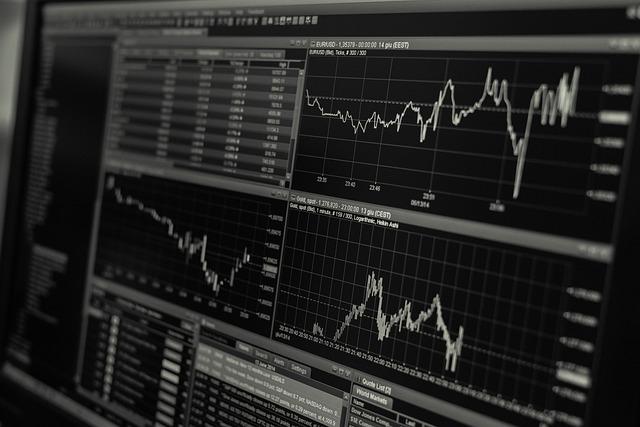
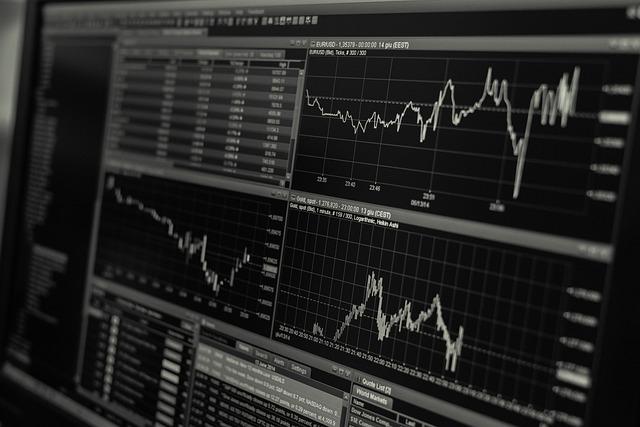
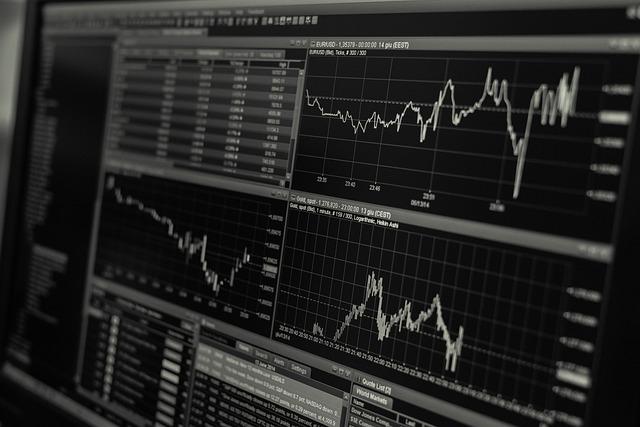
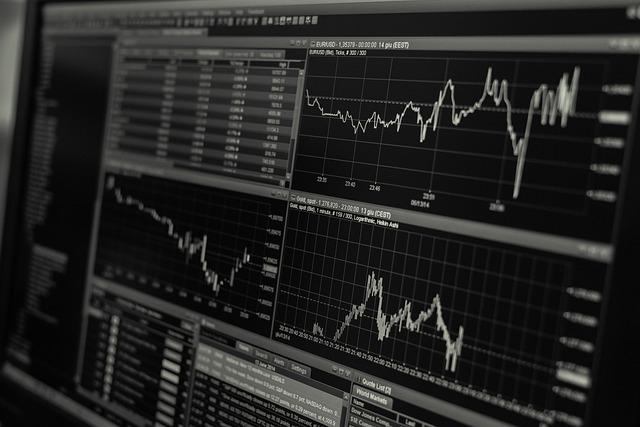
Mastering chart reading is less about memorizing patterns and more about understanding market psychology. When experts analyze charts, they don't just see lines or candlesticks-they see the ebb and flow of trader emotions, herd behavior, and key decision points. Recognize how volume surges during breakout attempts or how support and resistance levels act like invisible battlegrounds where bulls and bears clash. This mindset allows you to anticipate moves instead of merely reacting to them, turning raw data into actionable insight.
Here are some game-changing tips to sharpen your chart analysis skills:
- Focus on confluence: Combine multiple indicators to confirm trends and reversals.
- Spot divergence: When price and indicators disagree, a potential reversal is often brewing.
- Use time frames wisely: Zoom out for the big picture, zoom in for entry and exit precision.
| Indicator | What it Signals | Pro Tip |
|---|---|---|
| RSI | Overbought/Oversold conditions | Look for divergences to catch reversals early |
| MACD | Trend timing and momentum shifts | Watch for crossovers near support/resistance |
| Volume | strength behind price moves | Confirm breakouts with volume spikes |
Build a Winning Strategy with Risk Management Like a Boss
Mastering the market isn't about chasing every chance-it's about knowing when to take calculated risks and when to step back. To act like a true pro, stop gambling and start strategizing. This means defining clear risk limits for every trade, such as setting stop-loss orders and deciding how much of your capital is on the line. Remember, protecting your base capital is your first win; the profits will come only if you survive the game.
Here are some quick tips to keep your risk under control and your game strong:
- Diversify your portfolio: Don't put all your eggs in one basket-spread out risk.
- Use position sizing: Adjust trade size based on confidence and market conditions.
- Keep emotions in check: Stick to your plan, don't let fear or greed dictate moves.
- Review and adjust: Regularly analyze your trades to improve your risk parameters.
| Risk technique | Purpose | quick Benefit |
|---|---|---|
| stop-loss Orders | Limit maximum loss | Protects capital automatically |
| Position Sizing | Manage exposure per trade | Controls risk per trade |
| Diversification | Reduce dependence on one asset | Minimizes overall portfolio risk |
Stay Ahead of the Game by Learning from Your Losses
Every trader hits a rough patch, but the real pros use those moments as stepping stones rather than setbacks. When a trade doesn't go your way, don't just shrug it off-dig deep into what went wrong. Was it a misread chart pattern? Emotional decision-making? Or maybe external market factors you could have anticipated? Breaking down your losses helps transform frustrating experiences into valuable lessons, sharpening your instincts for the next opportunity.
To turn every loss into a learning moment, try keeping a simple, honest journal. Note down:
- Why you took the trade
- What indicators or signals you followed
- How the trade actually played out
- What you could improve next time
By reviewing this data regularly, patterns emerge, allowing you to fine-tune strategies with precision. Here's a quick snapshot of how reflection transforms results:
| Before Review | After Applying Lessons |
|---|---|
| Chasing impulsive entries | Waiting for clear setups |
| Ignoring stop losses | Implementing strict risk limits |
| Reacting emotionally | Sticking to tested plans |
Harness the Power of Patience and Discipline for Long-Term gains
Mastering the art of trading is less about chasing quick wins and more about committing to a steady, well-planned approach. The real secret sauce lies in nurturing patience and discipline, two qualities that transform impulsive decisions into calculated moves.When you resist the urge to jump on every market swing and rather wait for the perfect setup, you're setting yourself up for consistent success. Remember, the market rewards those who stick to their strategy and avoid the emotional rollercoaster of short-term volatility.
To cultivate these traits, consider incorporating these habits into your daily routine:
- Set clear rules for entries and exits and trust them.
- keep a detailed trading journal to review your decisions objectively.
- Practice mindfulness to stay calm and focused during market fluctuations.
| Trait | Benefit | Example |
|---|---|---|
| Patience | Prevents impulsive trades | Waiting for strong signals before buying |
| Discipline | Maintains strategy consistency | Exiting a trade at a predetermined stop-loss |
Q&A
Q&A: How to Think Like a Trading Expert and win Big
Q: I'm new to trading. How do experts even think differently from beginners?
A: Great question! Experts don't just look at prices or charts-they think in probabilities, not certainties.They know that every trade involves risk and the outcome isn't guaranteed. Rather of hoping for a “sure thing,” they plan for various scenarios and manage their risk accordingly.
Q: So, what's the first mindset shift I need to make?
A: stop trying to predict the market perfectly. experts focus on developing a consistent strategy that works over time, not chasing every hot tip or news headline. think of trading as a game of skill and patience, not luck.
Q: That sounds easier said than done – any tips for staying patient?
A: Patience is definitely a muscle you have to train. Set clear entry and exit points before you trade, and don't deviate just because you're anxious or excited. use stop losses and take profits to automate your discipline. Remember: sometimes the best trade is no trade.Q: What about handling losses? I get discouraged easily.
A: Losses? Totally normal, even for pros. What sets experts apart is how they handle them. They don't take losses personally-they see them as a cost of doing business. Instead of beating yourself up, review what happened, learn, and plan better for next time.
Q: How important is education compared to tools and technology?
A: Education is the foundation. Tools like trading platforms, indicators, and apps are helpful, but without understanding why you're making moves, those tools don't mean much. Keep learning about market behavior, risk management, and psychology. The better you understand yourself and the market, the better you'll trade.
Q: Can anyone develop this expert mindset, or is it just for pros?
A: Absolutely anyone can develop it! It's more about discipline and perspective than fancy credentials. The key is to practice regularly,learn from mistakes,and stay humble. Even the best traders started as beginners who messed up a lot.
Q: Any final advice for someone wanting to “win big” in trading?
A: Winning big comes from consistent, smart decisions over time-not from quick jackpots. Focus on building a solid strategy,controlling your emotions,and managing risk. Think long-term growth rather than instant riches, and you'll set yourself up for success.
Ready to train your brain to think like a trading expert? Start small, stay curious, and watch your confidence grow!
in summary
And there you have it – thinking like a trading expert isn't about some secret magic formula, but about sharpening your mindset, staying curious, and learning from every win (and loss). Remember,trading isn't a sprint; it's a marathon that rewards patience,discipline,and a little bit of guts. So go ahead, apply these tips, trust the process, and watch yourself start making smarter moves that could lead to those big wins. Happy trading, and may the markets be ever in your favor!