So,you've been hearing all the buzz about trading – stocks going up and down,people making (and sometimes losing) money,and maybe you're wondering if you should jump in too. If you're new to the game and feeling a bit overwhelmed, don't worry! Trading doesn't have to be intimidating or complex. In this post, we're breaking down some super easy tips to get you started right now, no jargon or confusing stuff. Whether you're just curious or ready to take that first step, these newbie-kind pointers will help you trade smarter and feel more confident from day one. Let's dive in!
Getting Your Feet wet Understanding the Basics of Trading
Before diving headfirst into the bustling world of trading, it's crucial to get a solid grasp of the foundational concepts. Think of it as learning to swim before jumping into the deep end of the pool. Start by familiarizing yourself with key terms like stocks,bonds,Forex,and commodities. Understanding market orders, limit orders, and the differences between long and short positions will also give you a clear edge. Remember, trading isn't about luck; it's about making informed decisions based on knowledge and strategy.
Keeping things simple at first can save you headaches down the line. Consider these essentials as your first steps:
- Research: spend time reading reliable sources and market news.
- Demo Accounts: Practice with virtual money on platforms like MetaTrader or Thinkorswim.
- Risk Management: Never risk more than a small percentage of your capital on a single trade.
- Start Small: Begin with low investment amounts to minimize potential losses.
| Term | Meaning | Example |
|---|---|---|
| Long Position | Buying with the expectation the asset will rise | Buying Apple stock at $150 hoping it increases |
| Short Position | Selling borrowed assets expecting prices to fall | Selling Tesla shares anticipating a price drop |
| Market Order | Immediate trade at current price | Buying shares instantly at $100 |
| Limit Order | Trade at a specified price or better | Buying shares only if price hits $95 |
Choosing the Right Market and Tools for Your Style
When stepping into trading, it's crucial to align your chosen market with your personal style and goals. Are you someone who enjoys fast-paced action and speedy decisions? Then forex or cryptocurrency markets might be your playground with their 24/7 availability and volatile nature. Prefer a more steady approach with in-depth research? The stock market offers a solid playground,especially with its wide range of industries to explore. Remember, each market has different hours, risk levels, and learning curves, so pick the one that feels natural and exciting to you.
Once you've picked your market, the right tools become your best friends. investing in a reliable trading platform is a must-look for one with an intuitive interface, real-time data, and strong charting capabilities. You might also want to include these essentials in your toolkit:
- Economic calendars – to track key market events and news
- technical indicators – like moving averages or RSI to spot trends
- Risk management tools – including stop-loss and take-profit orders
| Tool Type | Why It Helps | Recommended For |
|---|---|---|
| Trading Platform | User-friendly execution & charts | All styles |
| Economic Calendar | Stay ahead of news impact | Essential traders |
| Technical Indicators | Identify market trends | Technical traders |
| Risk Management | Protects your capital | All traders |

Mastering the Art of Reading Charts Without Losing Your mind
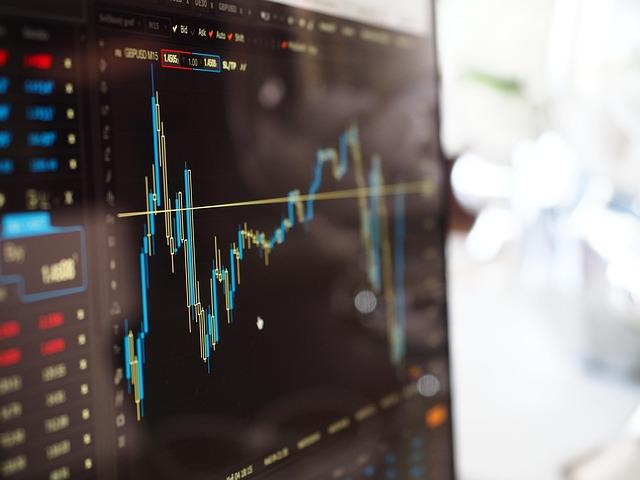
Charts might look like a foreign language at first, but once you get the hang of a few key elements, they become your best friends in trading. Start by focusing on basic chart types like line charts, bar charts, and candlestick charts. Each tells the story of price action in its own way. Candlestick charts,such as,are popular because they pack a lot of facts into one little figure – showing the open,close,high,and low for a trading period. Remember, don't overwhelm yourself trying to catch every detail promptly. Instead, get comfy with reading timeframes and spotting simple patterns like support and resistance levels.
To make your chart-reading journey smoother, keep these quick tips in mind:
- Keep it clean: Too many indicators can clutter your view and cause confusion.
- Trend matters: Identify whether the market is trending or moving sideways before making decisions.
- Volume counts: Look at trading volume to confirm the strength of price moves.
| Chart Type | Best For | Key Feature |
|---|---|---|
| Line Chart | Tradition & simplicity | Plots closing prices |
| Bar Chart | Detailed price action | Shows open,high,low,close |
| Candlestick Chart | Visual trading signals | color-coded price changes |
Smart Money Moves Avoiding Common Newbie Mistakes
When you're just starting out,it's super tempting to jump in headfirst with big bets,hoping to strike it rich. But smart traders know patience pays off. Avoid chasing quick wins by setting realistic goals and sticking to a solid plan. Keep your emotions in check-fear and greed are rookie traps that can erode your investment faster than you think. Rather, focus on consistent learning and practicing with small amounts before scaling up. Remember, trading isn't a sprint; it's a marathon where steady growth wins the race.
Another underrated move is keeping a clean,organized trading journal to track your decisions and outcomes. That way, you can identify what's working and what's not without relying on memory or luck. Also, don't fall for the hype around “foolproof” systems or guaranteed signals-ther's no magic bullet in trading. Here's a quick checklist to keep you sharp:
- Use stop-loss orders to limit potential losses.
- Diversify your investments to spread risk.
- Never risk more than 1-2% of your capital on a single trade.
- Stay updated but avoid information overload.
| Common Mistake | Smart Move |
|---|---|
| Overtrading | Stick to your plan + quality over quantity |
| Ignoring risk management | Always use stop-loss + risk limits |
| Following hype blindly | Research + verify before trading |
| Lack of record keeping | Keep a detailed journal |
Creating Your First Simple Trading Plan and Sticking to It
Starting with a straightforward trading plan helps you keep your focus and avoid emotional decisions, which are the biggest enemies of beginners. Begin by setting simple, clear rules such as your preferred trading hours, the maximum amount you're willing to risk on a single trade, and specific entry and exit points. Remember, consistency beats complexity – you don't need to overwhelm yourself with tons of indicators or strategies right away. instead, pick one or two markets (like stocks or forex), define your risk tolerance, and decide how you'll spot a good trade.
To make your plan stick, write it down and revisit it regularly. Use tools like a trading journal or apps to track your progress and reflect on your trades – this keeps you honest and aware of what's working or not. Here's a simple table to guide your first plan setup:
| Plan Element | Example / Notes |
|---|---|
| Trading Hours | Weekdays 9AM-12PM (your timezone) |
| Risk per Trade | 1% of your total trading capital |
| Entry Criteria | Buy after price breaks above 20-day moving average |
| Exit Strategy | Sell if price drops 2% from entry or gains 5% |
- Stick to your rules: Avoid the temptation to override your plan when emotions run high.
- Review & adjust: Don't be afraid to tweak your plan after a few weeks based on real results.
- Stay patient: Success comes with discipline, not speed.
Q&A
Q&A: Trading for Newbies – Easy Tips to Get Started right Now
Q: I'm totally new to trading. Where do I even begin?
A: Great question! Start by learning the basics-what stocks, ETFs, bonds, and other assets are. Think of it like learning the alphabet before writing sentences. There are tons of free resources online-YouTube videos,beginner blogs,and even free demo trading accounts where you can practice risk-free.
Q: Do I need a lot of money to start trading?
A: Nope! You don't need a fortune to start. Many brokers today let you open accounts with very small amounts-some even $0 to start. Just make sure you don't put in money you can't afford to lose, especially when you're just getting the hang of things.
Q: What's the difference between investing and trading?
A: Investing usually means buying and holding assets for the long-term-think years or decades. Trading, on the other hand, is all about buying and selling more frequently, sometimes in minutes or days, to capitalize on short-term market moves. Both can be profitable but require different mindsets.
Q: How do I choose a trading platform?
A: look for user-friendly platforms with educational resources, low fees, and good customer support. If you're a newbie, apps like Robinhood, Webull, or eToro can be a good start because they're intuitive and beginner-friendly. Also, try demo accounts to test them out before diving in.
Q: What's one simple strategy a newbie can try?
A: Dollar-cost averaging is a solid start. Rather of investing a lump sum all at once, you invest smaller amounts regularly, no matter what the market's doing. This smooths out your buys over time and takes some emotional pressure off.
Q: Should I be worried about making mistakes?
A: totally normal! Everyone makes mistakes when starting out-it's part of the learning process. The key is to start small,learn from each trade,and keep your emotions in check. Avoid going all-in or chasing “hot tips.”
Q: How can I avoid getting overwhelmed by all the info out there?
A: Focus on the basics first and avoid shiny-object syndrome. Follow a couple of trusted sources, keep a trading journal, and gradually build your knowledge. Remember, you don't need to know everything at once.
Q: Any final tips for newbies?
A: Yep! Be patient, stay curious, and never stop learning.Trading is a marathon, not a sprint. And moast importantly-keep it fun! If it starts feeling like a stressful chore, take a step back and breathe.
Ready to give trading a shot? Start small,keep it simple,and watch your confidence grow! You got this. 🚀
In Conclusion
And there you have it-your quick-start guide to dipping your toes into the world of trading without feeling overwhelmed. Remember, everyone starts somewhere, and it's totally okay to take it slow, learn as you go, and celebrate those little wins along the way. Keep your eyes open, stay curious, and don't be afraid to ask questions or make mistakes-that's how you grow. Now,go ahead and give it a shot! Happy trading,newbie! 🚀📈