

In the world of disaster movies, we often see exaggerated depictions of destruction, where physics and scientific accuracy take a backseat to spectacle.
However, some films get the science right, blending edge-of-your-seat thrills with authentic portrayals of natural disasters, pandemics, and more. These films not only provide entertainment but also showcase the real science behind the chaos.
Here’s a list of disaster films that stand out for their scientific accuracy, grounded research, and plausible scenarios.
Greenland (2020)

Unlike most movies that present a single comet or asteroid barreling toward Earth in hopes of saving the world, Greenland offers a more realistic take.
The film depicts a fragmented comet hitting Earth in multiple impact events, a scenario scientists believe is much more likely than a single cataclysmic collision.
The portrayal of the impact effects, such as shock waves, fires, and tsunamis, is grounded in plausible scientific explanations, making it one of the most scientifically accurate comet disaster films to date.
The social breakdown, communication failures, and competition for resources also mirror real-world issues during a global disaster.
Twister (1996)
While Twister may be remembered for its flying cows and daredevil storm chasers, the film is surprisingly accurate in its portrayal of tornado science.
Collaborating with NOAA’s National Severe Storms Laboratory, the filmmakers based the fictional storm-chasing technology, the “DOROTHY” device, on the real TOTO (TOtable Tornado Observatory).
The film accurately portrays tornado formation, Doppler radar technology, and the phenomenon of multiple-vortex tornadoes. Even the depiction of large debris and animals being lifted by tornadoes is scientifically plausible.
The movie even inspired a generation of meteorology students thanks to its authentic portrayal of storm-chasing culture.
The Day After Tomorrow (2004)
While the movie may condense centuries of climate change into a weekend of disastrous events, The Day After Tomorrow incorporates scientifically credible elements.
The film is based on the disruption of the Atlantic Meridional Overturning Circulation, a phenomenon that real scientists study when considering the effects of global warming.
Collaborating with paleoclimatologist Dr. Michael Molitor, the film accurately depicts how rapid climate shifts might occur, based on ice core data.
Although the timeline of events is exaggerated, the core concepts related to climate change and extreme weather events remain grounded in real scientific concerns.
Deepwater Horizon (2016)
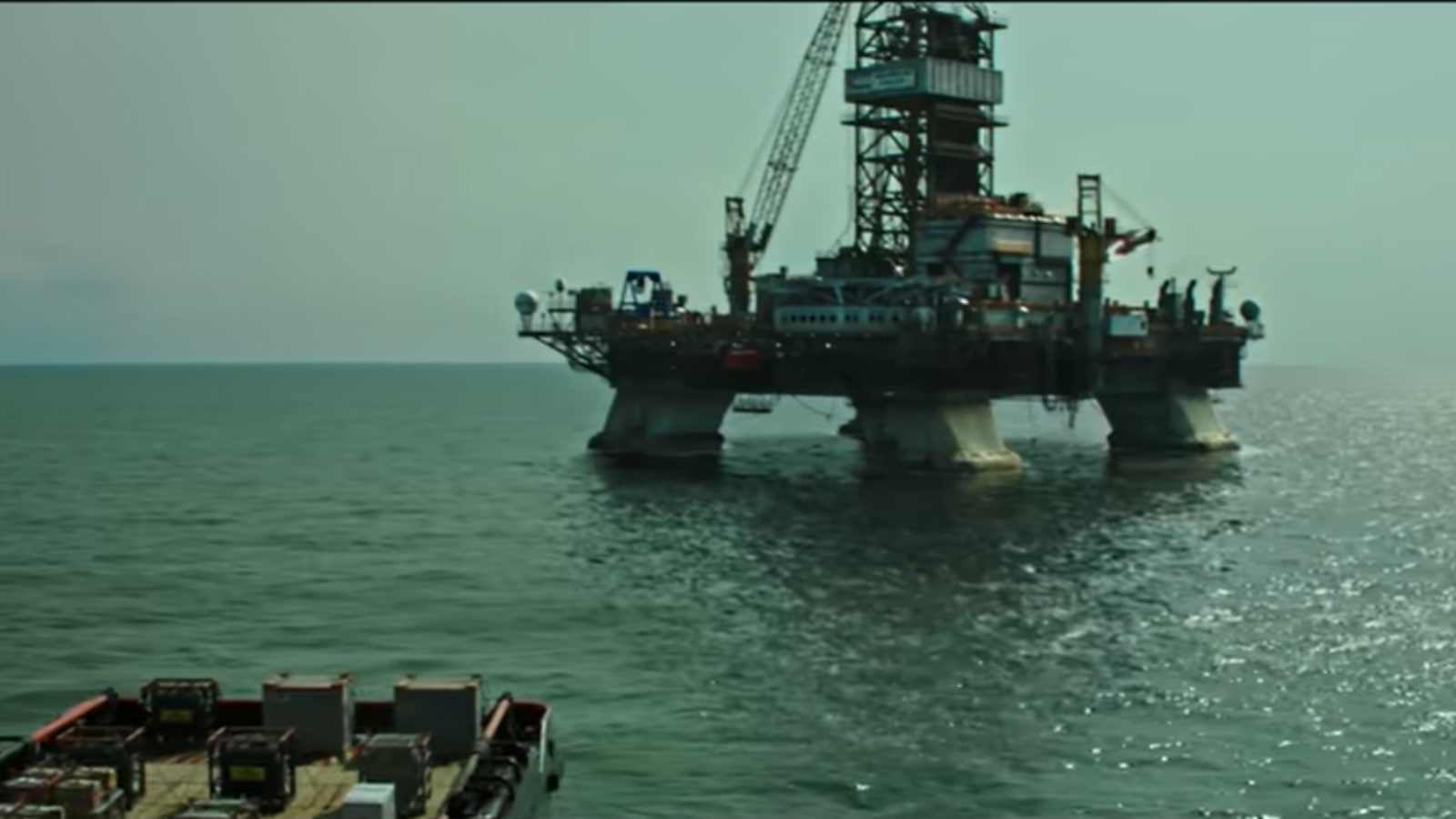
The Deepwater Horizon movie not only captures the terrifying reality of the 2010 Gulf oil rig disaster but does so with stunning accuracy.
Director Peter Berg worked with real-life oil-industry experts to ensure technical details of the disaster, such as methane buildup, pressure issues, and cement failures, were authentically portrayed.
The movie highlights the engineering failures that led to the explosion and shows the complexity of industrial disasters in a way most other films do not. The use of technical accuracy as a narrative backbone adds realism to this white-knuckle thriller.
The Impossible (2012)
When it comes to portraying the 2004 Indian Ocean tsunami, The Impossible takes an incredibly realistic approach. The filmmakers consulted with survivors and tsunami experts to accurately depict how tsunamis behave.
The film highlights that tsunamis are not always dramatic, crashing waves, but can instead manifest as rapidly rising floodwaters that overwhelm everything in their path.
The medical aftermath, including the depiction of injuries, infections, and makeshift medical treatment centers, is also deeply realistic.
While it is a gut-wrenching watch, it’s an authentic representation of both the disaster’s physical devastation and the psychological trauma that follows.
Apollo 13 (1995)
Though not a natural disaster, Apollo 13 is one of the most scientifically accurate disaster films ever made. The movie recreated the harrowing story of the 1970 Apollo 13 mission with such precision that NASA itself served as a consultant on the production.
The engineering problems, the life-or-death decision-making, and even the zero-gravity scenes were filmed inside NASA’s “Vomit Comet,” an aircraft that simulates weightlessness.
The film closely follows the original mission transcripts, with the dialogue largely mirroring what was said in real life.
The movie may take a few minor creative liberties, but it remains a textbook example of a disaster film that respects the science behind its plot.
A Night to Remember (1958)

In the battle of Titanic films, A Night to Remember remains the gold standard for historical accuracy. Based on Walter Lord’s book, the filmmakers meticulously researched the Titanic disaster, interviewing survivors and studying the technical details.
The film accurately shows the ship’s design flaws, the inadequacy of lifeboat capacity, and the catastrophic moment when the Titanic broke apart… an event that was confirmed by the wreckage only decades later.
The film avoids embellishing the disaster with fictionalized subplots and instead focuses on the real technical and human errors that led to the tragedy.
The Wave (2015)
The Wave brings a terrifying natural disaster to life, showing the reality of a landslide-triggered tsunami in Norway’s Geiranger Fjord.
Unlike most disaster movies, which rely on supernatural elements or fantastical scenarios, The Wave is based on a real threat that Norwegian geologists have studied.
The film captures the urgency of evacuating a town in minutes rather than hours, emphasizing the grim logistics of such a rapid disaster.
Expert consultation ensured that the tsunami’s portrayal, the mountain’s collapse, and the human response were scientifically accurate, making it a standout among natural disaster films.
Dante’s Peak (1997)
Dante’s Peak accurately portrays the signs of an impending volcanic eruption. While some events in the movie unfold faster than in real life, the film shows scientifically accurate eruption warning signs, such as seismic activity, changes in water chemistry, and wildlife suffering from gas releases.
The depiction of pyroclastic flows, mudflows, and the destruction caused by a volcanic eruption is chillingly realistic.
The movie also explores the political challenges of warning a community more concerned with tourism than safety. This situation mirrors real-world volcanic risks, such as the eruption of Mount St. Helens.
Contagion (2011)

Contagion remains the most eerily accurate disaster film in the wake of the COVID-19 pandemic. Director Steven Soderbergh brought in epidemiologists and public health experts to craft a story about the spread of a global pandemic.
The film accurately depicts how viruses spread, how vaccines are developed, and the societal breakdown that occurs when quarantine measures are implemented.
Watching Contagion post-2020 feels less like fiction and more like a grim documentary of what could happen in a real-world pandemic.
The film’s portrayal of viral spread, the chaos of public health measures, and the race for a vaccine serves as a chilling reminder of the complexities of managing global health crises.
Conclusion
While disaster movies often favor spectacle over realism, the films highlighted above prove that scientific accuracy can make for equally compelling storytelling.
By consulting with experts and grounding their narratives in real-world science, these movies not only entertain but also educate audiences about the complexities and realities of natural and human-made catastrophes.
In a genre known for exaggeration, these films stand out for honoring the facts behind the fiction.