
Most policyholders operate under the comforting illusion that their insurance coverage is “locked in” for the year once they pay their annual premium. We assume that the terms we agreed to when we bought the house or the car remain static until we decide to change them. However, the terms of how a claim is calculated can often shift quietly with a renewal endorsement, a mid-cycle notice, or a change in underwriting guidelines that you likely tossed in the recycling bin without reading.
In 2026, insurers are aggressively managing their risk exposure not by cancelling policies, but by altering the “settlement basis” of those policies. This means that while the face value of your policy (e.g., $300,000 for the dwelling) stays the same on paper, the actual check you receive for a claim shrinks significantly due to new calculation methods. These adjustments are often buried in dense renewal packets or updated “Declarations Pages.” They transform “Replacement Cost” policies into “Actual Cash Value” policies for specific items, quietly shifting thousands of dollars of risk back to you. Here are six specific adjustments that are shrinking insurance payouts right now.
1. The “Roof Surfacing” Schedule
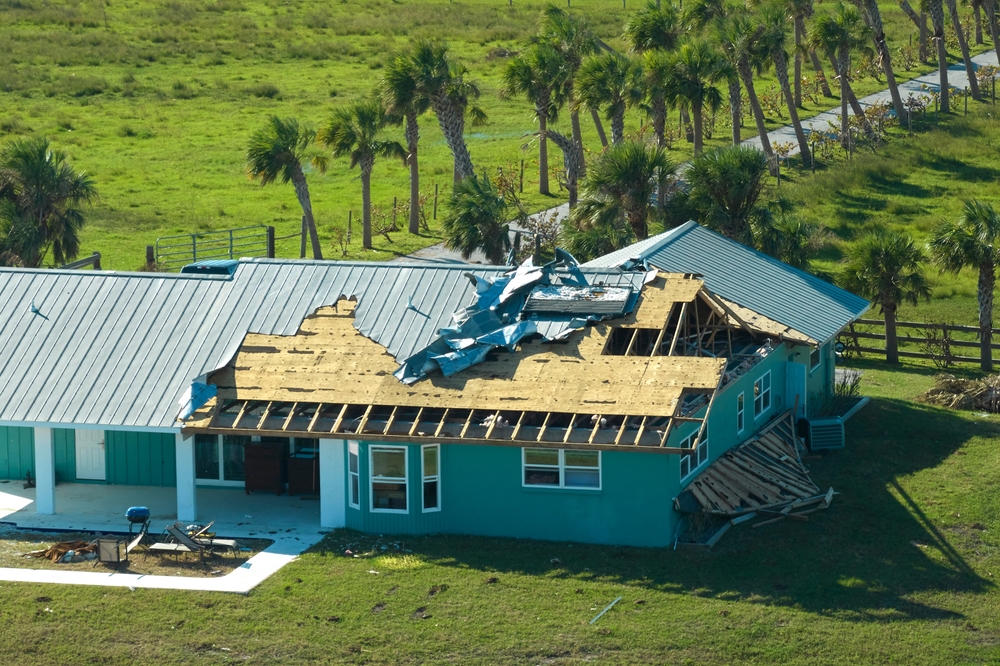
Historically, if a storm destroyed your roof, your insurance paid for a new one, minus your deductible. It was a simple transaction: old roof ruined, new roof provided. Now, many insurers are adding a Roof Surfacing Payment Schedule endorsement to their renewals. This clause changes the rules based on the age of your shingles.
If your roof is over 10 years old, the insurer will no longer pay the full replacement cost. Instead, they will pay a depreciated percentage based on a pre-set schedule. For example, a 15-year-old roof might only be covered at 40% of its value. If a new roof costs $20,000, the insurer cuts a check for $8,000, and you are left to pay the remaining $12,000 out of pocket. This effectively turns your roof coverage into a discount coupon rather than true insurance, yet it is often slipped into policies without a clear explanation of the financial impact.
2. The Percentage Deductible Shift
For decades, homeowners were accustomed to flat-rate deductibles like $500 or $1,000. It was an easy number to budget for. However, in high-risk areas prone to wind and hail, insurers have silently switched to Percentage Deductibles. This shift often happens at renewal, where the “$1,000” on your declaration page is replaced by “2%” or “5%.”
The math is devastating. A 2% deductible on a home insured for $400,000 is not $2,000—it is **$8,000**. You might file a claim for $6,000 worth of storm damage to your siding, only to be told that your deductible is higher than the damage, resulting in a payout of zero. You must check your declarations page immediately to see if that tiny “%” sign has appeared next to your wind/hail coverage line.
3. The “Cosmetic Damage” Exclusion
Insurers in hail-prone states are increasingly adding endorsements that strictly exclude “cosmetic damage” to metal roofs, siding, and windows. This clause distinguishes between damage that affects the function of the item and damage that affects the appearance. If a hailstorm pummels your metal roof, leaving it looking like the surface of a golf ball, but it does not actually leak, the insurer pays nothing.
You are left with a roof that is structurally sound but visually ruined, which can significantly lower your home’s resale value. Potential buyers will see the dents and demand a discount, effectively forcing you to pay for the damage through a lower sales price. This is a massive reduction in the actual value of the policy that most homeowners don’t discover until after the storm passes.
4. The “Actual Cash Value” Switch for Contents
Many renewal offers now default to “Actual Cash Value” (ACV) for personal property to keep premium increases artificially low. This sounds technical, but it is actually a massive reduction in coverage. If your 5-year-old laptop and wardrobe are stolen or destroyed in a fire, ACV pays you what those items are worth today on the used market—maybe $200 for the laptop and pennies for the clothes.
In contrast, “Replacement Cost” coverage pays you what it costs to buy new items at Amazon or a department store today. The difference between the “garage sale price” and the “retail price” can be tens of thousands of dollars in a total loss. You must affirmatively select Replacement Cost Coverage to get the full protection; if you let the policy auto-renew with the default ACV setting, you are severely underinsured.
5. The “Sub-Limit” Reduction
Policies have always had “sub-limits” for specific high-risk categories like jewelry, firearms, silverware, and electronics. However, insurers have been quietly lowering these caps to limit their exposure to theft claims. A policy that used to cover $2,500 for jewelry theft might now cap it at **$1,000** or even $500 in the fine print.
If your engagement ring is stolen, you will hit this cap instantly, losing thousands of dollars in value. These changes rarely make the headlines; they are just changed numbers on page 14 of your policy jacket. You need to schedule valuable items separately to bypass these shrinking sub-limits, or you will find your reimbursement covers only a fraction of your loss.
6. The “Matching Siding” Exclusion
If a storm strips the vinyl siding off the north wall of your house, you naturally expect the insurance to repair it so your house looks whole again. However, insurers are adding exclusions that say they do not owe for “matching.” This means they will pay to fix the damaged wall with brand new, bright white vinyl, even if the siding on the other three walls is faded cream from ten years of sun exposure.
They are legally fulfilling their obligation to repair the damage, but they are not obligated to restore the aesthetics. You are left with a mismatched, two-tone house unless you pay out of pocket to re-side the other three walls yourself. This application of the Line of Sight rule saves the insurer money but ruins your home’s curb appeal.
Audit Your Declarations Page
Do not just look at the premium price when your renewal arrives in the mail. Look for the specific words “Schedule,” “Exclusion,” and “ACV.” These are the vocabulary words that will cost you thousands of dollars when you file a claim. If you see them, call your agent and ask how much it costs to remove them—it is often cheaper than the alternative.
Did your roof claim get depreciated this year? Leave a comment below—share the percentage they paid!