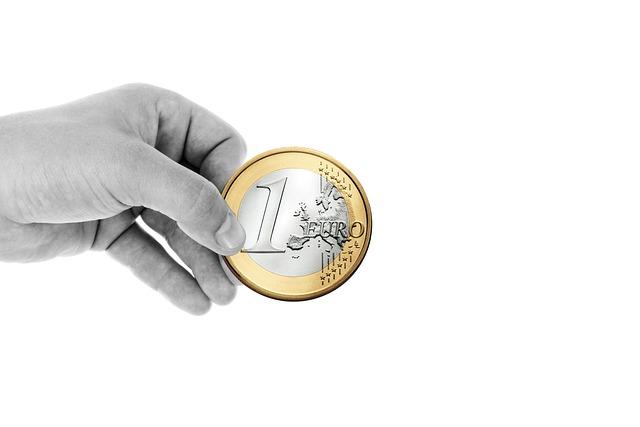
Starting your financial journey can feel like staring at a giant puzzle with a million pieces-overwhelming,confusing,and a bit intimidating. But guess what? Managing your money doesn't have to be complex or scary. Whether you're just getting your first paycheck, juggling bills, or dreaming about saving for something big, mastering the basics is totally doable. In this post, we're breaking down simple, no-nonsense tips to help finance newbies like you get started on the right foot. Ready to take control of your money without the stress? Let's dive in!
Understanding Your Money Mindset to Build a Solid Foundation
Before diving into numbers and budgets, it's crucial to check in with your beliefs about money. Our mindset shapes every financial decision, often without us realizing it. Think about your earliest memories around money-were thay filled with stress or abundance? By identifying your personal money story, you can spot habits that either help or hurt your financial health. Here are a few key points to consider:
- Money Fears: Do you avoid looking at your bank account? Fear can freeze your financial progress.
- Spending Triggers: Are you an emotional spender or do you budget tightly? Understanding this can guide your smart money moves.
- Beliefs About Wealth: Is having money “greedy” or “necessary” in your mind? Reframing your thoughts opens up new possibilities.
changing your money mindset isn't about flipping a switch overnight-it's about steady growth. Small shifts,like celebrating savings milestones or tracking daily expenses mindfully,build a stronger foundation. To keep things clear, here's a simple breakdown of common mindset shifts and their positive effects:
| Old Mindset | New Mindset | Positive Outcome |
|---|---|---|
| “Money is scarce.” | “Money flows with effort and planning.” | Less stress, more proactive budgeting. |
| “Debt is a failure.” | “Debt can be a tool when managed wisely.” | Better credit habits and smarter borrowing. |
| “I'm bad with money.” | “I'm learning and improving every day.” | More confidence and consistent progress. |

Creating a Budget That Actually Works for You
Start by getting real about your income and expenses. You don't have to track every single penny, but knowing the main numbers will set you up for success. List out your sources of income and all your monthly bills, from rent to subscriptions you forgot you had. Then, categorize your spending into essentials, like groceries and utilities, and non-essentials, like dining out or new gadgets.Being honest and detailed here is key. when you see everything laid out, it's easier to spot where you can cut back without feeling deprived.
Next, build a budget that fits your lifestyle, not a cookie-cutter template you found online. Use this simple framework to guide your plan:
- 50% Needs (housing, food, transportation)
- 30% wants (entertainment, hobbies, dining out)
- 20% Savings and Debt Repayment
Feel free to adjust these percentages depending on your priorities. maybe you want to save more aggressively, or treat yourself a little more-either way, your budget should motivate you, not stress you out. here's a swift glance at how this could look for a $2,000 monthly income:
| Category | Percent | Amount |
|---|---|---|
| Needs | 50% | $1,000 |
| Wants | 30% | $600 |
| Savings/Debt | 20% | $400 |
Adjust these numbers as life changes, and don't forget to revisit your budget every month. When your budget works for you, it's way easier to stick with it-and that's when the magic happens.
Smart Saving Hacks Even Beginners Can Do
Getting started with saving doesn't have to be complicated. One of the easiest ways is to automate your savings-set up your bank account to transfer a fixed amount to a savings account right after payday. This “pay yourself first” approach removes the temptation to spend what you intended to save. Another smart move? Cut down on small, unnecessary expenses. That daily coffee or lunchtime snack might seem harmless, but they add up quickly. Try brewing your own coffee and packing lunch a few times a week-your wallet will thank you!
Here are a few simple habits that can make a big difference without feeling restrictive:
- Use cashback apps: They make earning money back effortless when you shop.
- Round-up purchases: Many banks offer programs that round up your debit card purchases to the nearest dollar and save the difference.
- Set savings goals: breaking down your targets into bite-sized pieces keeps motivation high.
| Habit | Monthly Savings Potential | Difficulty Level |
|---|---|---|
| Automate Transfers | $50 - $200 | Easy |
| Cut Daily Coffee | $30 – $100 | Moderate |
| Use Cashback Apps | $10 – $50 | Easy |
| Round-up Purchases | $5 – $20 | Very Easy |
Diving Into Debt: How to Manage and Eliminate it Fast
Getting a grip on your finances when you're swimming in debt might feel overwhelming, but the key is to take control early and stay consistent. Start by tracking every expense, no matter how small – awareness is half the battle. Next, prioritize your debts by interest rate. Pay off the highest-interest debts first while maintaining minimum payments on the others; this saves you money in the long run and speeds up the payoff process. Don't hesitate to negotiate lower rates or explore balance transfer offers with zero or low introductory interest if you can handle managing multiple accounts responsibly.
Building a simple yet effective plan can make all the difference. Try these quick strategies to accelerate your debt elimination:
- Snowball Method: Pay off the smallest debts first to gain momentum and motivation.
- Extra Payments: Put any extra cash (gifts, bonuses, side hustle income) directly toward your debt.
- Cut Non-Essentials: Temporarily scale back on luxury spending to free up funds for repayment.
| Debt Type | Typical Interest Rate | Suggested Priority |
|---|---|---|
| Credit Cards | 15% – 25% | High |
| Student Loans | 4% – 7% | Medium |
| Car Loans | 3% – 6% | Low |
| Personal Loans | 6% – 15% | High |
Investing Basics Without the Confusion
When dipping your toes into investing, the key is to keep things simple and stress-free. Start with understanding the basic types of investments like stocks, bonds, and mutual funds. Stocks represent ownership in a company, bonds are essentially loans you give to entities, and mutual funds pool money from many investors to buy a mix of assets. Don't rush into complicated strategies-focus on building a solid foundation by diversifying your investments and setting realistic goals that match your timeline and risk tolerance.
Here's a quick cheat sheet to guide your first steps:
- Define your goals: Short-term or long-term? Knowing this helps tailor your approach.
- Don't put all your eggs in one basket: Spread your money across different assets.
- Think about low-cost options: Index funds or ETFs frequently enough offer great value with minimal fees.
- Stay patient: Investing is a marathon, not a sprint.
| Investment Type | Risk level | Potential Return |
|---|---|---|
| Stocks | High | 7-10% annually |
| Bonds | Moderate | 3-5% annually |
| Mutual Funds | Varies | Depends on holdings |
| ETFs | Varies | Depends on index |
Q&A
Q&A: Finance for Newbies – Simple Tips to Get You Started Right
Q: I'm totally new to managing money. Where should I begin?
A: Great question! Start by tracking your income and expenses. Just knowing where your money comes from and where it goes is huge. Use a simple app or even a notebook. This awareness is the foundation for everything else.
Q: Should I be saving money even if I'm living paycheck to paycheck?
A: Absolutely! Even if it's just $5 or $10 a week, building the habit of saving helps. Think of it like training wheels - small savings add up over time and build your financial confidence.
Q: What's the deal with budgeting? Is it realy necessary?
A: Yes! Budgeting is just a plan for your money, not a strict jail sentence. It helps you control your spending so you can save and avoid debt.Start simple – list your essentials (rent, food, bills) and see what's left for fun stuff.
Q: Credit cards scare me. Should I avoid them?
A: Don't be scared – use them wisely! Credit cards can help build your credit score if you pay your balance in full each month. Just don't treat them like free money. If you're unsure, start with a secured card or a low-limit one.
Q: How significant is an emergency fund?
A: Super important! Life throws curveballs – car repairs, medical bills, job hiccups. An emergency fund gives you peace of mind and stops you from going into debt when unexpected stuff happens. Aim for at least 3 months of expenses eventually.Q: Investing sounds complicated. Should beginners bother?
A: Investing can seem scary but starting early is key. Even small amounts grow with time thanks to compounding. Consider beginner-pleasant options like index funds or robo-advisors – they do a lot of the heavy lifting for you.
Q: What's one money habit I should develop ASAP?
A: automate your savings! Set it and forget it. Whether it's transferring a small amount to a savings account every payday or investing monthly, automation removes the guesswork and keeps you consistent.
Q: Any advice for avoiding common money mistakes?
A: Without a doubt! Don't chase “get rich quick” schemes. Avoid impulse buys by giving yourself a 24-hour rule before major purchases. And don't be afraid to ask questions or learn - personal finance isn't as complicated as it seems once you dive in.
Q: How do I stay motivated to keep my finances on track?
A: Celebrate small wins! Paid off a credit card? Saved your first $100? That's progress. Also, remind yourself why it matters – whether it's debt freedom, a vacation, or financial security, keep your goals visible.
Got more questions on getting your money right? Drop them in the comments! We're all learning and growing here.💸✨
to wrap it Up
And there you have it-finance doesn't have to be scary or complicated! Just take it one step at a time, stick with these simple tips, and you'll be building a solid money foundation before you know it. remember, everyone starts somewhere, and the best time to get your finances in shape is now. So go ahead,dive in,keep learning,and watch your financial confidence grow. you've got this!