Ever wondered what's really going on inside the mind of an economy expert? Whether you're a curious newbie or someone who's dipped thier toes into financial news, understanding how these pros think can totally change the way you see money, markets, and those confusing economic trends. In this article,we're diving headfirst into the brains of economy experts to uncover what they focus on,how they make sense of the chaos,and what you should know to stay ahead of the game. No jargon, no fluff-just the real deal from the experts' perspective. Let's get into it!
Understanding Market Trends Like a Pro
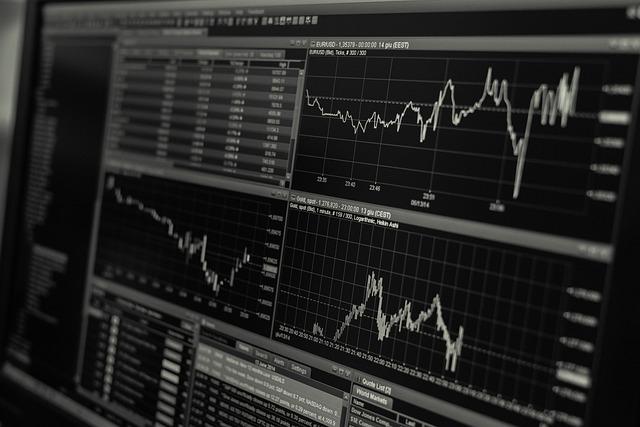
Grasping market trends isn't just about watching charts or reading news headlines-it's about understanding the underlying forces that drive changes in consumer behavior and economic shifts. Experts dive deep into data patterns and connect the dots between seemingly unrelated events.For example, a sudden shift in commodity prices might ripple out to affect travel costs, which then influence consumer spending habits. To get ahead, always keep an eye on macro indicators like unemployment rates and inflation, but don't ignore micro variables such as technology disruptions or cultural trends that can redefine entire industries overnight.
- Timing matters: Short-term hype can mislead, focus on long-term momentum.
- Diversify insights: Blend quantitative data wiht qualitative observations.
- Follow sentiment: Social media and consumer feedback often foreshadow real shifts.
| Market Signal | What It Means | Expert Tip |
|---|---|---|
| Rising Bond Yields | Inflation concerns increase | watch stock sectors sensitive to interest rates |
| Consumer Sentiment Drop | Potential slowdown ahead | Prepare for defensive investments |
| Tech Innovation Surge | Disruptive growth expected | spot early adopters for opportunities |

Decoding Economic Jargon Without Breaking a Sweat
Economics doesn't have to sound like an alien language. When you strip away the complex words and endless acronyms, it boils down to some pretty simple ideas about how people, businesses, and governments handle money and resources. Just think of terms like inflation, which is basically the rise in prices over time, or GDP-the total value of everything a country produces. Once you get the gist of these basics, understanding economic news or discussions becomes way less intimidating.
Here's a rapid cheat-sheet to help you breeze through the common economic buzzwords:
- Stagflation: Unfortunate combo of stagnant growth + inflation (think rising prices but no new jobs)
- Monetary Policy: How central banks like the Fed control money supply and interest rates
- Laissez-Faire: The government's hands-off approach to the economy
- Fiscal Stimulus: When the government spends or cuts taxes to boost the economy
| Term | What it Means | Why It Matters |
|---|---|---|
| Bear Market | Falling stock prices | Signals economic pessimism |
| Liquidity | How easily assets can be converted to cash | Vital for smooth market function |
| Capital Gains | Profit from selling investments | Impacts your taxes and wealth |

How Experts Predict Economic Shifts Before They happen
Seasoned economy experts often rely on a blend of quantitative data and subtle qualitative cues that many overlook. Beyond just tracking GDP growth or unemployment rates, they pay close attention to leading indicators such as manufacturing activity, consumer sentiment, and even bizarrely, shipping container volumes. These signals form an early-warning ecosystem, like a radar alerting them to incoming turbulence.Experts also tap into option data sources nowadays, including satellite imagery of retail parking lots and social media chatter trends, which provide real-time insight into economic moods and shifts that customary stats might report on only months later.
One crucial skill is understanding how different elements weave together – it's a bit like piecing together a jigsaw puzzle with moving pieces. Here's a quick snapshot of elements they track:
- Interest rate movements: Subtle changes here hint at future borrowing costs and consumer behavior.
- Corporate earnings reports: A dip across sectors could signal tightening before it hits the broader economy.
- Labor market participation: Not just unemployment numbers but who is entering or leaving the workforce.
- Global supply chain status: Disruptions can foreshadow inflationary pressures or slowdowns.
| Indicator | Why It Matters | Typical Lead Time |
|---|---|---|
| Manufacturing PMI | Signals production trends and business confidence | 1-3 months |
| Consumer Sentiment Index | Predicts future spending habits | 2-4 months |
| Job Quit Rate | Indicates worker confidence and labor market strength | 1-2 months |
Smart Money Moves Based on Expert Insights
Taking control of your financial future starts with making decisions that go beyond the surface.Experts emphasize the importance of diversifying your income streams – don't just rely on a paycheck. Think investments, side hustles, and savings that work actively for you. Keep an eye on inflation trends and interest rates, as these invisible forces shape the cost of everything from your morning coffee to housing.Budgeting isn't just about cutting costs; it's about prioritizing your financial goals with discipline and creativity.
Consider these smart tactics many in the know swear by:
- Automate your savings: Build your emergency fund without even thinking about it.
- Invest early, invest frequently enough: Compound interest is your best friend.
- Reduce high-interest debt: Credit card balances can drain your financial health faster than you realize.
- Stay informed: Economic shifts require flexible strategies-adapt rather of panic.
| Expert Tip | Why It Matters |
|---|---|
| Invest in index funds | Steady growth with lower risk |
| Keep a 3-6 month emergency fund | Financial cushion against unexpected events |
| Review your budget quarterly | Stay aligned with shifting priorities |
Common Mistakes to Avoid When Thinking Like an Economy Guru
when trying to adopt the mindset of an economy expert, one of the biggest pitfalls is to oversimplify complex economic phenomena. Real-world economies are intricate webs with countless moving parts – no single indicator tells the whole story. It's easy to fall into the trap of making sweeping conclusions based on isolated data points like GDP growth or unemployment rates. However, true economic insight requires synthesizing various signals, understanding policy impacts, and considering historical context. Remember, quick fixes and catchy headlines rarely capture the nuance experts live by.
Another common mistake is assuming that market behavior is always rational or predictable. Even the savviest economists acknowledge that emotions, speculation, and unforeseeable events can wildly sway markets. Trying to force patterns or trends into a rigid framework can lead to costly misjudgments. Rather, stay flexible and open to change, and resist the urge to believe you can time the market perfectly. here's a quick rundown of typical slip-ups to dodge:
- Ignoring the influence of government policy shifts
- Equating short-term volatility with long-term trend changes
- Relying solely on past data without considering emerging factors
- Overestimating the predictive power of economic models
| Mistake | Why It Matters |
|---|---|
| Oversimplification | Leads to misguided strategies and missed opportunities |
| Ignoring policy changes | Can cause you to underestimate market impacts |
| Predicting with overconfidence | Sets you up for unexpected losses |
Q&A
Q&A: Inside the Mind of an economy Expert – What you Should Know
Welcome to our casual deep dive into the brain of an economy expert! if you've ever wondered how these folks think and what really matters to them,you're in the right spot.
Q: So, what exactly does an economy expert do all day?
A: Great question! think of them as detectives of money and markets. They analyze trends, crunch numbers, read tons of reports, and try to predict what the markets or economies might do next. Their job is to make sense of a crazy complex system – people, businesses, governments – all buying and selling, investing and saving. Oh, and they also frequently enough advise policymakers or businesses on what moves might be smart.
Q: Do economy experts have a crystal ball?
A: Not quite. They don't predict the future like fortune tellers. Instead, they use data, historical patterns, and economic theories to make educated guesses. Economy isn't a perfect science as humans don't always behave logically. But these experts are like weather forecasters – they can't promise 100% accuracy, but they can point out likely trends and risks.
Q: What's one thing that economy experts wish more people understood?
A: that the economy isn't just about numbers and graphs; it's about people's lives. How jobs, inflation, and interest rates affect your paycheck, your rent, your coffee budget. Economy experts want us to know that policies and market changes have real effects on everyday life, not just on Wall Street.
Q: How do economy experts handle uncertainty?
A: With a lot of caution and humility. Since unknowns are part of the game, they often use “scenario analysis” – basically, what-if plans for different outcomes. They also stay curious and keep updating their views as new data comes in. Flexibility is key because the global economy loves to throw curveballs.
Q: Is it all doom and gloom in the economy world?
A: Nope! Economy experts see both challenges and opportunities. Yeah, recessions and market crashes grab headlines, but there's also growth, innovation, and recovery happening all the time. Many experts are optimistic about how economies can adapt and improve in the face of new technology and policy changes.
Q: Should I be worried about what the economy expert says on TV?
A: Take it with a grain of salt. media loves to highlight dramatic predictions as they get clicks and views. Experts usually give more balanced opinions in private or academic settings. It's good to listen but also learn some basics yourself so you can filter the hype from the helpful info.
Q: How can I think more like an economy expert?
A: start by paying attention to the big picture – jobs, inflation, consumer spending – and how they connect. Read a bit about economic basics (there are plenty of fun blogs and videos out there). Most importantly, stay curious and don't be afraid to ask questions or question assumptions. The economy affects you every day, so getting a grasp on it can be pretty empowering.
Hope this Q&A gave you a peek inside the economy expert's mind! Got more questions? Drop them below – let's keep the conversation rolling.
The Way Forward
And there you have it-a little peek inside the mind of an economy expert! Hopefully, this gave you a clearer picture of how these pros see the world's financial ups and downs and why their insights matter more than you might think. The economy might seem complicated, but with a bit of curiosity and the right perspective, it becomes way more approachable. So next time you hear about market shifts or economic forecasts, you'll be ready to nod knowingly (or even join the conversation). Stay curious, keep asking questions, and who knows-you might just become your own little economy expert one day!